


Wander These 6 Fascinating Spanish Cities and Unravel Their Enchanting Allure

Updated On: November 10, 2023 by  Miranne Khaled
Europe is a fascinating continent with cultural and linguistic diversity that keeps you hypnotised by its beauty. Despite the many beautiful European countries, it’s time to highlight the unprecedented beauty of the Spanish Islands. With its captivating beauty, Spain beckons travellers to embark on a mesmerising journey through its vibrant landscapes.
Spain is the original home of the Hispanic heritage, allowing you to absorb its enriching Hispanic culture and indulge in the trove of experiences this enchanting land offers. As you traverse its diverse terrain, you’ll trace the footprints left by people from all corners of the world, amplifying the cultural tapestry that defines Spain.
Whether planning a getaway with your loved ones or seeking a soul-stirring solitary adventure, Spain is the ultimate destination. To ensure you make the most of your visit, we have meticulously curated a comprehensive list of the most captivating destinations spread across various Spanish cities.
Explore, discover, and revel in the allure of the Spanish Cities as you embark on an unforgettable expedition through this mesmerising country.
Barcelona: A Great Blend of Cultural Tapestry
Barcelona is a captivating Spanish and Mediterranean haven, boasting divine beaches and a perpetual sunny climate. This vibrant city brilliantly intertwines the grandeur of art, culinary delights, and thrilling sports.
Gaudi’s splendid architecture leaves visitors in awe, while the city proudly flaunts a generous collection of 30 Michelin-starred restaurants. The glorious Barcelona football club has undeniably contributed to our city’s global recognition as an unrivalled travel hotspot.
La Sagrada Familia
Barcelona, Spain, holds an absolute gem that captures the hearts and souls of all whose eyes are upon it: the breathtaking Sagrada Familia. This holy cathedral, envisioned by the renowned architect Antoni Gaudí, stands as a testament to human creativity and devotion, boasting the title of the world’s largest unfinished church. Its grandeur captured the attention of the UNESCO World Heritage, earning a spot on its list.
You cannot miss the opportunity to admire this architectural marvel while visiting Barcelona. While the completion of Sagrada Familia is anticipated for 2026, its ongoing construction only adds to its allure and allows visitors to witness the creation of a masterpiece firsthand. However, be sure to plan ahead and secure your tickets several days in advance, as explorers from all over the globe will not miss this treasure.
One of the most captivating features of Sagrada Familia lies in its mosaic-covered roof, delicately crafted to reflect the enchanting moonlight. Wander beneath its mesmerising gleam and experience an ethereal ambience, as if the structure itself were a guiding lighthouse, leading lost seafarers back to the comfort of their homes. Furthermore, the architectural brilliance of the roof allows the sun to cast its radiant reflection in all directions, making Sagrada Familia a prominent and unmissable sight from every corner of the vibrant city.
Welcome to Park Güell, an awe-inspiring oasis of art and nature in the heart of Barcelona. Designed by the legendary Catalan architect Antoni Gaudí, this sprawling garden is a masterpiece of architectural innovation. Since its opening in 1922, it turned into one of the unmissable destinations for tourists and locals alike in no time. It also earned the prestigious UNESCO World Heritage Site title in 1984.
Park Güell
Prepare to be enchanted as you enter this magical, extraordinary green space. The park’s stunning and distinct architectural elements will transport you into a world of wonder and awe. It would be a missed opportunity to visit Barcelona without experiencing the captivating beauty of Park Güell.
Visitors should buy a ticket to access the park’s monumental art park. As the park welcomes around 400 people every half an hour, it is not uncommon to encounter long queues. To avoid wasting valuable time waiting in line, we suggest buying your ticket online in advance. Doing so allows you to bypass the endless queues and ensure a seamless and enjoyable visit to this iconic attraction.
Don’t miss out on the chance to immerse yourself in the enchanting atmosphere of Park Güell. Discover Gaudí’s architectural brilliance and let the park’s serene surroundings leave you breathless.
La Pedrera – Casa Mila
Casa Milà, better known as La Pedrera, stands as a masterpiece of modernist architecture nestled in the vibrant city of Barcelona, Spain. This iconic gem represents the pinnacle of Antoni Gaudí’s artistic brilliance, showcasing innovative construction techniques and functional designs that defied the architectural norms of their time. Not only was Gaudí a visionary, but his ability to craft ornate and decorative solutions truly sets Casa Milà apart.
Upon entering this architectural marvel, visitors are greeted with a myriad of captivating spaces. Don’t miss the opportunity to explore the museum housed within the building’s attic, accessible via a series of enchanting winding staircases. Immerse yourself in the captivating exhibits meticulously curated to offer a glimpse into the extraordinary life and work of Antoni Gaudí, as well as the rich historical narrative of Casa Milà itself. Original drawings, photographs, and intricate models await discovery, shedding light on Gaudí’s creative process and offering fascinating insights into the building’s evolution over time.
But the marvels of Casa Milà don’t stop at the museum. Take a moment to savour the enchanting public areas within this architectural masterpiece. Wander through the grand entrance hall, where history seems to whisper its secrets. Bask in the splendour of the salon, where Gaudí’s attention to detail intertwines flawlessly with functionality. And if you dare, venture into the ballroom, a space that exudes elegance and grandeur, prompting visions of lively soirées and enchanting dances from a bygone era.
Visiting Casa Milà is an immersive experience that transcends mere admiration for its architectural beauty. It offers a gateway into the mind of an architectural genius, revealing the ingenuity and passion behind every nook and cranny of this extraordinary building. Embark on an unforgettable journey through history, creativity, and timeless elegance at Casa Milà, a true testament to Gaudí’s mastery.
Madrid: The Heart of Spain
Madrid, the art lover’s haven, proudly reigns as the international capital of artistic brilliance. The extraordinary, creative golden triangle is nestled amidst its vibrant streets, a trifecta of cultural richness. Within easy strolling distance, one can embark on a mesmerising journey through the hallowed halls of the Prado, the Thyssen Museum, and the Reina Sofia Museum.
This eclectic collection of masterpieces astounds visitors, leaving them in awe of the city’s unrivalled artistic prowess. Madrid’s magnetism extends far beyond its artistic treasures, captivating the hearts of all who wander its enchanting streets.
Delve into the depths of this spectacular Spanish metropolis and unravel the many reasons why it captures the imagination of so many.
The Royal Palace
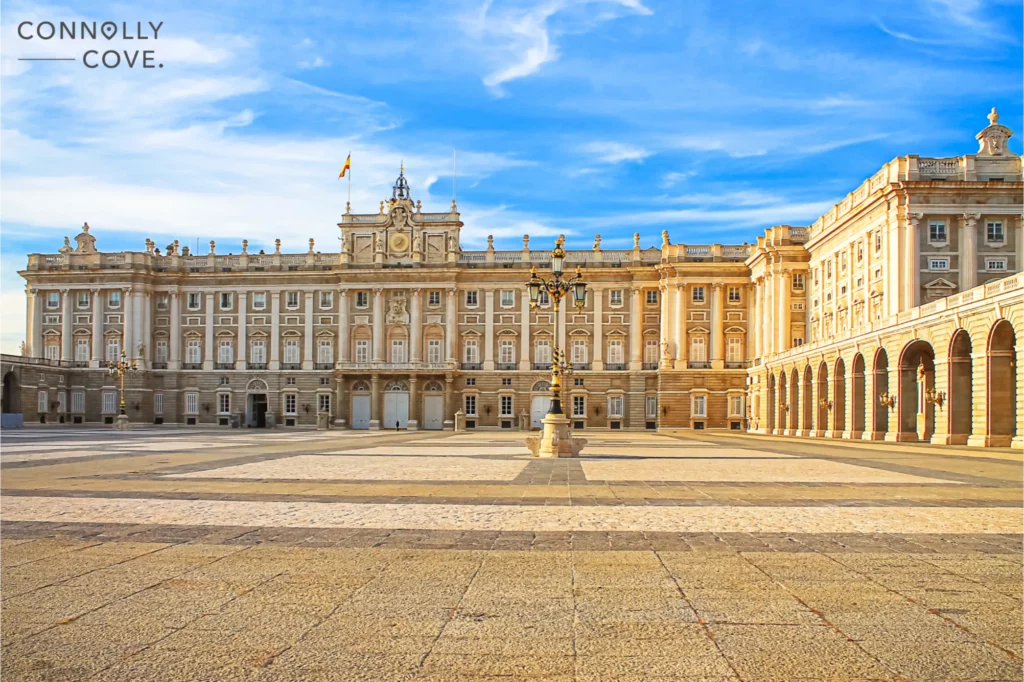
The Royal Palace of Madrid stands proudly as an impressive testament to the Spanish capital’s rich royal history and cultural heritage. As the largest palace in Western Europe and one of the largest in the world, it is a remarkable sight to behold. Its grandeur and majesty connect to the illustrious reigns of the Spanish royal family throughout history.
Initially, the palace was a fortress that the Moors built before it has undergone numerous architectural transformations throughout the centuries. A harmonious blend of diverse architectural styles reflects the influence of different periods in Spain’s history. From Gothic to Baroque, Neoclassical to Renaissance, the palace is a captivating tapestry of artistic expression, offering a visual feast for visitors.
Though the present-day Spanish royals do not reside within its walls, the Royal Palace of Madrid remains an awe-inspiring destination that should not be missed. Stepping foot into this extraordinary estate, one cannot help but be enveloped in a sense of wonder and appreciation for the grandeur that surrounds them. For close to three centuries, this magnificent palace has stood resolute, standing as a symbol of Spain’s enduring legacy.
Whether captivated by its fascinating history, architectural brilliance or simply by the sheer magnificence of its vast expanse, a visit to Madrid’s Royal Palace is an experience that leaves an indelible impression. As you wander through its majestic halls and explore its meticulously adorned rooms, you cannot help but feel a connection to the past, a genuine appreciation for the artistry and craftsmanship that went into its creation. The Royal Palace of Madrid is a treasure that beckons you to discover its captivating allure.
Prado Museum (Museo Nacional del Prado)
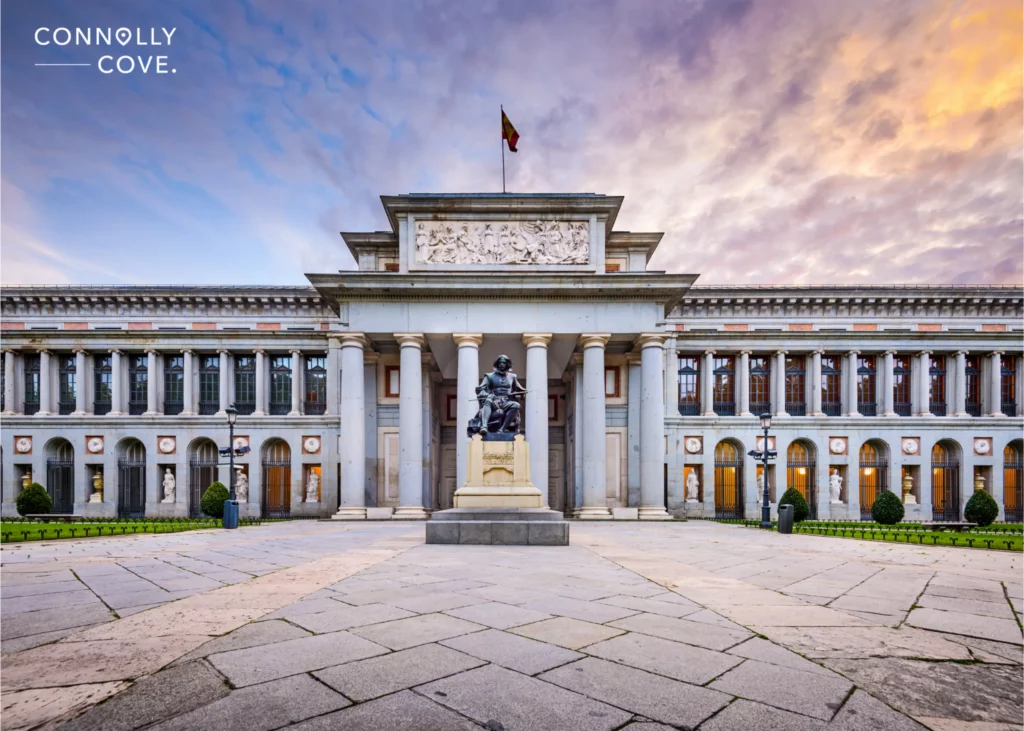
The Prado Museum is a captivating art museum in Madrid’s heart. It proudly boasts the world’s most extensive and diverse collection of Spanish paintings, making it a true treasure trove for art enthusiasts. But that’s not all – the museum also houses an impressive array of masterpieces from various European schools of painting, including renowned works of Italian and Flemish art.
What sets the Prado apart from other museums is its collection’s sheer quality and remarkable range. This museum has everything from breathtaking Spanish masterpieces to iconic pieces from different art movements. It is no wonder that the Prado ranks among the most prestigious museums in the world.
Among the countless exceptional artworks, there is one that stands out as the crowning jewel of the Prado Museum – Velázquez’s enigmatic oil on canvas, “Las Meninas.” This masterpiece, created in the 16th century, portrays the Spanish royal family alongside their loyal attendants, with the young Princess Margarita as the focal point. The painting’s thought-provoking composition and the artist’s remarkable skill have made it an enduring symbol of artistic excellence and intrigue.
Visiting the Prado Museum is like embarking on a captivating journey through Spain and Europe’s rich history and diverse artistry. From the vibrant colours of Spanish paintings to the meticulous details of Flemish masterpieces, this museum offers an immersive and unforgettable experience for any art lover.
Granada: Home to Cultural Diversity
Granada, an extraordinary city founded by the Spaniards in the New World, holds the prestigious title of being the oldest city on dry land that has maintained its original location. However, Granada’s significance far transcends its historical roots.
Surprisingly, this frontier city also emerged in the annals of history as an influential Islamic intellectual and cultural hub. During the reign of Muhammad V, luminaries such as Ibn Khaldun and Ibn al-Khatib graced the Nasrid court, solidifying Granada’s reputation as a thriving centre of intellect and creativity.
The Albaicín Neighbourhood
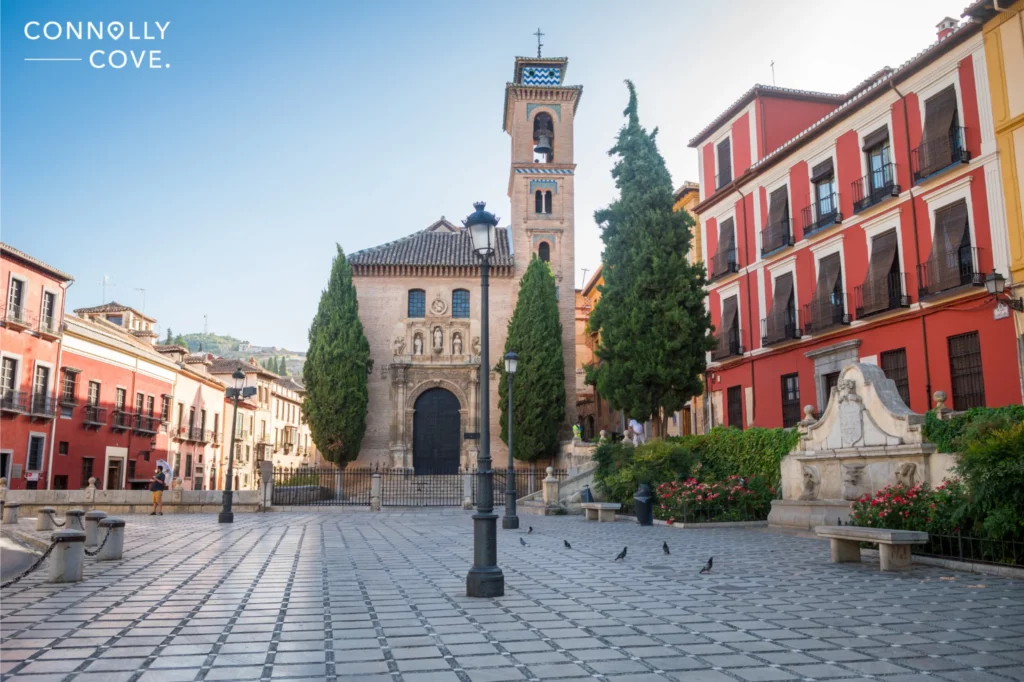
The Albaicín, also known as Albayzín, is an extraordinary district in Granada that will transport you to a world of captivating charm and rich history. Nestled within the picturesque landscape of the Andalusia region in Spain, this district sits gracefully on a hill, offering breathtaking views of the Darro River. As you wander through its narrow streets, you’ll discover hidden viewpoints that won’t be found in any travel guide.
Treat yourself to the enchanting atmosphere as the district’s music fills the air and its magic seeps into your soul. Prepare yourself to be captivated and moved by this unforgettable place that will enchant you utterly. The Albaicín’s allure is further enhanced by its proximity to several other cultural landmarks. It stands proudly as a testament to the city’s multifaceted architectural beauty, surrounded by iconic sites like Alhambra Hill, San Cristóbal Hill, Sacromonte, and Elvira Street.
Each remarkable destination adds another layer of fascination to this already enchanting district. So, get ready to embark on a journey that will take you through centuries of history and immerse you in the vibrant spirit of Granada. The Albaicín awaits, ready to captivate and inspire you like no other place can.
To truly experience the enchanting city of Granada, we recommend first-time visitors abandon their maps and allow themselves to wander freely. Every street and corner will beckon you towards new discoveries with each step you take. Immerse yourself in the vibrant atmosphere as squares appear like hidden gems, inviting you to pause, sit, and take in the surroundings. Close your eyes, let the soul-stirring melodies of flamenco fill your ears, and surrender to the city’s enchanting rhythm.
As you traverse Andalusia and the captivating landscapes of Southern Spain, seize the opportunity to immerse yourself in the ancient Arab quarter of Granada. This remarkable neighbourhood exudes an unparalleled allure, offering a glimpse into a rich cultural tapestry that is unlike any other.
Alhambra Palace
Perched majestically atop a hill, the Alhambra reigns as the illustrious jewel of Granada, gazing over the city’s magnificent panorama. This awe-inspiring UNESCO World Heritage site not only stands as Granada’s most splendid attraction but also holds a special place in the hearts of visitors from all corners of the globe.
Stepping into the Alhambra is like stepping back in time, as it proudly reveals itself as Spain’s second most sought-after monument and an internationally cherished landmark. With its magnetic charm, this extraordinary place stands alone as the sole palatine city preserved from the enchanting Arabic era in all its breathtaking glory.
The Alhambra, derived from the Arabic term “the red,” captures its essence splendidly, drawing inspiration from the striking reddish hue of its outer walls. This architectural marvel boasts an impressive mile-long wall adorned with 30 towers and an array of smaller structures scattered throughout its grounds.
It’s better to visit during spring and summer. During those months, you won’t help but sense the breeze that carries the sweet scent of blooming flowers once you step onto this enchanting site.
Seville: the Soul of Andalusia
Welcome to Seville, the vibrant capital and largest city of Andalusia in Spain. Nestled on the lower reaches of the majestic River Guadalquivir, this magnificent city enchants visitors with its rich cultural and architectural heritage. Every corner you turn in Seville reveals a captivating tapestry of history and beauty.
Seville effortlessly showcases Spain’s remarkable cultural and architectural heritage, from awe-inspiring palaces and ancient Roman ruins to regal castles and cathedrals. Immerse yourself in the splendour of palatial houses, witness the remnants of the awe-inspiring Roman era, or set foot in historic royal palaces that exude grandeur and elegance. The city’s breathtaking cathedrals and churches are a testament to the skilled craftsmanship of yesteryears.
Seville is indeed a city that will leave an indelible mark on your heart and offer you an extraordinary glimpse into the soul of Spain.
Museum of Fine Arts
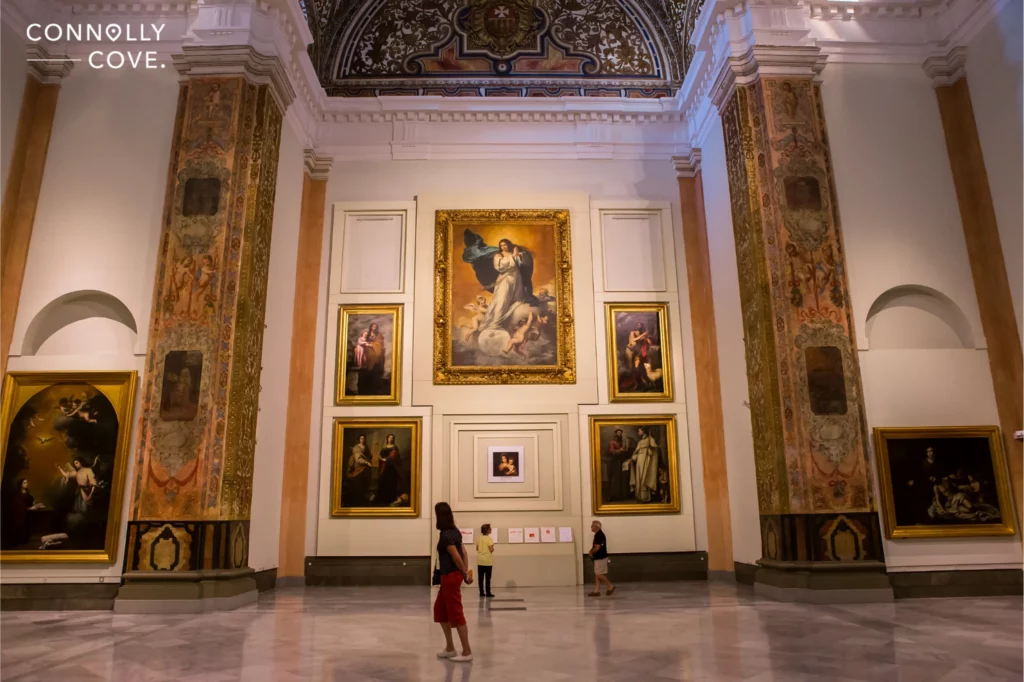
Step into a captivating world of Spanish art as you embark on a mesmerising journey through the Museum of Fine Arts in Seville. This exceptional cultural gem, nestled within a breathtaking 17th-century building formerly serving as a convent, presents an awe-inspiring collection of masterpieces crafted by Spain’s most revered artists, including the likes of Murillo, Zurbarán, and El Greco.
With every step you take within the museum’s elegant halls, adorned with intricate details and inviting courtyards, you’ll unveil a rich tapestry of artistic styles spanning centuries. Immerse yourself in the dramatic chiaroscuro of Baroque paintings before being swept away by Romanticism’s vibrant hues and expressive brushstrokes.
This unparalleled institution is not only a haven for renowned works of art but also a testament to the lesser-known talents of Andalusia, offering a comprehensive overview of the region’s vibrant art scene. Prepare to be enlightened as you delve into the captivating history of Spanish art, unravelled within the stunning confines of the Museum of Fine Arts.
Seville’s Cathedral and Alcazar
This regal structure was initially constructed for King Peter of Castile, known historically as Al-Qasr Al-Muriq and commonly referred to as the Alcázar of Seville. It stands proudly in Seville, Spain, built by the skilful hands of the Castilians. It is undoubtedly the epitome of architectural elegance. Not only is it Seville’s most breathtaking palace, but it holds a fascinating secret.
This enchanting site was crafted by Christians atop the remnants of a Muslim fortress, blending two distinct cultures into one captivating masterpiece. Esteemed by UNESCO as a World Heritage site, the Royal Alcázar of Seville boasts a rich history that dates back to the 11th century. The Muslim authorities of that time recognised the strategic significance of this location and decided to erect a formidable fortress to safeguard the city from potential threats.
This esteemed palace remains in use to this day, making it the oldest royal residence in Europe that continues to serve its intended purpose. As you explore the palace, fans of the renowned television series, Game of Thrones will immerse themselves in familiar surroundings. Many captivating scenes from the fifth season were filmed within these hallowed walls, allowing visitors to enter Westeros’s fantastical world.
However, the allure of the Royal Alcázar extends far beyond the silver screen. Its glorious gardens, in particular, possess an undeniable charm that captivates the senses. Notably, the gardens also house one of the world’s few working hydraulic organs. Powered by water, this musical marvel plays a delightful tune every hour from 10 a.m. to 7 p.m., providing a unique and captivating experience.
San Sebastian: A Culinary Paradise
San Sebastian, also known as Donostia, emerges as a captivating resort town nestled on the enchanting Bay of Biscay in the majestic Basque Country of Spain. Its breathtaking landscapes are adorned with the alluring Playa de la Concha and the divine Playa de Ondarreta, where powdery sands meet the bay’s tranquil waters, creating a striking backdrop for leisurely strolls along the picturesque promenade.
However, beyond its mesmerising scenery, this illustrious city has cemented its reputation as a culinary haven, capturing the hearts and palates of gastronomy enthusiasts worldwide. In fact, this city is so remarkable that it even boasts a dessert named after it, a testament to its unrivalled culinary prowess and unwavering commitment to innovative cuisine.
San Sebastian, a true paradise for food lovers, invites you on an unforgettable journey where delectable flavours and astonishing beauty intertwine, enticing all your senses.
Old Town

The Old Town of San Sebastian stands as the city’s most captivating and treasured destination. Nestled at the base of Mount Urgull and flanked by the protective embrace of the sea and River Urumea, this historic neighbourhood is the second oldest in the city, second only to Antiguo.
Immerse yourself in the charm of the Old Town, where the beating heart of San Sebastián’s social life thrives. Wander through its bustling alleys, engulfed in a splendid tapestry of bars offering an array of delectable pintxos unparalleled in taste and quality. Adding to the area’s allure, discover remarkable architectural gems like the striking Basilica of St. Mary of the Chorus and the captivating St. Vincent’s Church.
Indulging in a visit to the Old Town becomes an indisputable necessity for any visitor to San Sebastián, as it promises an unforgettable sensory experience that truly encapsulates the essence of this vibrant city.
Basilica of Santa Maria
Welcome to the enchanting streets of the old town, where history comes alive in the form of an extraordinary baroque masterpiece. Nestled on the lively calle mayor, this awe-inspiring work of art dates back to the 18th century, transporting you to a bygone era of artistic brilliance.
Step inside, and you’ll be greeted by a breathtaking altarpiece dedicated to our lady of the choir, the beloved patron saint of this vibrant city. But that’s not all. As you explore further, you’ll come across a remarkable cross-shaped sculpture crafted by the talented hands of Eduardo Chillida. Its presence next to the baptismal font adds an intriguing depth to this sacred space.
Unveiling the story behind this architectural wonder reveals that the basilica was meticulously constructed between 1743 and 1774. It stands proudly upon the very foundations of its predecessor, a testament to the enduring spiritual significance that has graced this spot for centuries.
As you walk through the main door, an extraordinary path awaits you, leading you straight to the entrance of the Buen Pastor Cathedral. The journey itself is a marvel, as the interconnectedness of these sacred sites weaves together a tapestry of faith and heritage.
This cherished sanctuary is not only a testament to our shared history but also a testament to the people who have been baptised within its hallowed walls. Known affectionately as “josemaritarras,” a term derived from the merging of “Jesus” and “Mary,” they are celebrated in the iconic hymn to San Sebastián. This glorious anthem echoes through the ages.
San Telmo Museum
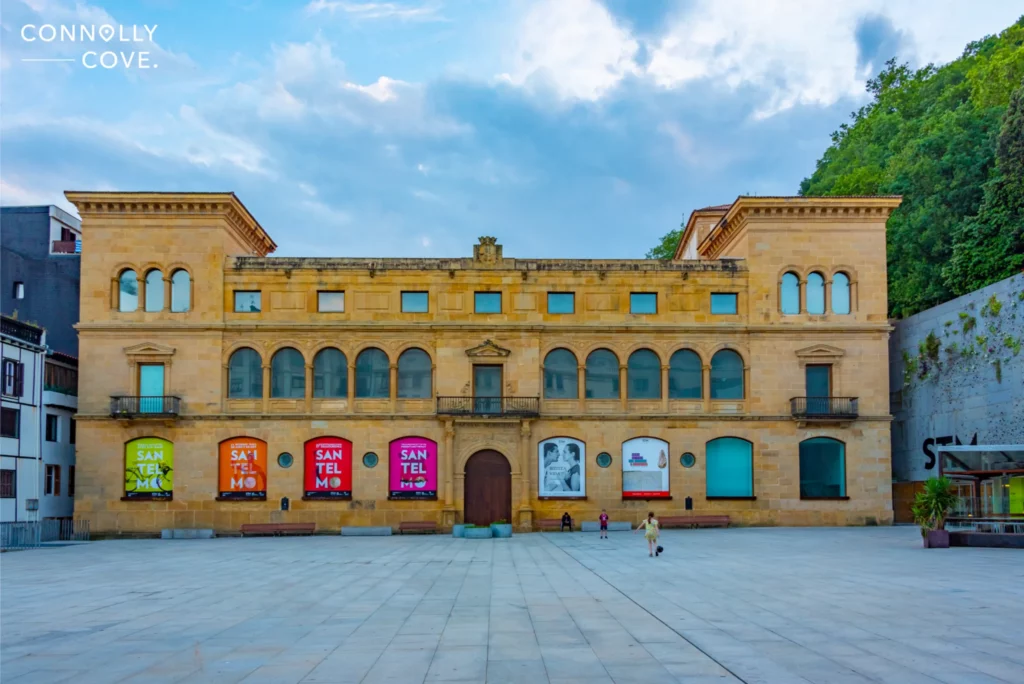
Situated at the far end of the enchanting old town, a hidden gem awaits – the Museo San Telmo. This remarkable 16th-century Dominican convent has stood the test of time, having served as military barracks before transforming into the captivating Museum of Basque Society and Citizenship.
As you step inside, you’ll be transported back in time, the ancient abbey and church silently whispering tales of the past. Don’t miss the opportunity to explore the far eastern side of the old town, where you’ll be rewarded with dazzling views of the harbour, safely sheltered by the protective embrace of the Bay of Biscay.
And if you venture into the underground car parking beneath the Alameda del Boulevard, you’ll catch glimpses of the centuries-old walls that once fortified this historic city. Unravel the layers of history and embark on an unforgettable journey through time in this captivating corner of the world.
Valencia: The City of the Future
Valencia, often hailed as the birthplace of paella, a delightful culinary masterpiece, is a city that never fails to captivate. Valencia boasts many attractions that draw visitors from all corners of the globe. One of its most iconic spectacles is the sensational Las Fallas festival, a fiery celebration that ignites the city with boundless energy and excitement.
This enchanting city is steeped in legends and myths, earning its title as the City of the Holy Grail. As a melting pot of influential figures throughout history, Valencia has witnessed the birth of countless talented individuals who have left an indelible mark on their respective fields.
Beyond its cultural accolades, Valencia is an agricultural paradise. Nestled within its borders lies the largest fresh produce market in Europe, a bustling sanctuary of flavours and aromas that enchant the senses.
Discover the captivating tales and bountiful delights that await you in the radiant city of Valencia.
The City of Arts and Sciences
Valencia, a city bursting with creativity, proudly boasts the awe-inspiring City of Arts and Sciences. Recognised as one of Spain’s remarkable treasures, this futuristic masterpiece captivates the minds of both locals and tourists. The sheer ingenuity of its design alone makes it a must-see destination in Valencia.
Within this magnificent complex, a treasure trove of attractions awaits. Experience the immersive wonders of L’Hemisfèric, featuring an IMAX cinema, laserium, and planetarium. Explore the Museu de les Ciències Príncipe Felipe, an interactive science museum reminiscent of a majestic whale skeleton.
Wander through the enchanting L’Umbracle, a sculpture garden alongside a beautifully landscaped walk adorned with native plant species of the Valencian region. Valencia’s City of Arts and Sciences is a testament to human creativity at its finest, providing an unforgettable experience for all who visit.
Old Town of Valencia

The historic heart of Valencia, known as the Old Town or Ciutat Vella, is an enchanting tapestry of five distinct neighbourhoods. This vibrant district is the perfect place to immerse yourself in the city’s festive atmosphere. One of the standout attractions in this captivating corner is the awe-inspiring Valencia Cathedral.
With its origins dating back to the 13th century, this magnificent cathedral is a true masterpiece of Gothic architecture. Dedicated to Saint Mary, the Valencia Cathedral symbolises the city’s rich history and cultural significance. Inside its grand walls, you will discover a treasure trove of 15th-century paintings that showcase the artistic prowess of the era.
Adding to its allure, local lore suggests that the holy chalice, believed to be the true Holy Grail, is kept within one of the cathedral’s sacred chapels. Visiting the Valencia Cathedral is a must for anyone looking to experience this remarkable city’s unique charm and allure.
Las Fallas Festival
Valencia City is home to an enchanting festival that simply cannot be overlooked. March 15 and 16 witness the rise of one of the most extraordinary Spanish celebrations. Welcome to Fallas, a spectacle like no other! Prepare to be dazzled by colossal wooden and papier-maché figures, towering up to an astounding 15 meters in height.
Moving gracefully through the streets of Valencia, these majestic creations captivate the crowds, drawing both awe-struck spectators and discerning judges. As the festivities draw to a close, a panel of experts carefully selects the most exceptional falla while the others meet a fiery fate, engulfed in flames.
Join us as we explore the wondrous world of Fallas festival, where art, tradition, and spirited competition harmoniously collide.
It goes without saying that Spanish cities are truly enchanting destinations. The sheer magnificence of their raw beauty is enough to captivate even the most seasoned travellers. We would be delighted if you could join us in sharing your musings on Spain’s exquisitely diverse culture and breathtaking natural wonders.

Dracula Tourism: Must-see Locations
Destinations
12/05/2024

Does it Snow in Ireland? Exploring Winter Weather Patterns in the Emerald Isle!
Ireland
12/05/2024

Everything You Need To Know About the Eiffel Tower
France
12/05/2024

8 Must-Do Outdoor Activities in Ireland
Ireland
12/05/2024

Exploring the Legacy of the Wolfe Tones: A Journey Through The Irish Rebel Music!
Music and Arts
12/05/2024