


17 Top Attractions of Magnificent Copenhagen
Updated On: April 25, 2024 by  Esraa Mahmoud
Maritime flair, lots of hip cafes and Scandinavian coziness; welcome to Copenhagen! Copenhagen is one of the most beautiful cities in the world. In the capital of Denmark, there is simply no stress and no hustle and bustle.
Here you can understand why the Danes have always been voted the happiest people in the world and why Copenhagen is repeatedly selected as one of the most livable cities in the world.
Copenhagen is charming, the buildings, the coffee houses, the department stores, the style, the cultural offerings, and the friendly people….The city really does have it all. Copenhagen is also an ideal cycling city, and it exudes an incredible nonchalance. The city is considered one of the most bike-friendly cities in Europe.
Copenhagen is a lively destination for a city trip with so much to explore and enjoy. Why a city trip to Copenhagen is worthwhile, and which highlights and sights you must not miss? Here is our list of the best things to do in Copenhagen and the top places to visit.
Nyhavn: THE postcard Setting in Copenhagen
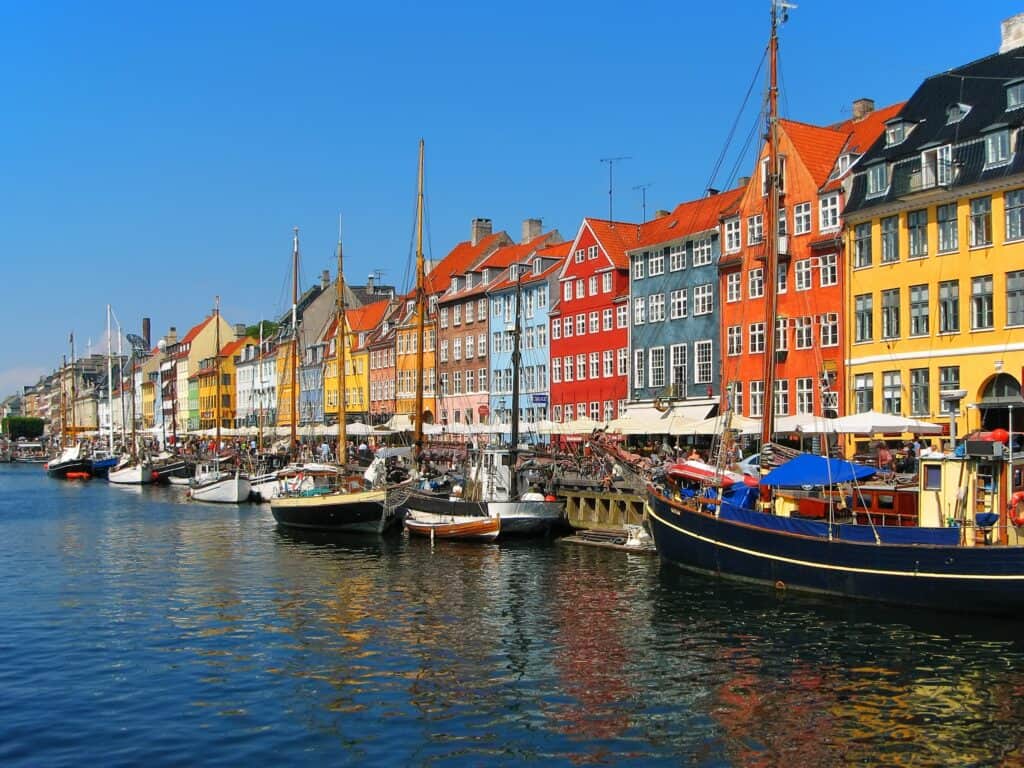
What’s the best way to start a city break in Copenhagen? Our suggestion would absolutely be visiting the Nyhavn district. With its colorful, warped little houses, Nyhavn is quite rightly one of Copenhagen’s most popular photo motifs and entertainment districts.
Nyhavn is anything but an insider tip, or -to put it in other words- the area is probably the most touristy spot in Copenhagen. Here, at every corner, you will be offered to enjoy a boat trip or a visit to a restaurant. But if you get away from the hustle and bustle a bit, you can enjoy Nyhavn in a relaxed way.
In Danish, the word Nyhavn means “new harbor”, but it is not that new anymore. The Nyhavn district was already completed in 1673. The former trading port is now one of the top sights of the Danish capital. During the day, a beautiful picture of colorful gabled houses lining the canal awaits you.
In Nyhavn, there are numerous and unique restaurants with excellent food, cozy bars and great live music. Stroll along the canal or sit on the quay to watch the liveness of the district.
Also, take a look at the former homes of the Danish poet Hans Christian Andersen. He used to live in houses number 18 and number 67, where you can get a glimpse of where the poet’s wrote some of his first famous fairy tales.
Also worth seeing is the district is Inderhavnsbroen, a bridge exclusively for pedestrians and cyclists, which connects Nyhavn with the opposite district Christianshavn. The bridge is also called the “Kissing Bridge.” When large ships need to pass the bridge, the roadway is retracted. When the bridge is then closed again, it is reminiscent of kissing tongues.
If you are in Copenhagen at the end of the year, a Christmas market will open in Nyhavn in mid-November, putting the neighborhood in the Christmas spirit. Visiting a Christmas market is one of the best things to do in Copenhagen in December.
Photo tip: If you come to Nyhavn early in the morning, you’ll have it almost to yourself and can take photos undisturbed. If you’re lucky, it’s windless, and the houses will be reflected on the water surface.
Strøget
From Nyhavn, it’s straight on to Copenhagen’s next attraction: Strøget. It is the oldest and also the longest pedestrian street in Europe. It measures a good kilometer. The pedestrian zone runs from Konsens Nytorv to Radhuspladsen, the City Hall Square.
For shopping fans, Strøget is a must, and even if you just want to stroll a bit, this is the place to be. There are stores, stores, and some more stores for every budget, as well as souvenir stores for souvenirs to take home.
Strøget is where you will find the luxury brand like Prada, Gucci, Louis Vuitton, Max Mara and many more. But there are also great department stores, among which we recommend Illums Bolighus.
Here you can get pieces from international but also Danish designers. Even if you don’t want to buy anything here, you should take a look inside the luxury department store. It is located on Amagertov, the largest square in the city center.
Strøget is incredibly captivating in winter as a Christmas market gets held here every year. Another winter highlight in Strøget is the ice-skating rink. You can find it at the new Königsmarkt.
Tip: Don’t just walk around Strøget’s main pedestrian zone, but also make a detour to the side streets and cross streets. Here you will find small stores, boutiques and stores with beautiful products.
The Little Mermaid: The Landmark!
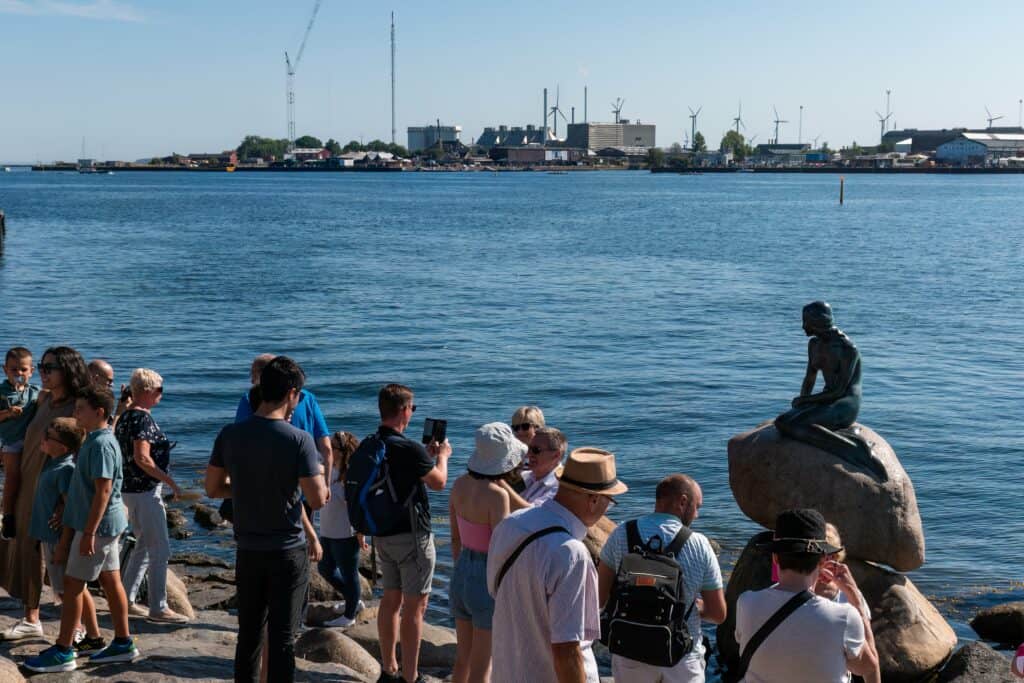
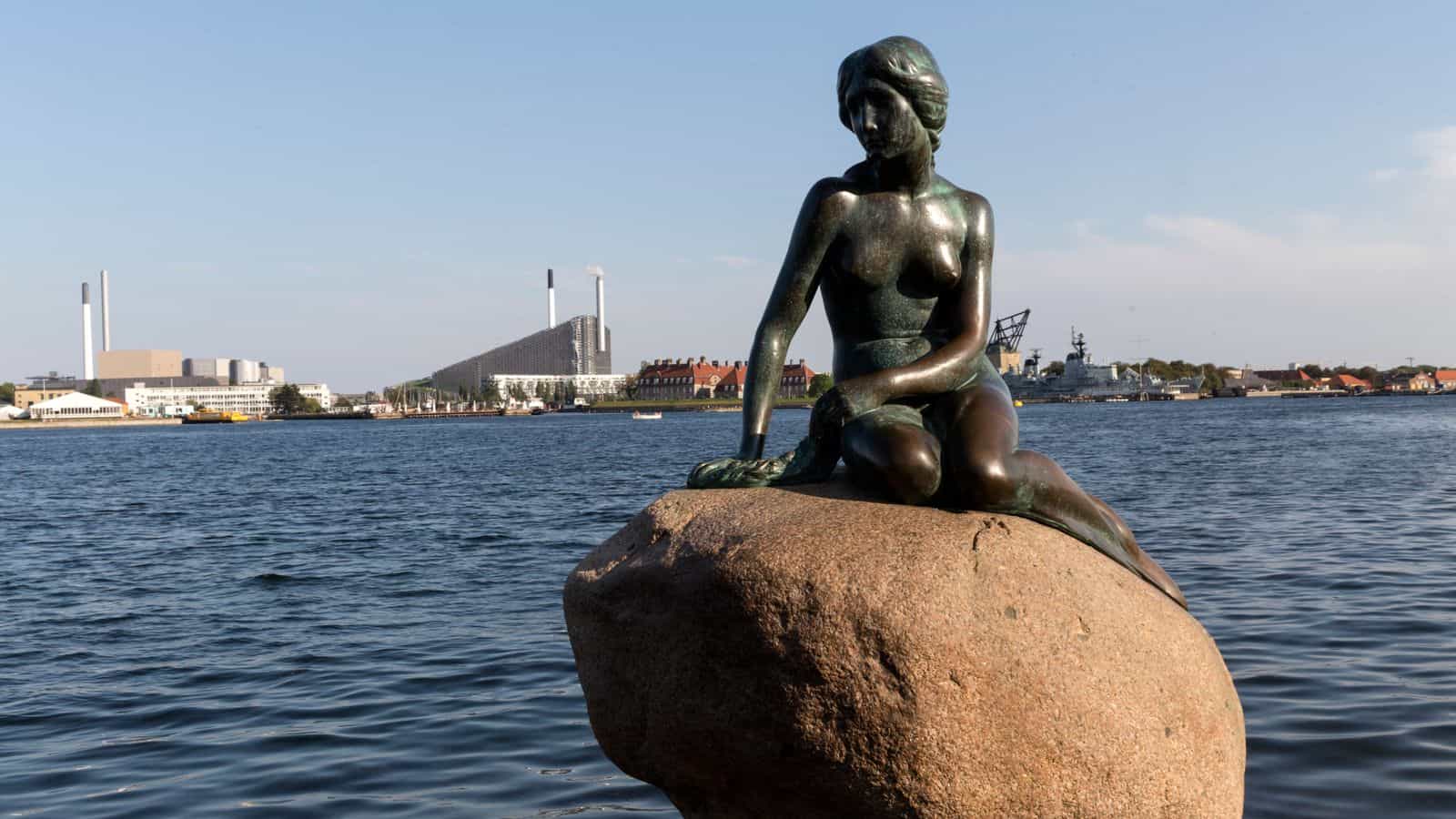
Meet one of the smallest landmarks in the world! The Little Mermaid sits at 125 centimeters on an erratic boulder on the Langelinie waterfront. The Little Mermaid was created in 1913 by sculptor Edvard Eriksen, but the one displayed right now is not the original. The descendants of the sculptor Eriksen hide the original in an unknown place; this just got a lot more interesting, huh?!
The Little Mermaid was created based on the well-known fairy-tale of the same name by the poet Hans Christian Andersen, who is one of the most famous artists of Copenhagen.
Since 1913, the Little Mermaid has been enthroned on a stone in the Copenhagen harbor basin and since then has repeatedly been the victim of attacks and vandalism. Among other things, the Little Mermaid has already been decapitated, smeared with paint and blown off her pedestal.
During the day, the Little Mermaid often draws a large crowd, especially when larger bus loads stop there. In the early morning and evening, however, it is usually very empty. There are copies of the Little Mermaid in some other cities. Look for the sculpture in Solvang, California, Kimballton, Iowa, and Vancouver, Canada.
Tivoli: Best Family Things to do in Copenhagen
Tivoli is an amusement park in the middle of the city, and what a park it is! Even if roller coasters and rides don’t interest you that much, Tivoli is still absolutely worth seeing.
The amusement park in the middle of downtown Copenhagen was opened in 1843 on a former military site. This makes it one of the oldest amusement parks in the world. Today, Tivoli, with its fairy-tale ambience, is one of the top attractions in Copenhagen. Adults and children will get their money’s worth here, as there are a wide variety of fun things to do.
As soon as you walk through the big entrance gate of Tivoli, you suddenly find yourself in a completely different world. Everything is colorful, ornate, and fabulous. Even the modern rides, such as the Freefall Tower, have been designed in retro style to fit the historic ambience perfectly.
We highly recommend trying the “Rutschebanen,” a roller coaster from 1914 that still features a brakeman, the 80-meter-high chain carousel and the “Daemonen” roller coaster.
Many Copenhageners come to Tivoli regularly. In addition to rides, there are a lot of restaurants, as well as regular concerts and theater performances.
It is especially beautiful in the evening when more than 100,000 lights illuminate the Tivoli. The park is open from mid-April to mid-September. There are also some special events during the colder months when the park opens. These include Halloween and the pre-Christmas period. Then a large Christmas market takes place in the Tivoli.
Tip for the tickets: You have a choice between a regular ticket and a ticket that also includes all the rides. If you want to use a lot of them, it will pay off very quickly. It would be better if you buy them online, though.
A Boat Tour Through The Canals
A visit to Copenhagen wouldn’t be complete without a boat trip, as the best way to discover the city is from the water, this is where you get a whole new perspective.
Copenhagen is located directly on the sea, and many canals flow through the old town. The flatboats depart from Nyhavn, among other places. The tour leads from there through the harbor canal to the district of Holmen. This used to be the old naval base, which is gradually being transformed into a modern residential area.
The tour continues again across the canal to the Little Mermaid, where you can watch the many people standing around the little statue from the ship. The boat then enters the Christianshavn canal, passing the many colorful houses of this beautiful district.
Once the boat has left the Christianshavn canal, it goes back across the harbor canal to the Frederiksholm canal. Here you can see the old Copenhagen with Christiansborg Castle, which today houses the Danish Parliament. After that, the tour is already over, and it goes back to Nyhavn.
Several tour providers, some of which stop in Nyhavn, offer tours in different languages, such as German, English, Danish, or Spanish. The timetable shows which language the respective tours use. A tour takes about an hour; the boats are covered in stormy weather.
Rosenborg Castle
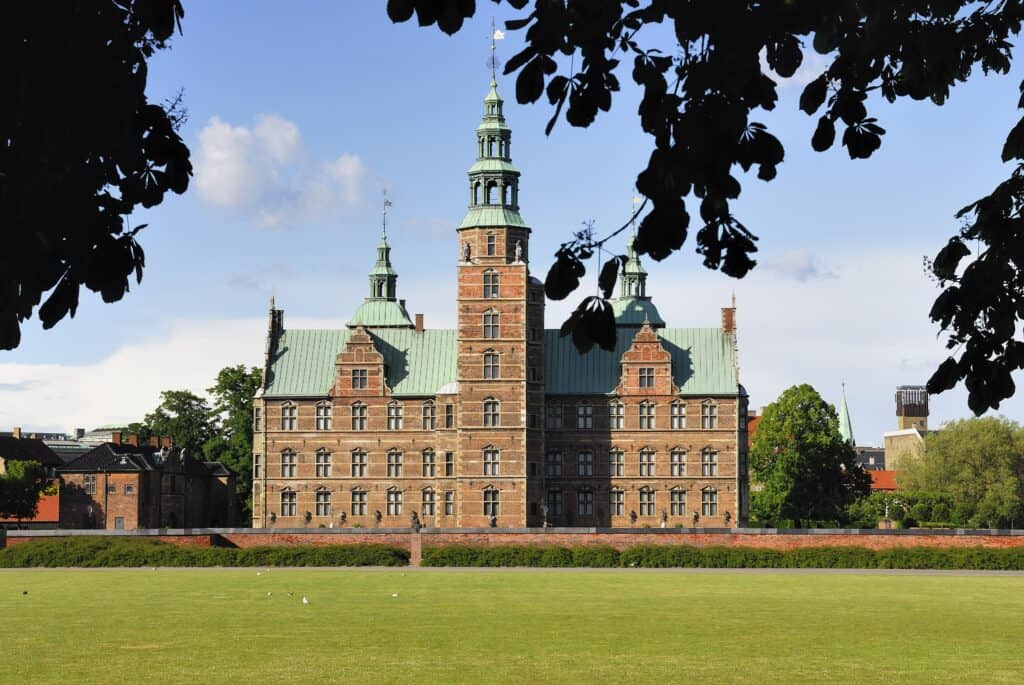
There are three castles to admire in the Copenhagen metropolitan area. Many would argue that the Rosenborg Castle is the most beautiful of them. The location of the castle alone is worth seeing. The Rosenborg Castle is on the edge of a beautifully manicured garden, “Kongens Have”.
The Rosenborg Castle dates back to the 17th century and resembles a fairy tale with its turrets. Moreover, the Rosenborg Castle has been a museum since 1838 and contains, among other things, the Danish Crown Jewels.
Christiansborg Castle
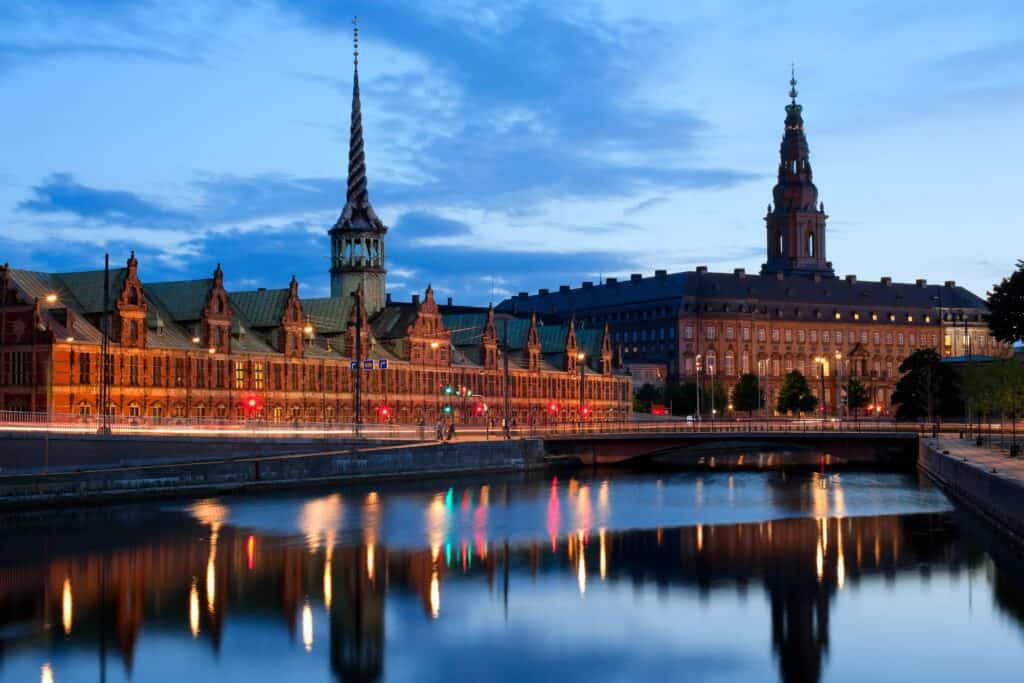
Castle number 2 in Copenhagen is Christiansborg. The first Christiansborg Castle was built in the 18th century. However, the current construction took place at the beginning of the 20th century. The castle was repeatedly destroyed by devastating fires and rebuilt. Today Christiansborg houses the Danish Parliament and the Supreme Court. In addition, the Danish Prime Minister has his seat here.
Inside the castle, you can see the magnificent royal reception rooms, the royal kitchen and the chapel. Also, the Royal Library, with more than 3 kilometers of shelves, is quite impressive. The library can be visited during special guided tours.
Amalienborg Castle
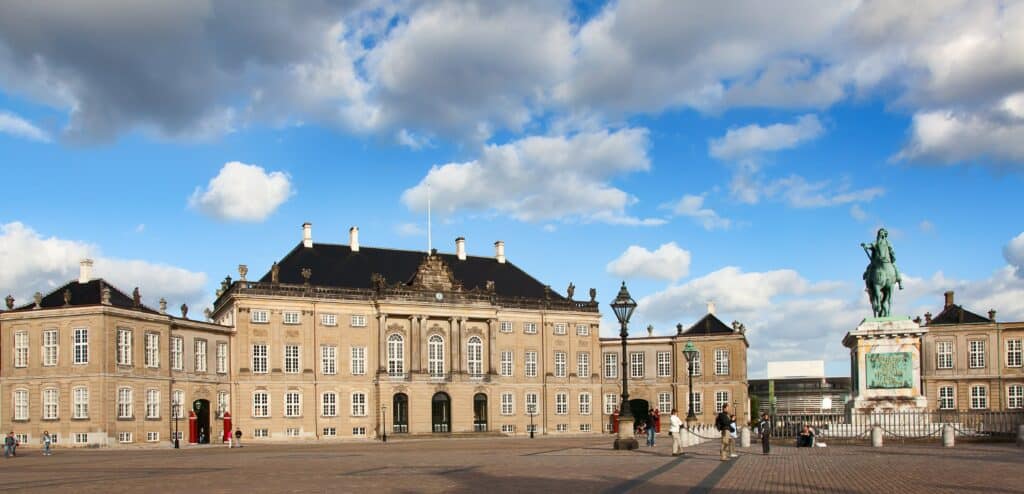
Amalienborg Castle is the current residence of Denmark’s Queen Margaret II; yes, you can visit the home of the Danish royal family! How cool is that!
The castle, consisting of four buildings, is within walking distance of Nyhavn. The highlight for many Amalienborg visitors is the guards’ daily changing. The guards goose-step from Rosenborg Palace to Amalienborg, replacing their predecessors in a precisely rehearsed choreography at 12:00 noon.
Frederik’s Church
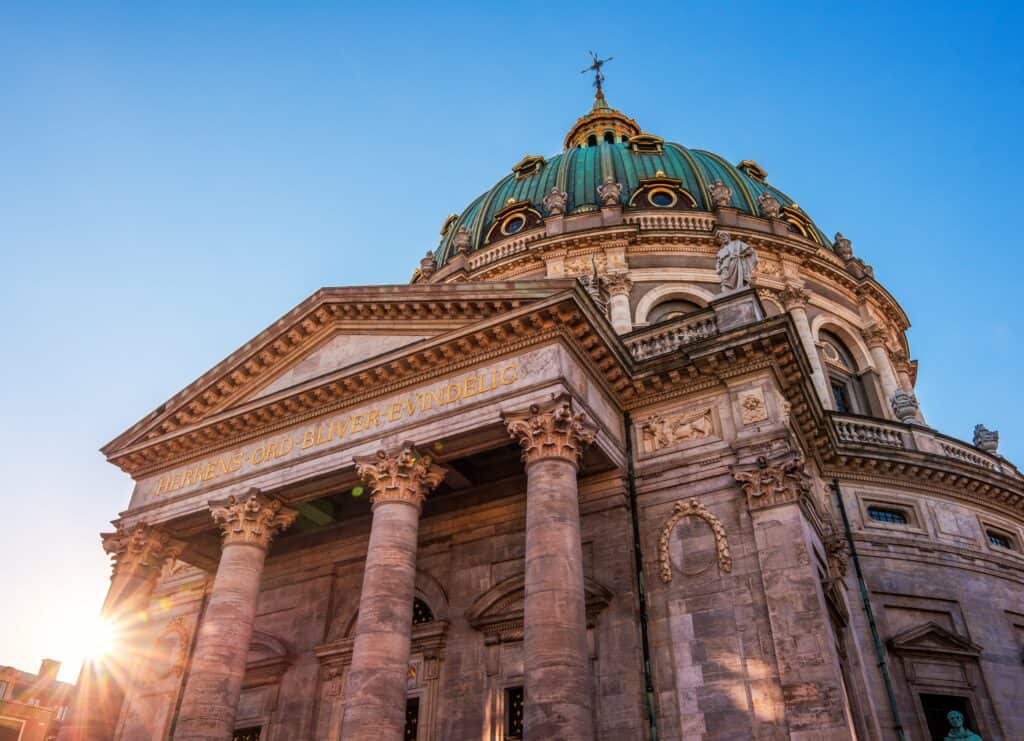
Frederik’s Church, AKA Frederiks Kirke in Danish, is located very close to Amalienborg Castle. From the water, the Church’s impressive dome shines out directly between the castle’s structures. Frederik’s Church is one of the most important sacred buildings in Copenhagen. It is nicknamed the Marble Church.
You should definitely also take a quick look inside the Church. The architecture is awe-inspiring. The entrance to the Church is free. Only for climbing the dome do you have to pay a small entrance fee.
The Church of Our Saviour
The Church of Our Saviour, AKA Vor Frelsers Kirke, is located in the Christianshavn district and already shines when you look at it from the ground. If you suffer from an acute fear of heights, you’d better stay down there, though. For everyone else: Get up there! The ascent does indeed scare you a bit because the steps are quite narrow. On the other hand, you get a fantastic view of the whole city.
Vor Frelsers Kirke is known for its dizzying climb to the top of the steeple. A spiral staircase winds around the outside of the steeple. From up there, you have probably the best view of Copenhagen.
Most guidebooks claim that the railing of the stairs is only waist-high. That would be true if you are 2.20 meters tall, maybe! However, honestly, it is rather chest-high. We highly recommend the climb; it is one of the best things to do in Copenhagen.
Rundetårn
Directly in the pedestrian zone of Copenhagen is the Rundetårn Round Tower. The Rundetårn served as the university’s observatory until the 19th century. To this day, it still houses the oldest observatory in Europe. Even the ascent to the top of the tower is remarkable because there are no stairs leading to the top, but a spiral walkway, a so-called riding staircase
Legend has it that a Russian tsar (a type of the ancient Roman imperial title Caesar) once even rode up the tower in a horse-drawn carriage. The view from there is breathtaking, and the way to the top just make one of the unique things to do in Copenhagen.
Walking in the Botanical Garden
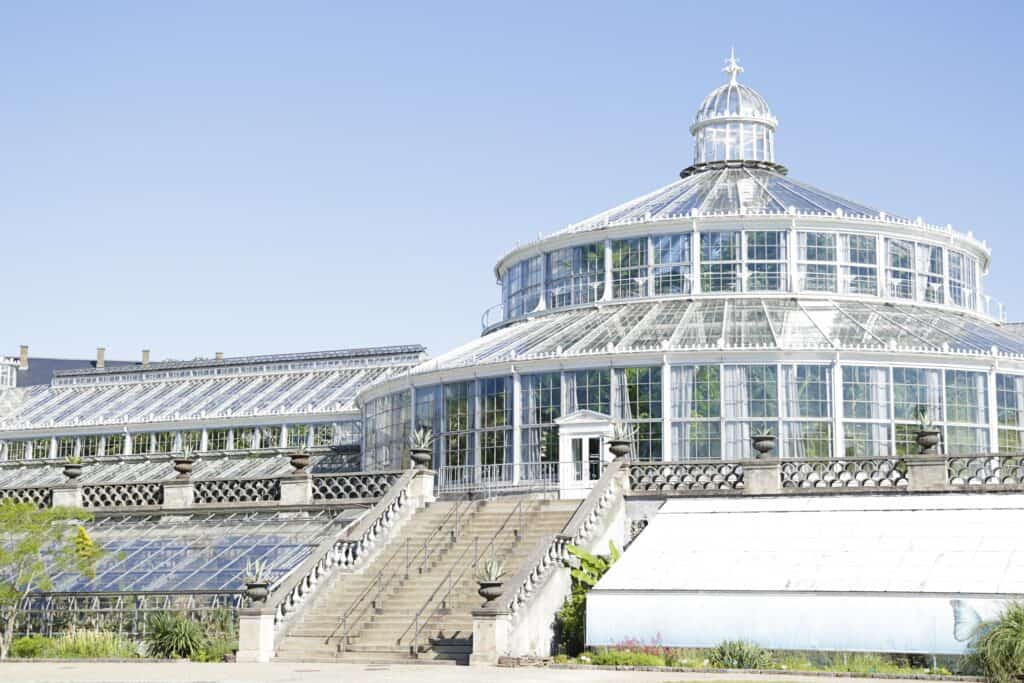
In the middle of downtown Copenhagen is the 10-hectare Botanical Garden. The large park with many flowerbeds is free to the public and popular with Copenhageners.
White greenhouses, tranquillity in the middle of the city: there’s always something great Gatsby-ish about botanical gardens, and in Copenhagen, it is no different. Although in the 1920s, food trucks probably weren’t parked on every corner, now they are even in the Botanical Garden, providing you with the beer, coffee, or sandwich you so desperately need. Perfect for a break!
The large greenhouses are especially worth seeing. The most beautiful of them is the Palm House from the 19th century.
Torvehallerne Market
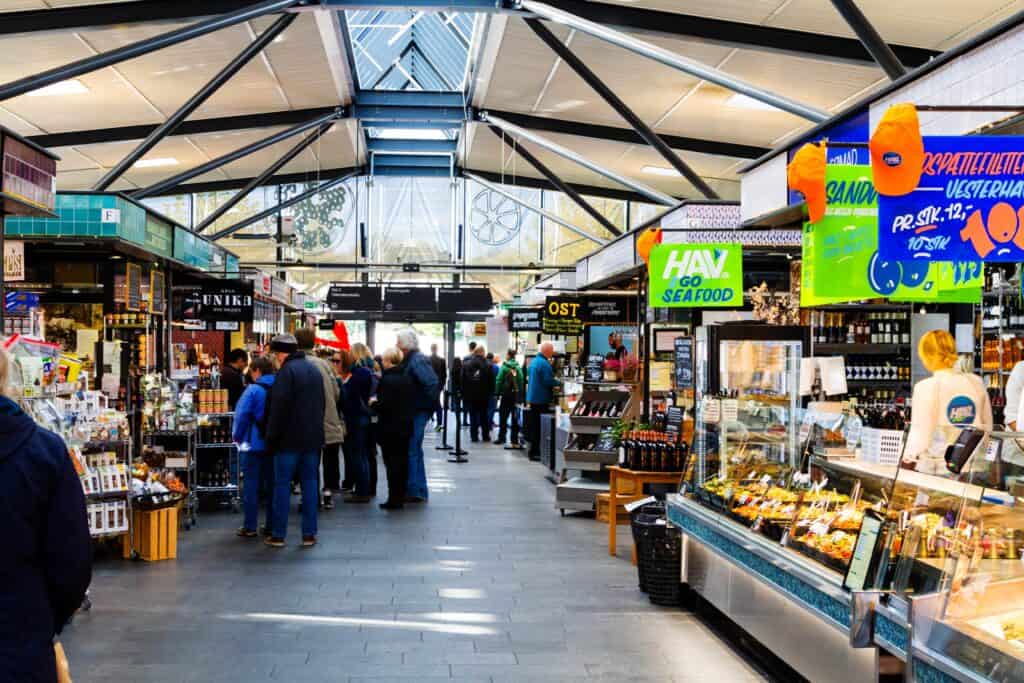
Torvehallerne is the number one tip for all foodies. You can buy fresh food and Danish delicacies in this covered, architecturally magnificent market hall. It’s very relaxed and stylish here, so don’t expect a hectic market hustle and bustle.
The best thing about Torvehallerne is that there are also plenty of stalls where you can eat directly or take away dishes. Make sure to try the Great cinnamon buns at Laura’s Bakery; also popular for breakfast is GRØD with a good cup of coffee from the Coffee Collective.
Reef Market
Another culinary sight in Copenhagen is the street food market Reffen. It is located on an old shipyard site in the Christianshavn neighbourhood. More than 60 food stalls await you here with delicacies from all over the world. From Danish mackerel to Peruvian ceviche and Israeli flatbreads to vegan Asian food and sweet treats, there really is something for everyone here.
Gammeldags Isvaffel
The “Gammeldags Isvaffel” is Denmark’s national ice cream. It consists of an ice cream cone with 2-3 scoops of ice cream topped with whipped cream, strawberry sauce, and a foam kiss. In addition to the cream and strawberry sauce, you can also get Guf, a Danish cream that tastes a bit like marshmallow cream.
The whole thing is not exactly low in calories, but there is no such thing as a good vacation without gaining some extra pounds, plus the Gammeldags Isvaffel tastes heavenly! You will find the best Gammeldags Isvaffel in many places like Olufs, Alice Ice Cream & Coffee, Ismageriet, and Olivers Garage, to name a few.
Assistens Cemetery
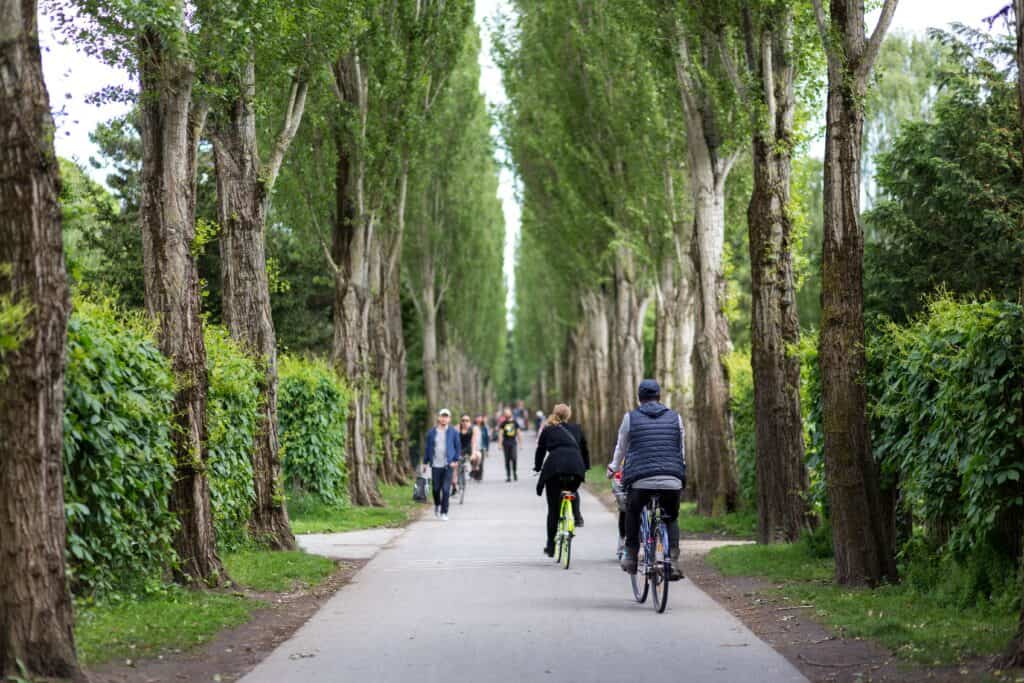
A rather unusual sight in Copenhagen is located in the north of the city, more precisely in the Nørrebro neighbourhood. The Assistens Cemetery (called Assistens Kirkegård in Danish) is the most famous in Copenhagen. Countless famous personalities are buried here, including, for example, the poet Hans Christian Andersen or the philosopher Søren Kierkegaard.
You can expect not only a cemetery but also a spacious park here. Locals use the cemetery for long walks or jogging. So, if you want to spend time in the greenery, then we highly recommend a visit to the Assistens Cemetery.
Take A Day Trip To Malmö
From the plane, you can already see the Øresund Bridge between Denmark and Sweden (that’s right, the bridge after which the series “The Bridge” is named). By train, it takes just half an hour from Copenhagen Central Station to Malmö. The city is quite manageable and, therefore, perfect for a day trip!
How Many Days Should You Spend in Copenhagen?
We recommend planning at least three nights for all newcomers to Copenhagen. The city is not huge, so you can easily explore Copenhagen’s most important sights and corners now.
Of course, more time is always good. So, if you prefer to take it easy, stay longer. Even in four or five nights, you will definitely not get bored in Copenhagen.

A Walk in Ireland Guide: Best Trails, Routes, and Tips
Ireland
26/04/2024

An Ultimate Guide to 6 of the Finest Castle Tours in England
England
26/04/2024
Unveiling the Most Terrifying Haunted Tours in Scotland
Scotland
25/04/2024

7 Top Amusement Parks in England for an Unforgettable Adventure
England
25/04/2024

Miami Tourism Statistics: A Comprehensive Overview of Visitor Numbers and Revenue
Travel Statistics
25/04/2024