


Ultimate Guide to Planning Your Scotland Road Trip: Tips and Must-See Destinations
Updated On: April 13, 2024 by  Maha Yassin
Prepare for an unforgettable Scotland road trip adventure filled with dramatic landscapes, rich history, and enchanting towns waiting to be explored. Journey through Scotland’s captivating terrain and centuries-old stories, uncovering hidden gems and iconic landmarks at your leisure.
This guide is your key to the ultimate Scotland road trip experience, revealing the top destinations to visit by car. Immerse yourself in breathtaking scenery, marvel at historical wonders, and engage in unique cultural encounters. From the majestic peaks of the Highlands to the rugged coastlines and quaint villages, get set to forge memories that will endure for generations.
Scenic Drives and Must-See Locations: Unveiling the Magic of Scotland by Car
Scotland, a land woven with tales of ancient clans, captivating landscapes, and vibrant cultural tapestry, beckons adventurous travellers seeking to explore its hidden gems and iconic landmarks. Embark on a road trip adventure through this beautiful country, unlocking the magic at your own pace.
This section unveils a diverse selection of places to visit in Scotland by car, meticulously chosen to cater to various interests and preferences. From the dramatic peaks of the Highlands to the rugged coastlines and charming villages, prepare to be enthralled by the breathtaking scenery, historical grandeur, and unique cultural encounters that await you on this unforgettable journey.
Glencoe
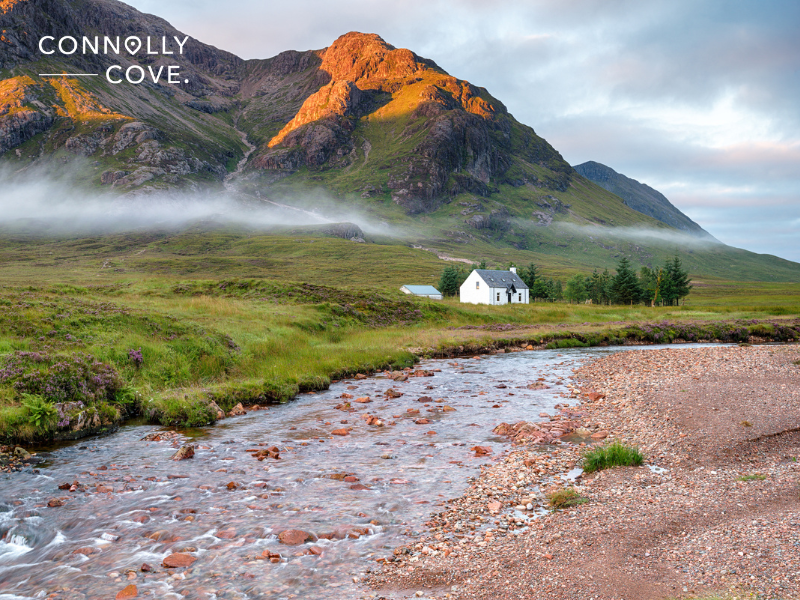
Get ready for an awe-inspiring start to your journey to Scotland as you journey into the Scottish Highlands via Glencoe, a valley sculpted by ancient glaciers and steeped in tales of clan battles and ancient lore. Towering mountains like Buachaille Etive Mor, often cloaked in mist, provide a majestic setting for your adventure.
Discover hidden waterfalls tumbling down moss-covered slopes, each whispering stories of the valley’s storied past. Immerse yourself in history at the Glencoe Folk Museum, where exhibits offer a glimpse into traditional Highland life. Strap on your hiking boots and explore many trails, or simply revel in the breathtaking scenery from a scenic viewpoint along your Scotland road trip.
Loch Lomond & The Trossachs National Park
Dive into the grandeur of Loch Lomond, the largest body of freshwater in Great Britain, on your road trip to Scotland. Explore picturesque lochside villages like Luss and Arrochar, boasting quaint pubs and delightful boat excursions. Journey into The Trossachs National Park, a paradise for outdoor lovers, where you can trek through undulating hills, verdant forests, and serene lochs, indulging in kayaking or cycling. Be sure to include a stop at Doune Castle, an imposing medieval stronghold famously featured in Monty Python and the Holy Grail, on your Places to Visit in Scotland by car itinerary.
Cairngorms National Park
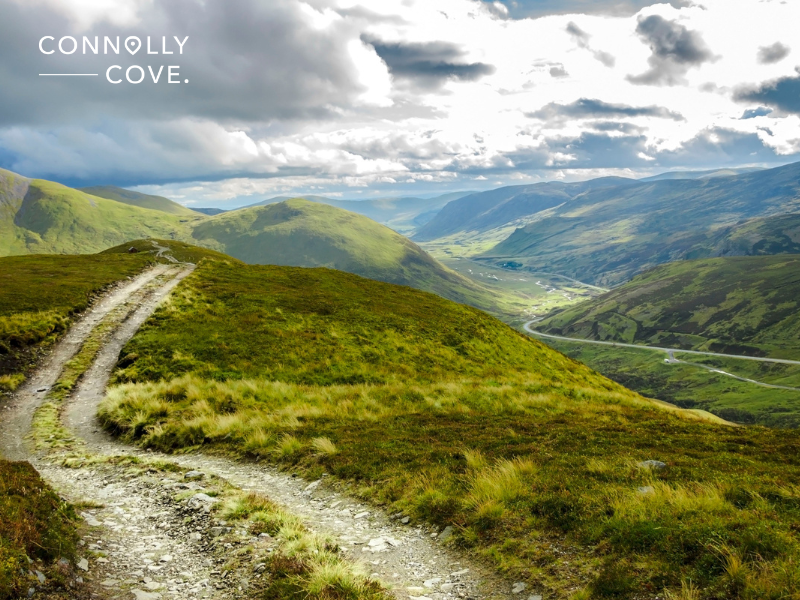
Embark on a thrilling Scotland road trip adventure by conquering the towering peaks of Britain’s highest mountains within the vast Cairngorms National Park. This expansive wilderness offers a paradise for nature enthusiasts, where you can traverse diverse landscapes ranging from heather-covered mountains to ancient pine forests. Look for the magnificent golden eagles gracefully gliding overhead as you hike through this spectacular terrain. During the winter months, transform this national park into your snowy wonderland, embracing exhilarating snow sports such as skiing, snowboarding, and snowshoeing amidst the breathtaking scenery.
North Coast 500
Set off on a remarkable Scotland road trip adventure tracing the North Coast 500, an iconic route spanning 500 miles of awe-inspiring coastal landscapes, pristine shorelines, and quaint fishing hamlets. Experience awe-inspiring ocean vistas, including the mesmerising Smoo Cave, sculpted over millions of years by the relentless forces of erosion. Encounter a wealth of diverse wildlife, from frolicking dolphins to inquisitive seals, and uncover secluded coves scattered along the route, each revealing a distinct facet of the untamed splendour of the Scottish shoreline.
Isle of Skye
Embark on an enchanting road trip to Scotland’s Isle of Skye, a mesmerising island celebrated for its striking scenery and vibrant Gaelic heritage. Delve into the fascinating realm of the Fairy Pools, where cascading waterfalls adorn a landscape steeped in myth and legend. Traverse the Quiraing, a remarkable geological formation evoking the appearance of a dormant volcano, and behold awe-inspiring sunsets painting the rugged coastline with hues of gold and crimson. Immerse yourself in the island’s rich cultural tapestry at the Skye Museum of Island Life and uncover the storied past of ancient fortresses like Dunvegan Castle, echoing centuries of history and intrigue.
The Scottish Islands
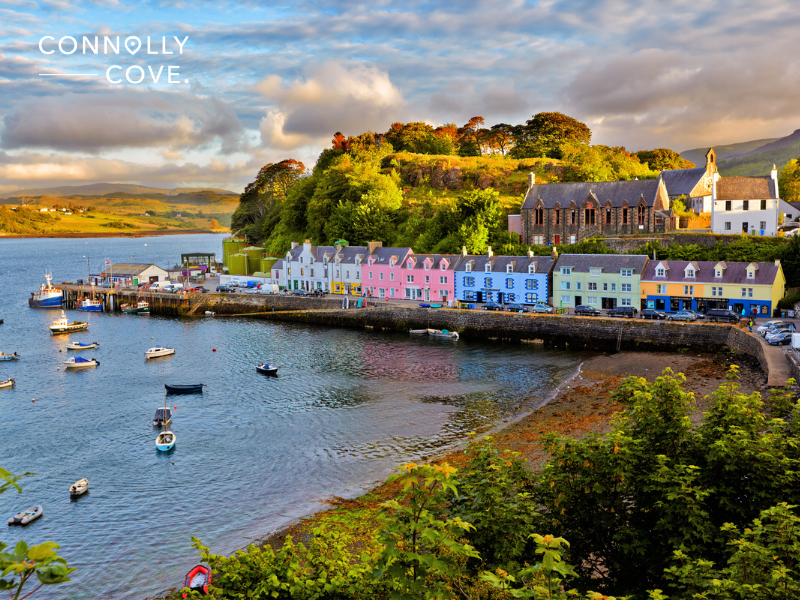
Venture beyond Skye on your road trip to Scotland and unlock a wealth of island treasures, each boasting distinctive landscapes and cultural allure. Set sail for the Isle of Mull, celebrated for its vibrant houses and diverse wildlife, promising a captivating exploration. Journey to the Isle of Harris and Lewis, renowned for their stunning beaches and time-honoured tweed craftsmanship, offering a glimpse into Scotland’s rich heritage. Island hopping in Scotland invites you to immerse yourself in the country’s intricate tapestry and unearth hidden gems waiting just beyond the mainland’s shores.
The Shetland Islands
Continue your Scotland road trip by venturing further north to the secluded archipelago of Shetland, a realm immersed in Viking lore and breathtaking natural wonders. Behold dramatic cliffs alive with the calls of seabirds, embark on a journey through time as you explore ancient archaeological marvels such as Jarlshof, and immerse yourself in the distinctive cultural heritage of the Shetland people. Renowned for their warmth, hospitality, and lively music scene, the Shetland Islands promise an unforgettable experience that adds depth and richness to your Scottish adventure.
The Orkney Islands
Embark on a Scotland road trip adventure and venture off the mainland to uncover the remote archipelago of Orkney, where a wealth of Neolithic history awaits. Explore intriguing archaeological wonders such as Skara Brae, an exceptionally preserved Neolithic settlement, and unravel the enigma of the Ring of Brodgar, a mesmerising prehistoric stone circle. Encounter myriad wildlife, from playful otters to majestic puffins, and immerse yourself in this captivating island chain’s distinctive culture and traditions, often hailed as “Scotland’s best-kept secret.”
The Scottish Borders
Leave behind the urban hustle and immerse yourself in the tranquil beauty of the Scottish Borders on your road trip to Scotland. Roam through picturesque landscapes dotted with rolling hills and quaint villages. Uncover the secrets of history at iconic sites such as Melrose Abbey, where the heart of Robert Bruce finds its resting place, and delve into the literary legacy of the region, intertwined with the works of esteemed writers like Sir Walter Scott. Embrace the great outdoors with activities like hiking, cycling, and horseback riding amidst the stunning scenery, ensuring your Scotland road trip is an adventure to remember.
St Andrews
Embark on a Scotland road trip and journey through history to the captivating town of St Andrews, famed for its medieval university and legendary golf courses. Delve into the past as you explore the haunting ruins of St Andrews Cathedral, a testament to Scotland’s rich heritage. Meander along the quaint streets adorned with charming independent shops and cosy pubs, soaking in the town’s timeless charm.
Immerse yourself in the dynamic student atmosphere, experiencing the bustling energy that permeates the streets. As the day draws to a close, be mesmerised by the breathtaking spectacle of sunset over the North Sea, casting a golden glow upon the picturesque landscape of St Andrews.
Essential Tips for an Unforgettable Scotland Road Trip
Setting out on a road trip to Scotland guarantees you’ll encounter awe-inspiring landscapes, enthralling history, and memorable adventures. Yet, meticulous planning is paramount to ensure a seamless and gratifying journey. Here are indispensable tips to steer you on the right path, elaborated for a thorough grasp:
Define Your Interests
When planning your road trip to Scotland, don’t just compile a list of destinations. Delve deeper into the types of experiences you crave. Are you longing for thrilling hikes, exploring historical sites, wandering through quaint villages, or a blend of diverse encounters? By pinpointing your preferences, you can craft a tailored itinerary that aligns with your interests, ensuring you avoid overcrowding your journey with stops that may not resonate with you.
Choose a Suitable Timeframe
When planning your road trip to Scotland, it’s essential to research average travel times between destinations and allocate time for exploration at each stop. It’s crucial to be realistic about your daily itinerary and avoid overloading it, leaving room for spontaneous detours or unexpected delays.
Additionally, take into account the season. Summer provides longer daylight hours but tends to be crowded, whereas spring and autumn offer pleasant weather and fewer crowds. Winter transforms the landscape into a magical wonderland but necessitates extra preparation due to harsher conditions and potential road closures.
Research Driving Routes
Make the most of online tools such as Google Maps, travel blogs, and dedicated Scotland road trip websites for your trip to Scotland. Seek out picturesque routes that meander through quaint villages and provide chances to enjoy awe-inspiring viewpoints. Explore options like the North Coast 500 or designated national park drives for a curated journey. Check estimated travel times and watch for possible road closures, particularly during peak seasons or in remote regions.
Consider Public Transport Options

When planning your road trip to Scotland, remember that while renting a car provides flexibility, integrating trains or buses for specific segments can offer convenience and save costs, particularly for longer distances or urban exploration. Investigate alternatives like the ScotRail network or hop-on, hop-off bus tours in major cities. This approach can help you break up lengthy drives and provide opportunities to unwind and admire the scenery without the pressure of navigating.
Vehicle Suitability
When planning your road trip to Scotland, select a vehicle that can comfortably fit your group and luggage, considering possible weather changes and off-road adventures. Prioritise a car with sufficient trunk space if you carry outdoor equipment or large souvenirs. Consider opting for a four-wheel drive vehicle for journeys into remote regions to ensure better traction on potentially unpaved roads.
Essential Documentation
Before embarking on your road trip to Scotland, ensure you possess a valid driver’s license, an international driving permit (if required), adequate car insurance, and all necessary documentation for international travel, where applicable. Take the time to acquaint yourself with any specific insurance prerequisites for car rentals in Scotland to ensure a smooth journey.
Familiarise Yourself With Driving Regulations
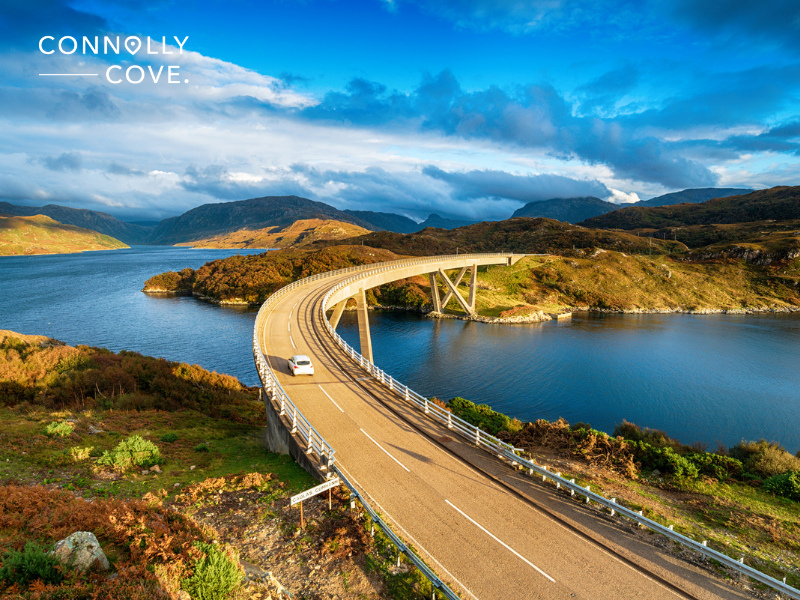
Before embarking on your road trip to Scotland, familiarise yourself with the country’s speed limits, road signs, and distinctive driving regulations. Exercise caution on single-track roads, where yielding to oncoming traffic is customary. Additionally, take note of designated parking zones and refrain from stopping on narrow streets to avoid impeding traffic flow.
Pack for Diverse Weather Conditions
Remember that the weather can be unpredictable when preparing for your road trip to Scotland. Pack versatile layers of clothing that can be easily mixed and matched. Ensure you have waterproof outerwear, comfortable walking shoes, and a cosy hat as essential items. Be prepared for sunny spells and possible rain any time of the year.
Navigation Essentials
Download offline maps of your chosen route and consider a portable GPS device, as internet connectivity may be limited in remote areas. Familiarise yourself with map apps and offline navigation features before your trip.
Essential Supplies
Pack a first-aid kit, emergency supplies like water and non-perishable snacks, and essential car maintenance tools like a tyre pressure gauge and jumper cables. These readily available essentials can ensure your safety and preparedness for unexpected situations.
Accommodation Bookings
Depending on the season and popularity of your destinations, consider booking accommodation in advance, especially for peak travel periods. Research options like hotels, B&Bs, self-catering cottages, or campsites based on your budget and preferences. Booking in advance can guarantee availability and potentially secure better rates.
Scotland, a land woven with tales of ancient clans, captivating landscapes, and a vibrant cultural tapestry, beckons you to embark on an unforgettable journey. This article has unveiled just a glimpse of the diverse experiences that await you on a road trip through this remarkable country. From the soaring peaks of the Highlands to the rugged coastlines and charming villages, each location promises a unique encounter, leaving you with memories that will last a lifetime.
So, pack your bags, fuel your sense of adventure, and hit the road. As you navigate this captivating landscape, embrace the unexpected, delve into the rich history, and savour the local culture. Scotland awaits, ready to unveil its breathtaking beauty and leave an indelible mark on your soul. Remember, the journey itself is an adventure, so buckle up and prepare to be enthralled by the magic of Scotland.

Exploring Aillwee Caves in County Clare, Ireland
County Clare
01/05/2024
Visiting Glasgow | Ultimate Travel Guide
Scotland
01/05/2024
Discovering Ireland | Explore County Tyrone
County Tyrone
01/05/2024
10 Charming Irish Towns You Must Visit
Ireland
01/05/2024

The Art of Solomon’s Knot: Complete Guide
Culture Exploration
01/05/2024