


Visiting Scotland in March: A Captivating Journey Into Enchanting Landscapes
Updated On: April 25, 2024 by  Miranne Khaled
Imagine, if you will, a land kissed by the North Sea, its shores sculpted by dramatic cliffs and windswept beaches. Picture vast, emerald valleys cradled by rugged mountains; their peaks shrouded in mist and legend. Now, sprinkle this landscape with ancient castles that whisper tales of chivalry and intrigue and dot it with crystal-clear lochs reflecting the ever-changing Scottish sky.
This dear reader, is not a figment of your imagination but a glimpse into the captivating reality of Scotland. This enchanting land welcomes travellers with open arms throughout the year, each season painting its unique portrait. Yet, a hidden gem exists within the calendar, a month when Scotland unveils a side unlike any other: March.
Now, buckle up, dear reader, for as we delve deeper into Scotland in March, you’ll discover hidden treasures, uncover fascinating traditions, and perhaps even stumble upon a wee bit of magic along the way.
Top Reasons to Visit Scotland in March
March is a time of gentle transition, where winter’s frosty grip loosens its hold, and spring tiptoes in, painting the hillsides with vibrant hues. The air buzzes with anticipation as nature awakens from its slumber and the land prepares to unfold its magic.
So, if you seek an adventure unlike any other, consider embarking on a sojourn to Scotland in March. Let the crisp air invigorate your senses, the breathtaking scenery ignite your imagination, and the rich history whisper captivating stories in your ear.
This is not just a vacation; it’s an immersion into the soul of a land where myth and reality intertwine, creating an experience that will forever be etched in your memory. Here’s why you should book a ticket and fly to Scotland in March:
Delightful Weather and Landscape
March marks the transition to spring in Scotland, casting a spell of enchantment over the already picturesque landscapes. The weather is pleasantly mild, with the first signs of spring appearing as the days grow longer. This creates a perfect atmosphere for exploring the stunning countryside, where emerald-green meadows and vibrant flowers begin to bloom, painting the scenery with delicate hues.
Fewer Crowds and Lower Prices
Visiting Scotland in March lets you bask in its beauty without the usual tourist crowds. As it is considered the shoulder season, you’ll have the chance to appreciate the tranquillity and serenity the country offers fully. Additionally, accommodation prices and flight fares tend to be more affordable during this time, making it an ideal opportunity for budget-conscious travellers.
Witness the Magnificent Northern Lights
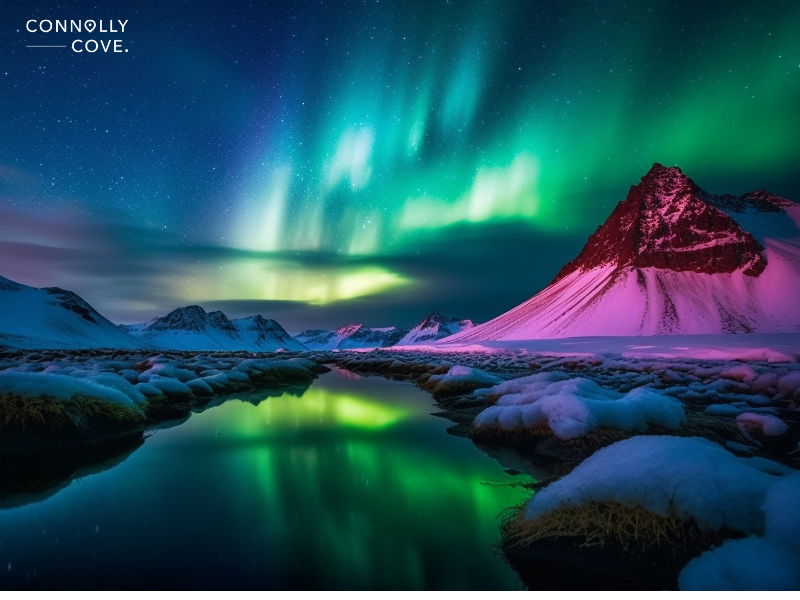
One of the most captivating experiences in Scotland is witnessing the ethereal dance of the Northern Lights. March provides favourable conditions for catching a glimpse of this natural spectacle, as the long nights and clear skies enhance your chances of witnessing the luminous swirls of green, purple, and pink illuminating the heavens above.
Spectacular Wildlife Encounters
March is a fantastic time to observe Scotland’s diverse wildlife. You may spot playful seals and adorable puffins returning to their nesting grounds along the coastline. The majestic red deer roam freely across the moorlands while the elusive golden eagles soar overhead, showcasing their impressive wingspan. Nature enthusiasts will relish the opportunity to witness these remarkable creatures in their natural habitats.
Unforgettable Festivals and Events
In March, Scotland is brimming with lively festivals and cultural events, adding extra excitement to your visit. The St. Patrick’s Day celebrations in Glasgow and Edinburgh infuse the atmosphere with music, dancing, and a vibrant parade. The renowned Edinburgh International Science Festival takes place in March, offering a fascinating exploration of scientific wonders through interactive exhibitions and captivating presentations.
Unique Places to Visit in Scotland in March to Immerse in Its Unique Culture
Apart from the mentioned destinations, several other famous places in Scotland are worth visiting in March. Each of these destinations offers unique charm and attractions, making them beautiful additions to your Scottish adventure in March.
Whether you prefer exploring cities, delving into history, or immersing yourself in nature, Scotland has something to offer every traveller. Here are a few more recommendations:
Edinburgh
When Scotland in March awakens, so does Edinburgh, blooming with a unique charm unseen in other seasons. This captivating city transcends its historical grandeur, offering a vibrant mix of cultural events, festive cheer, and whispers of spring peeking through the crisp air. While the iconic Edinburgh Castle still stands proud, cloaked in mist and mystery, the Meadows unfurl a vibrant green carpet, inviting leisurely strolls under the gentle Scottish sun.
March transforms Edinburgh into a stage for creativity. The Scottish International Storytelling Festival sets imaginations ablaze, while the Edinburgh International Science Festival ignites curiosity with fascinating exhibits. For a touch of theatricality, the Edinburgh International Film Festival showcases cinematic gems on the big screen.
But the magic doesn’t stop there. Explore the enchanting Royal Botanic Garden, where the first blooms announce spring’s arrival, or venture beyond the city limits to revel in the vibrant daffodil fields blanketing the Pentland Hills. Whether you seek historical intrigue, cultural immersion, or a breath of fresh air amidst lively festivities, Edinburgh in March promises an unforgettable adventure.
Glasgow
In Scotland in March, Glasgow throws off its winter coat and awakens with a contagious energy. This dynamic city pulsates with a creative spirit, offering a vibrant blend of cultural experiences, architectural marvels, and a hint of springtime renewal. While the majestic Kelvingrove Park bursts with budding trees and playful squirrels, the Glasgow International Comedy Festival fills the air with laughter and warming hearts amidst the crisp March breeze.
Stroll through the iconic Glasgow Necropolis, where gothic grandeur meets breathtaking city views, or delve into the Kelvingrove Art Gallery and Museum, brimming with masterpieces from around the world. Immerse yourself in the lively atmosphere of the Merchant City, where trendy cafes and independent shops line the cobbled streets.
For a taste of Scotland’s vibrant music scene, catch a gig at the legendary Barrowland Ballroom, or head to the SSE Hydro for a world-class concert experience. Glasgow in March isn’t just a city; it’s a cultural kaleidoscope waiting to be explored, leaving you with memories as vibrant as the city itself.
Stirling
Stirling possesses a unique allure that becomes pretty evident in spring, placing itself as one of the unmissable destinations to visit in Scotland in March. This historic gem, nestled between rolling hills and majestic mountains, offers a captivating blend of medieval charm and vibrant life. While the imposing Stirling Castle still stands guard, its imposing silhouette softened by the first whispers of green on the surrounding slopes, the streets below buzz with renewed energy.
Cafes spill onto sun-drenched squares, and locals enjoy leisurely walks along the River Forth, basking in the promise of warmer days. March in Stirling is a treasure trove for history buffs and nature lovers alike. Explore the Bannockburn Battlefield, where echoes of ancient battles reverberate or delve into the secrets of the Holy Rude, a church steeped in royal history.
For a dose of fresh air, climb the Wallace Monument, a towering tribute to Scotland’s legendary hero, and be rewarded with panoramic views stretching across the awakening landscape. If you’re feeling adventurous, venture beyond the city and explore the nearby Loch Lomond and The Trossachs National Park, where nature paints a masterpiece of vibrant greens and sparkling waters.
Aberdeen
In March, Scotland awakens with a subtle shift, and so does Aberdeen, the Granite City. While the North Sea winds still carry a winter chill, a hint of spring whispers through the cobbled streets, transforming this historic haven into a captivating escape. Unlike other Scottish cities, Aberdeen boasts a unique cultural blend, where ancient granite architecture juxtaposes contemporary art galleries and bustling harbour activity.
March paints Aberdeen with a vibrant energy. Explore the bustling harbour, where fishing boats bob gently, and fresh seafood fills the air. Climb the Tolbooth Steeple, offering breathtaking panoramas of the city’s granite rooftops and the endless coastline. Immerse yourself in art at the renowned Aberdeen Art Gallery, where diverse exhibitions showcase local and international talents.
For a touch of whimsy, wander through Duthie Park Winter Gardens, a haven of exotic blooms defying the season’s grip. Whether you seek historical tales whispered in ancient walls, artistic inspiration, or an invigorating seaside escape, Aberdeen in March promises an unforgettable experience with a distinctly Granite City charm.
Inverness
Scotland in March awakens with a gentle tug-of-war between winter’s grip and spring’s whispers. And nowhere is this dance more captivating than Inverness, the Highlands’ charming capital. Nestled at the edge of the majestic Moray Firth, this vibrant city offers a blend of historical intrigue, outdoor adventures, and a hint of springtime renewal.
While the mighty Inverness Castle still stands resolute against the ever-changing sky, the banks of the River Ness begin to blush with the first blooms of daffodils. Wander through the Ness Islands, a haven of tranquil gardens and wildlife, or stroll along the riverfront, soaking in the panoramic views of the awakening landscape. Explore the fascinating Inverness Museum and Art Gallery, where exhibits whisper tales of Highland history and culture.
March in Inverness is an invitation to embrace the outdoors. Take a boat trip on Loch Ness, searching for the legendary monster, or embark on a hike through the nearby Culloden Battlefield, where echoes of history resonate. With its vibrant spirit and captivating surroundings, Inverness in March offers an unforgettable experience where nature awakens and history comes alive.
Isle of Skye
While the rugged peaks still wear a dusting of winter snow, the valleys of the Isle of Skye whisper promises of spring, painting a landscape of dramatic contrasts. This magical island, renowned for its otherworldly beauty, offers a unique adventure in March, blending breathtaking scenery, captivating stories, and a hint of the season’s awakening.
Imagine exploring the iconic Old Man Storr, its iconic pinnacle still cloaked in mist, while vibrant green shoots push through the earth below. Hike along the Quiraing, a natural rock formation resembling a sleeping giant, and witness the ever-changing light dance across its dramatic form. Delve into the mysteries of Dunvegan Castle, its ancient walls echoing with tales of clan rivalries and hidden treasures.
Immerse yourself in the Feis a Fhleidh, a Gaelic music festival that fills the air with lively melodies, or savour fresh seafood and local delicacies at the Skye Food Festival. Whether you seek dramatic landscapes, ancient stories, or a taste of island life, the Isle of Skye in March promises an unforgettable adventure where nature’s beauty unfolds and folklore whispers in the wind.
Scotland in March presents a captivating blend of natural beauty, cultural festivities, and tranquil exploration. The mild weather, fewer crowds, and affordable prices make it an ideal time to immerse yourself in Scotland’s allure. From witnessing the mesmerizing Northern Lights to exploring historic castles and encountering diverse wildlife, a journey through the enchanting landscapes of Scotland in March promises an unforgettable experience that will leave you yearning for more.

Viking History: Insight into the Age of Phantom Travellers
History and Heritage
28/04/2024
The Symbolism and Meaning of the Dara Knot
Culture Exploration
28/04/2024
An Overview of Michigan Tourism Statistics: Visitor Spending, Growth, and Industry Impact
United States
28/04/2024
Top Things To Do in Hamburg: A Hamburger’s Guide!
Germany
27/04/2024
Take a Look at the Astounding Scenery of County Kerry
County Kerry
27/04/2024