


A Journey Through the Most Alluring UK Gardens
Updated On: February 18, 2024 by  Noha Basiouny
Imagine strolling through vibrant meadows bursting with colour, losing yourself in labyrinths of fragrant roses, or picnicking under the shade of ancient trees. This is not a fairytale but the reality of exploring the most magnificent UK gardens scattered across rolling hills, stately homes, and charming villages. These verdant havens offer a unique escape for nature lovers, history buffs, and anyone seeking a dose of tranquillity.
Each garden tells a story, whispering secrets of the past and showcasing the diversity of the UK’s landscape and horticultural heritage. Whether you seek a quiet escape, a historical adventure, or a feast for the senses, this exploration promises to leave you breathless, inspired, and yearning to step into these blooming paradises.
So, pack your walking shoes, prepare to be captivated by the beauty, and embark with us on a journey through the UK’s remarkable gardens.
Visiting the UK’s Spectacular Gardens
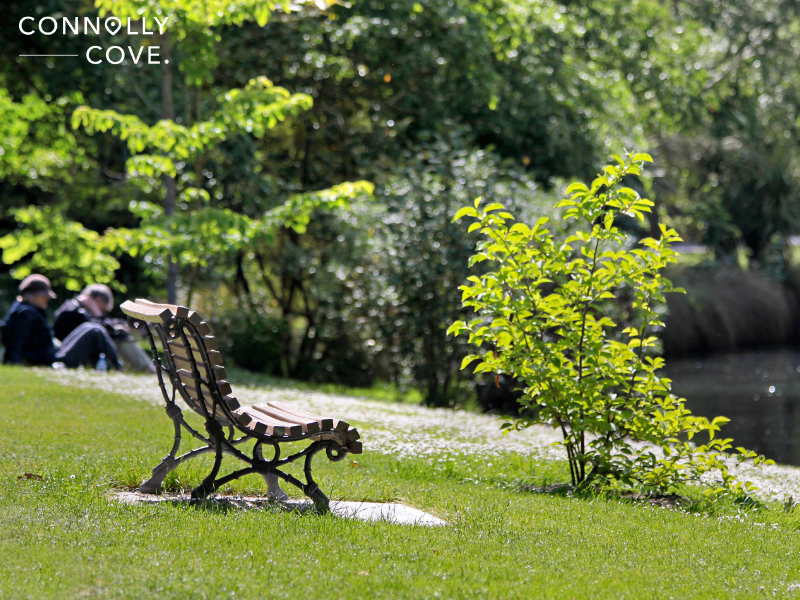
The United Kingdom is home to a spectacular array of gardens scattered all over the country, ranging from small private ones to vast public and botanical estates that showcase the country’s rich floricultural tradition. The diversity and sheer number of exquisite gardens in the UK can be attributed to a combination of factors.
First of all, the UK is characterised by a love for nature and landscaping aesthetics that has spurred the creation of numerous gardens over the centuries. Notable garden designers like Capability Brown and Gertrude Jekyll have influenced the landscape architecture of the UK. Add to this the mild and temperate climate in particular parts of England, which provides a perfect environment for a big array of plants to thrive.
Additionally, the British people’s passion for gardening and horticulture has contributed to the cultivation of these stunning spaces. Whether it is the meticulously manicured lawns, vibrant flower beds, or serene water features, the commitment to preserving as well as enhancing the beauty of nature is deeply ingrained in the UK’s gardening tradition.
Now, let’s explore some of the most renowned, ultimate must-visit, terrific UK gardens.
1. The Royal Botanic Gardens, Kew
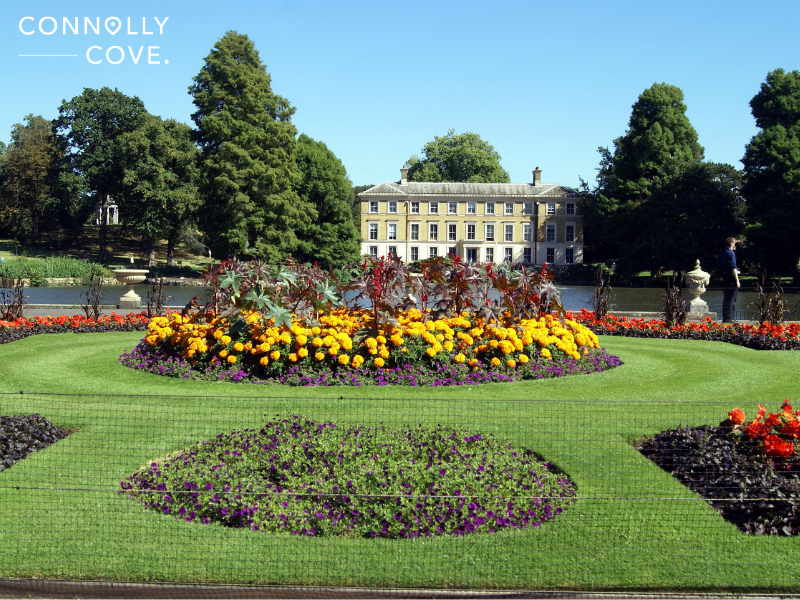
First and foremost, we have the Royal Botanic Gardens, commonly known as Kew Gardens, which are located in the district of Kew in London.
Established in 1840, this UNESCO World Heritage Site spans 300 acres and serves as a global centre for plant science, conservation, and research. Boasting a remarkable collection of over 50,000 living plants, including rare and endangered species, Kew Gardens is a living laboratory for botanists and an enchanting haven for visitors.
The iconic Palm House, Temperate House, and Princess of Wales Conservatory showcase diverse climates and ecosystems, while the treetop walkway offers a unique perspective on the lush surroundings.
Beyond its scientific significance, Kew Gardens provides a tranquil escape for visitors seeking solace in its landscaped lawns, serene water features, and themed gardens, making it a destination that seamlessly blends scientific excellence with natural beauty.
2. Hidcote Manor Garden, Gloucestershire
Located in the charming Cotswolds of Gloucestershire, England, Hidcote Manor Garden stands as a masterpiece of Arts and Crafts garden design. It was created by the visionary American horticulturist Lawrence Johnston in the early 20th century and is renowned for its enchanting layout, characterised by a series of intricately designed “outdoor rooms.” Each of these rooms is framed by hedges, walls, and carefully curated plantings.
Visitors can meander through a journey of diverse landscapes, from the vibrant colours of the Red Borders to the serene White Garden, showcasing Johnston’s meticulous attention to detail and a keen sense of plant arrangement.
Hidcote Manor Garden remains a living testament to the creativity and innovation of its creator, drawing horticulture enthusiasts and nature lovers alike to feel the hush of the enchanting woodlands, spot stunning fountains, and get lost in breathtaking wildflower meadows.
3. Tresco Abbey Gardens, Isle of Scilly
Tresco Abbey Gardens are situated on the idyllic island of Tresco in the Isles of Scilly, a horticultural gem that captivates visitors with its unique blend of exotic plants and stunning landscapes.
The garden was established in the 19th century on the land of a former Benedictine Abbey, which benefits from the mild maritime climate of the Isles of Scilly, allowing for the cultivation of a remarkable array of plants from around the world. The collection includes subtropical species, exotic plants from South Africa, and vibrant Mediterranean flora, all thriving in the sheltered and well-tended environs.
The sheltered Valhalla Museum within the garden displays an intriguing assortment of ship figureheads salvaged from nearby wrecks. Visitors can wander through the network of pathways, encountering vibrant flowerbeds, towering palms, and the iconic Abbey ruins, all creating an enchanting haven that seamlessly merges history and horticulture against the backdrop of the Atlantic Ocean.
The garden also features terraced beds filled with colourful flowers and beautiful sculptures that add an artistic touch to the surroundings.
4. Sissinghurst Castle Garden, Kent
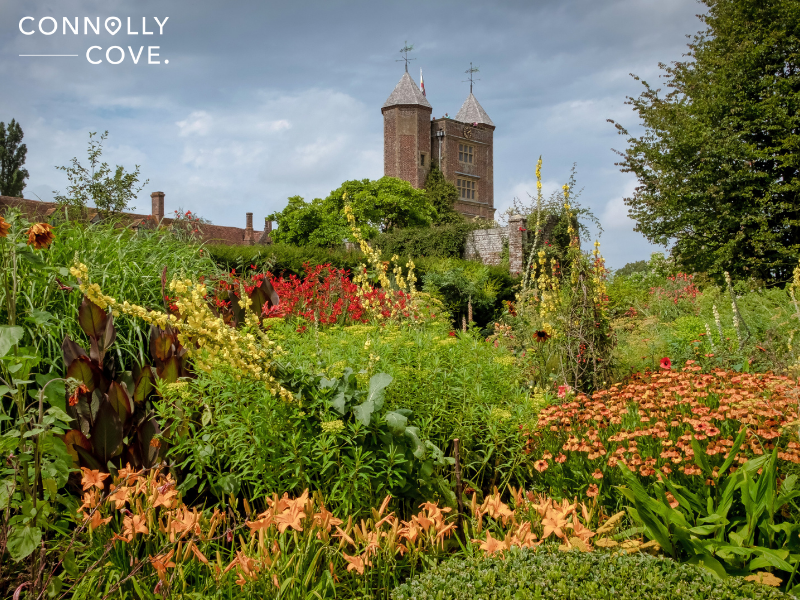
Sissinghurst Castle Garden, located in the heart of the Kent countryside in England, is a world-renowned masterpiece of garden design that transports visitors into a realm of romance and beauty. It was created in the 1930s by Vita Sackville-West and Harold Nicolson, a famous British couple that paired literary mastery with their deep love for gardening and garden design.
Surrounding the ruins of a 16th-century Elizabethan tower, Sissinghurst is celebrated for its iconic “rooms,” distinct outdoor spaces with carefully curated themes and plantings that invite exploration and contemplation. From the vibrant White Garden with its ethereal blooms and herbaceous borders to the intimate Rose Garden and tranquil lake, the diversity of these interconnected spaces creates a harmonious tapestry of colour and texture throughout the seasons.
Beyond its aesthetic allure, Sissinghurst Castle Garden is also a poignant reflection of the personalities of its creators, making it a living testament to the enduring power of their vision and the timeless beauty of meticulously designed landscapes.
5. RHS Garden Bridgewater, Greater Manchester
Another fantastic garden anyone heading to Manchester should visit is the famous RHS Garden Bridgewater. It is basically a horticultural treasure that enriches the landscape of North West England with its innovative design and botanical diversity. Established by the Royal Horticultural Society (RHS), the garden covers an area of 154 acres and makes a contemporary masterpiece that repurposes the historic grounds of Worsley New Hall.
Opened to the public in 2021, the garden features a diverse range of landscapes, including the stunning Weston Walled Garden, designed by renowned landscape architect Tom Stuart-Smith and filled with fragrant roses and vibrant flowers. The Japanese Garden is also a highlight, with its tranquil ponds and authentic architectural features.
With its mix of formal and informal spaces, a learning garden, and a kitchen garden, RHS Garden Bridgewater aims to inspire and educate visitors about the wonders of plants and gardening with a commitment to conservation, sustainability, and community engagement.
6. Ventnor Botanic Garden, Isle of Wight
Another must-visit garden in the UK is the Ventnor Botanic Garden, a unique and subtropical oasis spanning over 22 acres and thriving in the shelter of the Undercliff Regio.
The garden was basically established on the site of the former Royal National Hospital for Diseases of the Chest back in 1970, so it benefits from a microclimate that allows the cultivation of an extraordinary array of exotic and rare plants. Located within a series of terraced slopes overlooking the English Channel, Ventnor Botanic Garden encompasses landscapes ranging from Mediterranean and South African to New Zealand and Australian gardens.
Visitors can explore the vibrant and diverse plant collections while enjoying breathtaking views of the surrounding cliffs and sea. Beyond its botanical marvels, the garden plays a crucial role in conservation, particularly for endangered species, making it a captivating destination that seamlessly blends horticulture, history, and stunning coastal scenery.
7. Chatsworth Garden, Derbyshire
Chatsworth Garden is an iconic and grand landscape surrounding Chatsworth House, one of the country’s most magnificent stately homes. Located in the heart of the Peak District in Derbyshire, England, the garden was designed by renowned landscape architect Lancelot “Capability” Brown in the 18th century on an area of 105 acres. It seamlessly blends formal and informal elements, showcasing a harmonious fusion of nature and art.
While exploring the Chatsworth Garden, visitors can wander through the intricate water features, walk through the maze-like paths of the Rockery, and admire the classical sculptures that adorn the landscape.
One of the highlights of Chatsworth Garden is the famous Cascade Fountain, which stands an impressive 91 metres long, a true sight to behold.
With its expansive lawns, vibrant flower beds, and mature woodlands, Chatsworth Garden offers a captivating experience, inviting guests to revel in the timeless beauty and horticultural legacy of this historic estate.
8. Anglesey Abbey, Cambridgeshire
The eighth garden we are exploring today is Anglesey Abbey, located near Cambridge in Cambridgeshire, England. It is a National Trust property renowned for its stunning gardens and historic house.
Originally a priory dating back to the 12th century, the property underwent transformations over the centuries and became a country house in the early 20th century. The formal gardens, designed by renowned garden designer Sir Geoffrey Jellicoe in the 1960s, feature a series of themed areas, including the vibrant Herbaceous Border and the tranquil Winter Garden.
The famous Lode Mill, a working watermill, adds a picturesque element to the landscape.
The interior of Anglesey Abbey boasts an impressive collection of art and artefacts, reflecting the tastes and interests of its former owners. With its delightful combination of horticultural beauty, historical charm, and artistic treasures, Anglesey Abbey stands as a testament to the rich tradition and diverse influences that have shaped its character over the centuries.
9. Arundel Castle & Gardens, West Sussex
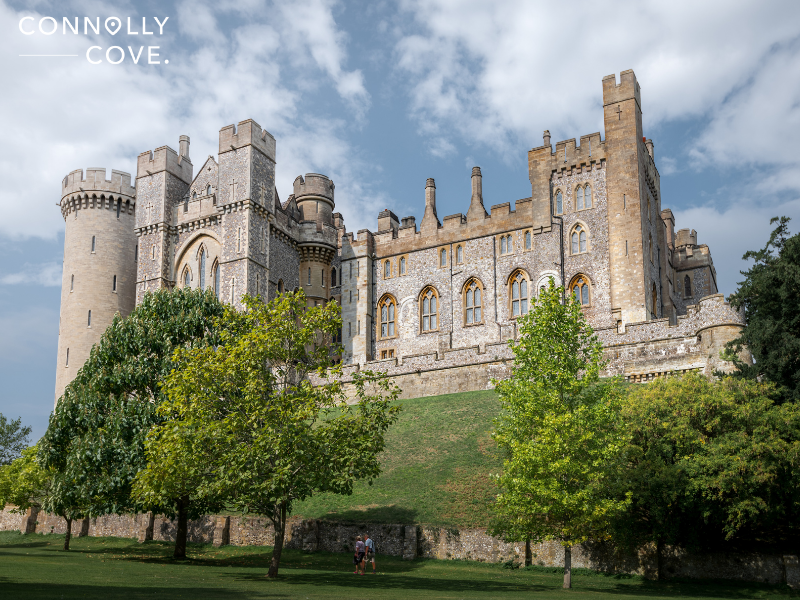
Last but not least, we have Arundel Castle Gardens in West Sussex, enveloping the historic Arundel Castle. These are a captivating ensemble of landscaped greenery that complements the castle’s medieval grandeur, with a variety of distinct areas, each offering a unique horticultural experience.
The Collector Earl’s Garden, inspired by the 17th century and situated on the upper grounds, features intricate parterres, a central fountain, and a stunning array of flowers. The Rose Garden, featuring vibrant blooms and fragrant blossoms, creates a romantic ambience against the backdrop of the castle walls.
Beyond the formal gardens, the Stumpery, a woodland garden, adds a touch of the whimsical with its imaginative use of tree stumps and ferns. Visitors to Arundel Castle Gardens can explore the meticulously manicured lawns, enjoy panoramic views of the South Downs, and appreciate the seamless integration of historical charm and botanical beauty that defines this enchanting landscape.
The castle itself is a historic gem that spans nearly a thousand years of English history. It was founded in the 11th century by Roger de Montgomery and has undergone various renovations and expansions over the centuries. Its impressive medieval architecture is complemented by later additions, creating a harmonious blend of Gothic and Victorian styles.
As you explore the castle grounds, you will be surrounded by immaculately manicured lawns, vibrant flower beds, and tranquil water features. The castle’s extensive gardens offer breathtaking views of the surrounding landscape and provide a peaceful retreat away from the crazy hustle and bustle of everyday life. It is a must-see destination in West Sussex.
Tips for Visiting UK Gardens
Visiting UK gardens is definitely a delightful and enriching experience. Yet, to make the best of your exploration, there are a few things you have to consider before heading to any of the gardens we mentioned earlier. Let’s explore some of these aspects.
Best Time to Visit
The best time to visit UK gardens is during the spring and summer months. From April to September, the gardens are at their most vibrant, with flowers in full bloom and lush greenery everywhere you look.
This is when you can truly appreciate the enchanting beauty of these green spaces. Generally, the weather is mild and pleasant during this time of the year, making it ideal for exploring gardens on foot.
Also, make sure you confirm the opening hours and seasonal variations of the gardens you plan to visit to ensure they are accessible during your trip.
How to Get There

To visit the enchanting gardens in the UK, there are various transportation options available.
You can reach most of these beautiful green spaces by train, bus, or car. If you are travelling from London, many gardens are just a short train ride away. Buses and taxis, on the other hand, can take you to some of the more remote locations. If you have your own car, driving gives you the flexibility to explore multiple gardens at your own pace.
Just make sure to check for parking availability beforehand. Whether you choose public transport or drive yourself, getting to these spectacular gardens is a breeze.
Entrance Fees and Tours
Another thing to check when visiting UK gardens is the entrance fees and tour options. Some gardens may require an admission fee, while others may be free to enter. It is a good idea to check the official website of the garden you plan to visit for details on pricing and any available discounts.
Interestingly, many gardens offer guided tours led by knowledgeable experts who can offer insights into the history and features of the garden. These tours may have an additional cost, but they can enhance your experience by providing a deeper understanding of the garden’s significance.
Be sure to book your tour in advance if required, as they can fill up quickly, especially during peak seasons.
Garden Etiquette
When visiting gardens in the UK, it is important to follow some garden etiquette.
First, be respectful of the plants and flowers by not picking or damaging them. Make sure you stay on designated paths to avoid trampling on delicate areas. Keep noise levels low to preserve the peaceful atmosphere for other visitors, and be mindful of any signs or rules regarding photography, picnicking, or touching sculptures or structures.
Also, do not forget to clean up after yourself, dispose of any litter properly, and generally leave your spot as clean as you found it.
By following these guidelines, we can all enjoy and preserve the beauty of UK gardens for future generations to appreciate.
Where to Stay
When exploring the enchanting beauty of UK gardens, there are a variety of accommodation options offering comfortable beds and communal areas suitable for different types of travellers. These establishments also often have helpful staff who can provide local tips and recommendations.
Many of these accommodations are conveniently situated near popular gardens, offering easy access to explore at leisure.
Conclusion
The enchanting gardens of the United Kingdom stand as living canvases, weaving together history, art, and nature in a tapestry of horticultural brilliance. From the grandeur of Kew Gardens to the intimate charm of Sissinghurst Castle, each garden, with a rich diversity of plant collections, meticulously designed landscapes, and the enduring legacy of visionary gardeners creates an experience that transcends time and captivates the senses.
As you wander through the manicured lawns, fragrant rose gardens and historic estates, it becomes evident that these horticultural masterpieces are not merely places to visit but treasures to be cherished, preserving the legacy of the past while inspiring the generations yet to come.

An Overview of Michigan Tourism Statistics: Visitor Spending, Growth, and Industry Impact
United States
28/04/2024

Top Things To Do in Hamburg: A Hamburger’s Guide!
Germany
27/04/2024

Take a Look at the Astounding Scenery of County Kerry
County Kerry
27/04/2024

Famous Haunted Houses in Egypt: Spooky Stories for Halloween
Destinations
27/04/2024

St. Paul’s Cathedral – London Attractions
England
27/04/2024