


Best Holiday Homes Ireland Has to Offer: Top 10 Self-Catering Accommodations

Updated On: April 21, 2024 by  Yasmin Elwan
Planning a jaunt to the Emerald Isle but feeling somewhat bamboozled about where on earth you might lay your head? Fear not; we know all too well that with such an array of self-catering accommodations and holiday homes scattered across Ireland, pinpointing that perfect spot can feel like finding a needle in a haystack.
The upside? We’ve taken the liberty of diligently analysing ratings, amenities and locations to curate an exclusive list of the Top 10 holiday homes in Ireland for an unforgettable escape. Are you eager and ready for your Irish adventure? Let’s embark together!
Key Takeaways
- Ireland offers a wide selection of self-catering accommodations and holiday homes for an unforgettable vacation.
- Dream Ireland Holiday Homes is a trusted company that has been hosting over 35,000 guests annually since 1986.
- Booking directly with Dream Ireland can save you up to 20%, and their safe and simple booking process includes personalised recommendations from their Irish call centre.
Discover the Best Holiday Homes Ireland Has to Offer
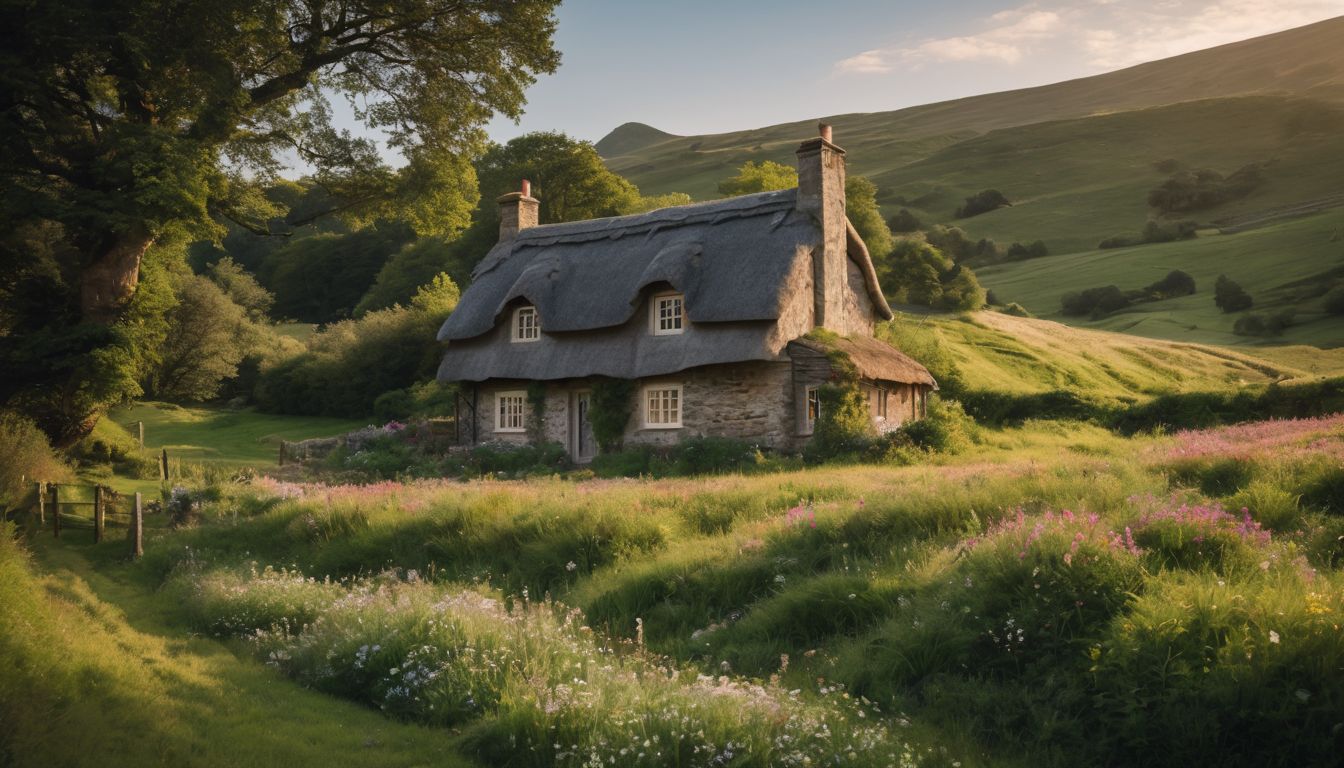
In Ireland, you’ll find an array of self-catering holiday homes, from charming cottages to opulent castles. Whether it’s a romantic escape, a family trip, or an adventure-filled holiday, you’re bound to discover your ideal spot among the top-rated holiday homes in Ireland, as determined by traveller reviews and overall popularity.
Lakeside Holiday Homes—Killaloe, County Clare
Lakeside Holiday Homes is a cluster of large, self-catering holiday homes nestled on the serene shores of Lough Derg, just a short stroll from the charming towns of Killaloe and Ballina in County Clare. These idyllic accommodations offer a tranquil escape amidst breathtaking natural beauty, making them the perfect choice for families, couples, and groups seeking a relaxing retreat.
Each of the well-maintained holiday homes provides ample space for up to eight guests, featuring a spacious open-plan living and dining area, a fully equipped kitchen, and four bedrooms, ensuring a comfortable stay for all. The homes are tastefully decorated with a modern touch while retaining their rustic charm, creating a warm and inviting ambience.
Lakeside Holiday Homes boasts a range of amenities to enhance your stay, including ample off-street parking, ensuring easy access to your accommodation. Guests can also enjoy a delightful playground for children, providing hours of fun and entertainment. For those seeking a taste of local cuisine, the nearby towns of Killaloe and Ballina offer a selection of restaurants and pubs serving traditional Irish fare.
Connemara Coastal Cottages—Connemara, County Galway
Nestled amidst the breathtaking landscapes of Connemara, County Galway, Connemara Coastal Cottages offers a unique and unforgettable holiday experience in Ireland. With a wide selection of self-catering accommodation, ranging from cosy cottages to luxurious houses, the company caters to every taste and budget. Whether you’re seeking a romantic getaway, a family vacation, or an adventure-filled retreat, Connemara Coastal Cottages has the perfect home away from home for you.
Guests can choose from a variety of properties, each with its own unique charm and character. From traditional cottages with thatched roofs to modern houses with stunning ocean views, there’s something for everyone. All properties are fully equipped with all the amenities you need for a comfortable and enjoyable stay, including kitchens, living rooms, bedrooms, and bathrooms.
Amenities and Services
Connemara Coastal Cottages is committed to providing exceptional customer service and ensuring that guests have a memorable holiday experience. The company offers a range of services to make your stay as easy and enjoyable as possible, including:
- A friendly and knowledgeable staff: The staff at Connemara Coastal Cottages is always happy to help you with anything you need, from planning your itinerary to booking activities.
- A concierge service: The company offers a concierge service to help you book activities, arrange transportation, and make other arrangements for your stay.
- A linen and towel service: For an additional fee, Connemara Coastal Cottages can provide you with fresh linens and towels for your stay.
The company also offers a variety of amenities to make your stay even more enjoyable, including:
- Free Wi-Fi: All properties have free Wi-Fi so that you can stay connected with friends and family back home.
- Laundry facilities: Most properties have laundry facilities, so you can keep your clothes clean and fresh during your stay.
- Barbecue facilities: Many properties have barbecue facilities to enjoy a delicious meal outdoors.
- Pet-friendly accommodations: Some properties are pet-friendly, so you can bring your furry friend along on holiday.
Inch Beach House Cottages—Inch, County Kerry
Located amidst the captivating scenery of Inch Beach, County Kerry, Inch Beach House Cottages offers an idyllic retreat in the heart of Ireland’s Wild Atlantic Way. With a selection of cosy self-catering cottages, the company provides a haven of tranquillity and comfort for couples, families, and groups seeking a memorable holiday experience.
Each cottage exudes a charm that blends seamlessly with the surrounding natural beauty. From traditional stone cottages to modern houses with panoramic ocean views, the accommodations cater to diverse preferences and lifestyles. Fully equipped with all the essentials for a comfortable and enjoyable stay, the cottages feature kitchens, living rooms, bedrooms, and bathrooms, ensuring a sense of home away from home.
Amenities and Services
Inch Beach House Cottages is dedicated to providing exceptional hospitality and ensuring that guests have an unforgettable holiday experience. The company offers a range of services to enhance your stay:
- Friendly and knowledgeable staff: The staff at Inch Beach House Cottages is always happy to assist with any inquiries or requests, from planning your itinerary to arranging activities.
- Concierge services: The company provides concierge services to assist with booking activities, organising transport, and making various arrangements during your stay.
- Linen and towel service: Inch Beach House Cottages offer fresh linens and towels for your stay at an extra charge.
To make your stay even more enjoyable, the company provides a variety of amenities:
- Free Wi-Fi: All cottages have free Wi-Fi, allowing you to stay connected with friends and family back home.
- Laundry facilities: Most of the cottages come with laundry amenities, allowing you to wash and freshen your clothes throughout your stay easily.
- Barbecue facilities: Many cottages have barbecue facilities, enabling you to savour delicious meals outdoors.
- Pet-friendly accommodations: Some cottages are pet-friendly, so you can bring your furry companion along on your holiday.
Current prices for self-catering accommodation at Inch Beach House Cottages vary depending on the property, the time of year, and the length of stay. For more information on pricing, please visit the company’s website or contact them directly.
Sheen Falls Country Club—Kenmare, County Kerry
Nestled amidst the stunning scenery of Kenmare, County Kerry, Sheen Falls Country Club offers a tranquil and luxurious retreat for holidaymakers seeking a truly memorable experience in Ireland. With a choice of contemporary Courtyard Townhouses and exquisite Mountain View Detached Houses, the club provides a range of self-catering accommodations to suit every taste and preference.
The Courtyard Townhouses, ranging from one to three bedrooms, offer a blend of modern comfort and stylish design. Each townhouse features a spacious living area, a fully equipped kitchen, and comfortable bedrooms, making them perfect for families and groups of friends.
The Mountain View Detached Houses, designed to accommodate up to eight guests, boast breathtaking views of the surrounding mountains and the Sheen River. With their spacious interiors, luxurious amenities, and private gardens, these houses are the epitome of luxury and relaxation.
Amenities and Services
Sheen Falls Country Club takes pride in providing exceptional service and amenities to ensure guests have an unforgettable holiday experience. The club offers a range of facilities and services to enhance your stay, including:
- A friendly and welcoming staff: The staff at Sheen Falls Country Club is always available to assist you with any inquiries or requests, ensuring your stay is as comfortable and enjoyable as possible.
- A concierge service: The concierge service can help you arrange transportation, book activities, and make dining reservations, ensuring a stress-free and enjoyable holiday experience.
- A leisure centre: The leisure centre offers a range of facilities, including a swimming pool, gym, sauna, and steam room, providing ample opportunities for relaxation and rejuvenation.
- A children’s playground: The children’s playground provides a safe and fun environment for young guests to enjoy outdoor activities.
The club also offers a variety of activities and events to keep guests entertained throughout their stay. These may include:
- Guided walks and hikes: Explore the surrounding countryside and discover the region’s natural beauty through guided walks and hikes.
- Fishing: The Sheen River offers excellent fishing opportunities for both experienced anglers and beginners.
- Golfing: Enjoy a round of golf at one of the nearby championship courses, surrounded by stunning scenery.
- Cultural and historical tours: Immerse yourself in the rich history and culture of the region through guided tours of local attractions.
Donegal Thatched Cottages—Cruit Island, County Donegal
Donegal Thatched Cottages offers a quintessential Irish holiday experience in County Donegal’s Cruit Island. These authentic, traditionally styled thatched cottages have been modernised to provide comfort while retaining their original charm.
Suitable for groups of up to five, each cottage features a full kitchen, a cosy living space with a fireplace, and a private outdoor area for relaxation. With complimentary Wi-Fi, ample parking, and easy beach access, guests are well-catered for. Rates for these cottages begin at €750 weekly, making for an affordable, picturesque getaway.
Dingle Harbour Cottages—Dingle, County Kerry
Dingle Harbour Cottages are a set of holiday homes situated in the picturesque town of Dingle in County Kerry. These cottages provide a cosy and upscale experience, complete with contemporary facilities and beautiful views of the nearby harbour.
They are designed to comfortably house up to six guests and feature a fully equipped kitchen, cosy living areas, and personal outdoor spaces. During their stay, visitors have access to complimentary Wi-Fi, parking, and a nearby beach. The starting rate for a night at these cottages is €385, as listed on their official website.
Mount Juliet Estate Self-Catering—Thomastown, County Kilkenny
Mount Juliet Estate Self-Catering is a luxurious estate located in Thomastown, County Kilkenny. The estate offers guests a choice of two or three-bedroom self-catering lodges that are fully equipped with modern amenities, including a fully equipped kitchen, comfortable living spaces, and private outdoor areas.
Guests can enjoy a range of services and amenities during their stay, including access to the Mount Juliet Estate spa, golf course, and dining options. According to the official website, prices for the lodges start at €350 per night.
Achill Island Seafront Cottages—Achill Island, County Mayo
Achill Island Seafront Cottages offers stunning holiday homes on the picturesque Achill Island in County Mayo. The cottages offer guests a comfortable stay with breathtaking views of the Atlantic Ocean.
The cottages can accommodate up to six people and come equipped with all the necessary amenities, including a fully equipped kitchen, comfortable living spaces, and private outdoor areas. Guests can enjoy a range of services and amenities during their stay, including free Wi-Fi, free parking, and access to the nearby beach. According to the official website, prices for the cottages start at €110 per night.
Bluebell House and Gardens—West Cork
Located in the peaceful countryside of Ballydehob in West Cork, Bluebell House and Gardens is a serene sanctuary combining luxury living with the beauty of nature. This beautifully restored 18th-century home is surrounded by three acres of well-kept gardens, providing a space for guests to unwind and recharge.
The house itself radiates classic charm, offering spacious rooms that blend historical details with contemporary amenities. It boasts seven bedrooms, each with a private bathroom, making it ideal for families, groups, or couples on a romantic escape.
The gardens of Bluebell House are its highlight, especially in spring when the bluebells bloom, creating a stunning blue vista. Paths wind through diverse sections of the garden, from a peaceful Japanese garden with a pond and waterfalls to a fruit-laden orchard, allowing guests to enjoy the serene environment and natural splendour.
Unforgettable Vacation with Dream Ireland Holiday Homes

Experience the perfect vacation with Dream Ireland Holiday Homes, a trusted company that has been hosting over 35,000 guests annually since its establishment in 1986. Book directly and save up to 20% with a safe and simple booking process that includes personalised recommendations from their Irish call centre.
With secure payments and a strong social media presence, you can trust Dream Ireland to provide the best self-catering accommodations for an unforgettable holiday in Ireland.
Over 35,000 Guests Annually
Every year, more than 35,000 guests choose Dream Ireland Holiday Homes for their vacation rental needs. That’s a lot of happy travellers! Whether you’re a solo traveller looking to explore the beautiful landscapes of Ireland, a backpacker seeking adventure, a luxury traveller wanting comfort and style, or a foodie interested in trying traditional Irish cuisine, Dream Ireland has the perfect self-catering accommodation for you.
With over three decades of experience since the company’s establishment in 1986, they know how to provide exceptional service. Plus, when you book directly with them, you can save up to 20% compared to other booking platforms.
Their safe and simple booking process ensures ease and peace of mind throughout your reservation. They also offer personalised recommendations based on your preferences and have an Irish call centre ready to assist you whenever needed.
With secure payments and an active presence on social media platforms like Facebook and Instagram, Dream Ireland Holiday Homes makes sure that your experience with them is seamless from start to finish. And if you’re looking for gift ideas or want to treat someone special with an unforgettable holiday experience in Ireland, their gift vouchers are the perfect choice.
Safe & Simple Booking Process
Booking your dream holiday home in Ireland with Dream Ireland Holiday Homes is safe and simple. With over 35,000 guests annually, the company has established itself as a trusted provider since 1986.
When you book directly through them, you can save up to 20% compared to other booking platforms. Their website offers a secure online payment system to ensure your transactions are protected.
If you need assistance or customised recommendations, their Irish call centre is here to help. They also have a strong social media presence where you can stay updated on their most popular and new properties.
Personalised Recommendations
As a solo traveller, backpacker, luxury traveller, foodie, history buff, or nature lover looking for the best holiday homes in Ireland, you may want some personalised recommendations.
Well, I’ve got you covered! With over 35,000 guests annually and a wide range of properties to choose from, Dream Ireland Holiday Homes is sure to find the perfect accommodation for your needs.
Whether you’re dreaming of a coastal cottage with breathtaking views or a hidden haven in the Irish countryside, their selection has something for everyone. Plus, they have a dedicated Irish call centre to assist you every step of the way.
Secure Payments
When booking your dream holiday home in Ireland, you can trust that the payment process is safe and secure. With their secure online booking system, you can make payments with confidence.
The company prioritises the security of your personal information and financial details. Their website is encrypted to protect your data from unauthorised access. You can rest assured that your payment transactions are processed securely and efficiently.
So go ahead and book your self-catering accommodation with peace of mind, knowing that their secure payment system will keep your information safe throughout the entire process.
Gift Vouchers Available
If you’re looking for the perfect gift for your loved ones who love to travel, Dream Ireland Holiday Homes has you covered! Dream Ireland Holiday Homes offers gift vouchers that can be used towards a stay in any of its amazing self-catering accommodations.
Whether they are solo travellers, backpackers, luxury travellers, foodies, history buffs or nature lovers, their gift vouchers make it easy to give them the experience of a lifetime. With over 35,000 guests choosing this company each year and with properties all across Ireland, they can choose from a wide range of options to suit their preferences.
The company’s safe and simple booking process ensures peace of mind while their personalised recommendations and Irish call centre provide assistance whenever needed. So why not treat someone special with a gift voucher for an unforgettable vacation in Ireland?
What Are the Best Self-Catering Accommodations in Ireland?
The best self-catering accommodations in Ireland range from holiday cottages and coastal cottages to unique vacation home rentals.
Can I Find Top-Rated Holiday Homes for Rent in Ireland?
Yes, you can easily find top-rated Irish holiday properties and rental homes for an unforgettable holiday on various accommodation websites.
Where Are the Finest Vacation Rentals Located in Ireland?
The finest vacation rentals are spread all across Ireland, including both coastal areas and country settings, with a variety of holiday lettings options.
Are There Any Unique Self-Catering Cottages Available as Irish Holiday Rentals?
Absolutely! There is a broad selection of unique Irish country cottages, among other types of self-catering accommodations, available for your memorable vacation.
How Do I Discover the Best Holiday Homes Ireland Has to Offer?
You can discover some of the premier vacation homes by searching terms like ‘Top 10 Self-Catering Accommodations’ or ‘Ireland’s Best Vacation Rentals’.
Explore the beauty of Ireland while staying in one of the best self-catering accommodations for an unforgettable vacation. With over 35,000 guests annually, Dream Ireland Holiday Homes has been a trusted choice since 1986.
Booking directly with them saves you up to 20%, and their safe and simple booking process, personalised recommendations, and Irish call centre make it easy to plan your perfect getaway. Don’t miss out on their secure payments, social media presence, gift vouchers, and featured popular and new properties. Start planning your dream holiday now!

May Day: Exploring the Spiritual Significance and Traditions of the Beltane Festival
Festivals and Events
04/05/2024

Unveiling the Enigma of Cronk Sumark: A Mesmerising Ancient Celtic Hill Fort with Stunning Views!
Culture Exploration
03/05/2024

Dylan Thomas: Exploring The Life of Wales’ Creative Wordsmith!
Language and Literature
03/05/2024

The Mythical Power of Viking Ravens: Huginn and Muninn!
Mythology and Folklore
03/05/2024

Exploring the Remote Beauty of the magnificent Shetland Island!
Scotland
03/05/2024