


Top 11 Things to Do in Portugal Right Now- Places, Where to Stay (Our Free Guide)

Updated On: April 24, 2024 by  Rahma Ali
Usually, decisions like travelling don’t pop up unbidden at 4 in the morning. “Let’s go to Portugal.”
No, this isn’t how it works. You probably spend long hours surfing the internet, capturing the most important information about the country, things you do in Portugal, places to stay, attractions you can hit up, and the best time to visit.
Sometimes this information could be further than the truth, but that is not the case here. Our extensive list will hopefully be helpful for you when it comes to planning your vacation to Portugal.

Are you ready?
Why Portugal?
Stunning views, wonderful beaches, a rich history, a diversified culture, incredible hiking expeditions, lovely landscapes with natural scenery, oh my! It’s going to be an unforgettable vacation. Let’s say Portugal is the land of endless possibilities and opportunities that you’ve always wanted to visit.
While there are hundreds of easy top things to do in Portugal, you can be overwhelmed by many beautiful tourist destinations in the world. Yes, I totally agree that our planet is brimming with many stunning places you should not miss.
That is why I would like to share with you some compelling reasons to visit Portugal.
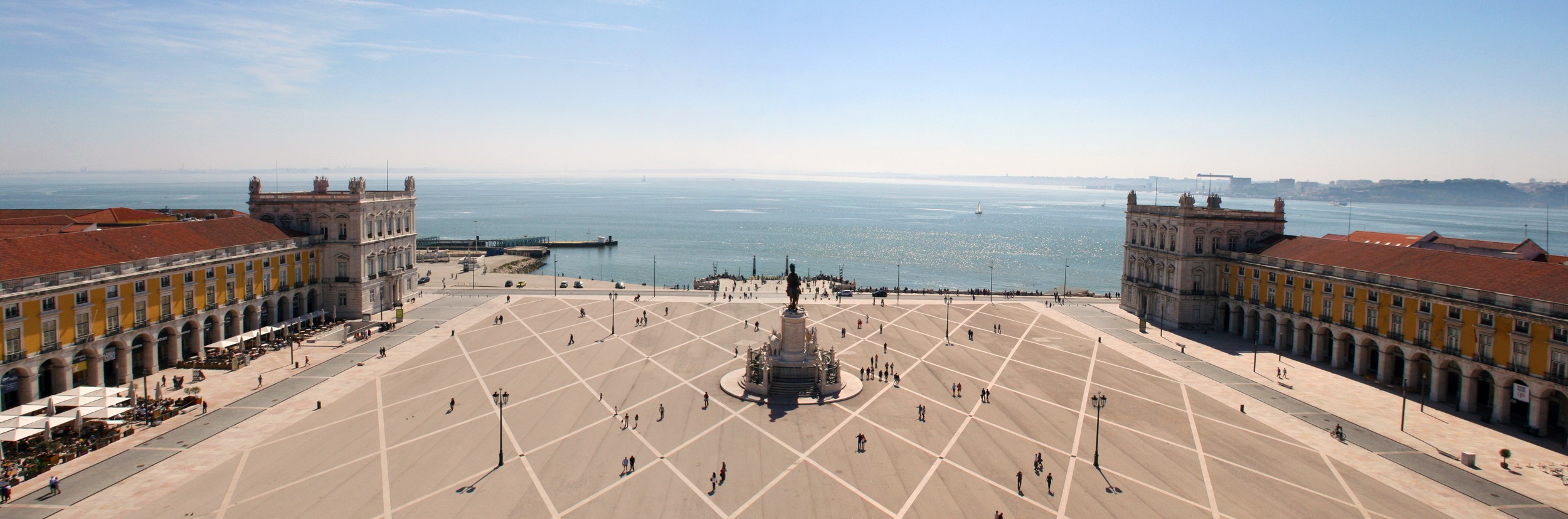
Our ultimate goal is to help you make your decision and book a flight to Portugal before you’ve even finished reading this article. (Kidding! Please read it all the way through; there’s a lot of useful information ahead of you.)
- A beautiful sunset view from its coastline: Portugal has sandy beaches, the best in Europe ever.
- Easy transportation to move around: it is so easy to travel around Portugal by the public transport network. Comfy and cheap.
- Clean and neat streets everywhere: Being in Portugal will give you access to a stylish walkway. Unlike any walking, you are about to stroll through historical streets; enticing pit stops to explore iconic buildings and overall Portugal’s cities. So, grab your bike, skates, or sneakers and go for a nice walk every day.
- Almost the entire year has been blessed with perfect weather: Lisbon, Portugal’s capital, is one of Europe’s sunniest cities. You also have a spot to visit at all times of the year. Discover the must-see historical sights in the winter. Grab your swimsuit and head to the beautiful beaches during the summer. I’ll leave you to get the inside scoop on the everyday lifestyle in Portugal in the spring and fall.
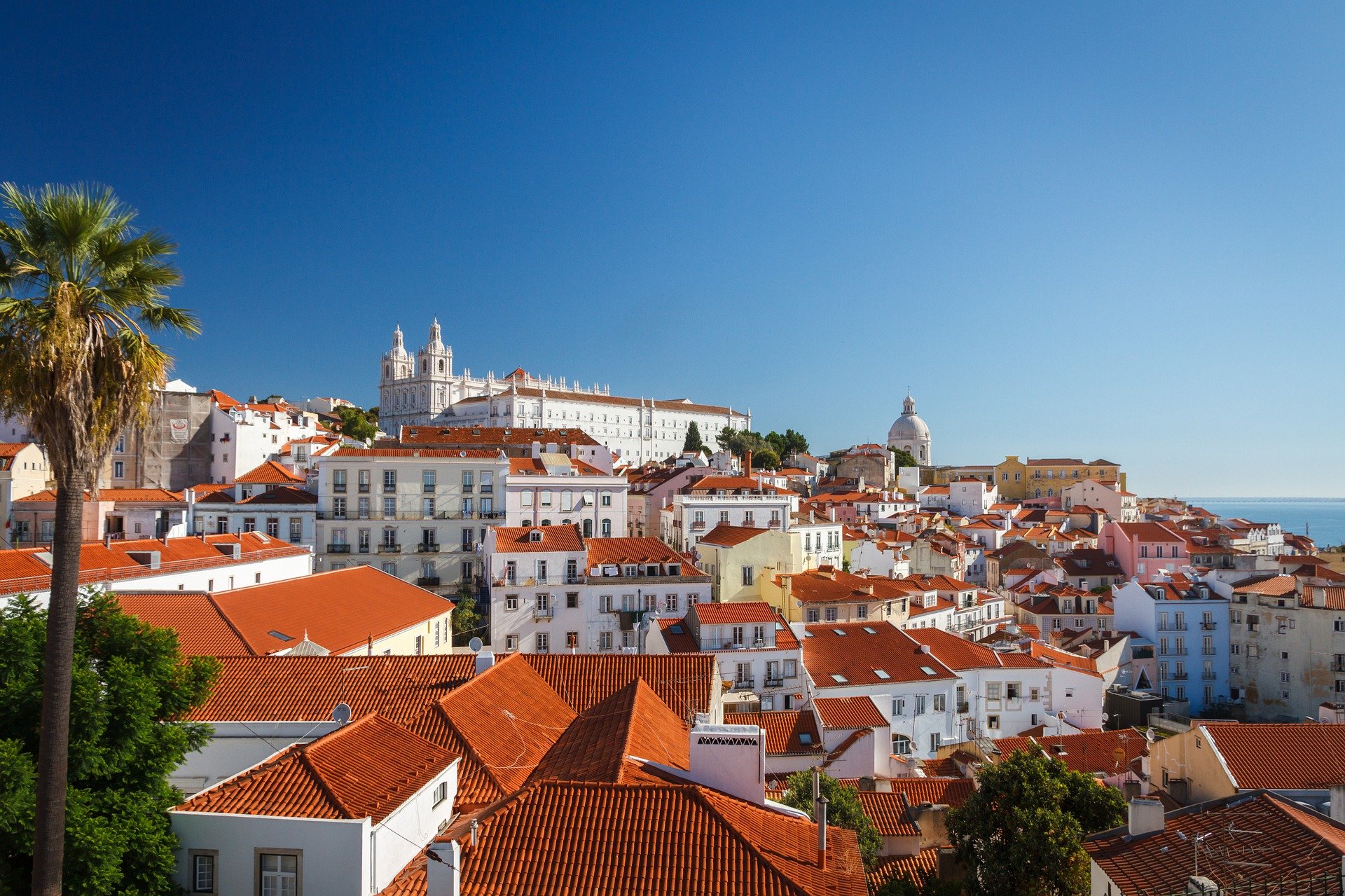
- Drink the greatest cup of coffee you’ve ever had: you couldn’t start your day without coffee, Okay who cares! We are already there. But in Portugal, you will kick start your day very right with excellent-quality coffee.
- Visit small villages between urban areas: The savvy traveller is someone who is interested in the city’s culture so that he can learn something. If he went through all his life to know about it from books and articles, he would never find it out like someone who tried it out. This rich experience can be found in small villages around big cities.
- Attend spectacular events: Portugal is the place to be engaged with traditional vibrant events throughout the summer months. If you are searching for great cultural festivals, don’t go any further.
Connolly Cove Easy Peasy Tips before travelling to Portugal
- Don’t be concerned about a language barrier
People in Portugal speak Spanish. (Not really!) People in Portugal speak Portuguese. However, you don’t need to grab any dictionary with you. All young people can speak with a fantastic English accent.
Wander wherever you want; there will be someone who can understand you and guide you to your destination if you get lost.
- Bring coins with you (It’s worth something here)
When it comes to money notes, don’t pay 500, 200, or even 100 euros. People don’t have change here. And you will never use them here. Portugal is a very affordable place, and your coins go a long way.
To make it easier when paying for something, search for ATMs and banks scattered all over Portugal and ask for small denominations. It’s advisable to have a 10 or 20 euro note.
- Take taxis and don’t worry about the fare
Combine your visit with nearby attractions or even go for distant tourist locations. There is nothing to worry about.
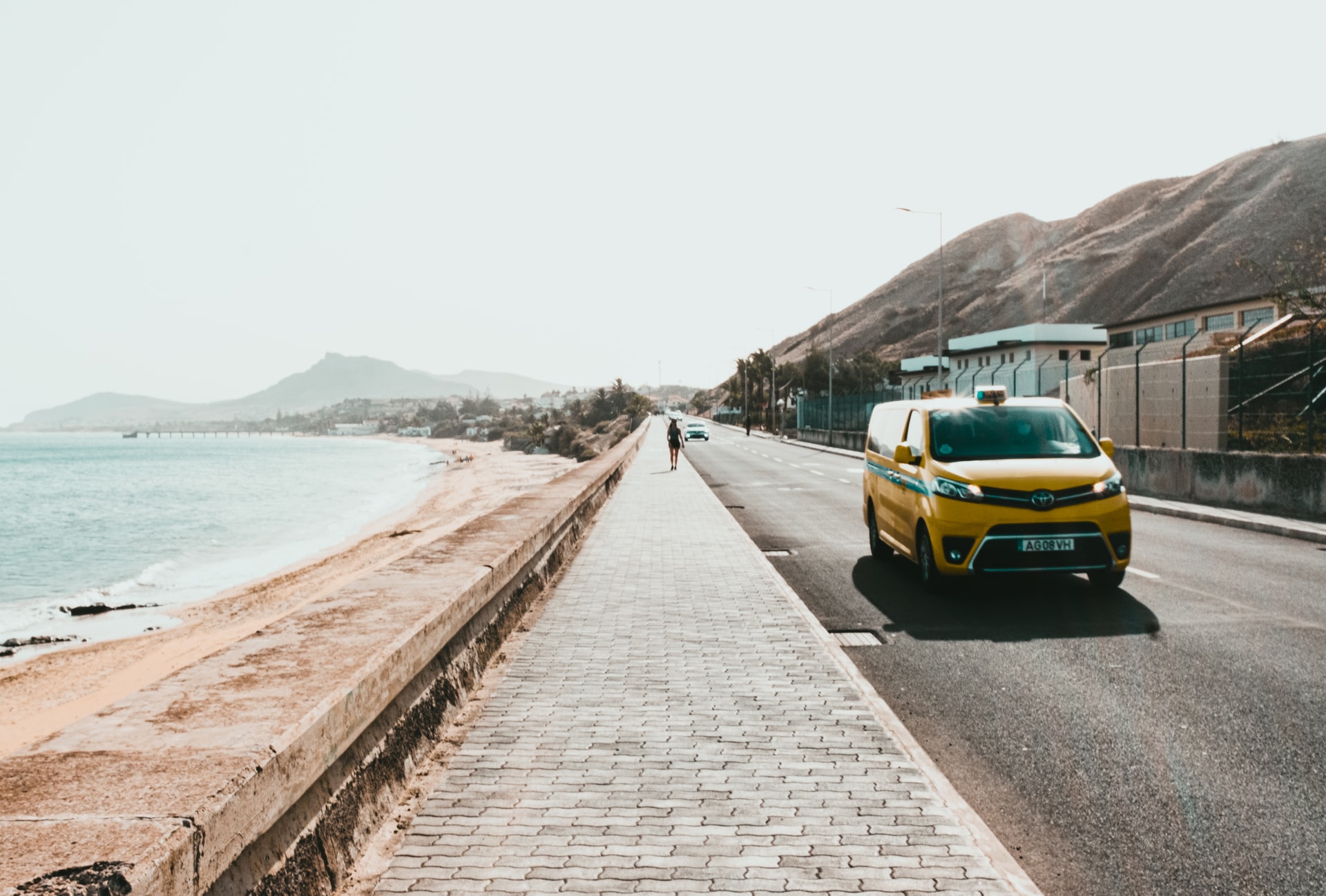
Taxis here are super cheap, so you can have a rest or take a nap in the cab, and it’s still cheap ((Kidding again! Don’t ever sleep in any public transit.) Actually, spending a vacation in Portugal will be about 30% cheaper than a typical one in the US.
- Have your breakfast in the hotel
It’s always better to have your breakfast in the hotel. As a result, ensure that your lodging package includes breakfast.
I guess it would be difficult to get out of bed in the morning looking for something to eat, and it may be even more difficult to begin your day without even taking a sip of your hot coffee.
- Don’t use a map in your walkway
I think the best part of being on vacation in Portugal is to lose yourself in the paved alleyways, discover the hidden gems in the Portuguese streets, chat with locals (who are super friendly), and push the boundaries of being a tourist.
You are here to live like a local and soak up the whole experience.

- If you don’t have a mobile SIM works fine aboard, don’t Fret
One of the secret tricks to tease people into visiting a place is to offer free Wi-Fi. And many Portuguese places understand this marketing principle.
That’s said, you can still be connected with your family, go live on your social media accounts, and post photos and stories on your Instagram account without even having a mobile SIM. Take advantage of free Wi-Fi.
- You don’t need to pay any tip if you don’t want
Another really good thing about Portugal is that in Portugal’s traditions, they don’t tip waiters. However, as mentioned earlier, Portugal is a very affordable place where you can leave some money.
People will love you and appreciate it because they absolutely need it, and it’s a lovely gesture. The point is that if you don’t have change, you don’t have to pay anything.
So far, so good, right?
Now, let’s talk about the best places to visit and things to do in Portugal.
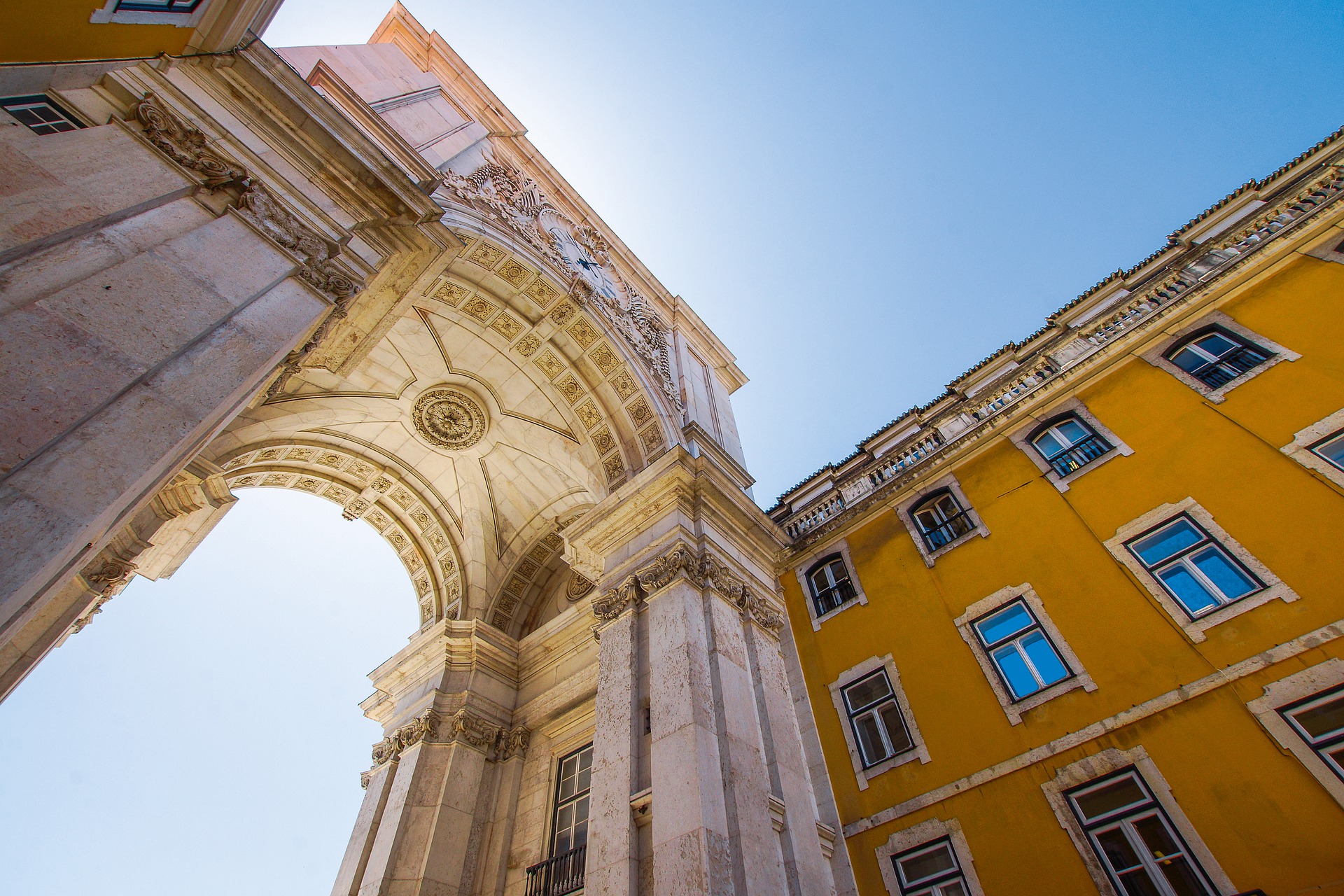
Top Things to Do in Portugal
Day Trip to Braga
Location: Northwestern of Portugal
How to get there: The best way to get to Barga is to take a train from Lisbon. The time between the two cities is around 3h and 45m for approximately $30.
Price: Free admission to almost all attractions
From impressive churches to vivid landscapes and fashion streets, Barga is deeply evocative of many things to do and places to see, which will tease the warmth of every person who comes here.
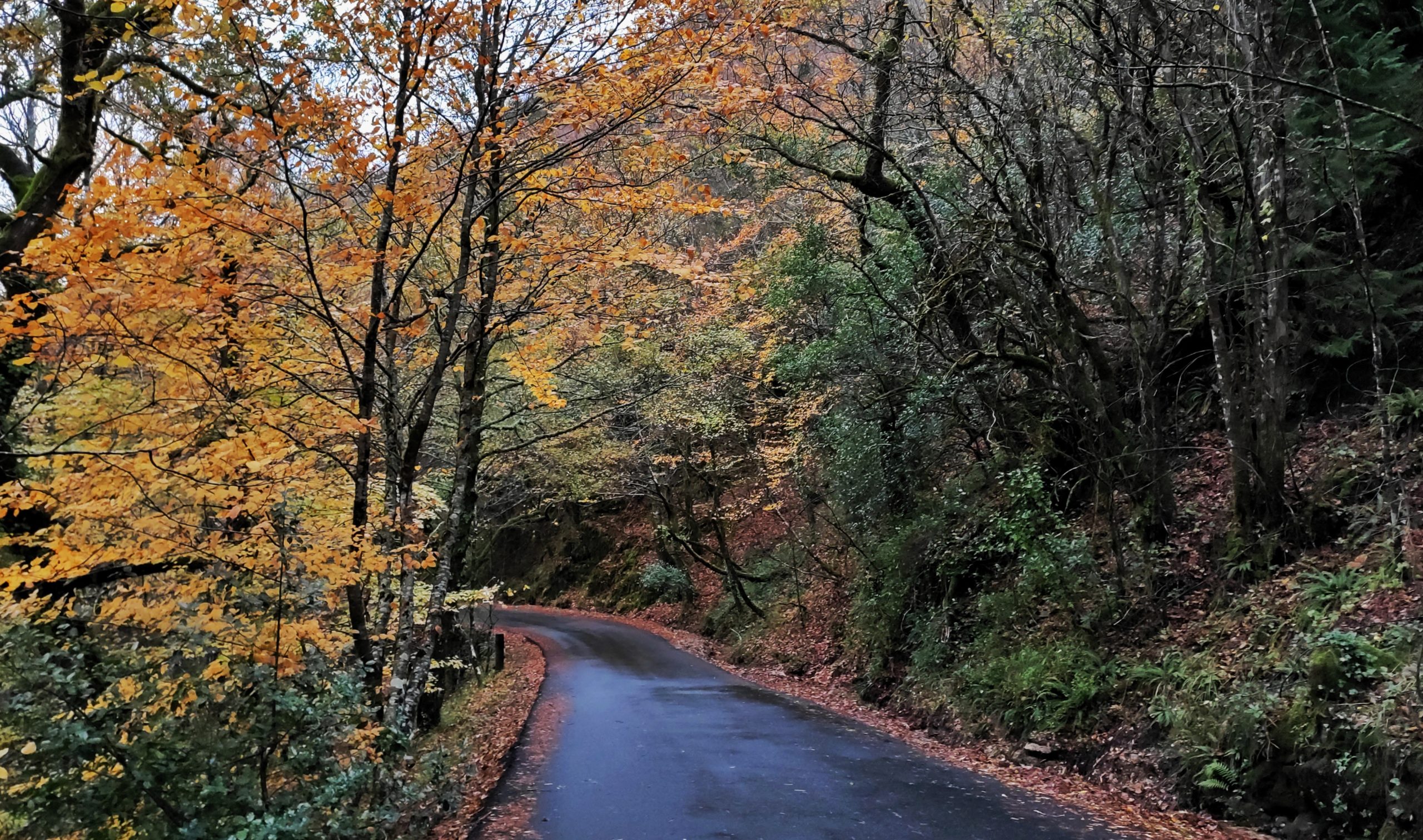
Why should you visit Barga?
Barga is one of the largest cities in Portugal, and it’s inland which means there are no nearby beaches. So, if all you want from your trip to Portugal is a sea view and some relaxation, don’t consider going to Braga.
Even so, there are many attractions and places that can spice up your vacation here, which makes this city a popular tourist destination in Europe.
The best part of visiting Barga is that there are many places to visit for free and you still enjoy your time the most. For instance, the pedestrian-only area dominates the city as it’s a fantastic area filled with gardens, cafes, fountains, shops, and plenty of sites to see.
Grab your walking shoes with you as you will go for a long time in this area to discover every nook and cranny, which will bring a whim to you. So, refuel your energy level and take a deep breath as you are about to see iconic buildings and savour the tastiest dishes in Europe.
Things not to Do:
- Right off the bat, explore the must-see attraction, Elevador do Bom Jesus do Monte. Besides its history and stunning facade, the view from the summit will send shivers up your spine. Decent, clean, and extensive, it is enough to be there and appreciate its beauty.
- Visit Praca da Republica; this place never makes or breaks. It always makes and helps you make the most of your visit to Portugal. You can simply sit in the green spaces. It’s a place to people-watch and share intimate conversations while admiring the scenery.
- Another cathedral built on the hilltop, Sanctuary of Our Lady of Sameiro, is another pretty place to visit in Barga. Most importantly, this church is not so famous as a tourist destination, so you will find it peaceful most of the time. Come here in the afternoon to admire the sunset scene. It’s a big deal!
- Walking around Central Avenue Garden, it is easily digestible for most visitors to go shopping in the fashion street.
- Add extra excitement to your journey and visit Braga cathedral, and don’t forget to take a picture of the Barga sign in the city centre.
Things not to Do:
- Barga has its own airport, but we recommend just taking the train from Lisbon. It’s not a long journey, just 3 hours, and you can save the fight ticket price. Plus, you will enjoy your trip by watching dramatic views from your window seat.
- When visiting Elevador do Bom Jesus do Monte, don’t start from the top of the cathedral. Start from the bottom and ascend the stairs. It’s a good exercise, and you will be rewarded with a fantastic view.
- You don’t have to rent a car while visiting Barga; it’s not a huge city, and parking in the town is pretty hard to find, and most of the lots are paid.
- Barga has its own airport, but we recommend just taking the train from Lisbon. It’s not a long journey, just 3 hours, and you can save the fight ticket price. Plus, you will enjoy your trip by watching dramatic views from your window seat.
- When visiting Elevador do Bom Jesus do Monte, don’t start from the top of the cathedral. Start from the bottom and ascend the stairs. It’s a good exercise, and you will be rewarded with a fantastic view.
- You don’t have to rent a car while visiting Barga; it’s not a huge city, and parking in the town is pretty hard to find, and most of the lots are paid.
Location: Southern Portugal’s Algarve
How to get there: The best way to get to Lagos is to take a train from Lisbon. The time between the two cities is around 3h for about $20.
Price: Free admission to almost all attractions; however, if you want to try out some fun activities here, the cost to spend a day in Lagos is about $100.
Charmful and poignant, they are the perfect words to describe Lagos, an area of life, relaxation, and love. Located in Algarve, Lagos offers a unique ambiance that touches your soul with its fantastic weather, breathtaking scenery, and pretty cool strolling tour.
Lagos has fended off modern and fancy urban sprawl, preserving its untouched beauty. That’s what drives us to put this gorgeous city on your bucket list.
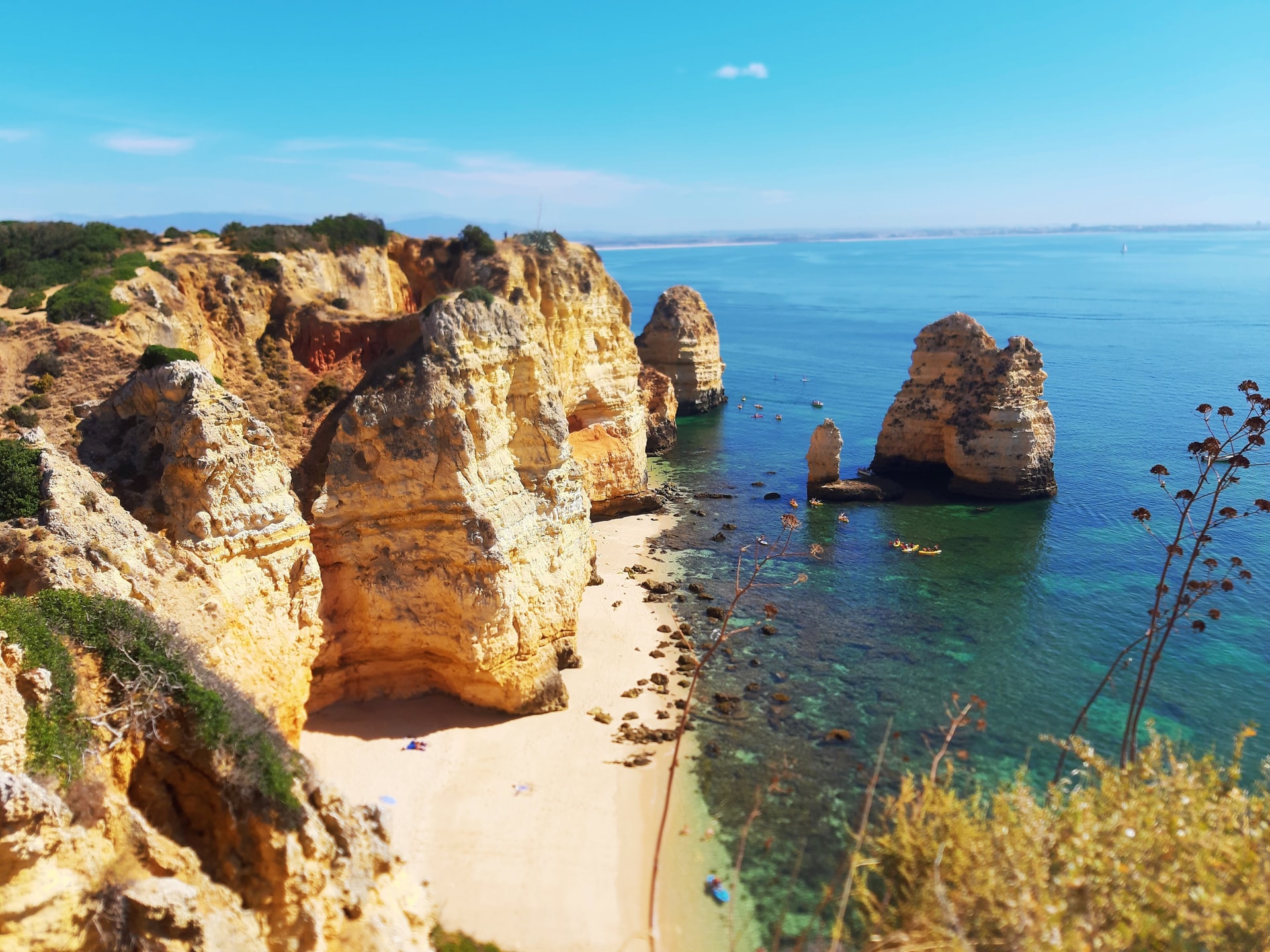
Why should you visit Lagos?
Simply walking around the side of Lagos’ beach will provide you with the best view ever of the city. Let a fresh breeze blow your hair, breathe in deeply and be enchanted by Lagos’ ever-changing beauty.
Lagos offers a broad spectrum of lovely cafes with a picturesque setting overlooking vibrant districts and a blue river.
Are you coming with your partner? Well, Visiting Lagos is, without a doubt, the best decision you’ve ever made.
You can even propose to your girl in Ponta da Piedade while walking along with the city at night. Very romantic that she would never say No. (Trust me!)
However, you have to come here early in the day to enjoy some private time with your partner away from the masses, especially in the summer. It’s a popular tourist attraction in the city.
Things not to Do:
- Visit the Lagos Castle and travel through the town’s maze of narrow lanes and cobblestone streets to reach the old quarter.
- Have a break at one of the laid-back local restaurants or cafes and escape from crowds.
- Take in the splendid views from Ponta da Piedade or take a short boat trip to explore the great coves and caves along the coastline, the most popularly known in Lagos.
- Go shopping at market stalls and some fresh products in the old district if you are interested.
- Go to Praia Dona Ana beaches and swim between large pillars of rocks. It’s a divine corner in Lagos.
Things not to Do:
- Don’t eat bread or butter or olive served as appetizers before meals if you don’t need them. It’s not free, and you have to pay for them. And, instead of paying $6 – as advertised on the menu, you will be charged more than $14 for these starters.
- Don’t get into the ocean until you’ve checked to see whether there’s any seaweed on the beach since it could damage your foot.
- Don’t go to Lagos’ beaches in the summer, partially on weekends. I know the water here is something you should not miss in Portugal, but believe me, beaches turn to be jam-packed, and you will never find it even interesting.
Pro tip: A late culture is so common here; People in Lagos begin their day early in the morning and go into the night. You can go to the mall till midnight and see a movie at 2:00 a.m. If you are a night owl, you will have a good time in Portugal, especially in Lisbon.
Location: Praca do Imperio Belém, Lisbon
How to get there: Take a line 15 tram and get off in Mosteiro Jerónimos, just a few minutes walk from the tram station.
Price: Around $14 for all your tours, including museums next to the monastery
Among the most intriguing things to do in Portugal, Lisbon is home to the most impressive cathedral and monastery in Europe, Mosteiro dos Jeronimos.
This magnificent facade will take you by surprise, featuring decorative details and an excellent structure bounded by a spacious outdoor hall to hang out and have sublime moments further away from the city’s bustling.

Why should you visit Mosteiro dos Jeronimos?
The best thing you can do here is to check the craftsmanship that went into creating this masterpiece.
The Jeronimos Monastery is one of the most significant ecclesiastical buildings in the city, giving you insight into the amazing style of Manueline and Gothic architecture.
Mosteiro dos Jeronimos was an area that a number of monks used for recreation and to have fun somehow.
That’s why the whole monastery is overflowing with meditation rooms and areas where monks can practice their rituals without being disturbed.
Here, you can see the twelve confessional rooms symbolizing the 12 apostles in the Cristian belief.
You will find many chapels along your way inside the monastery, and don’t forget to visit the tomb of Vasco de Gama and the most recognizable Portuguese poet, Luis de Camoes. With their lovely decoration, these graves are works of art in and of themselves.
Things to Do:
- It’s absolutely worthwhile to visit, providing you with an ultimate pleasure while discovering all pieces of art, colorful tiles, perfectly crafted wooden furniture reflecting the Renaissance carpentry during this era.
- Go far beyond simply venturing into the chapel and visit other nearby churches and monuments around the location.
- Visit the permanent exhibition inside the monastery, which will provide you with more key information about the story of the sanctuary and the region of Belém.
- Visit the Archeology Museum and the Navy museums adjacent to the Jeronimos Monastery.
- Pay a visit to the church of the Jeronimos Monastery, located in the southern door of the monastery, which will help you know more about the royal family; king Sebastian, Afonso I, Manuel I, and more.
Things not to Do:
- Don’t wait in long queues to buy your ticket. Instead, you can purchase it online or use a ticket machine. It’s pretty easier than these endless lines.
- Don’t come here late if you want to pay for a tour guide. You will find out that most tourist groups have already completed their tour right here.
- If you want to visit the monastery, you don’t have to adhere to a stringent dress code; but, you must wear below the knee if you’re going to attend the church.
Pro tip: If you are looking for free things to do in Portugal, simply visit only the church or monastery that admission is always free! Another golden piece of advice, if there are too long queues at the entrance, go straight to the Belém Tower and the museums, and come here again. See, no lines at all.
Plan to Visit the Largest Indoor Aquarium in Europe: Oceanário de Lisboa
Location: Esplanada D. Carlos I Doca dos Olivais, Lisbon
How to get there: A 9 minutes’ walk from Oriente tram station
Price: Around $23
Built to strengthen our relationship with ocean creatures, Oceanário de Lisboa Or Aquarium Lisbon served as an exhibition grounds for the Expo 1998.
This beautiful underwater wonderland should not be missed while visiting Portugal. It will enable you to see a variety of species. Not just that, but the entire facility is tailored to meet all visitors’ aspirations.

Why should you visit Oceanário de Lisboa?
Oceanário de Lisboa is the best place for a family vacation in Lisbon. I don’t know if it would be a good or bad thing for you, but your kids are unlikely to leave this place quickly, and they will love every fish here. And be prepared to answer their tricky questions.
Additionally, TripAdvisor’s most visited places in Portugal, all reviews are super positive, with most of them writing something along the lines of,” I have never been somewhere so interesting and have been waiting to go here. We loved it and will definitely go back.“
To ensure you will see all the partitions of Oceanário de Lisboa, it’s better to get to the aquarium in the morning once it opens. Also, avoid getting here on weekends.
And it’s also a great idea to look at the hanging map appearing in the entrance to set up your approach; which section you should check first – the Indian Ocean, Pacific Ocean, Antarctic, and Atlantic.
Things to Do:
- Watching all these various ocean species and reading the description of each fish behind the water tank.
- Watching the movies, and reviewing relevant information about the ocean and why it’s so important to keep these animals alive help us maintain our ecosystem balanced.
- Enjoy some divers’ performance inside the tanks. And have an excellent picture with him.
- Observing the cutest and most funny animals ever, penguins.
- Check all outdoor areas and enjoy checking a diverse selection of marine life.
Things not to Do:
- There are some uncovered pools filled with salt water to let visitors interact with the animals. Keep your children away enough to not end your itinerary there in disaster.
- When taking pictures, avoid using flashes. It, as well as selfie sticks, are prohibited.
- Inside the aquarium, don’t let your phone call. Turn it into silence to not irritate other visitors.
Pro Tip: If there are crowds gathered around any of the tanks here, bypass it to avoid wasting time waiting for them to disperse. If you’re interested in seeing a variety of sea creatures, you can return to check it out later.
Let’s Relax, Recharge, Refresh: Amarante
Location: Northern Portugal
How to get there: The best option is to take a train from Lisbon. It will take 3h for around $30
Price: Almost all attractions give you exclusive free admission
Let’s get our adrenaline level pumping and experience something very varied; let’s head to Amarante.
Located in the northern part of Portugal, Amarante is a haven for twentieth-century artists, providing them with a beautiful setting to let their minds roam and produce masterpieces.
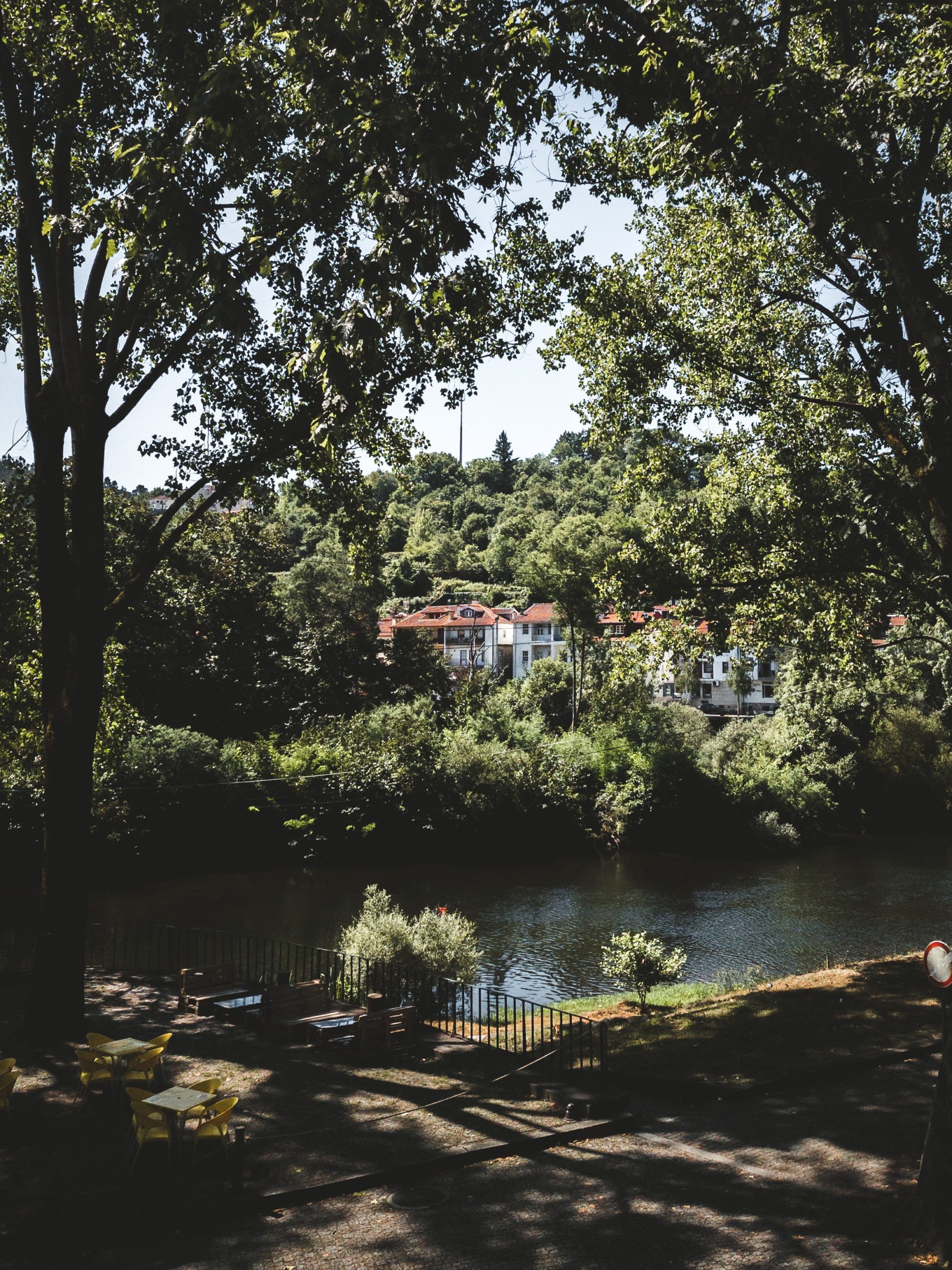
Why should you visit Amarante?
You have a strong reason to be excited about visiting Amarante. Being here is literally like being in the heart of paradise.
With beautiful colourful facades, historical churches, and exquisite brigades, tourists come across the town to discover its beauty without one minute of feeling bored.
It seems that no expenses were spared in producing everything here at its finest.
Like Portugal is known for its dramatic architecture dating back to the 17th and 18th centuries and its splendid beaches decorated with coves and crystalline water, Amarante is known for its hiking trails and the iconic bridge of Ponte de São Gonçalo.
Then, head to Igreja de São Gonçalo church which is looming on the skyline of the city, located close to the bridge.
It’s a noteworthy small town for a one-day trip, but you are probably not able to immerse yourself in its delicate collection of art.
Things to Do:
- Stop for a while on Ponte de São Gonçalo and take lovely photos with this epic bridge.
- Visit Convento de Sao Goncalo church and admire its facade entirely made of perfectly carved stones with its spectacular red domes exemplifying 16th-century style and an exquisitely decorative interior.
- Shop for souvenirs and some traditional products for very affordable prices.
- Visit the Museu Municipal Amadeo de Souza-Cardoso for modern art.
- Have a walking tour at Parque Florestal de Amarante, a large park with many walking tracks for walking or cycling.
Things not to Do:
- If you want to go there for relaxation, don’t go to Amarante in the first week of June. There is an annual festival with a fertility theme. So don’t panic if you see a sweet pastry shaped like male genitals.
- Don’t go to Parque Florestal de Amarante without asking locals about the availability of the park. Sometimes there is some construction and maintenance work that hinders you from having an excellent and peculiar tour.
- Leaving your walking shoes at home is a huge mistake. You will need it in Amarante a lot. It’s all about a walkable tour.
Pro Tip: Prepare to watch the sunset from Ecopista, do Tâmega or rent a bike and ride the entire route. Although the path is only 3 kilometres long, you will get a whole different experience while exploring small communities and an old railway line.
Heal yourself and Go to: Albufeira
Location: Southern Portugal’s Algarve
How to get there: It’s just two hours away from Lisbon, and the best choice is to take a train for around $25.
Price: Almost all tourist spots give you special free admission, but you have to plan to spend around $100 for other expenses such as food and entertainment, or if you want to stay here for a night.
Featuring sparkling white beaches, mountains, and water coming together to create artistic scenery and the sun blazing the sky with unbelievable shades of lights before leaving, Albufeira is one of the sought-after destinations in all of the world.
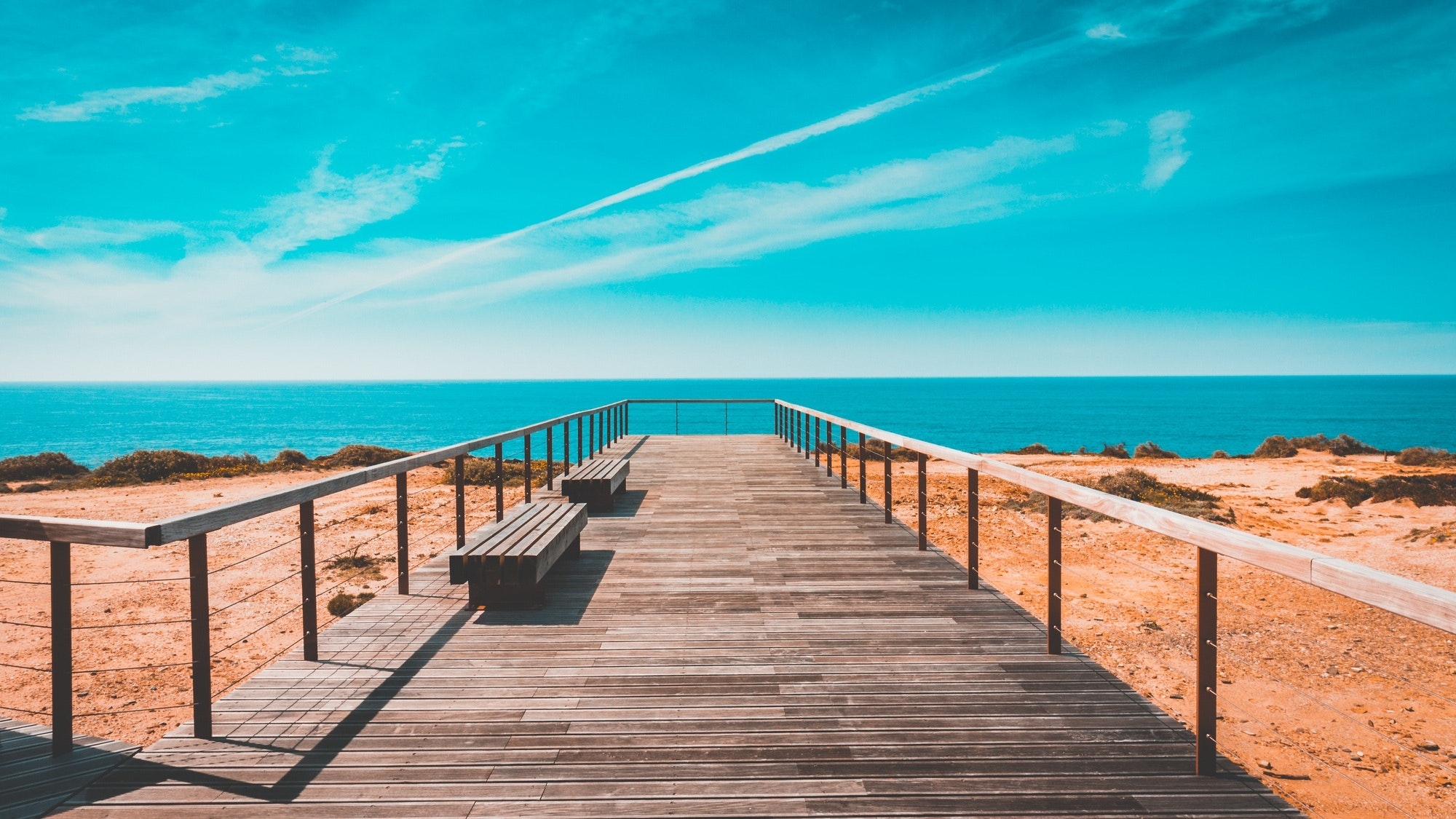
Why should you visit Albufeira?
The party never stops here, with its blonde sand beaches, tranquil blue waters, and vibrant nightlife. In Albufeira, all roads lead to the beach, which is why people come here all the more.
Besides its stunning sandy beaches, the city has historical colonies pouring out the stories of the Ancient Empire of Roma and some traces of Portuguese royal kings. Many factors can contribute to this city being the top tourist destination because it has something for everyone.
Furthermore, If you are a foodie, Albufeira offers lip-smacking multiple cuisines. So buckle up because your vacation will be filled with adventure and merriment.
We will go first to a waterpark, Zoomarine Algarve, home to many fun activities running from a fantastic dolphin show, many water rides fit for all ages, and an aqua museum.
Need to know more, well continue reading to explore things you can do in Portugal and specifically Albufeira.
Things to Do:
- Enjoy summer vibes in Praia Sao Rafael, featuring a stunning view of the water framed by rocks. And don’t go further before the sunset. The sky turns to a reddish hue. It’s the perfect time to unwind.
- Pay a visit to Zoomarine Algarve for around $28, which offers endless of most special activities, such as a great water park, watching movies about the life of sea turtles, and of course interacting with the dolphins.
- Visit the Muzu Archeologico museum embracing many miniature sculptures, beautiful paintings, and pieces of artwork representing the ancient history of Italy and other monuments of Islamic eras.
- Take part in some adrenaline-pumping outdoor activities at Parque Aventura, where tickets cost around $28 on average. This location is for everyone who appreciates the park’s thrilling course, including a challenging monkey bridge, a rope walk, and other attractions.
- Don’t miss out on exploring Albufeira’s Igreja Matriz, a dainty white-washed church that is an important place of Albufeira’s heritage.
Things to Do:
- Don’t have your meal in Zoomarine Algarve; the food is not good at all. You can bring some snacks with you if your children are striving.
- Don’t go to Albufeira after the high season; most of the facilities do not work at all unless you want to get some relaxing time in natural beauty.
- Don’t miss out on checking Largo Eng. Duarte Pacheco if you want to pick up some souvenirs from handicraft shops which sound like an open art gallery.
Pro Tip: If you get enough stretching on beaches and want to spend a day close to nature in a quiet place, go to the Krazy World. It’s a theme park offering a zoo filled with birds, dogs, cats, goats, and elegant. It’s kind of like a large wilderness park with a rural backdrop that offers a calm atmosphere for its visitors.
Marvel at Park and National Palace of Pena
Location: Estrada da Pena, Sintra
How to get there: Get the bus number 434 or 516 and depart at the Palacio de Pena bus stop, just a few minutes walk to get to the palace. Or take a train for just $3.
Price: Around $9
Have you ever dreamed of going to Disneyland, but it didn’t work out? Or you already have been there, but it didn’t satisfy your expectations?
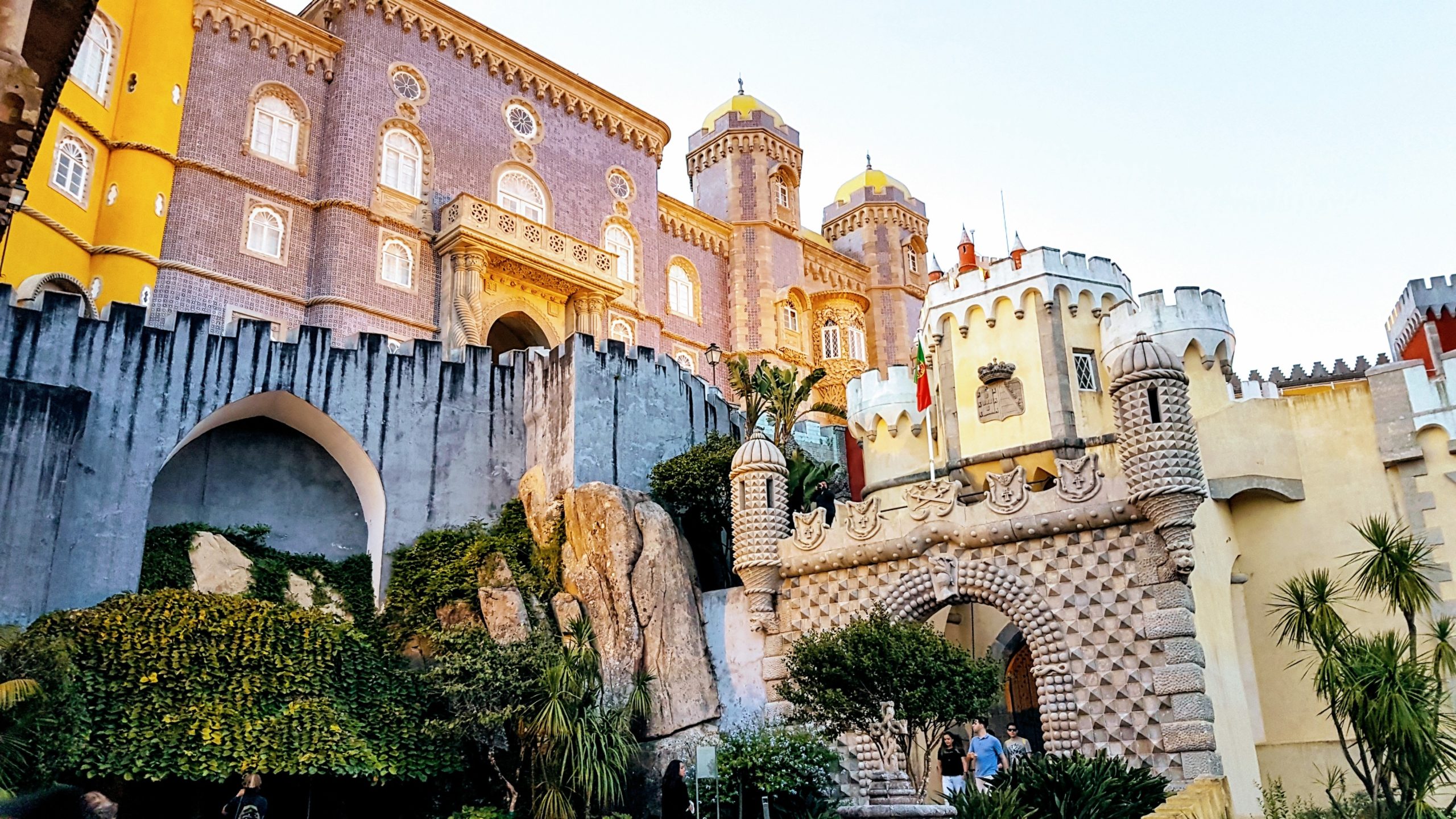
I am sure that the Park and National Palace of Pena will work at their best. Not about racing or riding or any of these activities, It’s about being in a sprawling park with a colourful palace.

Why should you visit the Park and National Palace of Pena?
On a high hilltop, the Park and National Palace of Pena stand like a safeguard of Sintra. It’s a magical and romantic palace with a fairytale atmosphere.
Offering better leverage than any other royal castle, The charming hilltop town, Sintra, delivers spectacular sights peppered with ritzy castles that date back hundreds of years.
Once you arrive at the Rossio station, look up right here. The castles are showing up on the highest top of Sintra. Please keep in mind that there are numerous attractions here, and the area will be super crowded in the afternoon, so arrive early.
Simply make the Pena Palace your first point to embark on your journey to avoid crowds.
Things to Do:
- Roaming around the palace and admiring its incredible facades, you might not have to get inside the Palace of Pena if it’s so crowded and still enjoy your time.
- Learn more about the history of the palace by involving in guide tours.
- Roaming around the garden with oodles of natural beauty stemming from waterfalls and small forests.
- Get up to the colourful terraces to get some photos.
- Visit Quinta Da Regaleira, right next to the Palace of Pena, a UNESCO world heritage site.
Things not to Do:
- Being a hot tourist destination, don’t fall into the many tourist traps which could be pushy to buy their offerings. Reconsider, they couldn’t get your money’s worth at all. Instead, you can have a look at the palace store if you are still interested in local collections.
- Avoid getting to the hilltop by a hop-on-hop-off bus; it’s slightly expensive, about $18. Alternatively, you can use a speedy tuk-tuk.
- If you go to the site with your babies, don’t go to Quinta Da Regaleira, it’s about hidden passages and spiral staircases. It will freak him out, and you won’t even be able to keep him in this rocky maze.
Pro Tip: Please plan to visit the Park and National Palace of Pena as early as possible. At 6:00 p.m., the last entry will be made.
Come on, Let’s go to Porto
Location: Northwest Portugal
How to get there: Get the bus number 434 or 516 and depart at the Palacio de Pena bus stop, just a few minutes walk to get to the palace. Or take a train for just $3.
Price: If you want to go there because of Ponte de Dom Luís I, it’s free. However, if you’re going to spend the night, it will cost you roughly $90, which includes admission to attractions as well as drinks and meals.
“If you think that Lisbon is an amazing city, trust me, Porto is charming.” That’s what my Portuguese friend said to me when I asked him about the top things to do in Portugal.
“Are you kidding! “Porto should be on the top of everyone’s bucket list,” he continued. I listened to what he said and eventually followed his advice. And he was so right. It’s magical, and it doesn’t let you down. Thank you, God! I think you should make the same decision and go to Porto, even if it’s only for a night.
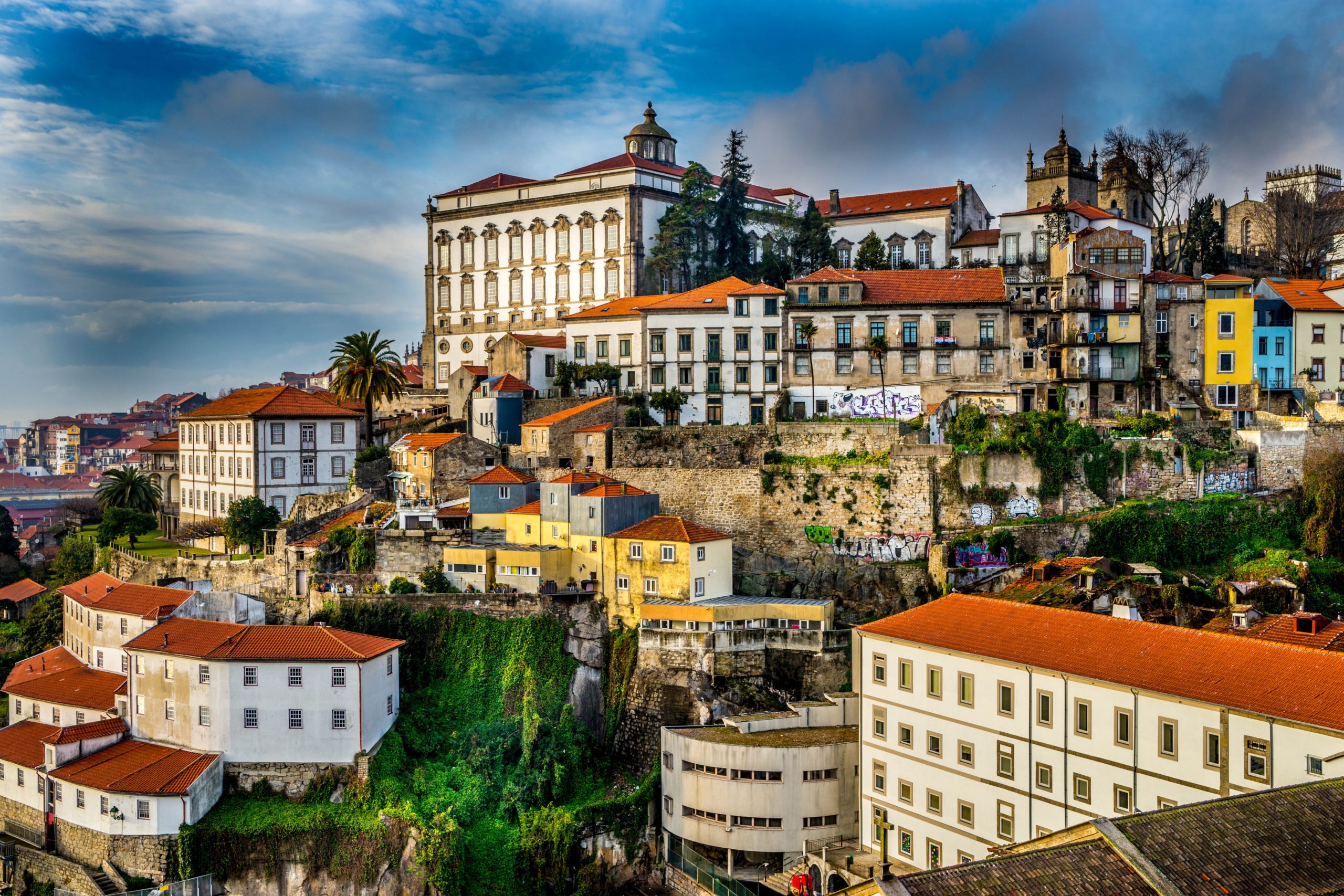
Why should you visit Porto?
Many people are talking about how excellent the wine of Portro is -which is true, by the way- but what makes me so satisfied is soaking in the views across the Douro River, strolling through the hilly streets, and admiring buildings covered in blue tiles.
The amazing historical cathedral and churches add value to your trip here to explore the biggest highlights in Porto, like the impressive church, Igreja do Carmo.
Things to Do:
- Stop in the city centre for a moment to see Igreja do Carmo, which has a beautiful blue and vibrant exterior. Explore the church’s interior, lavishly decorated.
- Visit the most famous bookstore in Portugal and the most beautiful one ever, Livraria Lello. But you have to pay a 6$ admission fee.
- It’s kind of weird, but you need to check this city’s railway station. But its authentic art makes it one of Porto’s attractions decorated with giant blue paintings.
- Explore the city’s cathedral, Sé do Porto, one of the oldest landmarks in Porto, and another large blue tiled wall.
- Don’t miss out on checking the Ribeira neighbourhood lined with many sidewalk cafes, bars, and restaurants, walking downhill on cobblestone streets treating your eyes with its colourful building.
Things not to Do:
- Don’t assume that you are a Spanish speaker to look cool or something like that, especially in Porto. Portuguese could feel offended. Simply communicate in English.
- With your supper, don’t order your glass of Porto’s wine. It’s pretty sweet, and residents only drink it on weekends with dessert.
- Don’t state it clearly that you don’t like pork for any reason. Most Porto cuisines revolve around pork, and you probably get misunderstood as you insult their culture. Instead, just don’t order it.
Pro Tip: I know you might say, “why should I visit a bookstore on my vacation and pay for it! What the heck!” No, it’s totally worthwhile. Once you set foot inside, this bookstore is a feast for the eyes.
You will get why you have to pay to pass through this fascinating store. All across the place, you have details competing for your attention: the carved wooden railing, the crimson staircase, and the sturdy shelves all lined with books.
Even if you haven’t bought anything from the bookstore -I bet you it could not happen-, It would be an unbelievable tour inside; it’s a masterpiece of architecture.
Lose yourself in Coimbra
Location: Central Portugal
How to get there: The best option is to take the train from Lisbon, and it initially takes more than one hour for around $24.
Price: Most attractions in Coimbra offer free admission. However, if you want to spend a one-day trip here, it will cost you roughly $80, which includes an entry fee to attractions as well as drinks and meals.
Our journey of Portugal is coming to an end, but we can’t leave without seeing Coimbra, one of the country’s lesser-known gems. Coimbra was formerly the capital of Portugal, and today, it is one of the vibrant cities that many people prioritize visiting to avoid the crowded areas of the country.

Why should you visit Coimbra?
Coimbra is one of the best tourist destinations in Portugal with a wide range of attractions, such as remarkable gardens, historical significance, architectural wonders, and perfectly designed churches.
Coimbra will feed your soul with knowledge and peace, inviting you to lose yourself in its spectacular beauty, roaming around the cobblestone streets dotted with impressive houses.
Universidade de Coimbra, a UNESCO world heritage site, is one of the most popular attractions here. It’s a beautiful library with an extensive collection of books and historical manuscripts.
Plus, Plan to visit Quinta das Lágrimas, a massive hiking park, and at the end of the park, you can see a hotel if you want to stay in the heart of nature.
Things to Do:
- For only $3, head straight to Quinta das Lágrimas and indulge in this peaceful and decent space. It has a variety of natural features, waterfalls, a fountain of tears, ponds, and unique plants.
- Explore the picturesque bridges of the city in Ponte De Santa Clara and snap away whenever you go. The place combines the most beautiful bridges in the whole world.
- Have an Italian meal at one of the classic restaurants, enjoying the view of the river. It would help if you always made time to come here. Fancy and cosy!
- Come to visit Parque Manuel Barga, an excellent park lined with beautiful tall trees, and of course; it’s time for people-watching.
- Head to the Rua Ferreira Borges and walk around this lovely historical area, and don’t forget to stop for a few minutes to explore Santa Cruz Monastery.
Things not to Do:
- Don’t get into Quinta das Lágrimas without having a copy of the map to tell you information about the trails you have to follow.
- No matter where you’re going, don’t leave your hotel without adequate footwear, especially in Quinta das Lágrimas, which sounds like strolling through actual forests.
- Don’t eat in the tourist centres. Expensive and you will miss trying traditional food.
Pro Tip: At sunset, go to Ponte De Santa Clara, offering a stellar vista and fresh air where the river looks over the city and green spaces on both sides. Priceless!
Climb the Iconic Tower: Torre de Belem
Location: Avenida Brasília – Belém, Lisbon
How to get there: Stop at the Pedrouços tram station, it’s a few steps away from the tower.
Price: To climb up the tower, you have to pay $7.5
It’s one of the most iconic sights in Portugal, widely visited by tourists worldwide to enjoy its unmistakable facade and climb up to the tour to have a panoramic view from atop.

Why should you visit Torre de Belem?
Classified as UNESCO World Heritage, Torre de Belem is one of Portugal’s Seven Wonders. From here, the first ship from Portugal left to sail to India; the 16th-century tower had one reason, to protect Lisbon from any attacks and watch this side of the sea.
On the lowest floor, you can discover 16 cannons used in the defence. And the first floor was allocated to the governor of the tower. The room was simple but prestigious with its breathtaking views.
It would be a brilliant idea to go around the tower with a tour guide or a trusted local who knows to tell you the history behind this impressive building and the great explorers and sailors who chose this location as their starting point.
Continuing climbing up Torre de Belem, the second floor was dedicated to the king coming up with Venetian-inspired world-class balconies.
Also, you can check the small fishing village, which was the final rest stop for the royal family before travelling through the ocean.
Things to Do:
- Roaming around this majestic tower and taking Instagrammable photos.
- Climbing up the roof of Torre de Belem, socking up a beautiful view of the Tejo river.
- Make use of being in the Belem district and plan to visit other nearby places, such as Jerónimos Monastery, Belém Tower, and Monument to the Discoveries.
- Have a break at one of the local and yummy restaurants around the area and ask for Portuguese cuisines.
- Be prepared to spend the sunset here for unforgettable views of the Tejo river.
Things to Do:
- Going there without asking if the tower is available to climb up or not. (sometimes it gets closed because of renovations)
- Don’t go too far around the tower to avoid being irritated by pushy street vendors.
- Don’t miss out on trying the crunchy tart at Pastel de Belém, considered one of the most popular monuments in Portugal.
Pro Tip: It’s really preferable to invest in a multi-trip ticket, “Zapping,” for the bus and tram. Being in Portugal means that you will use them frequently and will save money. You can find this card in many tram stations.
Let’s Spice up Your Journey: Barcelos
Location: Braga District in the Minho Province, in the north of Portugal.
How to get there: The best and most affordable option is by taking the train from Lisbon-Santa Apolonia to Barcelos. The entire journey takes roughly 4h for $30 – $45
Price: Free admission to almost all attractions. Otherwise, spending a day and night here would cost you around $70, including lodging.
For those who choose to travel to Portugal, Barcelos is a must, packed with magnificent attractions and impressive historic forts, which are strongly encouraged to check what it has to offer.
Why Should You Visit Barcelos?
A jewel in the crown of Portugal’s kingdom, Barcelos comprises a variety of European-style architectural art that will entice visitors to capture incredible shots wherever they go, and you will not be an exception.
*Side tip for savvy travellers only: double-check rules and safety measures related to COVID-19. And please, before going anywhere, take personal comfort levels and health conditions into consideration.
Barcelos has embraced a myriad of Portugal symbols, making it an appealing destination for all types of travellers. It’s a city steeped in tradition and heritage with tremendous opportunities to spend a brilliant holiday with your family and friends. Suppose you are wondering about the most beautiful time of the year to visit it. In that case, my answer might be during the Christmas season since we have been there and enjoyed ourselves and we have captured unforgettable moments that will stay in our memories forever.
Things to do
- Explore Torre do Cimo da Vila and its incredible atmosphere, and you’ll discover that the festival mood can be found wherever you look. You may either admire the church’s majestic tower or take the opportunity to visit the inside of the Senhor da Cruz church. Don’t forget to spend a few minutes in the garden, which is a delightful feast for the eyes, ears, and taste buds.
- If you are lucky enough, be ready to attend one of many events held in Torre do Cimo da Vila’s plaza to capture the holiday spirit, especially at Christmas, offering cheerful decorations.
- Walk across the river Cávado and take in this panoramic scenery. If I were there, I’d bring my coffee and take a deep breath to inhale as much pure air as possible.
- Located on the banks of the Cavado River, Pay a visit to Paço dos Condes de Barcelos, an archaeological site teeming with history. The view before the sunset is something to go for.
- If there is something unique about Barcelos, it will be ceramic crafts and pottery works. So, it would help if you visited the Pottery Museum (Museu de Olaria), in which you can find many outstanding pieces for souvenirs or even decorate your home. I REALLY LOVE IT!
Things not to do:
- Due to the ongoing coronavirus pandemic, our insider advice is always to double-check the local news of the country you are about to visit. Please don’t go to any country they have set strict restrictions on visitors. Portugal’s authorities have banned some countries from entry, but this situation fluctuates from time to time. Call the embassy in your country for detailed and accurate information.
- Don’t forget your sunscreen at all costs, especially if you come here in summer or intend to spend a beach vacation or lose in intense jungles. Portugal is one of the warmest European countries, and your skin is most likely to be burnt without weaning good sunscreen.
- Don’t eat in tourist spots, particularly during the high season like Christmas. I know festival decorations and dazzling trees are so tempting. But remember, you don’t need to break the bank while visiting a country such as Portugal; in particular, it’s an affordable tourist destination.
Pro Tip: One of the best ways to experience Portugal’s spirit is to visit the weekly Thursday market, vibrant, vivid stuffed with many excellent products.

Where to Stay in Portugal?
The second question everyone wonders after deciding to travel to another country is where I can book Lodging. We’ve put up a list of the best locations to stay in Portugal where you can make your tour around the country easily and perfectly. Furthermore, no matter the reason for your stay, we will show you the best hotels or hostels that meet your needs.
Algarve
Ranging from pristine beaches, fantastic weather, colourful buildings, and turquoise waters, It’s an overall charm. Algarve is a perfect city for a holiday, attracting tons of visitors for generations. But figuring out where to stay in Algarve can be somehow challenging. As you need a place near the beach and easy access to other services, we have put together these options based on the type of visitor you are.
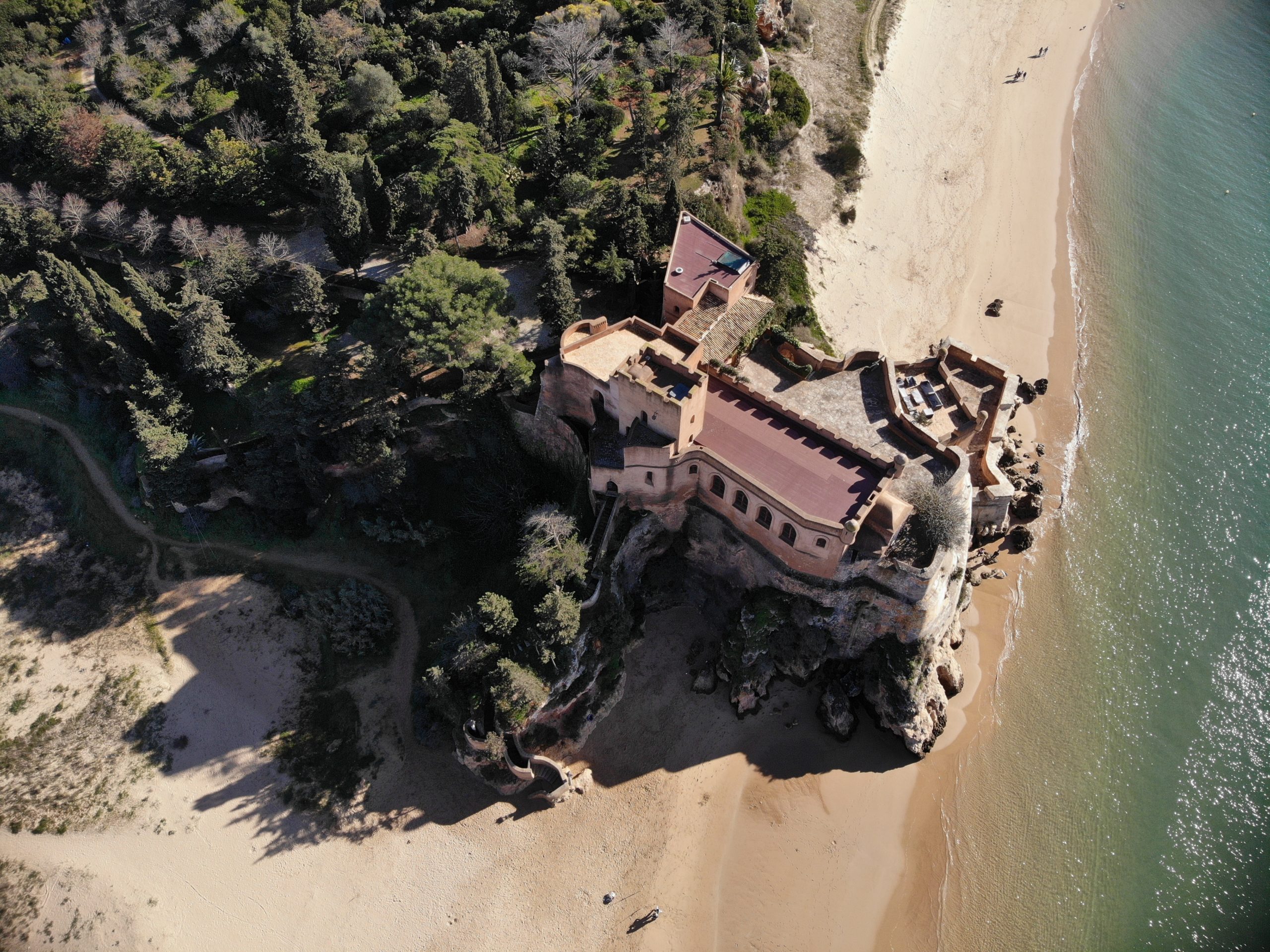
Best Hotels for families:
O Castelo Guest House (around $63 a night)
Holiday Inn Algarve (around $61 a night)
Best Hotels for couples:
Mareta View Boutique Bed & Breakfast (around $100 a night)
Vilalara Thalassa Resort (around $203 a night)
Best Hotels and Hostels for solo travellers:
Hotel d’Alcoutim (around $53 a night)
Pestana Alvor Atlântico (around $50 a night)
Lisbon
Everyone wants to stay in the centre of any country to have exceptional access to every facility and attraction. Lisbon is an incredible place to spend your vacation in Portugal, defined by vividly colourful structures set against the best coastal setting in Europe. It’s home to culture, history, art, and a bunch of museums. With so many hotels to choose from, you should get one that perfectly meets your style, interests, and budget.
Let’s have a look at what we have in store for you:
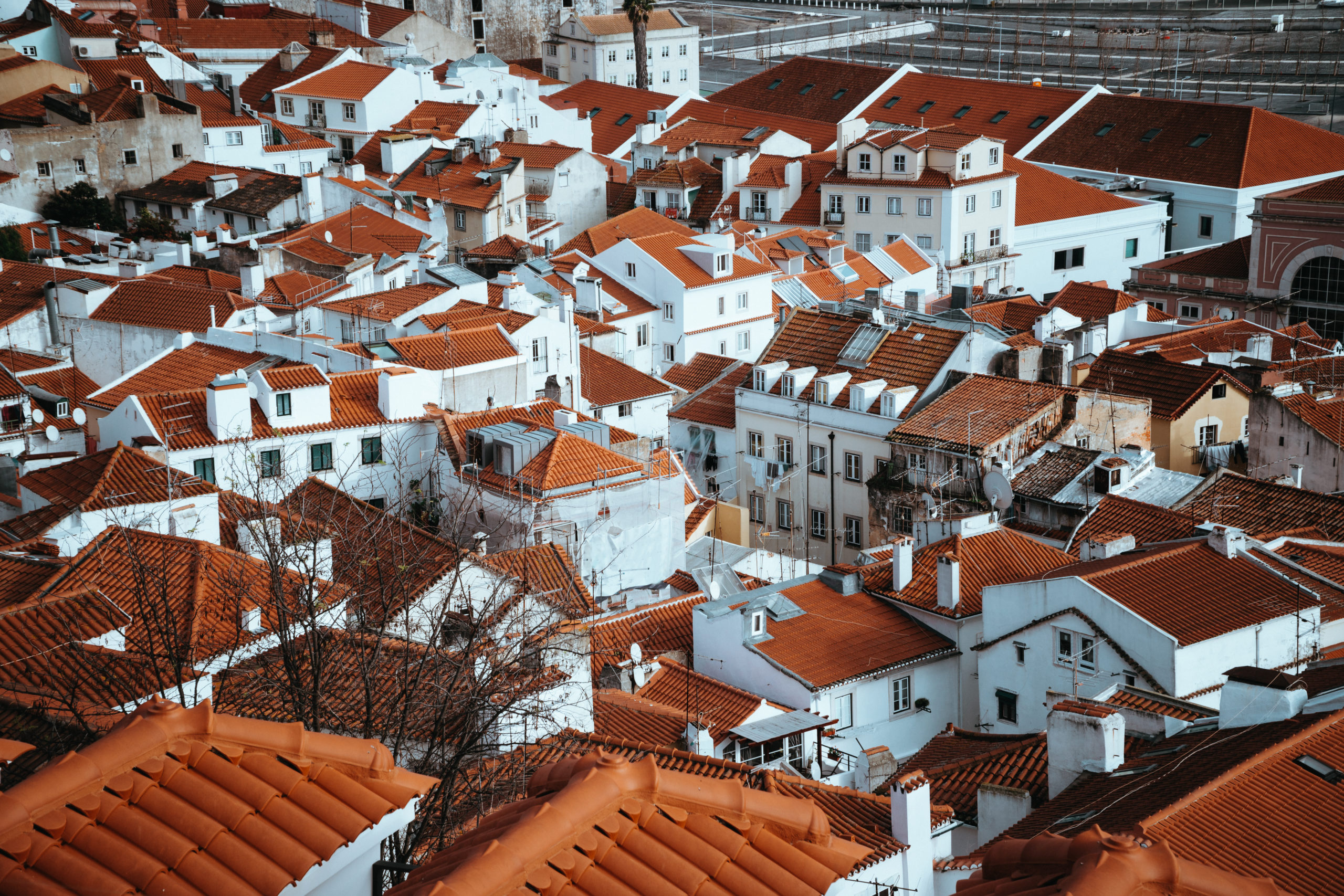
Best Hotels for families:
Imperador Hotel (around $71 a night)
Hotel Mundial (around $92 a night)
Best Hotels for couples:
Hotel Lisboa Plaza (around $143 a night)
Hotel Portugal (around $139 a night)
Best Hotels and Hostels for solo travellers:
Sunset Destination Hostel (around $33 a night)
Selina Secret Garden (around $61 a night)
Braga
It doesn’t make any sense not to include Braga in our guide for people searching for a place to stay in Portugal. Braga has a rich history of churches and old monasteries and profound culture. The Portuguese city is calmer than other major cities in Portugal, making it ideal for couples looking to get away from the crowd. We recommend this place for history buffs, and everyone wants to immerse in the original tradition of Portuguese people.

Best Hotels for families:
Hotel Villa Garden Braga (around $71 a night)
Cathedral Guesthouse (around $63 a night)
Best Hotels for couples:
Melia Braga Hotel & Spa (around $115 a night)
Hotel do Parque (around $95 a night)
Best Hotels and Hostels for solo travellers:
Ibis Budget Braga Centro (around $37 a night)
Braga Flag Hotel (around $44 a night)
Coimbra
Coimbra offers something unparalleled for everyone with its wealth of history. It does an excellent job of preserving its heritage roots while avoiding the effects of modern metropolitan life. However, you can see a touch of contemporary feel in its accommodation and facilities. What makes your vacation here pleasant is that Coimbra is a vibrant city with a thriving nightlife that adds to the enjoyment of your stay—looking for a specific place to stay which is close to the city centre and attractions? Here we go.
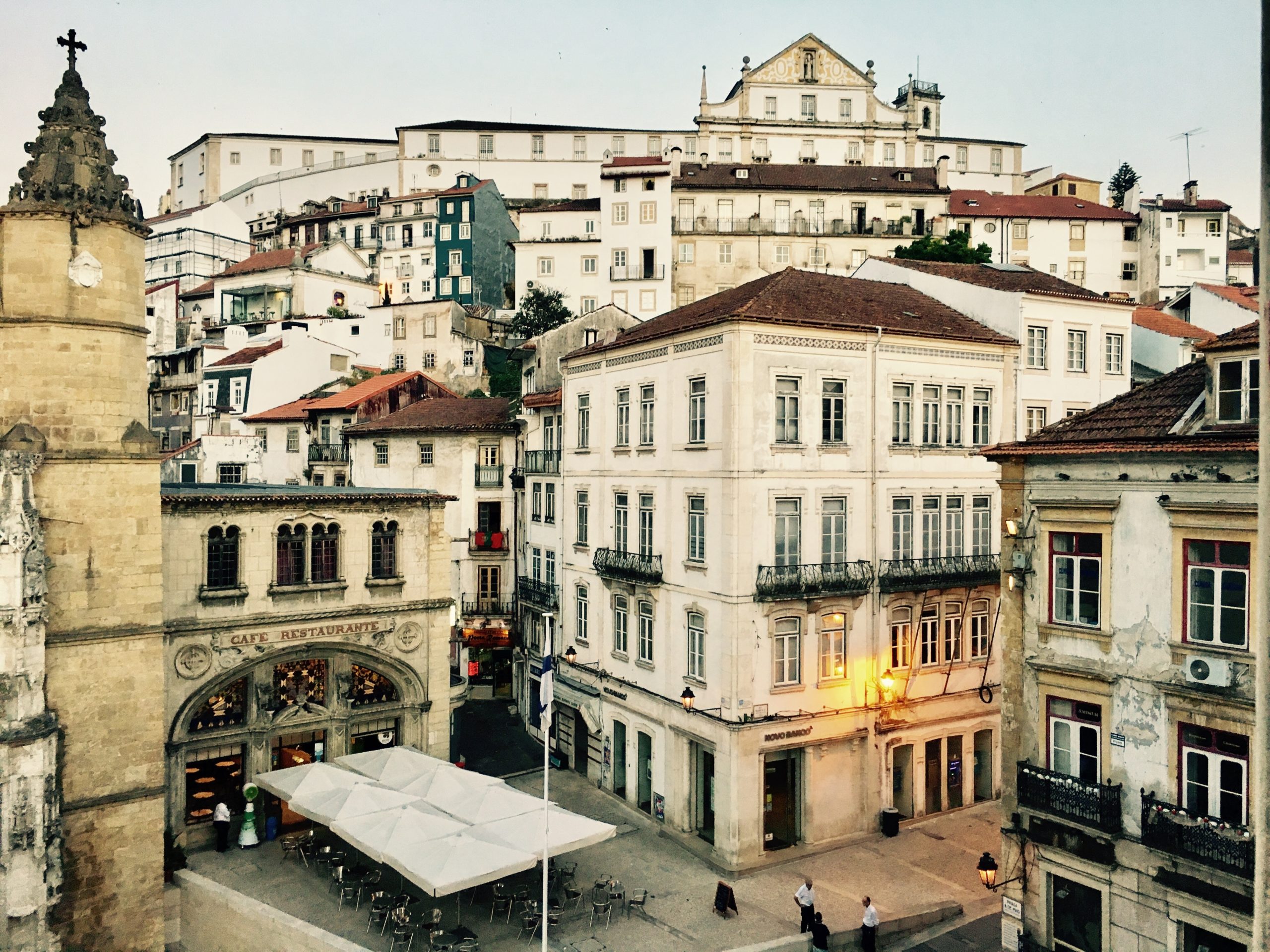
Best Hotels for families:
Tryp Coimbra Hotel (around $70 a night)
Penedo da Saudade Suites & Hostel (around $64 a night)
Best Hotels for couples:
Vila Gale Coimbra (around $97 a night)
Sapientia Boutique Hotel (around $170 a night)
Best Hotels and Hostels for solo travellers:
Olive Street House (around $29 a night)
Despertar Saudade AL (around $50 a night)
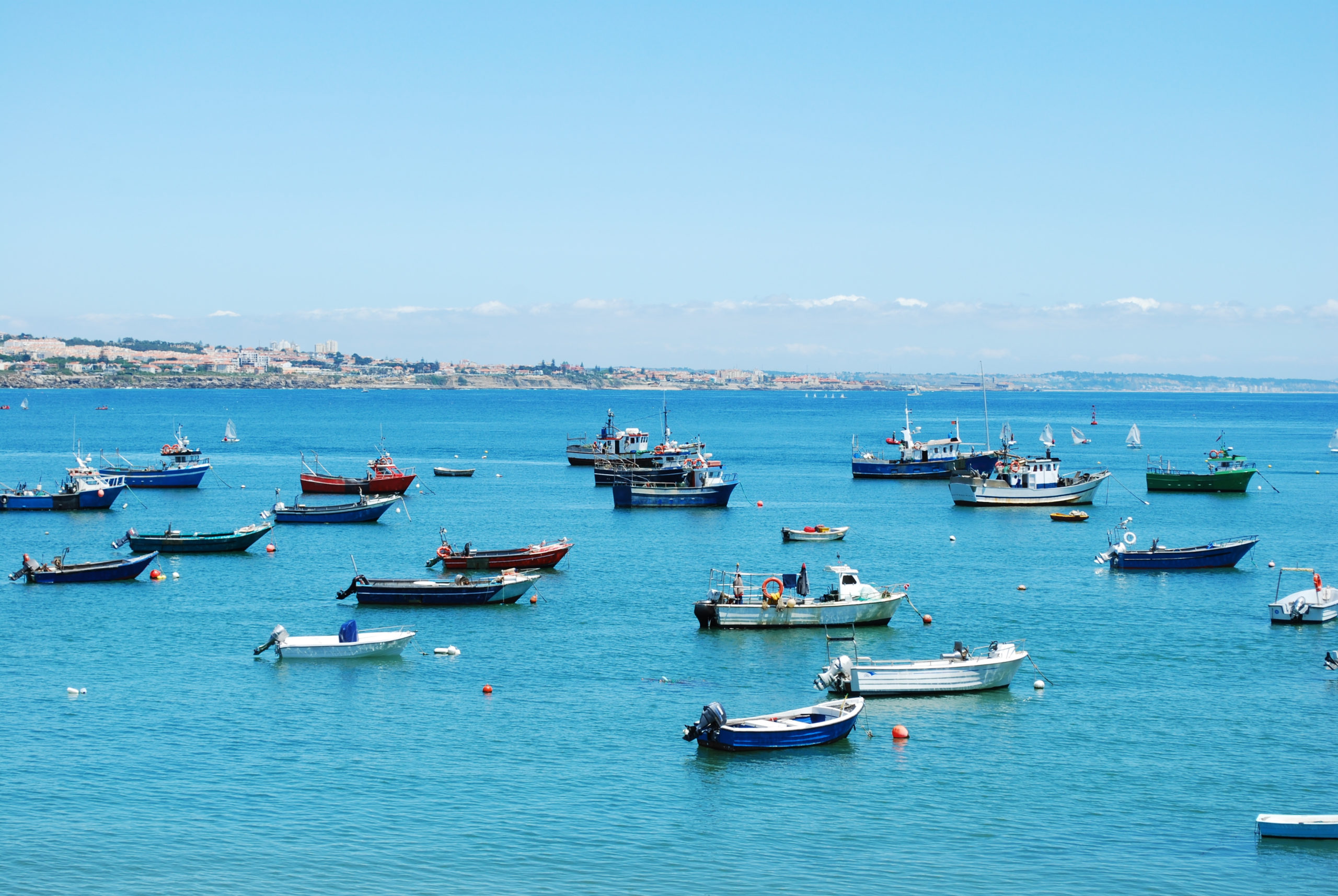
This comprehensive guide was created with love to help you in being enchanted, joyful, and relaxed. If you’re looking for a place to go on your next holiday, have a peek at our most recent blog post. Also, don’t forget to send us images from your most recent vacation and share them with us on our social media accounts. And enjoy your journey!

A Walk in Ireland Guide: Best Trails, Routes, and Tips
Ireland
26/04/2024

An Ultimate Guide to 6 of the Finest Castle Tours in England
England
26/04/2024

Unveiling the Most Terrifying Haunted Tours in Scotland
Scotland
25/04/2024

7 Top Amusement Parks in England for an Unforgettable Adventure
England
25/04/2024

Miami Tourism Statistics: A Comprehensive Overview of Visitor Numbers and Revenue
Travel Statistics
25/04/2024