


Alentejo: A Hidden Gem from Portugal
Updated On: November 07, 2023 by  Ciaran Connolly
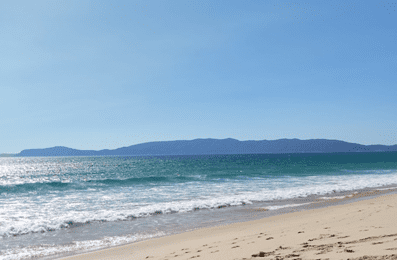
In the heart of Portugal, between Algarve and Lisbon, you will find Alentejo. One of the most exquisite countryside regions where you can swim in the beautiful beaches, enjoy nature and find unique places. Similar to a coastal route in California in the USA, Alentejo has amazing sights and depending on your taste you can do two types of routes, by the sea or by the vineyards. Both are perfect places to switch off from for your work or your daily routine and take everything in to find real peace. Most recently known as the “Tuscany of Portugal” the country receives tourists with open arms and shows them the beauty of living in a safe and harmful place. So what we ask you now is for you to relax and enjoy the trip.
When we think about Portugal, we think about beaches, good wine, but also nature, good food and good people. What is from a country with unfriendly people? In Portugal, you can find all but in a way that you can never imagine and you will never forget. So put on your bucket list and let’s discover Alentejo. It’s for sure one of the best places in Portugal to travel to.
Alentejo Region
Maybe you are wondering where the Alentejo region is?
You will find the Alentejo between Algarve and Lisbon. Along the eastern part along the border with Spain in the Alentejo region, you will find landscapes, wineries, castles, and along the west side, there are good beaches, good food and a mix of cultures that you never imagine. Large beaches with a lot of space for your family and soft golden sand are a few of the reasons that you should visit the Alentejo region in Portugal. It’s also the larger region in Portugal so you will need time to see everything. If you don’t have much vacation time, you can go every year to visit different things.
Alentejo by the Sea
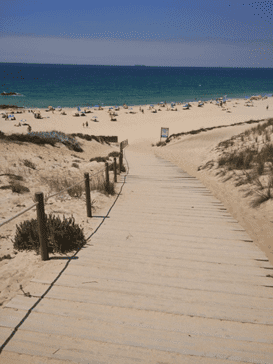
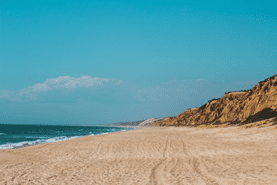
So if you don’t know where to go we have for you new summer vacation ideas in Europe. To visit Portugal you can travel by air to Lisbon but we recommend that you explore more than just the capital… You have no idea what you can find. There are so many beaches you can enjoy the most powerful sunrise in the world. If you’re arriving by Faro, you can rent a car and find a lot of special beaches such as:
- Almograve for rock pooling
- Zambujeira do Mar
- Malhão (Vila Nova de Mil Fontes)
- Ilha do Pessegueiro – Porto Covo
- Comporta
- Carvalhal
- Galé – Fontaínhas (Melides)
Those beaches make part of the Costa Vicentina National Park – 100km of coastline, that start in Algarve and stop in Alentejo.
You can discover those good beaches using a caravan if you are a nature free soul kind of person but you also can stay in a relaxed place enjoying the weather and fantastic places such as hotels or local apartments. In this article you will find a little more about the Alentejo region, such as the historical side of the essentials to visit the country. Start this journey with us and you will not regret it.
Alentejo by the Vineyards

Wineries are the most commonplace in Alentejo. In every corner, you can find one and we will tell you about the best wineries in Alentejo. They are beautiful inside when you can find a real experience but the outside is the same brilliant and original. With great improvement in their architecture, they are unique places when you can learn more about wine and feel the culture of the region. With the most beautiful scenario, you can visit the most secret fine wineries where you can visit the bodega and taste a glass of red or white wine.
Here is a list of places where you can taste Alentejo wine.
- Fita Preta (Évora) – A winery that brings two people together: a winemaker António Maçanita and an English Viticulture, David Booth. Any visitor can sit at Fita Preta’s bar and have. But if you want to learn more about the wines and taste it’s mandatory that you book a place. You have a few tours and tastings to choose. Also they organize events like wedding celebrations, a birthday celebration, or a corporate meeting.
- Herdade do Sobroso (Pedrógão)
- Herdade dos Grous (Beja)
- Herdade da Malhadinha Nova (Albernoa)
- Herdade do Esporão (Reguengos de Monsaraz)
In some of these places you can also sleep as this is a Country House & Spa.
Summer family vacation ideas
Are you looking for new places to spend your next vacations? As a safe country Portugal offers a lot of options to stay with your family. In Alentejo, you will find good beaches and child-friendly villas in Alentejo to spend time with family. One of them is Herdade da Malhadinha Nova with 450 hectares but you have more.
Where to stay in Alentejo
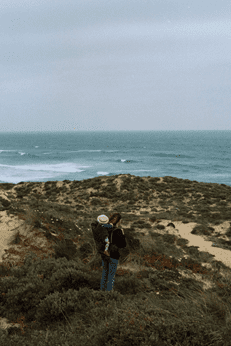
From country houses to Eco spas you have special places where you can enjoy the peace of this region. You can relax, read a book from Eça de Queiroz or José Saramago and enjoy the sunrise or the sunset. Look out for a few relaxing places where if you get lucky you can also find celebrities like Sara Sampaio who spend this summer in Alentejo:
- Convento do Espinheiro – These Luxury Hotel & Spa origins are related to a legend that tells of an apparition of the Virgin Mary above a thorn-bush (= espinheiro) around the year 1400. In 1412. Also, the hotel has an exclusive offer for guests, a guided visit to the Convento de Santa Maria do Espinheiro by a Concierge, every day at 5:00 p.m.
- Sublime Comporta
- Casa da Moira
- EcoResort
- Dá Licença
In Alentejo you can do both hiking and cycling trails in beautiful places with sublime nature along the Costa Vicentina route or surfing in good beaches such as Lagoa de Santo André.

Instead of a wine route, you can also arrive in Lisbon and go directly to Évora, capital of the region and World Heritage city by UNESCO. One of the best cities to travel in Portugal in Évora you can see Templo Romano (most commonly known by Templo de Diana but locals say that this is not the correct name). Museum town with an incredible history this is one the best cities to travel in Portugal. You can stay for 3 days and you enjoy each roman corner of the historic centre with real walls of about Roman and Arab they form a defensive ensemble raised over centuries.
Here a few other restaurants and typical pastries that you can find in Évora city:
But you will also find Pastries like Pastelaria Conventual Pão de Rala the best place to try typical desserts in Évora. It is a traditional bakery that sells the most typical cakes and sweets. Their recipes have more than one hundred years and are really tasty. We suggest that you try Pão de Rala or Sericaia, one of The 12 Must Eat Portuguese Sweets.
Before leaving Évora you should buy souvenirs in Oxalá store. There you will find the nicest products from Alentejo and other places in the country. All national products from wine to handicraft you will find all.
Bye-bye Évora, See you next time.
You can continue your journey visiting a medieval village with a princess castle: Monsaraz. Then go to the old Estremoz, a town crowned by a century castle, with a citadel.
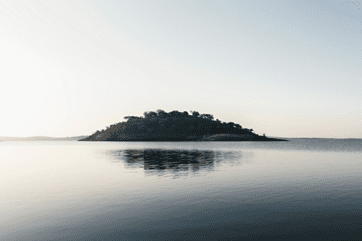
Finally “take a boat” to Alqueva, the big lake where you can do boating or just relax on the fluvial beach and enjoy the place with your friends, girlfriend/boyfriend or family. If you prefer countryside instead of coast this will be your route.
To Eat
In each corner, you can find good restaurants. Portugal is the kind of country you get fat quick! In less than two hours from Faro (Algarve) you will find a very nice sea view place: A Azenha do Mar in Odemira where you can eat shellfish in a cheap humble restaurant with great food!!

If you prefer a typical food so you need to eat “Migas” a dish with pork meat and bread that you can find in a lot of restaurants around Alentejo. In Évora go to O Fialho for Sopa de Cação a dogfish soup. For who is a sweet tooth, you need to taste Pão de Rala a typical pastry created by nuns with eggs, almonds and a lot of sugar! Taste and you will never forget. In the same city, you can also find ¼ para as 9 restaurants and taste Açorda de Marisco, a typical dish with shrimp and bread. So tasty!!
Relaxed? We have more.
What to do in Alentejo
There are a lot of things to do in the region because this is such a multi landscape place where you can swim in the Atlantic Ocean and 1 hour later you can discover a palace. As a country with a lot of history those are just a list of a few examples of activities that you can do by air or by land:
- Try the food and the wine
- Appreciate nature more closely
- Visit castles, palaces and take a trip back in time
- Surfing
- Boating
- Hiking
- Hunting and fishing
- Breath in a peaceful place
- Farming
- Ballooning
Live the experience in full, choose the right place to stay and go out of your comfort zone. This is not the right place to who likes cosmopolitan places but this is the right place for who is looking for a green-brown–blue unique and safe place. Now it’s time to understand when the best time to travel to Portugal is. We can help you.
Music in Portugal
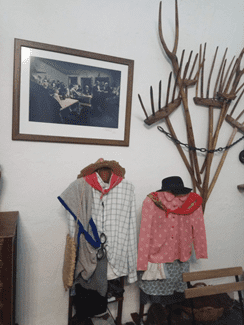
Portugal is Fado of Amália Rodrigues and Mariza but in Alentejo, you will also find another kind of music: O Cante Alentejano recognized as Intangible Cultural Heritage of Humanity by UNESCO. Beside not related with any class of people it is often associated with the rural classes existing in Alentejo. Songs are related to love, friendship, work and life in the countryside. If you never hear this traditional music, feel free to watch this video recorded in the Millennium Stage, USA. It’s so special!
Travelling to Portugal
You can travel by TAP, a Portuguese airline or you can use another airline. The main airports are Lisbon, Porto and Faro but to arrive in Alentejo the best is Lisbon or Faro.
How to get there?
From Lisbon or from Faro get a taxi (there’s a lot outside both airports) by bus or train. Otherwise, rent a car and enjoy the most beautiful destination in the world. Alentejo is very flat land so it’s easy to drive.
Best time to travel to Portugal
Best time to travel to Portugal is anytime you want. The high season is during summer as this is also a local holiday (July, August) but you can visit Portugal in all seasons. Maybe it’s a good choice to go to the countryside in autumn/winter (end of September to March) and at the West Coast in spring/summer, (April to September) but it’s also good all year around.
Is it safe to travel to Portugal?
A hundred percent YES. It’s safe to travel to Portugal now and always was. We agree with Forbes when they say that “The Alentejo Is The New Region To Go To In Portugal” . So just go and enjoy the weather, the food and the safety you will definitely find.
Why travel to Portugal?
Try one time and you will understand but this country has so many things to discover such as incredible beaches, or vineyards along the countryside but the best of Portugal it resumes in one word: People.
Share your experience in Alentejo using the hashtag #visitalentejo and spread the word.
“Oh salty sea, how much of your salt is tears from Portugal? “By Fernando Pessoa
Check out some other places you must go you are a travel lover with good taste for special places: a coastal road trip | a small town | an island | a beach

Miami Tourism Statistics: A Comprehensive Overview of Visitor Numbers and Revenue
Travel Statistics
25/04/2024

The Enchanting Charm of Scotland Wedding Castles!
Scotland
25/04/2024

London in June: An Ultimate Guide to 13 Unmissable Events and Festivals
United Kingdom
25/04/2024
The Perfect Day Trip from London: Where Will Your Adventure Take You?
United Kingdom
25/04/2024
Scotland in May: Sunshine, Mild Temps, and Outdoor Adventures
Scotland
25/04/2024