


Top 16 Things to Do in Paris, France- Places, Activities (Your Full Guide)
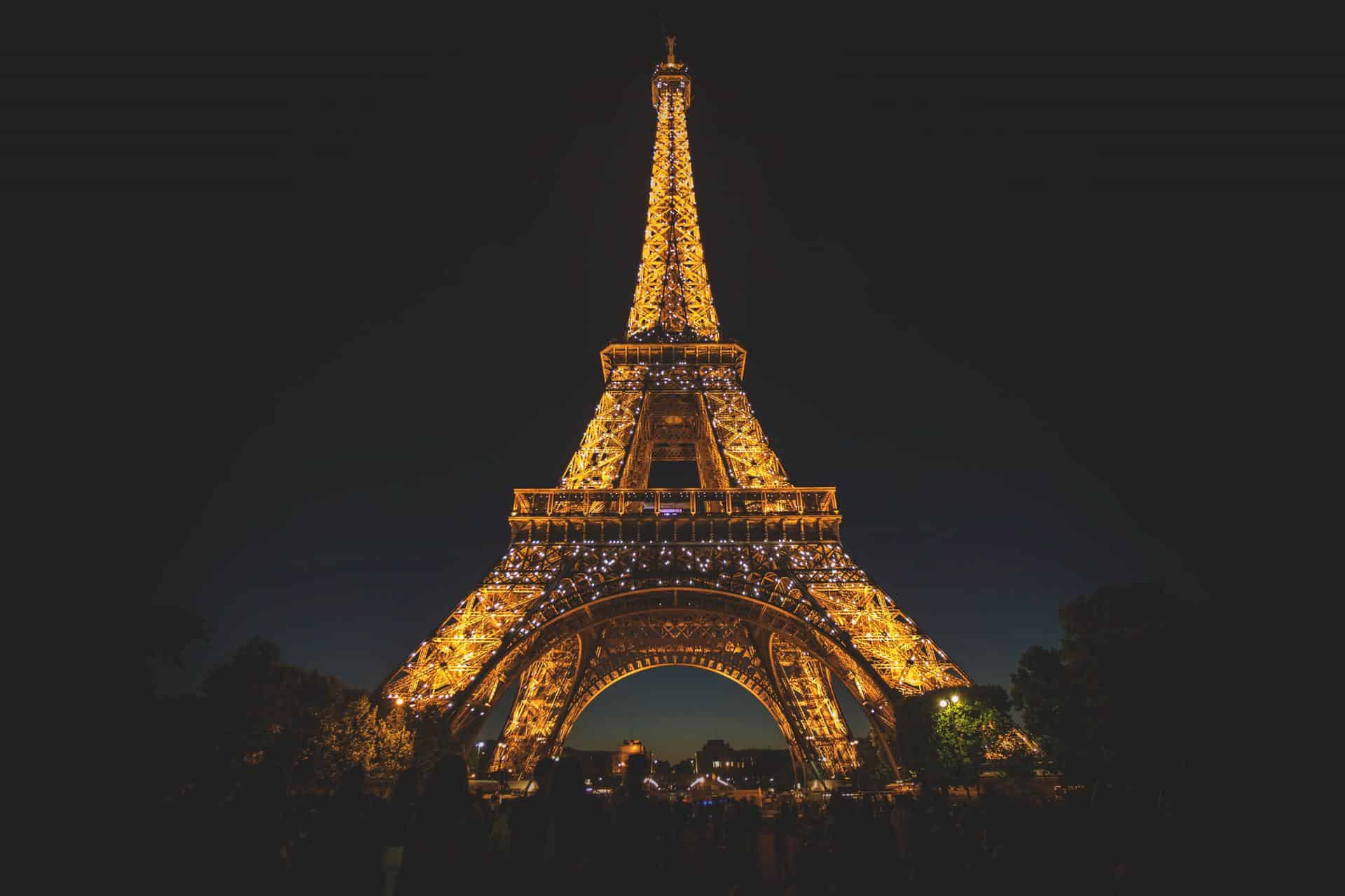
Updated On: April 16, 2024 by  Rahma Ali
Even it’s one of the most well-known tourist destinations; it never becomes overrated because it’s the City of Light. Because, well, Paris.
“A walk about Paris will provide lessons in history, beauty, and in the point of Life.”
Thomas Jefferson
And I wholeheartedly agree with what you’ve said. Paris, France, is where you can find everything about life; art, history, war, love, fresh scent, lively fashion, rich cuisines, crisp pastries, Cherry blossoms, and more. Paris has a lot to offer for you.
Many things can be introduced to tourists here, not simply the Eiffel Tower – which, by the way, is a must-see location- and you are no exception. For this reason, we want your time in Paris to be one to remember.

This page will provide you with a complete guide to everything there is to do in Paris, France. You’ll also learn where to stay, eat, and what to do while you’re there, as well as other often asked questions that everyone, including you, has before visiting this stunning city.
Feeling curious?
Okay, let’s dive deeper.
Pro Tip: This list should include the Cathédrale Notre-Dame as one of the top places to visit while in Paris. However, due to a recent fire in the structure, the cathedral is closed until further notice. In any case, if you’re there, check if you can visit the Cathédrale Notre-Dame. It is without a doubt one of the best things to do in Paris.
Places and Things You Should not Miss in Paris
1- Your First Stop Should Be the Best: Musée d’Orsay
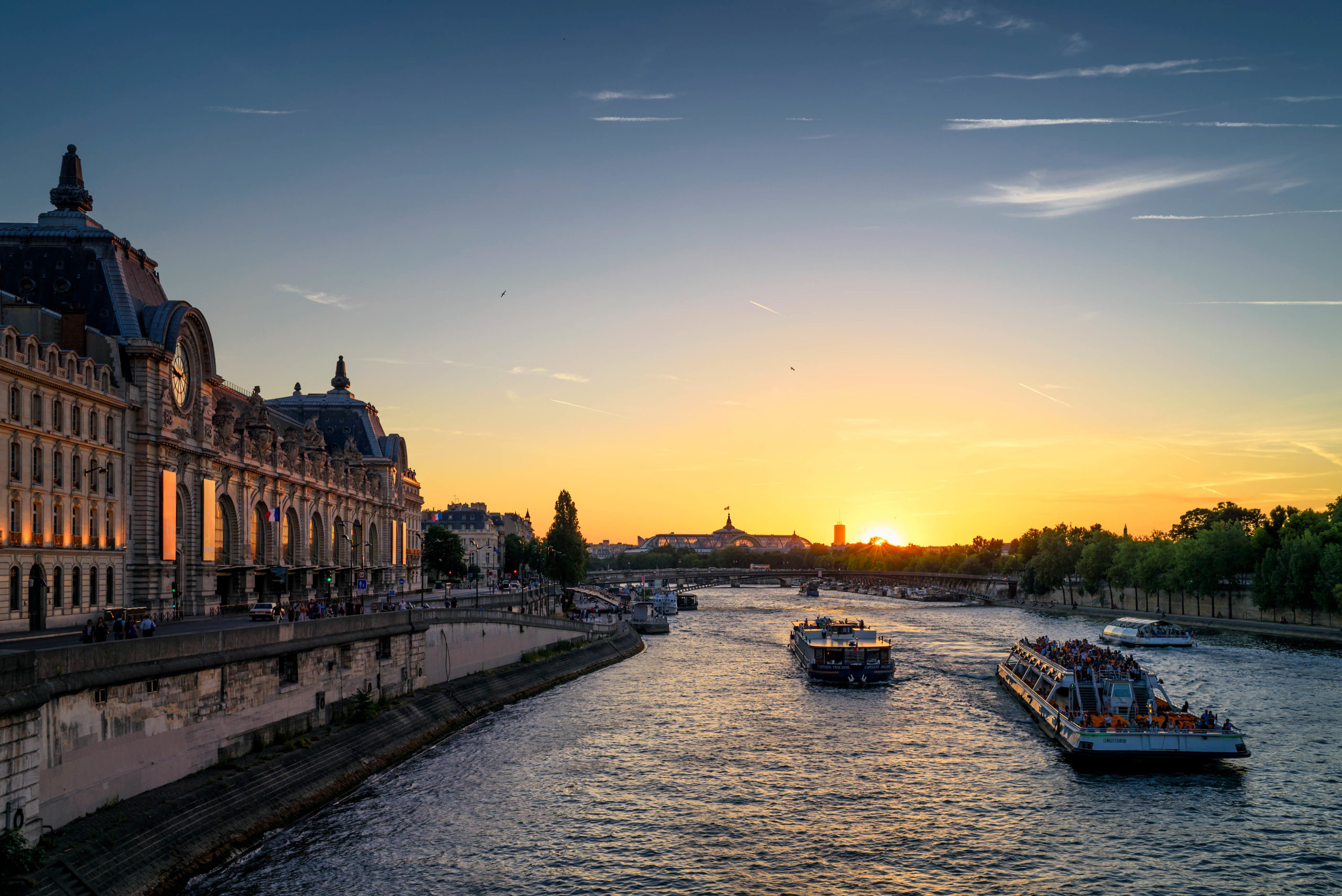
Location:1 Rue De La Légion d’Honneur
How to get there: Two minutes’ walk away from Musée d’Orsay bus station
Price: Around USD 16
Now, you are feeling confused! Definitely, you now are wondering?
Why didn’t I start with Paris’ most iconic landmark, the Eiffel Tower?
I can tell you why, on TripAdvisor, this location ranks as Paris’s top tourist destination. The Musée d’Orsay offers access to one of the world’s most beautiful and priceless works of art. Even if you’re only in town for the day, don’t miss the museums.
Why do you visit Musée d’Orsay?
This museum display, which dates from 1840, brings together some of the most remarkable works of art in the history of French art. It will keep you occupied as you look around the wonderful galleries.
For one thing, it’s an architectural marvel with its golden-carved ceiling and domed domes within, as well as an amazing structure on the Seine River’s banks outside.
Once you enter the Musée d’Orsay, you can be confused:
“Am I doing something wrong? Is it a museum or a railroad here?”
Musée d’Orsay, once a sleepy little gem in the heart of Paris, is now a sought-after tourist destination.
Things to do there:
- Taking a tour of the museum to see the incredible artwork on display there.
- Going to the bookshop to pick up your favorite Paris-related books to make your trip even more enjoyable and memorable.
- Discover the backstory of each object on the show by asking for an audio guide.
- Visit the hotel’s restaurant for a meal or a drink.
- Don’t be afraid to take photos since they are allowed inside.
Things not to do there:
- Food and drink are not permitted inside the galleries of the Musée d’Orsay, except for water. It’s only permitted in specific, clearly marked zones.
- Selfie sticks aren’t allowed.
- If you are fascinated by art, you could spend more than 3 hours inside, so watch the time if you are planning to visit other attractions.
Pro Tip: The Musée d’Orsay offers free admission on the first Sunday of every month. To save your money on other days, you can purchase a $20 ticket and get access to another museum, the Musée de l’Orangerie.
2- Get Stuck to Meticulous Details: Palais Garnier
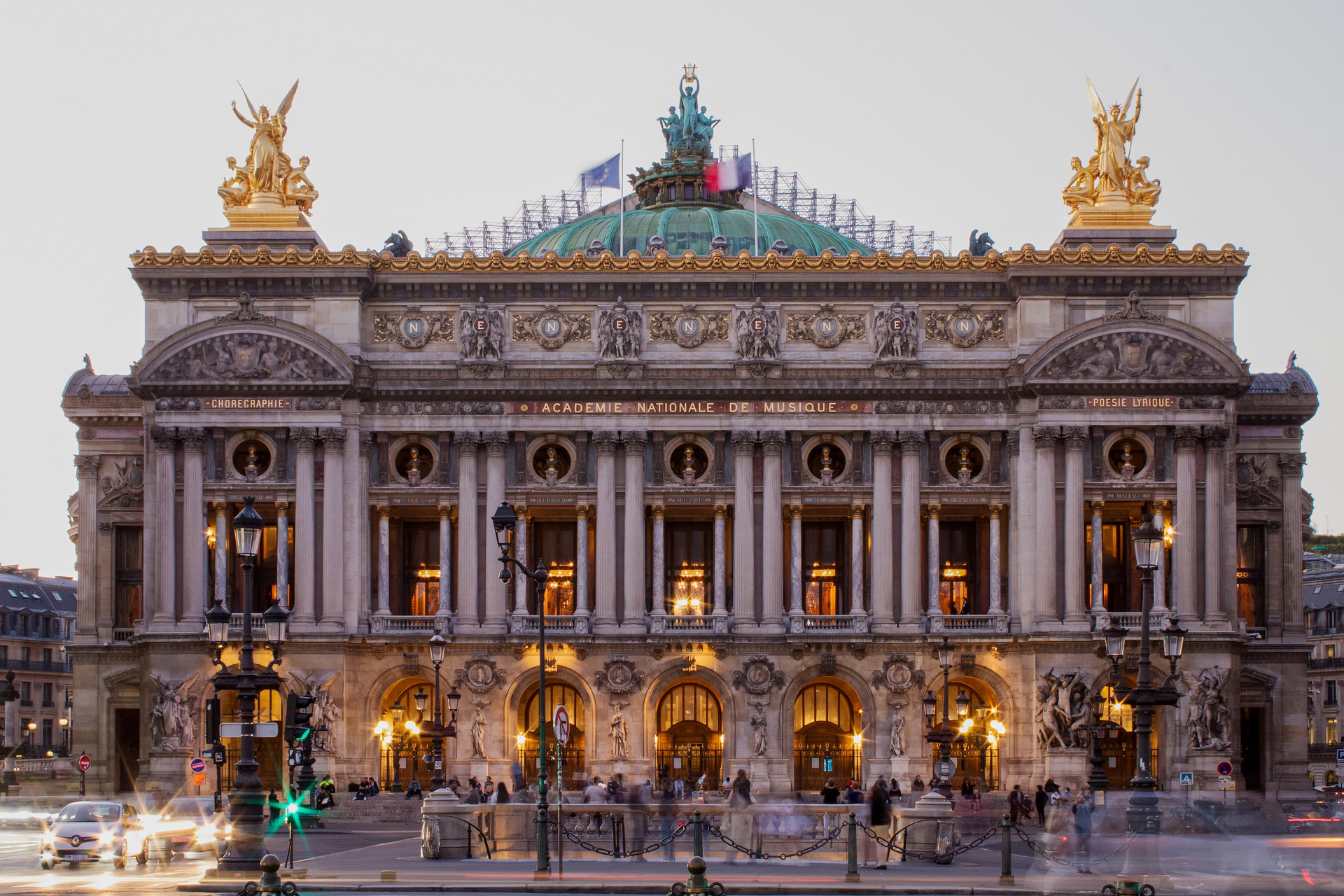
Location: At the corner of Scribe and Auber streets
How to get there: Two minutes’ walk away from Opéra metro station
Price: Around USD 13 for an unguided tour inside the house, including any temporary exhibitions.
If you decide to make your visit to Paris luxury and brimming with sumptuous palaces, you should head to Palais Garnier, the national opera house of Paris. It is also quite simple to get there, just take a metro train and at Opéra station, descend.
With the mood of medieval extravagance, the 19th century Palais Garnier is a place where it’s hard to stop saying, Wow!
Why do you visit Palais Garnier?
Designed with a royal style in mind, the interior of Palais Garnier is fully decorated with gold ceilings, gold columns, and impressive gold chandeliers coming with perfectly handcrafted ornamentation.
Other works of art are popping up all over the opera, showcasing the charming art of the 19th century.
If you ever get the chance to see a performance in the Palais Garnier, take it. You’re about to witness one of the most amazing things you’ve ever seen in your life. The display hall provides a world-class theatre experience.
The combination of red velvet seats, a crystal chandelier, and the magnificent decoration, have all been put together to create an exceptional cultural relaxation.
Things to do there:
- Walking around this vast building and coming up close to fabled frescoes, gorgeous interior, and other works of art.
- A guided tour will explain to you more about the location’s history.
- Taking in the opulence of Napoleon’s Imperial regime.
- Attending a gala or a concert will be an unforgettable experience.
- Taking pictures inside the Palais Garnier, but only if you paid for a guided tour of the venue beforehand.
Things not to do there:
- If you’re planning on attending a performance, do your research first by visiting the Palais Garnier’s official website and viewing the “More about the Production” page to learn more about the composers and the performers.
- No smoking, drinking, or eating is allowed within the auditorium.
- Mobile devices are also prohibited from being used throughout the show.
Pro Tip: While there is no dress code to attend Palais Garnier, some guests like to dress formally for nighttime events. So long as you’re alright with that, go ahead and try it out. Since you’re on an exploration tour, a smart casual outfit is the norm.
3- A Night to Remember for Ever: Eiffel Tower

Location: 5 Avenue Anatole France
How to get there: 8 minutes’ walk away from Bir-Hakeim metro station
Price: The gardens behind the Eiffel Tower are free to visit, but getting into the tower will cost you extra money. It changes depending on the level of the tower you are in, beginning at USD 20.
The Eiffel Tower, Paris’s renowned tourist attraction and one of the world’s most visited attractions, is now open for business. I’m sure you don’t hear many great things about the Eiffel Tower when you ask locals about the best things to do in Paris, France.
For example, overcrowding and exceedingly long lines (to get your ticket, then check your bags for security, or maybe find it just closed because of threats of potential attacks, or just for maintenance.)
Why do you visit Eiffel Tower?
I’m sure you’re now saying something like, “Oh God! I’d never go there.
No! Easy! If you don’t, believe me, you’ll be sorry afterward. Simply said, no one will believe you if you say, “I was in Paris last week.”
This type of conversation could take place:
Someone: “Wow, let’s see your photo with the Eiffel Tower.”
You: “No, I haven’t.”
Someone: “WHAT!”
You: “Yes, I’ve heard a lot of negative reviews from travelers about it.”
Someone: “What You are talking about! No Eiffel! No Paris!”
No Seriously!
Here, I’ll tell you what you do with your time at the Eiffel Tower.
Things to do there:
- Have a meal at one of the Eiffel Tower’s upscale eateries.
- Hike up to the tower’s second level and take a tour walk to learn about the intriguing and durable steel structure.
- Simply stay on the first level to learn about the tower’s history through drawings, films, interactive activities, and photographs.
- Choose to join a tour guide to hear stories and mysteries surrounding this place, including how the Mission Impossible film was made here.
- Enjoy a panoramic view from the tower while experiencing a tingling sensation mixing with exhilaration.
Things not to do there:
- It would be a huge error if you did not purchase your ticket in advance and use the online option unless you enjoy waiting in enormous queues for 3 hours.
- Never go to the top of the tower without extra jackets or coats unless you enjoy shivering and wasting this incredible moment by looking for anything to keep you warm.
- Please don’t go to the Eiffel Tower on weekends; it would be over overcrowded, even in the off-season.
Pro Tip: The Eiffel Tower is open until midnight, so you may have a choice whether to visit in the morning or at night.
We highly recommend visiting the tower at night if you want to have a romantic moment with your spouse or propose to your girlfriend in such a chic and spectacular setting.
Lovely!
4- Let’s Treat Our Eyes with A Geuniune Art: Musée du Louvre

Location: 99 rue de Rivoli
How to get there: 3 minutes’ walk away from Musée du Louvre metro station
Price: A standard ticket is around USD 18, and an audio guide of your Louvre tour costs you USD 6.
The Eiffel Tower, Paris Opera, what else?
It’s the Louver, the remaining iconic attraction of the most visited places in Paris. One of the best sites to visit in Paris for art enthusiasts, talents to get inspired, or those interested in history is becoming a popular hub where you can see people from all over the world.
You can’t simply go back home without heading to the second largest museum in the world till this moment with a legacy collection of different kinds of artworks.
Why do you visit Musée du Louvre?
In the Louver, you will discover the most epic pieces of art, such as the most well-known painting, Leonardo da Vinci’s Mona Lisa, as well as over 35,000 artifacts from various eras.
With its classy glass pyramid gleaming in the heart of Paris, everything in the Louver is suitably placed to amaze you as you walk through the gate. Many visitors stated that it is impossible to see all of the exhibits in the museum in a single day.
Additionally, you will feel that you are traveling throughout the world because there are distinctive monuments from other nations and cultures.
However, if you are in a hurry or need to explore as many sites in Paris as possible, we recommend visiting the most important galleries. You can go to the halls of the Egyptian collection, European art history, and Greek and Roman antiquities.
Things to do there:
- Visit a variety of contemporary, modern, and historical art galleries.
- Plan to visit the museum auditorium, where you can hear lectures on intriguing topics related to the art on display in the Louver.
- Visit an art cinema theatre to see a fascinating film about the location’s history and how they collected items from various eras.
- If the weather is nice, take a walk around a few well-established gardens and suck in some fresh air.
- Capture excellent photographs of the Louver as well as with your family and friends.
Things not to do there:
- However, the online ticket will cost you extra money than you will pay if you choose to pay for your ticket there, but please don’t go there without having access in your hand. The waiting lines will ruin your tour before you get inside the museum.
- The first Sunday of each month is free admission to the Louver, but please avoid going on Sundays because you will feel as if the entire world has chosen to visit the museum on your day. Paying an entertainment ticket is preferable to paying nothing and torturing yourself with crowds.
- It’s not a good idea to go around the museum without a guided tour because it’s so large that you don’t know which galleries to visit, and the signs linked to artwork are scarce. You need someone to explain what you are watching.
Pro Tip: You may get a Paris Pass, which allows you to visit various attractions, including a hop-on, hop-off bus. Plan to get this based on your budget and length of stay. It begins at USD 118.
5- Take A Deep Breath and Explore the Horror: Paris Catacombs

Location: 1 Avenue du Colonel Henri Rol-Tanguy
How to get there: 1 minute’ walk away from Denfert-Rochereau metro station
Price: Around USD 17, and an online ticket will cost you around USD 22.
Because you are about to embark on an unforgettable journey, this location serves as a platform for adventure and enthralling voyagers.
Why do you visit Paris Catacombs?
To be clear, this is not a destination for everyone, as it is the world’s largest underground cemetery, housing six million Parisians. So, please don’t go there if you don’t like seeing dead people or the skulls and bones displayed to make you uncomfortable.
In Catacombs, you can see skulls perfectly arranged and preserved everywhere moved to this place between the 18th – 19th century. The smell of death is drifting across the area, but the scent of sacrifice is emanating from every nook and cranny of the site. Also, it gives you a unique experience while you are strolling down through dark and romantic tunnels.
Your journey here will be unlike any other, as you will ask yourself, “How are these folks resting in such peace?” Do they notice what is going on around them? “Are they content now?”
But don’t ignore the signs at each location; read it quite carefully to learn more about the mysterious stories of the remaining corpses. Also, please bring a jacket or something to wear because the venue is a five-story structure beneath the ground.
Things to do there:
- Discover a very unique decor that helps in highlighting millions of bones and skulls that will blow your mind.
- It’s an unusual sight to see in Paris, and it’ll give you a glimpse into the other side of the City of Light. It may even alter your perspective on life.
- Get acquainted with the essence of freedom by knowing the history of the French Revolution.
- Take a human tour guide to where King Louis XVI and Queen Marie Antoinette’s corpses are buried.
- Check out Citadel De Mahon, which has been skillfully created between other exhibitions in the underground.
Things not to do there:
- Wearing any shoes that are suitable for walking for a two km-long area. Sports shoes are the best.
- Wearing summer clothing is not a brilliant idea. In these deep vaults, you’ll need to stay warm.
- It’s a bit of a terrifying tour, so your kids might not enjoy it. If your children are over the age of six, you can show them images of the destination and let them decide whether or not to go.
Pro Tip: We highly recommend taking a guided tour rather than an audio guide. The experienced guide will assist you in reaching galleries that you would not be able to visit on your own. You should also be aware that it may be a little pricey.
6- Have a Break… Have a Walk at: Champs-Élysées
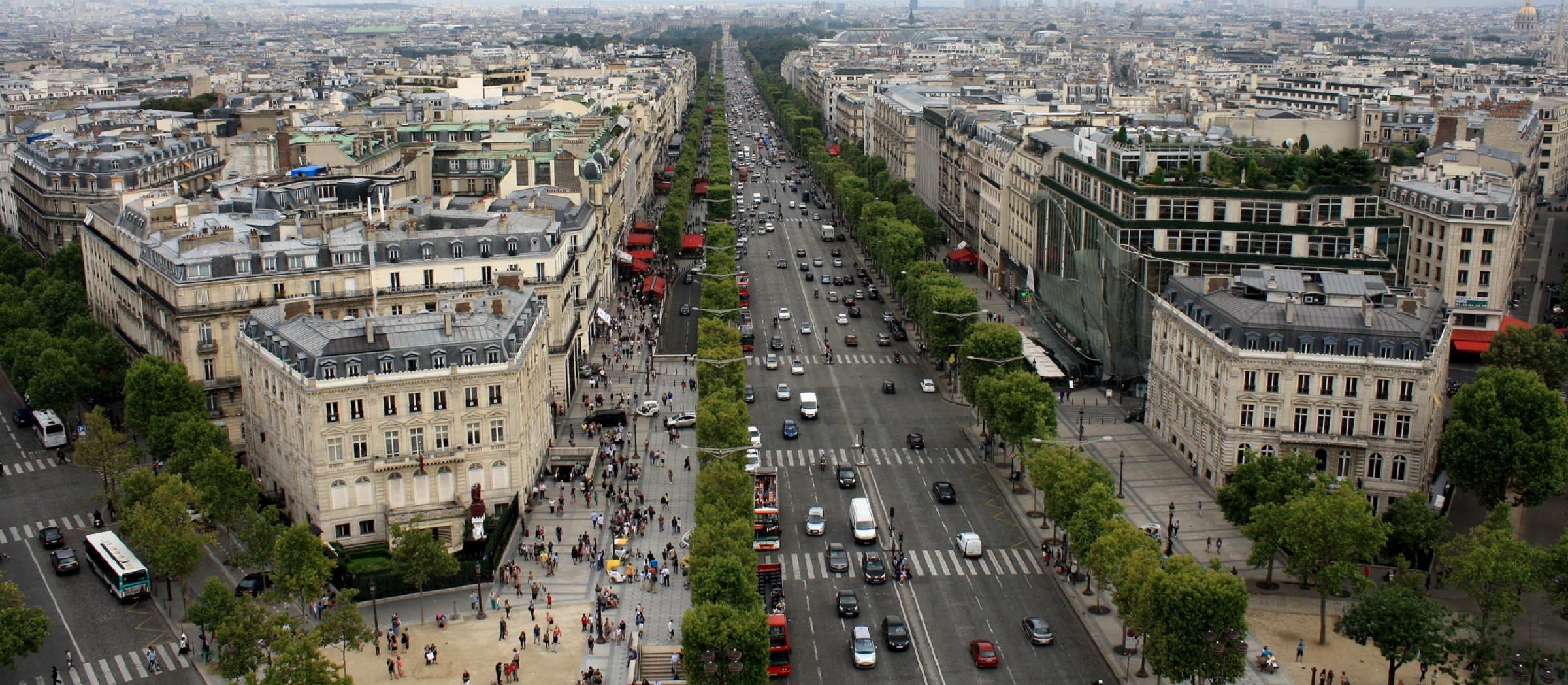
Location: Avenue des Champs Elysees
How to get there: 2 minutes’ walk away from Franklin D. Roosevelt metro station
Price: Free access.
It sounds like I am missing an essential concept of being in Paris.
Yes, you are right. Fashion. The City of Light is also known as the City of Fashion. Paris is home to several well-known fashion houses, including Chanel, Louis Vuitton, Christian Dior, Pierre Cardin, etc.
It’s a never-ending list of high-end brands. Okay, let me ask you a question.
Have you seen the Netflix series Emily in Paris? Did you enjoy it as much as I did?
You, of course, did. The majority of the series’ outdoor shots took place on the Champs-Élysées.
Why do you visit Champs-Élysées?
It’s one of Paris’ most famous streets, featuring a mash-up of eateries and opulent fashion boutiques.
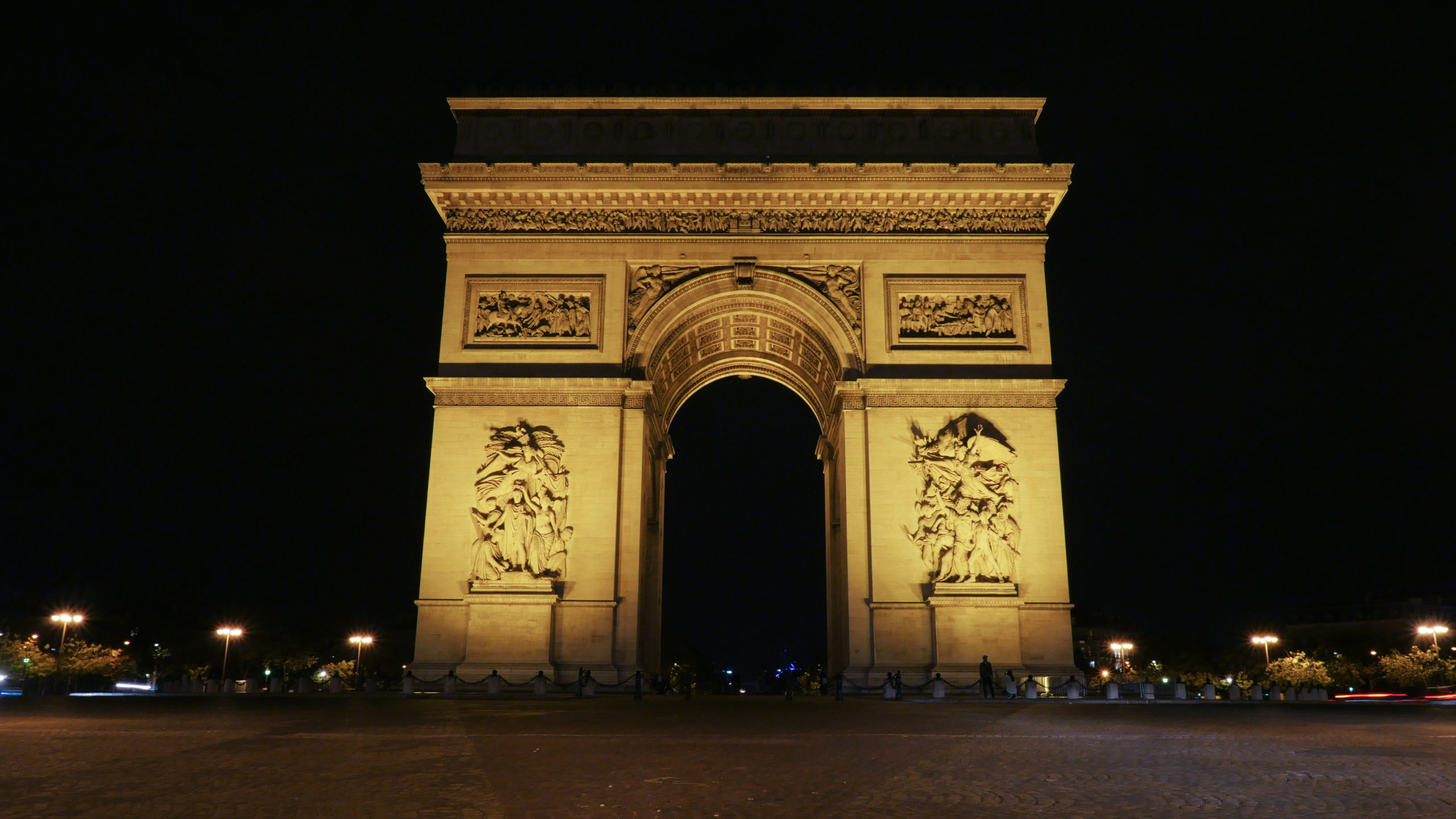
You can definitely feel a livelier vibe when strolling along the tree-lined boulevard and the magnificent building that decorates the end of the street, the Arc de Triomphe.
It’s very different from the other tourist attractions; it’s artsier and has a more upbeat atmosphere.
There is something you should be aware of when planning a trip to any destination. If you want to get the most out of your vacation experience, you should live like a native. And you’ll feel like a Parisian on the Champs-Élysées.
Furthermore, if you happen to be in Paris during a particular event, such as Christmas, this site typically transforms into a huge festival.
Light blubs, attractive decorations, and impressive Christmas trees everywhere will ensure that you have a good time in every nook and cranny because the city of Paris does not lack for amusement.
Things to do there:
- Indulge in an unforgettable shopping experience at unique boutiques.
- Attend events at one of the theatres to experience French art and culture.
- Dining in one of Paris’s trendy restaurants with a view of the lovely neighborhood.
- Visit the Stamp Market to learn about the intriguing stamps that date back thousands of years.
- Taste French bakery and patisserie at one of Paris’s oldest shops, which opened in 1862, Ladurée
Things not to do there:
- Shopping here will break your budget; therefore, please avoid these upscale boutiques if you do not want to set a budget for purchasing products.
- On weekends, especially at night, the street is packed with locals as well as tourists. So plan to go early in the morning.
- Most are closed on Sundays and public holidays, but you may still have fun photographing in this prominent location.
Pro Tip: One popular tourist attraction that can’t be missed is Place de la Concorde, the largest square in Paris. Have your tour walk and get closer up to Luxor Obelisk and the Big Wheel; both are landmarks of France.
7- Worth Visiting for Relaxation: Luxembourg Gardens
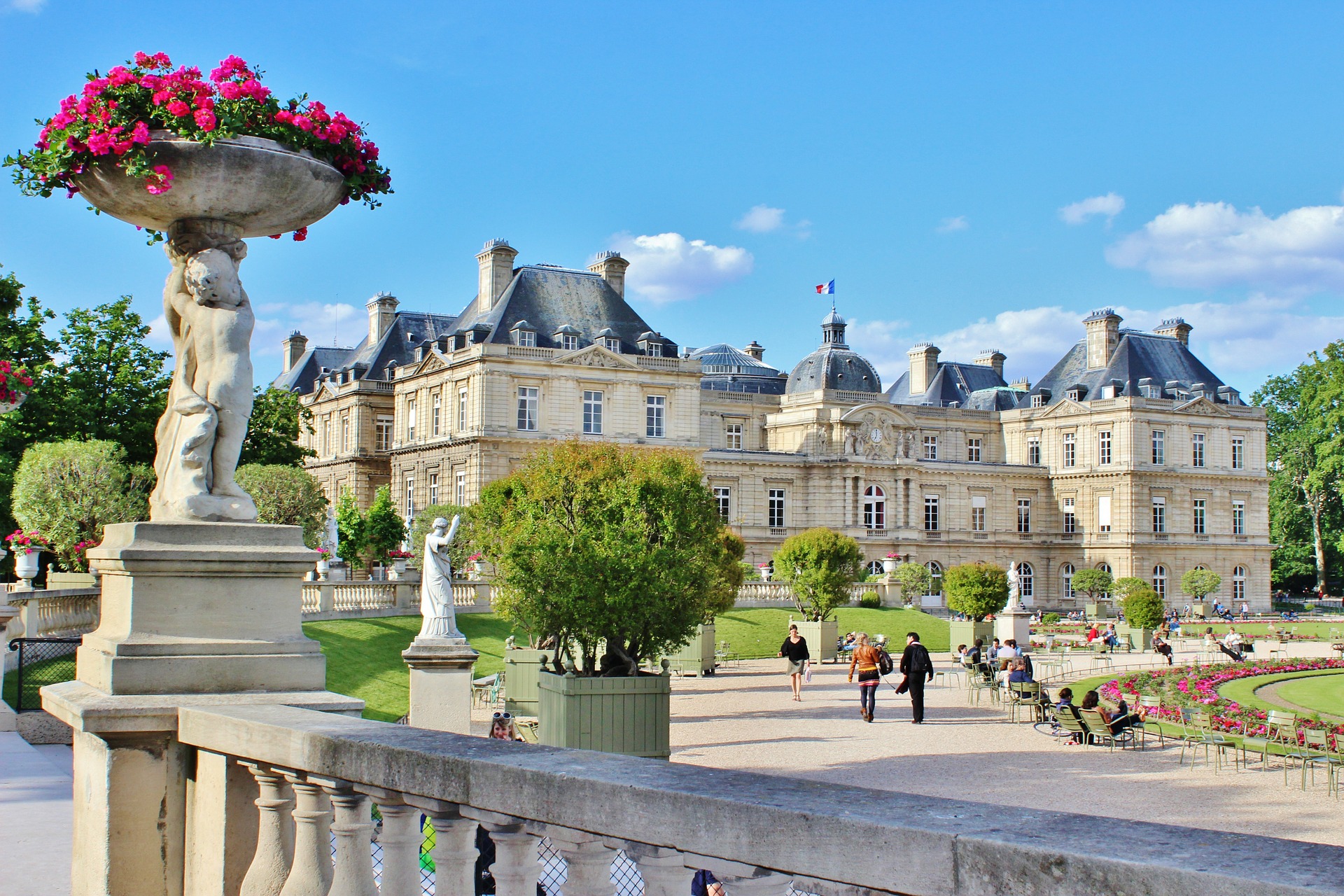
Location: Rue de Médicis Rue de Vaugirard
How to get there: 3 minutes’ walk away from Luxembourg metro station
Price: Free access.
The Luxembourg Gardens are unquestionably one of the best things to do in Paris, France, where you can discover a muse in the huge planted gardens, as well as an artificial pond, cave, and fountain.
Why do you visit Luxembourg Gardens?
These gardens cover a large area of 250.000 m2 and are separated into French and English gardens.
If you’re visiting Paris with your children, this is the place to be. The Luxembourg Gardens become the most suitable spot to stay in because you can let your children run and play without concern.
It would definitely be great if you came to Paris in the spring. The weather will be beautiful, the flowers will be in blossom, and the sun will rejuvenate your mind and soul.
Walking on the tracks lined with trees and lovely, well-designed trees, you may have the masochistic delight of bringing your coffee or Pepsi and sitting with your book to appreciate the enchantment of nature.
If you plan on spending most of your time relaxing and meditating, it’s also an excellent spot to be. You may listen to birds tweet and smell the sparkling aroma of the garden from here.
If you want to experience an authentic slice of Pair’s life, sit in one of the chairs around the pond. In this way, locals spend their weekends unwinding and getting away from the hustle and bustle of the metropolis.
Things to do there:
- Just stay relaxed in peace and clear your mind while viewing the power of nature.
- Take a stroll through the grounds, looking at the fountains, statues, and floral gardens.
- Keep your kids entertained with marionette and puppet shows.
- Have a meal at one of the notable restaurants to experience the French cuisine, like Treize au Jardin or Café Pavane.
- Pushing wooden boats through the Luxembourg Gardens’ enormous artificial lake.
Things not to do there:
- Dogs are not allowed in most parks inside the Luxembourg Gardens.
- However, the Luxembourg Gardens opens every day from 7:00 am to 1 hour before sunset; the garden sometimes closes between 4.30 pm and 9.30 pm if the weather is fickle.
- Food is allowed inside parks of the Luxembourg Gardens, but please keep the area clean and dispose of your trash in the provided plastic containers.
Pro Tip: There are no admission fees to the Luxembourg Gardens. However, access to the kid’s area, which includes a playground and restrooms, costs roughly USD 3 for each child and USD 2 for adults.
8- Nothing Can Beat Parisian Architecture: Saint Ambroise Church

Location: 71 bis Bd Voltaire, 7501
How to get there: Two minutes’ walk away from Saint-Ambroise subway station
Price: Free access
Rather than following in the footsteps of others, venture off the beaten route and explore something new. Then start drawing your way and let people follow you.
Even though Saint Ambroise Church is a less well-known tourist site, it is still worth seeing.
Why do you visit Saint Ambroise Church?
Dating back to 1659, Saint Ambroise Church stands proud with its impressive tower. Its architecture perfectly indicates a blind of neo-Gothic and neo-Byzantine, creating a masterpiece that wow everyone with its intricately decorated facade. Like no money was spared to establish this church, you should not pass up the chance to see it from the interior, where a wealth of artifacts and historical artifacts will enable you to appreciate the value of Parisian culture and history.
The location of this church will allow you to explore many different points of interest. Myriad of touristic landmarks, stylish restaurants, fascinating gift shops, and historical buildings, this district constitutes a photographic spot to discover. It’s good to know that even narrow streets have to offer you a sensory experience you don’t want to miss at all costs since Paris people constantly invest in their city’s allure.
Things to do there:
- Sit down at a comfortable chair inside Saint Ambroise Church and breathe in all its unparalleled innovative decor. It’s a good break after a long walking day around the city.
- If possible, head up to the roof and marvel at the pristine beauty of Paris. A panoramic view is waiting for you.
- Light a candle and enjoy the peaceful setting to keep yourself away from the bustling city.
- Allow yourself to be carried away by the majestic courtyard of Saint Ambroise, packed with shops, restaurants, and other attractions.
- Take a stroll through this prestigious district which comes with buildings going back to the 18th century that reminds us of the glorious history of the ancient empires.
Things not to do:
- In Paris, don’t expect to be able to communicate in English. In general, you may find someone who can interact with you even in poor English in practically all tourist spots. That does not imply that he can be found everywhere, particularly if you intend to go to unpopular sights. Instead, you could download an app that has an English voice to help you out.
- Don’t keep all your money out with you when wandering Champs-Elysées. Pickpockets are more likely to take what you hold. For your safety, wear belt money and stay away from crowds.
- Don’t expect to find excellent quality at brasseries. Paris is packed with class-world brasseries that will dazzle you with its design and setting, but unfortunately, that’s about all you get from these legendary bars for a fortune. Alternatively, don’t be deceived by big names or eye-catching décor; instead, keep looking for quality.
Pro Tip: After checking Saint Ambroise Church, don’t forget to take a stroll down Jardin Des Moines Tibhirine, a public park where the public often gathers here for people watching and socializing. It’s one of the free activities you can do in Paris.
9- The Place You Should Go: Coulée verte René Dumont
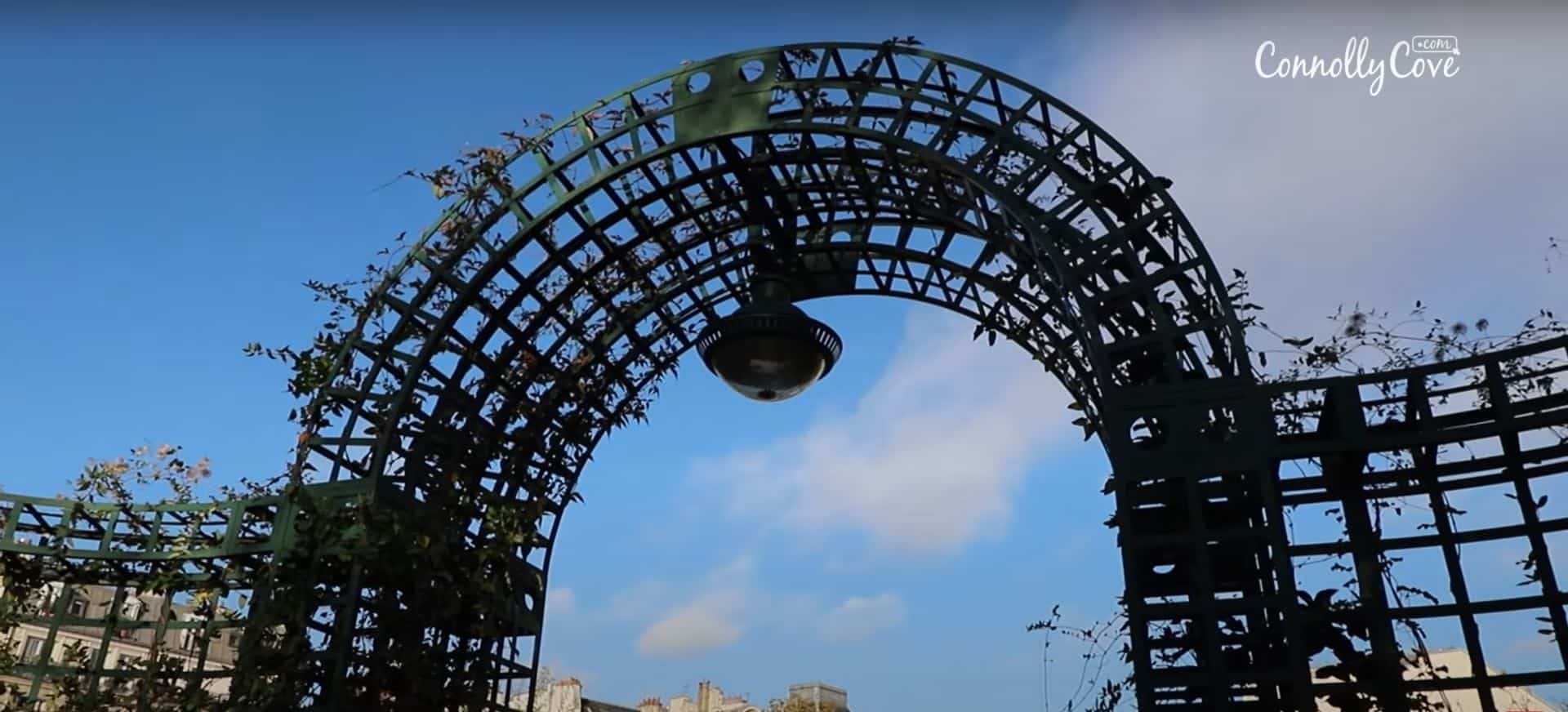
Location: Avenue Daumesnil – 75012
How to get there: Six minutes’ walk away from Montgallet station subway station
Price: Free access
When discovering a city like Paris, you should make your reference to locals who know everything about hidden gems and other worthy landmarks. It would help if you soaked up the Parisian magic, and that’s what we have already made.
Why do you visit Coulée verte René Dumont?
Every curve in Paris’s geological site screams distinguished legacy, which precisely dates the history of Europe. There are other options available for those who are sick of historical sites, art galleries, and museums. And it seems that it’s time to take about a great retreat.
Coulée Verte René Dumont is a natural space to chill out, relish in decent perfectly-polished greenery and catch your breath after a busy day in the city. Founded on its feet, Coulée Verte René Dumont has been restored into a beautiful path where people may take a few minutes every day to reconnect with nature. This beautiful walking lane links Place de la Bastille to the Bois de Vincennes.
Come here in the afternoon to take in the sunset, and you will be pleasantly surprised by what the park has to offer, both literally and figuratively. Built on a railway line, Coulée Verte René Dumont is a great area to hang out where you can bring your coffee and stretch out on the scenery while having such a blast as the Parisians usually do.
Things to do there:
- Coulée verte René Dumont is a touristic natural landmark in which you will find a number of public free parks; Hector-Malot, Reuilly-Paul Pernin, Gare de Reuilly and Charles-Peguy. Each one is projected to provide you with a different sense, so make sure to explore all.
- Allow yourself to be enchanted by the magnificent view from a vantage point on the Coulée Verte René Dumont, one of the most rustic places in Paris.
- Walk along the tree-lined pathway of the park and capture amazing shots everywhere you turn.
- Check out the historical buildings dotted around, such as tunnels, bridges, barriers, and much more since this area was one of the first railway systems installed in Paris.
- Having served as a free hangout for locals, Coulée Verte René Dumont is a forsaken attraction where you can escape from tight spots and be close to many indigenous restaurants — such as Epicerie— offering mouth-watering dishes.
Things not to do:
- Don’t be overwhelmed by visiting Paris and overlook the best part of planning anywhere. Paris is best known for having the finest remnants of Europe’s imperial past, and you are already excited once you have decided to head to this romantic city next vacation. You already have high expectations you would have a wonderful time. Still, I think you need to come out of your shell and make it traditional, writing down all free activities you can do and planning places you want to visit and places you should not miss, among other things. Unless you do that, you have no one to blame but yourself for blowing a lot of money.
- Don’t speak loudly in Paris or any other place in France. In the metro, in a restaurant, inside a museum, or whatever, just use the lowest possible tone of voice that enables the other person to hear you. French etiquette is not a myth, and you need to know the bottom line of the French lifestyle, or you are most probably to be met by resentful stares from people around you.
- Don’t listen to people who advise you to step aside from the stereotypes of being in Paris, like having creosote at breakfast or wearing this flowy skirt with a pink chapeau. Paris is a cultural mecca that provides a unique experience in and of itself. Could you take pleasure in it to the utmost? And remember, it’s pretty OK to be a tourist and behave in a touristy way, especially in an immensely touristic city.
Pro Tip: Coulée Verte René Dumont is open to the public every day from 8 am to 5:30 pm in winter and 9:00 pm in summer.
10- Put Off-beaten Spots in Your List: Place des Vosges
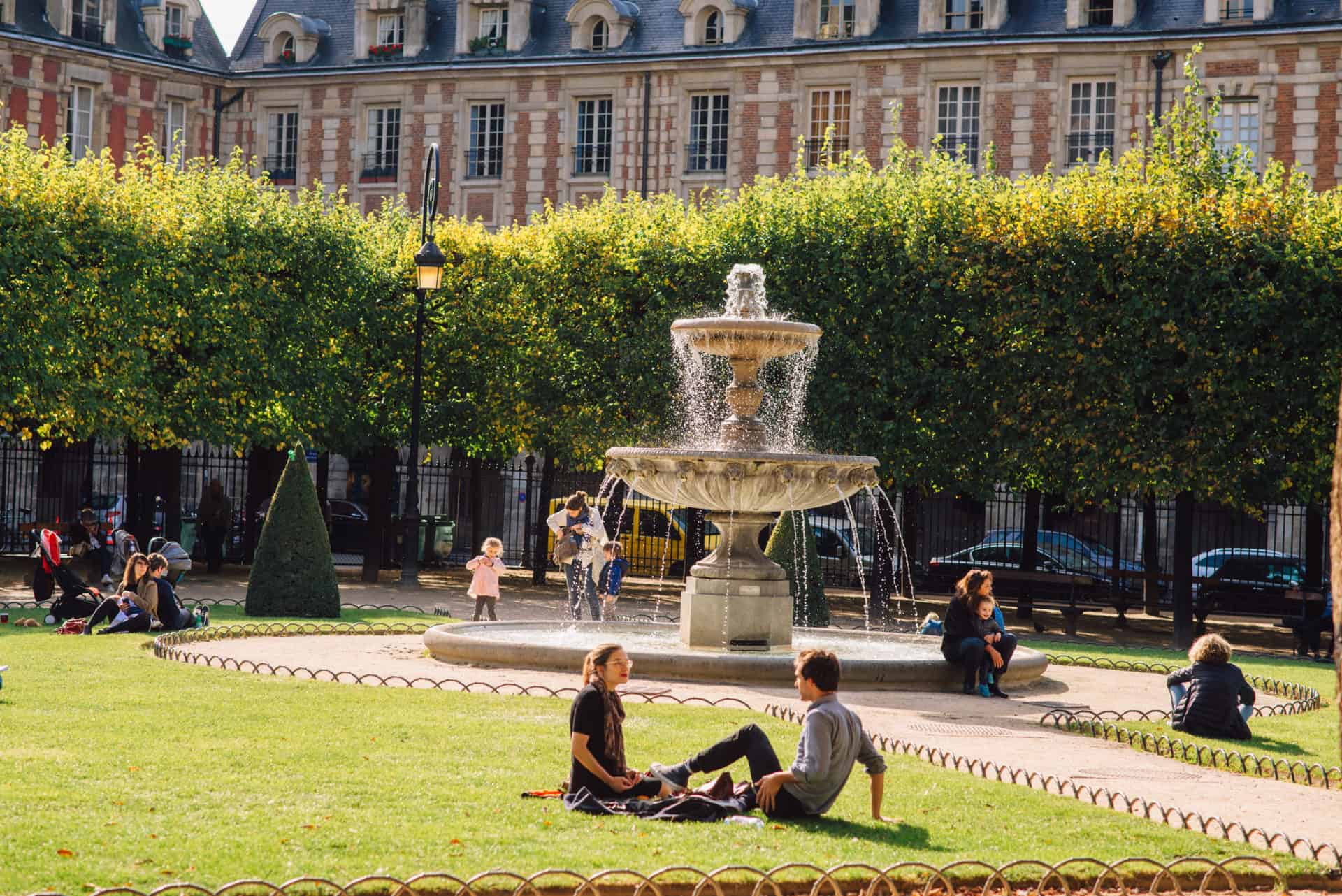
Location: Place des Vosges – 75004
How to get there: Two minutes’ walk away from Place des Vosges bus stop station
Price: Free access
The most popular thing to do in Paris is to hit its chic streets and admire the magnificent structure style. And undoubtedly, no place can offer you what you will see around Place des Vosges in which there is no shortage of attractions and fun.
Why do you visit Place des Vosges?
Make no mistake; Pairs come with many experiences worth your time. Conolly Cove’s local experts have journeyed to every corner and brought the best of the best for your traveling to Paris. Eventually, their list gave this place high priority.
If you are an adventure junkie, you don’t need to miss out on its spectacle squares, peculiarly a place such as Place des the Vosges, where you will feel as if you had traveled back in time to the era when France was the center of the globe and the most influential nation on the planet.
Plus, if you need to travel across Paris on a budget, the Vosges square will give you exclusive access to many enjoyable and discovery-filled things to do; consider strolling through walking pathways and marvel at its allure.
Things to do there:
- Uncover all the magnificent treasures of Place des Vosges on your own, or you can book a guided tour with a local agent to describe for you the history behind every nook and cranny.
- Sit on the grass of one of Paris’s oldest courtyards, listen to buskers, and show some street performers while basking in the afternoon sun.
- Check out some outstanding buildings, such as the Pavilion of the King standing against the Pavilion of the Queen. Paris is about a wide variety of experiences to cherish forever, including something for everyone.
- While taking pleasure in the lovely ambiance, doing some enjoyable games with your children, or reading your favorite book, grab a glass of wine and a portion of French food to share. That’s how to be a true Parisian.
Things not to do:
- Don’t pass your chance to the Marais neighborhood if you want to go shopping without hurting your wallet. Navigate the entire area, and you will be rewarded with many trendy and innovative stores. But for souvenirs and vintage antiques, Rue des Martyrs and Montorgueil are the best!
- Don’t expect that you can shop without meeting long queues at fitting rooms and pay lines, particularly if you want to shop during sale periods, which are typically the first week of January and the last two weeks of June and July, respectively. However, if I were you, I would learn lessons of being patient to avoid missing out on these fantastic discounts.
- Don’t come to Paris without looking at its railway stations and bus stops. You will need to stay in close proximity to Paris’s top attractions to avoid spending tons of euros on transportation. Remember: traveling is all about moving smartly and finding alternatives for unnecessary expenses.
Pro Tip: It’s more than essential to make your tour of this massive city very manageable. And visiting Place des Vosges will allow you to see other nearby attractions like the house of Victor Hugo museum, Musée Picasso Paris, and Musée Carnavalet.
11- Shopping in Paris.. WOW! La Samaritaine
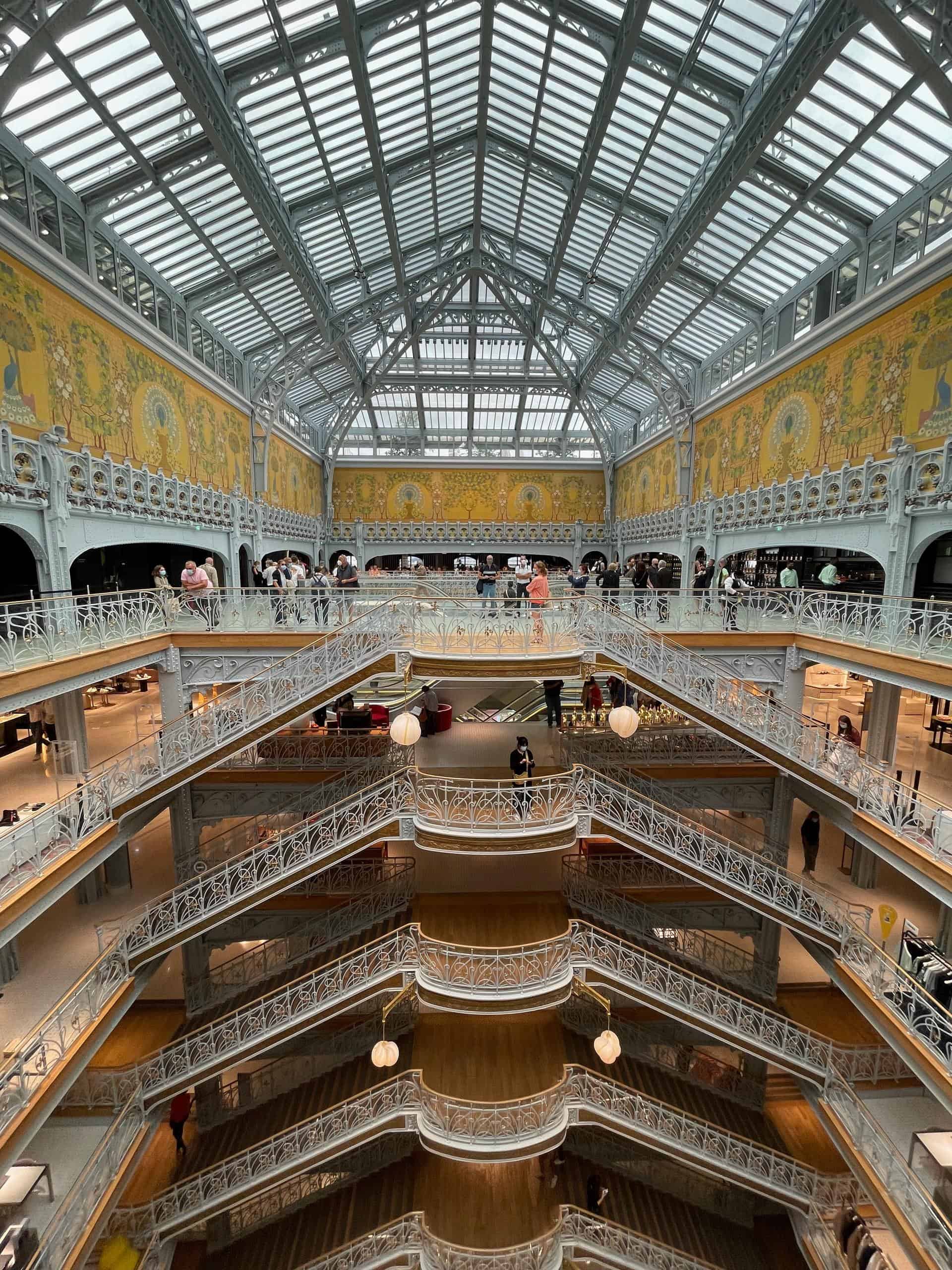
Location: 9 Rue de la Monnaie, 75001
How to get there: Within a few minutes’ walk away from Pont-Neuf subway station
Price: Free access
We know your impulse will be to head shopping since you reach Paris. We know incredible shopping mall centers and whole commercial districts; housing several other tempting stores will push you aggressively to buy more and more. You must, however, maintain a firm grip on yourself since not everything is worthwhile. Yet, La Samaritaine is worthwhile.
Why do you visit La Samaritaine?
You don’t need to leave Paris without wearing something to splurge on; even a scarf will do it well. Naturally, it is ideal not to ignore any monuments, but it is also best to enjoy the complete experience of being a Parisian gentleman or lady from beginning to end.
In La Samaritaine, you can retreat from the busy plaza to being around a number of the most elegant brands in the world. After more than six years of closure, La Samaritaine has reopened again after many renovations to make it more appealing. With its stunning design offering a pleasant experience, this giant shopping department will be most likely to exceed your expectations. You’ll also want to pay a visit to the surrounding area and neighborhood for some urban adventures with an ultimately pleasing impression.
Things to do there:
- Get access to a variety of excellent sophisticated shops that will have something for everyone with more than 600 brands.
- Spend some time at a neighborhood restaurant or a French coffee shop, where you may indulge in a delectable cake.
- If you have no intention of purchasing anything, you may just stroll about the mall and take in the latest Parisian couture. The whole facility is beautiful, with world-class amenities—just keep in mind that this is the site where tomorrow’s fashion is born.
- For even more luxurious experiences, you may book a relaxing spa treatment or get your hair colored at an elevated beauty salon. Everything you could need or not need is at the tip of your finger.
- When you’ve exhausted La Samaritaine’s offerings, make the pilgrimage to Le Cheval Blanc Paris and stay overnight in a swanky room with a view of the Eiffel Tower and Notre-Dame to the Centre Georges Pompidou, where chef chiefs serve mouth-watering meals.
Things not to do:
- Don’t get too enthusiastic about the fact that you’re in Paris. Oh, I get that it’s hard, and you have every right to be, but we want you to be able to express your enthusiasm to others while you’re snapping photographs or seeing the Eiffel Tower for the first time. French people have a reserved demeanor, conversing in whispers, and in public transit, mainly the subway, no one can be heard talking around. It is deafeningly quiet.
- Don’t wear a casual outfit if you plan to dine out at a nice restaurant. It would help if you made some effort to let yourself shine like Parisians. It’s also a gentle gesture that you respect their traditions.
- Don’t forget to head to the Musée de la Mode et du Textile -located within the Louver and is worth seeing if you are interested in fashion. This museum is a dream come true for anybody looking to learn about the design industry in Paris and how the city rose to become a global leader in this realm.
Pro Tip: La Samaritaine, which covers an area of 70,000 square meters, is crammed with several eye-catching shops and cafés, so plan on spending more than three hours visiting each corner, alternating between souvenir-hunting and gallery-hopping.
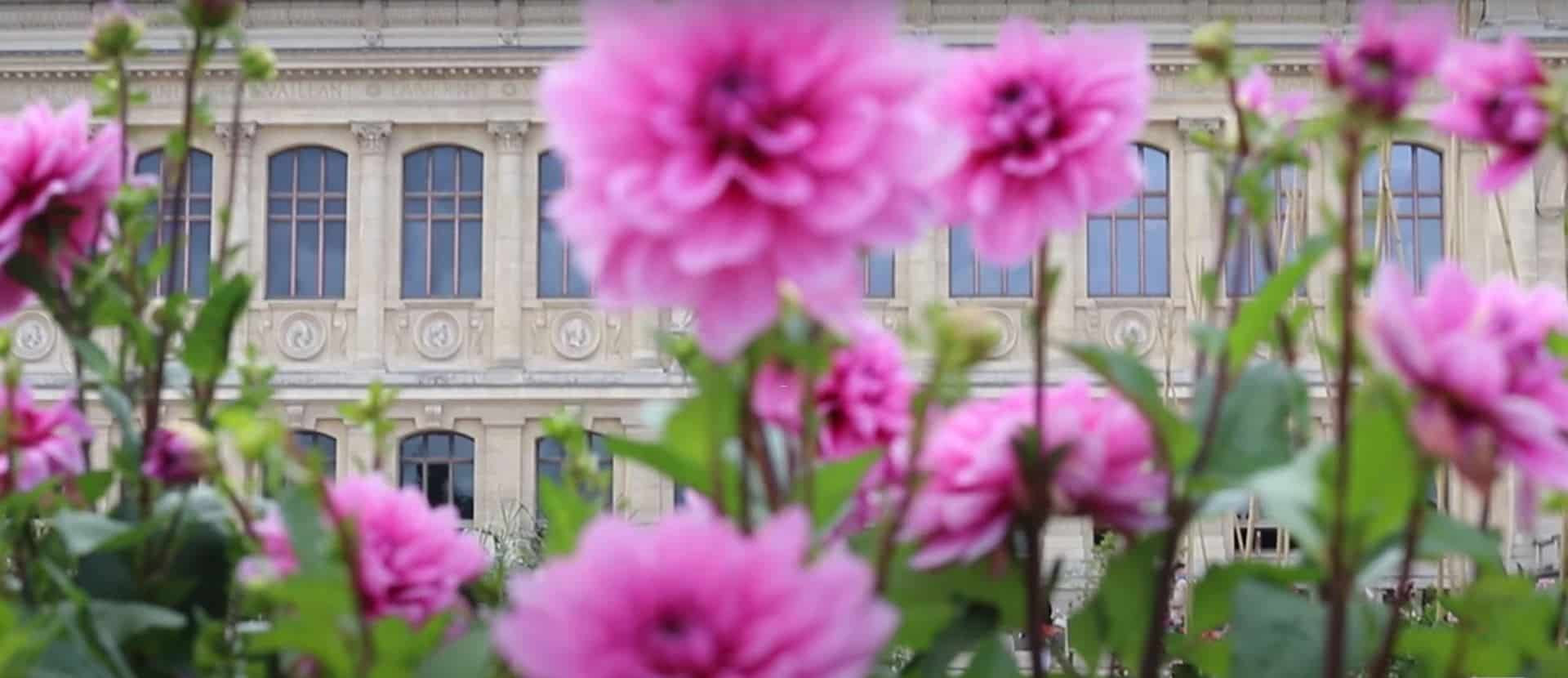
12- Paris is a Compelling Book: Jardin Des Plantes is A Heading Page
Location: 57 Rue Cuvier, 75005
How to get there: Within a three minutes walk away from Jussieu Metro Station subway station
Price: Around $7
Few cities on earth offer as much as Paris. The French capital has a history going back thousands of years. It isn’t just about historical buildings or significant museums; it includes a bunch of natural landmarks such as Jardin Des Plantes, home to many ideas to have fun with your companions to keep you amazed.
Why do you visit Jardin Des Plantes?
Jardin Des Plantes is one of the most stunning botanic gardens in Paris. It’s been nearly 360 years since Louis XIII had decided to have a royal garden to serve for medical purposes. He had ordered his entourage to collect the most high-quality herbs worldwide. And the result was so appealing that Jardin Des Plantes has become an idyllic sanctuary for France kings over centuries.
Spanning 75-acre, Jardin Des Plantes is a vast landscape, but it’s more than just a public park actually. You can find endless things to do, ranging from jogging, walking, exploring different kinds of exotic floral. Moreover, this enchanting garden has always infused the spirit of Paris with the silhouettes of artistic sights.
Things to do there:
- Take a stroll through the picture-perfect areas home to a wide assortment of gorgeous plants, including peonies, irises, roses, and much more. In addition, while relaxing, take a deep breath to inhale the inspiring fragrance of flowers.
- Suppose you want to dive into biology, history, and culture. In that case, Jardin Des Plantes is the place to do so— the Museum of Natural History has many exciting things in store for you, dinosaur fossils, archeological bones, and everything in between.
- Head to a zoo inside the park, officially named Ménagerie, embracing more than 1200 animals, including some extinct species and other engaging activities for all ages.
- A large number of exhibits are staged right here, to the backdrop of soothing music and a humorous festival atmosphere. During your tour to Jardin Des Plantes, you’ll never be bored and continuously learn something new.
- You may take a guided tour of the vast garden and delve into its past, which dates back to its days as a herbal training school. Scientists and anybody interested in studying planets thought Jardin Des Plantes to be a paradise.
Things not to do:
- Don’t trust any restaurant serving only tourists that you can find in the hot highlights of Paris. The supper you’re going to purchase isn’t worth the wealth you’re about to spend.
- Don’t come to Paris unless you have made reservations for all of the attractions ahead of time. This little advice might save you a great deal of money and time compared to going to the museum and waiting in an unending queue. In general, scheduling your arrangements will significantly impact your overall Paris experience.
- Don’t ask French people, “Man, what part of Paris are you from?” Okay, it’s a bit weird, but people who are not out of Paris don’t refer to the city in the same way you do. Here is the idea: Paris is not France, and every French person is proud of his hometown. The vast majority of individuals who live in Paris are not originally from Paris. Alternatively, if you wish to start a conversation with someone, you may skip this part and instead say, “Which area of France are you from?”
Pro Tip: Jardin Des Plantes is situated on the banks of the Seine, which means you board a boat trip to explore Paris from another angle. Indeed, Paris is a city that appears to have one foot firmly planted in the past. At the same time, you can scout out many sophisticated hotels set against ancient buildings.
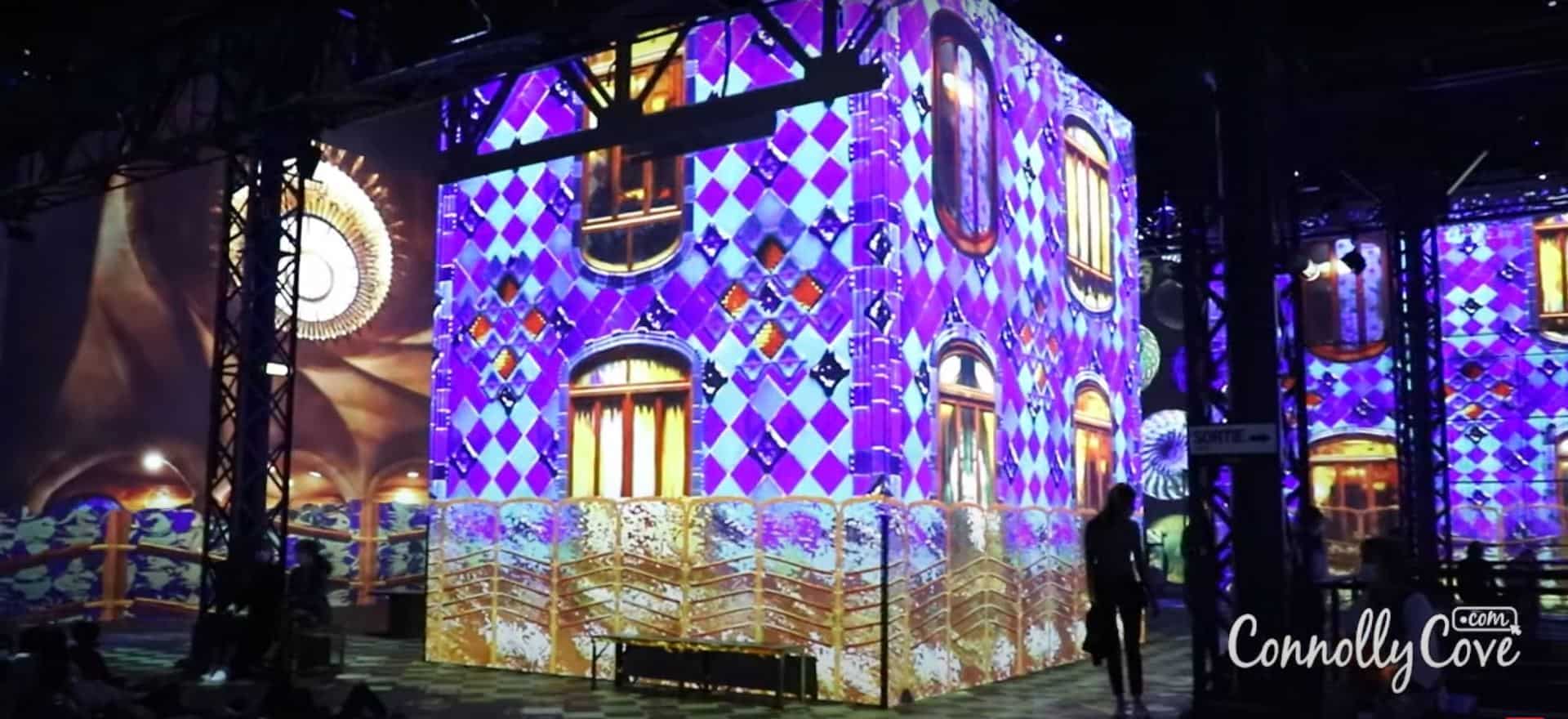
13- Your Eyes Will Sparkle: Atelier des Lumières Will Awe You
Location: 38 Rue Saint-Maur, 75011
How to get there: Within a six-minute walk away from Rue Saint-Maur subway station
Price: Around $18
Paris has made something very well, moving into the future at breakneck speed along with maintaining its legacy. You can catch futuristic skyscrapers dominating the city’s landscape, and, on the other side, traditional courtyard homes stand in stark contrast to let history express itself. To see what exactly I mean, let’s explore Atelier des Lumières.
Why do you visit Atelier des Lumières?
There is no doubt that Paris has many notable museums packed with unique artworks and eye-catching sculptures that one could spend a lifetime in the city and not do it all. But what Atelier des Lumières offers could be quite different. It’s a place that has combined art with technology perfectly.
Atelier des Lumières is not like any other traditional museum. It’s a place that amazes everyone with a sense of charm and harmony. You may go around and admire the hanging paintings and sculptures on a show; instead, you will be able to witness all of these works of art projected into the walls while listening to the most beautiful music. It could be a moment you find yourself separated from the real world.
Whether you are a big fan of art or all you know about it is the Mona Lisa, it’s a fascinating spot you will never forget.
Things to do there:
- The Workshop of Lights or Atelier des Lumières is a cultural hub in which you will know more about the most decent and prestigious works in the history of Europe. Be prepared to have plenty of time to experience all these special museum offers.
- Sock up all the romantic atmosphere inside and have some break from the bustling center. Close your eyes, take a deep breath while listening to the sweetest music, and let your soul travel through realms you didn’t know before.
- Explore the portion of Cezanne’s painting titled Lights of Provence will take you on a voyage via lights and colors. You will learn about the artist’s anguish, emotions, and sufferings and how he employed nature as inspiration to portray his sentiments and imagination.
- Discover the exhibition of the artist Vassily Kandinsky. This tour will show how this exceptional artist used his inner spirit to see the world through his own eyes and then created masterpieces that impressed the globe.
- Pay attention to all artworks that will be displayed on walls, ceilings, and even floors. Take a seat in front of one of these projected walls and watch the paintings of Renoir, Monet, Pissarro, Matisse, Dufy, Chagall. However, don’t try to play the hardball to recognize what you might see since it’s moving quickly.
Things not to do:
- Don’t pay for mineral water in Paris. Tap water is perfectly OK; thus, don’t be shy to ask a waiter for a complimentary glass of tap water even you are on a date with someone.
- Don’t be excited to climb Arc de Triomphe. The view is most probably to disappoint you with streets filled with people and vehicles. Alternately, we recommend taking the funicular and taking in the vista from Sacre- Coeur to beat the crowds and have a better view over the attractions of Paris.
- Don’t overlook small museums for prominent-named museums. All of them deserve your attention, and the good news is that these museums will get you free access to explore their treasures.
Pro Tip: Please keep in mind that the Atelier des Lumières is open until 7:00 pm, except for Fridays and Saturdays when it is open until 10:00 pm.
14- Let Your Friend Set You Up With Someone in Musée de la Vie Romantique
Location: Hôtel Scheffer-Renan – 16 rue Chaptal – 75009
How to get there: Within a three-minute walk away from Pigalle – Chaptal bus stop.
Price: Free admission to permanent galleries. You just need to pay for seasonal exhibitions if you are interested in checking them out.
In Paris, you should know the place you should visit and others you can ignore and keep walking, searching for something worthwhile. Between every two attractions, you will come across another attraction. That’s why Paris seems tricky.
To be honest, a place such as Musée de la Vie Romantique is a must-see for a reason.
Why do you visit Musée de la Vie romantique?
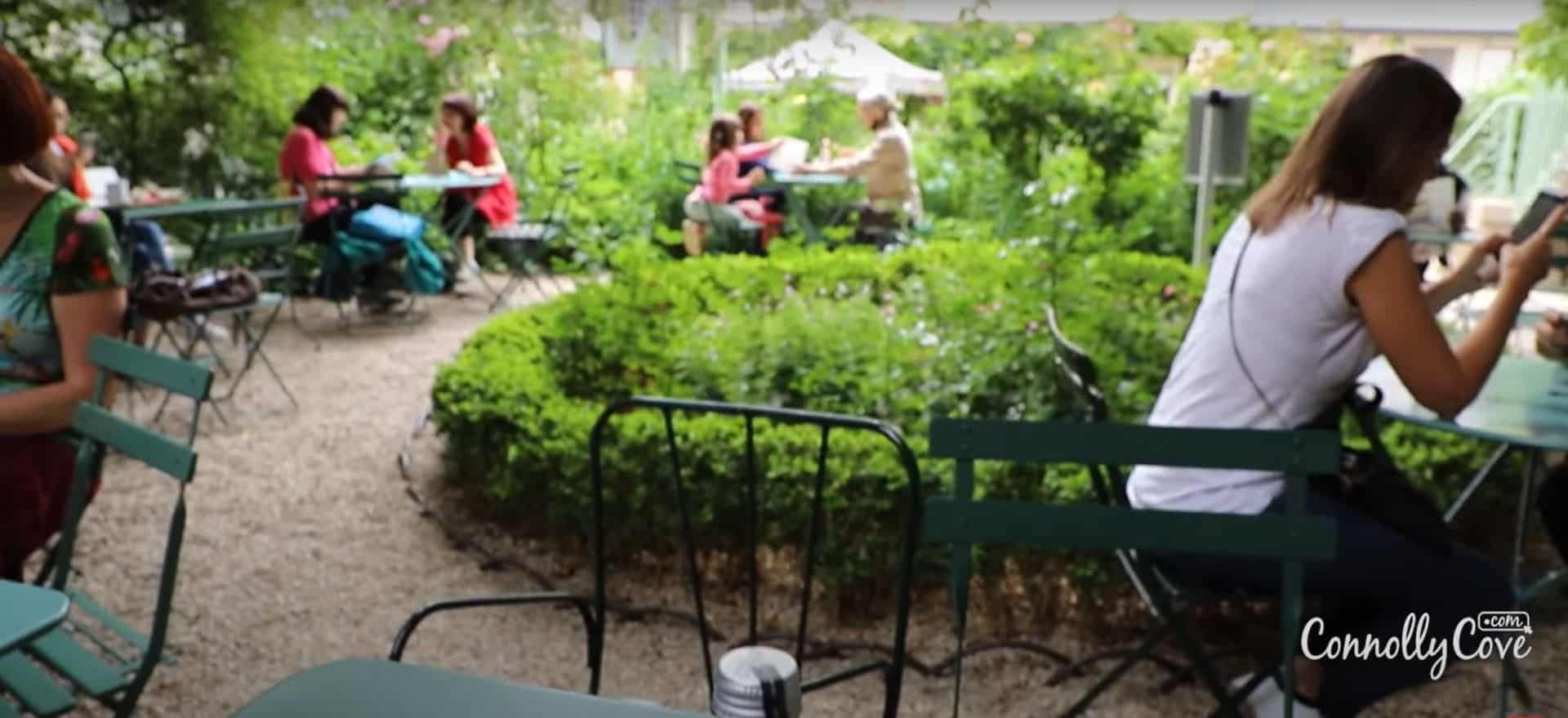
You don’t need to spend over a week in Paris, calling it a perfect place for a vacation packed with activities, exploring new places with a decent history; this is evident everywhere, even in a little historical center like the Musée de la Vie Romantique. This place is home to precious pieces dating back to the 18th and 19th centuries, including sculptures, jewelry, and furniture. Nestled between a lush garden, the museum will revive a romantic sensation while discovering its offerings.
Sip your favorite coffee in the open-air courtyard as you explore with the somebody you see. It’s something you’ll remember for the rest of your life. The Musée de la Vie Romantique would urge you to stay with them even if you had decided to ditch them before. (Kidding! But I can assure you that everything in this place is enticing and evocative of romance)
Things to do there:
- For avid culture and art, you will be fortunate enough to discover a collection of George Sand that will give you insight into her life, what inspired her, and what made her a pioneer artist lady.
- Take your time to roam around the first floor dedicated to masterpieces by Ary Scheffer, and don’t hesitate to require a toured guide to help you spot all the fascinating things this museum has to offer.
- After spending so much time inside and traversing all of the corridors, you may take a few minutes to relax at the cafeteria for a hot drink and french snacks, which is set in a beautifully landscaped garden.
- Check out outdoor exhibitions in which you can enjoy yourself in book fairs, concerts, and other fun activities for kids.
- Explore surroundings, the Nouvelle Athènes district, loaded with epic buildings that used to be a haven for artists and composers to get inspiration from this energetic area.
Things not to do:
- Don’t expect to find Paris deserted even in the dead of winter when temperatures dip below zero. Paris is a fairy tale for everyone on this planet. It doesn’t mean you should entirely cross it off your bucket list. It’s not necessary; we simply want you to know what’s coming your way.
- Don’t assume that Paris enjoys pleasant weather in the summer. Temperatures can exceed 40°C, with oppressive humidity levels. I know that Paris is still better than your home town during summer vacation. However, due to the inclement weather, you will be unable to relieve yourselves.
- Don’t even consider going to Paris in August. Aside from the extreme heat, the majority of stores and intriguing eateries are most likely to be closed during this time. What’s more, guess what! Parisians are also taking advantage of the opportunity to get away from the city in the summer.
Pro Tip: It’s a good idea not to visit the Musée de la Vie Romantique on a Monday since the tearoom “Rose Bakery” is closed.
15- Art Can Leave You Speechless: Wander Around Bourse de Commerce Paris
Location: 2 rue de Viarmes 75001
How to get there: Within a three-minute walk away from Bourse subway station
Price: Around $16, including all galleries inside.
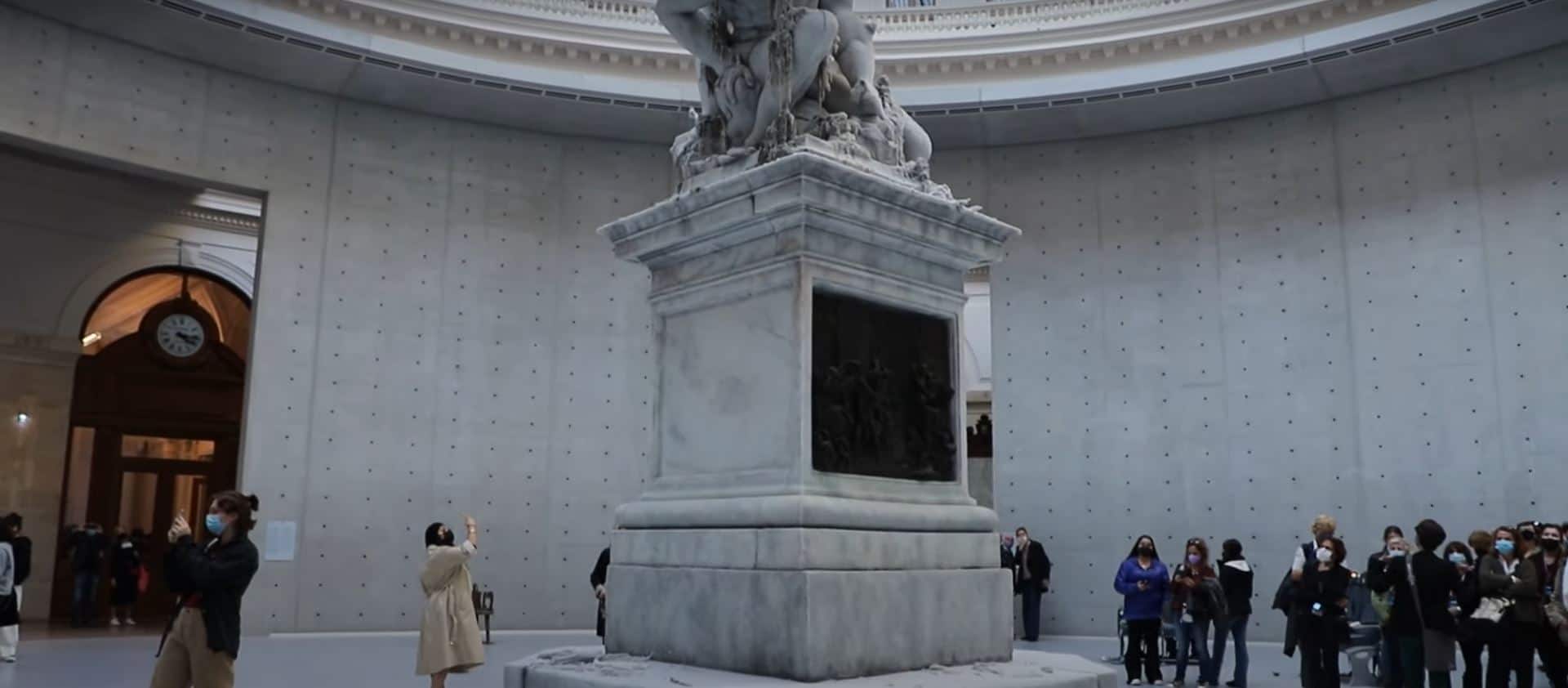
In this part, we will take you on a tour of one of the best contemporary art museums in Paris, Bourse de Commerce Paris. This museum will offer you something different and outstanding with a wide assortment of sculpture and class-world artifacts.
Why do you visit Bourse de Commerce Paris?
From the entry gate, you will be amazed by the Rotunda – created by artist Urs Fischer- a special status renovated recently due to the opening of Bourse de Commerce. With a dazzling sprawl structure, this museum stands in a lively area of Paris, right next to the Louver; however, it seems to be missed by most visitors.
The Bourse de Commerce is home to many magnificent pieces of art, some of which will actually leave you scratching your head, wondering, “What is it intended to be?” It’s a typical question since many exhibitions are so inventive that you need an explanation to understand what they’re trying to communicate. But that’s precisely what you don’t want to do!
Make sure to include any temporary exhibitions inside, like in-situ works or David Hammons’ collection, in your tour around the coordinates of the museum. To trace the process of creating every item, we encourage you to pick one of plenty of guided tours that are daily organized to make the most of your visit.
Things to do there:
- Explore as many art galleries as possible. Each corner of the Bourse de Commerce is inviting to identify different kinds of art, and it also promises you to be up to par.
- Choose between individual or group tours to avoid getting stuck with epic works, and you don’t have any idea what it exactly is.
- Join an exciting workshop for those obsessed with crafting things and how they start their journey to be a professional artist.
- Consider scheduling your visit on a day when the Bourse de Commerce is hosting concerts or conferences that are open to the public. However, if your French is inadequate, first check to see whether an audio tour is available in English.
- Whenever you feel stuffed with art galleries, head up to the Restaurant-Café La Halle aux Grain with a panoramic view of the city’s landmarks; Saint-Eustache, the Canopée des Halles, and, on the other hand, the dramatic interior of the museum.
Things not to do:
- Don’t allow your children to go about unsupervised at any time. That practically all children are frequently peaceful and well-behaved in public settings comes as no surprise. Because they are more ordered and strict with their children, French people are more likely to be distracted by the mess your children are likely to cause.
- Don’t feel obligated to tip in restaurants. It’s all up to you. If you enjoy your meal, leave some tipping to show your appreciation. If you don’t feel comfortable with that, then pay just for your meal. In general, tipping is an excellent way to express your gratitude to others.
- Do not even consider riding a train without purchasing a ticket unless you are prepared to pay a substantial fine. Offices are located at each station and are ready to stop you from checking your own. Furthermore, if you don’t have a boarding pass, the worst is yet to come, along with the ludicrous image of your country that you have helped to be portrayed.
Pro Tip: Please note that the entry fee could differ based on how many ongoing exhibitions. It could be more or less, and you have the choice to pick what you want to check.
16- Get the Best Big Pineapple Punch Cocktail in Paris: Tiger Bar

Location: 13 Rue Princesse, 75006
How to get there: Within a three-minute walk away from Blanche – Calais bus stop
Price: A drink will cost you around $9-$21
When we said that you could make us your reference while exploring Paris, we meant it. Now, we encourage you to lace up your walking shoes and let’s hit trendy restaurants and bars and when you see Tiger Bar, just stop.
Why do you visit Tiger Bar?
No bar in Paris has eclipsed Tiger Bar in terms of quality, sitting, decor, and atmosphere. We have been there to help check out the best offerings; once cocktails are not something, we can flip for it. Located in the heart of Paris, Tiger Bar is jammed with a wide collection of flavors and styles that will come to pull you back after a long walking tour.
It not only delivers more than you may expect from a tiny pub, but it also serves as a particular shrine where you can gather with your friends and snap some beautiful photographs. While preparing your excellent cocktails, you will be astounded by the abilities of the bartender.
Due to its late opening hours (open until 2:00 a.m.), it is also an excellent venue to experience the Parisian nightlife.
Things to do there:
- Try one of their best Parisian cocktails, the Oh My Dog – pepper-infused gin, and Lady on Green Cocktail.
- Post a fun story on your Instagram while the barman is catering your drink and let your people know how Paris’s bars stand out.
- Take a stroll around the nearby neighborhood and scout out some interesting hidden stores and attractions.
- Enjoy the cheerful atmosphere offered here with amazing bulb lights and trendy decor. Every bend establishes a chance for snapping.
- This pub is often popular with locals, so you can start a conversation about the most incredible things to do in Paris and get their advice on what to do next.
Things not to do:
- Don’t ignore using the metro in Paris, the best public transport mode. Metro is already connected to all parts of the French capital. It’s convenient and less costly.
- Don’t skip the best view of Paris from the Montparnasse Tower, especially at night; the sight is most likely to take your breath away.
- Don’t start eating until everyone at the table has finished his or her meal. It is considered proper French etiquette. France has played a significant role in developing world culture and has positioned itself as a protective shield against the chaos of contemporary life. Well, that’s like asking when is the perfect time to take up your fork and eat! Okay, if it will never be until you hear the words “Bon Appetit!”
Pro Tip: The best time to visit Pairs is from May to April when you can enjoy moderate weather and fewer crowds at the city’s attractions.
Frequently Asked Questions about Paris
What are the top things to do in Paris for lovers?
Coming to Paris with your lover is a brilliant idea; here’s how to make the most of your time there:
- A night walk around the Arc de Triomphe would be a romantic experience.
- Take a stroll down The Pont des Arts bridge. At night, the view from here is breathtaking.
- Take a picnic in the rain in the park beneath the Eiffel Tower.
- Luxembourg Palace and Gardens are also ideal for couples; just avoid attending on weekends.
What should I know before going to Paris?
- Most places in Paris are bustling, especially during the summer vacation and on weekends; invest in online tickets.
- Please don’t buy anything from the streets; it could be tricky to steal your money or costly.
- If you dump your cigarette on the street, you could face a fine of roughly USD 100.
- Avoid eating at restaurants in popular tourist destinations because they are excessively pricey.
- Learn some simple words in French. French people will appreciate you more when you show appreciation to their language or culture. “Merci” or “bonjour” is fair enough.

What are free activities I can do in Paris?
- Visit one of the most prestigious church in Paris, Basilique du Sacré-Coeur
- The Cathedral de Notre Dame is free, but we hope to be available for visiting soon.
- Explore Trocadéro Square, located on the other side of the Seine to the Eiffel Tower.
- Get a walking tour of Montmartre’s bohemian streets.
- Go up to the Printemps Rooftop Cafe and Terrace for a bird’s-eye view of the French capital.
How many days should I spend in Paris?
It takes at least three days to fully appreciate Paris’s architectural, natural, and historical splendors. You can also stay for a week to get the complete Paris experience.
What are the best things to do in Paris for a one-day trip?
To make it happen, you should pick places located next to each other. We recommend going to the Eiffel Tower (just walk around, don’t even think about getting in the tower.)
Then you can quickly head to the Arc de Triomphe, take a snap with the building, or maybe eat ice cream. And you might need to take a break to rest your foot, so visit the Jardin du Palais Royal, held for more than 200 years. This garden will be a great retreat to chill out far from the dynamic city. We have already made our way to explore its fantastic place. Check our video below to see what it has for you.
Now, you can say clearly” I have been in Paris!” and it was just a one-day trip.
Plan to buy your plane ticket to Paris, but don’t leave your home until you’ve read our Complete Guide to a Fantastic Vacation in France.

Eostre: The Germanic Goddess of Dawn and Spring Equinox Celebrations
Mythology and Folklore
17/04/2024

Explore the Top Hotels in County Cavan for Your Ultimate Getaway
County Cavan
17/04/2024

Irish Golf: Exploring the Top Golf Courses in Ireland
Culture Exploration
17/04/2024

Exploring the Rich Tradition of Gaelic Festivals: Samhain, Imbolc, Bealtaine, and Lughnasadh
Festivals and Events
16/04/2024

Legendary Irish Golfers: A Celebration of the Emerald Isle’s Champions
Culture Exploration
16/04/2024