
Discover the Top Turkish TV Series Locations

Updated On: April 22, 2024 by  Fatma Mohamed
Turkish TV series have gained immense popularity globally, captivating audiences with their intriguing plotlines, compelling characters, and beautiful filming locations.
The popularity of Turkish TV shows has skyrocketed worldwide, enchanting viewers with their enthralling storylines, engaging characters, and stunning filming locations. This article will examine the top 10 filming locations for the Turkish series in Türkiye.
From the bustling streets of Istanbul to the serene beaches of Çeşme, these shows have showcased Türkiye’s diverse and breathtaking landscapes. So, join us on our journey through Türkiye’s cities to discover the top Turkish TV series locations.
Table of Contents
What Makes Turkish TV Series So Popular?
Turkish series have gained massive popularity around the world due to a variety of factors. Firstly, these series have high production quality and exciting storylines. They have drawn in audiences from diverse cultural backgrounds. Additionally, Turkish TV series often depict relatable themes such as love, family, and societal issues. These factors resonate with viewers globally.
The intense emotional impact of these shows and their ability to address controversial and taboo subjects make them compelling and thought-provoking for audiences. Furthermore, the talented and attractive cast members have significantly attracted viewers to these series with their visually stunning settings and costumes.
The Turkish series provides a glimpse into the beauty and richness of Turkish culture. The accessibility of these shows through streaming platforms has also contributed to their widespread popularity. The combination of powerful storytelling, universal themes, and cultural appeal has made the Turkish series a global phenomenon.
Impact of Turkish TV Series on Global Viewers
Turkish TV series have significantly impacted viewers worldwide, transcending cultural and language barriers. These dramas’ gripping narratives and emotional depth resonate with diverse audiences, leading to a surge in international viewership. One of the most notable Turkish TV series that has captivated audiences globally is Magnificent Century or Muhteşem Yüzyıl. This historical drama series recounts the story of Suleiman the Magnificent and his era, and it is fascinating to see its grand production and intricate storytelling.
The show’s intense storyline, based on an actual historical story and complex characters, has garnered a dedicated fan base in countries across the Middle East, South America, and Europe.
Another popular Turkish TV series is Forbidden Love or Aşk-ı Memnu. This Turkish novel is the foundation for this classic drama that explores the forbidden love between Bihter and Behlül while tackling themes of passion, betrayal, and social expectations. This show has gained a following in regions such as the Balkans, North Africa, and South Asia, resonating with viewers drawn to its passionate and emotional themes.
The success of Turkish TV series on the international stage can be attributed to their high production values, compelling storytelling, and talented actors—additionally, the fantastic and impressive Turkish landscape and exciting filming locations. Türkiye has numerous natural features, historical sites, and incredible places that attract TV series makers. It inspired all the series cast to film their works on those unique outdoor filming sites.
Why Are Turkish Series So Appealing?
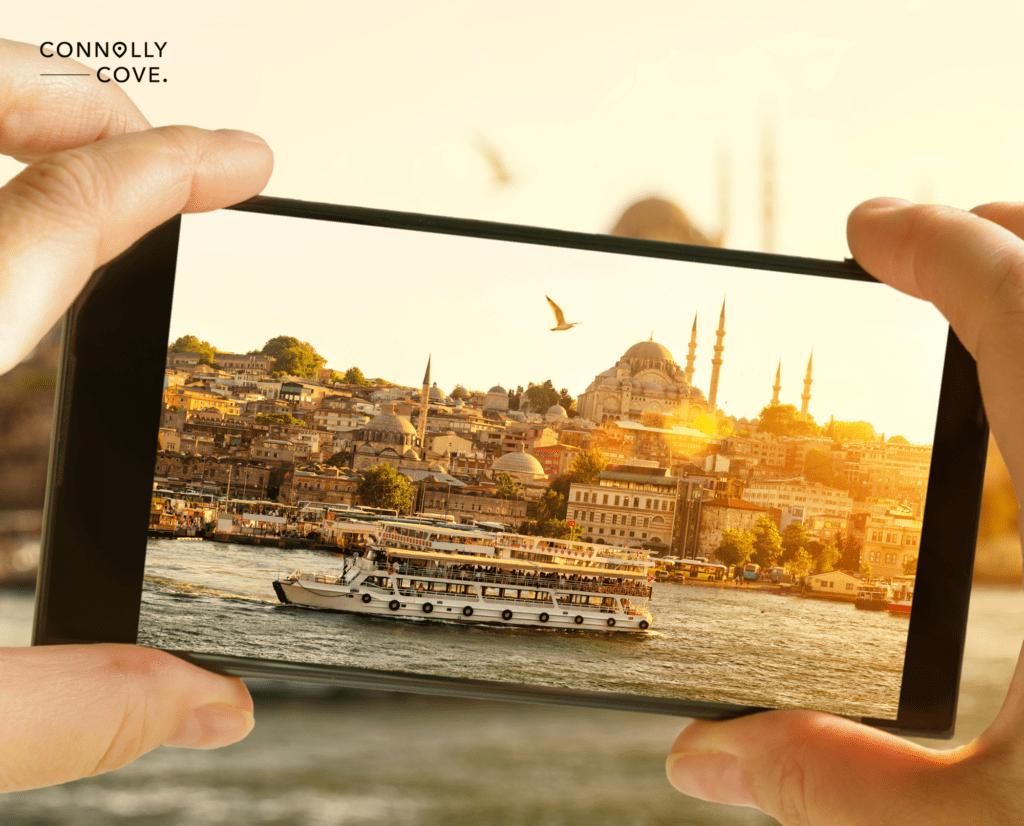
The appeal of Turkish series lies in their ability to seamlessly blend drama, romance, and history. It offers a fascinating viewing experience. The intricate story and nuanced characters add to the extensive appeal of Turkish television series. Moreover, Turkish series often feature stunning cinematography and beautiful locations— increasing overall visual charm. The production values are also high, making the shows visually attractive and enthralling.
Turkish series often use universal themes such as love, family, and societal issues, making them relatable to audiences from different cultural backgrounds. It blends traditional values, offering a unique perspective on familiar subject matter.
Turkish Series With English Subtitles: Breaking Language Barriers
Turkish series are now available with English subtitles to cater to the global audience. That makes it accessible for viewers worldwide to enjoy these compelling dramas without language constraints. Turkish series have gained international popularity recently with their attractive storylines and high production.

However, one of the main challenges for non-Turkish speakers has been the language barrier. In response, many streaming platforms and networks have begun providing Turkish series with English subtitles. It’s allowing audiences from various cultural backgrounds to immerse themselves in Turkish television’s rich and diverse world.
This shift towards accessibility has not only expanded the reach of the Turkish series but has also fostered greater cultural exchange and understanding. Viewers from different parts of the world can now appreciate the unique storytelling and cultural nuances distinct from Turkish television.
Furthermore, the availability of Turkish series with English subtitles has opened up new opportunities for collaboration and cooperation within the entertainment industry. International audiences are now more inclined to explore Turkish content, leading to potential partnerships and co-productions between Turkish and foreign production companies. These factors benefit the industry economically and encourage the exchange of creative ideas and innovative storytelling techniques.
Top Locations in Istanbul Featured in Turkish Series
Istanbul is one of the most tourist places in Türkiye and worldwide. That is why we can say it’s a perfect place to be a significant filming location for several TV series and movies. It has all the features that make it an essential filming site. We will delve into more evidence which proves the city’s beauty.
Historical Sites and Landmarks
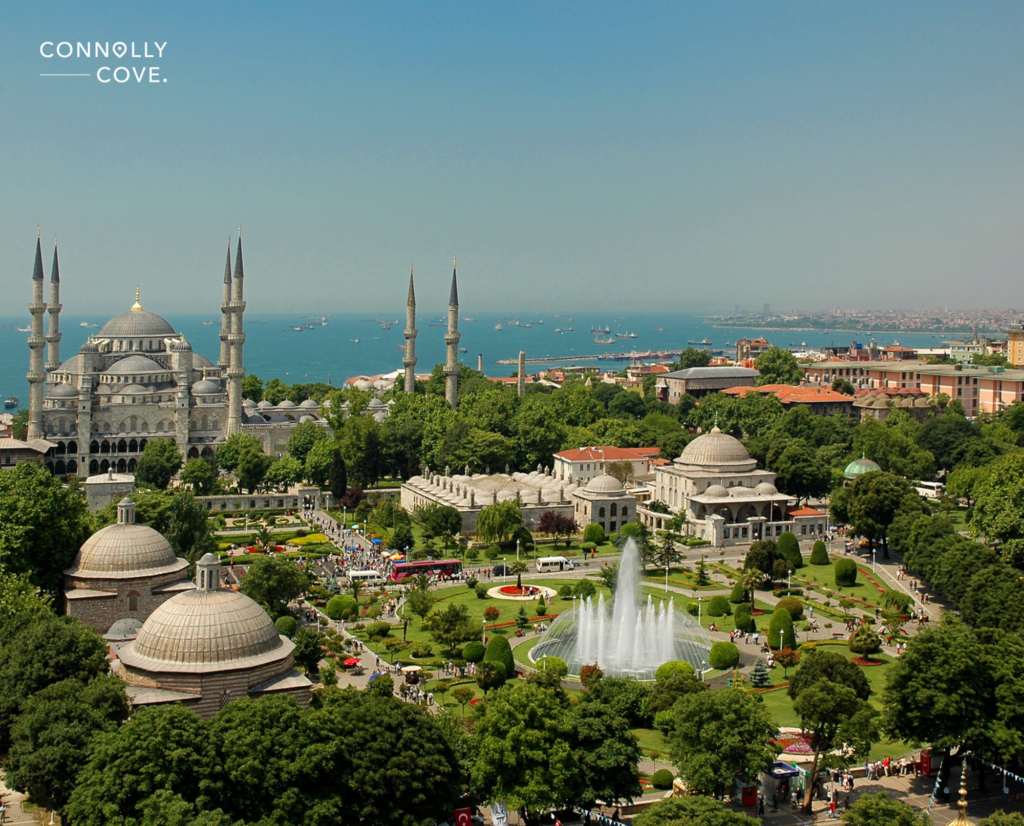
With its rich history, Istanbul has provided a stunning backdrop for numerous Turkish series. Historical sites such as the Hagia Sophia mosque, Topkapi Palace, and the Blue Mosque add depth and authenticity to the storytelling. Hagia Sophia, a former Byzantine church and Ottoman mosque, is a UNESCO World Heritage Site. It is also one of Istanbul’s most famous landmarks. Its stunning architecture and rich history have made it a favourite filming location for Turkish dramas.
Topkapi Palace, once the home of Ottoman sultans, is also one of the iconic sites featured in Turkish series, specifically those focusing on history. Its opulent rooms, courtyards, and gardens provide a beautiful setting for historical dramas.
The Blue Mosque, known for its intricate tile work and grand domes, has also been a famous filming location for Turkish series. Its stunning architecture and serene atmosphere authenticate period dramas set in the Ottoman era.
In addition to these iconic landmarks, Istanbul’s historic streets, markets, and neighbourhoods have also served as backdrops for the Turkish series, immersing viewers in the city’s vibrant history.
Modern-Day Istanbul Settings
Modern Istanbul settings, including bustling markets, vibrant neighbourhoods, and the iconic Bosphorus Strait, have been showcased in Turkish series, offering a glimpse into the contemporary urban life of the city. Istanbul’s historic and cosmopolitan city is the perfect backdrop for modern-day stories, with its fusion of ancient and modern architecture, bustling streets, and eclectic mix of cultures. The city’s vibrant neighbourhoods, such as Beyoglu, Kadikoy, and Besiktas, provide a colourful and diverse setting for unfolding contemporary narratives.
One of the most iconic features of modern Istanbul is its bustling markets, such as the Grand Bazaar and the Spice Bazaar, which offer a sensory overload of sight, sound, and smell.
These markets are a hub for commerce and mirror the city’s rich history and cultural heritage. In Turkish series, these markets are often depicted as lively and dynamic spaces where characters interact. They engage in urban life’s daily hustle and bustle.
The Bosphorus Strait, with its stunning views and majestic bridges, is another critical setting that captures the essence of modern Istanbul. The strait is a vital waterway for the city and a symbol of connection. It’s the contrast between the European and Asian parts of the city. The Turkish series often highlights its iconic beauty and significance. It offers viewers a glimpse of the city’s unique geography and maritime culture.
Off-the-Beaten-Path Gems
In addition to well-known landmarks, Turkish series have explored lesser-known gems in Istanbul, unveiling hidden courtyards, quaint cafes, and charming alleyways that add an enchanting layer to the narrative. One such hidden gem is the Kuzguncuk neighbourhood, located on the Asian side of Istanbul. This picturesque area has colourful houses, cobblestone streets, and an eclectic mix of local shops and eateries. It offers a peaceful and authentic atmosphere, away from the hustle and bustle of the more touristy areas.
Another off-the-beaten-path gem is the Fener and Balat neighbourhoods, known for their vibrant street art, historic Greek architecture, and rich cultural heritage. These areas provide a glimpse into Istanbul’s diverse and multicultural past, with their narrow alleys, and panoramic views of the Golden Horn.
For those seeking a tranquil escape, the Princes’ Islands offer a serene retreat from the city. These car-free islands are a short ferry ride from Istanbul. Crystal-clear waters, lush greenery, and Victorian-era mansions surround them. Visitors can explore the islands by horse-drawn carriage, relax on secluded beaches, and savour fresh seafood at waterfront restaurants.
Must-Watch Turkish Series With and Their Filming Locations
Turkish television has risen in recent years, producing high-quality dramas and comedies that have captivated audiences worldwide. If you’re looking for an enthralling storyline or some real historical stories, here are a few must-watch Turkish series with stunning filming locations:
Diriliş: Ertuğrul (Resurrection: Ertuğrul)
This historical series tells the story of Ertuğrul, the legendary father of Osman I, the founder of the Ottoman Empire. The drama show gained massive popularity in Türkiye and around the world. Filmed in various locations around Istanbul, including the Riva Castle, the Maslak Pavilion, and the Belgrad Forest, Diriliş: Ertuğrul offers breathtaking scenery and a fascinating glimpse into Turkish history.
Muhteşem Yüzyıl (Magnificent Century)
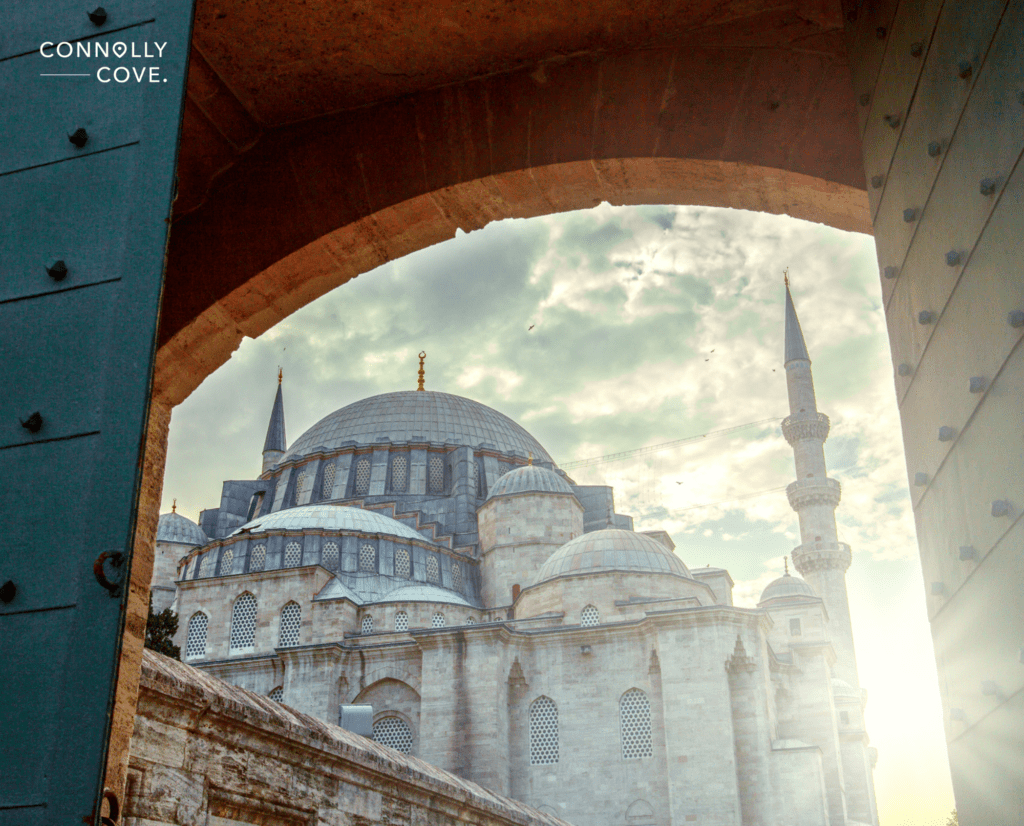
Muhteşem Yüzyıl is another epic historical drama chronicling the life and reign of Suleiman the Magnificentç He was one of the most potent Ottoman sultans. The series blends historical events and social issues in the Ottoman community during the Ottoman era. Shot in Istanbul’s iconic landmarks, such as the Topkapı Palace, the Hagia Sophia, and the Süleymaniye Mosque. The series transports viewers to the height of the Ottoman Empire’s glory.
Gümüş (Silver)
It is one of the most famous and classical Turkish series. It captivated audiences worldwide and tells the story of Mehmet, a man grappling with the devastating loss of his fiancé in a tragic accident. Overwhelmed by grief and despair, Mehmet sinks into a deep depression, leaving his grandfather deeply troubled. To rekindle Mehmet’s zest for life, his grandfather arranges a marriage with Gümüş, Mehmet’s childhood sweetheart.
As Mehmet and Gümüş embark on their married life, they find themselves entangled in a whirlwind of unforeseen events, from assassination attempts to kidnappings. Amidst these trials and tribulations, their love for each other grows more robust, giving them the strength to face adversity.
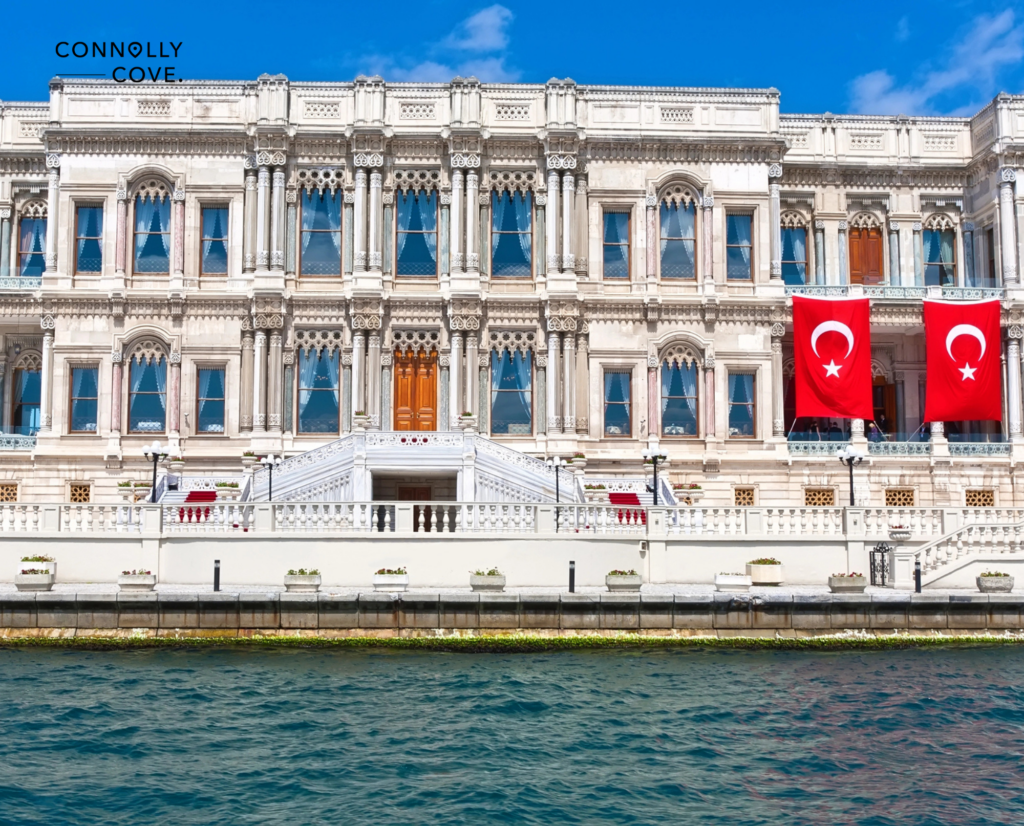
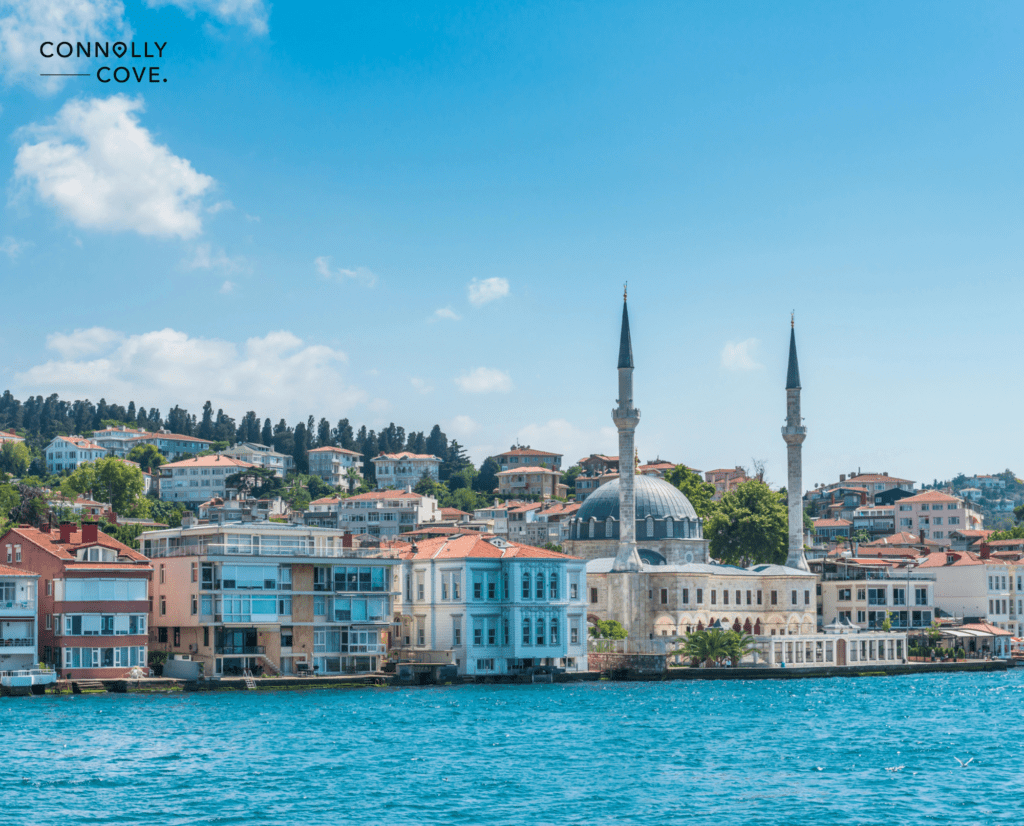
Adding to the show’s allure is its stunning backdrop, featuring a magnificent villa nestled along the Bosphorus Strait. Known as the Abud Efendi Villa, this architectural gem was constructed between 1835 and 1855. In 1858, the French Baron Vandeuvre occupied the villa, calling it home for four decades. Today, the villa is a testament to its enduring beauty and historical significance.
Kara Sevda (Endless Love)
For those who love romantic dramas, Kara Sevda is a must-watch. This series tells the story of Kemal and Nihan, two star-crossed lovers from different social classes. Filmed in picturesque locations across Istanbul, including the Galata Tower, the Beşiktaş Ferry Port, and the Rumelihisarı Fortress, Kara Sevda’s captivating storyline is complemented by the city’s romantic charm.
Fatmagül’ün Suçu Ne? (What Is Fatmagül’s Fault?)
Fatmagül’ün Suçu Ne?, a captivating Turkish drama series, delves into the harrowing journey of Fatmagül, a young woman whose life is shattered by a devastating assault. As the narrative unfolds deliberately, viewers are drawn into Fatmagül’s unwavering quest for justice. This pursuit becomes increasingly arduous with each passing episode.
The series commences with its picturesque backdrop along the Aegean Sea coast before shifting to the vibrant cityscape of Istanbul. Through its compelling storyline, it tackles sensitive societal issues, including the entrenched patriarchal norms, the pervasive influence of wealth, the prevalence of forced marriages, and the complex dynamics of family relationships. These poignant themes elevate the series to a higher level, solidifying its position among Türkiye’s most critically acclaimed television productions.
The series’ filming locations add to its allure, particularly the picturesque town of Urla in İzmir, which gained widespread recognition following the show’s success. Additionally, viewers will be captivated by the Anatolian Castle district. This historic landmark has stood the test of time, lending its name to the surrounding neighbourhoods. Glimpses of this remarkable site, known historically as Güzelce Hisar, are seamlessly interwoven into the show’s scenes.
FAQs
Where can you watch a Turkish series with English subtitles?
Several popular streaming platforms offer a wide selection of Turkish series with English subtitles, including Netflix, Amazon Prime, and Hulu, allowing viewers to access these captivating dramas from anywhere.
Where are most Turkish series filmed?
Turkish series are mainly filmed in Istanbul, the country’s largest city and cultural hub, due to its rich history, diverse neighbourhoods, and stunning scenery. Beyond Istanbul, other popular filming locations for the Turkish series include Aegean and Mediterranean coastal towns, Anatolian villages, and historical sites across Türkiye.
Breton Language: Safeguarding the Rhythmic Pulse of Brittany’s Celtic Heart
Culture Exploration
29/04/2024
The Enchanting Helen’s Bay Beach – Northern Ireland
Northern Ireland
29/04/2024

Discover The Mythical Valkyrie Horses: Steeds of Legend
Mythology and Folklore
28/04/2024

Exploring the Concept of Anam Cara: A Celtic Perspective on Soul Friendship
Culture Exploration
29/04/2024

Kensington Palace – London Attractions
England
29/04/2024