
Skip to content
Updated on: by Avatar image of authorFatma Mohamed

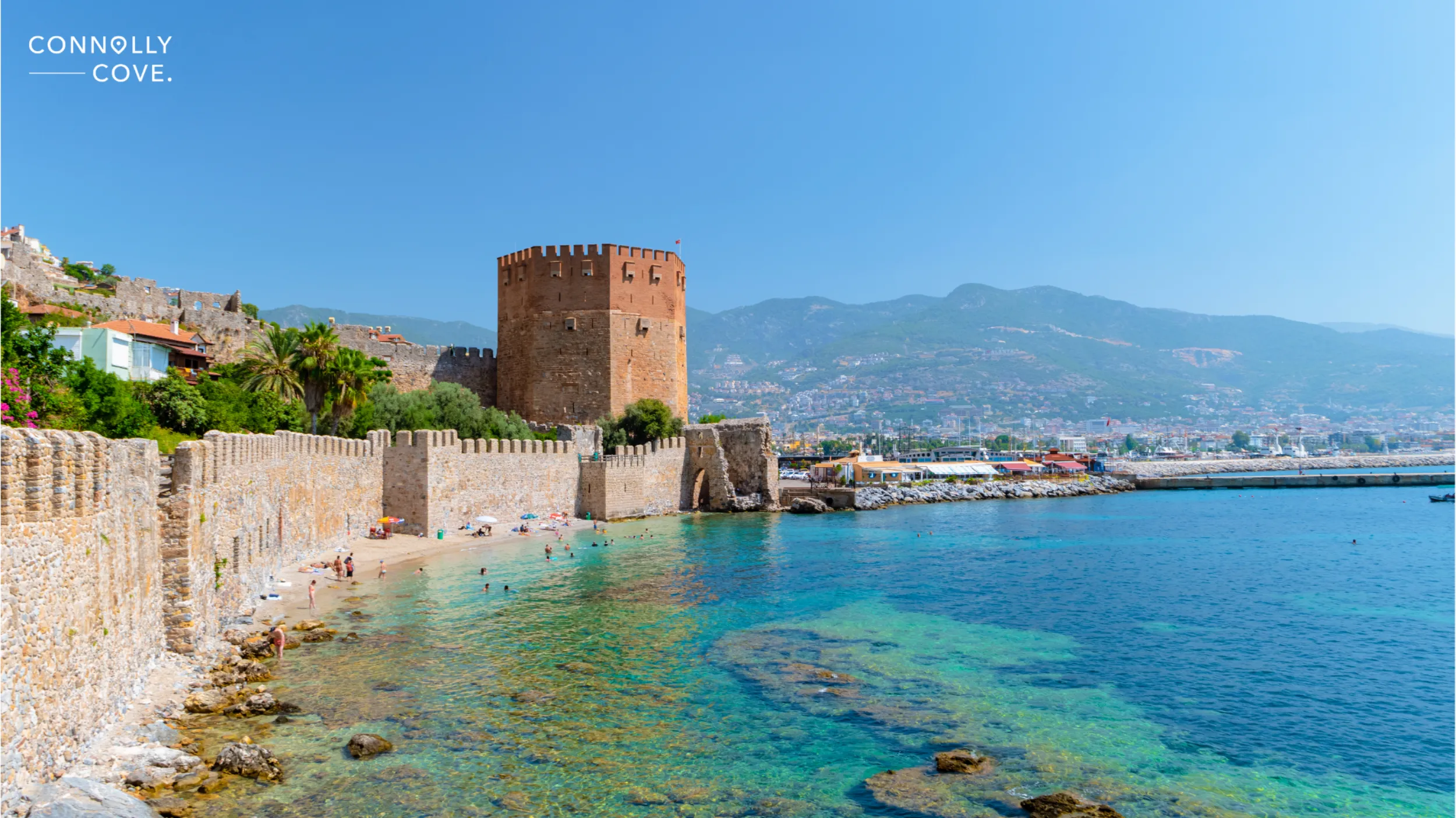
Discover Antalya, Türkiye’s spectacular gem nestled along the picturesque Mediterranean coastline. This stunning destination has rightfully earned its title as the capital of tourism in Türkiye through its perfect blend of natural beauty, rich history, and world-class visitor experiences. With crystal-clear turquoise waters and golden sandy beaches framed by the dramatic Taurus Mountains, it’s no wonder this coastal paradise has become a magnet for travellers worldwide.

Antalya’s allure spans millennia, with a history dating back thousands of years. From ancient Roman ruins to Ottoman-era architecture, the region offers an extraordinary historical journey. Visitors can wander through Kaleiçi—the charming old town—where narrow cobblestone streets reveal beautifully preserved historic buildings, boutique shops, and authentic Turkish restaurants nestled among centuries-old structures.

But Antalya offers far more than just history—it provides a complete travel experience. With exceptional accommodation options ranging from luxurious resorts to boutique hotels, plus activities suited to every type of traveller, this Mediterranean jewel delivers unforgettable holidays. Whether you’re seeking adventure, relaxation, cultural immersion, or culinary delights, Antalya rewards visitors with experiences that capture the essence of Türkiye’s renowned hospitality.

Why Antalya Rules Tourism: The Story Behind the Capital

Antalya’s designation as Türkiye’s tourism capital isn’t merely a marketing tagline—it’s a status earned through a unique combination of natural advantages, strategic development, and cultural significance. Understanding the elements that have elevated this coastal city provides valuable context for appreciating the depth of experiences available to visitors.

A Legacy of Hospitality: From Ancient Lycians to Modern Resorts

Hospitality in Antalya isn’t a modern invention—it’s woven into the very fabric of its history. Millennia before the first international flights landed, this coastline served as a vital hub for ancient civilisations. The Lycians, Greeks, and Romans all recognised its strategic importance and established thriving settlements here.

When Roman Emperor Hadrian visited in 130 AD, the city constructed a magnificent triple-arched gate in his honour, now one of Antalya’s iconic landmarks. This wasn’t merely a structure but a statement of welcome, creating a grand entrance to a prosperous and significant city. This ancient tradition of welcoming visitors continues today in the genuine warmth of local interactions and the pride Antalyans take in sharing their home with guests.

Natural Splendour: The Perfect Setting for Tourism Excellence

Nature has blessed Antalya abundantly. The province boasts over 640 kilometres of coastline, featuring everything from broad, sandy beaches like Lara Beach to secluded coves hidden at the foot of dramatic cliffs. The region enjoys a privileged microclimate thanks to the sheltering embrace of the Taurus Mountains, ensuring long, sun-filled summers and mild winters that make it an ideal year-round destination.

This remarkable natural setting provides the foundation for Antalya’s tourism success. The crystal-clear waters of the Mediterranean create perfect conditions for swimming, diving, and water sports, while the mountainous backdrop offers opportunities for hiking, canyoning, and exploring ancient sites in spectacular settings. Meanwhile, the region’s fertile soil produces the vibrant local ingredients that form the basis of its celebrated cuisine.

Tourism Powerhouse: The Economic Engine of Türkiye’s Travel Industry

The statistics behind Antalya’s tourism dominance are impressive. In recent years, the city has consistently welcomed over 15 million foreign tourists annually—a figure that rivals many entire countries and accounts for approximately one-third of all visitors to Türkiye. Antalya Airport (AYT) ranks among the Mediterranean’s busiest transport hubs, with direct flights from over 100 international destinations.

This remarkable visitor volume has created a tourism economy of immense scale. The sector supports hundreds of thousands of jobs and has driven the development of world-class infrastructure. For travellers, this translates into exceptional value and choice, with accommodation options spanning from budget-friendly apartments to ultra-luxury resorts, ensuring the perfect stay regardless of budget or preference.

Essential Experiences: Beyond the Postcard Views

Antalya offers experiences that go far beyond the typical tourist checklist. Here’s how to discover the authentic heart of Türkiye’s tourism capital:

Kaleiçi: A Living Museum of History and Culture

Antalya’s historic quarter, Kaleiçi, serves as the cultural and historical heart of the city. This remarkably preserved district offers visitors a journey through time, with structures dating from the Roman, Byzantine, Seljuk, and Ottoman periods creating a living architectural museum.

Wandering through the labyrinthine streets reveals hidden courtyards, historic homes converted into boutique hotels, and atmospheric restaurants tucked away in centuries-old buildings. Hadrian’s Gate (Üçkapılar) stands as the district’s most iconic landmark—an imposing triple-arched Roman gateway constructed in 130 AD to commemorate Emperor Hadrian’s visit.

For the most authentic experience, visit early morning before the crowds arrive or in the evening when the old stone walls are bathed in golden light. Don’t miss Fluted Minaret (Yivli Minare), the symbol of Antalya, and the beautifully restored harbour where traditional wooden gulets bob alongside modern yachts.

Sun and Sea: The Stunning Beaches of Antalya

Antalya’s coastline offers some of the Mediterranean’s most beautiful beaches, with options to suit every preference. Konyaaltı Beach, stretching west of the city centre for 7 kilometres, features pebbled shores and crystal-clear waters against the dramatic backdrop of the Taurus Mountains. This Blue Flag-certified beach offers excellent facilities, including restaurants, changing rooms, and water sports centres.

East of the city lies Lara Beach, famous for its golden sands extending for 12 kilometres. This family-friendly destination hosts many of Antalya’s luxury resorts and features a promenade lined with restaurants and cafes. For those seeking more secluded experiences, the beaches around Phaselis combine historical ruins with pristine natural beauty, while Kaputaş Beach, though requiring a day trip, rewards visitors with one of Türkiye’s most photographed coastal scenes.

Whichever beach you choose, the remarkably clear Mediterranean waters provide perfect conditions for swimming and snorkelling from April through November.

Ancient Wonders: Historical Sites That Tell Antalya’s Story

Beyond Kaleiçi, the wider Antalya region offers an extraordinary concentration of archaeological treasures that showcase its historical significance.

The ancient city of Perge, located 15 kilometres east of Antalya, reveals remarkably preserved Roman urban planning, with collonaded streets, a well-preserved stadium, and impressive bath complexes. Just 30 kilometres from the city centre, the ancient theatre at Aspendos stands as one of the best-preserved Roman theatres in the world, still hosting performances in its 15,000-seat auditorium with near-perfect acoustics.

For those willing to venture further, Side combines a charming resort town with spectacular ruins, including the Temple of Apollo, dramatically positioned on a peninsula overlooking the Mediterranean. Meanwhile, the mountain-top city of Termessos, nestled 1,000 meters above sea level in a national park, offers both archaeological wonders and breathtaking natural scenery.

Natural Splendour: Discovering Antalya’s Environmental Treasures

Antalya’s natural wonders rival its historical attractions, offering visitors spectacular landscapes and outdoor experiences. The Düden Waterfalls provide one of the city’s most impressive natural sights, with the Lower Düden creating a dramatic 40-meter cascade directly into the Mediterranean Sea—best viewed from a boat tour or the clifftop park.

Adventure seekers should explore the Köprülü Canyon National Park, where the emerald-green Köprüçay River cuts through limestone mountains, creating perfect conditions for white-water rafting. The park also offers hiking trails through pine forests and past ancient ruins.

For a unique natural phenomenon, visit the eternal flames of Chimaera at Yanartaş, where natural gas vents in the mountainside create continuously burning flames that have been alight for at least 2,500 years—believed to have inspired the ancient Greek myth of the fire-breathing Chimaera.

Culinary Adventures: Tasting the Flavours of Antalya

Turkish cuisine ranks among the world’s great culinary traditions, and Antalya offers a distinctive regional interpretation that showcases the bounty of its Mediterranean location and fertile hinterland.

Beyond the Kebab: Must-Try Local Specialities

While Turkish cuisine is often associated internationally with kebabs and baklava, Antalya’s culinary landscape offers much more diverse and distinctive flavours:

  • Piyaz: Antalya’s signature dish features white beans, tahini, hard-boiled eggs, and onions dressed with vinegar and olive oil—a refreshing accompaniment to grilled meats or a satisfying vegetarian option.
  • Şiş Köfte: These seasoned meatball skewers represent Türkiye’s love for grilled meats, featuring a blend of minced lamb and beef with herbs and spices, served with fresh bread and grilled vegetables.
  • Gözleme: Often called “Turkish pancakes,” these flatbreads are rolled thin, filled with ingredients like cheese, spinach, or minced meat, then cooked on a traditional sac griddle—perfect for a quick lunch or snack.
  • Arap Kadayıf: This delightful dessert showcases the sweet side of Antalya’s culinary traditions, featuring a sandwich of crispy shredded pastry filled with clotted cream and pistachios, soaked in sweet syrup.
  • Bergamot Marmalade: A local speciality that highlights Antalya’s agricultural heritage, this aromatic preserve made from local citrus is typically served with Turkish tea.

Market Experiences: Where Food and Culture Meet

For an authentic culinary experience, visit Antalya’s vibrant markets where local produce, spices, and traditional foods create a feast for the senses. The Old Bazaar (Kaleiçi) offers atmospheric shopping for spices, teas, and local crafts, while the large farmers’ markets held in different neighbourhoods throughout the week provide a glimpse into local life and the chance to sample seasonal produce.

Don’t miss the Tuesday market in Lara or the Friday market in Konyaaltı, where farmers from surrounding villages bring their freshest products. Look for local specialities like Antalya oranges, pomegranates, and the distinctive local pepper, “Antalya Patlıcanı.”

Coffee and Tea Culture: Understanding Turkish Hospitality

In Turkish culture, offering çay (tea) or kahve (coffee) represents more than refreshment—it’s a fundamental expression of hospitality. Traditional Turkish coffee, prepared by simmering finely ground coffee beans with sugar in a cezve (small copper pot), creates a rich, strong brew served in small cups with the grounds settling at the bottom.

Turkish tea culture is equally significant, with the characteristic tulip-shaped glasses containing strong, brick-red çay that’s an essential part of daily life. For the full experience, visit a traditional tea garden like Karaalioğlu Park’s tea garden, where locals gather to socialise while enjoying spectacular Mediterranean views.

Practical Travel Guide: Planning Your Perfect Antalya Adventure

Creating a successful Antalya trip requires some practical planning. Here’s what you need to know:

Best Times to Visit: Understanding Antalya’s Seasons

Antalya enjoys a Mediterranean climate with hot, dry summers and mild, rainy winters. The peak tourist season runs from June through August, when temperatures typically range from 30-35°C (86-95°F), sea temperatures are perfect for swimming, and sunshine is virtually guaranteed. However, this period also brings higher prices and more crowded attractions.

For many visitors, the ideal times to visit are the shoulder seasons: April-May and September-October. During these months, temperatures remain pleasantly warm (20-28°C/68-82°F), the sea is still comfortable for swimming, and you’ll encounter fewer crowds and lower prices while enjoying perfect conditions for sightseeing and outdoor activities.

Winter (November-March) brings cooler temperatures (8-18°C/46-64°F) and increased rainfall, but still offers many sunny days. This period provides excellent value for accommodation and a more authentic experience of local life, though some seasonal businesses may close.

Getting Around: Transportation Options in Antalya

Antalya offers various transportation options to suit different travel styles:

  • Public Transportation: Antalya’s efficient bus network (Antalya Ulaşım) connects major neighbourhoods and attractions. The convenient tram system serves the city centre and extends to Konyaaltı Beach. Tickets are affordable, with contactless payment options available.
  • Dolmuş: These shared minibuses follow fixed routes throughout the city and to surrounding towns and beaches. They operate on a hop-on-hop-off basis and provide an economical way to travel like locals.
  • Taxis: Widely available and relatively affordable by European standards, taxis should use meters. For peace of mind, ask your hotel to arrange taxis or use reputable ride-hailing apps.
  • Car Rental: Particularly useful for exploring the wider region, car rental options are plentiful at the airport and in the city centre. Major international agencies operate alongside local companies, offering competitive rates.
  • Guided Tours: For hassle-free exploration, numerous companies offer day trips to major attractions with English-speaking guides and transportation included.

Accommodation: Where to Stay for Every Budget

Antalya caters to all types of travellers with diverse accommodation options:

  • Luxury Resorts: The Lara Beach area, often called the “Turkish Riviera,” hosts some of Türkiye’s most luxurious all-inclusive resorts, featuring private beaches, multiple pools, and extensive facilities. Standouts include Titanic Beach Lara and Rixos Premium Belek.
  • Boutique Hotels: For character and charm, Kaleiçi’s converted Ottoman houses offer atmospheric accommodation in the heart of the old town. Properties like Tuvana Hotel and Puding Marina Residence combine historical architecture with modern comforts.
  • Mid-Range Options: The Konyaaltı area provides excellent value with modern hotels offering sea views and good amenities at reasonable prices. Consider options like the SU Hotel or the Sealife Family Resort.
  • Budget Accommodations: Numerous well-reviewed hostels and guesthouses cater to budget travellers, particularly in and around Kaleiçi, with dormitory beds starting from €15-20 per night.
  • Apartment Rentals: For longer stays or family travel, self-catering apartments offer space and flexibility, with many options available in residential neighbourhoods like Konyaaltı and Lara.

Digital Convenience: Staying Connected in Antalya

Staying connected while travelling has become essential for navigation, translation, and sharing experiences. Turkey offers several options for visitors:

  • Mobile Data: Purchase a local SIM card from providers like Turkcell, Vodafone, or Türk Telekom at the airport or in city shops (passport required). Tourist packages typically include generous data allowances at reasonable prices.
  • Wi-Fi Access: Most hotels, restaurants, and cafés offer free Wi-Fi, though connection quality varies. Premium hotels typically provide reliable high-speed connections.
  • E-Services: Many local services now offer digital interfaces, from museum ticket purchases to restaurant ordering systems, often with English options available.

Sample 3-Day Itinerary: Making the Most of a Short Stay

Day 1: City Exploration

  • Morning: Discover Kaleiçi (Old Town), visiting Hadrian’s Gate and the historic harbour
  • Lunch: Sample local cuisine at a traditional restaurant in Kaleiçi
  • Afternoon: Visit Antalya Museum to understand the region’s rich history
  • Evening: Enjoy sunset and dinner at the clifftop Karaalioğlu Park

Day 2: Natural Wonders

  • Morning: Visit the impressive Lower Düden Waterfall, where it cascades into the Mediterranean
  • Lunch: Seafood meal at Lara Beach
  • Afternoon: Relax and swim at Konyaaltı or Lara Beach
  • Evening: Explore the modern city centre and Antalya’s excellent shopping options

Day 3: Ancient Sites

  • Morning: Day trip to the ancient theatre at Aspendos
  • Lunch: Traditional meal in a village restaurant
  • Afternoon: Explore the extensive ruins at Perge
  • Evening: Farewell dinner at the Old Harbour, reflecting on your Antalya adventures

Creating Digital Memories: Capturing Your Antalya Experience

In today’s connected world, documenting travel experiences has become an integral part of the journey itself. Antalya, with its photogenic landscapes and historical richness, offers exceptional opportunities for creating compelling digital content, whether for personal memories or social sharing.

Photography Hotspots: Where to Capture Antalya’s Essence

Antalya provides countless opportunities for breathtaking photography:

  • Old Harbour at Sunset: The combination of traditional wooden boats, historic stone walls, and the golden light of sunset creates a magical atmosphere that captures the essence of Mediterranean beauty.
  • Hadrian’s Gate: This ancient Roman triumphal arch provides a perfect frame for street photography, especially in early morning light when the marble glows and the crowds are thin.
  • Düden Waterfalls: Capture the dynamic power of water against lush greenery at the Upper Düden, or the dramatic plunge into the Mediterranean at Lower Düden—best photographed from boat tours offering the perfect vantage point.
  • Konyaaltı Beach with Mountain Backdrop: The juxtaposition of turquoise waters against the dramatic Taurus Mountains creates stunning landscape opportunities, particularly at golden hour.
  • Termessos Ancient Theatre: The mountain-top amphitheatre offers both archaeological interest and panoramic vistas of the surrounding national park, perfect for capturing the blend of human history and natural beauty.

Professional photographers recommend visiting these locations during the “golden hours” after sunrise or before sunset for the most flattering light conditions.

Video Content: Bringing Your Antalya Journey to Life

Video captures the dynamic essence of travel experiences in ways that still photography cannot. Consider these approaches for creating compelling video content:

  • Time-lapse sequences of sunrise over the Mediterranean or the bustling activity of the Old Harbour
  • Slow-motion footage of the Düden Waterfalls or waves breaking on Antalya’s beaches
  • Walking tours through Kaleiçi’s narrow streets, capturing the architectural details and ambient sounds
  • Drone footage (where legally permitted) showcasing the dramatic coastline or ancient sites from above
  • Food experiences highlighting the colours, textures, and preparation of local specialities

Remember that authentic, in-the-moment content often resonates more strongly than perfectly polished productions. Capture your genuine reactions to new experiences for the most engaging results.

Social Media Strategy: Sharing Your Antalya Adventure

For those looking to create a cohesive narrative of their Antalya journey across social platforms:

  • Instagram: Focus on high-impact visual content with location tags and relevant hashtags like #AntalyaTurkey, #TurkishRiviera, and #DiscoverAntalya to increase discoverability.
  • TikTok/Reels: Create short, engaging videos showcasing unique experiences—perhaps learning to prepare Turkish coffee, haggling in the bazaar, or the sensory experience of visiting a hammam.
  • Pinterest: Curate visual guides organised by themes like “Antalya Beaches,” “Ancient Ruins,” or “Turkish Food” to inspire future travellers.
  • Blog/Vlog: Develop more detailed content sharing practical tips, hidden gems, and personal reflections that go beyond social media’s space limitations.

Final Thoughts: Discover Antalya

As you plan your journey through Antalya, prepare to be captivated by a destination that truly delivers on its promise as Türkiye’s tourism capital. The unique combination of spectacular natural beauty, remarkably preserved history, exceptional hospitality, and authentic cultural experiences creates a destination greater than the sum of its already impressive parts.

Whether you’re soaking in the Mediterranean sun on a pristine beach, standing in awe before ruins that have witnessed millennia of human history, savouring the complex flavours of Turkish cuisine, or simply wandering the atmospheric streets of Kaleiçi as the call to prayer echoes across the old stone walls, Antalya offers moments of discovery and delight that define truly memorable travel.

The region’s continued investment in tourism infrastructure, combined with a genuine commitment to preserving its natural and cultural heritage, ensures that Antalya will remain a premier destination for discerning travellers seeking authenticity alongside comfort. Come discover why this Mediterranean jewel has rightfully earned its crown as Türkiye’s Capital of Tourism.

Frequently Asked Questions About Antalya

Planning your perfect Antalya holiday? We’ve answered the most common questions travellers ask about Türkiye’s tourism capital. From practical travel tips to insider advice, these quick answers will help you make the most of your Mediterranean adventure.

When is the best time to visit Antalya?

Spring (April-May) and autumn (September-October) offer ideal weather with fewer crowds and lower prices. Summer (June-August) is perfect for beach holidays but busier, while winter (November-March) is mild and excellent value.

How many days do you need in Antalya?

A minimum of 3-4 days allows you to explore the city centre, beaches, and major historical sites. Add 2-3 more days if you wish to discover surrounding attractions and natural wonders.

Is Antalya expensive to visit?

Antalya offers excellent value compared to most Mediterranean destinations. Budget travellers can enjoy the city from £30/€35 per day, while mid-range experiences cost around £60-100/€70-120 daily.

Is Antalya safe for tourists?

Yes, Antalya is generally very safe for tourists. Take standard travel precautions as you would in any destination. The tourism police speak multiple languages and are specifically trained to assist visitors.

Do people speak English in Antalya?

English is widely spoken in tourist areas, hotels, and restaurants. Learning a few basic Turkish phrases is appreciated but not essential for getting around.

What are the must-see attractions in Antalya?

Kaleiçi (Old Town), Hadrian’s Gate, Düden Waterfalls, Antalya Museum, and the beaches of Konyaaltı and Lara are essential. Day trips to ancient sites like Perge and Aspendos are highly recommended.

How do I get from Antalya Airport to the city centre?

Options include airport shuttle buses (cheapest), taxis (fixed fare system, approximately £15/€18), and pre-arranged hotel transfers. The journey takes 20-30 minutes.

Leave a comment

Your email address will not be published. Required fields are marked *