Searching for the best things to do in Al Ain? Discover the UAE’s hidden gem, where ancient oases and dramatic mountains create a cultural landscape unlike anywhere else in the Emirates. Known as the “Garden City,” Al Ain offers a refreshing contrast to Dubai’s futuristic skyline, revealing the authentic soul of Emirati heritage through its UNESCO World Heritage sites, traditional markets, and natural wonders.
From exploring the 3,000-year-old falaj irrigation systems to witnessing camel trading traditions that predate the oil boom, Al Ain rewards cultural explorers with experiences impossible to find in the UAE’s more famous destinations. This comprehensive guide shares 25 unforgettable things to do in Al Ain that showcase the city’s unique blend of history, nature, and living traditions.
Table of Contents
Things to Do in Al Ain: Discovering the Cultural Heart of the Emirates
Looking for unforgettable things to do in Al Ain? Step away from Dubai’s soaring skyscrapers and Abu Dhabi’s modern opulence into a world where time moves differently. Al Ain—the “Eye of the Spring”—offers a mesmerising blend of ancient heritage and natural beauty that tells the true story of Emirati culture before oil transformed the region.
As you wander beneath thousand-year-old date palms, hear the distant calls of the camel market, and feel the cool waters of the ancient falaj irrigation system, you’ll experience an Arabia that few tourists ever discover. This UNESCO-protected oasis city, just 160 kilometres from Dubai, is where you’ll find the soul of the Emirates preserved in ochre fort walls and verdant palm groves.
This comprehensive guide shares 25 incredible things to do in Al Ain, from UNESCO World Heritage sites to authentic Bedouin experiences, providing you with insider knowledge for an unforgettable journey into the Emirates’ cultural heart. Whether you’re planning a day trip from Dubai or a longer cultural immersion, Al Ain offers the perfect blend of educational enrichment and memorable adventures for every type of traveller.
Heritage and Historical Treasures: Connecting with Al Ain’s Past
Step back in time with these essential historical things to do in Al Ain, where the UAE’s most significant cultural sites reveal stories spanning thousands of years. From UNESCO-protected oases to royal palaces and ancient archaeological wonders, Al Ain’s heritage attractions offer a fascinating glimpse into how desert civilisations thrived long before skyscrapers dominated the Emirates. Don’t miss these authentic historical experiences that consistently rank among visitors’ favourite things to do in Al Ain.
1. Al Ain Oasis: The Living Heart of Emirati Agricultural Heritage
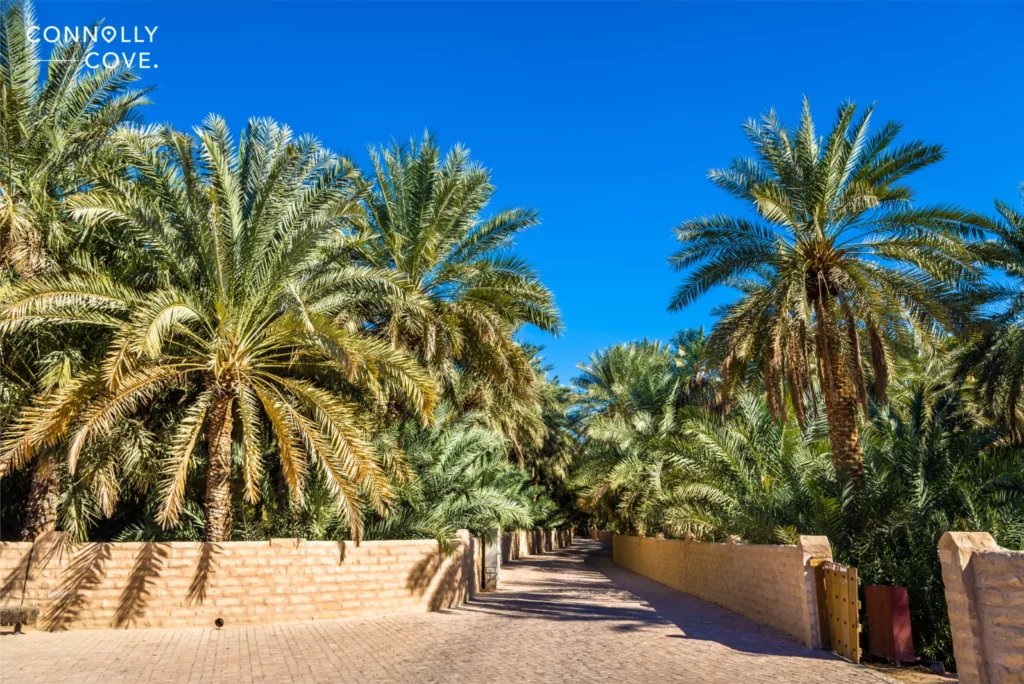
At the cultural and geographical heart of Al Ain lies its most precious treasure—the Al Ain Oasis, a UNESCO World Heritage site spanning over 1,200 hectares and home to more than 147,000 date palms. Unlike many historical sites that feel like museums, this oasis remains a working example of traditional desert agriculture, much like how Ireland’s ancient field systems still influence modern farming practices.
The oasis showcases the ingenious falaj irrigation system, a network of channels that has sustainably distributed scarce water resources for thousands of years. As you walk beneath the cooling shade of the palms along the 3km Eco-Centre pathway, you’ll experience how desert dwellers created a microclimate that drops temperatures by up to 10 degrees compared to the surrounding desert.
Cultural Significance: The oasis represents the agricultural foundation of Emirati society before oil discovery. Understanding this connection to the land provides insight into the values that continue to shape modern UAE culture—resilience, resourcefulness, and community cooperation.
Visitor Experience: Start at the West Gate Visitor Centre to contextualise your visit, then follow the shaded walkways through sections where you can observe the falaj channels in operation. The oasis is free to visit and open daily from 8:00 AM to 5:00 PM.
2. Al Jahili Fort: Desert Sentinels and Colonial Connections
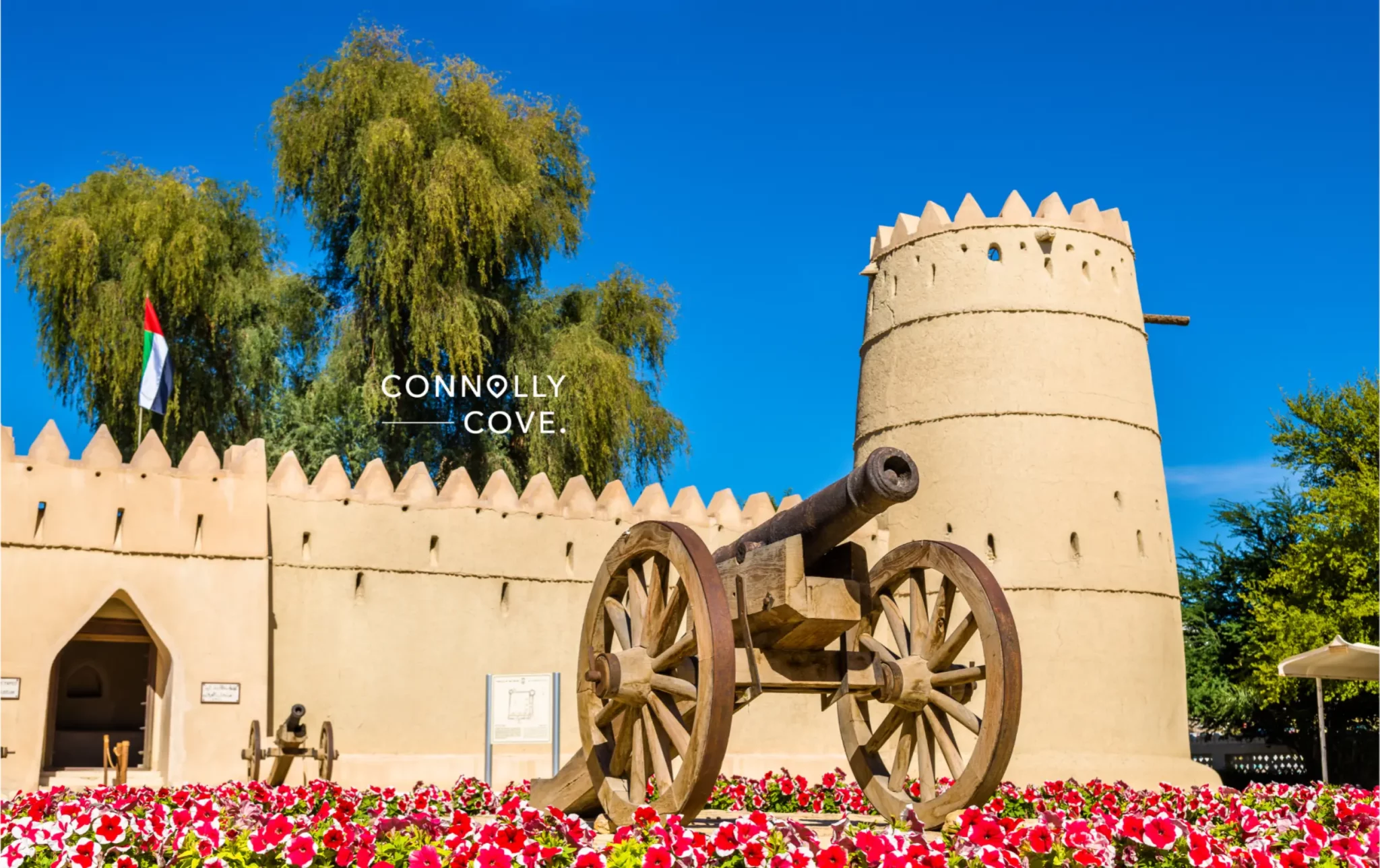
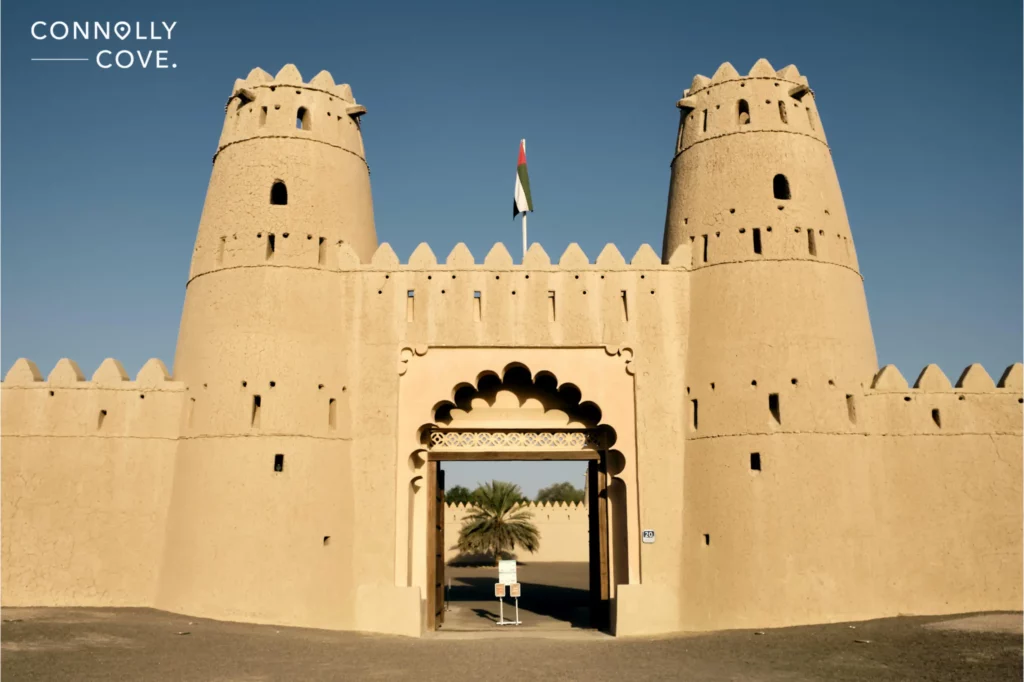
The imposing Al Jahili Fort, constructed in 1891 under Sheikh Zayed the First, stands as one of the UAE’s most impressive historical defence structures. Its distinctive architecture, featuring a large central tower surrounded by circular corner watchtowers, exemplifies traditional defensive design adapted to the harsh desert environment.
Today, the beautifully restored fort houses a permanent exhibition on British explorer Sir Wilfred Thesiger, whose photographs document Bedouin life in the 1940s. This cultural exchange between East and West mirrors ConnollyCove’s interest in how different cultures interact and influence each other throughout history.
Cultural Insight: The fort’s exhibition on Thesiger offers a fascinating glimpse into how traditional Bedouin culture was documented through Western eyes, raising interesting parallels with how early British explorers recorded Irish customs and traditions.
Photography Tip: Visit in the late afternoon when the honey-coloured walls glow in the setting sun, creating dramatic shadows and textures—a favourite time for photography enthusiasts and a technique we’ve found equally effective at Ireland’s ancient stone structures.
3. Sheikh Zayed Palace Museum: Royal Life and Leadership
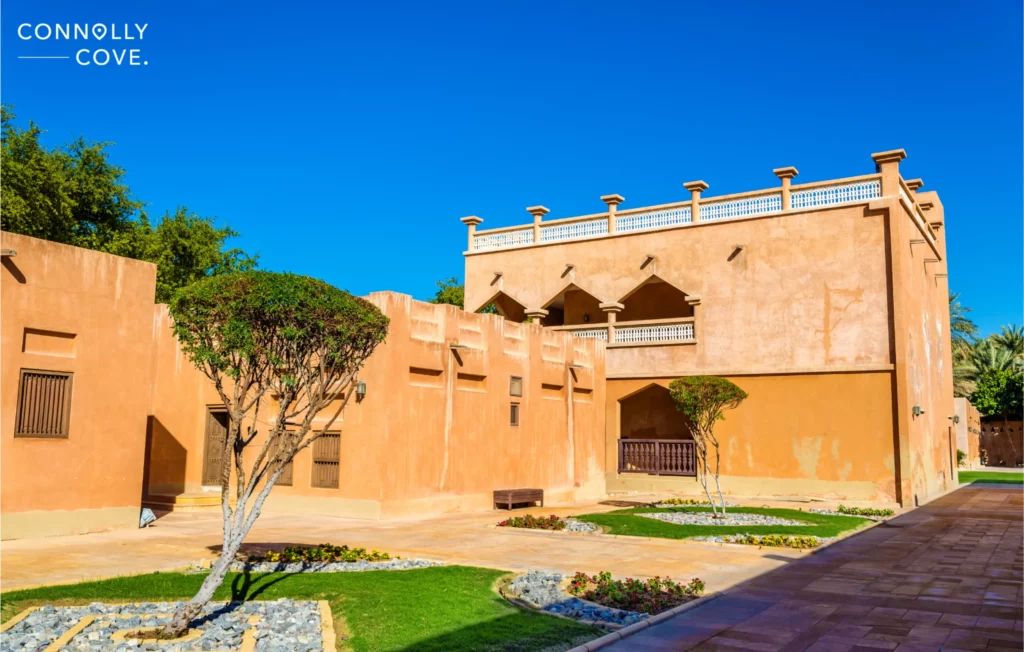
The former residence of the UAE’s founding father, Sheikh Zayed bin Sultan Al Nahyan, provides an intimate glimpse into royal life during a pivotal period of the nation’s history. The palace museum consists of multiple courtyards, majlis (meeting rooms), and living quarters that showcase both the modest origins of Emirati leadership and the thoughtful diplomacy that united the Emirates.
Cultural Connection: The majlis tradition—where leaders hold open councils to hear citizen concerns—reveals interesting parallels with ancient Celtic gathering traditions where community decisions were made collectively.
Visitor Value: Entrance is free, making this an accessible cultural experience for all budgets. The museum’s excellent signage in multiple languages provides context for understanding Emirati governance and family structures.
4. Hili Archaeological Park: Uncovering Bronze Age Connections
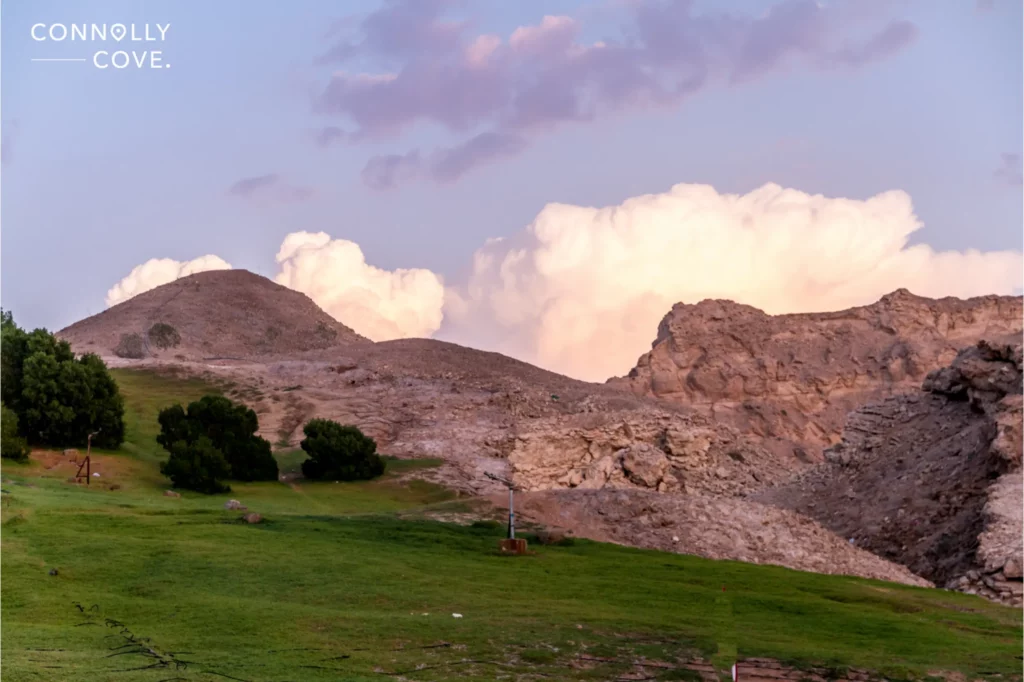
For those fascinated by ancient civilisations, Hili Archaeological Park offers a window into life in the region dating back to the Bronze Age (3000-2000 BCE). The circular Grand Tomb represents one of the most impressive funerary monuments from this period, with intricate carvings depicting hunting scenes and animals.
Archaeological Significance: The discoveries at Hili have fundamentally altered our understanding of ancient trade networks, demonstrating that the region had connections with Mesopotamia and the Indus Valley Civilisation thousands of years ago—similar to how archaeological findings in Ireland have revealed ancient connections with Continental Europe.
Family Experience: The archaeological site is set within a pleasant public park with playgrounds and picnic areas, making it an ideal destination for families interested in combining educational content with relaxation.
5. Al Ain National Museum: Contextualising Emirati Identity
The oldest museum in the UAE provides essential context for understanding Emirati cultural development through archaeological findings, ethnographic displays, and gifts received by Sheikh Zayed. The collection spans from prehistoric tools to mid-20th-century household items, offering a comprehensive timeline of regional development.
Cultural Perspective: The ethnographic section particularly illuminates traditional crafts, music, and celebrations that formed the foundation of Emirati cultural identity before modernisation—offering insight into which traditions have been preserved and which have evolved.
Natural Wonders: Landscape as Cultural Canvas
Al Ain’s dramatic natural landscapes offer some of the most breathtaking things to do in the UAE’s Garden City, where mountain panoramas and desert oases have shaped Emirati culture for millennia. Explore these top-rated natural attractions where ancient traditions and stunning geography combine to create unforgettable experiences unlike anywhere else in the Emirates.
6. Jebel Hafeet: Mountain of History and Natural Beauty
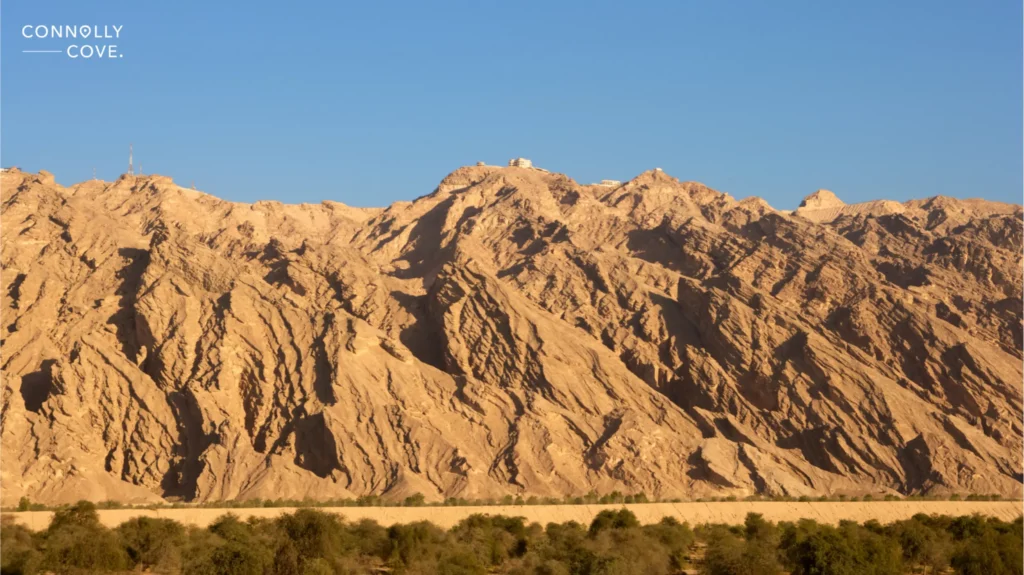
Rising dramatically from the desert plain to 1,240 metres, Jebel Hafeet isn’t just the UAE’s second-highest peak—it’s a natural monument rich with cultural and geological significance. The mountain contains marine fossils dating back 20-30 million years, telling the story of how this desert region once lay beneath ancient seas.
The winding 11.7km road to the summit—considered one of the world’s greatest driving roads—offers breathtaking panoramic views across Al Ain and into Oman. At the top, you’ll find ancient tombs dating back 5,000 years, demonstrating how this natural landmark has been spiritually significant to the region’s inhabitants for millennia.
Cultural Connection: Mountains often serve as cultural boundaries and spiritual landmarks across civilisations, from Jebel Hafeet in the UAE to sacred mountains in Ireland like Croagh Patrick. These elevated landforms shape cultural identities and often become repositories of folklore and tradition.
Visitor Experience: Drive up early in the morning or late in the afternoon to avoid the midday heat and capture the most dramatic lighting for photography. The Green Mubazzarah area, located at the mountain’s base, offers a perfect contrast with its hot springs and lush vegetation.
7. Green Mubazzarah: Oasis at the Mountain’s Foot
At the base of Jebel Hafeet, Green Mubazzarah presents a verdant contrast to the surrounding desert landscape. This developed area features natural hot springs, landscaped gardens, and recreational facilities that attract local families and visitors seeking relaxation.
Cultural Insight: The development of Green Mubazzarah represents the modern Emirati approach to creating community spaces that honour natural resources while making them accessible for public enjoyment—a thoughtful balance between growth and preservation.
Wellness Experience: The hot springs contain minerals believed to have therapeutic properties for skin conditions and joint pain, similar to traditional healing springs found throughout Europe, including Ireland’s own historic spa towns.
8. Ain Al Fayda: Desert Lakes and Family Traditions
This man-made lake area represents Emirati ingenuity in creating livable spaces in harsh environments. The landscaped parks and water features have become integral to local family traditions, particularly for weekend gatherings and evening picnics when temperatures cool.
Cultural Significance: Observing Emirati families gathering here offers insight into contemporary social structures and leisure patterns, revealing how traditional extended family bonds remain strong despite rapid modernisation.
Cultural Immersion: Living Traditions and Authentic Experiences
Discover the most authentic things to do in Al Ain, where Emirati traditions continue to thrive in working camel markets, traditional handicraft centres, and Bedouin-inspired experiences. These immersive cultural activities consistently rank as visitors’ most memorable Al Ain experiences, offering genuine connections with local heritage that can’t be found in Dubai or Abu Dhabi.
9. Al Ain Camel Market: Trading Traditions Alive Today
For an authentic glimpse into traditional Bedouin commerce that predates oil wealth, visit the last remaining camel market in the UAE. Unlike attractions designed for tourists, this working market serves actual traders and maintains the ancient practice of camel breeding and trading that sustained desert communities for centuries.
Visitor Etiquette: This is a working market, not a tourist attraction, so respectful behaviour is essential. Always ask permission before photographing people or their animals, dress modestly, and consider hiring a local guide to explain the nuances of camel valuation and trading practices.
Cultural Connection: Traditional markets worldwide—from Arabian camel souks to Irish livestock fairs—reveal cultural values through commerce. The haggling process, quality assessment, and social interactions at the camel market offer fascinating parallels to historical trading practices found in cultures globally.
10. Al Qattara Arts Centre: Contemporary Culture in Historical Settings
Housed in a restored fort, the Al Qattara Arts Centre represents the UAE’s commitment to preserving traditional arts while fostering contemporary creative expression. The centre offers workshops in traditional crafts, such as pottery, weaving, and calligraphy, alongside exhibitions of modern Emirati art.
Cultural Significance: The centre demonstrates how Emirati culture is not merely preserved in museums but actively evolving through artistic expression—similar to how Irish traditional arts continue to develop while maintaining cultural roots.
Hands-on Experience: Participate in a workshop to learn traditional craft techniques from local artisans, creating a meaningful souvenir while supporting cultural preservation.
11. Emirati Cuisine: Culinary Heritage Beyond Tourist Restaurants
Authentic Emirati cuisine can be challenging to find in tourist areas, but Al Ain offers several opportunities to experience traditional dishes that reflect the region’s history of desert survival, fishing traditions, and trade influences.
Must-Try Dishes:
- Harees: A wheat and meat porridge with ancient origins, traditionally prepared during Ramadan
- Machboos: Fragrant rice with meat, similar to biryani but with distinct Gulf spices
- Luqaimat: Sweet dumplings drizzled with date syrup, often served with Arabic coffee
Recommended Venues:
- Ayla Restaurant: Serves traditional Emirati dishes with family recipes
- Al Fanar Restaurant: Recreates mid-20th-century Emirati atmosphere with authentic cuisine
- Local homes: For the most authentic experience, connect with cultural tourism initiatives that arrange meals with Emirati families
12. Desert Camping: Connecting with Bedouin Lifestyle
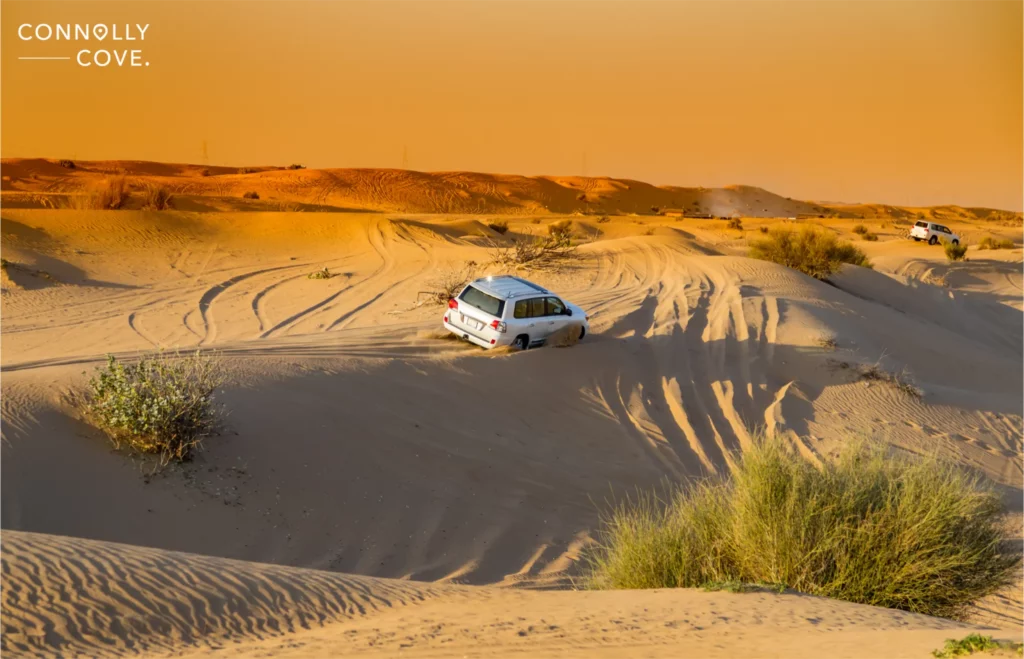
Experience the desert as generations of Bedouins have by spending a night under the stars. Whether choosing a luxurious glamping experience or a more authentic basic setup, desert camping provides insight into the environmental conditions that shaped Emirati cultural development.
Cultural Value: The stark quiet of the desert night, the brilliance of unpolluted stars, and the rhythm of dawn breaking over sand dunes connect visitors to the natural environment that influenced everything from Bedouin poetry to architectural design.
Options Range: From self-organised basic camping (with proper permits) to luxury desert resorts like Telal Resort that recreate traditional experiences with modern comforts.
13. Camel Racing at Al Ain Track: Sport with Ancient Roots
If your visit coincides with the racing season (October to April), witnessing a camel race offers insight into how traditional practices evolve with technology while maintaining cultural significance. Modern races feature robot jockeys controlled by owners driving alongside the track—a fascinating blend of tradition and innovation.
Cultural Context: Camel racing has evolved from a traditional Bedouin pastime to a professional sport with substantial prize money, while still preserving its role in maintaining camel-breeding traditions central to Emirati heritage.
14. Traditional Handicrafts: Skills Passed Through Generations
Several locations in Al Ain showcase traditional Emirati handicrafts, from palm frond weaving (khoos) to Sadu weaving practised by Bedouin women. These crafts weren’t merely decorative but essential survival skills in traditional desert life.
Where to Experience:
- Al Ain Traditional Handicrafts Market
- Women’s Handicraft Centre
- Heritage Village demonstrations
Cultural Perspective: The geometric patterns in traditional Sadu weaving contain symbolic meanings passed through generations, similar to how Celtic designs in Ireland carried cultural significance beyond decoration.
Modern Attractions with Cultural Context
Experience the best contemporary things to do in Al Ain where modern entertainment and recreation facilities honour the city’s cultural heritage in surprising ways. From wildlife conservation centres preserving desert species to innovative water adventures in this arid landscape, Al Ain’s newest attractions offer the perfect blend of fun and cultural significance.
15. Al Ain Zoo: Conservation and Traditional Animal Relationships
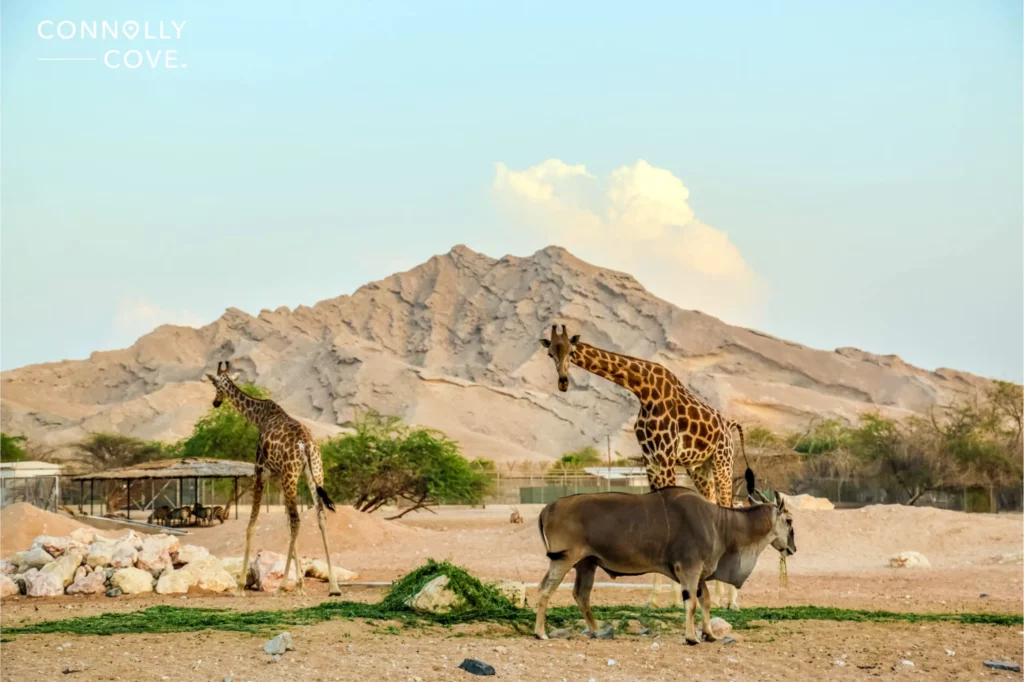
Beyond being a family attraction, Al Ain Zoo reflects the complex relationship between Emiratis and desert wildlife. The zoo’s conservation efforts focus on species culturally significant to the region, including the Arabian oryx, which features prominently in Bedouin poetry and was historically hunted to near extinction.
Cultural Insight: The zoo’s Sheikh Zayed Desert Learning Centre provides context for understanding how desert wildlife influenced Emirati culture, from hunting traditions to animal symbolism in art and literature.
Conservation Connection: The successful breeding programmes for endangered desert species represent modern Emirati commitment to environmental stewardship—a value that has roots in traditional Bedouin practices of sustainable resource management.
16. Wadi Adventure: Water Culture in the Desert
This modern water park with whitewater rafting, kayaking, and surfing facilities might seem incongruous in the desert, but it reflects the UAE’s historical relationship with water as a precious resource and the maritime traditions of its coastal regions.
Cultural Context: The creation of water-based recreation in the desert demonstrates the continuing importance of water in Emirati culture, from ancient falaj systems to modern conservation technology.
17. Hazza Bin Zayed Stadium: Contemporary Cultural Gathering
Home to Al Ain FC, one of the UAE’s most successful football clubs, this architectural masterpiece represents the modern Emirati approach to creating spaces for cultural gathering and community identity formation.
Cultural Significance: Attending a football match here provides insight into contemporary social bonding and community pride in the UAE, with distinct traditions and chants that reveal aspects of modern Emirati culture rarely experienced by tourists.
18. Bawadi Mall: Modern Commercial Culture with Traditional Elements
While shopping malls might not seem culturally significant, they function as important social spaces in contemporary Emirati life. Bawadi Mall, with its mix of international brands and local products, offers insight into modern consumption patterns while its architecture incorporates traditional design elements.
Cultural Observation: Notice how the mall functions as a community gathering space, particularly for families in the evenings and during hot summer months, with distinct social patterns and interactions.
19. Pura Eco Retreat: Sustainable Luxury with Cultural Roots
This eco-friendly glamping experience connects luxury tourism with traditional desert camping practices, creating a cultural hybrid that respects environmental sustainability—a value increasingly important in modern Emirati development philosophy.
Cultural Perspective: The retreat’s design incorporates traditional architectural elements adapted for environmental efficiency, demonstrating how Emirati culture continues to evolve while drawing from traditional wisdom.
20. Al Ain Mall’s Ice Rink: Climate Adaptation as Cultural Statement
The juxtaposition of ice skating in the desert represents the Emirati determination to overcome environmental limitations—a modern expression of the same innovative spirit that created the ancient falaj irrigation systems.
Cultural Context: Climate-controlled environments in the UAE aren’t merely a luxury but represent cultural adaptation to extreme conditions, similar to how traditional architecture developed specific features to manage heat.
Practical Travel Information for Cultural Explorers
Planning your cultural adventures and things to do in Al Ain becomes effortless with these essential travel tips from seasoned UAE explorers. From the best seasons to visit and respectful cultural etiquette to transportation options and accommodation recommendations, this insider advice ensures you’ll experience the authentic heart of the Garden City without typical tourist mishaps.
21. Seasonal Considerations for Cultural Experiences
The timing of your visit significantly impacts which cultural experiences are available and comfortable to enjoy:
October to April (Optimal Season):
- Most comfortable temperatures for outdoor exploration
- Camel racing season
- Desert camping weather is ideal
- Cultural festivals and events are more frequent
- Normal operating hours for all attractions
May to September (Summer Season):
- Extreme heat limits outdoor activities to early morning/late evening
- Some desert experiences are unavailable
- Indoor cultural venues (museums, arts centres) remain comfortable
- Reduced hours during Ramadan (dates vary yearly)
- Better hotel rates and fewer crowds
22. Cultural Etiquette: Respectful Visitation
Understanding and respecting local customs enhances your experience while contributing positively to cultural preservation:
- Dress modestly: Shoulders and knees covered for both men and women, especially when visiting historical or religious sites
- Photography permission: Always ask before photographing local people, particularly in traditional areas like the camel market
- Ramadan awareness: If visiting during Ramadan, respect fasting hours by not eating or drinking in public during daylight hours.
- Gender considerations: Some traditional settings may have separate areas for men and women
- Greeting customs: Learn basic Arabic greetings as a sign of respect
23. Transportation for Cultural Exploration
Navigating between cultural sites requires planning:
- Car rental: Most flexible option for reaching remote cultural sites (international driving permit recommended)
- Taxis: Readily available, but negotiate fares in advance for full-day cultural tours
- Public buses: Limited routes, but connect major cultural attractions
- Guided cultural tours: Available through hotels or local tour operators, offering cultural context and transportation
24. Accommodation with Cultural Context
Where you stay can enhance your cultural understanding:
- Danat Al Ain Resort: Incorporates traditional architectural elements
- Telal Resort: Recreates a heritage village atmosphere with modern amenities
- Ayla Hotel: Centrally located for exploring cultural sites
- Desert camping: Most immersive cultural accommodation experience
25. Digital Cultural Resources
Enhance your visit with these digital tools:
- Al Ain Culture App: Provides historical context for major sites
- Visit Abu Dhabi App: Official tourism information and event calendar
- Arabic Phrasebook Apps: Basic greetings enhance cultural interactions
Connecting Global Cultural Heritage: Al Ain and Beyond
Al Ain’s cultural landscape offers fascinating parallels with heritage sites worldwide. The ancient falaj irrigation systems mirror the ingenious water management found in cultures from the Persian qanats to Roman aqueducts. The Hili archaeological discoveries reveal trade connections that linked civilisations across continents thousands of years ago.
Whether you’re drawn to ancient archaeological sites, living cultural traditions, or the intersection of historical practices with contemporary life, Al Ain offers a depth of cultural experience rarely found in more developed destinations in the UAE. By approaching these experiences with curiosity and respect, you’ll discover the authentic cultural heart of the Emirates beyond the familiar skylines of Dubai and Abu Dhabi.
FAQs
Wondering about the most rewarding things to do in Al Ain and how to make the most of your visit to this cultural treasure of the UAE? These frequently asked questions cover everything from comparing Al Ain to Dubai, ideal trip duration, family-friendly cultural activities, and the best times to experience authentic Emirati traditions in the Garden City.
Is Al Ain worth visiting compared to Dubai or Abu Dhabi?
Al Ain offers a completely different experience focused on authentic Emirati heritage and natural beauty rather than modern development. For cultural travellers interested in understanding the historical roots of the UAE, Al Ain provides insights impossible to gain in the larger cities.
How many days do you need in Al Ain for cultural exploration?
A minimum of two full days allows for visiting the major UNESCO sites and experiencing the oasis culture. For deeper cultural immersion, including desert experiences and traditional craft workshops, 3-4 days is ideal.
Can I visit Al Ain from Dubai as a day trip?
While technically possible (2-hour drive each way), a day trip severely limits your ability to experience Al Ain’s cultural depth. If time constraints make overnight stays impossible, focus your day trip on the central oasis and adjacent museum complex.
What’s the best time to visit the Al Ain Camel Market for an authentic experience?
Early mornings (6-9 AM) offer the most active trading, particularly on weekends. Avoid midday heat when the market is quieter. Livestock markets worldwide typically operate on this pattern, from Irish cattle marts to Arabian camel souks.
Is Al Ain suitable for family cultural experiences?
Absolutely. Many cultural sites, including the oasis, forts, and heritage village, offer interactive elements appropriate for children. The blend of educational opportunities with open spaces makes Al Ain an excellent destination for family cultural exploration.