
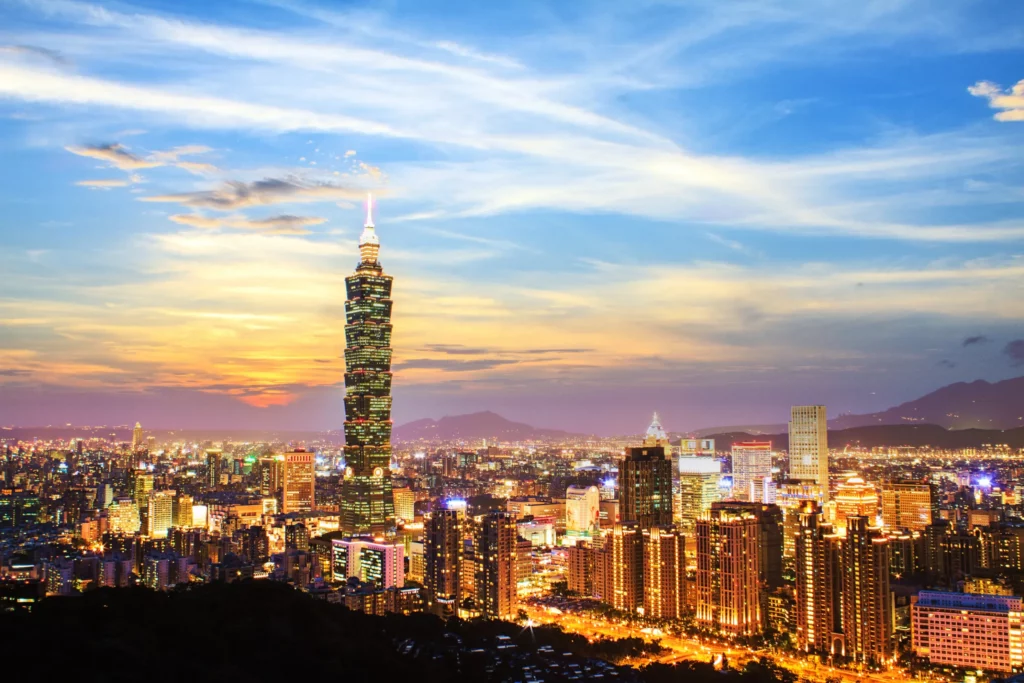

Best Places to Visit in Japan: The Land of the Rising Sun Awaits You
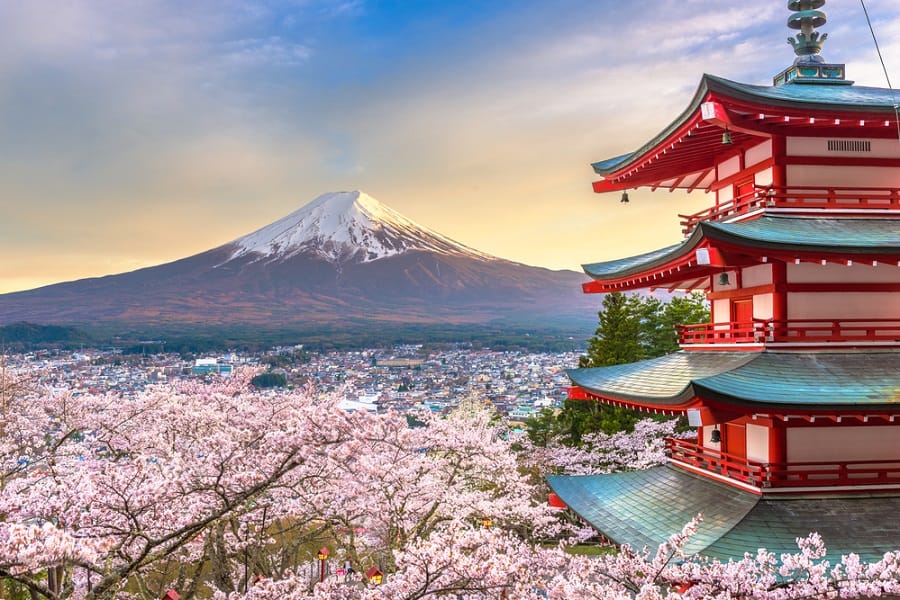
Updated On: April 15, 2024 by  Aya Radwan
Japan is opening its arms to visitors. Japanese authorities announced their complete drop of all COVID-19 travel restrictions back on 8 May 2023. This was major news for everyone dreaming about packing a bag through the Land of Samurai; during the past two years, Japan only allowed traveller groups and visitors who had a previous invitation from someone living in the country or a relative living there to enter.
The new statement by Japanese authorities meant tourists would not need to register their COVID-19 vaccine certificate or provide a negative COVID-19 test result to enter the country. Since they also announced that the danger level of the COVID-19 virus would be downgraded to seasonal flu, if you have COVID, you won’t be required to spend a five-day quarantine period upon entry to Japan.
One thing you will continue to see throughout Japan, though, is masks everywhere. Wearing face masks has more cultural background than being a measurement of combating viruses. However, at least now, if you don’t wear a mask, you wouldn’t feel out of place.
We believe this is the perfect opportunity to bring you a quick and fun guide through Japan to kickstart your visit to the country. So, let’s get to exploring the best places to visit in Japan.
Best Places to Visit in Japan
After the world’s strictest enforcer of COVID-19 restrictions opens its borders, tourists worldwide will start to pour in. Japanese islands need years to explore, not a week or a few days. And while we have a thorough guide on travelling to Japan, here we will focus on the top places to visit during your short stay in the Land of the Rising Sun.
Tokyo

The Japanese capital is the country’s central cultural, political and historical hub. The former fishing village, Edo, led Japan’s modernisation movement until it became one of the world’s most populated metropolises. Following the reconstruction efforts after WWII, Tokyo today holds the headquarters of some of the world’s leading companies and organisations. Before the outbreak of Covid-19, Japan received about 32 million visitors, with Tokyo being one of the top-visited cities.
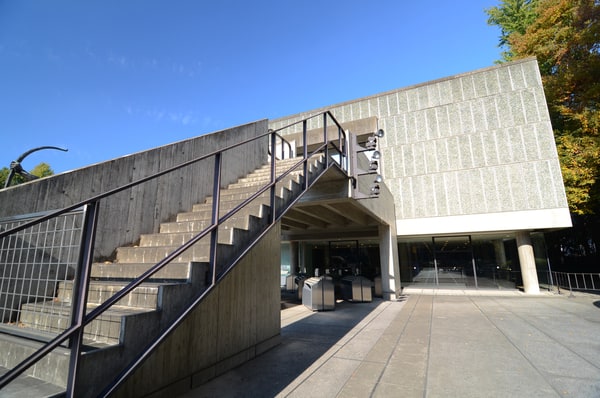
Admittedly, it’s difficult to experience all Tokyo offers in a short trip, but we’ve tried to bring you the best places to help you soak in every bit of culture in the Japanese capital. Visiting Tokyo’s Ueno Park will check several landmarks off your list. The most visited park in Japan is a wonderful display of cherry blossoms during spring, where you can also visit the Ueno Zoo, the National Museum of Nature and the Museum of Western Art, just to name a few.
If you visit Tokyo by mid-May, you can witness one of the biggest Shinto festivals in the country, Sanja Matsuri. The shrine is located in the historical district of Asakusa. For a breathtaking view of the Tokyo skyline, you can visit the Tokyo Skytree, an interesting infusion of Japanese culture and neo-futuristic architecture. If you love anime, then you must visit the Akihabara District, the most anime-dedicated district in the world, where you’ll find everything from merchandise, anime-themed coffee shops, book signings and video games.
Kyoto
Kyoto is one of the few cities to have served as the Japanese capital; the Imperial Palace in the city is a strong indication. The city is deemed one of the most preserved in Japan due to its escape from the bombings of WWII, allowing Kyoto to maintain almost all its prewar cultural and architectural heritage. Besides housing the Kyoto Imperial Palace, the city beholds shrines, temples and UNESCO World Heritage Sites.
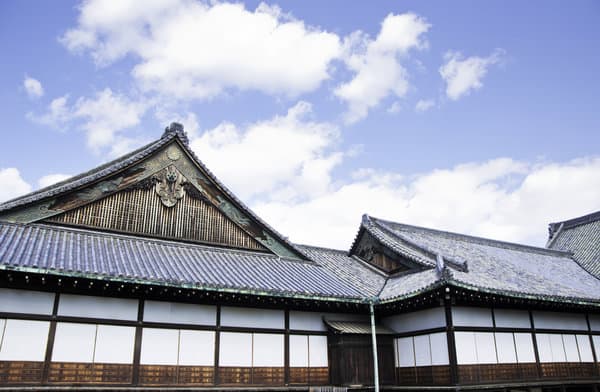
One of UNESCO’s World Heritage Sites in Kyoto is the 17th-century Nijo Castle, a fascinating castle that indicates life in ancient Japan. If you’re interested in the Samurai and Ninja cultures and way of life, Kyoto’s Samurai and Ninja Museum is one of the few that offers you a chance to experience these martial arts on set. For an unforgettable run with nature, we recommend you visit the Arashiyama Bamboo Forest, a majestic and lengthy bamboo forest that will engulf you between its trees.
Fukuoka
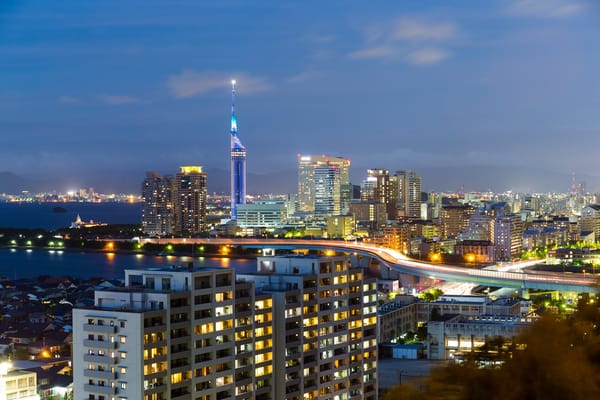
Fukuoka City is Asia’s gateway to Japan. Settlers of this buzzing commercial city date back to the Neolithic age, and the city’s prominence increased over time. Fukuoka’s distant location from Japan’s other cultural and social hubs, such as Tokyo and Kyoto, the city has forged its distinctive culture and dialect over time. Overlooking Hakata Bay, Fukuoka bears the remains of a massive defensive wall built in the 1270s to fend off Mongol attacks.
Due to its unique location, Fukuoka became famous for cruise ship tourism, particularly in Hakata-Ku. Fukuoka Castle didn’t survive the great fire during the Meiji Restoration and remains in ruins today, yet still a testament to the city’s powerful defences. You can choose any of the city’s temples to visit; there are Shinto temples such as Hakozaki Shrine, Shingon temples such as Tōchō-ji and Buddhist temples such as Nanzoin Temple.
If you fancy learning more about the art and history of the city, you can choose one of the city’s notable museums, such as the Fukuoka City Museum, or Fukuoka Art Museum or for an interesting experience with crafts, you can visit the Fukuoka Oriental Ceramics Museum. For some shopping, strolling and savouring traditional Hakata ramen, you can head to Marinoa City Fukuoka or JR Hakata City shopping centres.
Hiroshima
The original 16th-century castle town was an imperial military base and continued to serve such purpose up to the two World Wars. Hiroshima is a city that rose from the ashes, literally. The near-wiping atomic bombing of the city during the Second World War remains a disgraceful reminder of the trials of war. The city lost more people and buildings after the bombing due to Typhoon Ida.
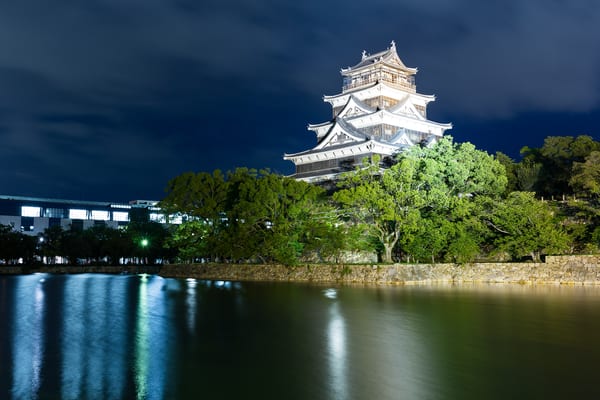
A must-visit when in Hiroshima is its Peace Memorial Park, which encompasses several monuments commemorating the lives lost due to the nuclear bombing of the city. The UNESCO World Heritage Site aims to highlight the horrors of nuclear weapons and promote world peace. In addition to the numerous monuments in Hiroshima, we recommend you visit the real-life replica of Hiroshima Castle. This late 16th-century castle was wiped out by the bombing and rebuilt in the late 1950s. You can spend some time shopping and looking around downtown the city before heading to Shukkeien Garden for relaxation.
Osaka
Japan’s shopping hub Osaka is a lively city with over 30,000 retail shops. Since the 4th century and throughout history, Osaka has been the country’s multicultural and economic hub. This unmatched importance meant local rulers continuously ordered the city’s development to keep up with the latest architectural, political and economic trends. The city today is a favourable destination for shoppers, theatre and history lovers.
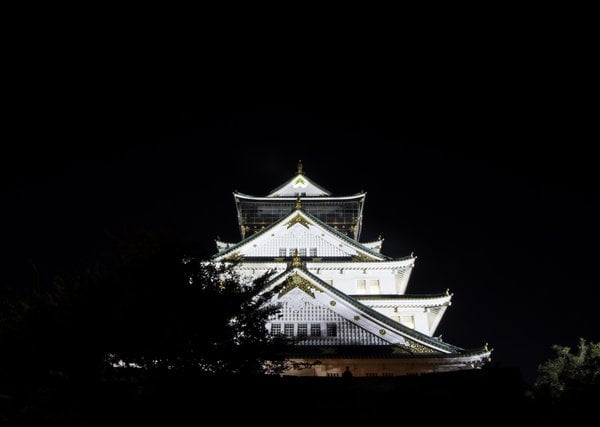
Apart from the countless retail and boutique shops dotted around the city, you can enjoy Osaka’s history by visiting its famous castle. Osaka Castle was unlucky several times to have been destroyed by lightning. However, the castle still maintains its testimony to one of Japan’s turbulent eras, from the 16th to the 20th century.
Osaka is also home to the famous Bunraku puppet shows. Bunraku is the Japanese take on puppet shows and dates back to the 17th century. If you’d like a break from the buzz of the city, we suggest you take the Tempozan Ferris Wheel ride. The ride offers a wonderful view of Osaka City, Osaka Bay and the grand mountains shadowing the city.
Okayama
The castle town of Okayama was once a farming town until the Sengoku period when Ukita Naoie attacked and developed it to become the capital of the Bizen Province. With the establishment of the Empire of Japan, Okayama gained city status in 1889 and became the capital of Okayama Prefecture. Okayama suffered great damage during WWII after bombs destroyed the majority of the city. The city later thrived during the 1960s economic boom in Japan.
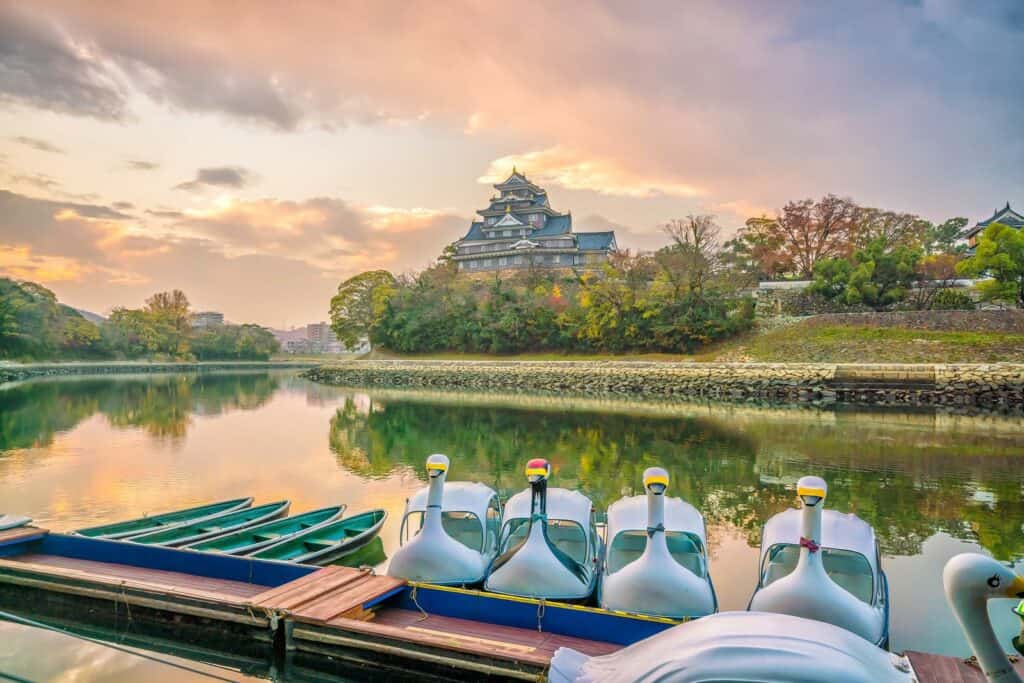
The current building of Okayama Castle is a replica built in 1966 following its destruction during WWII. It’s worth checking to gaze upon the beauty of the old castle. Okayama has one of Japan’s Three Great Gardens, Kōraku-en, which dates back to 1700 and is near the castle. The city’s ancient artefacts are on display in the Okayama Prefectural Museum, while its most famous Shinto shrine is Kibitsu Shrine. Okayama has countless natural, historical sites, which include burial mounds, old cemeteries, and temple ruins.
Nara
Nara is one of the few Japanese cities that have a period in history named after them; the Nara Period in Japanese history fell short of a century, starting from 710 C.E., during which the city of Nara was the country’s capital. In Nara, locally referred to as kofun, burial mounds date back to the Megalithic period, indicating the city’s importance until the capital moved to Kyoto. Following its designation as a city in the late 19th century, Nara developed from a commercial town into a commercial and touristic city.
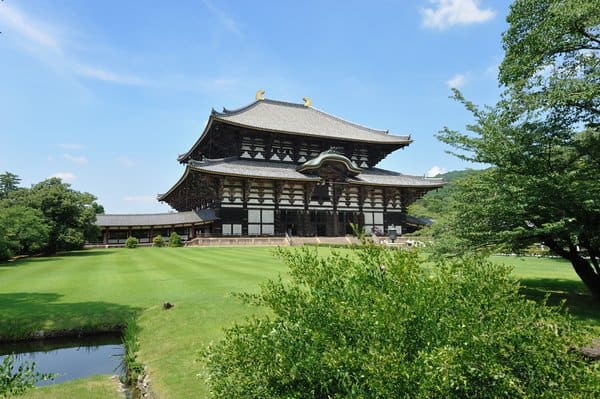
Wherever you look in Nara, you will find fabulous temples and shrines, both Buddhist and Shinto, such as the Tōdai-ji, one of Japan’s powerful seven temples, and the Kasuga Shrine. Nara Castle, or Heijō Palace, suffered great damage due to fires and natural disasters after the capital moved from Nara. Today, all that remains from the original building are excavated remnants designated as UNESCO World Heritage Site.
Nara has many art museums, but the Nakano Museum of Art retells the city’s history by exhibiting priceless items from several historical eras, such as Meiji and Taishō eras. You can visit Nara Park to enjoy the company of the famous Nara deer or Saka deer. The locals perceive the deer as protectors of the city, continuing an old legend, and some say the deer bow to visitors as a way of communication.
Kanagawa
Kanagawa is the only prefecture on our list where the most famous city of the prefecture is its capital, Yokohama. When the Kamakura shogunate ruled Japan, it chose the city of Kamakura, one of Kanagawa’s cities, as its capital. This choice highlighted the importance of Kanagawa as Japan’s cultural, economic and political centre. Kanagawa’s inhabitant history dates back as far as 400 BCE to the Jōmon period.
If you’re heading to Yokohama, we recommend you give the city’s Chinatown, Yokohama Chinatown, a visit. The 160-years old Chinatown is the largest in Japan and has one of the most unique Chinese shops in the country. Yokohama also gives you the opportunity to visit its botanical garden, the Municipal Children’s Botanical Garden, with interesting setups and beautiful flora and fauna.
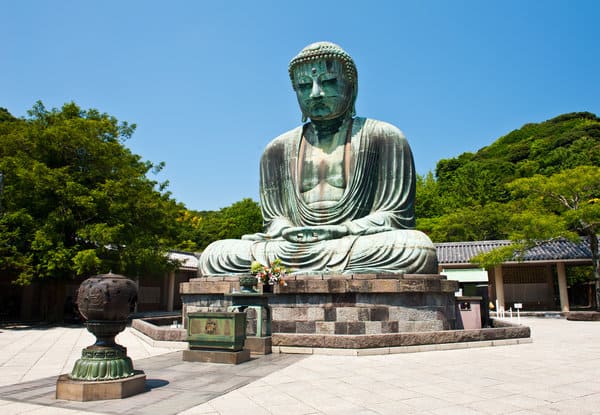
Kamakura is another visit-worthy city in Kanagawa, with many ancient Buddhist temples and Shinto shrines. The massive Amida Buddha statue is one of its kind in the world and survived a destructive tsunami in the 15th century. A great part of Kamakura’s architectural and historical sites suffered destruction after the 1923 Great Kantō earthquake. Another notable feature of Kamakura is the thousands of hillside caves, known as Yagura, dug to serve as tombs for high-ranking officials. A popular Yagura is that of Hōjō Masako, also known as the Nun Shogun, a famous female politician during the Kamakura period.
It’s true that Japan’s five main islands require more time than we can imagine to explore and fully enjoy. We tried to bring you different experiences to convey Japan’s actual spirit. But for a full breakdown of the best places to visit in Japan, we recommend checking our full country guide.
2 commments on “Best Places to Visit in Japan: The Land of the Rising Sun Awaits You”

Exploring Aillwee Caves in County Clare, Ireland
County Clare
01/05/2024

Visiting Glasgow | Ultimate Travel Guide
Scotland
01/05/2024

Discovering Ireland | Explore County Tyrone
County Tyrone
01/05/2024

10 Charming Irish Towns You Must Visit
Ireland
01/05/2024

The Art of Solomon’s Knot: Complete Guide
Culture Exploration
02/05/2024
I’m so excited to visit Japan! I’ve always been fascinated by the country and its culture. I can’t wait to explore all of its beautiful places!
We hope our guide to Japan helped you plan your trip and let us know how it goes 🙂