


The Magnificent Metropolitan Cathedral in Mexico City
Updated On: November 10, 2023 by  Maha Yassin
When countries invade and conquer territories and other countries, the first thing they want to do is have a symbol of their power in the place. They need to build or acquire something that can always remind the people of who is in power and who -for the current time- has the last word.
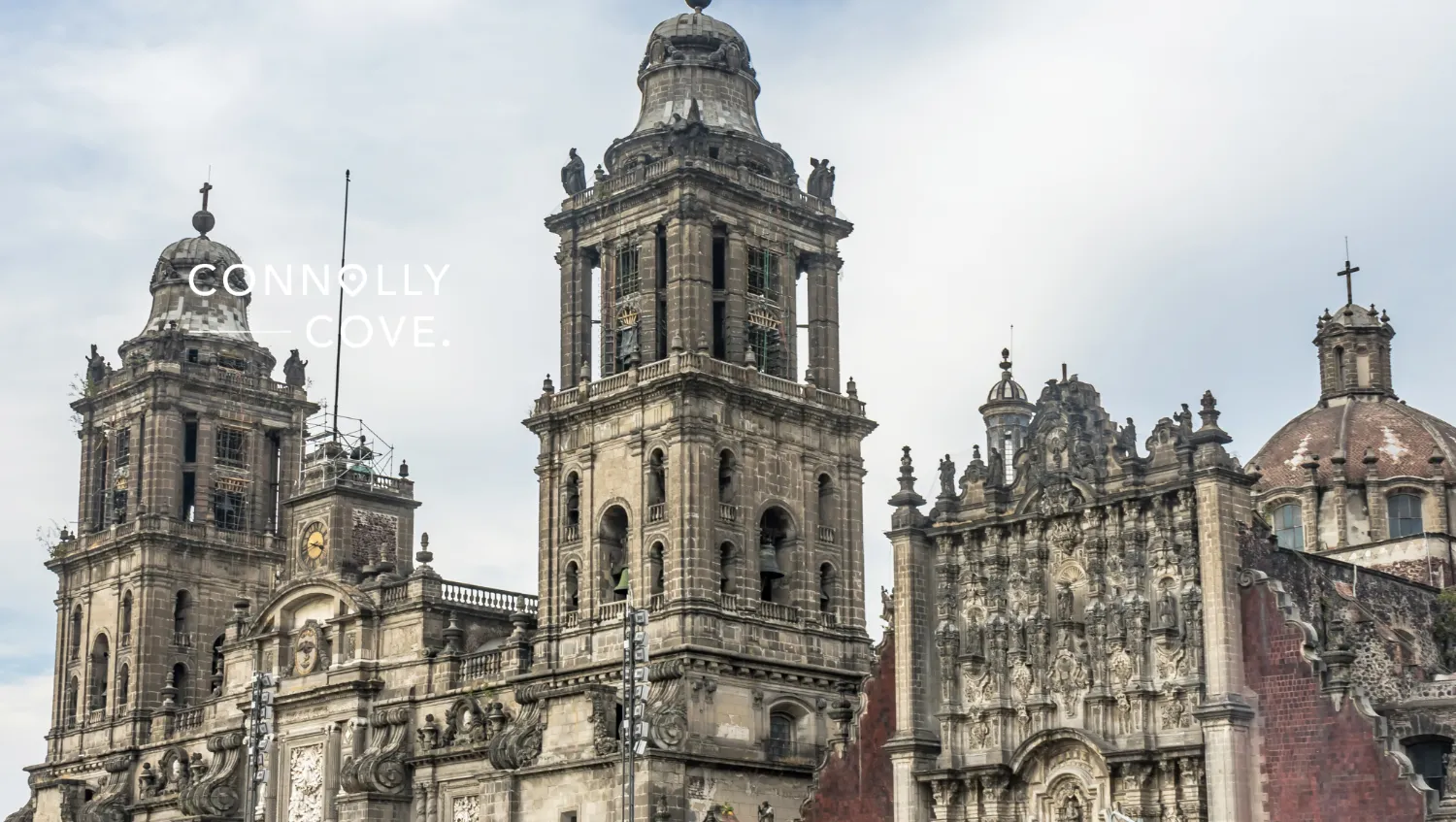
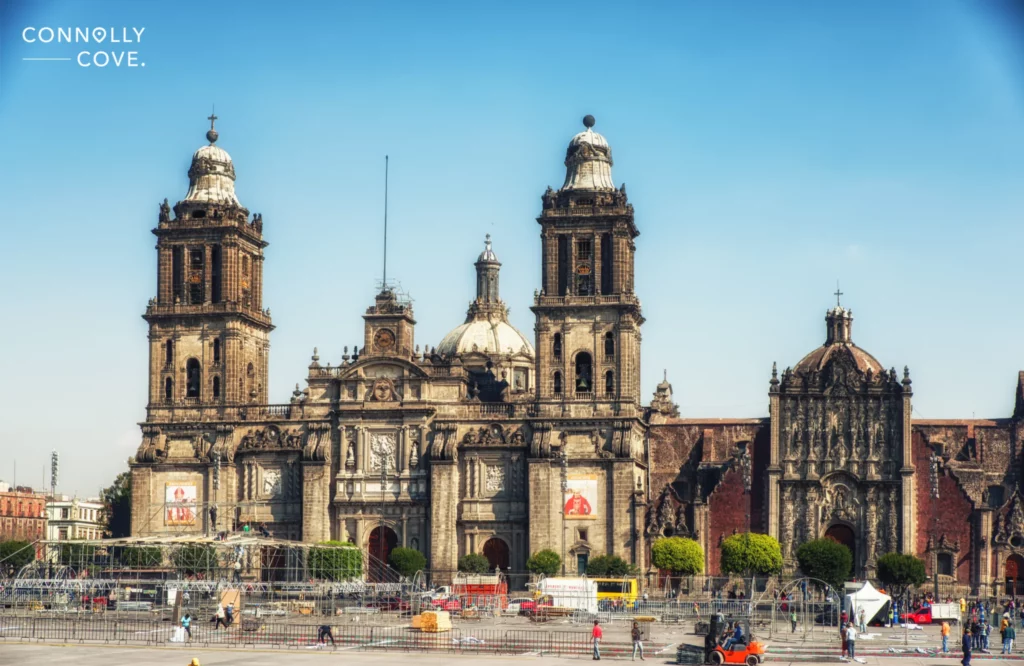
For Spain, that symbol has always been churches and cathedrals. They used Christianity as the weapon they wielded to explain why they would set sail to other lands and proclaim it as theirs. When they reached the Aztec Empire, they built one of their largest cathedrals and symbols of power, the Metropolitan Cathedral in Mexico City.
The existence of that vast, magnificent cathedral has dramatically affected the social and religious culture of Mexico. The Metropolitan Cathedral is the first and most enormous Roman Catholic Cathedral in Latin America. Its indigenous and colonial history makes it one of the most fascinating buildings in all of the Americas! Built on sacred lands by colonial hands and becoming one of the most important religious buildings in the area, The Metropolitan Cathedral is undoubtedly a must-visit when you land in Mexico.
The History of The Metropolitan Cathedral
Religion can be a source of power. For the Spanish, it was their ticket to conquering other nations, always under the guise of spreading Christianity. Did they also come for natural resources and free labour? Yes, they did. However, that is not what we’re talking about today. Today, we’re talking about the power of religious symbols, mainly churches and cathedrals.
Building The Metropolitan Cathedral
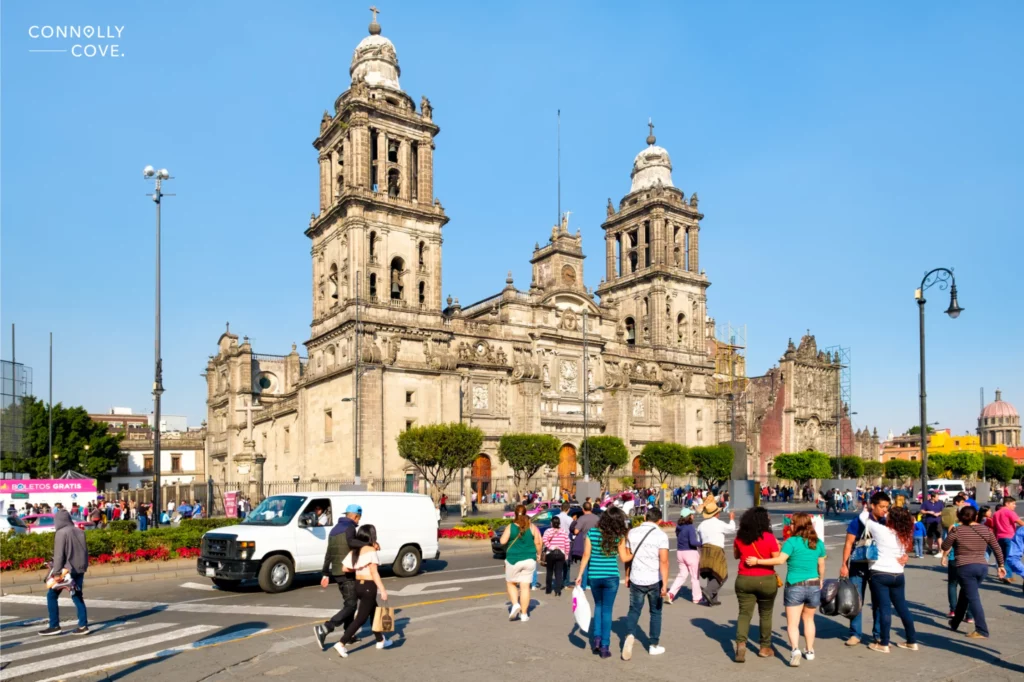
If you take one look at The Metropolitan Cathedral in Mexico City, you will be able to tell that this humongous, mesmerising building has not been built in a night or two or even a hundred! The cathedral, with its several bell towers, portals, façades, and chapels, has taken 250 years of continuous work to reach its current state! Multiple generations of architects, painters, builders, and governments have all participated over the years in the building of The Metropolitan Cathedral.
Work on the cathedral started in 1573 and ended in 1813. When the Spanish first conquered the capital of The Aztec Empire, Tenochtitlan, they built a small church on the site of Templo Mayor. Templo Mayor was a major temple used by the Aztec people to worship several of their gods. The small church was not a big enough symbol of power for the Spanish, so they decided to build a significant cathedral in the style of the Gothic cathedrals found in Spain.
Architect Martín de Sepúlveda was the first director -among several in the next 250 years- to lead the project with Juan de Zumárraga as the first bishop of the cathedral. Having been built over multiple decades, the cathedral has very different styles in each building. Every decade, the new architects working on The Metropolitan Cathedral would use the current trending style in their time to build the area they are responsible for. The different styles made the cathedral even more beautiful and a symbol of different cultures, times and social classes meeting to create this wonder.
Inside The Metropolitan Cathedral
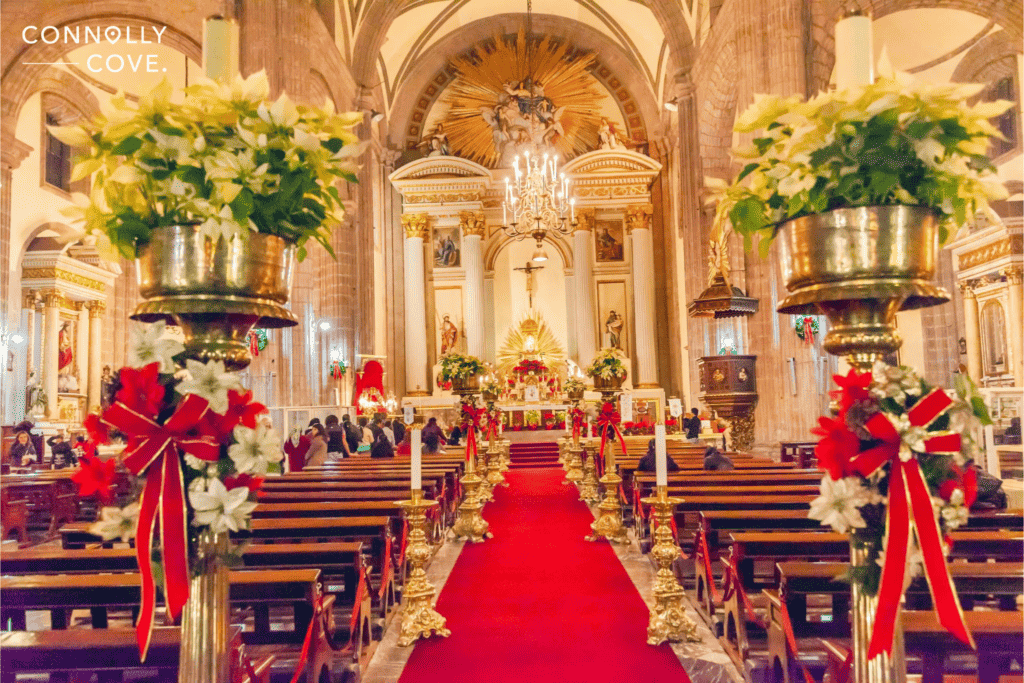
After 250 years of hard work, The Metropolitan Cathedral was finally completed. The cathedral was approximately 59×128 metres, with a height of 67 metres at its longest tower. The Metropolitan Cathedral has two bell towers with 25 bells, one central dome, and three main portals. The cathedral contains sixteen chapels, each one dedicated to a different saint.
The Metropolitan Cathedral houses several historical pieces, including the two largest 18th-century organs in the Americas. It also includes several paintings, furniture, and sculptures acquired from all over Europe. Under the cathedral, there is a crypt that holds the remains of several archbishops who served in The Metropolitan Cathedral.
Notable Events in The Metropolitan Cathedral
Having been around for more than 200 years, The Metropolitan Cathedral has had many notable and historical events take place on its grounds. From coronations to funerals to political disputes, The Metropolitan Cathedral has been the centre of events for many of the most notable events in Latin America’s history.
Coronation of Emperor Agustín I
Agustín de Iturbide was an officer in the Royal Spanish Army during the Mexican War of Independence. At first, he used to fight on the Spanish side until he switched sides and aligned himself with former royalists to help Mexicans gain their independence.
When the war ended, he was proclaimed as President of the Regency and later crowned as Emperor. He and his wife, Ana María Huarte, were crowned Emperor and Empress of Mexico in 1822. The coronation ceremony took place at The Metropolitan Cathedral, and later, when he was executed, he was also buried at the Chapel of San Felipe de Jesús inside the cathedral.
Funerals and Burials of Mexican Heroes
As one of the most sacred buildings and most prominent cathedrals in Mexico, several heroes of Mexican independence were buried in The Metropolitan Cathedral. From Miguel Hidalgo y Costilla to José María Morelos and more, these heroes were all buried in the cathedral ground as a sign of respect from the Mexican people.
The Metropolitan Cathedral Today
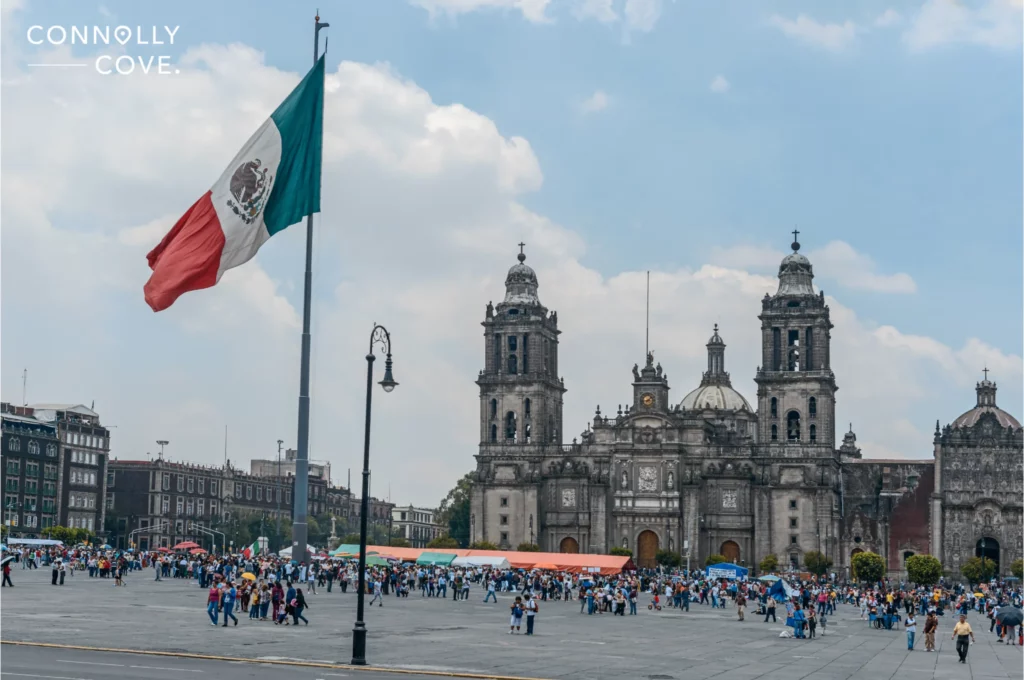
Today, The Metropolitan Cathedral is located in the centre of Mexico City, the capital of Mexico. The city centre, along with the cathedral, is considered a UNESCO World Heritage Site. It is visited by millions of locals and tourists every year to witness the grandeur of The Metropolitan Cathedral and its surrounding area.
As the largest and oldest cathedral in all of Latin America, The Metropolitan Cathedral has a deep significance in Mexican culture. Despite its colonial origins, Mexicans have turned the cathedral into their own haven. Fourteen of the sixteen chapels in The Metropolitan Cathedral are used by the public for prayers, ceremonies, weddings and funerals.
Tours of The Metropolitan Cathedral
The Metropolitan Cathedral is open to the public and for tours throughout the year. Walking tours are hosted for tourists from all over the globe, where they get to walk around the magnificent building and witness its unique architectural style as well as learn about its history.
Walking on the marble floors of the aisles and admiring the paintings, the alters, and the engravings makes you feel like you’ve been transported to another time! You can always make a solo visit to the cathedral at any time of the day. However, guided tours are recommended so you can make sure that you visit all the areas open to the public as well as learn about the vast history of The Metropolitan Cathedral and its significance to Latin Americans.
The Metropolitan Cathedral and its Cultural Significance
The Metropolitan Cathedral is a centre of Mexican culture and heritage. It holds great religious significance to the Mexican people as well as being a reminder of colonial history. Nowadays, it’s the focus of cultural, social, and political activities in Mexico. Despite being closed for four years in 1926 by President Plutarco Elías Calles in an attempt to enforce anti-religious laws, The Metropolitan Cathedral was reopened and regained its place in people’s lives.
Being religious people by nature, Mexicans care a lot for The Metropolitan Cathedral and consider it a symbol of their faith and their freedom. Many protests take place around the cathedral, whether in favour of the cathedral and its teachings or against it. The Metropolitan Cathedral has always been and will always be a symbol of Mexican Heritage.
Other Significant Cathedrals in Mexico
Having been heavily influenced by the Spanish, Mexico is a predominantly catholic country with many churches and cathedrals around the country, each one more beautiful than the other. From Baroque to Neoclassical, the cathedrals around Mexico have unique and gorgeous architectural designs that reflect the country’s history and culture.
The Metropolitan Cathedral is one of the most beautiful cathedrals you can see in Mexico; however, it is not the only one! Whether you’re Christian or not, religious or not, these cathedrals are a must-visit when you are in Mexico. They speak to the country’s heart and its people’s souls and reflect a considerable part of their culture. Here are some of the cathedrals we think you should visit when in Mexico:
Cathedral Basilica of Zacatecas, Zacatecas
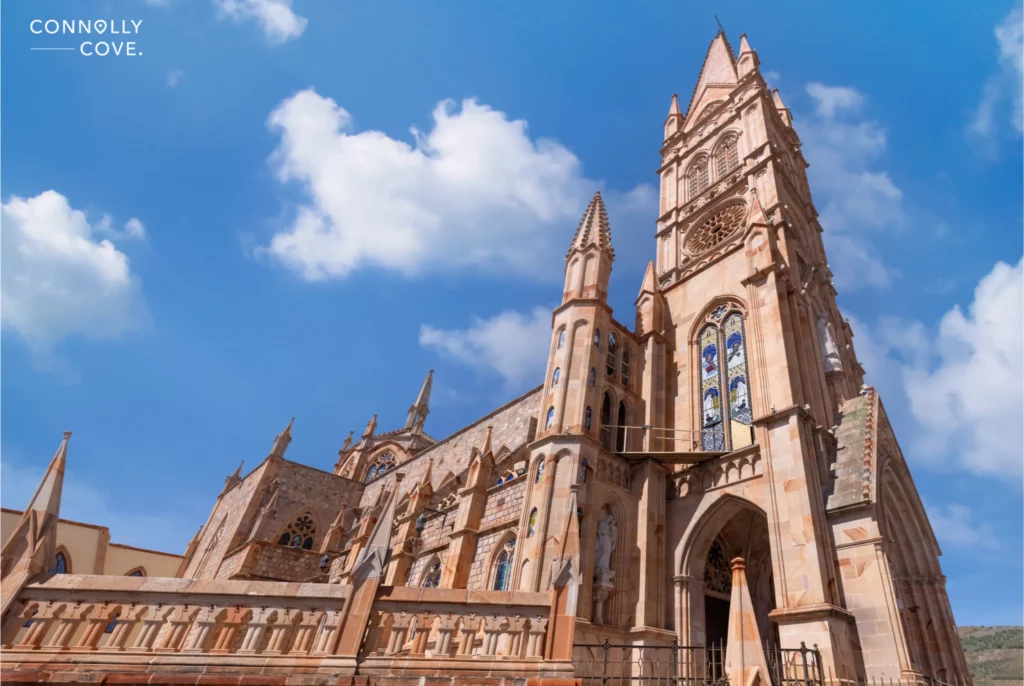
Built with pink quarry stones, the Cathedral Basilica of Zacatecas is one of the best-preserved Baroque-style cathedrals in the world. This UNESCO World Heritage Site was built in 1729 and is considered the centrepiece of the city. It is best known for its gorgeously decorated main doors. Even though it is rarely visited by tourists, the Cathedral Basilica of Zacatecas is well worth the journey as you won’t see Baroque style this well maintained anywhere else!
Guadalajara Cathedral, Guadalajara
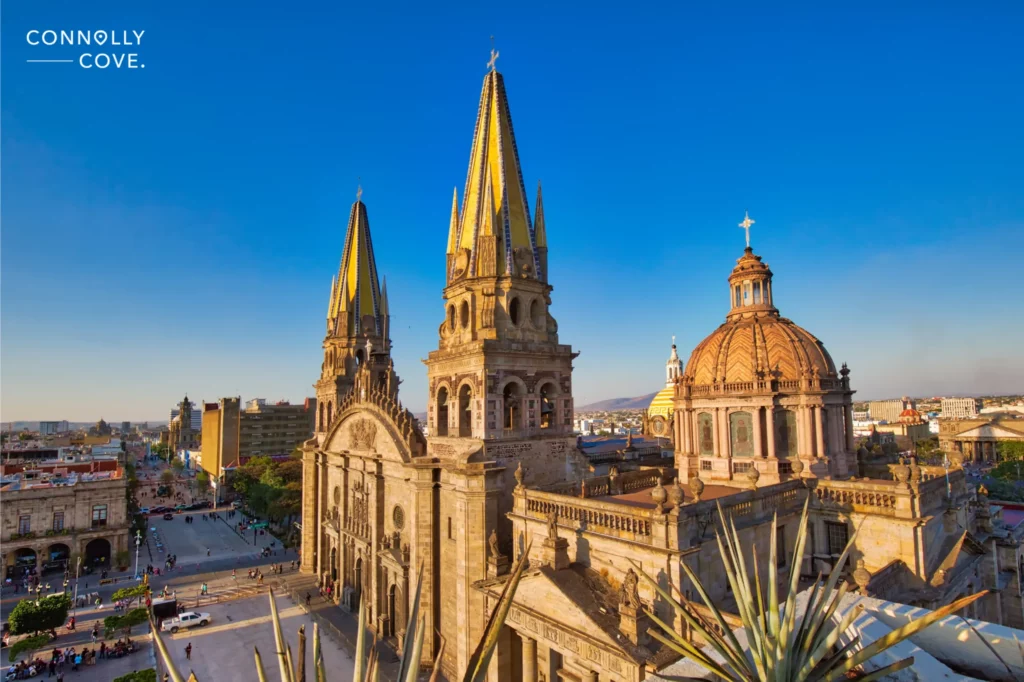
Built in the Spanish Renaissance style with New-Gothic spires, Guadalajara Cathedral is instantly recognisable the moment you enter the city! The cathedral’s twin yellow towers are a site for the eyes as they are a main attraction to the city’s skyline. Guadalajara Cathedral contains the second largest French organ in Mexico, and to get to witness its sound live is an unforgettable experience!
Church of Santa Prisca, Taxco
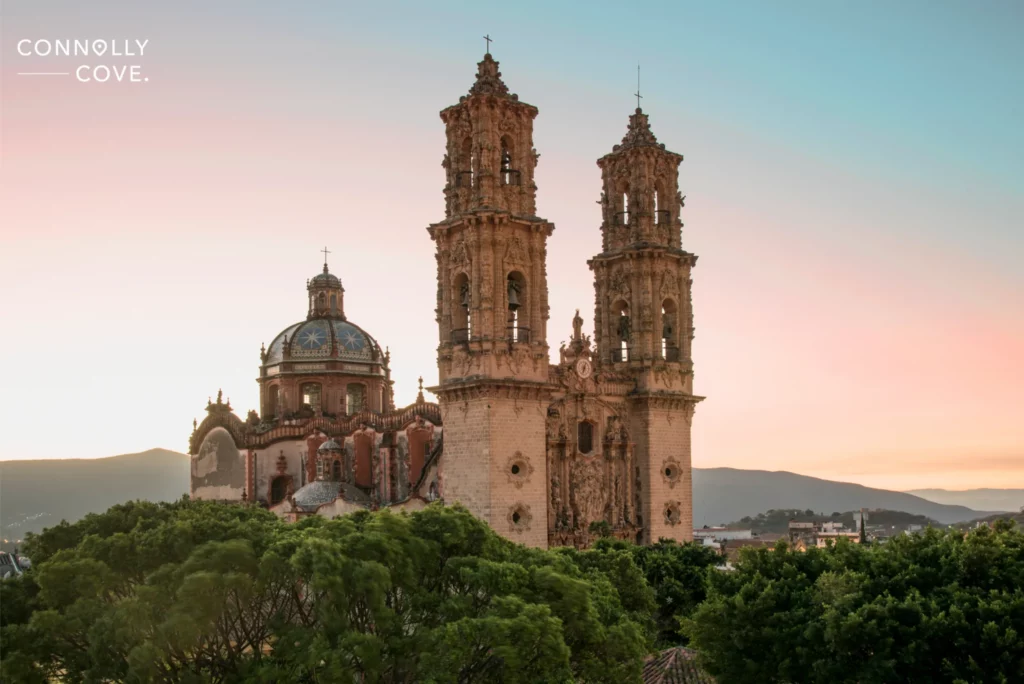
Located on the east side of the central plaza in Taxco lies the Church of Santa Prisca, a colonial monument that defines the city’s architecture and history. For a time between 1758 and 1806, the Church of Santa Prisca was the tallest building in all of Mexico!
The church is associated with a legend that says that during its building, a storm has hit the city. A lightning bolt then struck the church dome, causing it to shine brilliantly. The people of the city were scared demons would demolish their church, so they got to their knees and prayed! A beautiful woman then appeared above the church and caught the lighting in her hands, saving their beloved church.
Whether the legend has any truth, no one knows. However, it does give the church a mythical history that makes it even more magnificent!
Next time you visit Mexico, do not only visit its gorgeous sandy beaches and eat its delicious food! Make sure you also give cathedrals, especially The Metropolitan Cathedral, a visit. These buildings hold so much of Mexico’s history in their walls, and they will help you immerse yourself in the culture of the country a lot deeper.

Exploring Aillwee Caves in County Clare, Ireland
County Clare
01/05/2024
Visiting Glasgow | Ultimate Travel Guide
Scotland
01/05/2024

Discovering Ireland | Explore County Tyrone
County Tyrone
01/05/2024

10 Charming Irish Towns You Must Visit
Ireland
01/05/2024

The Art of Solomon’s Knot: Complete Guide
Culture Exploration
01/05/2024