
Spring transforms London into one of Europe’s most captivating cities. If you’re planning a visit between March and May, you’ll discover why this season offers the perfect balance of mild weather, blooming parks, and fewer crowds than summer. We’ve explored London extensively through our video production work and cultural content creation, giving us unique insights into the city’s most photogenic moments and authentic experiences.
This comprehensive guide covers everything from iconic castle visits to hidden neighbourhood gems, festival highlights to practical planning tips. Whether you’re a first-time visitor or a seasoned London explorer, you’ll find fresh perspectives on experiencing the capital during its most beautiful season.
Table of Contents
Planning Your Spring Visit to London
London in the spring offers something quite special. The harsh winter weather gives way to longer days, and the city’s parks burst into colour with cherry blossoms and daffodils. From our experience filming across the capital, we’ve found that spring provides ideal lighting conditions for capturing London’s architecture and street life—the soft, diffused light works beautifully whether you’re creating professional content or simply taking holiday photos.
The season typically runs from March through May, with each month offering distinct characteristics. March can still feel quite wintry, whilst April and May bring warmer temperatures and the full spectacle of spring blooms. This seasonal transformation makes London particularly appealing for travellers seeking authentic cultural experiences without the overwhelming summer crowds.
Castle Chic: Historic Sites in Spring Glory
Castles and historic houses take on a new character when spring arrives. The grim winter clouds disperse, making way for refreshing sunshine that highlights architectural details often lost in harsher light. These historic sites offer fascinating glimpses into Britain’s royal heritage whilst providing stunning backdrops for photography and videography.
Visit Windsor Castle
Windsor Castle transforms during the spring months, making it one of London’s most rewarding day trips. As the world’s oldest and largest inhabited castle, it offers an exceptional window into British royal heritage. The castle’s State Apartments house works by masters including Rembrandt and Rubens, whilst St George’s Chapel showcases Gothic architecture at its finest.
During spring, the castle grounds become particularly photogenic. The formal gardens surrounding Windsor burst into bloom, creating natural compositions that work beautifully for both casual photography and professional content creation. From our video production experience, the changing light throughout spring days offers diverse filming opportunities—from the soft morning glow on the castle’s stone walls to the golden hour illumination of the gardens.
The Changing of the Guard ceremony adds movement and colour to any visit. The guards’ scarlet tunics and bearskin hats create striking visual contrasts against the ancient stone architecture. For content creators and photographers, timing your visit to coincide with this ceremony provides dynamic footage opportunities.
Practical tip: Book tickets online in advance during spring, as weekends and school holidays can get busy. The castle typically opens at 10:00 AM, but arriving early allows you to explore the grounds before larger tour groups arrive.
Tower of London
The Tower of London stands as one of the city’s most historically significant sites, and spring visitation offers several advantages. The fortress complex, whilst not a traditional castle, provides nearly a thousand years of history within its walls. Spring sunshine illuminates the Crown Jewels display, where diamonds and rubies that once adorned British monarchs create dazzling reflections.
The Yeoman Warders—commonly known as Beefeaters—conduct tours that bring the Tower’s dramatic history to life. Their storytelling skills offer lessons in engaging narrative presentation, something we always emphasise in our content creation training. The Tower’s past includes executions, imprisonments, and intrigue, making it rich material for understanding how historical narratives can captivate modern audiences.
For those interested in photography or videography, the Tower presents interesting challenges and opportunities. The contrast between medieval architecture and modern London’s skyline provides compelling visual juxtapositions. The ravens that guard the Tower (according to legend, the kingdom will fall if they leave) add character to photographs and video content.
Booking ahead is essential, particularly for spring weekends. The Tower’s website offers timed entry tickets that help manage crowd flow.
Syon House
Syon House offers a quieter alternative to London’s more famous historic sites. This Palladian mansion on the River Thames showcases stunning 18th-century interiors designed by Robert Adam, with rooms that demonstrate period craftsmanship at its finest. The house’s location in West London makes it easily accessible yet less crowded than central attractions.
The real draw during spring is Syon’s extensive gardens. Thousands of rhododendrons create spectacular displays, transforming the landscape into a riot of purples, pinks, and whites. The Great Conservatory, designed by Charles Fowler in the 1820s, houses exotic plants and provides an impressive example of Victorian glasshouse architecture.
From a visual storytelling perspective, Syon offers diverse settings within a compact area—formal gardens, ancient trees, riverside paths, and architectural grandeur all within easy walking distance. This variety makes it valuable for content creators seeking multiple backdrops without extensive travel between locations.
Exciting Must-Attend Festivals and Events
Spring in London brings a packed calendar of festivals and events that showcase the city’s cultural diversity and creative energy. These gatherings offer opportunities to experience London beyond typical tourist attractions whilst capturing the authentic rhythms of city life.
Attend the Chelsea Flower Show (21-25 May)
The Chelsea Flower Show represents the pinnacle of horticultural achievement in Britain. Held annually at the Royal Hospital Chelsea, this prestigious event attracts the world’s finest florists, garden designers, and plant enthusiasts. The show features elaborate garden installations, cutting-edge landscape design, and innovative approaches to urban greening.
For anyone interested in visual design, branding, or creative presentation, the Chelsea Flower Show offers masterclasses in themed environments and experiential storytelling. Each garden tells a story through plant selection, structural elements, and spatial composition—principles that translate directly to other creative fields including web design and content strategy.
The show’s popularity means tickets sell out quickly. If you’re planning to attend, book several months in advance. The event attracts serious gardeners and casual visitors alike, creating a vibrant atmosphere that captures spring enthusiasm at its peak.
Beyond the main displays, the show features specialist sections on container gardening, floral arrangements, and sustainable growing practices. These focused exhibitions provide detailed insights that go well beyond surface-level appreciation.
Join St Patrick’s Day Festivities
St Patrick’s Day celebrations bring Irish culture to London’s streets each March. The main parade proceeds from Hyde Park through Piccadilly and along St James’s Street, featuring Irish dancing troupes, marching bands, and colourful pageantry. The event attracts substantial crowds, creating an energetic atmosphere throughout central London.
Having documented Irish cultural traditions extensively through our content work, we appreciate how these celebrations maintain authentic connections to heritage whilst creating accessible entertainment for diverse audiences. The balance between tradition and contemporary celebration offers lessons in cultural communication—something relevant whether you’re planning events, creating marketing content, or building brand narratives.
London’s Irish pubs throughout the city host live music, traditional food, and special programming around St Patrick’s Day. Many offer authentic Irish cuisine beyond the tourist-focused offerings, providing genuine cultural experiences. For content creators, these venues offer opportunities to capture both the organised festivities and the spontaneous celebrations that emerge throughout the day.
Enjoy the Spring Festival of Light (11 February – 8 May)
The Spring Festival of Light at Brent Cross Shopping Centre transforms commercial space into an illuminated art installation. As evening approaches, the shopping centre becomes a canvas for light sculptures, neon installations, and interactive displays. Giant illuminated flowers unfurl their petals, whilst laser displays paint patterns across the night sky.
From a digital content perspective, this festival demonstrates how lighting can transform familiar environments and create shareable visual experiences. The techniques used—strategic lighting placement, colour psychology, and spatial design—are relevant to anyone working in visual communication, from photographers to social media managers to brand designers.
The festival’s extended run from February through early May means it bridges the transition from winter into spring, offering different experiences as natural daylight hours increase. Evening visits during early spring provide the most dramatic contrast between installation lighting and the surrounding environment.
Where Reality and Fiction Collide: Cinematic and Literary London
London’s streets have provided settings for countless films, television series, and literary works. Spring offers ideal conditions for exploring these locations, with better weather making outdoor filming locations more accessible and enjoyable.
Get a Taste of Magic at the Wizarding World
Harry Potter’s connection to London runs deep, with numerous filming locations throughout the city and surrounding areas. The Warner Bros. Studio Tour in Leavesden offers comprehensive behind-the-scenes access to sets, props, and production techniques used throughout the film series.
For anyone interested in visual storytelling, set design, or production techniques, the studio tour provides valuable insights into how filmmakers create believable fictional worlds. The attention to detail in set construction, the strategic use of practical effects, and the integration of digital elements all offer lessons applicable to various content creation contexts.
Within London itself, several locations feature in the films. Platform 9¾ at King’s Cross Station has become a pilgrimage site for fans, complete with a dedicated photo opportunity and gift shop. Leadenhall Market in the City of London provided the visual inspiration for Diagon Alley’s exterior shots. These locations demonstrate how existing architecture can be repurposed through creative framing and production design.
Spring weather makes exploring these outdoor locations more pleasant than winter visits. The improved lighting conditions also benefit photography, whether you’re creating professional content or capturing personal memories.
Channel Your Inner James Bond
James Bond’s London spans from the Thames riverside to government buildings in Westminster. The MI6 building on the South Bank presents one of the franchise’s most recognisable locations, though it’s only viewable from outside. Its distinctive architecture makes it instantly identifiable to Bond fans.
Several other London locations feature prominently in Bond films. The British Museum hosted scenes from Skyfall, whilst the Barbican Estate appeared in Thunderball as Blofeld’s modernist lair. These locations showcase how filmmakers use London’s architectural diversity to create distinct atmospheres and settings.
For content creators, Bond’s London offers a case study in location branding and visual identity. The franchise consistently uses London landmarks to establish credibility and scale, demonstrating how strategic location choice reinforces narrative themes. Understanding these techniques benefits anyone working in visual storytelling, whether for commercial projects, educational content, or entertainment.
Dukes Bar in Mayfair claims Ian Fleming as a regular patron, where he allegedly perfected his vision of the martini—shaken, not stirred. Visiting these literary and cinematic locations connects visitors to London’s cultural influence on global entertainment.
Jack the Ripper Walking Tour
Whitechapel’s Victorian streets hold London’s most infamous unsolved mystery. Jack the Ripper walking tours explore the locations where murders occurred in 1888, examining the social conditions, police investigation, and enduring fascination surrounding the case.
These tours offer more than historical crime documentation. They provide insights into Victorian London’s social structure, the challenges faced by working-class women, and how communities responded to crisis. The tours also examine how media coverage shaped public perception—themes that remain relevant when discussing modern news cycles and digital communication.
From a storytelling perspective, Ripper tours demonstrate how narrative suspense, historical detail, and atmospheric setting combine to create engaging experiences. The best tour guides balance factual information with dramatic presentation, offering lessons in audience engagement applicable to various communication contexts.
Spring evenings provide comfortable conditions for these walking tours, which typically last around two hours. The tours operate year-round, but spring’s milder temperatures make the experience more enjoyable than winter alternatives.
Walks, Rides and River Experiences
London’s position on the Thames and its extensive transport network create diverse options for experiencing the city from different perspectives. Spring weather makes outdoor activities particularly appealing, whilst longer daylight hours extend exploration opportunities.
Take a High-Speed Thames Cruise
High-speed Thames cruises offer an adrenaline-fuelled alternative to traditional river boats. These rides combine sightseeing with entertainment, zipping past London’s riverside landmarks at speeds that create genuine thrills. You’ll pass Tower Bridge, the Houses of Parliament, and the London Eye whilst experiencing the Thames from a completely different perspective than pedestrian viewpoints provide.
From our experience creating video content along the Thames, the river offers unique vantage points for capturing London’s architecture. The constantly changing angles as boats move through the water provide dynamic composition opportunities. For anyone interested in videography or photography, river-based perspectives reveal relationships between buildings and spaces that aren’t apparent from street level.
The combination of speed and sightseeing creates an experience that appeals to different age groups and interests. The tours typically include commentary from guides who share historical information and contemporary details about the riverside buildings and bridges you’ll encounter.
Book these cruises in advance during spring, as demand increases with improving weather. Various operators offer different routes and durations, so research options to find the experience that matches your interests and schedule.
Riding the Iconic London Eye
The London Eye has anchored the South Bank since 2000, offering panoramic views across London from its slowly rotating capsules. Each rotation takes approximately 30 minutes, providing ample time to identify landmarks and appreciate the city’s layout from above.
The Eye’s observation capsules provide 360-degree visibility, revealing how London’s historic core transitions into modern development. From this elevated perspective, you can trace the Thames’ path, identify major parks, and understand how different architectural periods exist side by side throughout the city.
For photographers and content creators, the London Eye presents both opportunities and challenges. The capsule’s reflective surfaces require careful positioning to avoid unwanted reflections, whilst the constant movement demands attention to timing when capturing specific views. These technical considerations apply whether you’re shooting with professional equipment or smartphones.
The attraction currently undergoes maintenance until early February, so verify operational status before planning your visit. Once reopened, booking online typically offers better rates than gate purchases and guarantees entry during your preferred time slot.
Attend a Football Match
Football matches provide immersive experiences of British sporting culture. London’s numerous Premier League and Championship clubs offer regular fixtures throughout spring, creating opportunities to witness the passion and atmosphere that define English football. Stadiums like Wembley, the Emirates, and Stamford Bridge each have distinct characters and traditions.
Attending a match goes beyond the 90 minutes of play. The pre-match atmosphere in surrounding pubs, the coordinated chanting from supporters’ sections, and the post-match analysis all contribute to the experience. For anyone interested in community engagement, brand loyalty, or cultural traditions, football matches demonstrate how shared interests create powerful social bonds.
From a content creation perspective, sporting events present challenges in capturing authentic moments whilst respecting venue policies on photography and filming. Understanding these constraints—and working effectively within them—develops skills applicable to various professional contexts where documentation meets restrictions.
Check fixture schedules online and book tickets in advance, particularly for high-profile matches. Many clubs offer stadium tours on non-match days, providing behind-the-scenes access to facilities and club history.
Up at the O2
The O2 Arena’s roof climb offers a completely different perspective on London. This guided experience takes visitors up and over the arena’s distinctive dome structure, providing panoramic views across East London and beyond. The climb includes safety equipment and knowledgeable guides who share information about the structure’s engineering and the surrounding area’s development.
Reaching the summit reveals how London extends far beyond its central tourist areas. The view encompasses the Thames, Canary Wharf’s financial district, Greenwich’s historic maritime sites, and residential neighbourhoods stretching towards Essex. This broader perspective helps contextualise London’s scale and diversity.
The climb itself presents moderate physical challenge—manageable for most fitness levels but demanding enough to feel like an achievement. The experience combines outdoor activity with sightseeing, creating a memorable alternative to ground-level or capsule-based observation points.
Spring’s improving weather makes roof climbing more comfortable than winter conditions allow. The experience operates in most weather conditions, though high winds may cause closures. Booking online ensures availability during your preferred date and time.
Fresh Air Among Greenery: London’s Parks and Gardens
London’s extensive park system provides essential green space throughout the city. Spring brings these spaces to life with blooming flowers, active wildlife, and residents eager to embrace outdoor leisure after winter’s constraints.
Stroll Through Hampstead Heath
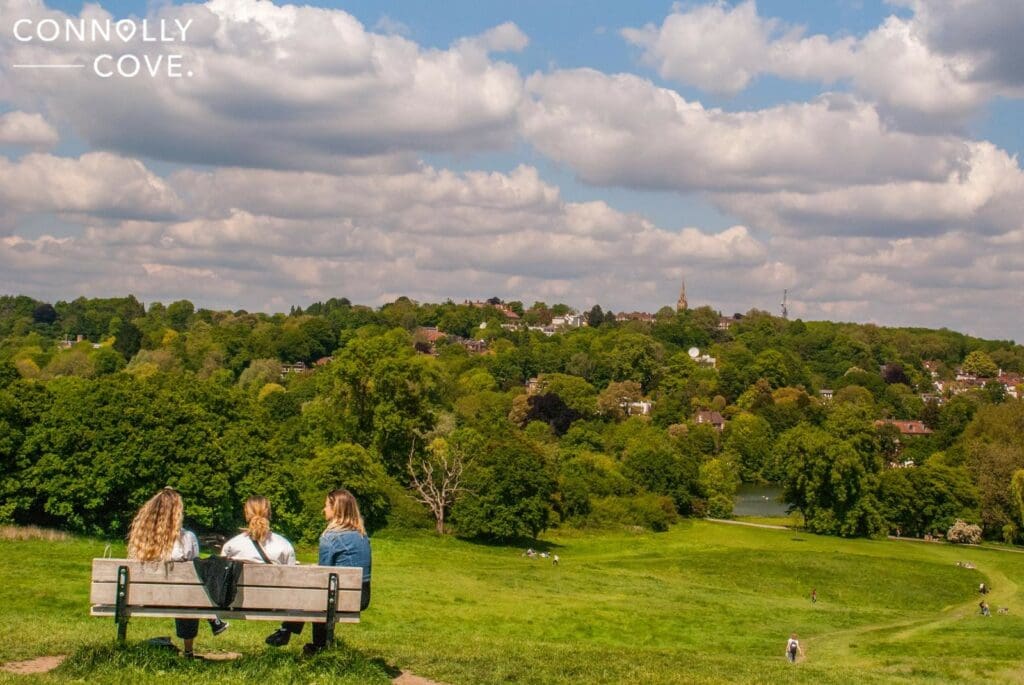
Hampstead Heath offers 790 acres of wild, uncultivated parkland in North London. Unlike the city’s formal Royal Parks, the Heath maintains a wilder character with woodlands, meadows, and swimming ponds. Parliament Hill provides one of London’s finest panoramic views, looking south across the city’s skyline.
Spring transforms the Heath into a carpet of wildflowers. Early morning visits reveal the landscape at its most atmospheric, with mist often lying low across the meadows and bird activity at its peak. For anyone interested in nature photography or environmental content, the Heath provides exceptional opportunities to capture seasonal change in an urban context.
The Heath’s varied terrain supports diverse ecosystems, making it valuable for understanding how green spaces function within cities. The swimming ponds operate year-round, including through spring’s gradually warming temperatures. These facilities demonstrate how Victorian infrastructure continues serving contemporary recreational needs.
Access the Heath via Hampstead or Gospel Oak stations. The site’s size means you can easily spend several hours exploring different areas, from the formal gardens near Kenwood House to the more remote western sections.
Visiting Richmond Park
Richmond Park spans 2,500 acres, making it London’s largest Royal Park. Its most famous residents are the 600-plus deer that roam freely throughout the grounds. Spring brings new fawns, creating opportunities to observe these animals in what approximates their natural behaviour, despite the urban context.
Isabella Plantation, enclosed within Richmond Park, showcases carefully cultivated woodland gardens. Spring brings azaleas and rhododendrons into spectacular bloom, creating colour displays that peak between late April and mid-May. The plantation’s design demonstrates how horticultural expertise can create naturalistic effects through careful plant selection and spatial arrangement.
From King Henry’s Mound within the park, a protected view extends 10 miles to St Paul’s Cathedral. This sight line has been preserved since Henry VIII’s time, demonstrating London’s commitment to protecting historic perspectives despite continuous development pressure.
The park’s scale and varied terrain offer opportunities for walking, cycling, and photography. Different areas provide distinct characters—from the formal landscape near Richmond Gate to the wilder woodland sections. Spring’s mild temperatures make exploring the park’s full extent comfortable without summer’s heat.
Visit Kew: The Royal Botanic Gardens
Kew Gardens houses the world’s largest collection of living plants, with over 50,000 specimens across 300 acres. The gardens serve dual purposes as a public attraction and a serious scientific research facility, with botanists studying plant conservation, taxonomy, and climate adaptation.
Spring at Kew begins with carpets of crocuses and daffodils, progressing through tulip displays and culminating in the rhododendron collection’s peak bloom. The Temperate House, recently restored at substantial cost, showcases plants from climates similar to Britain’s, demonstrating the diversity within temperate zones globally.
For content creators, Kew offers an exceptional variety of settings within a relatively compact area. The Victorian glasshouses provide dramatic architectural backdrops, whilst the Treetop Walkway offers elevated perspectives across the gardens. The Japanese Gateway and surrounding gardens demonstrate how cultural influences shape landscape design.
The gardens’ scientific mission extends beyond passive display. Kew’s research programmes address climate change, food security, and biodiversity loss—global challenges where botanical knowledge proves essential. Understanding how Kew communicates complex scientific concepts to public audiences offers lessons for anyone working to make specialised knowledge accessible.
Online booking provides slightly reduced admission costs compared to gate purchases. The gardens open at 10:00 AM, with early visits offering quieter exploration opportunities before school groups and tour parties arrive.
Have a Wild Time at the Zoo
ZSL London Zoo, located in Regent’s Park, houses over 750 animal species across specialized enclosures designed to approximate natural habitats. Spring brings increased animal activity as many species enter breeding seasons, providing enhanced opportunities to observe natural behaviours.
The Gorilla Kingdom houses the zoo’s western lowland gorilla troop, including silverback Kiburi. Observation areas allow extended viewing, creating chances to understand gorilla social dynamics and family structures. The enclosure’s design demonstrates how contemporary zoo architecture balances animal welfare with visitor experience—concepts relevant to anyone interested in space planning or user experience design.
The Butterfly Paradise operates seasonally, opening as temperatures warm sufficiently for the butterflies. Walking through this enclosed space with dozens of butterfly species flying freely creates an immersive experience that standard exhibits cannot match. Photography in this environment requires patience and quick reflexes, as the butterflies move unpredictably through constantly changing light conditions.
Sir David Attenborough’s name now graces the Komodo Dragon enclosure, reflecting these reptiles’ conservation status and the zoo’s role in breeding programmes. The zoo’s conservation work extends globally, with field programmes supporting endangered species protection in their native habitats.
Battersea Park Children’s Zoo offers an alternative focused on domestic and farm animals. This smaller facility provides hands-on experiences that larger zoos cannot accommodate, including feeding opportunities and close encounters with species like meerkats and pygmy goats.
Both facilities benefit from advance booking, which typically offers reduced rates and guarantees entry during peak periods. Spring weekends and school holidays see increased visitor numbers, making early arrival advisable for optimal viewing conditions.
Practical Planning for Your Spring London Visit
Successfully navigating London requires understanding the city’s rhythm, transport system, and seasonal patterns. Spring brings specific considerations that affect planning, from weather unpredictability to Bank Holiday scheduling.
Understanding London Spring Weather
London’s spring weather famously defies simple characterisation. March can bring winter’s final storms or unexpected warm spells. April alternates between sun and showers—the source of the old expression about “April showers bringing May flowers.” May typically offers the most reliable pleasant weather, though British weather patterns resist absolute predictions.
Pack layers rather than single-purpose garments. A water-resistant jacket that compresses into a small package proves invaluable, as does a light jumper or fleece for cool mornings and evenings. Londoners rarely carry large umbrellas, preferring compact folding versions or relying on jacket hoods during brief showers.
Temperature ranges typically span from 8-15°C in March to 12-19°C by May, though individual days can fall outside these averages. Rainfall remains consistent throughout spring, averaging 40-50mm monthly. This doesn’t mean constant rain—rather, expect occasional showers interspersed with dry periods.
From a photography and video perspective, spring’s variable weather creates interesting lighting conditions. Rapidly changing cloud cover produces dynamic light that can transform locations within minutes. This variability demands flexibility in shooting schedules but rewards patience with exceptional natural lighting opportunities.
Navigating Bank Holidays
Britain observes two Bank Holidays during spring—Early May Bank Holiday (first Monday in May) and Spring Bank Holiday (final Monday in May). These public holidays significantly impact London’s rhythm, transport services, and attraction availability.
Major museums and attractions typically remain open during Bank Holidays, often with extended hours. However, some smaller venues, shops, and restaurants may close or operate reduced schedules. Always verify opening times in advance rather than assuming normal operations.
Public transport operates modified schedules on Bank Holidays. Tube services generally maintain regular frequencies on main lines, but some smaller stations may remain closed. National Rail services, particularly those connecting London with other UK regions, often face engineering works during these weekends when reduced weekday commuter traffic minimises disruption.
For visitors arriving from Ireland or planning day trips beyond London, check National Rail Enquiries at least two weeks before travel. Replacement bus services substitute for closed rail lines, significantly extending journey times and requiring different planning approaches.
Bank Holiday weekends see increased British tourism as residents use the long weekends for short breaks. This means higher demand for popular attractions, restaurants, and accommodation. Advance booking becomes essential rather than optional during these periods.
Getting Around London
London’s transport network ranks among the world’s most comprehensive. The Underground (commonly called the Tube) provides the fastest connections between major areas, whilst buses offer street-level views and access to areas beyond Tube coverage. Overground rail services extend throughout Greater London, and the river bus network provides Thames-based transport.
The Oyster card system and contactless payment cards offer the most cost-effective fares. Daily caps limit spending regardless of journey numbers, making exploration economical. Avoiding travel during peak hours (roughly 7:30-9:30 AM and 5:00-7:00 PM weekdays) results in lower fares and less crowded vehicles.
Cycling infrastructure has expanded significantly in recent years. Santander Cycles (commonly called “Boris bikes”) offer self-service bicycle hire throughout central London. Dedicated cycle lanes and quieter back streets provide alternatives to major roads, though London cycling demands awareness and confidence in traffic.
Walking remains highly effective for exploring central areas. Many of London’s most significant areas—Westminster, the South Bank, Bloomsbury—are compact enough to traverse on foot whilst discovering details that pass unseen from vehicle windows. Spring’s mild weather makes walking particularly pleasant compared to winter’s cold and summer’s potential heat.
Budgeting for Your London Visit
London’s reputation for high costs reflects reality, though strategic planning significantly reduces expenditure. Accommodation prices vary dramatically by location and advance booking, with outer zones offering better value than central hotels. Consider areas like Greenwich, Richmond, or Hampstead, which combine reasonable pricing with excellent transport links and their own attractions.
Many of London’s finest museums and galleries charge no admission fees. The British Museum, National Gallery, Tate Modern, Natural History Museum, and Science Museum all offer free entry to permanent collections. Special exhibitions may charge admission, but substantial content remains freely accessible.
Budget approximately £15-25 daily for meals using supermarket purchases, street food, and affordable restaurants. Central London restaurants command premium prices, whilst outer boroughs and ethnic restaurants in areas like Brick Lane, Southall, or Chinatown offer better value without compromising quality.
Advance booking typically reduces costs for paid attractions. The London Pass bundles multiple attractions into a pre-paid package that can provide savings for intensive sightseeing schedules, though calculate carefully whether your planned visits justify the investment.
Seasonal Considerations for Content Creators
Spring’s lengthening daylight hours extend shooting opportunities considerably compared to winter. By late May, sunset occurs after 9:00 PM, providing long afternoons for outdoor filming and photography. The improving weather also means less equipment protection needed against rain compared to winter conditions.
London’s spring light quality suits various content styles. Early morning provides soft, directional light ideal for architectural photography. Midday light, often harsh in summer, remains more manageable in spring due to the sun’s lower angle. Evening golden hour occurs at convenient times for post-dinner content creation.
For those documenting travel experiences or creating destination content, spring offers the advantage of visible seasonal change. Cherry blossoms, spring flowers, and renewed park activity all provide visual markers of spring’s progression—elements that help establish temporal context in content.
Location permissions and drone regulations apply year-round. Most London parks prohibit commercial filming without advance permission and appropriate licensing. Understanding these requirements before beginning content creation prevents legal complications and respects public space use policies.
Creating Content That Captures London’s Spring Character
Through our work producing travel and cultural content, we’ve learned that successful location storytelling balances iconic imagery with unexpected perspectives. London’s spring season provides both—the famous landmarks everyone recognises and the quieter moments that reveal the city’s authentic character.
Effective destination content goes beyond simple documentation. It considers composition, narrative structure, and audience expectations whilst finding fresh angles on familiar subjects. Whether you’re creating professional video content, building a travel blog, or simply documenting experiences through social media, these principles apply.
Technical capabilities continue advancing, making high-quality content creation accessible with increasingly compact equipment. However, technology serves vision rather than replacing it. Understanding how light, composition, and timing interact remains fundamental regardless of equipment sophistication.
For organisations developing destination content or cultural storytelling projects, spring London offers exceptional opportunities. The combination of visual appeal, cultural depth, and practical accessibility creates ideal conditions for creating engaging content that serves multiple purposes—from marketing materials to educational resources to entertainment programming.
Frequently Asked Questions About London in the Spring

What is the best month to visit London in spring?
May typically offers the most reliable weather and the fullest expression of spring blooms. However, April provides a good balance between pleasant conditions and lower accommodation prices, whilst March appeals to visitors seeking fewer crowds despite more variable weather.
How should I dress for London in spring?
Pack layers that allow flexibility as temperatures change throughout the day. Include a water-resistant jacket, comfortable walking shoes suitable for wet pavements, and both short and long-sleeved options. British weather patterns make fixed outfits impractical—adaptability proves more valuable than any single garment.
Are London’s parks free to enter?
Most London parks remain freely accessible year-round. The Royal Parks—including Hyde Park, Regent’s Park, and Richmond Park—charge no admission fees. Kew Gardens requires paid entry as it functions as both public attraction and research facility, though the admission supports essential conservation work.
Do I need to book attractions in advance?
Advance booking guarantees entry during your preferred time and typically offers reduced rates compared to gate purchases. During spring, particularly around Bank Holiday weekends, popular attractions frequently sell out. Museums with free admission generally don’t require booking, though special exhibitions within them often do.
How expensive is London compared to other European capitals?
London ranks among Europe’s more expensive cities for visitors, particularly for accommodation and dining in central areas. However, free museum access, comprehensive public transport with daily caps, and diverse food options across price points make budget-conscious visits entirely feasible. Outer boroughs offer better value whilst maintaining excellent transport connections.
What’s the weather typically like in London during spring?
Spring weather ranges from cool and occasionally wet in March (8-12°C) to mild and generally pleasant by May (12-19°C). Rainfall remains consistent throughout, averaging 40-50mm monthly. Rather than constant rain, expect periodic showers interspersed with dry periods. Pack layers and rain protection whilst remaining optimistic—British weather often surprises pleasantly.
Making the Most of Your Spring London Adventure

Spring transforms London from a city enduring winter into one celebrating renewal. The parks bloom, outdoor spaces fill with activity, and the extended daylight hours create opportunities to experience more within each day. Whether you’re visiting castles steeped in royal history, exploring markets that reveal local culture, or simply enjoying the spectacle of cherry blossoms against Victorian architecture, London rewards curiosity and exploration.
The experiences outlined in this guide represent just a fraction of what spring London offers. The city’s depth means that return visits continue revealing new perspectives and previously undiscovered areas. From historic sites to contemporary culture, from iconic landmarks to neighbourhood secrets, London’s spring season provides the ideal conditions for authentic exploration.
For those documenting their travels or creating content about cultural destinations, London offers exceptional opportunities to develop storytelling skills whilst capturing genuinely engaging material. The city’s combination of visual appeal, historical depth, and contemporary vitality creates natural narratives waiting to be discovered and shared.
Plan thoughtfully, embrace the unpredictable British weather with good humour, and allow time for spontaneous discoveries alongside scheduled activities. London in the spring rewards both careful planning and flexible exploration—the perfect balance for memorable travel experiences.