


London Ghost Tours: Spooky Walks Through Haunted London

Updated On: April 26, 2024 by  Panseih Gharib
London, a city known for its rich history, is also shrouded in tales of the supernatural. Haunted London has long been a fascination for locals and tourists alike, drawing them to explore the eerie and mysterious side of the city.
From the chilling stories of Jack the Ripper to the paranormal activity reported in historic alleyways and hidden courtyards, London Ghost Tours offers many ghostly experiences for those seeking a spine-tingling adventure.
History of Haunted London
The history of haunted London dates back centuries, with tales of encounters with ghosts and unexplained phenomena capturing the imagination of residents and visitors. The city’s old and storied past has given rise to countless ghost stories, each adding to the allure of exploring haunted locations. From the shadows of the city’s iconic landmarks to the gruesome history of its alleyways, haunted London is steeped in chilling folklore and paranormal activity.
London’s haunted history is as thick as the fog on a Thames-hugging night. It stretches centuries, weaving through Roman settlements, plague outbreaks, and fiery revolutions, leaving behind a tapestry of ghostly tales.
Early Haunts
Roman ghosts whisper in the shadows of ancient walls, while whispers of Boudica’s fiery rebellion still echo through Covent Garden. The Great Fire of 1666 left a spectral stain on the city, with stories of wailing flames and phantom footsteps.
The Tower of Terror
This iconic fortress is the undisputed champion of haunted London. From beheaded queens to tortured prisoners, the Tower’s walls hum with restless spirits. Anne Boleyn’s headless ghost searches for her lost head while the Bloody Tower echoes with the cries of murdered princes.
Beyond the Tower
London’s haunted map is extensive. The plague haunts abandoned plague pits while ghosts of Victorian criminals linger in former prisons. Pubs whisper tales of highwaymen and poltergeists, while grand Victorian houses teem with restless family spectres.
Modern Frights
Even the 20th and 21st centuries have yet to escape the spectral touch. Blitz bombings whisper through bombed-out churches and modern office buildings harbour the spirits of overworked business people.
Beyond the Frights
London’s haunted history isn’t just about spooks and chills. It’s a window into the city’s past, tragedies and triumphs, and whispers of lives lived and lost. It’s a reminder that beneath the gleaming modern metropolis lies a vibrant, sometimes unsettling, tapestry of stories waiting to be heard as you join one of the tours of haunted London.
Popular London Ghost Tours
London’s haunted past attracts thrill-seekers from all corners of the globe, and there’s no shortage of ghost tours. Here are some of the most popular, catering to different interests and budgets:
London Ghost Bus Tours
The iconic double-decker buses wind through London’s Whitechapel streets, where Jack the Ripper committed his gruesome murders in 1888. The unsolved case remains mysterious, with numerous suspects and theories fuelling ongoing fascination.
Jack the Ripper Tours
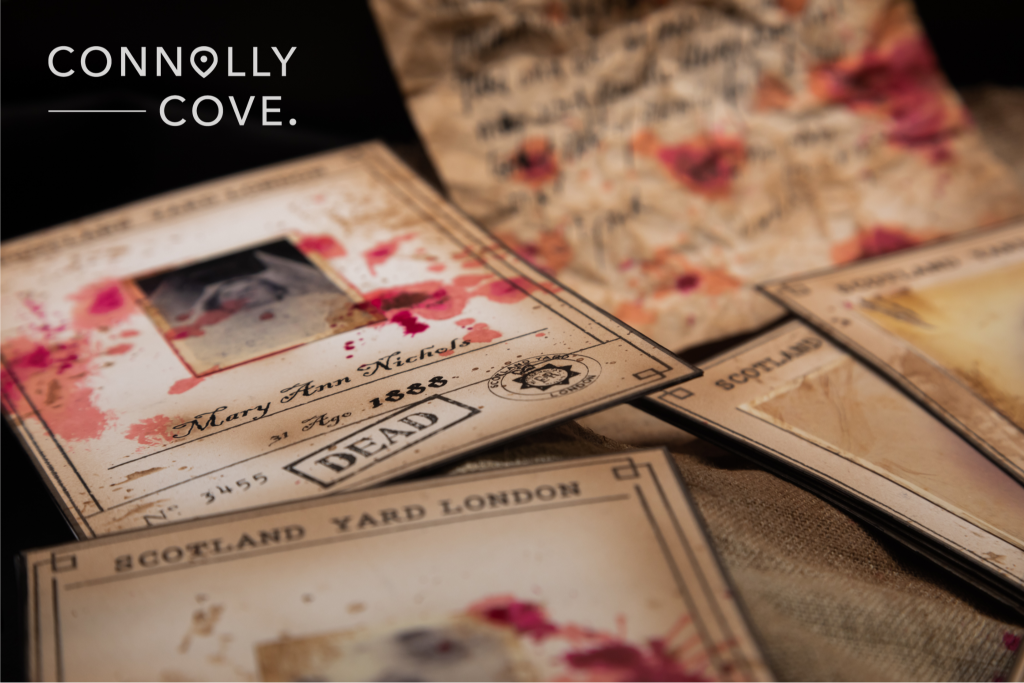
There’s no doubt that Jack the Ripper was a real serial killer who terrorized London’s Whitechapel district in 1888. Five confirmed victims, all women working as prostitutes, met their gruesome ends at his hands between August and November of that year. Their bodies were found mutilated in alleyways, bearing the hallmarks of surgical knowledge and extreme violence.
The Mystery of Mary Jane Kelly’s Final Moments
The most gruesome of Jack’s murders, Kelly’s body was mutilated beyond recognition. The tour explores the crime scene and theories about the killer’s identity, leaving even sceptics pondering the case’s unsolved darkness.
Hidden Clues in Whitechapel’s Alleyways
These tours delve into the social and economic conditions of Victorian London that contributed to the Ripper’s reign of terror. They explore locations like Ten Bells Pub and Mitre Square, where clues were found, sparking endless speculation.
Walking Tour through Haunted London Streets
Explore haunted alleyways and hidden graveyards, hearing chilling stories of London’s most notorious ghosts. The site of a mass burial pit during the Great Plague of 1665, the church is said to harbour the restless spirits of victims, with reports of cold spots and disembodied moans.
The Cloak and Dagger Tour
Delve into London’s dark side, encountering stories of spies, assassins, and supernatural chills in hidden courtyards and secret passageways.
The Bloody Tower
- This infamous Tower within the Tower of London witnessed the murders of the “Princes in the Tower,” Edward V and Richard, Duke of York, in 1483. Visitors report hearing their mournful cries, especially on the anniversary of their deaths.
- Executed in 1536, Anne Boleyn is one of the Tower’s most famous ghosts. Sightings of her headless apparition searching for her lost head are common, adding to the Tower’s chilling atmosphere.
Haunted Pubs of Old London
Raise a glass in historic pubs with a spectral past, hearing tales of ghostly encounters and gruesome murders. This Whitechapel pub, frequented by Jack the Ripper’s victims, is rumoured to be haunted by Mary Jane Kelly, his last victim. Whispers, objects moving independently, and cold spots add to the eerie atmosphere.
The Mysterious World of Harry Potter Tour
We are calling all witches, wizards, and Muggles alike! Embark on a magical adventure with a private Harry Potter walking tour tailored just for you! Step into the vibrant streets of London and beyond, transforming iconic landmarks into scenes straight out of J.K. Rowling’s beloved books.
Diagon Alley Comes Alive
Stroll down Borough Market, transformed into the bustling shopping hub of Diagon Alley. Imagine Hagrid leading you through Knockturn Alley and marvelling at Ollivander’s wand shop, where you can choose your perfect magical instrument.
Hogwarts Haunts
Step into the majestic halls of King’s College, the inspiration for Hogwarts’ Great Hall. Explore the secluded courtyards of Lambeth Palace, a filming location for Hogwarts’ exterior. Feel the weight of history and magic in these ancient buildings.
Beyond the Books
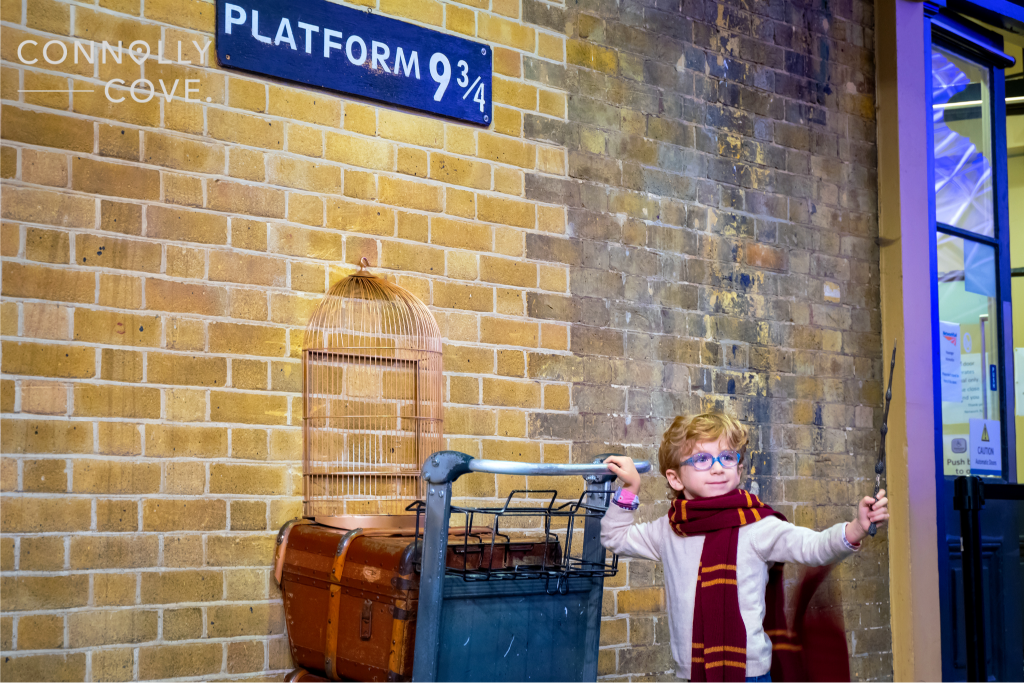
Discover hidden locations that inspired J.K. Rowling’s imagination. Walk the secret passageways mentioned in “Harry Potter and the Prisoner of Azkaban” and see the real-life Leaky Cauldron pub featured in the first film. Take a memorable photo as you cross to the 9 3/4 platform and relive one of the best moments of your favourite characters.
Conjuring Your Interests
Discuss your favourite parts of the Harry Potter universe with your guide. Whether you’re a Quidditch fanatic, a Potions fan, or a Dark Arts enthusiast, the tour can be customized to cater to your specific fascinations.
Interactive Spells and Scavenger Hunts
Cast imaginary spells at iconic landmarks, decipher cryptic clues on a scavenger hunt through magical locations, and test your knowledge of the wizarding world through trivia challenges.
Wandering at Your Pace
Forget the rigid schedules of group tours. A private tour allows you to linger at your favourite spots, take photos, and delve deeper into the history and details that pique your curiosity.
This isn’t just a sightseeing trip; it’s an unforgettable experience that allows you to truly step into the shoes of your favourite characters. Bond with fellow Potterheads, share your passion for the series and create lasting memories with your group.
London Witches and History Walking Tour
This unique experience blends historical facts with fascinating folklore, introducing you to the city’s magical past and the real-life witches who once walked its cobblestones.
Step into a Hidden World
As you wind through narrow lanes and secret courtyards, your guide will unveil the stories of London’s forgotten magical practitioners. From cunning folk healers to the infamous “wise women” accused of witchcraft, discover the rich tapestry of beliefs and practices that thrived in the city’s shadows.
Encounter Haunted London Sites
Visit locations steeped in both historical significance and eerie lore. Stand beneath the ancient yew tree in St. Paul’s Churchyard, rumoured to be a gathering place for witches, or explore the ruins of Winchester Palace, where whispers of the infamous Winchester Goose still linger.
Meet the Bewitching Figures
Learn about the remarkable women who defied societal norms and embraced their connection to the magical. From the wise and cunning Julian of Norwich to the rebellious Alice Kyteler, their stories offer a glimpse into the courage and resilience of London’s historical witches.
Behind the Scenes of London Ghost Tours
London Ghost Tours uses historical accuracy, storytelling, theatricality, and audience engagement to create a lively and chilling experience. Here are some key ingredients in the tours around haunted London districts.
Fact-based Storytelling
Tour Guides weave actual historical events and local legends into their narratives, grounding the experience in authenticity. Researching local archives, interviewing residents, and consulting paranormal investigators ensure the stories have roots in truth, even if embellished with spooky details.
Captivating Performance
Tour Guides are masters of storytelling, using vocal inflexions, facial expressions, and gestures to draw the audience into the narrative. They build suspense, deliver dramatic pauses, and create a sense of anticipation that keeps participants on the edge of their seats.
Setting the Scene
Tours often occur at night, in cemeteries, old buildings, or other atmospheric locations. Guides might use props, costumes, or sound effects to enhance the mood and bring the stories to life. These sensory elements immerse participants in the eerie atmosphere, blurring the lines between reality and the supernatural.
Interactive Elements
Some ghost tours incorporate quizzes, treasure hunts, or riddles related to the local haunts. This keeps participants engaged and actively involved in the haunted tour, making them feel like more than just passive observers.
Sharing Personal Encounters
Guides might share their spooky experiences or local ghost stories, adding a personal touch and inviting participants to share their encounters. This fosters a sense of community and shared chills among the group.
Leaving Room for Interpretation
The best ghost tours need to spoon-feed explanations. They present the evidence, the stories, and the atmosphere but leave it up to the audience to conclude. This sparks debate, keeps the mystery alive, and allows participants to have their encounters with the unknown.
Conclusion
London’s most lively guided tours are a delicate balance between historical accuracy, captivating storytelling, and a touch of theatricality. They aim to entertain, educate, and leave you unease about the shadows that lurk beyond the light. These tours are not just about the past; they are about exploring the enduring power of folklore and the human fascination with the unknown. As you delve into the world of tours of London, you might discover a newfound appreciation for the city’s hidden depths and the enduring power of the human spirit.
FAQ
Are the London Ghost Tours spooky?
Yes, the London Ghost Tours are designed to be spooky and thrilling, offering an immersive experience into the eerie and ghostly side of the city.
Where does the London Ghost Tour usually take place?
The London Ghost Tour typically takes place in various locations such as London Bridge, Old City, Greenwich, and other shadowy parts of the city known for their haunted history.
Who is the guide for the London Ghost Tour?
The London Ghost Tour is often guided by experts like Richard Jones, known as the master of the macabre and the longest-established ghost walk guide in the city.
How long does the London Ghost Tour last?
The duration of the London Ghost Tour varies, but it usually lasts for a couple of hours, offering a comprehensive exploration of haunted London.
How can I book a London Ghost Tour?
You can book a London Ghost Tour through platforms like TripAdvisor or directly with tour operators offering these spooky walks through haunted London.
Top Attractions in Rome, Italy
Italy
04/05/2024

Discovering Ireland: County Cavan Outdoor Adventures
County Cavan
04/05/2024
The Curious Case of Irish Curses and the Magical Cursing Stone
Ireland
04/05/2024

May Day: Exploring the Spiritual Significance and Traditions of the Beltane Festival
Festivals and Events
04/05/2024

Unveiling the Enigma of Cronk Sumark: A Mesmerising Ancient Celtic Hill Fort with Stunning Views!
Culture Exploration
03/05/2024