

Pack your bags, wanderers, because we’re about to embark on an adventure like no other! El Salvador, the unsung hero of Central America, is calling your name. Imagine a country where every landscape tells a story, where the rhythm of the Pacific surf is a lullaby, and where the aroma of pupusas lingers in the air. But hold on to your sombreros because things to do in El Salvador go way beyond your average beach holiday.
At ConnollyCove, we’ve explored this remarkable nation through our lens, capturing its essence through video content and digital storytelling. Our experience filming across El Salvador’s diverse regions has given us unique insights into how travellers can authentically experience this Central American gem whilst respecting its rich cultural heritage.
Join us as we unravel the ultimate bucket list for El Salvador—where ancient ruins, hidden waterfalls, and charming surf towns await your exploration. This is your passport to the extraordinary; this is your ticket to El Salvador’s untold wonders!
Table of Contents
Top Things to Do in El Salvador: Riding the Waves
These aren’t your average beaches, no sir. Think volcanic-backed bliss where gentle waves lull you into serenity one minute and then whoosh you into exhilarating surf sessions the next. Whether you’re a seasoned mermaid or a landlubber testing the waters, El Salvador has something for every soul.
The Pacific coastline stretches for over 300 kilometres, offering endless opportunities for water sports, coastal photography, and beachside relaxation. Through our video production work documenting surf culture along this coast, we’ve discovered that the best surf spots offer not just waves, but entire communities built around ocean appreciation.
Dive into the clear blue haven, feel the sand squish between your toes, or build sandcastles that rival Gaudi’s masterpieces. The only limit is your imagination (and maybe your sunscreen SPF).
El Tunco: The Surfer’s Paradise
Kickstart your beach escapades at El Tunco, a vibrant hub for surfers from around the world. With its consistent waves and lively atmosphere, El Tunco is a surfing paradise. Grab your board, paddle out, and ride the waves as the sun dips below the horizon, casting the Pacific in hues of orange and pink.
If you’re new to surfing, worry not—local surf schools offer lessons for all skill levels. The town has evolved into a digital nomad hotspot, with reliable Wi-Fi in most cafés and co-working spaces, making it an ideal location for remote workers who want to balance productivity with adventure.
When we filmed the surf culture at El Tunco, we discovered a community that perfectly balances adventure tourism with sustainable living. The way local businesses have embraced digital marketing to reach international travellers whilst maintaining authentic Salvadoran character is truly inspiring.” – Ciaran Connolly, Founder of ConnollyCove
El Zonte: Paddleboarding Tranquility
For a more tranquil water experience, head to El Zonte. This hidden gem is not only known for its serene beaches but also offers the perfect setting for paddleboarding. Glide along the gentle waves, bask in the coastal serenity, and witness the picturesque shoreline from a unique perspective.
El Zonte’s laid-back ambience makes it an ideal spot for those seeking a peaceful connection with the ocean. Interestingly, this beach town has gained international attention as the birthplace of Bitcoin Beach—a grassroots project demonstrating innovative digital currency adoption in a small community.
Playa El Sunzal: Kayaking Adventures
As the sun kisses the volcanic sands of Playa El Sunzal, gear up for kayaking adventures. This beach is renowned for its diverse marine life and pristine waters, making it an excellent choice for exploring by kayak. Paddle through the clear blue sea, marvel at the coastal cliffs, and embrace the tranquillity that defines this captivating stretch of El Salvador’s coastline.
The consistent surf breaks at El Sunzal have made it a favourite filming location for surf documentaries and travel content creators. The dramatic backdrop of lush mountains meeting the ocean creates visually stunning content opportunities for photographers and videographers.
Beyond the Waves: Beachside Bliss
Beyond the thrill of water activities, these beaches offer ample opportunities for beachside bliss. Unwind on the warm sands, sip on coconut water, and relish the laid-back atmosphere. Local vendors offer beachfront refreshments, allowing you to recharge between your aquatic adventures.
Practical Tips for Beach Activities:
- Surfing Schools: Take advantage of the surfing schools in El Tunco for beginners or those looking to improve their skills
- Rentals: Surfboards, paddleboards, and kayaks are readily available for rent, eliminating the need to carry cumbersome gear
- Sun Safety: Don’t forget sunscreen, a hat, and sunglasses to protect yourself from the tropical sun
- Local Cuisine: Explore beachside eateries for a taste of Salvadoran cuisine, from fresh seafood to traditional pupusas
- Photography Opportunities: Golden hour along these beaches provides spectacular light for capturing memories
Historical and Cultural Sites
Embark on a captivating journey through El Salvador’s rich historical and cultural tapestry, where every step echoes the tales of ancient civilisations and colonial legacies. From UNESCO World Heritage sites to colonial towns frozen in time, let’s explore the gems that make El Salvador a living museum of history and culture.
Our work creating cultural heritage content has taught us that the most compelling travel stories come from understanding the deeper context behind historical sites. El Salvador’s cultural landscape offers endless opportunities for immersive storytelling that connects past and present.
Joya de Cerén: The Pompeii of the Americas
Our first stop on this historical odyssey takes us to the UNESCO-listed Joya de Cerén, often hailed as the “Pompeii of the Americas.” Immerse yourself in the preserved remnants of a pre-Columbian village, offering an intimate glimpse into daily life during the 6th century.
Unearth the archaeological wonders that make Joya de Cerén a time capsule of ancient Central American civilisations. The site’s exceptional preservation—volcanic ash protected structures, artefacts, and even agricultural fields—provides archaeologists and visitors with unprecedented insights into how ordinary Mayans lived over 1,400 years ago.
Tazumal and San Andrés: Mayan Marvels
Journey through time as you explore the Mayan ruins of Tazumal and San Andrés. Marvel at the intricately carved stelae and pyramids that stand as a testament to the advanced civilisation that once thrived in this region.
Allow the ancient stones to whisper tales of Mayan ceremonies, trade routes, and the cultural legacy that endures to this day. Tazumal, meaning “pyramid where victims were burned” in the K’iche’ language, features El Salvador’s tallest archaeological structure, rising 24 metres above the surrounding landscape.
These sites present excellent opportunities for educational video content and cultural documentation. The interplay of light across ancient stonework during different times of day creates dramatic visual storytelling possibilities.
Suchitoto: Colonial Charm on Display
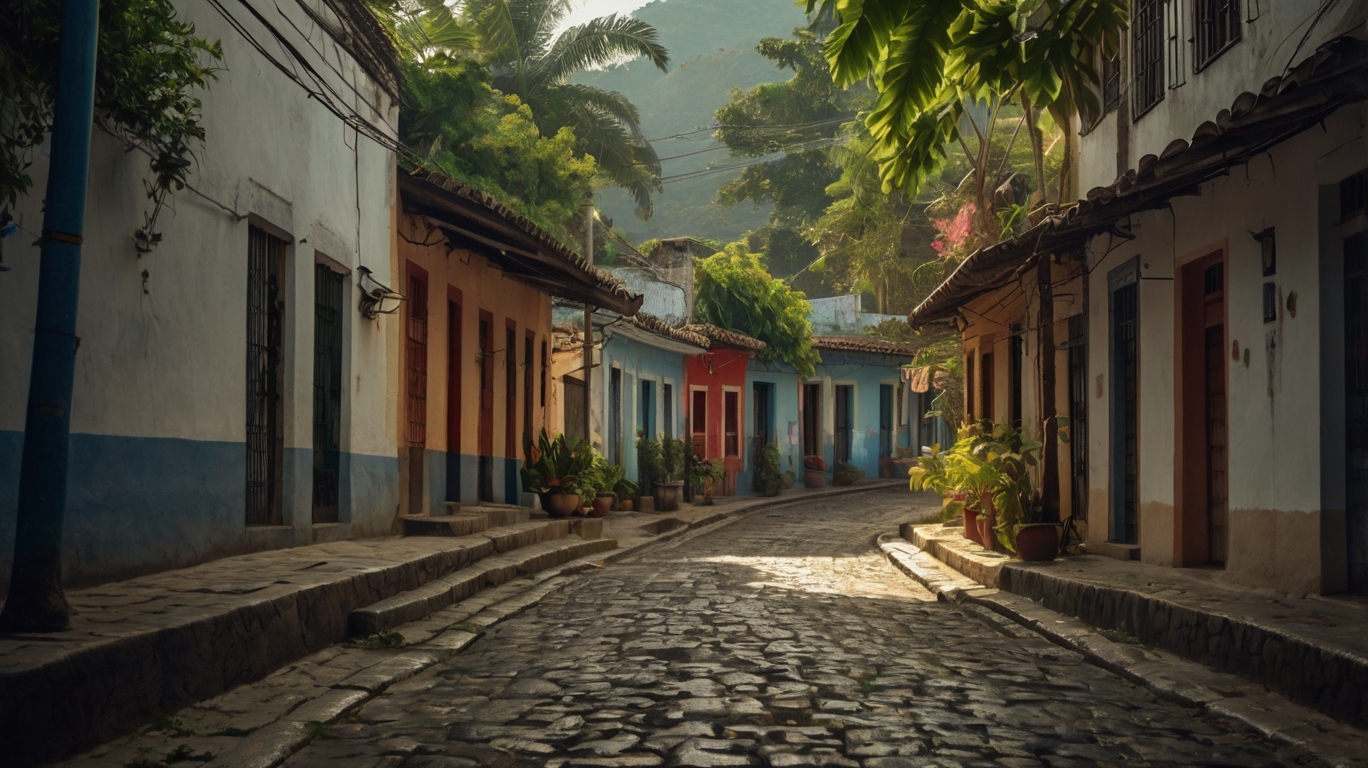
Step into the colonial elegance of Suchitoto, a town that preserves its architectural treasures from the Spanish colonial era. Wander through cobbled streets lined with whitewashed buildings, visit the Church of Santa Lucía, and immerse yourself in the vibrant arts scene that defines this cultural haven.
Suchitoto is not just a destination; it’s a living canvas of El Salvador’s colonial legacy. The town has successfully leveraged digital marketing and social media to position itself as a cultural tourism destination whilst maintaining its authentic character—a balance that demonstrates the power of strategic content creation.
The Flower and Palm Festival
One highlight of Suchitoto that you can’t miss in May is the Flower and Palm Festival, a riot of colour, music, and tradition that will paint your soul with vibrant hues. Plan your trip around the first weekend of May, wear your brightest colours (flower garlands are optional but encouraged!), and don’t be shy to join the dancing and parades.
This celebration exemplifies how traditional festivals can be documented and shared through digital platforms to promote cultural tourism. The festival offers exceptional content creation opportunities, from capturing colourful processions to interviewing artisans who continue centuries-old craft traditions.
This is a celebration for everyone, and the locals love to share their joy.
Ruta de las Flores: Blooms and Heritage
Embark on the picturesque Ruta de las Flores, a scenic route that winds through charming towns like Juayúa, Apaneca, and Ataco. Each town along this route boasts colonial architecture, vibrant markets, and a distinct cultural identity.
Engage in the weekend food festivals, where the air is filled with the aroma of local delicacies and artisan markets showcase the region’s creativity. The route has become increasingly popular on social media platforms, with travellers sharing images of colourful murals, coffee farms, and mountain vistas—demonstrating the power of visual content in travel marketing.
Historical Gates and Architectural Gems
Stroll through El Salvador’s historic centres, where ancient gates stand as silent sentinels to centuries gone by. Discover architectural gems that showcase the fusion of indigenous and European influences, creating a unique aesthetic that defines Salvadoran heritage.
Practical Tips for Cultural Exploration:
- Guided Tours: Consider guided tours for a deeper understanding of the historical significance of each site
- Heritage Conservation: Respect the cultural and historical sites by following guidelines and conservation efforts
- Local Guides: Engage with local guides to gain insights into the stories and legends associated with these historical and cultural landmarks
- Cultural Festivals: Check the local calendar for cultural festivals and events that provide immersive experiences into El Salvador’s heritage
- Content Creation Ethics: When photographing or filming cultural sites, always ask permission and respect local customs and religious practices
Nature and Adventure
Prepare to be awestruck as we venture into the breathtaking landscapes of El Salvador, where nature and adventure converge in a symphony of verdant mountains, cascading waterfalls, and untamed wilderness. Let the call of the wild guide us through the natural wonders that make El Salvador a haven for outdoor enthusiasts.
The country’s compact size—smaller than Wales—means you can experience dramatic landscape diversity within short distances. From volcanic peaks to cloud forests to Pacific shores, El Salvador offers exceptional biodiversity that creates compelling opportunities for nature photography and environmental storytelling.
Santa Ana Volcano: Hiking to New Heights
Our first stop is the iconic Santa Ana Volcano, standing tall as the highest peak in El Salvador at 2,381 metres. Lace up your hiking boots and embark on a journey to the summit, where panoramic views await.
Feel the rush of adrenaline as you conquer this natural giant and witness the captivating landscapes that unfold with each step. The crater lake at the summit, with its striking turquoise-green colour caused by sulphur content, provides a dramatic focal point for landscape photography and aerial videography.
The hike typically takes 2-3 hours to reach the summit, passing through diverse ecosystems from coffee plantations to cloud forest. Guided tours are mandatory for safety and conservation purposes, with local guides providing valuable context about the volcano’s geological history and the surrounding ecosystem.
Lake Coatepeque: Tranquil Oasis
Nestled in the volcanic crater is Lake Coatepeque, a tranquil oasis surrounded by lush greenery. Relax by the lakeside, enjoy a boat ride, or engage in water activities as you soak in the serenity of this natural wonder.
Lake Coatepeque is not just a body of water; it’s a sanctuary for those seeking a peaceful connection with nature. The lake’s deep blue waters, formed in a volcanic caldera, create stunning reflections of the surrounding landscape—particularly during sunrise and sunset when the light transforms the scene into a photographer’s paradise.
Tamanique Waterfalls: Hidden Cascades
Embark on a hidden gem—the Tamanique Waterfalls. Tucked away in the dense foliage, these cascades offer a refreshing escape. Hike through lush trails, listen to the soothing sounds of rushing water, and discover the secluded beauty of El Salvador’s natural bounty.
The journey to Tamanique involves a moderately challenging hike through tropical forest, rewarding adventurers with multiple waterfall tiers perfect for swimming and cooling off. The site remains relatively undiscovered compared to more famous Central American waterfalls, providing an authentic wilderness experience.
El Imposible National Park: Biodiversity Wonderland
Nature lovers, rejoice! El Imposible National Park is a biodiversity hotspot, teeming with diverse flora and fauna. Traverse its well-marked trails, encounter exotic wildlife, and witness the unspoiled beauty of tropical forests.
El Imposible is not just a park; it’s a living testament to El Salvador’s commitment to conservation. The park protects over 400 species of trees and houses jaguars, pumas, and numerous bird species including the threatened black-crested eagle. Its name derives from a narrow canyon where 19th-century merchants regularly lost pack animals whilst transporting coffee.
Montecristo Cloud Forest: Mystical Wilderness
Step into the mystical Montecristo Cloud Forest, a protected area shared with Guatemala and Honduras. This cloud-kissed wonderland is a sanctuary for rare species of flora and fauna.
Explore hiking trails shrouded in mist, and let the enchanting ambience of the cloud forest transport you to a realm of natural wonder. The forest’s unique microclimate supports ancient trees draped in epiphytes, creating an otherworldly atmosphere perfect for atmospheric photography and nature documentaries.
Practical Tips for Nature Adventures:
- Guided Tours: Consider guided tours for a safe and informative exploration of natural sites
- Ecotourism: Embrace ecotourism principles by respecting the environment and minimising your ecological impact
- Weather Preparedness: Be prepared for diverse weather conditions, especially in mountainous areas
- Local Guides: Engage with local guides to enhance your understanding of the ecosystems and wildlife
- Conservation Awareness: Many of these natural sites rely on tourism fees for conservation funding—your visit directly supports environmental protection
- Photography Equipment: Bring appropriate gear for outdoor photography, including weather protection for cameras in humid forest environments
Local Markets and Cuisine
Forget Michelin stars and white tablecloths – El Salvador’s about to tantalise your taste buds with a fiesta of flavour that explodes in every corner. Buckle up, amigos, because we’re ditching the guidebooks and diving headfirst into the vibrant heart of this Central American gem on a gastronomic adventure you won’t soon forget.
Food tells stories of culture, history, and community. Through our content creation work documenting global culinary traditions, we’ve learnt that the most authentic food experiences happen in markets, street stalls, and family-run establishments where recipes have been perfected over generations.
Mercado Central: The Culinary Kaleidoscope of San Salvador
Our culinary adventure begins at the Mercado Central in San Salvador—a bustling kaleidoscope of colours, scents, and flavours. Wander through lively aisles adorned with fresh produce, local spices, and handmade crafts.
Engage with friendly vendors, and let the market be your guide to the diverse world of Salvadoran ingredients. Markets like Mercado Central represent the heart of local commerce and social interaction, providing authentic glimpses into daily Salvadoran life that polished tourist restaurants simply cannot replicate.
Pupusa Paradise: El Salvador’s Culinary Icon
No journey through Salvadoran cuisine is complete without indulging in pupusas—the national dish that steals the spotlight. Head to the street stalls or market vendors to witness the artistry of pupusa making.
These stuffed corn tortillas, filled with a variety of ingredients like cheese, beans, and chicharrón, offer a savoury delight that embodies the essence of El Salvador’s street food culture. Pupusas are typically served with curtido (a lightly fermented cabbage relish) and salsa roja, creating a perfect balance of flavours and textures.
The second Sunday of November is National Pupusa Day in El Salvador, when the nation celebrates this beloved dish with festivals and competitions. This cultural phenomenon demonstrates how traditional food can become a source of national pride and identity—a powerful lesson for cultural marketing and heritage promotion.
La Pampa Argentina: Grilled Meat Extravaganza
For meat enthusiasts, La Pampa Argentina, in San Salvador, is a carnivorous haven. Savour the aromas of grilled meat as you feast on mouthwatering steaks, chorizo, and other delectable cuts.
This renowned restaurant offers a taste of Argentina with a Salvadoran twist, creating a unique fusion of flavours that will leave your taste buds dancing. The establishment demonstrates how international culinary influences blend with local traditions to create distinctive dining experiences.
Seafood Delights at the Coast
Explore the coastal towns, such as La Libertad, and dive into the seafood wonders that define Salvadoran coastal cuisine. From ceviche to grilled fish tacos, indulge in the freshest catches of the day.
The blend of ocean-fresh flavours and traditional techniques creates a culinary experience that mirrors the vibrant coastal lifestyle. La Libertad’s fish market operates daily, with fishing boats arriving each morning with the previous night’s catch—providing the freshest seafood possible.
Street Food Adventures: Exploring Local Delicacies
Navigate the streets of San Salvador and beyond to discover a myriad of street food delights. Try yuca frita (fried cassava), pastelitos (savoury turnovers), and tamales wrapped in banana leaves.
Street vendors offer a symphony of flavours, providing a true taste of Salvadoran street food culture. Street food represents not just sustenance but social gathering points where communities connect—making these locations ideal for capturing authentic cultural moments through photography and video.
Practical Tips for Culinary Exploration:
- Cash and Small Bills: Carry cash and small bills when exploring markets and street food stalls
- Local Recommendations: Don’t hesitate to ask locals for their favourite market stalls or street food vendors
- Food Allergies: If you have food allergies, communicate your dietary restrictions to ensure a safe and enjoyable culinary experience
- Try Local Beverages: Accompany your meals with traditional beverages like horchata or tamarindo for an authentic Salvadoran experience
- Food Photography: Markets and street food preparation offer colourful, dynamic subjects for food photography and cultural documentation
- Cultural Respect: Always ask permission before photographing vendors or their food preparations
Safety and Travel Tips
Hold your horses, fearless adventurer! El Salvador beckons, but let’s face it, safety is the secret sauce to any epic expedition. So here’s the lowdown on navigating El Salvador like a seasoned pro.
Through our travels documenting destinations worldwide, we’ve learnt that responsible travel means staying informed about local conditions whilst not letting outdated perceptions prevent you from experiencing remarkable places. El Salvador has made significant improvements in public safety in recent years, though sensible precautions remain important.
Essential Safety Guidelines
Blend in, don’t bling out: Ditch the flashy jewellery and designer shades, keep your cash under wraps, and embrace the local vibe. Think “beach bum, not bank robber,” and you’ll be golden.
Befriend the locals: They’re the real treasure map! Ask for recommendations, learn a few key phrases, and embrace the warmth of Salvadoran hospitality. Remember, a smile goes a long way (and it’s way cooler than a Rolex).
Stick to the light: Night owls, take note! Whilst the starry skies are magical, after dark, things can get a little dicey. So, unless you’re channelling your inner Indiana Jones, stick to exploring under the sun’s golden gaze.
Street smarts are your superpower: Be aware of your surroundings, trust your gut, and avoid dodgy areas. Think of it like a game of Pac-Man, where the ghosts are bad decisions, and your power pellet is common sense.
Technology, your double-edged sword: Phones are awesome, but keep ’em tucked away in crowded areas. And hey, maybe ditch the Insta stories for a bit and soak in the real scenery with your own two eyes. You know, like in the good old days (aka last Tuesday).
Current Travel Considerations
El Salvador has implemented significant security measures in recent years, resulting in notable improvements in tourist safety. The country’s tourism infrastructure continues to develop, with better transport connections and tourist-friendly services emerging across popular destinations.
Always check current travel advisories from your government before departure. The UK Foreign, Commonwealth & Development Office (FCDO) provides up-to-date guidance for British travellers, whilst Irish citizens can consult the Department of Foreign Affairs travel advice.
Connectivity and Digital Access
For digital nomads and content creators, El Salvador offers increasingly reliable internet connectivity, particularly in coastal areas like El Tunco and El Zonte. Mobile data plans are affordable, with coverage extending to most tourist areas. Co-working spaces have emerged in surf towns, providing professional work environments with high-speed internet.
Additional Travel Tips:
- Travel Insurance: Obtain comprehensive travel insurance covering medical emergencies, trip cancellations, and valuable equipment (especially important for photographers and videographers)
- Health Precautions: Stay hydrated in the tropical climate, use high-SPF sunscreen, and consider vaccinations recommended by travel health clinics
- Currency: US dollars are widely accepted; Bitcoin is legal tender but not universally used in practice
- Language: Spanish is essential for navigating beyond major tourist areas; learn basic phrases or use translation apps
- Transport: Reputable shuttle services connect major tourist destinations; avoid travelling on chicken buses at night
- Emergency Contacts: Save emergency numbers and your embassy contact information before travelling
How ConnollyCove’s Digital Services Support Travel Businesses
El Salvador’s tourism sector demonstrates the transformative power of digital marketing and content creation. As the country rebuilds its international reputation, forward-thinking tourism operators are using video content, social media strategy, and authentic storytelling to reach global audiences.
At ConnollyCove, we’ve worked with tourism businesses worldwide to create compelling digital content that drives engagement and bookings. Our services—including video production, YouTube strategy, SEO optimisation, and content writing—help travel operators tell their unique stories in ways that resonate with modern travellers.
The rise of destinations like El Tunco and El Zonte from sleepy surf villages to international digital nomad hubs illustrates how strategic digital marketing can transform local economies. Small guesthouses, surf schools, and restaurants that embrace professional web design, social media presence, and content marketing consistently outperform competitors relying on word-of-mouth alone.
Whether you’re operating a boutique hotel, adventure tour company, or cultural experience business, ConnollyCove’s expertise in travel content creation and digital strategy can help you reach your target audience authentically and effectively.
Conclusion: Your Salvadoran Adventure Awaits

In bringing our journey through El Salvador to a close, we stand at the crossroads of the experiences shared. El Salvador’s narrative continues beyond our travels, leaving us with the anticipation of more stories waiting to unfold.
From the volcanic-backed beaches where surfers chase perfect breaks to the misty cloud forests harbouring rare wildlife, from ancient Mayan ruins whispering tales of sophisticated civilisations to bustling markets where pupusas sizzle on hot griddles—El Salvador offers experiences that challenge preconceptions and reward curious travellers.
The country’s compact size allows you to experience remarkable diversity within days rather than weeks. You can hike an active volcano in the morning, explore colonial architecture by afternoon, and watch sunset over the Pacific by evening. This accessibility, combined with improving infrastructure and genuine Salvadoran warmth, creates ideal conditions for authentic cultural immersion.
As we wrap up this comprehensive guide, may the allure of El Salvador resonate with those yet to explore its wonders. Whether you’re drawn by the consistent surf, captivated by cultural heritage, seeking adventure in pristine national parks, or simply craving authentic experiences beyond typical tourist trails—El Salvador delivers.
For those documenting their travels through photography, video, or writing, this Central American jewel offers endless creative possibilities. The interplay of light across volcanic landscapes, the vibrant colours of markets and festivals, the genuine stories of communities rebuilding and innovating—all provide rich material for compelling content creation.
Until the next chapter unfolds, may the spirit of adventure guide all who tread on the paths of this remarkable country.
Ready to explore more hidden gems in Central America? Browse our collection of cultural travel guides and destination videos showcasing authentic experiences across Latin America.
Frequently Asked Questions About El Salvador

What are the best things to do in El Salvador for first-time visitors?
First-time visitors should prioritise El Salvador’s iconic experiences: surfing or beach time at El Tunco, exploring the UNESCO World Heritage site Joya de Cerén, hiking Santa Ana Volcano, wandering the colonial streets of Suchitoto, and sampling authentic pupusas at local markets. The Ruta de las Flores offers picturesque mountain towns and coffee culture. This combination provides a well-rounded introduction to El Salvador’s beaches, culture, history, and natural beauty.
Is El Salvador safe for tourists in 2025?
El Salvador has made significant safety improvements in recent years, with tourist areas generally considered safe during daylight hours. Major tourist zones like El Tunco, El Zonte, and Suchitoto see regular police presence. Travellers should exercise standard precautions: avoid displaying expensive items, use registered transport services, stay in well-populated areas after dark, and check current travel advisories before departure. Many international visitors now explore El Salvador without incident when following sensible safety guidelines.
What is the best time to visit El Salvador?
The dry season from November to April offers the most predictable weather with sunny days ideal for beaches, hiking, and cultural exploration. December through March sees peak tourist numbers, particularly around Christmas and Semana Santa (Holy Week). The wet season (May-October) brings afternoon rains but lower prices, fewer crowds, and lush green landscapes. Surfers often prefer the wet season for larger swells. The climate varies by elevation—coastal areas stay warm year-round whilst mountain towns maintain pleasant, spring-like temperatures.
How many days do you need to explore El Salvador?
A week provides sufficient time to experience El Salvador’s highlights: 2-3 days on the Pacific coast for surfing and beach time, 2 days exploring Ruta de las Flores and coffee country, 1-2 days in San Salvador and nearby volcanoes, and 1 day in Suchitoto. The country’s compact size allows efficient travel between regions. Long weekenders can focus on a specific area—either the beach zone or cultural highlands. Two weeks permits deeper exploration including national parks, remote villages, and off-the-beaten-path destinations.
What are the must-try activities in El Salvador?
Essential activities include surfing lessons at El Tunco, hiking Santa Ana Volcano to witness the turquoise crater lake, exploring the Pompeii of the Americas at Joya de Cerén, wandering through Suchitoto’s cobbled streets, visiting coffee farms along the Ruta de las Flores, experiencing the Flower and Palm Festival (if visiting in May), kayaking along the coast, discovering Tamanique Waterfalls, and sampling pupusas from street vendors. Adventure seekers should add El Imposible National Park and Montecristo Cloud Forest to their itinerary.
What makes El Salvador different from other Central American destinations?
El Salvador distinguishes itself as Central America’s smallest yet most densely packed country with remarkable diversity in a compact area. It’s the region’s only country without Caribbean coastline, focusing entirely on the Pacific. Notable unique features include being the world’s first nation to adopt Bitcoin as legal tender, having the highest concentration of volcanoes, and offering some of Central America’s most consistent surf breaks. The country’s Mayan heritage, colonial architecture, and emerging digital nomad scene create a distinctive blend of ancient culture and modern innovation.