


La La Land Adventure: A Hollywood Ultimate Travel Guide
Updated On: April 17, 2024 by  Maha Yassin
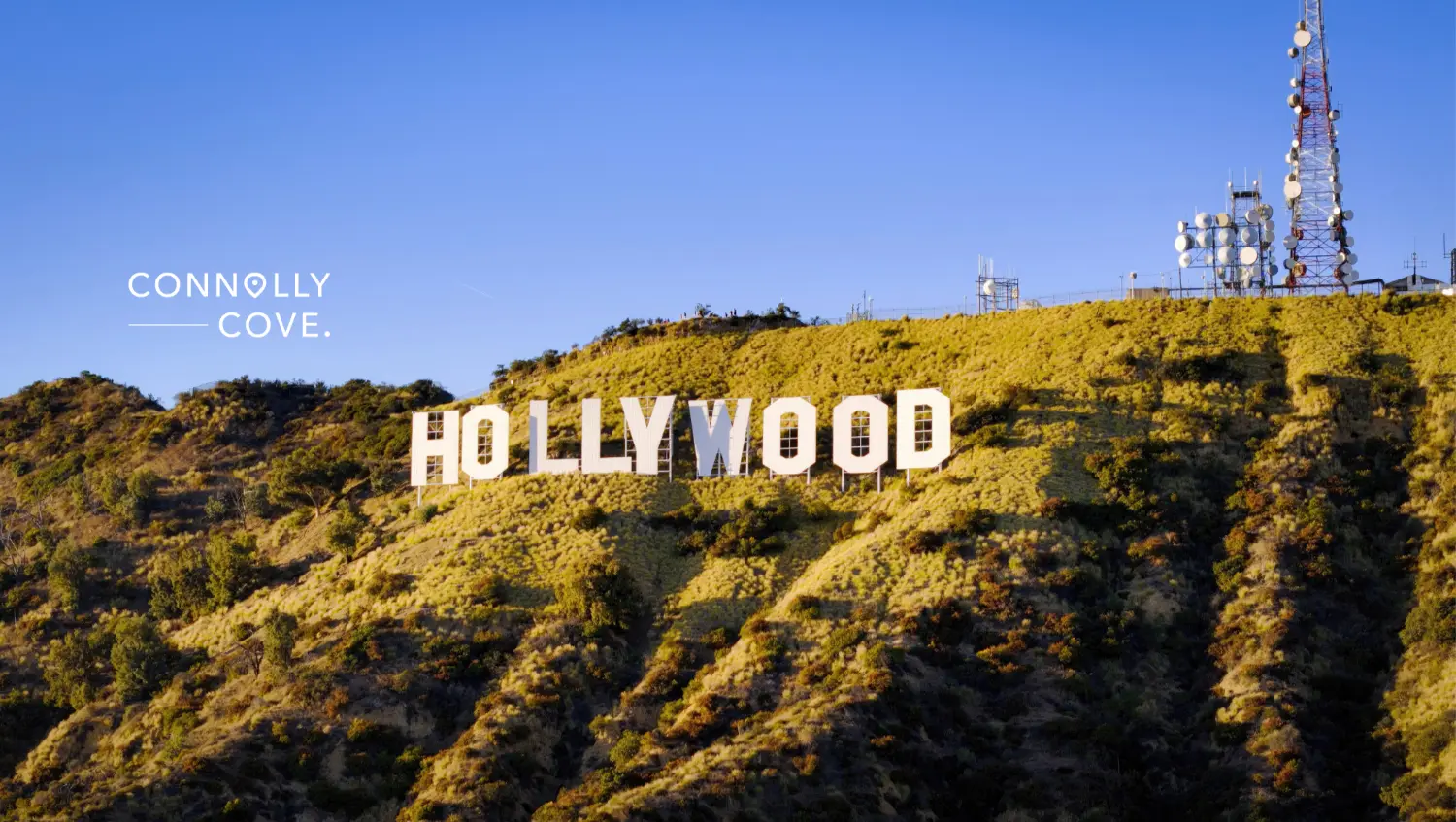
Welcome to La La Land, where dreams come true and everyone is a star! (or at least a star in the making!) Many people dream of visiting Hollywood and seeing the land where the magic happens, and celebrities roam freely in the wild. There is so much to see and do in Tinseltown; it’s hard to decide where to start!
If you’re planning a trip to La La Land soon, you’ve come to the right place! Forget about tour guides (who will probably try to scam you! Especially in Hollywood). We will give you a comprehensive guide to what is worth your time and money and what is a tourist trap you want to avoid touching with a ten-foot pole!
Pack your bags, get your glamour, and get in, loser! We’re going to Hollywood!
Lights, Camera, Action! Let’s Visit Hollywood!
Hollywood beckons with the promise of glitz and glamour, and it absolutely delivers! Stroll down the iconic Hollywood Walk of Fame, where you can immortalise your visit with a photo by your favourite celebrity’s star.
Where else can you touch the handprints of legends like Marilyn Monroe and John Wayne? Or be lucky enough to catch a live taping of a talk show or a Jimmy Kimmel monologue!
You can peek into the Dolby Theatre, home to the Oscars, for a behind-the-scenes peek at the magic or grab tickets for a studio tour. You can visit Universal Studios, which lets you soar alongside Harry Potter, or Paramount Pictures, which takes you on a raucous run through the Nickelodeon slime factory.
Of course, Hollywood isn’t all about the big screen. Immerse yourself in the city’s rich history at the Hollywood Museum, housed in the former home of silent film star Cecil B. DeMille. Sample the local flavour with a plate of huevos rancheros at a Sunset Strip diner, or browse vintage treasures at Meltdown Comics. And as the sun dips below the iconic Hollywood sign, catch a rooftop cocktail with panoramic views of the city that never sleeps.
Hollywood’s story unfolds around every corner, from silver screen legends to modern-day masterpieces. So come, be a part of it, and let your Tinseltown adventure begin!
The Best Tips to Enjoy Hollywood to the Max!
Welcome to Hollywood, where dreams dance on celluloid and magic shimmers around every corner! To truly get the best out of your visit, ditch the tourist scripts and embrace the role of an intrepid explorer. Here’s your guide to crafting an adventure that’s equal parts iconic and unexpected:
Act Like a Local
- Mingle with the Masters: Ditch the tourist traps and head to local haunts. Grab a coffee at Intelligentsia, where screenwriters brainstorm, or catch a live taping at Largo, a favourite among comedians. You might just rub elbows with your next favourite star.
- Explore Beyond the Boulevard: Sunset Strip is a must, but don’t stop there. Venture into Silverlake for quirky shops and vintage gems or Koreatown for authentic bulgogi and karaoke nights. Each neighbourhood offers a unique flavour of Hollywood’s soul.
- Dine Like a Director: Skip the overpriced tourist traps and seek hidden gems. Sample the legendary chicken pot pie at Musso & Frank Grill, a Hollywood institution since 1927, or grab craft beers and gourmet burgers at Umami Burger, a local favourite.
Embrace the Unexpected
- Go Beyond the Stars: Immerse yourself in Hollywood’s rich history. Explore the Hollywood Forever Cemetery, where legends like Cecil B. DeMille rest, or delve into the fascinating mob stories at the Museum of Hollywood Mafia. It’s a chilling reminder of the dark side of Tinseltown’s glamour.
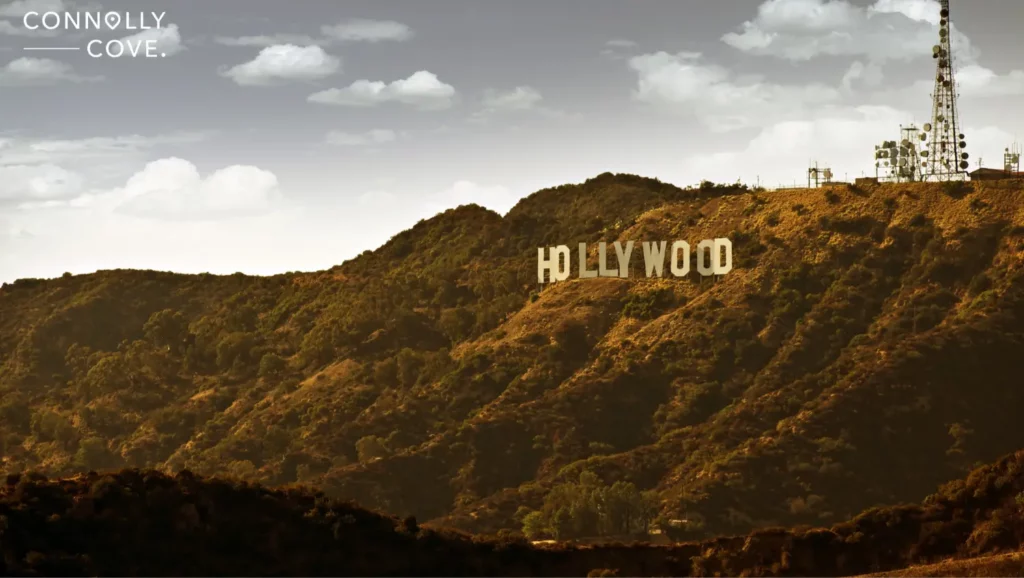
- Take a Hike (Literally): Trade the red carpets for hiking boots and conquer Runyon Canyon Park. Sweat out the city noise, snap breathtaking panoramas of the Hollywood sign, and maybe even spot a celebrity enjoying the fresh air.
- Get Cultured: Catch a midnight screening at the iconic Cinerama Dome, a Tinseltown landmark since 1963. Or, unleash your inner artist at the Hollywood Bowl, where you can experience a symphony or a rock concert under the starlit sky like never before.
Things to Remember
- Pre-book the must-sees: Studios, popular tours, and iconic landmarks can sell out fast. Plan your itinerary and book tickets to avoid disappointment.
- Pack smart: Comfy shoes for exploring, sunscreen for sunny days, and maybe a light jacket for breezy evenings.
- Be respectful: This is a city where dreams chase the spotlight. Be mindful of locals, avoid intrusive behaviour, and remember, everyone deserves privacy, even celebrities.
Hollywood’s Hidden Gems and Tourist Traps
Being such a popular city for tourists, Los Angeles, especially Hollywood, is full of tourist attractions! Almost everywhere you go is somehow famous. But even though there are many places worth your time and money, there are also so many tourist traps you can fall into!
Hollywood is the land of dreams and, well, sometimes, disappointments. As a tourist navigating this shiny labyrinth, you want to maximise your magic and minimise the “meh.” So, let’s unveil the must-sees and the ones you can skip without a tear (or a wasted selfie).
Griffith Observatory: Must Visit!
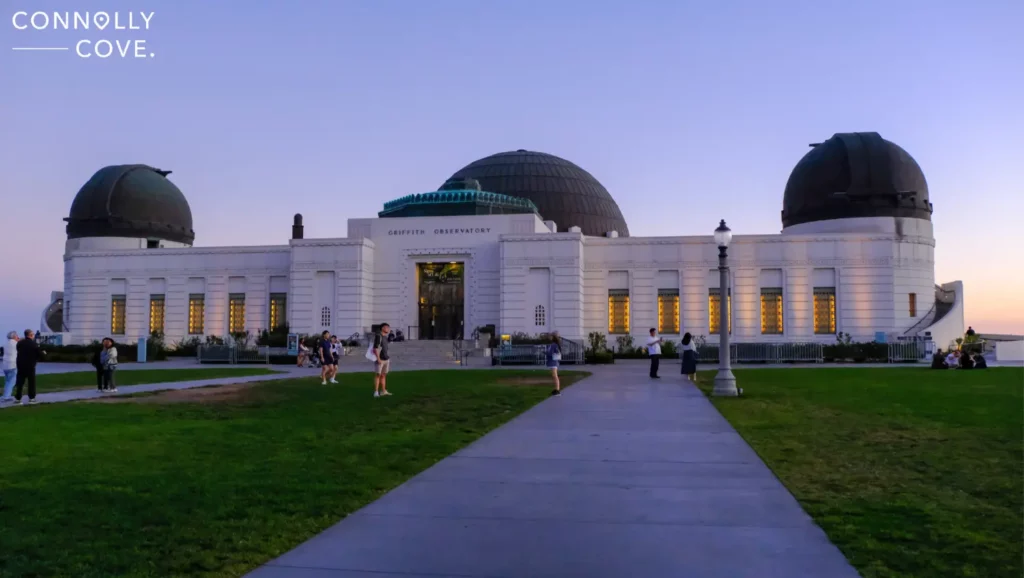
Imagine this: you’re perched atop Mount Hollywood, the sprawling cityscape twinkling beneath you like a million scattered diamonds. The iconic Hollywood sign glows against the twilight sky, a silent sentinel guarding your dreams.
Now, add powerful telescopes that reveal the cosmos’s hidden wonders, a planetarium show that takes you on a journey through time and space, and knowledgeable docents who ignite your passion for astronomy. That’s Griffith Observatory, a haven where science and wonder collide, offering a celestial escape for free!
Most people don’t even consider visiting an observatory in Hollywood, which makes this experience more memorable! You can skip the overpriced gimmicks and bask in the real magic of the universe right here on Earth. Trust us, the real stars are not down there; they are up in the sky!
Warner Bros. Studio Tour: Must Visit!

Forget the red carpets and flashing lights. This is where the actual movie magic happens. Step onto the soundstages where iconic scenes unfolded, from the Batcave’s brooding darkness to the whimsical charm of Central Perk. Peer into the secrets of filmmaking, witness costumes that brought characters to life, and maybe even catch a glimpse of a scene being filmed!
Unlike the static displays of a museum, this is a living, breathing world where imagination takes form. Every corner of Warner Bros. Studio has a story to tell. From iconic scenes filmed there to iconic movie and TV stars who walked the same roads as you! Visiting Warner Bros. is the most authentic movie magic experience in the land of stars.
If you’re lucky, you might even meet a celebrity or two or watch a movie scene being shot right in front of your eyes!
TCL Chinese Theatre: Must Visit!
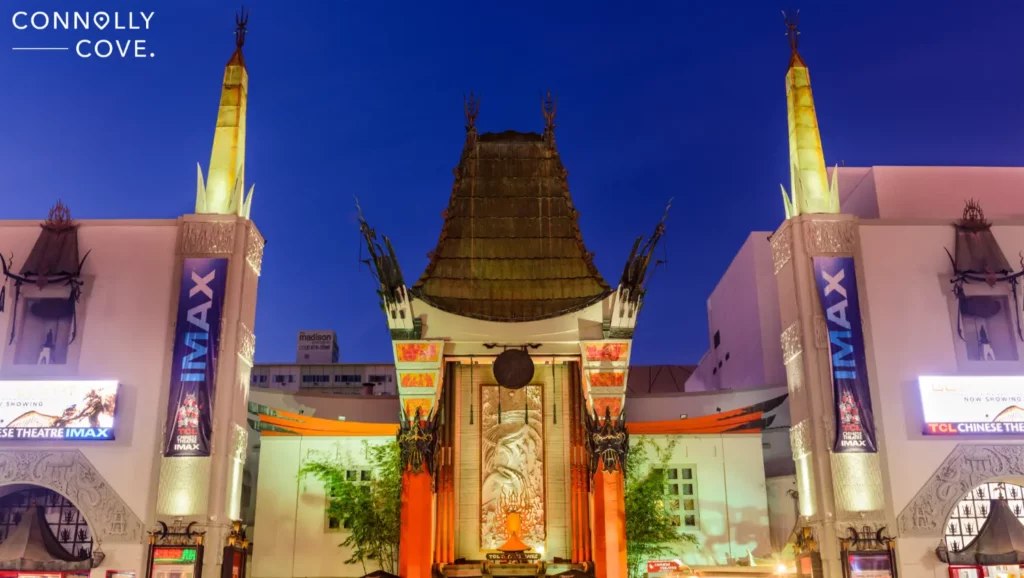
Imagine the echoes of a thousand premieres, the hushed anticipation, the eruption of applause. Now, stand where legends left their mark, literally. Peer at the handprints and footprints of Marilyn Monroe, John Wayne, Harrison Ford, and countless others, immortalised in concrete. Feel the weight of history beneath your feet, the energy of a million dreams swirling around you.
This isn’t just a sidewalk; it’s a testament to the power of storytelling, a free and iconic touchstone to Hollywood’s past and present. If you ask us (or any true Tinseltown lover), we’ll tell you this place is far more iconic than the over-crowded Walk of Fame! Here, stars touched the ground and left their literal mark for history to remember them forever.
Runyon Canyon Park: Must Visit!
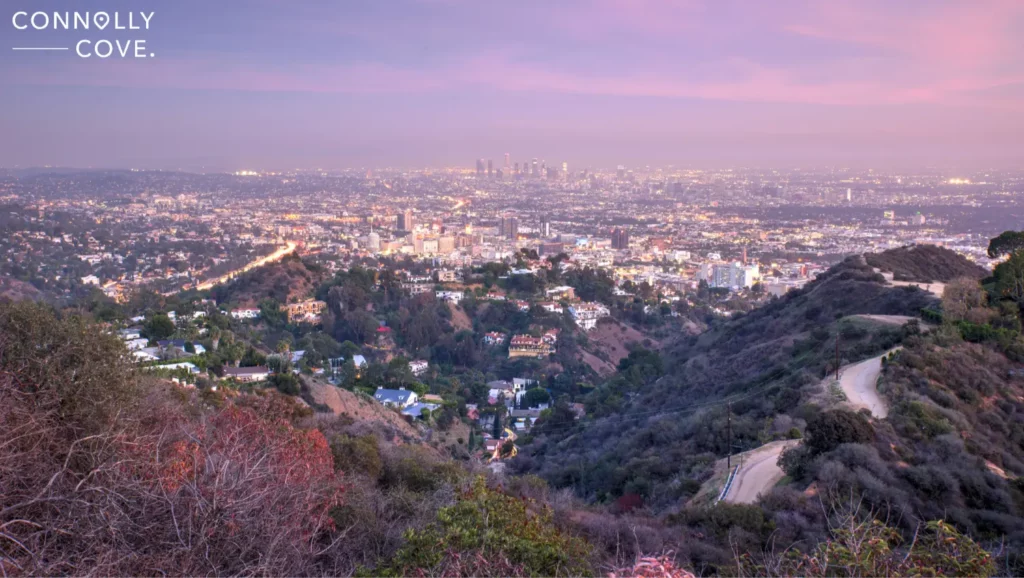
When you feel like you had enough of the movie part of Hollywood, Runyon Canyom Park will be waiting for you! Ditch the Hollywood hustle and lose yourself in the embrace of nature. Hike through Runyon Canyon Park, its winding trails offering panoramic vistas of the city below.
Imagine the Hollywood sign as your guide, leading you towards fresh air, breathtaking views, and a healthy dose of serenity. Pack a picnic, challenge yourself to the Canyon’s slopes, and soak in the magic of a sunrise over the City of Angels.
It’s free, unforgettable, and beats any overpriced helicopter tour with its raw, unfiltered beauty.
Hollywood Walk of Fame: Skip!
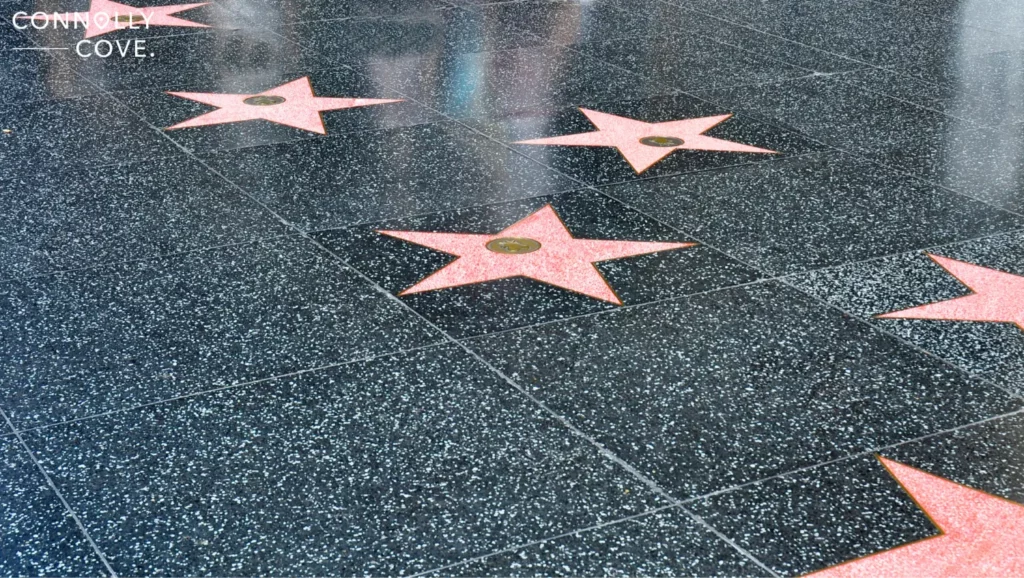
We know that every picture of Hollywood in your head has the Hollywood Walk of Fame as its main attraction. But trust us when we tell you: you are not missing anything by skipping this place!
Imagine a crowd of tourists jostling for selfies, dodging street performers, and navigating a sea of cheap souvenirs. That’s the Hollywood Walk of Fame, a tourist trap disguised as an attraction. You might spot a celebrity impersonator, but the real stars are often hidden away, enjoying their privacy.
Opt for the TCL Chinese Theatre for a genuine brush with fame, where history whispers and legends come alive.
Hollywood Wax Museum: Skip!
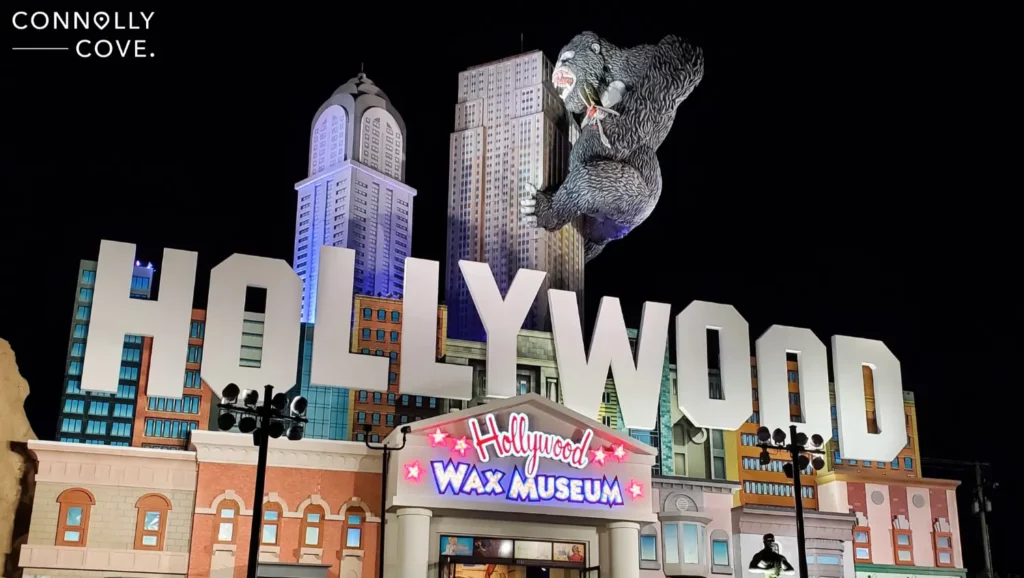
Waxy figures with frozen smiles and forced poses? No, thank you. You can find better doppelgangers wandering the streets for free. Spend your hard-earned cash on a delicious meal at a local diner or a souvenir from a hidden gem shop. Your memories will be far more vivid and far less dusty!
Celebrity Homes Tours: Skip!
Imagine peering into someone’s bedroom window, snapping photos of their gated driveway. That’s the essence of a celebrity home tour: an invasion of privacy disguised as entertainment. Let these stars have their peace, admire them from afar, and explore the vibrant neighbourhoods they call home with respect.
You might even stumble upon a hidden coffee shop they frequent or a local bookstore they love, creating a more genuine connection than any forced tour ever could, not to mention that half the star maps sold around Hollywood are fake! At best, these celebrities lived in these houses years ago, and you will just be peeking into some stranger’s home for no reason!
Overpriced Souvenir Shops: Skip!
Imagine generic keychains, mass-produced T-shirts, and “I Heart Hollywood” mugs. Yawn. Seek out the local artisans tucked away on side streets, the vintage stores overflowing with character, and the quirky boutiques with one-of-a-kind finds. These souvenirs tell a story that captures Tinseltown’s true spirit and the hidden gems that make your trip unforgettable.
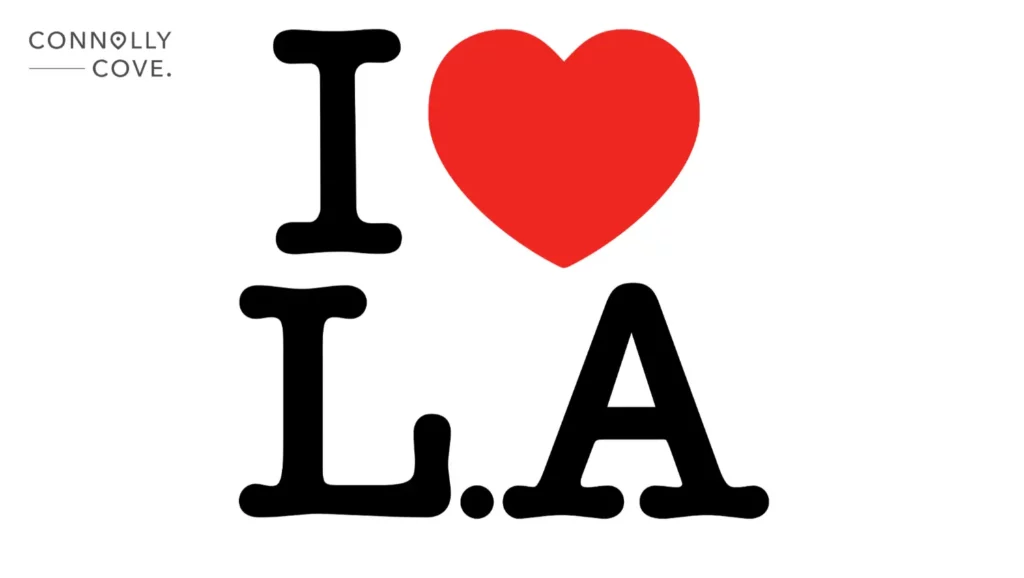
If you want to buy a gift for a loved one, a generic “I Love L.A.” shirt will not be as unique as a carefully chosen local antiquity. Ask the locals where to go; they will point you toward the hidden gems you don’t want to miss!
Hollywood is a kaleidoscope of experiences, and you, dear traveller, hold the kaleidoscope. By embracing the hidden gems and dodging the tourist traps, you’ll craft your masterpiece, a Hollywood adventure filled with genuine thrills, starry-eyed moments, and memories that shine brighter than any souvenir. So, ditch the script, grab your map, and let the real Hollywood magic unfold!
FAQs
Is Hollywood, California, worth visiting?
Of course! No trip to California, and especially L.A., is worth it without stopping at Tinseltown! The land of stars and dreams has so many attractions you don’t want to miss, from the TLC Theatre to the Warners Bros. Studio tour; Tinseltown is fun all around!
What is Hollywood best known for?
Hollywood is best known as the place where American movies and TV shows are made. All the movie magic is done under the Hollywood sky, from writing to acting to production and more! Visiting Tinseltown is really a unique experience.
Is LA and Hollywood the same place?
Hollywood is a district in the city of Los Angeles. When visiting Hollywood, you can also make time to visit other famous districts in L.A., such as Beverly Hills, Santa Monica, and Venice Beach.
What is the most famous part of Hollywood?
It’s fair to say that the entirety of Tinseltown is famous! It is the place where the word “famous” was invented! (not really!). The most famous places, though, are probably the Sunset Strip, the Hollywood Wake of Fame, and the Capitol Records Building.

Exploring The Town of Carrickfergus
County Antrim
29/04/2024
Commercial Court: The Dazzling Lights of Belfast
Northern Ireland
29/04/2024

How to Make a Killy Kiss Cocktail By Killyhevlin Hotel
Northern Ireland
28/04/2024

Middle East Travel Statistics from 2019 to Now
Middle East
28/04/2024

Exploring the Rich Heritage of Mining in Ireland
History and Heritage
28/04/2024