


Broadchurch, Dorset: Exploring the Iconic Cliffs and Town from the Hit Series
Updated On: March 04, 2024 by  Aya Radwan
The picturesque cliffs and charming town of Broadchurch capture the essence of the rugged beauty of the English seaside. Set against the backdrop of Dorset’s striking coastline, the hit crime drama Broadchurch enthrals viewers with its masterfully woven narrative of mystery and intrigue. The show’s scenic location plays more than just a passive backdrop; it is, in fact, pivotal to the story, adding depth to the series’ emotional gravity and contributing to the series’ sombre mood.
Dorset’s majestic cliffs, the sea’s persistent churn against the shore, and the quaint yet complex community life create a tapestry that reflects the UK’s dramatic landscapes and rich cultural heritage. The portrayal of criminal investigations in the seemingly tranquil town of Broadchurch brings to the fore the contrast between the serene setting and the dark events that unfold there. The fictionally charged environment lures audiences into the narrative and invites them to explore the real-life inspirations behind the settings.
The Setting of Broadchurch
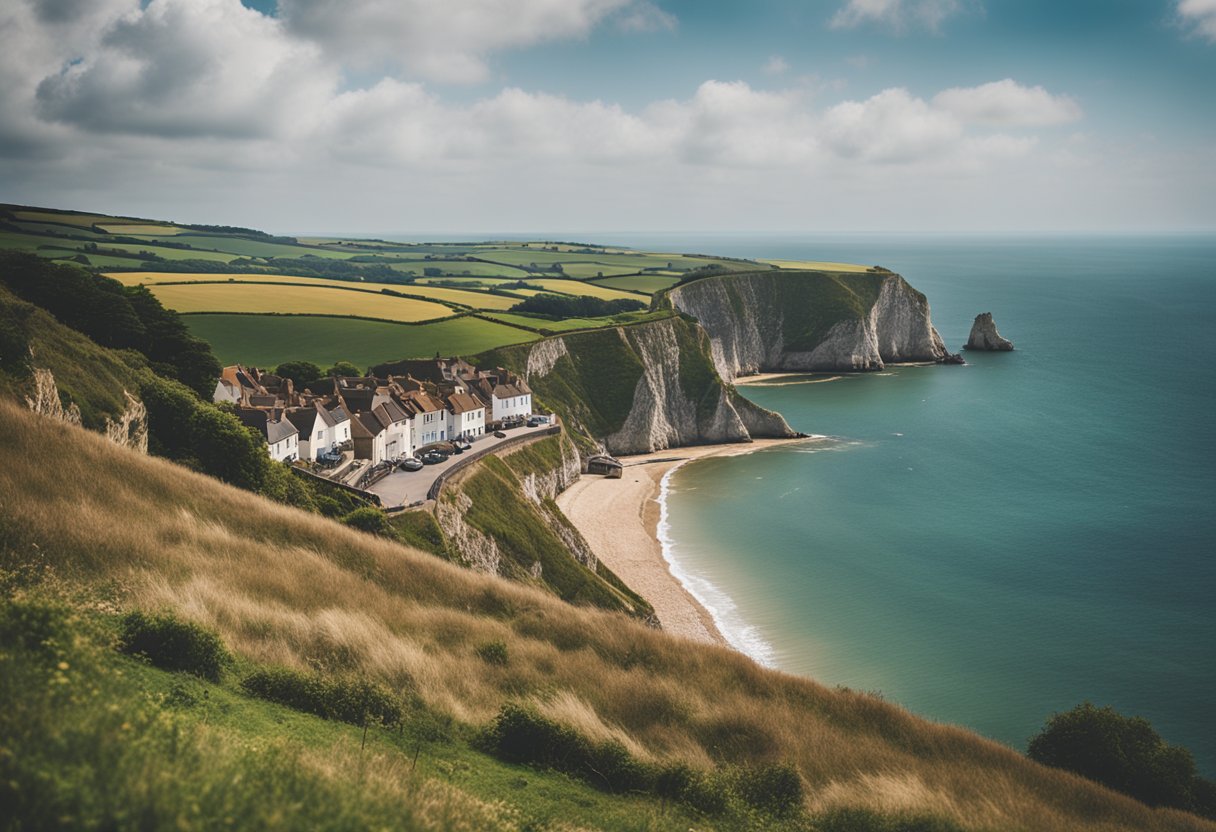
We observe Broadchurch‘s fictional coastal town brought to life amidst the breathtaking backdrop of the Dorset landscape, specifically set and filmed around West Bay. This location is integral to the fabric of the series, providing a dramatic and picturesque vista that mirrors the intense narrative of the crime drama.
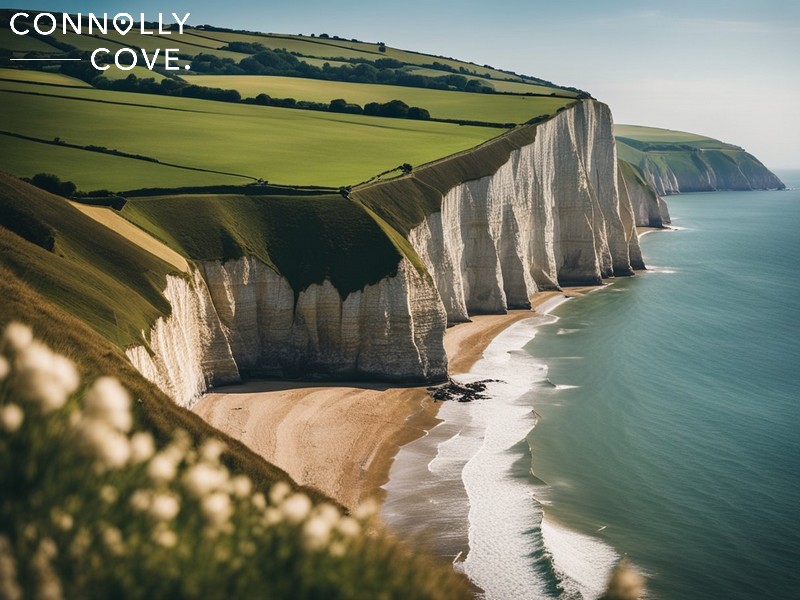
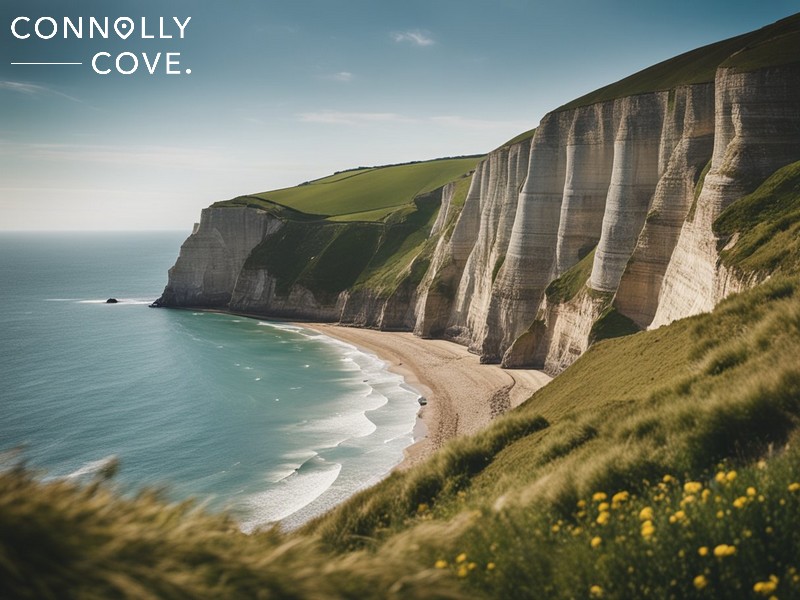
The iconic Jurassic Coast, a World Heritage Site known for its geological wonders and fossil-rich cliffs, frames Broadchurch‘s fictional world. The towering golden cliffs that loom over the beach below become a character in their own right, setting an imposing scene where the storyline unfolds.
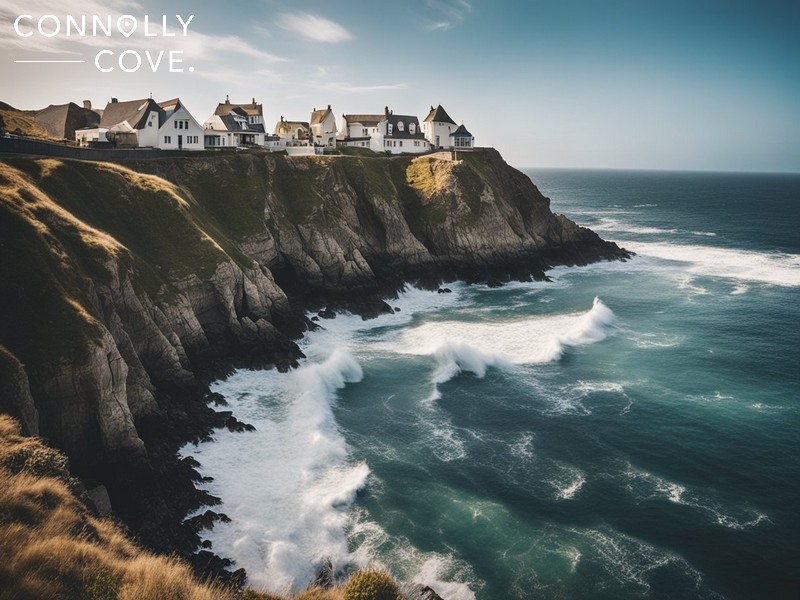
The coastline weaves through the show, featured in many pensive moments as characters gaze out to sea, pondering the complex web of events. It’s no surprise that this region, with its stunning scenery, was chosen; the panoramic views of the coastal town and its surroundings offer a serene contrast to the turmoil experienced by its residents.
Our depiction of Broadchurch is grounded in authenticity, highlighting the serene beauty and the eerily quiet nature of West Bay’s landscape, a stark reminder that tranquillity often belies the undercurrents of small-town secrets. The distinctive cliffs and the sleepy town serve as silent witnesses to the unfolding drama, encapsulating the essence of the traditional Dorset landscape in a gripping suspense narrative.
Main Cast and Characters
The dynamic duo of Broadchurch, DS Ellie Miller and DI Alec Hardy, are portrayed by esteemed actors Olivia Colman and David Tennant. Each actor delivers profound depth to their character, bringing the series’ gripping narrative to life.
Olivia Colman as DS Ellie Miller
Olivia Colman steps into the role of DS Ellie Miller with a compelling and empathetic performance. DS Ellie Miller is a dedicated member of the Broadchurch police force, juggling the challenges of her profession whilst dealing with personal turmoil. Colman‘s portrayal is nuanced, earning her widespread acclaim and solidifying her status as a star on British television.
David Tennant as DI Alec Hardy
David Tennant brings a complex and driven DI, Alec Hardy. Tennant’s Hardy is an outsider with a haunted past that informs his relentless pursuit of justice in Broadchurch. His character’s development and interaction with the town of Broadchurch and DS Miller play a crucial role in the storyline, showcasing Tennant’s versatility and range as an actor.
Behind the Scenes
The making of Broadchurch has been as dramatic as the series itself, with impressive efforts by the production team to ensure authentic storytelling. Chris Chibnall, the creator of the series, envisioned Dorset’s Jurassic Coast as a central element of the narrative. He admired the area, considering the landscape a main character within the drama.
Our filming locations are often swathed in secrecy, a testament to the commitment of our producers to maintain the tension and suspense for which Broadchurch is known.
- Secrecy: The cast and crew were bound by nondisclosure agreements to keep the plot twists under wraps.
- Media Attention: Despite this secrecy, the show attracted considerable media attention, prompting the team to protect the storylines greatly.
Behind the scenes, meticulous planning took place to incorporate Dorset’s treasures — from the iconic cliffs to the beaches that became synonymous with the show.
| Key Locations | Role in Broadchurch |
|---|---|
| East Beach | Cliff fall scenes |
| West Bay | Central to the story |
The area provided stunning backdrops and influenced the plot’s development and the series’ mood. Our team marvelled at the unpredictable weather and how it brought a sense of foreboding and atmosphere to our filming.
Locations in Clevedon and Bristol were also integral, used for various in-town scenes, adding to the layering of the fictional town. Every set was chosen for its ability to lend authenticity and depth to the unfolding drama.
Our behind-the-scenes efforts were aimed at preserving the integrity of the locations while bringing compelling storytelling to our audience. The result is a crime drama woven into the very fabric of the Dorset landscape, making Broadchurch much more than just a fictional tale.
Exploring Filming Locations
Our journey through the iconic filming locations of Broadchurch begins at West Bay, a central part of the show. Known for its dramatic cliffs and picturesque harbour, West Bay plays a substantial role as the fictional town’s setting. Fans recognise its steep, golden cliffs as a backdrop that is almost a character in itself.
In Bridport, the market town adjacent to West Bay, one can stroll through the streets featured in various scenes, capturing the essence of the crime drama’s setting. Eype, another scenic village nearby, provides more intimate and less explored spots that the series showcases. Heading further afield, we find Clevedon. This charming seaside town doubled as parts of Broadchurch, with its historic pier displaying the quaint atmosphere of coastal England.
Not to be overlooked is Freshwater Beach, which is seen in several pivotal scenes, offering a secluded and wild atmosphere that adds to the suspense and visual storytelling of the series. Lastly, the awe-inspiring Jurassic Coast needs no introduction. Its prehistoric coastline and natural beauty have been a dramatic setting for Broadchurch and a testament to the region’s allure.
Table of Iconic Locations from Broadchurch
| Location | Description | Significance in Broadchurch |
|---|---|---|
| West Bay | Famous for steep cliffs | Main filming location |
| Bridport | Market town near West Bay | Town scenes |
| Eype | Small village nearby | Less known filming site |
| Clevedon | Victorian seaside town | Stood in for part of Broadchurch |
| Freshwater Beach | Isolated beach area | Site of key scenes |
| Jurassic Coast | UNESCO World Heritage Site | Provides scenic backdrops |
We appreciate these locales’ impact on the series, creating a rich, authentic environment that viewers can experience firsthand.
Portrayal of Criminal Investigations
In Broadchurch, we witness a poignant representation of criminal inquiries, particularly when delving into emotionally charged cases such as murder and rape. The police station of the fictional town becomes a focal point, capturing the intensity and urgency that pervades such high-stakes investigations. Depicted with a stark realism, the crime drama offers a window into the procedural and personal challenges detectives face as they pursue justice.
- Murder Investigations: Central to the series is the intricate process of solving a tragic murder, which we see unravel through meticulous police work.
- Rape Cases: The handling of sensitive rape cases is approached with a profound understanding of the victim’s trauma.
- The Role of Detectives: A key aspect of Broadchurch lies in developing detectives’ narratives, observing their methods and the impact of the cases on their personal lives.
- The Courtroom: Scenes within the courtroom lay bare the complexities of legal proceedings, exposing the multifaceted nature of truth and justice.
Throughout the series, the investigation process is laid out step by step, from collecting evidence to the harrowing interviews. Viewers are immersed in the psychological intricacies of both the victims and the investigators. Broadchurch skillfully moves beyond the crime, highlighting the broader implications for the community and the painstaking path towards resolution.
The Latimer Family
In the tapestry of the gripping crime drama Broadchurch, the Latimer family is central to the storyline, their lives irrevocably changed by tragedy.
Beth Latimer
Beth Latimer, the mother heartbroken by the loss of her son, embodies strength amidst adversity. Her character’s journey through grief, suspicion, and the quest for justice reveals the resilience of a mother’s love.
Mark Latimer
Mark Latimer, a skilled plumber and father grappling with immense sorrow, struggles to maintain his family and sense of self. His actions, often driven by a mix of despair and a longing for resolution, reflect the complicated process of coping with a profound loss.
Danny Latimer
Danny Latimer remains a poignant figure throughout the series, whose untimely death sets the narrative in motion. A young boy beloved by his family and community, Danny‘s tragic end exposes the hidden fractures within the idyllic seaside town.
Broadchurch and Literary Connections
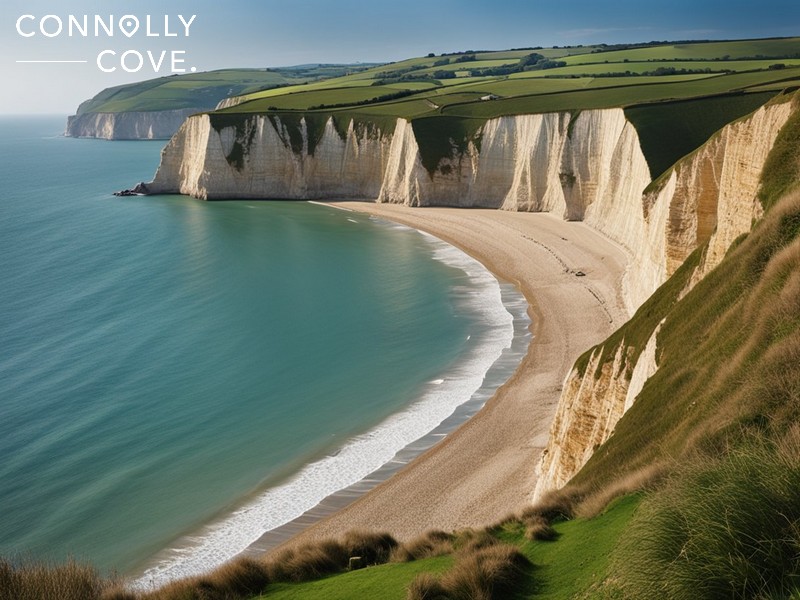
Broadchurch, the acclaimed crime drama, effortlessly intertwines with the literary heritage of Dorset through its dramatic portrayal of the fictitious town set against the real backdrop of the Jurassic Coast. Dorset’s stunning landscapes serve as the canvas for this compelling narrative and echo the deep literary bonds formed by Thomas Hardy, a seminal figure in English literature.
Hardy‘s works, often set in the semi-fictional region of Wessex, resonate with the geographic and emotional landscapes that Broadchurch brings to life. The rugged cliffs, a prominent fixture in the series, are emblematic of the region’s natural grandeur, a feature that Hardy frequently celebrated in his descriptive prose.
Here is a brief exploration of these connections:
| Hardy’s Wessex | Broadchurch Equivalent |
|---|---|
| Castorbridge | Broadchurch Town |
| Wessex’s Cliffs | Jurassic Coast |
- Thomas Hardy used Dorset as a foundation for his narratives, reflecting the county’s socio-economic reality of the Victorian era.
- Broadchurch, while a modern creation, alludes to Hardy‘s legacy by highlighting the continued significance of Dorset’s landscapes as a backdrop for storytelling.
The series’ creator, Chris Chibnall, described the show as a love letter to Jurassic Coast’s scenery, suggesting a deep-seated reverence akin to that of Hardy‘s for the region’s natural features. This love letter bridges contemporary visual storytelling and the rich literary traditions of the past.
In Broadchurch, we observe an intricate tapestry of mystery and community drama unfolding in settings that once inspired Hardy’s pen. Just as Hardy‘s narratives were steeped in Dorset’s pastoral and elemental forces, Broadchurch harnesses these same environs to underscore its narratives, demonstrating the timeless allure of Dorset’s coast for literary and cinematic purposes.
Impact on Tourism and Local Area
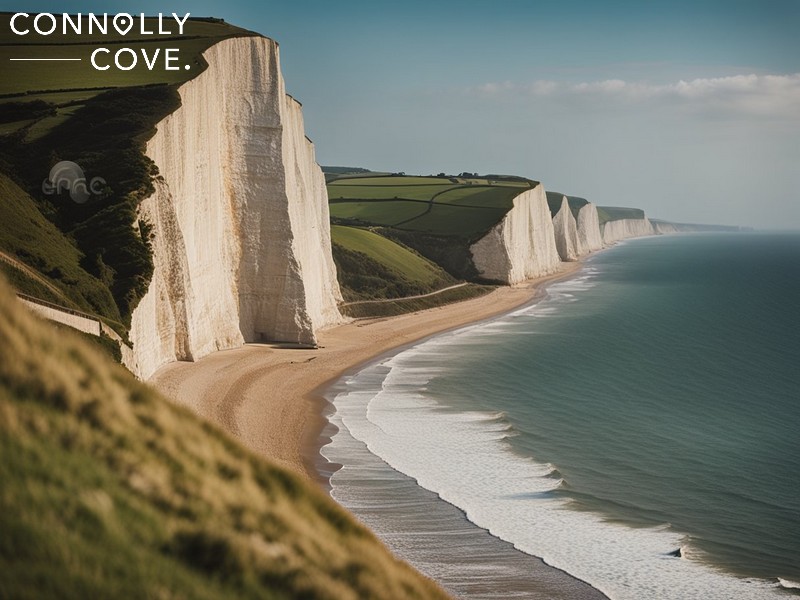
The ITV crime drama Broadchurch has significantly impacted tourism in West Bay and the surrounding region. Broadchurch was set along the stunning Jurassic Coast near Bridport, showcasing dramatic cliffs and the coastal town’s allure, which in turn drew visitors eager to explore the locations seen on screen.
Visitor numbers to West Bay have surged, with fans of the show coming to see the iconic cliffs and scenic beaches that played a backdrop to the series. Interest in Devon and Somerset, areas also featured in the series, has seen similar growth, now often referred to as the Broadchurch effect.
Local businesses have benefited from the increased foot traffic, with many establishments experiencing growth in clientele. This influx has provided a welcome boost to the local economy, focusing on the hospitality and retail sectors. Meanwhile, the picturesque village of Bridport has enjoyed heightened recognition, further positioning the area as a desirable destination.
This crime drama has entertained audiences and played a role in highlighting the natural beauty of Dorset’s Jurassic Coast. With its captivating landscape, West Bay has become much more than a fictional setting; it has emerged as a character in its own right, inviting us to explore its history and vistas.
The Cinematography of Broadchurch
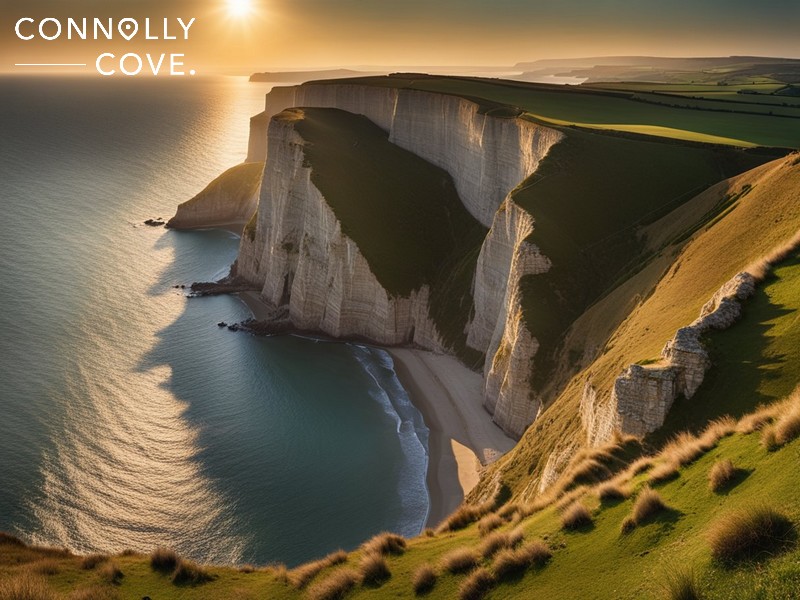
The ITV series Broadchurch captivates audiences not only with its gripping plot but also through its extraordinary cinematography. We are introduced to the rugged beauty of the Jurassic Coast as the backdrop of this crime drama. The series is applauded for its stunning visual portrayal of the Dorset landscape.
The cliffs of West Bay are perhaps the most iconic feature, offering a dramatic and almost ethereal presence throughout. These towering structures of nature, set against the churning sea below, underscore the tension and emotional gravity of the story. The use of wide camera angles here captures the expanse of the coast, allowing viewers to appreciate the cliffs’ sheer scale and grandeur.
The coastline, with its pebbly beaches and serene waves, contrasts the intensity of the dramatic cliffs. Cinematographers craftily showcase this balance between tranquillity and the turmoil of the central mystery. Lingering shots of the shoreline provide a sense of place and atmosphere, integral to the viewer’s immersion in the story.
A palette of cold, blue tones runs through the show, a deliberate choice that echoes the theme of mystery and isolation. The visual narrative is as compelling as the dialogue-driven one, with each scene painted in the quiet hues of the picturesque Dorset setting.
The picturesque views throughout Broadchurch have piqued curiosity about the locations and increased interest in Dorset as a destination. The series’ cinematography serves the narrative and is a silent ambassador for the region’s beauty.
In conclusion, Broadchurch’s visual storytelling is a poignant enabler for the drama’s rich tapestry of characters and narrative layers, leaving an indelible mark on the audience with the hauntingly beautiful vistas of Dorset’s Jurassic Coast.
Broadchurch in Popular Culture
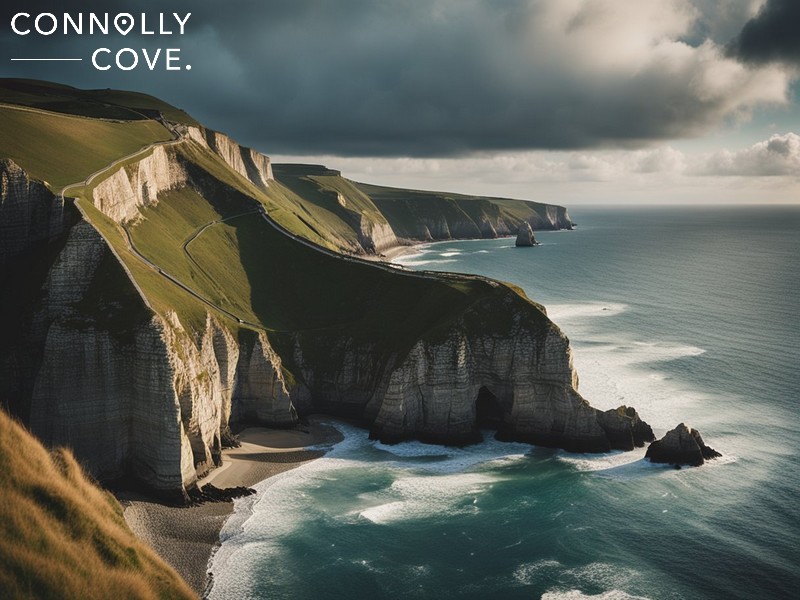
Broadchurch captivated audiences with its enthralling mystery and the breathtaking scenery of Dorset’s coastline. The show left a tangible mark on popular culture as a British crime drama, becoming synonymous with quality television. The series, which featured the talents of David Tennant and Olivia Colman, is often seen as a staple of British TV, with its compelling storytelling and intricate character development.
The drama showcased the actors’ prowess and the stunning landscapes, which played a crucial role in the series’ atmosphere. Dorset’s cliffs, especially, became iconic, featuring prominently in the backdrop and becoming a character in their own right. The show’s success has seen a surge in tourism to these areas, with fans eager to walk the same paths as their favourite characters.
While Broadchurch stands on its own merits, its influence extends to those involved in its creation. Chris Chibnall, the show’s writer, is known for his work on other significant British series, including Doctor Who and Torchwood. His tenure in the Doctor Who universe helped him develop the storytelling skills he effectively applied to Broadchurch.
Broadchurch‘s international reach was further solidified thanks to platforms like Netflix. Its availability on such streaming services introduced the show to a global audience, allowing it to become a part of the wider conversation about quality TV dramas, not just within the UK. This availability contributed significantly to the series’ status as a highly regarded example of a British crime drama that drew viewers in with its psychological depth and the beauty of the English coast.
Frequently Asked Questions
In exploring the captivating setting of the ITV crime drama Broadchurch, we uncover some of the most common inquiries regarding its production and the real-life locations that set the stage for this gripping series.
Where were the iconic cliffs scenes in Broadchurch filmed?
The striking layered cliffs that became synonymous with Broadchurch were filmed at West Bay in Dorset. These natural features are prominently displayed throughout the series and have become a landmark for fans visiting the area.
Which Dorset town stands in for the fictional town of Broadchurch in the series?
Clevedon in Somerset primarily represented Broadchurch’s high street and seafront. At the same time, West Bay and Bridport in Dorset provided most of the coastal scenes, including the iconic cliffs and beach hut locations.
Is the depiction of the police procedure in Broadchurch considered accurate?
While aspects of the police procedure in Broadchurch are dramatised for entertainment, the series endeavoured to capture the essence of real investigative work. However, as with most fiction, there are creative liberties taken that may not align with actual police protocols.
Did actual events influence the narrative of Broadchurch?
Broadchurch is a work of fiction, and while it includes realistic themes of crime and family dynamics, its narrative is not directly based on true incidents. The creators crafted an entirely fictional story for the dramatic narrative.
How many seasons of Broadchurch were produced, and why was the show concluded?
Three seasons of Broadchurch were produced. The show concluded to allow the story to end on a high note, following a natural and planned progression rather than stretching the narrative beyond its intended scope.
What medical condition is Detective Inspector Alec Hardy suffering from in the series?
Detective Inspector Alec Hardy, portrayed by David Tennant, suffers from an arrhythmia, more specifically from ventricular tachycardia, which is a condition that causes a rapid heart rate and is a key part of his character’s storyline.
Discover The Mystery of the Paviland Red Lady: Unearthing Its Secrets
Culture Exploration
29/04/2024
Downpatrick Town: Saint Patrick’s Final Resting Place
Northern Ireland
29/04/2024
Breton Language: Safeguarding the Rhythmic Pulse of Brittany’s Celtic Heart
Culture Exploration
29/04/2024
The Enchanting Helen’s Bay Beach – Northern Ireland
Northern Ireland
29/04/2024

Discover The Mythical Valkyrie Horses: Steeds of Legend
Mythology and Folklore
28/04/2024