


Water Parks in the UK: Your Guide to Fun and Adventure
Updated On: March 01, 2024 by  Panseih Gharib
Have you ever been searching for a perfect location where fun and relaxation go hand in hand? No need to worry; water parks in the UK are renowned globally! In this guide, we are ready to explore numerous exhilarating water slides, peaceful swimming pools, and even exciting play areas in some of our verdant island’s best indoor and outdoor water parks.
Ready for a smashing’ good time? Let’s make waves together!
Key Takeaways
- The UK offers some of the most incredible indoor and outdoor water parks for a fun and adventurous day out.
- Top indoor water parks include Waterworld, Let’s Go Hydro, and Coral Reef Water Park, which offers thrilling rides and pools all year round.
- Outdoor water parks like Lagan Valley LeisurePlex, Alpamare, and Splashdown Poole provide exhilarating slides and attractions surrounded by beautiful landscapes.
- Based on traveller reviews, Sandcastle Water Park, Alton Towers Water Park, and Waterworld are among the top-rated water parks in the UK, offering exciting rides and pools for a memorable experience.
Top Water Parks in the UK
Join us as we explore the best water parks in the UK, including heart-pounding indoor spots and Hydro and thrilling outdoor venues.
Best Indoor Water Parks in the UK
Forget the unpredictable British weather! Rain or shine, the UK boasts a thrilling wave of fun hidden within its doors. Dive into the heart of adrenaline-pumping slides, towering wave pools, and lazy rivers that transport you to tropical paradises. Explore immersive themes, tackle heart-stopping drops, and create unforgettable memories – all under the comfort of a warm roof.
Are you ready to make a splash in the best indoor water parks in the UK?
Alton Towers Water Park
This tropical-themed park boasts thrilling rides like the Master Blaster, the world’s longest indoor rollercoaster waterslide, alongside a wave pool, lazy river, and kid-friendly areas. It’s part of the Alton Towers theme park resort, offering additional entertainment options.
Location
- Alton Towers Resort, Farley, Staffordshire, ST10 4DW, UK
- It’s about 160 miles northwest of London and easily accessible by car or train.
Opening Hours
- The water park usually operates year-round but with varying opening hours depending on the season.
- It’s generally open during peak season (July & August): 10:00 AM to 8:00 PM.
- Off-peak season: 10:00 AM to 6:00 PM
Tickets
- Tickets are purchased online or at the park entrance.
- Prices vary depending on the date, season, and ticket type (adult, child, senior).
- As of February 2024, expect to pay: Advance online: £18 for adults, £13 for children (aged 3-15 years) and on your visit day: £25 for adults, £18 for children
- Water park tickets do not include entry to the Alton Towers theme park.
Water Park Regulations
- An adult in the water must always accompany all children under age 4.
- There is a strict adult-to-child ratio of 1:1 for children under the age of 4 and 1:2 for children aged 5-7.
- Certain height restrictions apply to some rides.
- Outside food and drink are not permitted in the water park.
Thrilling Slides
- Master Blaster: The world’s longest indoor rollercoaster waterslide, taking riders on a twisting, turning adventure.
- The Flume: A classic log flume ride with a splash landing.
- The Splashing Rapids: A fast-paced rapids ride with twists and turns.
Family Fun
- Carib Cove: A giant wave pool with ample space to swim and play.
- Tropical Rush: A lazy river for a relaxing float.
- Little Leak: A shallow play area for toddlers with slides and water features.
Sandcastle Water Park
Holding the title of the largest indoor water park in the UK, Sandcastle offers over 18 slides and attractions, including Aztec Falls, Sidewinder, and the Typhoon Lagoon wave pool. They have something for all ages, making it a family favourite.
Location
- 52 Waterloo Rd, Blackpool, Lancashire FY4 1DN, UK
- Easily accessible by car, tram, or train.
Opening Hours
- Open year-round, typically operating: Peak season (March to October): 9:00 AM to 6:00 PM
- Off-peak season (November to February): 10:00 AM to 5:00 PM
- Exact hours may vary, so check their website closer to your visit.
Tickets
- Tickets must be purchased online in advance.
- Prices vary depending on the date, season, and ticket type (adult, child, senior).
- As of February 2024, expect to pay: Off-peak: £23 for adults, £19 for children (aged 3-15 years) and Peak season: £29 for adults, £24 for children
- Family and group discounts are available.
Water Park Regulations
- An adult in the water must always accompany all children under age 4.
- There is a strict adult-to-child ratio of 1:1 for children under the age of 4 and 1:2 for children aged 5-7.
- Certain height restrictions apply to some rides.
- Outside food and drink are not permitted in the water park.
Thrilling Slides
- Aztec Falls: A near-vertical drop slide for adventurers.
- Sidewinder: A twisting, turning ride with multiple drops.
- Master Blaster: A high-speed watercoaster with loops and dips.
Family Fun
- Typhoon Lagoon: A giant wave pool perfect for bodyboarding and splashing.
- Coral Cove: A shallow play area with slides, fountains, and water features for young children.
- Lazy River: Relax and float along a gentle current.
Coral Reef Waterworld
Known for its Caribbean theme and relaxed atmosphere, Coral Reef offers a range of slides, a wave pool, a lazy river, and children’s play areas. It’s an excellent option for families seeking a tropical getaway without leaving the UK.
Location
- Easthampstead Park, Wilderness Road, Bracknell, Berkshire RG12 7PW, UK
- Easily accessible by car or public transport (Bracknell bus station is nearby).
Opening Hours
- Operating hours depend on the season and day of the week. Generally: Peak season (July & August): Monday-Friday: 10:00 AM to 8:00 PM, Weekends: 9:00 AM to 8:00 PM
- Off-peak season: Monday-Friday: 10:00 AM to 6:00 PM, Weekends: 9:00 AM to 6:00 PM
- Specific hours are always best verified on their website closer to your visit.
Tickets
- Tickets can be purchased online in advance or at the park entrance.
- Prices vary depending on the date, season, and ticket type (adult, child, senior).
- As of February 2024, expect to pay: Peak season: £22.50 for adults, £17.50 for children (aged 3-15 years)
- Off-peak season: £19.50 for adults, £15.50 for children
- Family and group discounts are available.
Regulations
- An adult in the water must always accompany all children under the age of 4.
- There is a strict adult-to-child ratio of 1:1 for children under the age of 4 and 1:2 for children aged 5-7.
- Certain height restrictions apply to some rides.
- Outside food and drink are not permitted in the water park.
Thrilling Slides
- Maelstrom: A giant swirling bowl for a thrilling experience (height restriction applies).
- Storm Chaser: A high-speed flume ride with twists and turns.
- Cannon: A fast and furious drop slide (height restriction applies).
- Aqua Splash: A gentler slide suitable for younger children and families.
Best Outdoor Water Parks in the UK
Trading sandy beaches for thrilling slides and exhilarating water adventures, the diverse range of outdoor water parks in the UK offers something for everyone. Whether you’re seeking adrenaline-pumping rides, relaxing family fun, or a scenic escape, these parks provide the perfect summer day out. Imagine toddlers giggling in splash zones, teenagers conquering daring slides, and families unwinding on lazy rivers – all under the warm British sun. With options scattered across the country, discover the perfect water park adventure to make your summer unforgettable!
Aqua Splash, Kent
Along the Kent coastline, Aqua Splash boasts exhilarating slides, a giant wave pool, and a relaxing lazy river. Its proximity to the beach adds to the summer vibes, making it a perfect escape for families and thrill-seekers.
Heart-pounding Thrills
- Master Blaster: Conquer this high-speed water coaster that twists and turns, sending you on an adrenaline-pumping ride.
- Kamikaze: Feel the rush of freefall on this near-vertical drop slide, a must-try for thrill-seekers.
- Family Slides: Share the laughter with multi-rider slides like the Twister and the Galaxy, offering excitement for all ages.
Family Fun & Relaxation
- Giant Wave Pool: Feel the power of simulated waves crashing around you; perfect for bodyboarding or simply catching some refreshing splashes.
- Lazy River: Take a leisurely float along the gentle current, soaking up the sunshine and enjoying the scenic coast views.
- Splash Lagoon: Designed for younger children, this shallow play area features fun water features, mini slides, and fountains, ensuring little ones have a blast.
Water Park Regulations & Safety
- An adult in the water must always accompany all children under 4.
- There are strict adult-to-child ratios for various age groups.
- Specific height and weight restrictions apply to certain rides.
- Outside food and drink are not permitted within the park.
Opening Hours
- The park typically operates from late May to early September, with weekends and school holidays seeing extended hours.
- Opening hours depend on the season, so it’s best to check their website closer to your visit: [insert website link if available].
Additional Information
- Lockers and changing rooms are available for your convenience.
- Various food and drink outlets cater to different tastes and dietary needs.
- You can rent towels and swim rings at the park.
- Special events and themed days are held throughout the season.
Splash World, Dorset
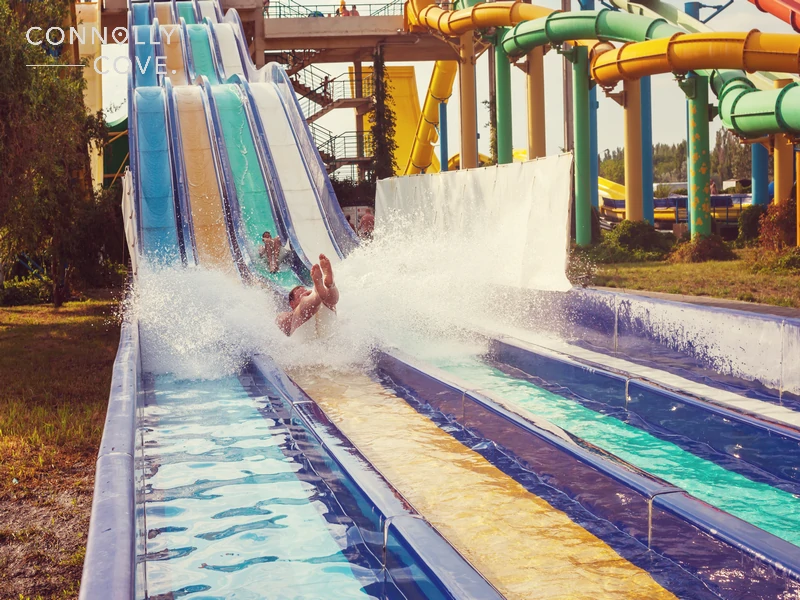
This park caters to all ages with its diverse offerings. Speed demons can conquer daring slides like the Kamikaze, while little ones can enjoy the splash pools and mini slides. Take advantage of the relaxing lazy river and refreshing wave pool for a complete aquatic experience.
Thrills for the Daring
- Kamikaze: Plunge into an exhilarating near-vertical drop and feel the wind rush past on this iconic slide.
- Black Cyclone: Take a twisting, turning journey through darkness on this enclosed tube slide.
- Master Blaster: Hold tight as this high-speed water coaster propels you through dips and curves.
- Twister: Share the laughter on this multi-rider slide with friends and family.
Fun for the Whole Family
- Mississippi Drifter: Relax on an inflatable ring and float along the gentle current of this lazy river.
- Baron’s Revenge: Embark on a pirate-themed adventure with water jets, tipping buckets, and interactive features.
- Red River Roller: Spin and splash down this family-friendly water coaster.
- Toddler Splash Zone: Let little ones enjoy safe, shallow play areas with slides, fountains, and water features.
Regulations
- An adult in the water must always accompany children under four.
- Specific height restrictions apply to certain rides.
- Outside food and drink are not permitted within the park.
Opening Hours
- The park typically operates from late May to early September, with extended hours during weekends and school holidays.
- Depending on the season, opening hours are announced, so it’s best to check their website closer to your visit: [insert website link if available].
Additional Information
- Lockers and changing rooms are available for your convenience.
- Various food and drink outlets cater to different tastes and dietary needs.
- You can rent towels and swim rings at the park.
- Special events and themed days are held throughout the season.
Waterworld Wales, Pembrokeshire
Immerse yourself in the Welsh countryside at this scenic water park in the UK. Tackle the Master Blaster water coaster, unwind in the lagoon, or let the kids loose in the pirate-themed play area. Waterworld Wales offers a unique outdoor adventure with breathtaking views and diverse attractions.
Adrenaline Rush
- Master Blaster: Hold tight as this high-speed water coaster propels you through twists, turns, and dips.
- Speedway Racer: Feel the wind in your hair as you race down this multi-lane slide on inflatable rings.
- Black Thunder: Take a thrilling plunge down this near-vertical drop slide, perfect for daring adventurers.
Family Fun
- Lagoon: Relax and soak up the sun in this spacious pool, featuring water features and a pirate ship for imaginative play.
- Lazy River: Take a leisurely float along the gentle current, enjoying the scenic park views.
- Splash Kingdom: This dedicated play area with slides, fountains, and water jets keeps little ones entertained for hours.
Regulations & Safety
- An adult in the water must always accompany all children under four.
- There are strict adult-to-child ratios for various age groups.
- Specific height and weight restrictions apply to certain rides.
- Outside food and drink are not permitted within the park.
Opening Hours
- The park typically operates from late May to early September, with extended hours during weekends and school holidays.
- Exact opening hours can vary depending on the season, so it’s best to check their website closer to your visit: [insert website link if available].
Additional Information
- Lockers and changing rooms are available for your convenience.
- Various food and drink outlets cater to different tastes and dietary needs.
- You can rent towels and swim rings at the park.
- Special events and themed days are held throughout the season.
Trends and Technologies for Water Parks in the UK

The adventure in water parks in the UK is continuously evolving. Let’s explore the latest trends and technologies.
New Parks and Expansions
- Chessington World of Adventures: Plans to add a water park similar to Alton Towers Water park are in the works, offering wave pools, slides, and family attractions. No confirmed opening date yet.
- Paulton’s Park: Launching “Splash Lagoon” in May 2024, a Jurassic-themed boat ride for junior thrill-seekers.
- Brean Splash Water Park: Expanding its outdoor offerings alongside existing indoor features, making it a year-round water park destination.
Technology Trends
- Virtual Reality (VR) experiences: Integrating VR headsets with slides or ride simulators could offer immersive adventures.
- Cashless payments: Implementing cashless systems for convenience and faster transactions.
- Sustainable practices: Focus on water conservation, energy efficiency, and eco-friendly materials.
- Accessibility features: Improving accessibility for visitors with disabilities through wider walkways, adapted changing rooms, and specialized equipment.
Tips for visiting Water Parks in the UK

To ensure your visit to water parks in the UK is enjoyable, follow these tips:
Planning & Preparation
- Book online: Most water parks in the UK offer online booking with potential discounts, especially during peak season. Secure your tickets early!
- Check the weather: Pack accordingly – sunscreen for sunny days and a light jacket for cooler evenings.
- Pack essentials: Swimsuit, towel, comfortable shoes, waterproof sunscreen, hat, snacks (if permitted), and medication (if needed).
- Review regulations: Each park has different rules; check height restrictions, age limitations, and permitted items.
- Know your budget: Consider expenses like food, lockers, towel rentals, and additional activities.
At the Park
- Arrive early: Beat the queues, especially during peak times.
- Claim your locker: Secure your belongings and valuables.
- Apply sunscreen regularly: Stay sun-safe, especially with little ones.
- Stay hydrated: Drink plenty of water throughout the day.
- Respect others: Follow queue etiquette, be mindful of personal space, and supervise children closely.
- Utilize lifeguards: Don’t hesitate to ask for assistance if needed.
- Take breaks: Relax in the shade, enjoy a meal, or explore non-water areas.
- Embrace the fun: Be adventurous, try new slides, and create lasting memories!
Additional Tips
- Waterproof phone case: Capture memorable moments without worrying about water damage.
- Water shoes: Provide better grip and protection on wet surfaces.
- Waterproof bag: Keep essentials dry and handy.
- Cash or card: Check which payment methods are accepted for food and other purchases.
- First-aid kit: Pack basic supplies for minor scrapes or bumps.
- Download the park app to access maps, schedules, and other helpful information.
- Consider waterproof bandages: Prevent water from ruining regular ones.
- Plan your route: Strategize your slide exploration to avoid backtracking.
- Bring a reusable water bottle: Minimize plastic waste and stay hydrated.
- Learn basic water safety: Familiarize yourself with emergency procedures.
- Respect the environment: Dispose of waste properly and follow park sustainability guidelines.
Conclusion
Uncover the comprehensive manual to water parks in the UK for an enjoyable and daring outing. Whether you seek indoor or outdoor excitement, there are numerous selections available. Enjoy the thrill of slides, pools, and aquatic attractions at leading water parks.
FAQs
What attractions can I expect at a water park in the UK?
You can expect attractions such as water slides, wave pools, lazy rivers, interactive water features, and inflatable play areas at water parks in the UK.
What are some unique features of LC Swansea?
LC Swansea offers a mix of indoor and outdoor flume rides, interactive play areas, an infinity pool, and a spa, making it a versatile water park destination.
Are there any outdoor water features at Tower Park?
Yes, Tower Park features outdoor flume rides, an outdoor pool, and an interactive play area, providing both indoor and outdoor water experiences.
How many interactive water features can be found at some of the best water parks in the UK?
Some of the best water parks in the UK boast up to 70 interactive water features, providing a wide range of fun and engaging water experiences for visitors.
What is the estimated daily water usage at water parks in the UK?
Water parks in the UK can use up to 20 million litres of water daily, showcasing the scale and magnitude of their water-based attractions and amenities
Natural History Museum – London Attractions
Europe
29/04/2024

Cinderella Mocktails at Killyhevlin Hotel, Enniskillen
Northern Ireland
29/04/2024

Aunt Sandra’s Delicious Candy Factory, Belfast
Northern Ireland
29/04/2024

A Guide to the Best Belfast Hotels
Travel & Hospitality Careers
29/04/2024

The Dying Gaul: Unraveling the Meaning and History of an Ancient Roman Masterpiece
History and Heritage
29/04/2024