


Discover the Best Bookstores in London: A Guide to the Top Literary Gems in the City
Updated On: April 26, 2024 by  Yasmin Elwan
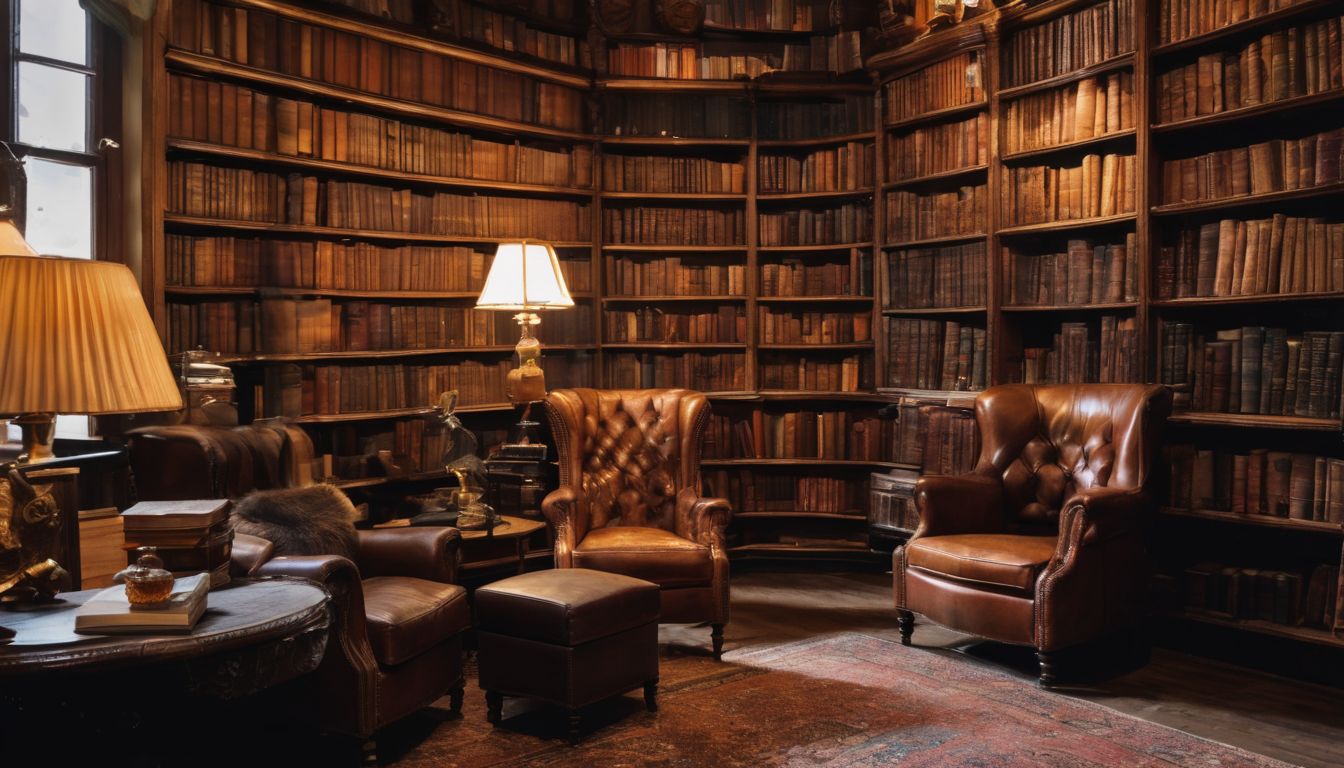
London, the city that never sleeps, pulsates with an energy that fuels creativity and intellect. Amidst its iconic landmarks and bustling streets lies a treasure trove for bibliophiles—the best bookstores in London.
From historic establishments steeped in tradition to trendy literary hubs pushing the boundaries of innovation, each bookstore in this vibrant city offers a unique experience for book lovers. Join me as we explore these literary gems and discover why they hold a special place in the hearts of Londoners and visitors alike.
Top 10 Best Bookstores in London
Here are the top 10 best bookstores in London, where you can discover literary gems and immerse yourself in the city’s vibrant book scene.
Libreria
Libreria is a bookshop located in London’s East End, near Brick Lane. It’s owned by Second Home, a company known for creating spaces that foster creativity and innovation. Here are some key things about Libreria:
- Curated Selection: They offer a carefully chosen selection of contemporary titles, focusing on promoting discovery and serendipity.
- Thematic Browsing: Books are arranged by broad themes like “Wanderlust,” “Enchantment for the Disenchanted,” and “The City,” encouraging exploration beyond typical categories. This makes it easier for you as you don’t need to search by author or title.
- Designed for Discovery: The architect-designed space is meant to inspire interdisciplinary thinking and exploration.
- Cultural Events: They host a variety of cultural events, including author talks, discussions, and workshops.
Libreria is open Tuesday through Saturday from 10 am to 6 pm, offering ample time to browse their curated selection. On Sundays, they open a bit later at noon and close at 6 pm. Be sure to note that they are closed on Mondays.
Foyles
Foyles, located at 107 Charing Cross Road, is a monumental landmark and one of the best-known bookstores in London. Established in 1904, it boasts the title of the world’s largest bookstore by shelf length and offers a treasure trove of books across various genres for readers of all ages and interests. Here’s what makes Foyles a must-visit for book lovers:
- Immense Selection: Spread across six floors, Foyles offers an unparalleled selection of books, ranging from fiction and non-fiction bestsellers to niche titles, academic texts, and children’s books. You’re sure to find something to satisfy your literary cravings, no matter how specific your taste.
- Curated Sections: Each floor caters to specific genres and interests, making it easier to navigate the vast selection. Dedicated sections for travel, art, music, history, and more ensure a focused browsing experience.
- Regular Events: Foyles frequently hosts author talks, book signings, and literary events, providing a platform for readers to connect with their favourite authors and engage with the wider literary community.
- More Than Just Books: Beyond the bookshelves, Foyles offers a cafe serving hot and cold drinks and delicious snacks, a gallery space showcasing art exhibitions, and an auditorium hosting various events and talks.
From Monday to Thursday, book enthusiasts can immerse themselves in Foyles’ vast collection from 9:00 AM to 9:00 PM, providing ample time for browsing after a day’s work. On Fridays and Saturdays, the bookstore extends its welcome from 9:00 AM to 7:00 PM, ensuring that weekend explorations are met with literary delights. Meanwhile, Sundays offer a leisurely opportunity to peruse the shelves from 11:30 AM to 6:00 PM, rounding off the week with a dose of literary inspiration.
Lutyens & Rubinstein
Lutyens & Rubinstein is a charming bookstore located in Notting Hill, London. It’s a must-visit for book lovers looking for literary gems. The cosy atmosphere and carefully curated selection of books make it a favourite among locals and tourists.
You can find a wide range of genres here, from fiction to non-fiction and everything in between. The knowledgeable staff are always on hand to offer recommendations or engage in friendly conversation about books. So, if you’re in London and want to discover a unique bookstore with an inviting ambience, Lutyens & Rubinstein should be at the top of your list!
Books for Cooks
Nestled in the heart of Notting Hill, Books for Cooks is more than just a bookstore; it’s a culinary destination for passionate home cooks and professional chefs alike. Established in 1983, it boasts a unique combination of features that set it apart from the rest:
- Extensive Cookbook Collection: Browse through thousands of cookbooks covering every cuisine imaginable, from classic French techniques to trendy vegan recipes and regional specialities. Whether you’re a beginner or a seasoned cook, you’ll find inspiration and guidance for your culinary journey.
- The Test Kitchen: Witness the magic come alive in the on-site test kitchen, where recipes from featured cookbooks are put to the test. This unique concept allows you to see the dishes firsthand and gain confidence in recreating them at home.
Positioned conveniently between the bustling Portobello Road and charming Kensington Park Road, this culinary haven promises a delightful journey through the world of gastronomy. Operating from Tuesday to Saturday, from 10:00 am to 6:00 pm, Books for Cooks invites visitors to explore its extensive collection of cookbooks, culinary guides, and gastronomic literature.
However, the bookstore observes closures on Sundays, Mondays, Bank Holidays, and during specific periods, including the last three weeks of August and ten days over the festive season, encompassing Christmas Eve and New Year.
John Sandoe Books
Established in 1957 by John Sandoe and Félicité Gwynne, John Sandoe Books is a treasure trove for bibliophiles in London’s Chelsea district. Renowned for its thoughtful curation and commitment to the humanities, it has become a beloved institution for discerning readers seeking a unique bookstore experience. Here’s what sets John Sandoe Books apart:
- Curated Selection: They offer a carefully chosen selection of new books across various disciplines within the humanities, including literature, history, philosophy, art, and more. They prioritise quality over quantity, ensuring each book on their shelves is worthy of your attention.
- Remarkables Section: Discover hidden gems and intriguing reads in the “Remarkables” section, featuring intriguing, stunning, or otherwise remarkable books. This curated selection is perfect for those seeking something unexpected and thought-provoking.
- Quarterly Catalogues: Dive deeper into their curated world through their quarterly catalogues, showcasing new arrivals, staff recommendations, and thematic explorations of specific topics.
- Expert Recommendations: The knowledgeable staff, passionate about literature and the humanities, are always happy to offer personalised recommendations based on your interests and reading preferences.
- More Than Just Books: John Sandoe Books offers a range of additional services, including mail order, subscriptions for individuals and private libraries, and book bundling options.
Foster Books
Foster Books is a London institution specialising in rare and antiquarian books, nestled in a charming 18th-century building on Chiswick High Road. Established over 50 years ago, it caters to bibliophiles seeking unique and valuable finds, offering a captivating experience for book lovers and collectors.
- Rare and Antiquarian Focus: Their collection primarily features first editions, fine bindings, and antiquarian volumes across various subjects, including history, literature, art, and more.
- Curated Selection: Each book undergoes a meticulous selection process, ensuring the collection offers authenticity, quality, and historical significance.
- Diverse Range: Whether you’re interested in classic literature, historical documents, or beautifully bound volumes, you’re likely to find something to pique your interest.
- Expert Staff: The knowledgeable staff possesses a deep understanding of rare books and their value, offering informed guidance and personalised recommendations to assist you in your search.
- Online Presence: Browse their extensive online catalogue featuring detailed descriptions, images, and prices of available items.
- Uncatalogued Stock: If you’re searching for something specific, they offer an offline search form to explore their uncatalogued stock, potentially uncovering hidden gems.
Located just a stone’s throw away from Turnham Green Tube station on the bustling Chiswick High Road, Foster Books invites bibliophiles to embark on a literary journey within its welcoming confines. Operating hours from Monday to Saturday, 10:30 am to 5:30 pm GMT, and most Sundays from 11:00 am to 5:00 pm, Foster Books accommodates visitors throughout the week. For those travelling by car, pay-and-display parking is available just outside the shop, ensuring a hassle-free experience.
Daunt Books
London is home to many charming bookshops, and one that should not be missed is Daunt Books. Located in a beautiful Georgian building in Marylebone, this bookstore offers a unique and delightful experience for book lovers.
As you step inside, you’ll be greeted by rows upon rows of shelves filled with books covering every imaginable genre. What makes Daunt Books special is its focus on travel literature.
You’ll find an impressive collection of travel guides, maps, and adventure stories that will ignite your wanderlust and inspire your next journey. The shop’s layout is designed to create a calm and peaceful atmosphere, allowing you to browse at leisure and discover new literary treasures.
Word on the Water
Word on the Water is a unique and charming bookstore in London that will capture the hearts of book lovers. It is not your ordinary bookstore because it’s actually a floating bookstore on a narrowboat! This makes it an incredibly special and memorable experience for anyone visiting.
Word on the Water offers a selection of secondhand books, including classics, contemporary literature, and children’s books. The cosy atmosphere aboard the boat creates the perfect setting to browse through their collection while enjoying views of Regent’s Canal.
Hurlingham Books
Hurlingham Books, nestled in Fulham, London, is a paradise for book lovers. Founded in 1968 by Ray Cole, it boasts the unofficial title of the “oldest independent bookshop in South West London.” Stepping inside this unique bookstore is like entering a treasure trove of stories, with books stacked from floor to ceiling, creating a labyrinthine haven for bibliophiles. Here’s what makes Hurlingham Books special:
- Immense Collection: Boasting over two million books (many housed in a nearby warehouse), they offer a diverse selection across various genres, including fiction, poetry, general interest, art, photography, children’s books, and even antiquarian finds.
- Hidden Gems: With limited space in the shop itself, exploring the warehouse by request unlocks a world of hidden literary treasures, offering a unique experience for dedicated bookworms.
- Community Hub: More than just a bookstore, Hurlingham Books fosters a sense of community. Ray, the owner, is known for his passion for books and people, offering advice and engaging in conversations with customers.
- Film & TV Collaborations: The bookstore has even provided books for major productions like The Crown, Batman, and Poldark, adding to its unique charm.
Whether you’re a seasoned bookworm or just starting your literary journey, Hurlingham Books is an experience not to be missed.
Hatchards
Hatchards, claiming the title of the oldest bookseller in the UK, is a literary landmark situated in the heart of London’s Mayfair district. Established in 1797 by John Hatchard, it has served as a haven for bibliophiles and bookworms for over two centuries, boasting a rich history and a reputation for excellence. Here’s what makes Hatchards stand out:
- Rich History: With its royal warrants granted by King Charles III, Queen Elizabeth II, and Prince Philip, Hatchards has a long and distinguished history of serving royalty and literary figures alike.
- Extensive Selection: They offer a vast and diverse collection of books across various genres, catering to both casual readers and seasoned bibliophiles. From fiction and non-fiction to children’s books and travel guides, you’re sure to find something to pique your interest.
- Regular Events: Hatchards frequently hosts author talks, book signings, and literary events, providing a platform for readers to connect with their favourite authors and engage with the wider literary community.
- Elegant Atmosphere: Stepping inside Hatchards is like stepping back in time, with its grand architecture, traditional bookcases, and elegant atmosphere creating a truly memorable experience.
Beyond its impressive collection and rich history, Hatchards offers several unique features:
- Hatchards Classics: They curate a selection of timeless classics across various genres, ensuring a curated selection of essential reads for every bookshelf.
- Travel Bookshop: Nestled within the main store, the dedicated travel bookshop caters to wanderlust enthusiasts, offering a comprehensive selection of travel guides, maps, and travelogues.
- Online Presence: While primarily a brick-and-mortar store, Hatchards offers an online platform for browsing and purchasing selected titles, catering to a wider audience.
Gosh!
Gosh! Comics isn’t your typical bookstore. Nestled in Soho, it’s a haven for comic book enthusiasts, offering a vibrant and industrial-chic space dedicated to all things graphic novels and comics. Here’s what makes Gosh! Comics stand out:
- Focus on Comics: Their curated selection primarily focuses on comic books and graphic novels, encompassing a diverse range of genres, from mainstream superheroes to independent and international comics.
- From Mainstream to Cutting Edge: Whether you’re a die-hard Marvel fan or seeking something more niche and alternative, Gosh! caters to all tastes with its extensive collection.
- Dedicated Sections: The store is cleverly organized with dedicated sections for superhero comics, manga, graphic novels, independent publications, and even children’s comics, making it easy to find what you’re looking for.
- Regular Events: Gosh! frequently hosts author signings, workshops, and launch parties, providing a platform for fans to meet their favorite creators and engage with the comic book community.
- More Than Just Books: They also offer a selection of related merchandise, including action figures, t-shirts, posters, and collectables, catering to the complete comic book fan experience.
From the historic charm of Hatchards to the curated haven of Libreria, London boasts a diverse selection of bookstores catering to every taste and interest. Whether you’re a seasoned bibliophile searching for rare finds or a casual reader seeking your next great adventure, exploring these bookstores in London promises an unforgettable journey through the world of literature.
Famous Haunted Houses in Egypt: Spooky Stories for Halloween
Destinations
27/04/2024
St. Paul’s Cathedral – London Attractions
England
27/04/2024
Great Scotland Yard – London Attractions
England
27/04/2024
Bangor Town: The Colorful Open House Festival
Northern Ireland
27/04/2024

Must-See Casablanca
Africa
27/04/2024