


Belfast Zoo: Feathers, Fur, and Fun

Updated On: April 12, 2024 by  Raghda Elsabbagh
If you’re a bit of a fan of furry, feathered or scaled friends and find yourself on an adventure in Northern Ireland, one place might just prick up your ears—the famed Belfast Zoo.
Home to over 130 unique species and roots stretching back to 1934, this zoo offers much more than just a day out. It’s an enchanting fusion of education and excitement. So why don’t we delve into this comprehensive guide? You’ll find everything from exploring their incredible animal exhibits to all the vital visitor details for creating a genuinely unforgettable zoo experience!

Table of Contents
History of Belfast Zoo
Belfast Zoo, located in Northern Ireland, first opened its doors in 1934. It has become a favourite spot for people who love animals. Over the years, it grew bigger and better. Now, it is home to more than 130 kinds of animals. The zoo works hard to keep these animals safe, too. They exert much effort worldwide to save wild animals from harm and loss of homes. Belfast Zoo is managed with great care and love for all living creatures!
A Guide to the Animals Collections at Belfast Zoo
At Belfast Zoo, you will find a fascinating collection of animals from around the world. There are over 130 species to discover with unique habitats and exhibits, making it a treat for nature lovers. From majestic Asian elephants to graceful giraffes and mighty lions, there’s no shortage of incredible creatures to admire. As you explore the zoo, you’ll have the opportunity to know more about these animals and their natural habitats through informative signs and interactive displays.
Different Sections and Exhibits at Belfast Zoo
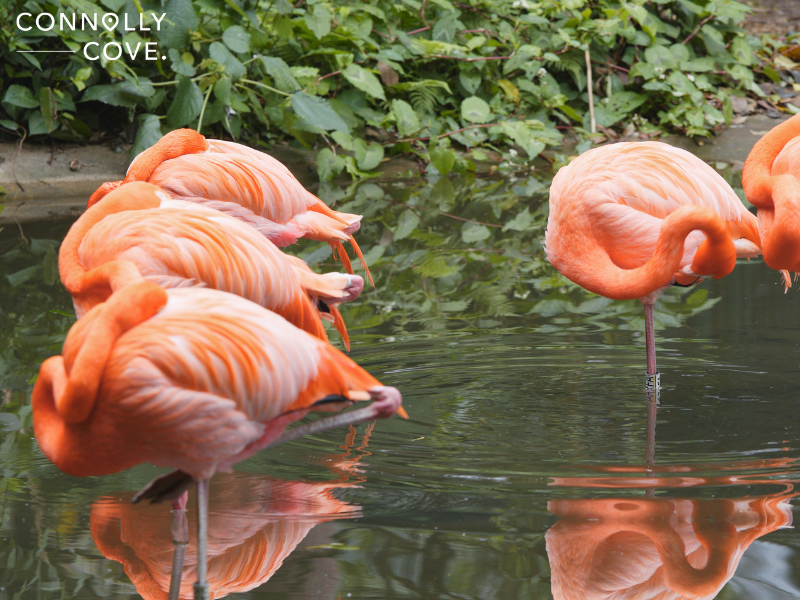
Belfast Zoo is home to various sections and exhibits that showcase the wonders of nature. As you explore Belfast Zoo, you will encounter sections dedicated to primates, birds, reptiles, and more.
In each section, you’ll have the opportunity to see different species up close and learn about their habitats and behaviours. From playful monkeys swinging through trees to colourful birds soaring through the air, there’s something for everyone to enjoy at Belfast Zoo. Whether you’re looking for adventure or a history buff interested in learning about animal conservation efforts, these exhibits will provide an enriching experience for all visitors.
Conservation Efforts and Educational Opportunities
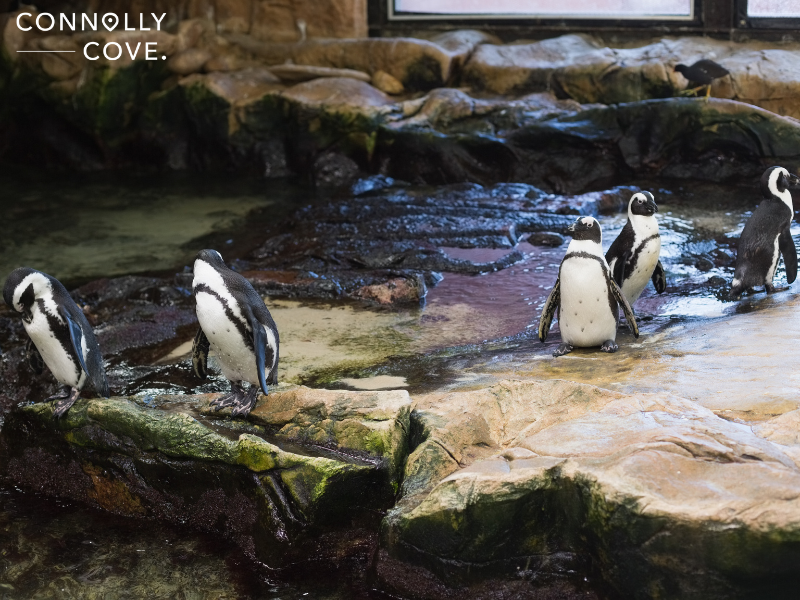
Belfast Zoo is not only a place to see amazing animals, but it also takes conservation and education seriously. The zoo actively participates in wildlife conservation efforts worldwide, working to protect endangered species and their habitats.
They are involved in breeding programs for rare animals and support research projects. When you visit Belfast Zoo, you can learn about these essential efforts through informative signage and talks by knowledgeable staff members.
It’s an excellent opportunity to gain awareness and understanding of wildlife’s challenges today. As an educational resource, the zoo offers various programs for schools and organisations, providing interactive experiences that promote learning about animal behaviour, ecosystems, and conservation.
Tips for Visiting and Experiencing Belfast Zoo
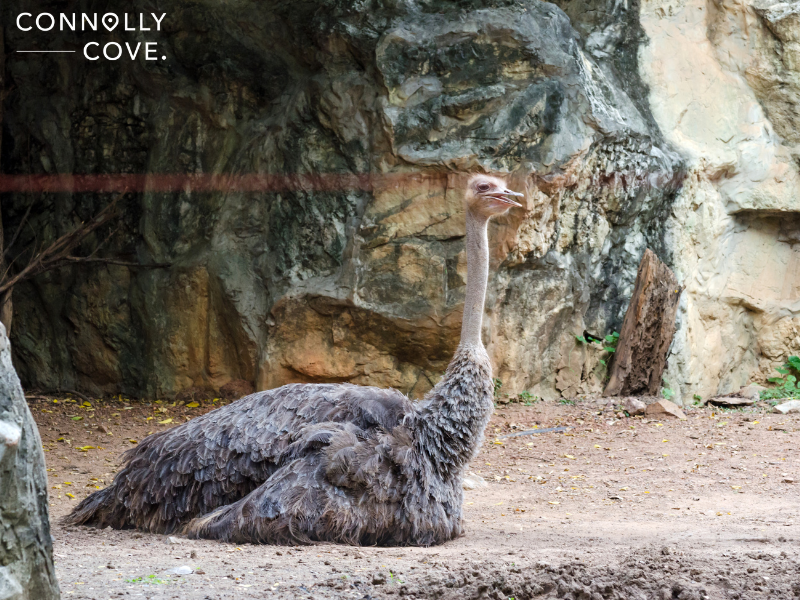
Get the most out of your visit to Belfast Zoo with our helpful tips and recommendations. From ticket prices and opening hours to special experiences like adopting an animal or being a junior keeper for the day, there’s something for everyone at this incredible wildlife conservation site in Northern Ireland. So, grab your camera and get ready to explore!
Tickets and Opening Hours
When planning a visit to Belfast Zoo, it is essential to know the ticket prices and opening hours. The zoo offers different ticket options depending on your age and group size. Adult tickets cost £14, while children from 4 to 16 years old can enter for £7.
Families can also avail of discounted rates with family tickets starting at £40.50 for two adults and two children. The zoo opens at 10 am every day except Christmas Day and Boxing Day, but it’s a good idea to check their website or call ahead for any schedule changes.
You can take advantage of the early morning admission option, which allows entry before regular opening hours. It’s an excellent opportunity to explore the zoo at your own pace without large crowds.
For a touch of luxury, consider purchasing VIP Experience Tickets that include access to exclusive areas of the zoo as well as a behind-the-scenes tour with one of the keepers. This immersive experience provides an unforgettable encounter with some animals and offers insight into conservation efforts.
You might also want to plan your visit during feeding times for certain animals, such as penguins or sea lions. It’s not only fascinating to watch but also gives you an up-close look at how these creatures interact during mealtime.
Onsite Facilities at Belfast Zoo
The onsite facilities at Belfast Zoo are designed to provide all visitors with a comfortable and fun experience. When you visit the zoo, you’ll find a range of amenities available to enhance your visit. There are cafés and food outlets where you can grab a bite or enjoy a hot drink. Additionally, there are picnic areas where you can just relax and have your own packed lunch if you prefer.
Remember to bring some snacks for yourself as well! The zoo also has several play areas for children to burn off some energy while exploring the animals. You’ll also find convenient toilet facilities throughout the site, including baby-changing facilities.
Unique Experiences—Animal Adoption
If you want to support the animals at Belfast Zoo and make a difference, you can consider animal adoption. By adopting an animal, you contribute directly to their care and well-being. You’ll receive a certificate, a photo of your chosen animal, and even the chance to visit them. It’s an excellent way for you to get involved and show your support for wildlife conservation. So, why not consider becoming an adoptive parent today?
Unique Experiences—Junior Keeper for the Day
If you’re a nature lover, you’ll be thrilled to know that Belfast Zoo offers a memorable experience called “Junior Keeper for the Day.” This unique opportunity allows you to go behind the scenes and get hands-on with the zoo’s amazing animals.
You’ll shadow a real zookeeper, helping with tasks like feeding and caring for the animals. It’s an incredible chance to learn about animal behaviour, conservation efforts, and what it takes to run a zoo. This exclusive experience will leave you with unforgettable memories and a much deeper appreciation for wildlife conservation. Don’t miss out on this once-in-a-lifetime chance at Belfast Zoo!
Contact Information and Gallery of the Zoo
To plan your visit to Belfast Zoo, you can easily find all the necessary contact information on their website. This includes details about opening times, ticket prices, and facilities available at the zoo.
They offer various ways to get in touch with them if you have any further questions or queries. One of the highlights of visiting Belfast Zoo is exploring its gallery, which showcases stunning photographs and artwork depicting the diverse range of animals that call this place home.
The gallery provides a unique visual experience that adds to the overall visit experience. So, don’t forget to check out their contact information on their website and spend some time admiring the beautiful gallery during your trip!
Newsletter and Social Media Accounts for Updates
To stay updated on Belfast Zoo’s latest news and happenings, you can subscribe to their newsletter and follow their social media accounts. Signing up for the newsletter will provide consistent updates about upcoming events, special offers, and educational programs.
You can also connect with them on social media platforms like Facebook, Twitter, and Instagram to get real-time updates and see captivating photos of the zoo’s animals and attractions. Don’t miss out on any exciting activities or new arrivals by staying connected through these channels!
Recommended Additional Activities in Belfast
If you have extra time to explore Belfast after visiting the zoo, there are plenty of other activities and attractions to enjoy. If you’re a history buff, you will love to see the Titanic Belfast Museum, where you can learn all about the famous ship and its tragic voyage.
If you’re into nature, stroll through the beautiful Botanic Gardens or hike in Cave Hill Country Park. Foodies will be delighted by the city’s wide range of delicious restaurants and cafes, offering everything from traditional Irish dishes to international cuisine. And if you appreciate art and culture, a trip to the Ulster Museum or a tour of the street art in Belfast’s Cathedral Quarter is highly recommended.
Belfast Zoo is a must-visit destination for animal lovers. With over 130 species of animals and unique interactive experiences, there’s always something for everyone to enjoy. The zoo’s conservation efforts and beautiful surroundings make it a truly wonderful place to explore. So grab your tickets, head over to Belfast Zoo, and plunge into an unforgettable adventure with the incredible wildlife!
FAQs
1. What are the key attractions at Belfast Zoo?
The main attractions of Belfast Zoo include various zoo animals in their habitats and exciting caves for exploration.
2. Can you tell me about the animal habitats at Belfast Zoo?
The Animal habitats in Belfast Zoo are well-designed to mirror the natural environments of all zoo animals, offering a real-life experience.
3. How can I get directions to visit Belfast Zoo?
To find location details or get directions to visit the zoo, simply check their website or popular map apps, which provide accurate results, too!
4. Are there any educational programs available at the zoo?
Yes, the zoo offers educational field trips! These events help students learn more about the animals and their habits while exploring visitor attractions.

Viking History: Insight into the Age of Phantom Travellers
History and Heritage
28/04/2024

The Symbolism and Meaning of the Dara Knot
Culture Exploration
28/04/2024

An Overview of Michigan Tourism Statistics: Visitor Spending, Growth, and Industry Impact
United States
28/04/2024

Top Things To Do in Hamburg: A Hamburger’s Guide!
Germany
27/04/2024

Take a Look at the Astounding Scenery of County Kerry
County Kerry
27/04/2024