


360 Degree Video of War Memorial, Mount Vernon, Belfast
Updated On: February 21, 2024 by  Ciaran Connolly
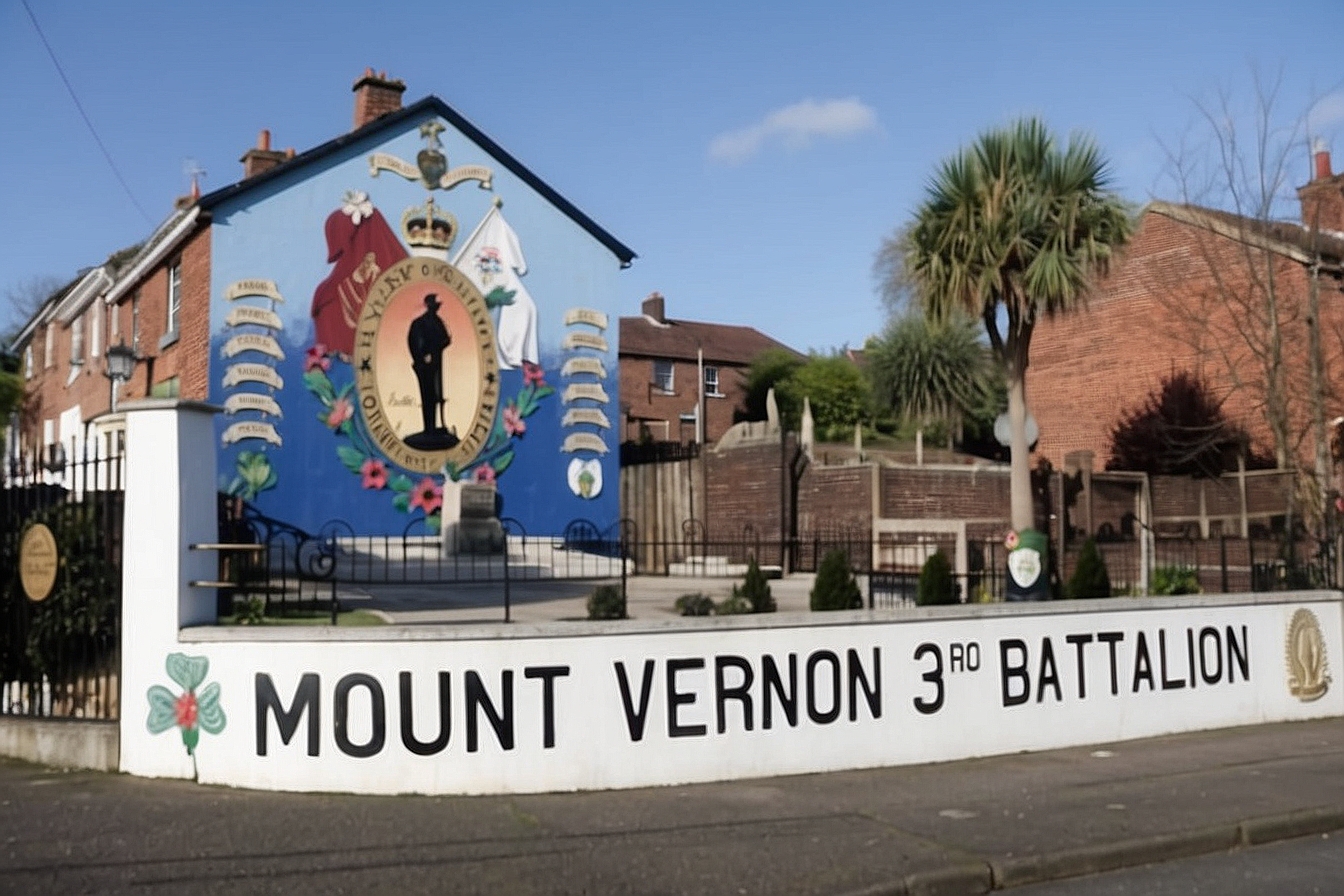
In the heart of Belfast, amidst the bustling streets and vibrant culture, stands a solemn testament to sacrifice and remembrance: the War Memorial of Mount Vernon. This revered monument stands as a poignant reminder of the profound impact of war on communities and the enduring bravery and resilience of those who served. Erected in honour of the fallen soldiers from the Mount Vernon area, this memorial serves as a focal point for reflection, commemoration, and gratitude.
History and Significance
The War Memorial of Mount Vernon has a rich and storied history that traces back to the aftermath of the First World War. As the guns fell silent in 1918, communities across the United Kingdom grappled with the devastating loss of life and the profound changes wrought by the conflict. In response to this collective grief, communities sought ways to honour and remember those who had made the ultimate sacrifice.
The Mount Vernon area of Belfast was no exception. In the years following the war, residents came together to commemorate their fallen loved ones and fellow citizens. The idea for a memorial took shape through grassroots efforts and fundraising initiatives to create a lasting tribute to the bravery and sacrifice of those who had served.
Design and Architecture
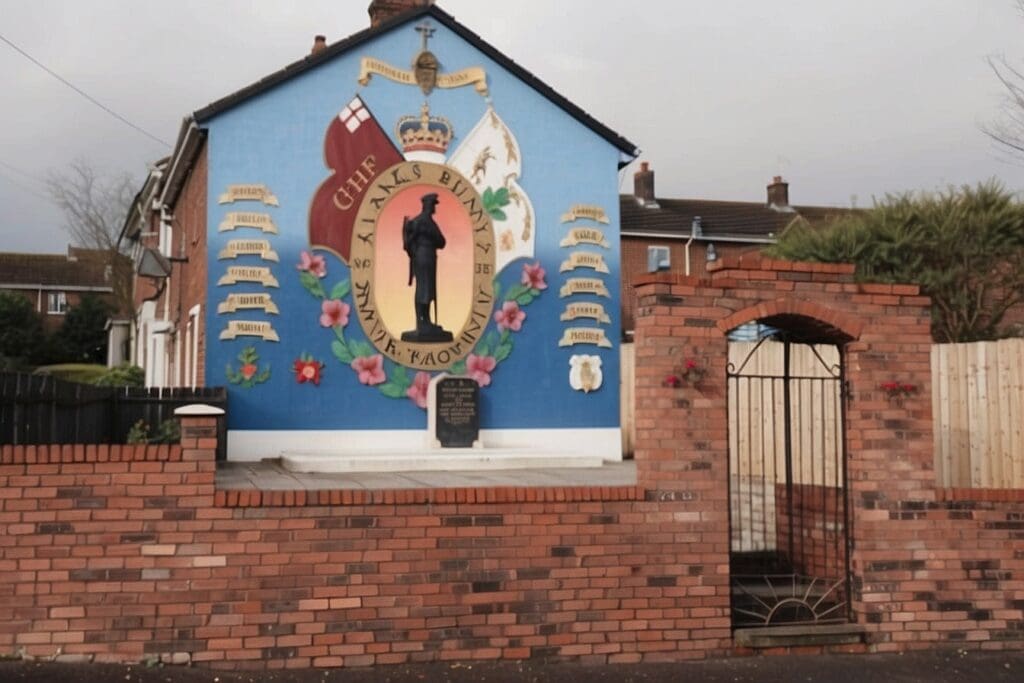
The Mount Vernon War Memorial’s design is a testament to artistic vision and symbolic meaning. Situated in a prominent location within the community, the memorial commands attention with its striking presence. At its core stands a central monument adorned with intricate carvings and inscriptions honouring the fallen.
The architecture reflects elements of both solemnity and reverence, with classical influences that evoke a sense of timelessness. Using enduring materials such as stone and bronze underscores the legacy of remembrance. Surrounding the central monument are landscaped gardens and pathways, providing a tranquil space for contemplation and reflection.
Commemoration and Remembrance
The War Memorial of Mount Vernon serves as more than just a physical structure; it is a living testament to the enduring bonds of community and the spirit of remembrance. Each year, on Remembrance Day, residents gather at the memorial to pay their respects and honour the memory of the fallen. The occasion’s solemnity is palpable as wreaths are laid, prayers are offered, and the names of the fallen are read aloud.
Beyond formal ceremonies, the memorial is a focal point for personal reflection and tributes. Families and individuals visit yearly to pay their respects, leaving flowers, photographs, and other mementoes in memory of their loved ones. Thus, The memorial becomes a pilgrimage place, where stories are shared and memories are preserved for future generations.
Community Engagement and Education
In addition to its role as a site of remembrance, the Mount Vernon War Memorial is crucial in educating future generations about the realities of war and honouring those who served. Local schools and community groups often visit the memorial as part of educational programmes, learning about the history of the conflicts and the stories of the individuals commemorated.
Through guided tours, exhibitions, and outreach initiatives, the memorial explores themes of sacrifice, courage, and resilience. By engaging with younger generations, the memorial ensures that the legacy of the fallen lives on, inspiring future acts of remembrance and gratitude.
Challenges and Renewal
While the Mount Vernon War Memorial symbolises enduring remembrance, it has yet to be immune to the passage of time and preservation challenges. Like many historic monuments, the memorial has faced weathering, vandalism, and neglect. In response, local community groups and conservation organisations have rallied to ensure the ongoing maintenance and restoration of the site.
Through fundraising efforts and volunteer initiatives, these dedicated individuals work tirelessly to preserve the integrity of the memorial and safeguard its place in the community. Their efforts serve as a testament to the enduring importance of remembrance and the collective responsibility to honour past sacrifices.
When to Explore Belfast’s Charms
The best time to visit Belfast largely depends on personal preferences and interests. However, many visitors find that May to September offer the most favourable weather conditions, with milder temperatures and longer daylight hours. During this time, Belfast comes alive with various festivals, outdoor events, and cultural celebrations, providing ample opportunities for exploration and enjoyment.
Additionally, the city’s parks and gardens are in full bloom, adding to the picturesque charm of the surroundings. However, it’s worth noting that Belfast can experience occasional rainfall throughout the year, so it’s advisable to come prepared with appropriate attire regardless of the season. Ultimately, whether one chooses to visit during the bustling summer months or prefers a quieter experience during the shoulder seasons, Belfast offers something unique and memorable for every visitor.
Nearby Attractions to Mount Vernon’s War Memorial
Near the War Memorial of Mount Vernon, several attractions and points of interest offer visitors a diverse range of experiences, from historical landmarks to cultural hubs. Here are some notable attractions in the vicinity:
Cave Hill Country Park
Just a short distance from the War Memorial lies Cave Hill Country Park, a sprawling green space renowned for its natural beauty and panoramic views of Belfast and beyond. Visitors can explore scenic walking trails, discover ancient caves, and admire the stunning landscape that inspired Jonathan Swift’s “Gulliver’s Travels.”
Belfast Castle
Perched atop Cave Hill, Belfast Castle is a striking landmark with a rich history dating back to the 12th century. Visitors can explore the castle’s elegant interior, which features ornate decor, historical exhibits, and breathtaking views of the surrounding countryside. The castle grounds also offer beautifully landscaped gardens and a charming café.
Belfast Zoo
Located adjacent to Cave Hill Country Park, Belfast Zoo has a diverse collection of animals worldwide. With over 120 species to discover, including endangered species and rare breeds, the zoo offers a fascinating and educational experience for visitors of all ages.
Belfast City Centre
Venture into Belfast’s vibrant city centre, where you’ll find various attractions, shops, restaurants, and cultural landmarks. Explore the historic streets of the Cathedral Quarter, admire the stunning architecture of City Hall, and immerse yourself in the city’s rich maritime heritage at the Titanic Belfast Museum.
Ulster Museum
Situated in the picturesque Botanic Gardens, the Ulster Museum is Northern Ireland’s largest museum and a treasure trove of art, history, and natural science. Visitors can explore fascinating exhibits ranging from Irish history and culture to ancient civilizations and biodiversity.
St. Anne’s Cathedral
Known as Belfast’s “cathedral of the city,” St. Anne’s Cathedral is a magnificent example of neo-Romanesque architecture. Visitors can marvel at the cathedral’s stunning stained glass windows, intricate mosaics, and impressive organ or take a guided tour to learn more about its history and significance.
Titanic Quarter
Experience the legacy of the RMS Titanic at the Titanic Quarter, a waterfront district home to the iconic Titanic Belfast museum, the SS Nomadic (Titanic’s tender ship), and the historic slipways where the ship was built. Visitors can delve into the story of the Titanic through immersive exhibits, interactive displays, and guided tours.
Crumlin Road Gaol
Step back in time with a visit to Crumlin Road Gaol, a Victorian-era prison turned museum. Explore the prison’s dark corridors, learn about its infamous inmates and intriguing history, and even embark on a guided ghost tour for a spine-chilling experience.
Botanic Gardens
Escape the hustle and bustle of the city with a tranquil stroll through the Botanic Gardens. Home to a stunning array of plant species, including exotic tropical plants and elegant rose gardens, the gardens provide a peaceful oasis in the heart of Belfast.
SS Nomadic
Adjacent to Titanic Belfast, visitors can explore the SS Nomadic, the last remaining White Star Line vessel and the original tender ship for the RMS Titanic. Step aboard this beautifully restored ship to discover its fascinating history and role in the Titanic story.
From natural wonders to cultural landmarks, the area surrounding the War Memorial of Mount Vernon offers a wealth of attractions for visitors to explore, ensuring a memorable and enriching experience for all who venture to this historic corner of Belfast.
Conclusion
The War Memorial of Mount Vernon is a solemn tribute to the bravery, sacrifice, and resilience of those who served in times of conflict. More than mere stone and bronze, it is a living testament to the enduring bonds of community and the spirit of remembrance. As future generations gather at the memorial to pay their respects, they will be reminded of the profound debt of gratitude owed to those who gave their lives in service of their country. In this act of remembrance, the legacy of the fallen lives on, ensuring that their sacrifices will never be forgotten.

Famous Haunted Houses in Egypt: Spooky Stories for Halloween
Destinations
27/04/2024

St. Paul’s Cathedral – London Attractions
England
27/04/2024

Great Scotland Yard – London Attractions
England
27/04/2024

Bangor Town: The Colorful Open House Festival
Northern Ireland
27/04/2024

Must-See Casablanca
Africa
27/04/2024