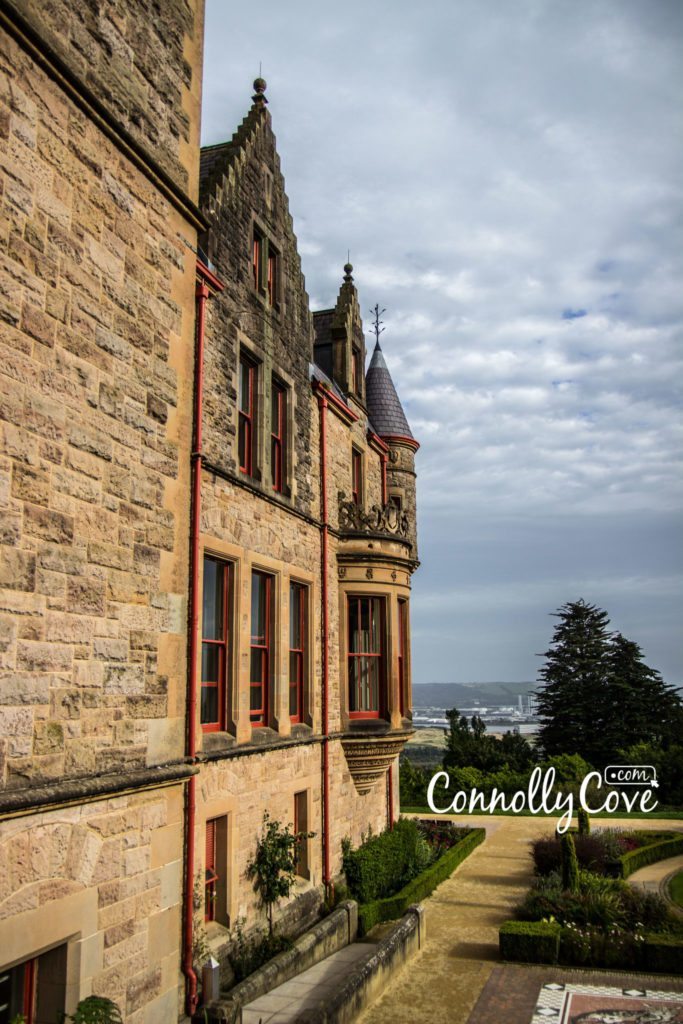
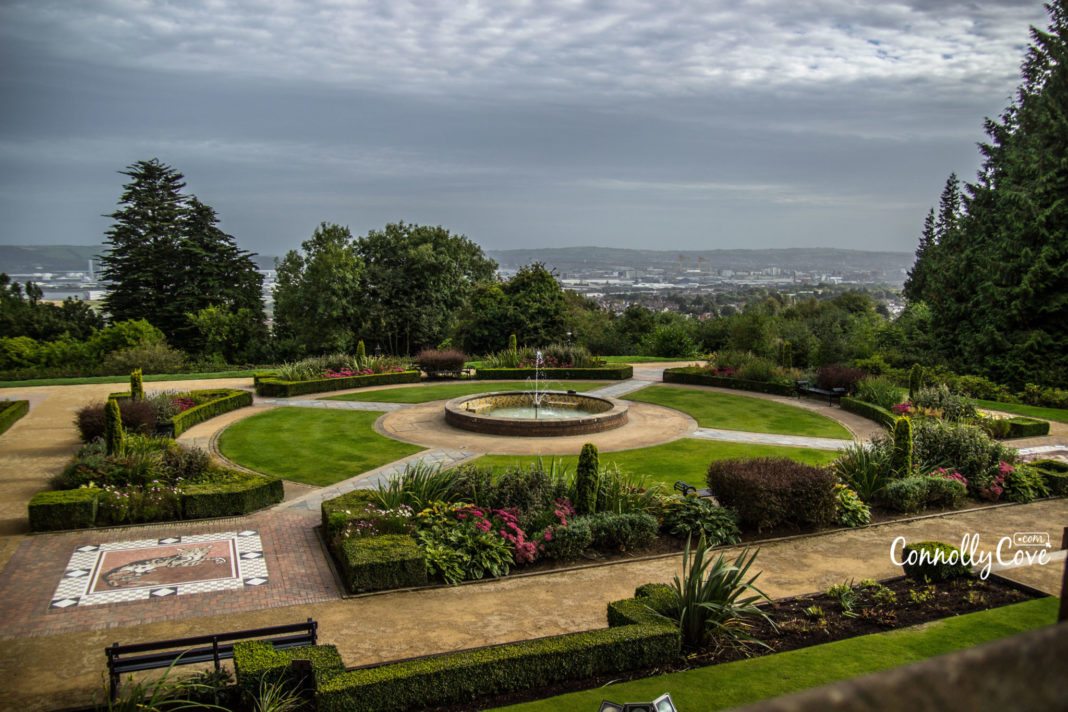
Perched 400 feet above sea level on the dramatic slopes of Cave Hill Country Park, Belfast Castle commands one of Northern Ireland’s most spectacular panoramas. The Scottish baronial mansion surveys Belfast Lough and the capital’s urban sprawl below, offering visitors far more than just another historic building to tick off their itinerary.
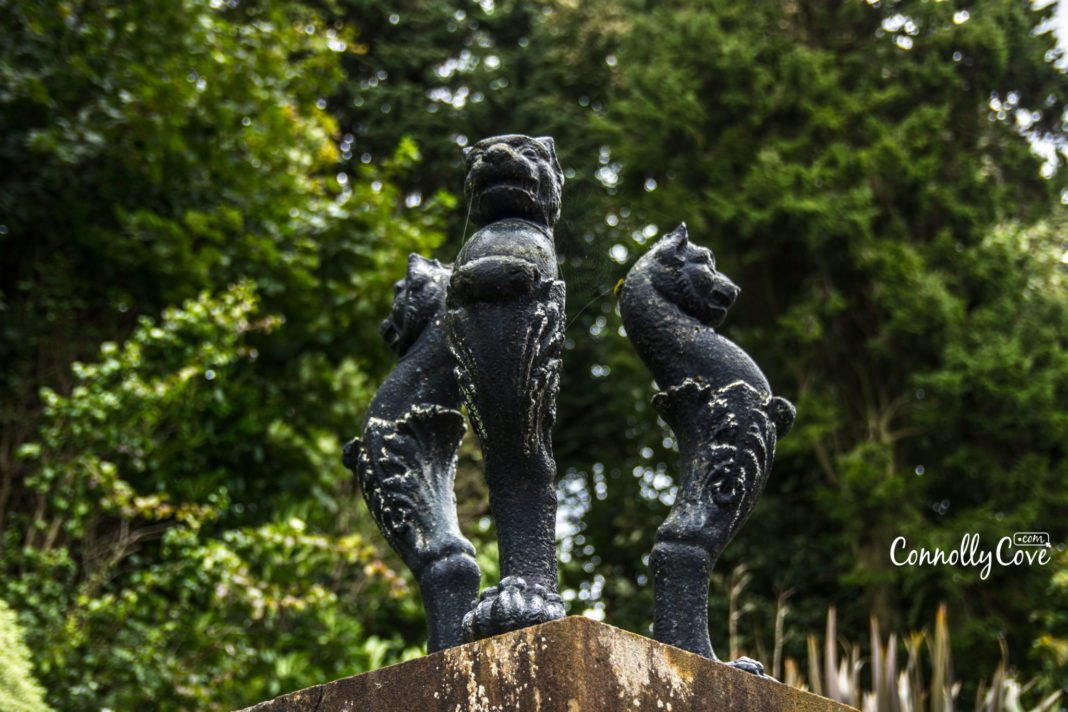
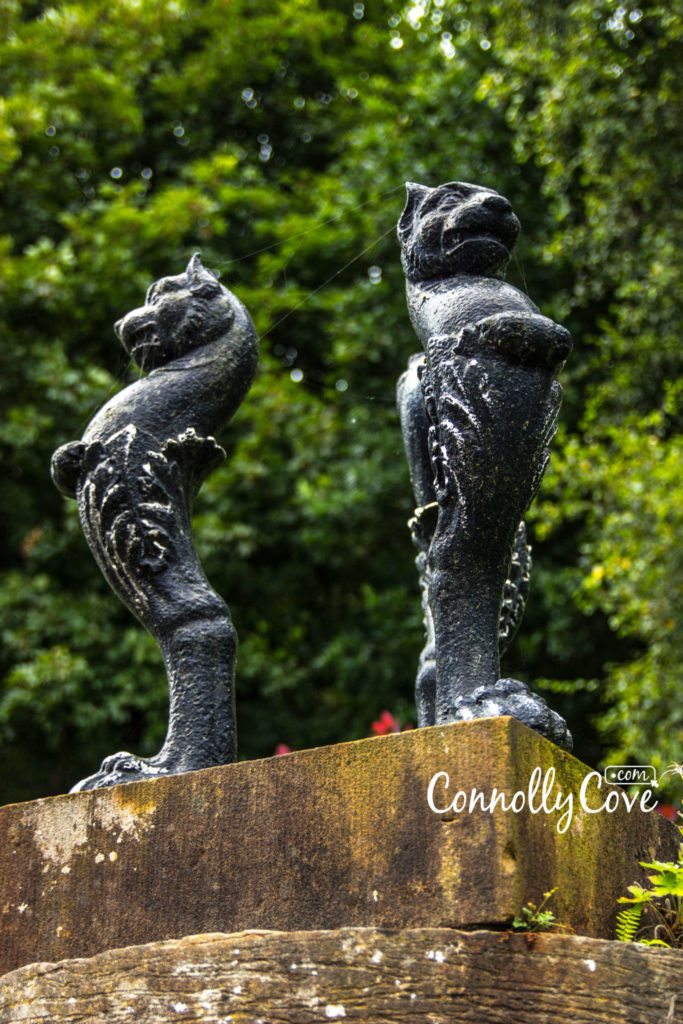
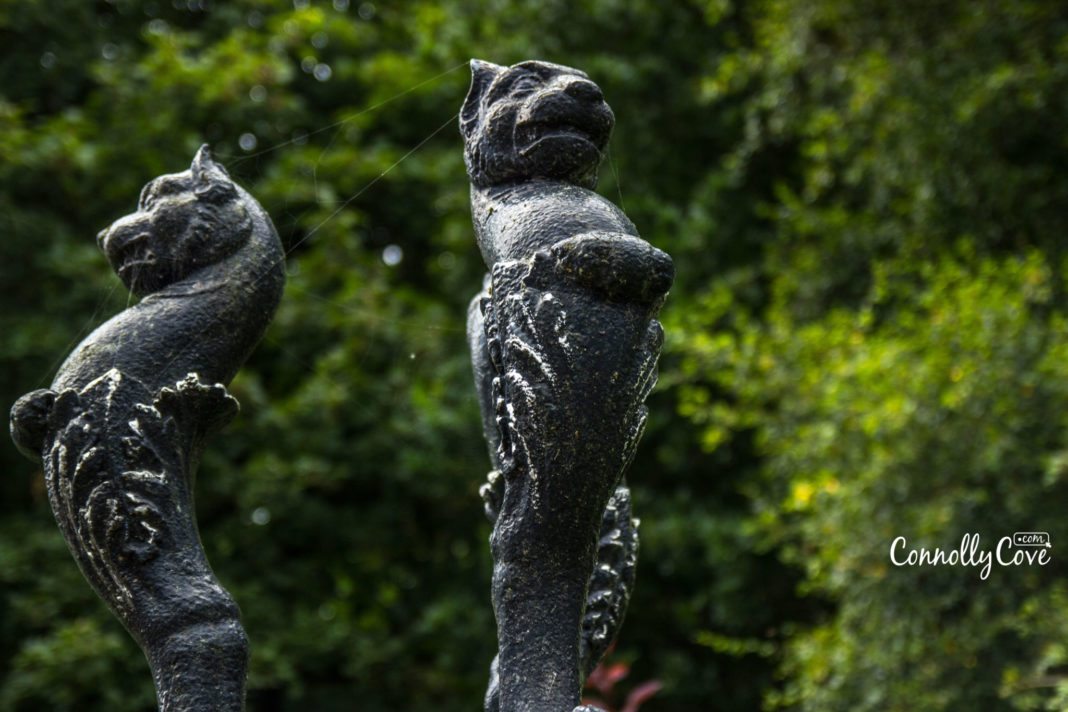
This isn’t simply a castle to photograph and leave. The estate combines Victorian architectural grandeur with accessible parkland trails, a thriving events venue, and one of Belfast’s most beloved local legends involving cats. For travellers seeking authentic Northern Ireland experiences beyond the typical tourist circuit, Belfast Castle rewards those who take time to explore both its heritage and its grounds.
Table of Contents
Planning Your Visit to Belfast Castle
Belfast Castle sits just four miles from Belfast city centre, making it perfectly positioned for a morning or afternoon visit. The castle’s location on Cave Hill’s lower slopes means you’ll need to factor in either driving or a moderately challenging walk from the nearest bus stop.
Getting There and Opening Times
Driving from Belfast city centre takes around 15 minutes via the Antrim Road. Parking operates on pay-and-display at £1.00 for the day, though spaces fill quickly on sunny weekends. Arriving before 10 am secures the best parking spots.
Public transport offers an economical alternative. Metro bus services 1, 2, 3, or 4 run from Donegall Square to the castle entrance stop. Expect a 20-minute uphill walk from the bus stop, steep in sections but rewarded with improving views. A single adult fare costs around £2.10.
The castle grounds open daily from dawn to dusk with free admission throughout. The castle building itself typically opens Tuesday through Sunday, 9 am to 5 pm, though private events occasionally affect access. The Cellar Restaurant operates 11 am to 5 pm daily, with advance booking strongly advised for afternoon tea.
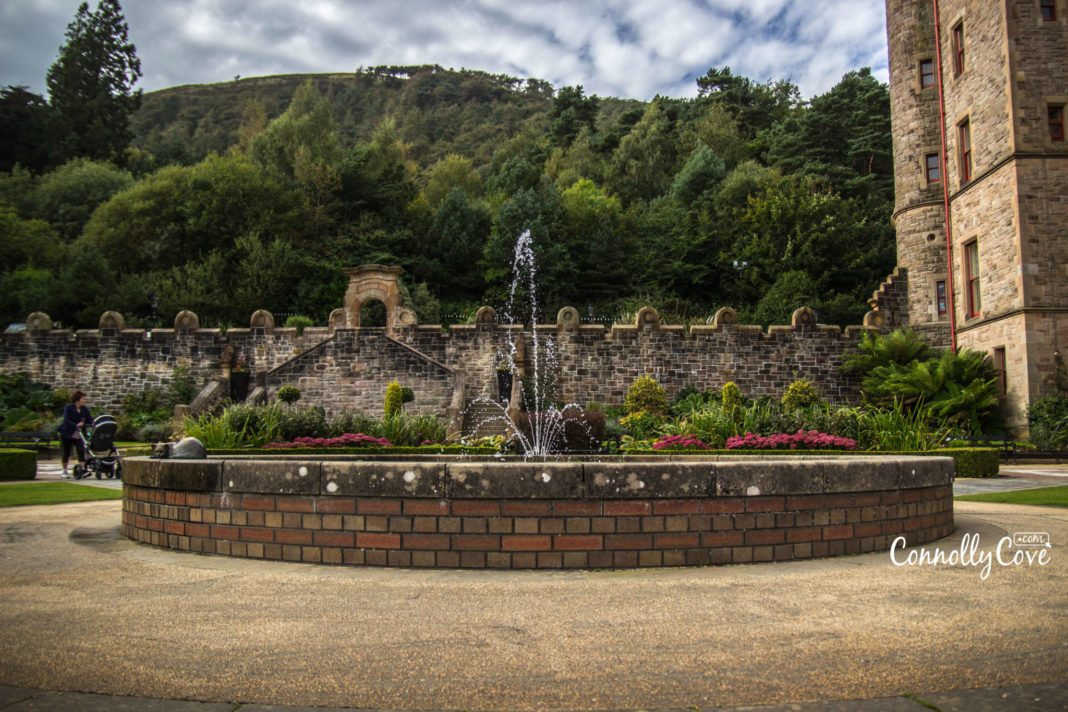
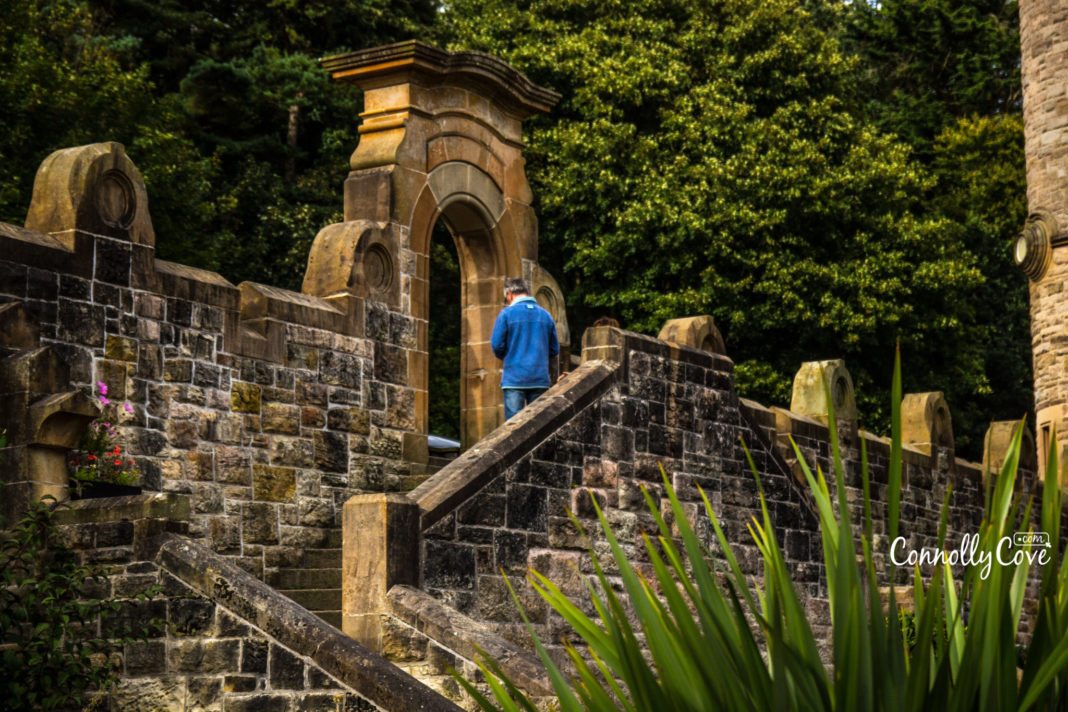
Castle admission costs nothing, making this one of Northern Ireland’s most accessible heritage sites. You’re free to explore the main public rooms, stairwells, and terraces without charge. Photography is welcomed throughout public areas, particularly the serpentine Italian staircase that’s become a favourite for wedding and travel photographers.
Architectural Heritage: Three Castles, One Legacy
Belfast Castle carries a name that spans eight centuries, though the building visitors see today dates from the Victorian era. Understanding the castle’s evolution from Norman fortress to Victorian mansion reveals much about Belfast’s transformation from market town to industrial powerhouse.
The Norman Origins and Early Castles
The first Belfast Castle rose in the late 12th century following the Norman invasion of Ulster. Built by John de Courcy, this timber and earthwork fortress stood in what’s now Belfast city centre, controlling the vital ford across the River Lagan. The castle passed to the Chichester family in 1603 when James I granted them the lands around Belfast.
Sir Arthur Chichester, 1st Baron Chichester, rebuilt the castle in stone and made it the seat of his growing power in Ulster. The Chichesters’ Belfast Castle became central to the developing town’s administration and economy. This second castle served the family for over a century before disaster struck in 1708, when fire gutted the building completely.
Rather than rebuild on the original site, the family chose to relocate. The decision reflected changing attitudes among the Anglo-Irish aristocracy, who increasingly favoured suburban estates over urban strongholds. The Chichesters left the city centre to the merchant classes and turned their attention to Cave Hill’s slopes.
The Victorian Vision: Scots Baronial Architecture
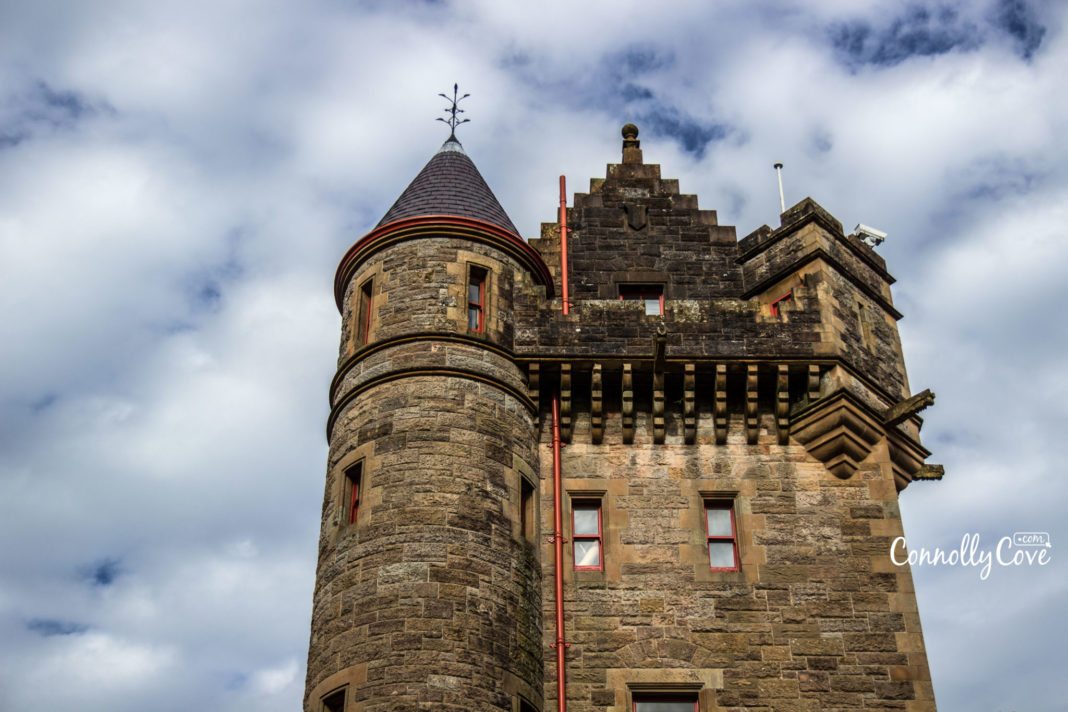
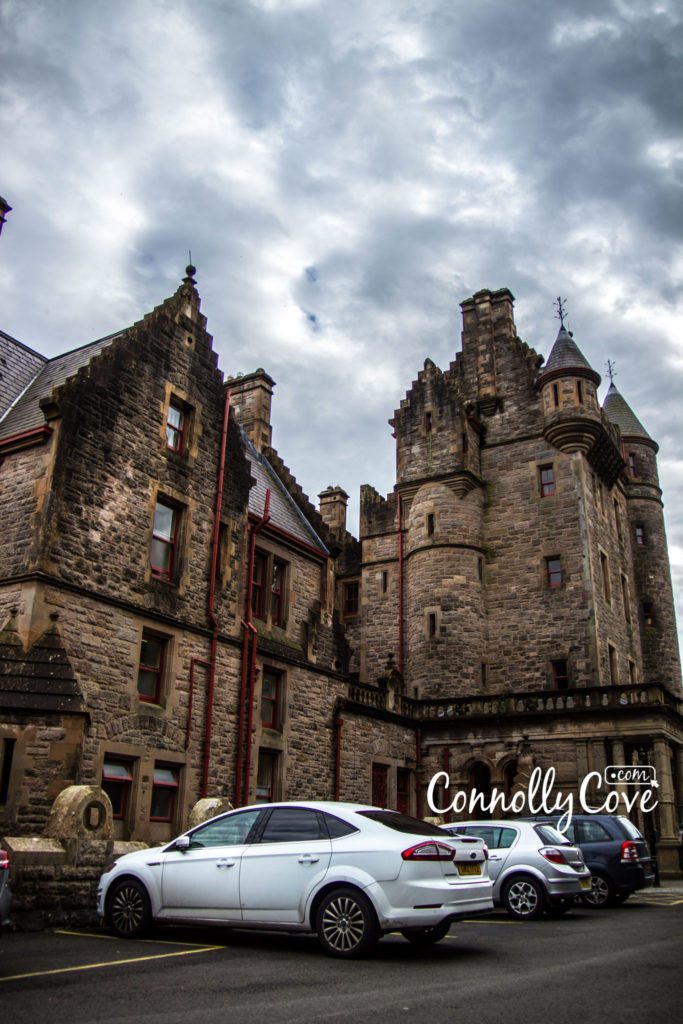
The third Belfast Castle took shape between 1811 and 1870, though construction progressed fitfully due to the 3rd Marquess of Donegall’s chronic financial troubles. Charles Lanyon, one of Victorian Belfast’s most influential architects, designed the castle with his son, drawing inspiration from the Scots baronial style popularised by Scottish castles like Balmoral.
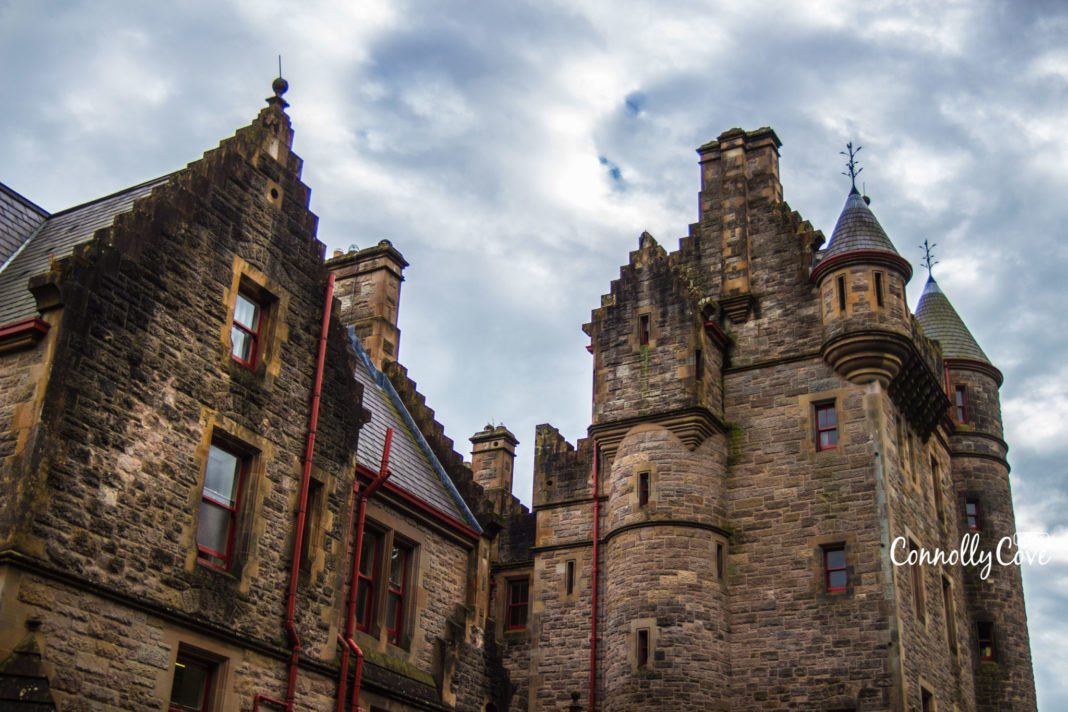
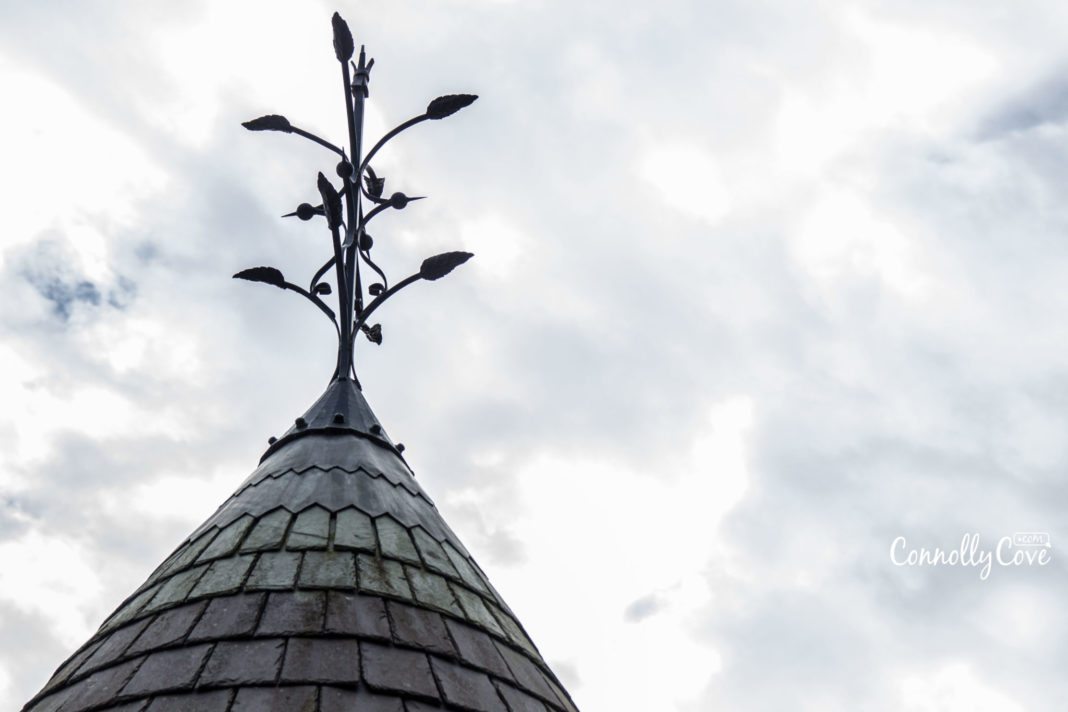
This architectural choice wasn’t merely aesthetic. The Donegall family’s Scottish heritage and the broader Ulster-Scots identity of Belfast’s Protestant establishment made Scots baronial styling politically and culturally resonant. The castle’s turrets, crow-stepped gables, and prominent tower announced aristocratic status whilst reinforcing cultural connections to Scotland.
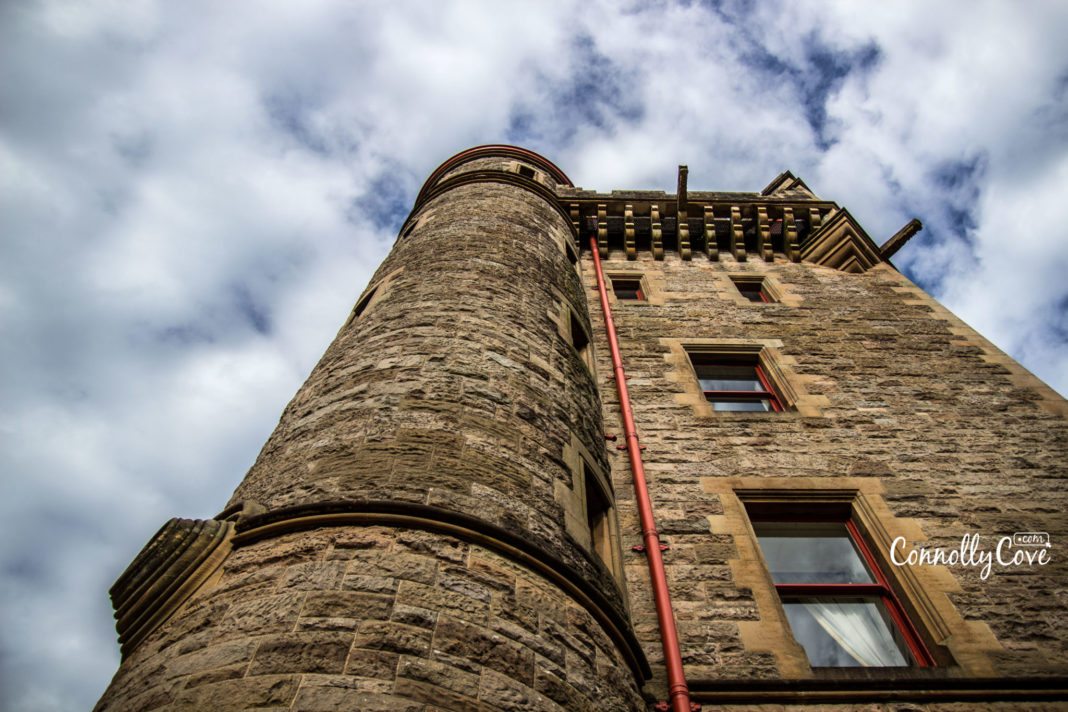
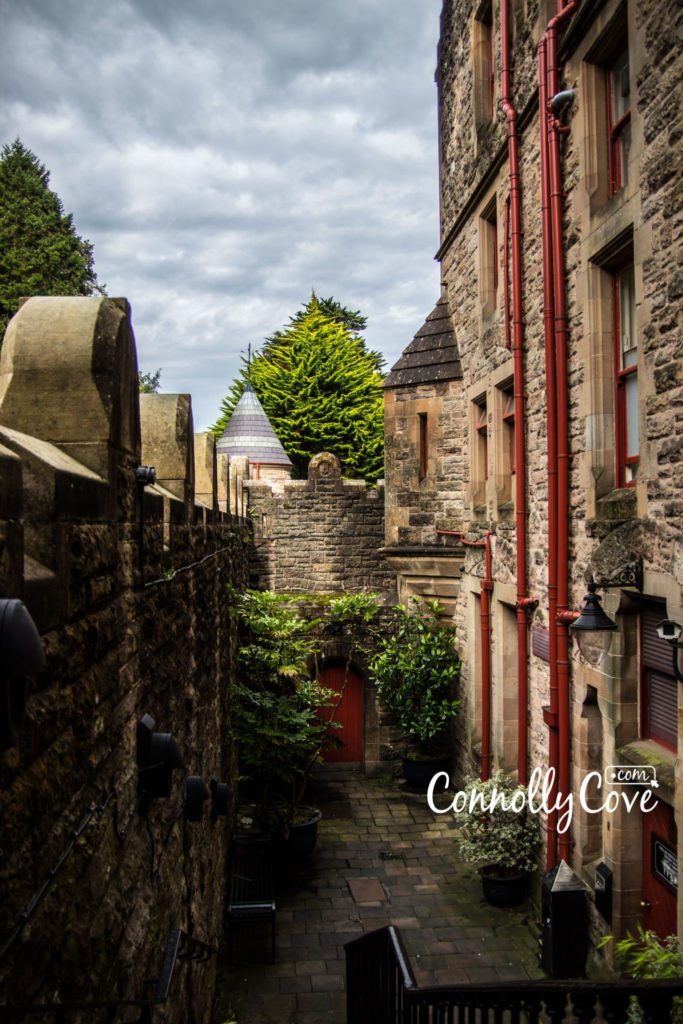
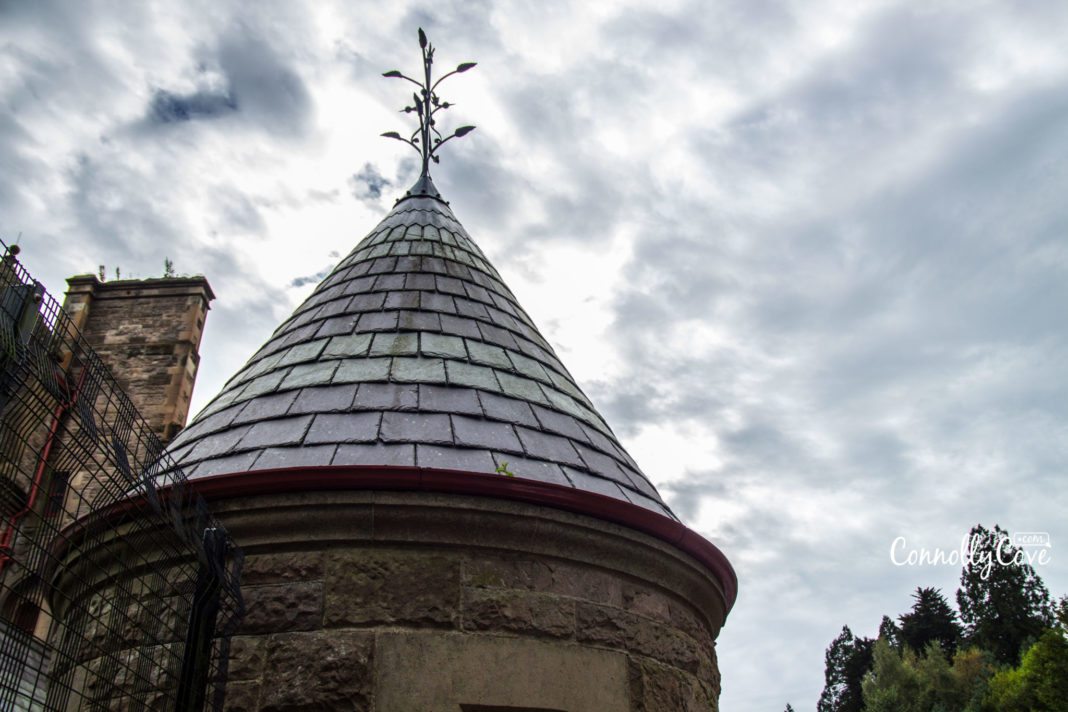
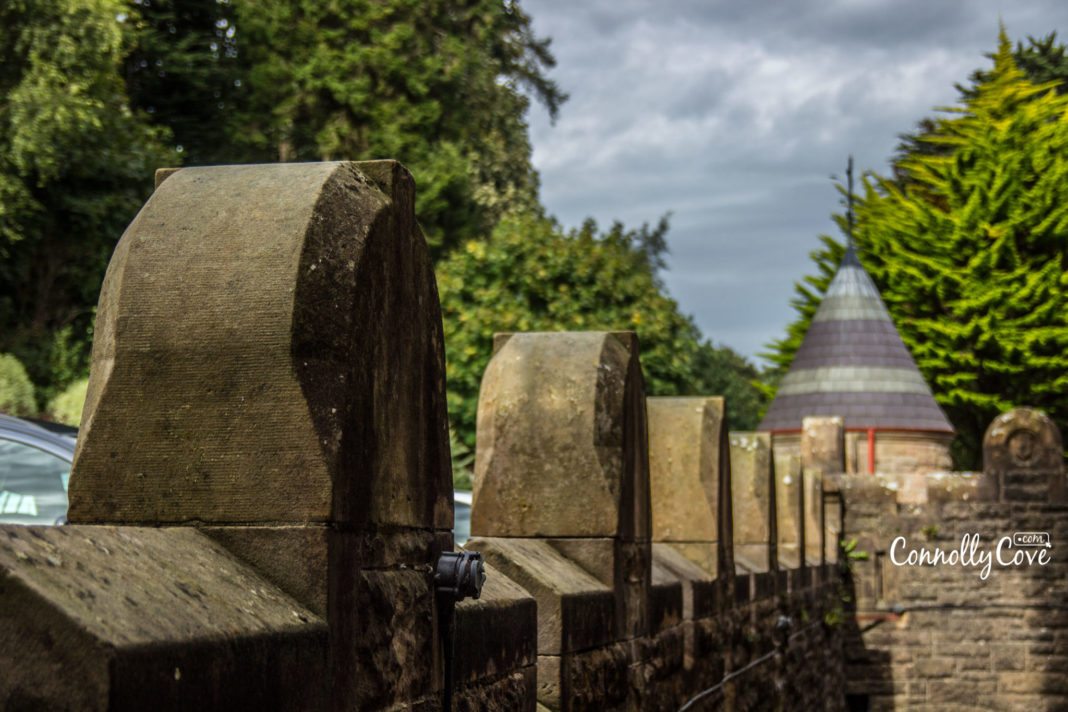
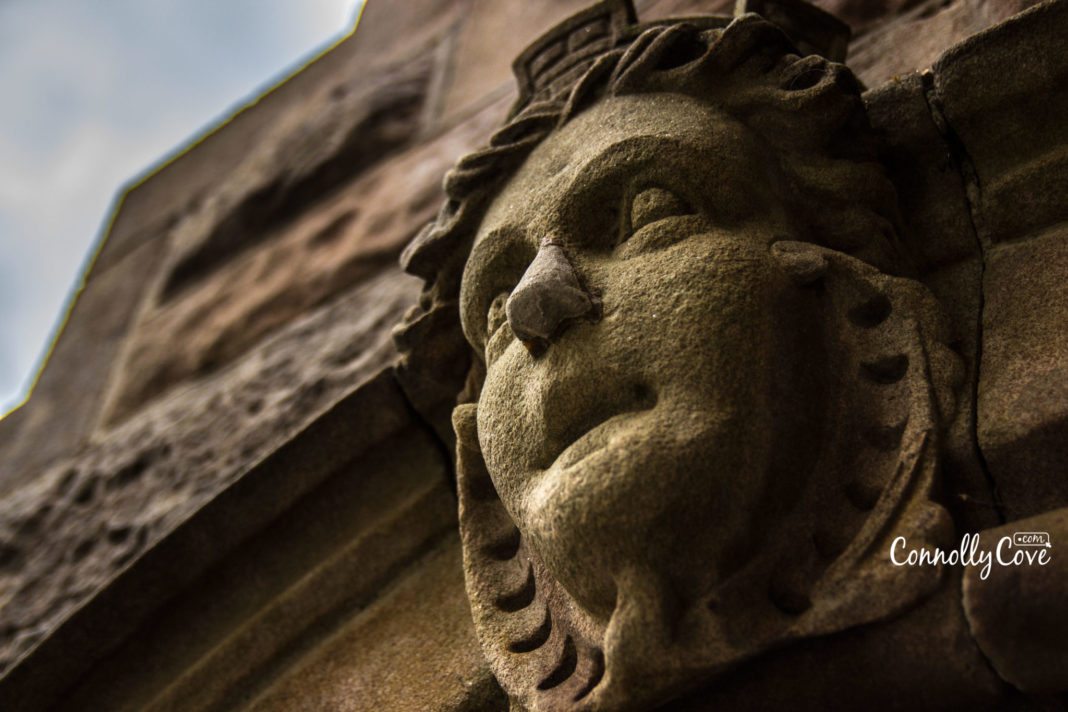
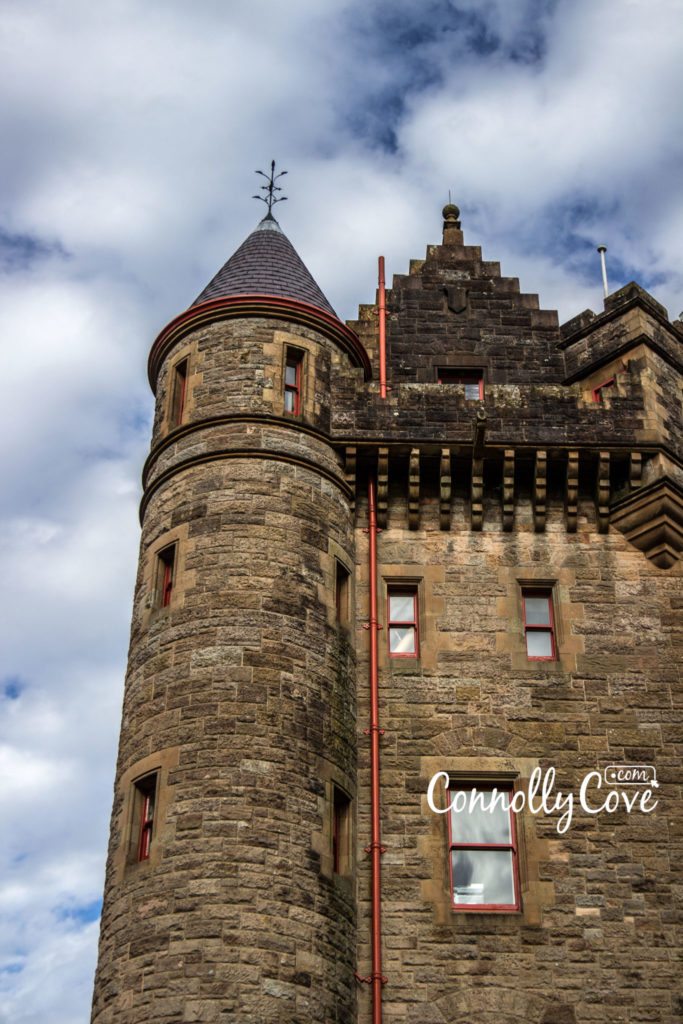
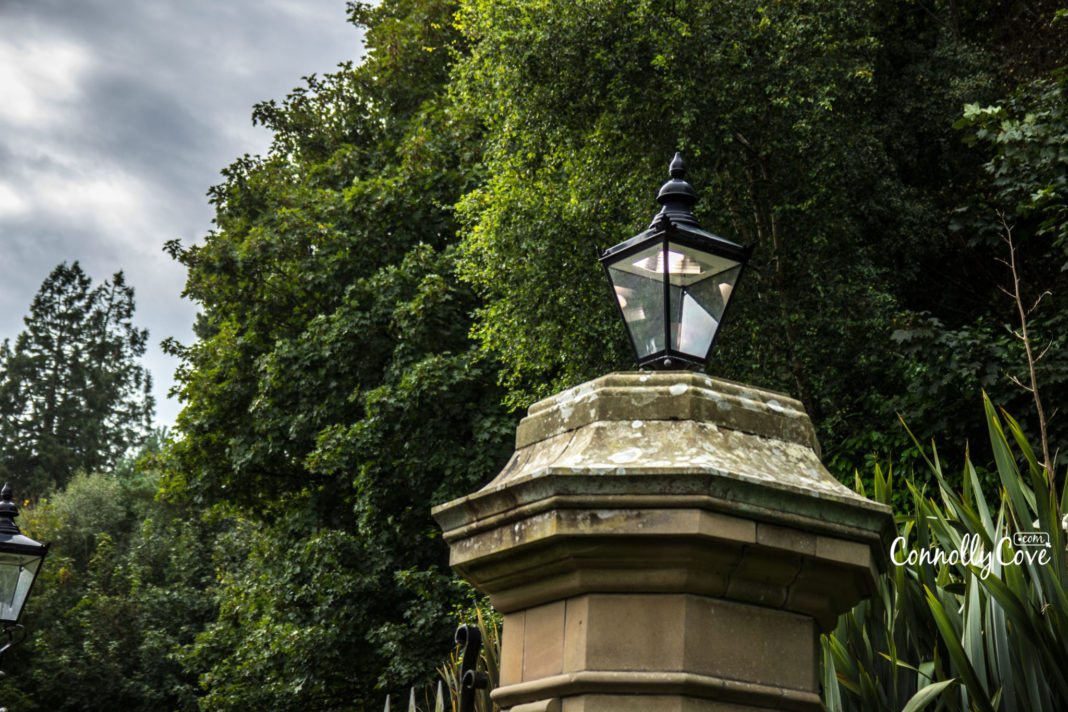
The building uses local sandstone that weathers to a warm honey tone, contrasting beautifully with Cave Hill’s dark basalt cliffs behind. The six-storey tower dominates the composition, visible for miles across Belfast. Decorative bartizans (corner turrets) punctuate the roofline, whilst the main entrance portico features Doric columns that add classical restraint to the otherwise romantic silhouette.
From Private Estate to Public Gift
The completed castle became home to the Earls of Shaftesbury through marriage into the Donegall line. The Shaftesbury family proved more financially stable than their Donegall predecessors and invested heavily in both the building and grounds. The 9th Earl commissioned the Italian serpentine staircase in 1894 as a gift to his mother, connecting the main terrace to the gardens below.
The Shaftesbury family also developed strong connections with Belfast’s civic life. The 9th Earl served as Lord Mayor of Belfast in 1907 and Chancellor of Queen’s University Belfast in 1908. The family hosted garden parties for charitable causes and made the grounds available for public recreation even before the formal transfer of ownership.
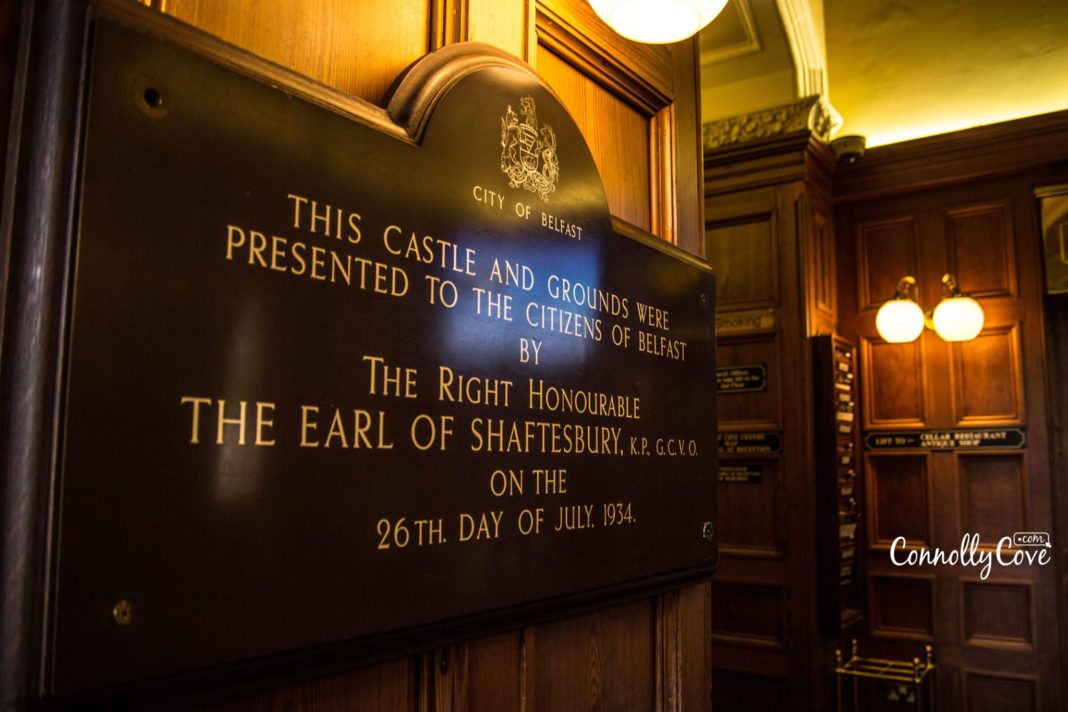
In 1934, recognising the changing economic realities for aristocratic families, the 9th Earl gifted Belfast Castle and its estate to Belfast City Council. This extraordinarily generous donation transformed the property from a private residence to a public amenity. The castle initially operated primarily as an events venue, hosting wedding receptions, dances, and afternoon teas that became cherished traditions for Belfast families.
The castle closed for extensive refurbishment from 1978 to 1988, a £2 million restoration overseen by Hewitt and Haslam Partnership architects. This work stabilised the structure, modernised facilities, and created the visitor centre and restaurant spaces that serve guests today. The reopening in 1988 marked Belfast Castle’s transformation into the heritage attraction visitors experience now.
Cave Hill Trails: Natural Drama Above the City
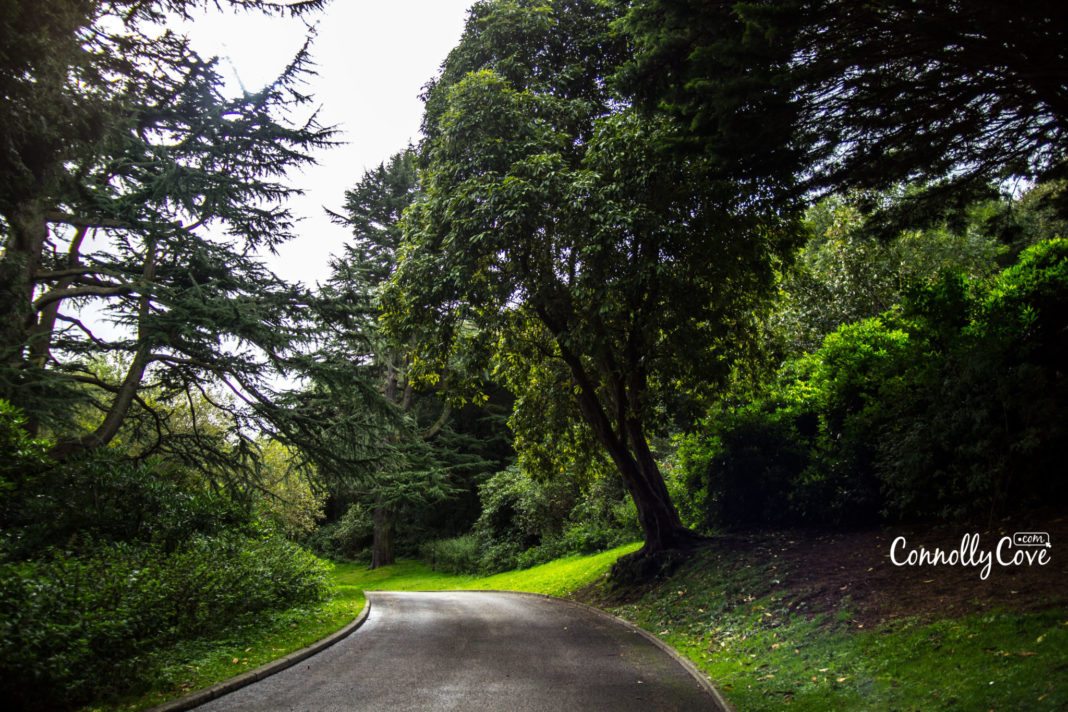
Belfast Castle serves as the primary access point for Cave Hill Country Park’s 750 acres of basalt cliffs, mixed woodland, and open grassland. The hillside trails range from gentle estate walks to challenging climbs, rewarding visitors with some of Northern Ireland’s finest urban viewpoints.
Trail Options and Difficulty Levels
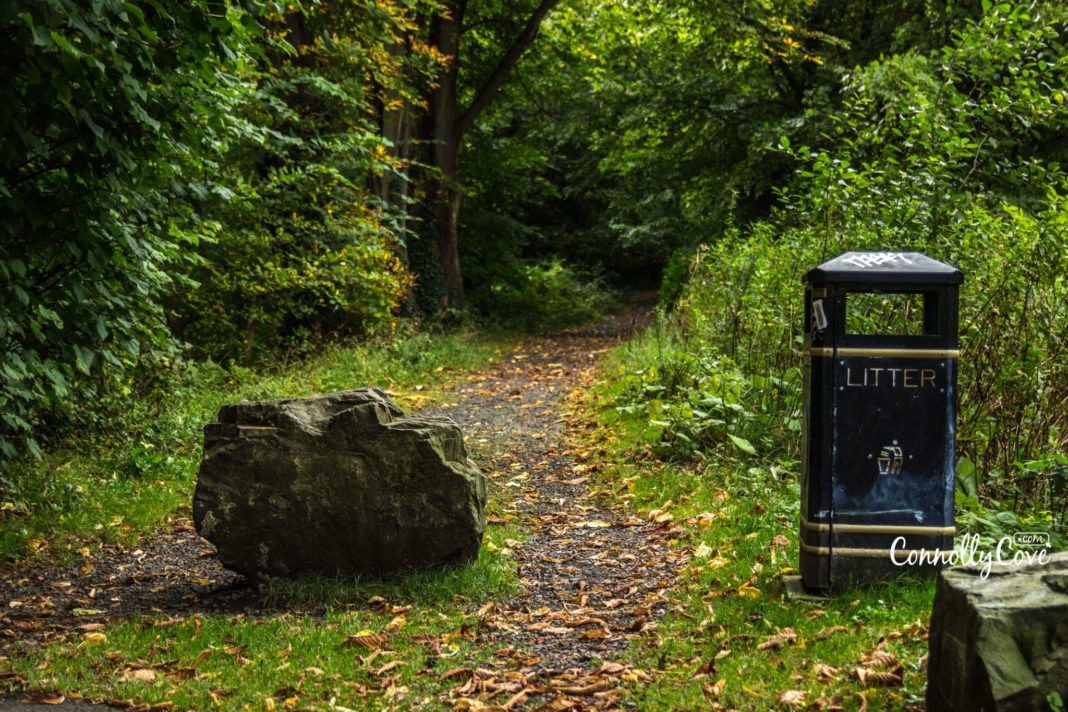
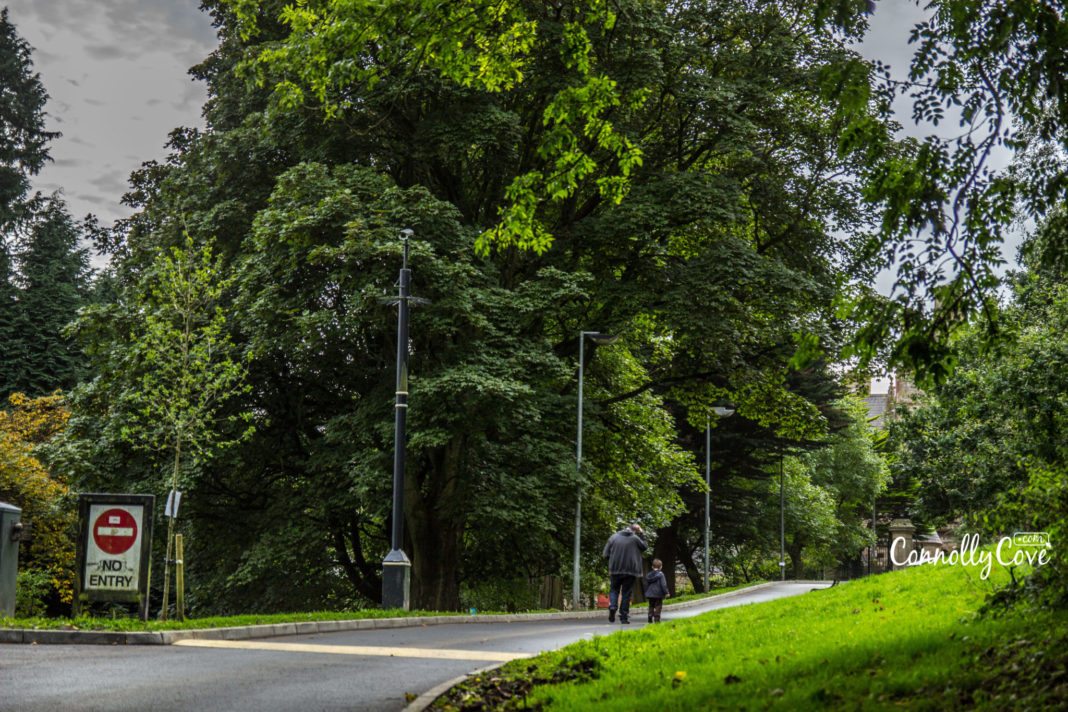
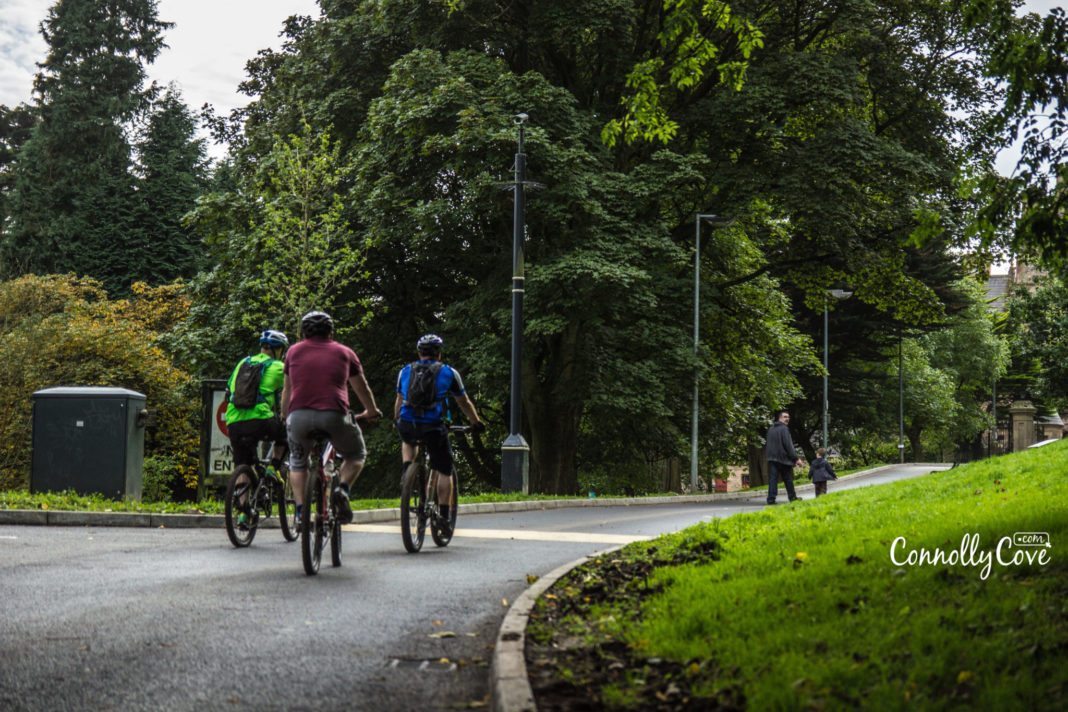
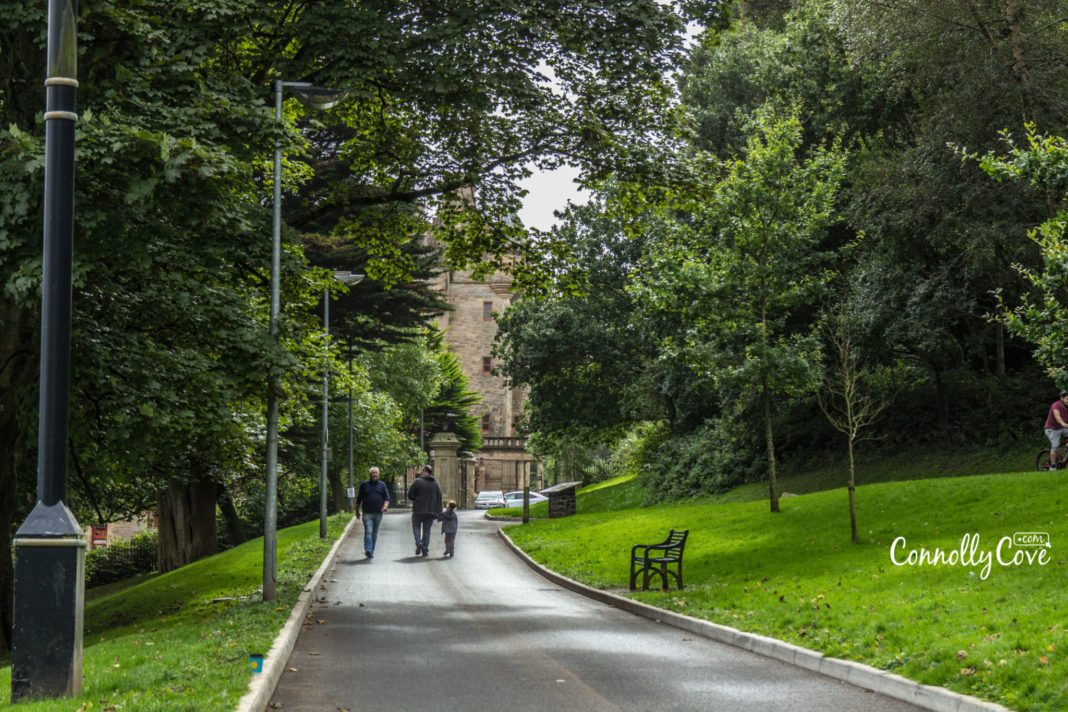
The yellow-marked Estate Trail provides the gentlest route, circling through mature woodlands on the castle’s eastern side. This 2-kilometre loop gains minimal elevation, making it accessible for families with young children. The path surface remains good year-round, though muddy sections develop after sustained rain.
For the full Cave Hill experience, the orange-marked trail climbs directly upward from behind the castle. This 4-kilometre route gains 350 metres of elevation, taking most walkers 90 minutes to reach Napoleon’s Nose, the distinctive cliff profile visible from across Belfast. The path transitions from woodland to open grassland as you climb, with improving views at each stage.
The upper sections cross an exposed hillside where weather conditions can deteriorate rapidly. Wind speeds increase substantially above the treeline, whilst the basalt rock becomes treacherously slippery when wet. Proper walking boots with good ankle support aren’t optional for this route.
Cave Hill Summit and Views
Cave Hill takes its name from five natural caves carved into the basalt cliffs. These shallow recesses provided shelter for prehistoric inhabitants, with archaeological excavations revealing Neolithic flint tools and Iron Age occupation evidence.
The caves sit below Napoleon’s Nose, the cliff profile that local tradition claims inspired Jonathan Swift whilst serving as prebend of Kilroot. The viewpoint offers unmatched perspectives across Belfast Lough to the Antrim plateau and Mourne Mountains beyond.
McArt’s Fort crowns the summit at 368 metres elevation. This Iron Age hill fort gained historical significance as a meeting place for United Irishmen leaders, including Theobald Wolfe Tone in 1795, who planned the 1798 Rebellion here.
The summit plateau provides 360-degree views encompassing the entire Belfast metropolitan area, the Ards Peninsula, and on clear days, Scotland’s southwestern coast. Sunrise visits offer spectacular light across Belfast Lough, whilst sunset silhouettes the city’s Victorian buildings against the water.
Cave Hill supports diverse wildlife, including kestrels nesting on upper cliffs and sparrowhawks hunting woodland edges. The estate woods shelter red squirrels, though sightings grow increasingly rare as grey squirrels spread from Belfast’s parks.
Events and Dining: A Living Victorian Venue
Belfast Castle functions as far more than a heritage attraction. The building operates continuously as an events venue, hosting weddings, conferences, and private celebrations whilst maintaining public access to most areas. This dual purpose keeps the castle vibrant rather than preserved under glass.
The Cellar Restaurant Experience
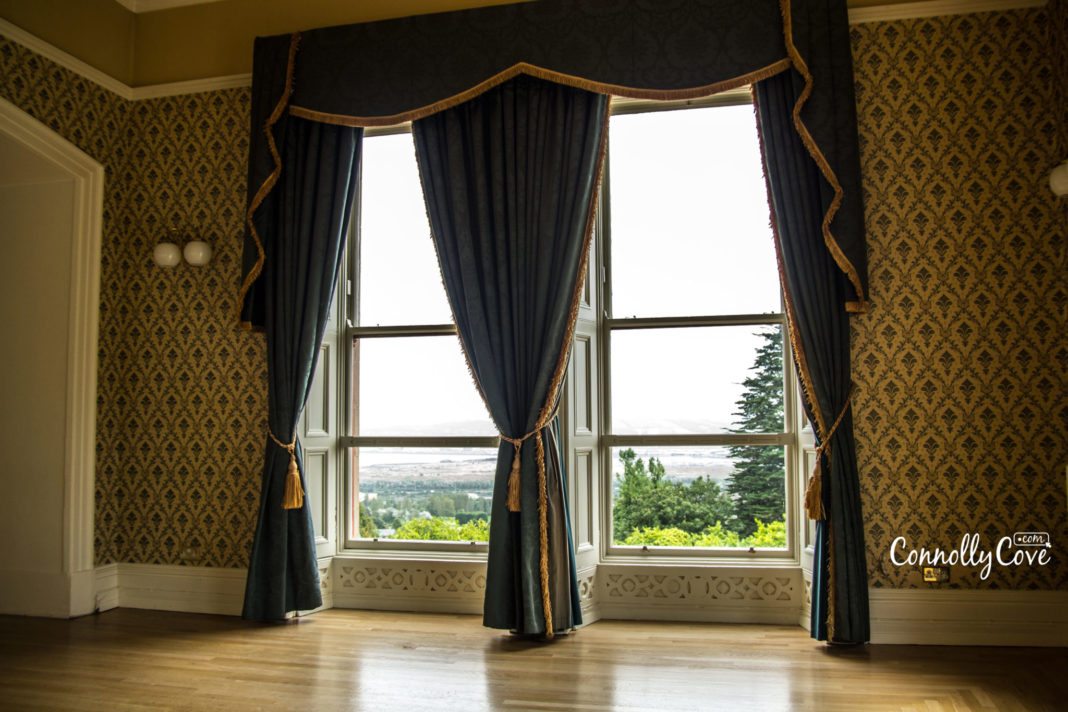
The Cellar Restaurant occupies the castle’s former service areas, though you’d never know it from the welcoming atmosphere. Stone walls and vaulted ceilings create character, whilst contemporary furniture and lighting prevent any sense of dungeon dining. Large windows overlook the terraced gardens, flooding the space with natural light.
The menu focuses on locally sourced ingredients prepared simply. Traditional Ulster Fry breakfasts utilise produce from Comber potatoes to Clandeboye bacon, whilst lunch offers sandwiches, soups, and light salads. The restaurant’s signature afternoon tea has developed a dedicated following among Belfast locals and tourists alike.
Afternoon tea requires advance booking, particularly for weekend slots. The three-tiered selection includes finger sandwiches, scones with local jams and cream, and pastries from Belfast bakeries. The castle provides proper loose-leaf tea service, a detail that elevates the experience beyond standard cafe offerings. Prices remain reasonable at around £25 per person, excellent value considering the setting.
The restaurant welcomes visitors who’ve worked up an appetite on Cave Hill trails, though you’ll feel conspicuously muddy among wedding guests during Saturday afternoon sittings. Weekday visits offer a quieter atmosphere for those seeking a peaceful lunch break or coffee stop.
Belfast Castle Weddings
Belfast Castle ranks among Northern Ireland’s most sought-after wedding venues, hosting ceremonies and receptions throughout the year. The Donegall Room accommodates up to 120 guests for seated dinners, whilst the entrance hall and staircase provide dramatic settings for ceremonies and photographs.
Couples from across Northern Ireland and beyond choose Belfast Castle for its combination of grandeur, accessibility, and relative affordability compared to country house hotels. The venue’s proximity to Belfast city centre means guests can easily arrange accommodation, whilst the castle’s photographic potential ensures stunning wedding albums.
Wedding bookings do impact public access to certain rooms, though the council maintains a balance between private events and public heritage access. Visitors occasionally encounter wedding parties on the grounds and terraces, adding a sense of ongoing life to the historic building rather than detracting from the visitor experience.
The castle’s wedding coordinator works with couples to create personalised celebrations whilst respecting the building’s heritage character. This approach has established Belfast Castle as a venue where contemporary celebrations unfold within Victorian architecture without awkward mismatches of style and setting.
Community Connections
Beyond formal events, Belfast Castle serves its surrounding North Belfast community in numerous ways. Local running clubs use the estate trails for training sessions, whilst school groups visit for outdoor education programmes covering history, wildlife, and geology. The grounds accommodate everything from corporate team-building days to informal family picnics.
The castle hosts seasonal events, including craft fairs, vintage markets, and occasional music performances in the grounds. These community-focused activities supplement the castle’s formal event programme, ensuring regular use by local residents rather than tourists alone.
Belfast City Council’s management approach emphasises accessibility and community engagement. Free admission remains central to this philosophy, removing financial barriers that might exclude sections of Belfast’s population from enjoying their civic heritage. The result is a heritage site that feels actively used and valued rather than merely preserved.
Combining Belfast Castle with Wider Itineraries
Belfast Castle fits naturally into diverse Northern Ireland travel plans, from quick city breaks to extended coastal explorations. The castle’s strategic location makes it particularly useful as either an arrival or departure activity when visiting Belfast.
Belfast City Break Integration
Travellers arriving at Belfast International Airport or George Best Belfast City Airport can visit the castle en route to city centre accommodation, maximising time by combining practical transport with sightseeing. This approach works particularly well for afternoon arrivals when you’ve checked into accommodation but aren’t ready for dinner yet.
The free admission means you’re not committed to extended visits if schedule pressures intervene. You can spend 30 minutes exploring the grounds or three hours climbing Cave Hill, depending on energy levels and remaining daylight.
Pairing with Regional Attractions
Belfast city itineraries naturally pair the castle with Carrickfergus Castle, just six miles east along the shoreline. These two sites offer contrasting experiences, with Norman fortifications at Carrickfergus providing historical depth that complements Belfast Castle’s Victorian grandeur.
The Ulster Folk Museum at Cultra lies a similar distance south, providing excellent wet-weather alternatives when Cave Hill trails look unappealing. This open-air museum recreates historical Ulster life across multiple centuries, offering shelter whilst maintaining outdoor exploration elements.
Causeway Coast Route Connections
The Causeway Coast route from Belfast typically follows the M2 and A26 northward. Belfast Castle sits directly on this route, making it an obvious first stop before continuing to Ballycastle and the Giant’s Causeway. This allows early morning castle visits that avoid crowds whilst leaving afternoons for Coastal exploration.
Travellers completing the Causeway Coastal Route circuit back to Belfast can use the castle as a final highlight before departure. This works particularly well for late afternoon arrivals, allowing sunset views from Cave Hill’s summit as a memorable conclusion to your coastal adventures.
Accessibility and Visitor Facilities
Belfast Castle welcomes visitors with varying mobility needs, though the hillside location creates inevitable access challenges. Understanding what’s possible helps visitors plan appropriately rather than encountering unexpected barriers on arrival.
Mobility Access and Building Layout
The castle building achieves reasonable accessibility through ground-floor spaces, with a ramped access route leading to the main entrance. This avoids the grand staircase whilst maintaining dignity of access. The Cellar Restaurant, visitor centre, and main function rooms all operate on accessible levels with accessible toilet facilities available near the restaurant entrance.
Upper floors and the tower remain accessible only via staircases, limiting full building access for wheelchair users or visitors with significant mobility impairments. The council has prioritised accessible access to key public spaces whilst recognising that comprehensive access throughout a Victorian building presents heritage conservation challenges.
Estate Grounds and Trail Access
The estate grounds present more significant access limitations. Paved paths link the car park to the castle entrance and extend a short distance into formal gardens. Beyond this, trails become increasingly challenging with steep gradients and uneven surfaces preventing wheelchair access. The Cave Hill summit routes remain accessible only to confident walkers.
Families with young children will find lower estate trails manageable for pushchairs, though the uphill gradient requires good fitness levels. Cave Hill ascent isn’t suitable for standard pushchairs or child carriers intended for urban use. Proper outdoor child carriers with good back support work for experienced hill walkers, though this remains a strenuous activity.
Conclusion
Belfast Castle rewards visitors who look beyond its Victorian facade to discover the layers of history, natural beauty, and community life that make this far more than just another historic building. The combination of architectural heritage, accessible parkland, spectacular views, and ongoing use as an events venue creates a living monument rather than a preserved museum piece.
Whether you’re climbing Cave Hill trails for summit panoramas, enjoying afternoon tea in the Cellar Restaurant, or simply exploring the grounds between other Belfast attractions, the castle demonstrates how heritage sites can serve contemporary communities whilst honouring their historical significance.