
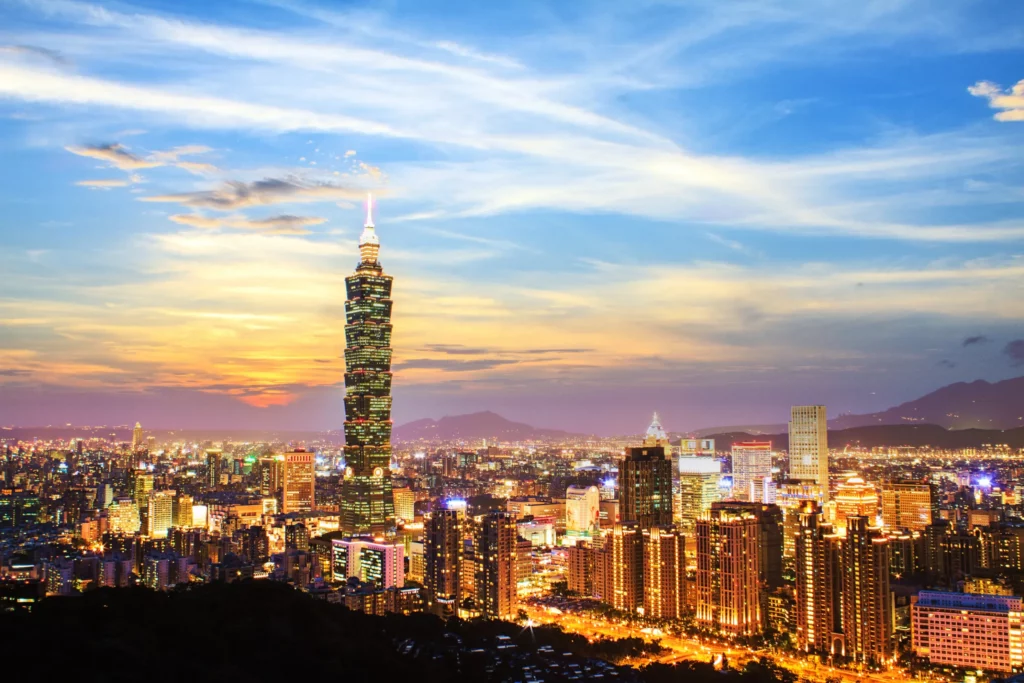

Dublin: Top 10 Famous Things You Need to Know Before You Go
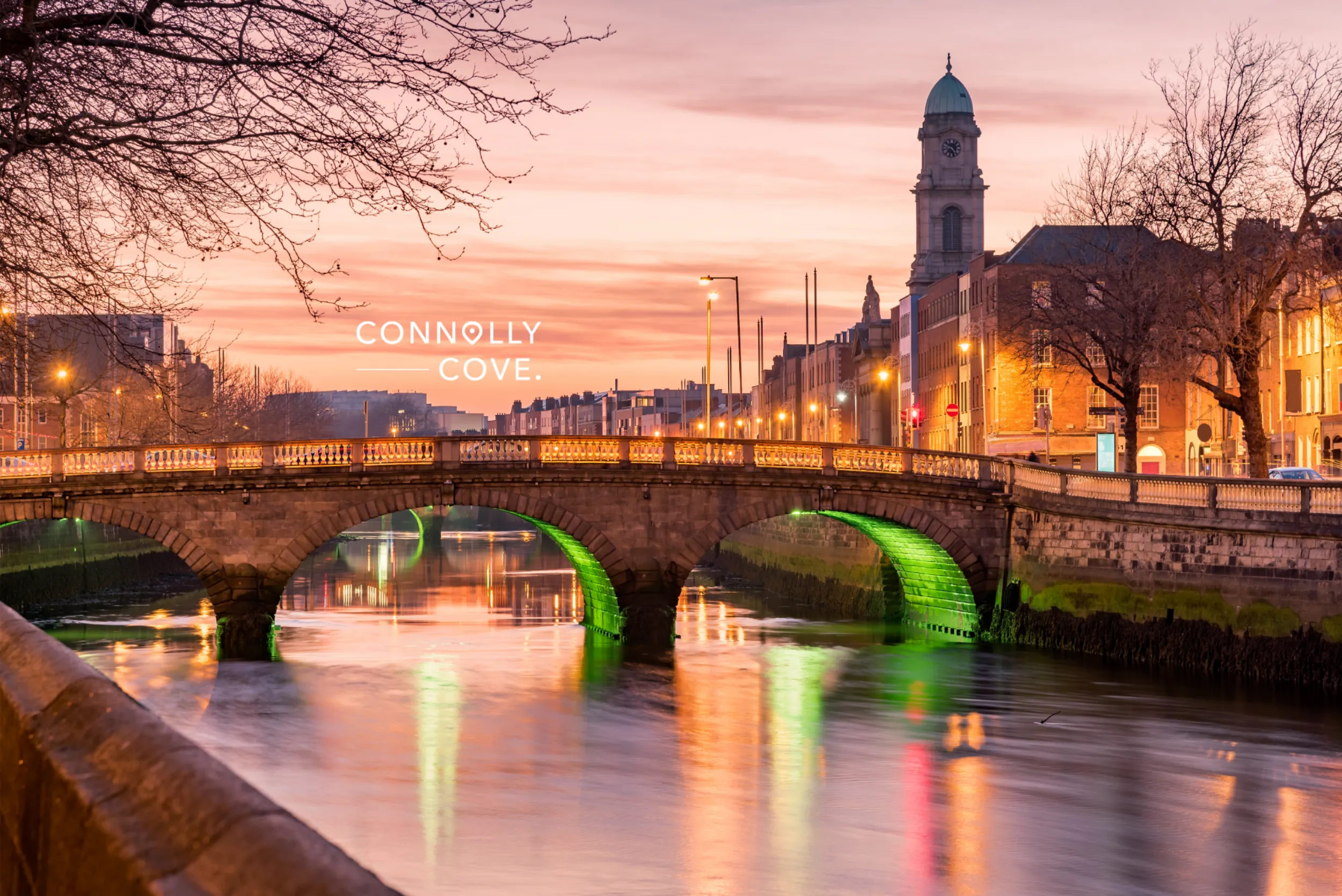
Updated On: April 22, 2024 by  Fatma Mohamed
Embark on a captivating journey as we unravel the enchanting allure of Dublin — a city where history, culture, and vibrant energy converge. From its iconic landmarks to the warmth of its people, a visit to Dublin promises an unforgettable experience.
Dublin also has a vibrant nightlife and various delicious food scenes. The appealing city has wealth and an enthralling heritage. Visitors can explore the city’s many historic landmarks, such as Dublin Castle, Trinity College, and Kilmainham Gaol. The history buffs sure will find their taste.
In this article, we delve into Dublin’s amazing features and its famous things. It can be an invitation to explore a tapestry of rich heritage, lively traditions, and the sheer magic that defines this Irish gem. So, let’s learn more about Dublin and its Top 10 Famous Things!
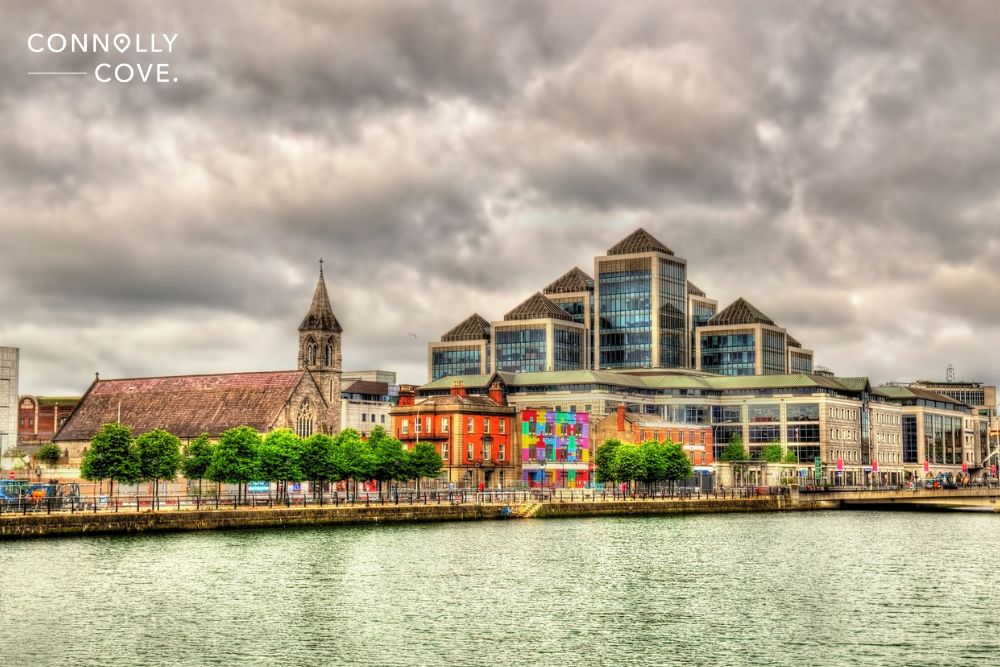
History of Dublin
Dublin has an appealing history, dating back to the Viking Age. The references refer to the first history of Dublin as a settlement in the 9th century. The Vikings founded the city, and it quickly became a significant trading centre.
Dublin’s stone fortifications helped it recover despite numerous attacks over the next two centuries. Dublin became Ireland’s most essential city during the 11th century. It became the capital of the English Lordship of Ireland after the Normans conquered it in the 12th century.
The city witnessed many crucial events, such as the Irish Rebellion of 1798 and the 1916 Easter Rising. Dublin became the capital of the Irish Free State in 1922, and it has remained the capital of Ireland ever since. Today, Dublin is a charming metropolis and a famous tourist city.
Dublin’s Top 10 Famous Things
An energetic city, Dublin, the Irish capital, is a unique city characterised by several fabulous features. It has plenty of remarkable destinations varying to meet everyone’s taste. The city offers many activities, even if your purpose is to visit. In the following lines, we will explore some of its famous things to do.
1. Kilmainham Gaol Museum
Kilmainham Goal Museum is a former prison in Dublin. It was opened in 1796 as the new County Gaol for Dublin. It is considered one of the biggest unoccupied gaols in Europe. After that, it closed almost in 1924 and became a national monument. It recorded some of the most courageous and terrible events in Ireland’s raising as a modern nation during that period.
Although most of the prisoners in the Kilmainham Goal were arrested for ordinary crimes, it also holds political prisoners. This prison’s fame comes from its inclusion in many of Ireland’s independent leaders and individuals of the Irish republican movement. These names include Robert Emmet, Anne Devlin, the Fenians, Charles Stewart Parnell, etc. Sadly, some of those were executed.
Kilmainham Goal became a museum and opened to the public for the first time in 1966. Visiting the gaol will take you through a time journey. You can tour the prison or watch the Stonebreaker’s Yard, where the leaders of the 1916 Easter Rising were executed. Involving a special event or program, such as a talk or concert, is an additional option. The attraction is a powerful and moving place that will make you understand Ireland and the sacrifices made for its freedom.
2. The Little Museum of Dublin
If you are searching for an experience that blends history, fun, songs, and storytelling, it’s the right place. The museum was founded in 2011 and contains almost 5,000 objects donated by the public. The museum has many items, such as photographs, letters, diaries, etc. The place tells the appealing story of the Irish capital.
You will find more than you expect in the Little Museum of Dublin with the friendliest people ever. The museum is a popular tourist destination located on St Stephen’s Green. It’s the best option if your visit is short, as you can enjoy a guided tour in just 29 minutes. The passionate tour guides will tell you exciting stories about Ireland’s history, singing and other fun activities. A brilliant experience is waiting for you in the Little Museum of Dublin.
3. St Stephens Green Park
It is a gorgeous park in the core of Dublin and is one of the city’s well-known parks. The destination is a terrific place to relax and avoid the crowding of the city. It opened for the citizens in 1880 and stretches over 9 hectares of green space. The park has multiple trees, plants, and fountains.
St Stephen’s Green is a distinguished spot for Dubliners and tourists alike. The park is also a spot for concerts, festivals, and markets. Walking around the park and enjoying the greenery scene will be a great choice. Amazingly, tourists can enjoy the park’s lake, see the ducks and swans, and picnic on the grass. Taking pictures in this gorgeous place is incredible. It’s a family entertainment place where you can go to the play area with your kids.
4. Dublin’s Trinity College
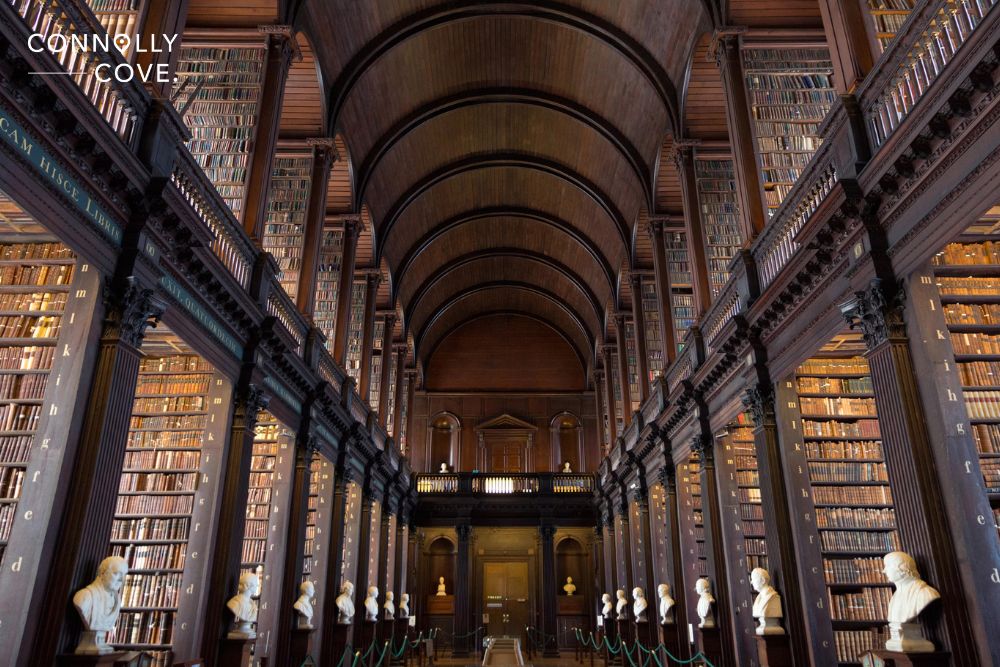
Trinity College was created in 1592 and is considered Ireland’s oldest university. It is accepted as one of the world’s most prestigious universities in the heart of Dublin. The college is where writers such as Swift, Wilde, and Beckett studied. It stretches for almost 16 hectares of a sanctuary of aesthetic beauty.
It houses the Old Library, which contains numerous valuable books and manuscripts. One of them is the Book of Kells, a very famous ancient manuscript from the 9th century. The library will bring you back to the 18th century when it was built. It’s the perfect place for bookworms and culture vultures.
The college hosts various galleries and concerts throughout the year. Visitors can check the college’s website for a list of upcoming events.
5. Dublin Castle
Dublin Castle is an ancient historic castle constructed in the early 13th century on the site of a Viking settlement. The Dublin Castle is located in the heart of Dublin in Dame St., a short walk from Trinity College.
The structure had multiple uses, including a military fortress, prison, treasury, and court of law. It was the headquarters of English and British rule in Ireland for 700 years until the independence. It is utilised now as a government complex and a tourist attraction open to the public.
The history buffs will admire the castle— a medieval structure taking them among the magic of history. The castle is a complex of buildings such as State Apartments, the Chapel Royal, the Bermingham Tower, the Record Tower, the Octagonal Tower, and others.
The State Apartments are a series of rooms the British rulers of Ireland used for ritual, and the monarch hosts official visits by Heads of State from other countries, inaugurations, etc. The Chapel Royal is a beautiful chapel used for state occasions and utilised as an arts centre.
The Record Tower is an ancient tower from the 13th century. The tower is also used for many functions like a prison, headquarters for the Master Gunner of Ireland and a safe place to restore treasures of a different kind. If you are a visitor to Dublin Castle, you can take an informative and exciting guided tour. In that tour of the castle complex, you will learn about its wizardry history.
Additionally, Dublin Castle is a beautiful and picturesque place; you can take many brilliant pictures throughout the place. Gardens and courtyards surround the castle complex, so you can take a breath and relax. Make sure to have lunch or dinner at one of the castle’s restaurants; it will double your enjoyment.
6. Phoenix Park
Phoenix Park is a fabulous large public park with over 700 hectares. The park was built in the 1660s to be a royal deer hunting park. It opened to the people visiting in 1747. Phoenix Park is one of Europe’s biggest parks and a popular tourist location.
The park is a fantastic spot for nature enthusiasts to take a break from the city hustle and bustle. Phoenix Park has a variety of attractions, such as Dublin Zoo— the oldest zoo in Ireland and the fourth in the world. It includes over 4,000 animals from all over the world.
The park also houses the People’s Flower Gardens— a beautiful set of gardens. The gardens are home to various lovely flowers, plants, and trees. It has a lake and a picnic area, making it a perfect place for a family trip.
Farmleigh House is a splendid mansion that is located in Phoenix Park. The house is open to the public for guided tours. The purpose of the Farmleigh House is to accommodate visiting dignitaries. Phoenix Park Visitor Centre is a terrific place to learn about the history and wildlife of Phoenix Park. The visitor centre has several exhibits and provides guided tours of the park.
7. O’Connell Street
It is a main street in Dublin, Ireland— named after Daniel O’Connell, a 19th-century Irish nationalist leader. The street is known for its grand architecture and lively atmosphere. The attraction is home to numerous important landmarks, such as the General Post Office and the scene of the 1916 Easter Rising.
It also includes the Spire Monument, a great and tall tower built in 2003 to be one of Ireland’s most famous monuments. Don’t miss taking sparkling photos with the tower hugging the sky. Additionally, the street embraces numerous shops, stores and restaurants to enjoy an unforgettable walking experience.
8. The National Museum of Ireland
The Museum is Ireland’s leading large museum. It carries Ireland’s life, history and art features, which is Free! The museum splits into four locations in Dublin:
- Archaeology: This branch holds a collection of over two million artefacts. It has stored all archaeological objects in Ireland over centuries, including the Vikings, Normans, and the various discoveries of other historical periods.
- Decorative Arts and History: It is home to over 500,000 objects from Ireland’s decorative arts and history, like furniture, silver, glass, costumes, and textiles. The museum welcomes visitors and promises a great tour.
- Natural History: This spot holds a collection of over 10 million samples from Ireland’s natural world, such as plants, animals, fossils, and minerals. It will be a fantastic haunting memory when you visit.
- Country Life: It is the only part of the National Museum of Ireland, placed outside Dublin in Turlough Village, County Mayo. It explains rural life in Ireland from the 18th century to the present.
9. 14 Henrietta Street
14 Henrietta Street is a unique museum. It provides you with experience through more than 300 years of family and city life in the walls of one place. The attraction gained the European Museum of the Year Silletto Prize 2020.
The guided tours will bring you closer to the personal stories of those who called 14 Henrietta Street home and reveal the building’s hidden histories—the history of the rich and poor people who lived under the same surface. The museum is a Home from the 16th century. The super informative guides of the museum will provide you with all the exciting information related to the museum as a part of Ireland’s history.
10. Temple Bar
The attraction is a well-known tourist destination in Dublin. It is famous for its numerous shops, traditional Irish pubs, and lively nightlife with a vibrant atmosphere. It is also home to several restaurants serving various cuisines, from traditional Irish to international.
Temple Bar is also home to many cultural attractions like the Irish Film Institute and the Gallery of Photography Ireland. The place is the right option if you want an exciting place to have fun, drink and eat with various enjoyable activities.
Last Words
Dublin is an energetic and wealthy city that is full of activities. It has a history, art and culture, and all the features make it an incredible tourist destination. Hopefully, we could introduce Dublin’s most famous for things. The pretty European city of Dublin still has more for you!

The Impact of Scottish Warriors on History: Exploring Scotland’s Heroes and Villains
Culture Exploration
28/04/2024
Exploring the Myth of the Celtic Symbol for New Beginnings
Culture Exploration
28/04/2024

Kenya Tourism Statistics: An Increase in International Tourist Arrivals
Travel Statistics
28/04/2024
Albert Memorial – London Attractions
England
28/04/2024

Cuffs Bar and Grill: The Jewel of Crumlin Gaol
Food and Cuisine
28/04/2024