


Weather in Ireland in November: Everything You Need to Know

Updated On: April 07, 2024 by  doaa
doaa
Are you off on a November tour to Ireland and need help to fathom what the weather might do? It’s undoubtedly true that packing for average temperatures oscillating between 6.2°C/43°F to 11°C/52°F can leave you in a bit of a quandary! In the following lines, we will demystify things by offering an in-depth look at Ireland’s erratic and often damp this time of year’s climate, suggestions on activities befitting such conditions and advice on clothing picks that will keep you snug as a bug.
Are you intrigued already? Well then, let’s jump right in!
Key Takeaways
- The weather in Ireland during November is cold, with average temperatures ranging from 6.2°C/43°F to 11°C/52°F.
- It rains quite a bit in November, so it’s essential to pack a waterproof jacket and sturdy shoes.
- The wind can be strong and chilly, so dress warmly and in layers for outdoor activities.
- Despite the weather, there are still plenty of things to do in Ireland in November, such as road trips, visiting Christmas markets, exploring indoor attractions, going on walks and hikes, and experiencing Dublin’s vibrant city centre.
Ireland’s Autumn in November
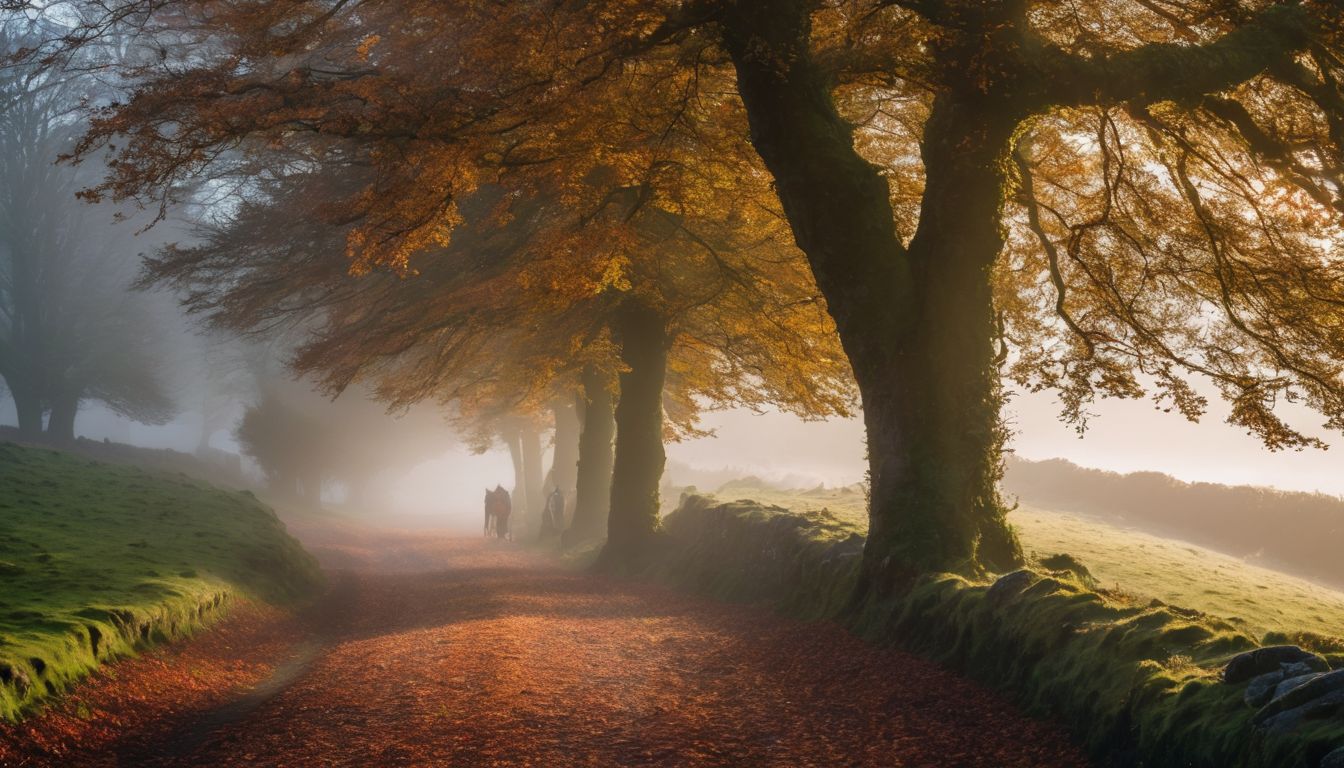
Autumn in Ireland, particularly in November, is a captivating season marked by vibrant foliage, crisp air, and a cosy ambience. The golden leaves of trees paint the landscapes in amber, crimson, and ochre hues, creating breathtaking scenery. As temperatures dip, cosy sweaters and fireplaces become the norm, adding to the heartwarming charm of the season.
This period of the year brings exciting events like local festivals and bonfire nights, where communities gather to celebrate and enjoy the autumnal spirit. From scenic hikes amidst colourful foliage to quiet evenings in traditional pubs, autumn in Ireland offers a delightful blend of natural beauty and cultural experiences.
Weather in Ireland in November
Ireland experiences a mix of wet and wintery weather during this time of year, with average highs ranging from 9 to 13°C (48 to 55°F) and lows dropping to around 3 to 7°C (37 to 45°F).
Average Temperature
In November, Ireland gets quite chilly. The days may see highs of about 11°C or 52°F. That is not too cold! However, when the sun sets, it can reach around 6.2°C or 43°F. Some people might find that a bit icy! As the month progresses, you will feel these changes from day to night.
Days become shorter and evenings longer in this time of year here in Ireland.
Rainfall
Ireland experiences a significant amount of rainfall through this time of year. It’s essential to be prepared for wet weather during your visit. On average, Ireland receives about 20 days of rainfall in November.
The total precipitation can range from 70 to 90mm throughout the month. So, pack a waterproof jacket and sturdy shoes to stay dry and cosy while exploring the beautiful landscapes of Ireland.

Wind
The wind in Ireland in November can be solid and chilly. Being prepared for windy conditions is essential, especially if you’re planning outdoor activities or walks along the coast.
The average wind speed ranges from 13 to 22 km/h during this time of year. So, pack a warm jacket and dress in layers to protect yourself from the brisk winds while enjoying your adventures in Ireland.
Things to Do in Ireland in November
Ireland is an impressive country which has multiple things to present. Visitors in this time can explore the stunning landscapes on road trips and experience the festive charm of Christmas markets. Tourists can also visit indoor attractions to escape the wintery weather, enjoy walks and hikes in nature, and explore all Dublin offers.
Road Trips
Road trips in Ireland during November are a great way to explore its breathtaking landscapes and charming villages. You will have the opportunity to witness the beauty of Ireland’s autumnal scenery. The fall-changing colours can add unique beauty to the view.
Drive along the scenic Ring of Kerry or adventure to the Cliffs of Moher for amazing views. History buffs will find their shares while visiting ancient castles or touring historical sites such as Newgrange.
Food lovers will also enjoy discovering traditional Irish cuisine at local pubs along the way. Just remember to check weather conditions and plan your routes accordingly for a safe and enjoyable road trip experience in Ireland in November.
Christmas Markets
When visiting Ireland in November, you can immerse yourself in the festive atmosphere by exploring the Christmas markets. These markets offer a variety of unique gifts, delicious food, and traditional crafts.
Whether you are a solo traveller looking for souvenirs or a food lover seeking tasty treats, the Christmas markets in Ireland have something for everyone.
Satisfying All Needs
Whether you are a nature lover, a history buff, or a cultural vulture, Ireland has several secrets for you. History buffs will appreciate the chance to understand Irish holiday traditions and folklore while wandering through the stalls.
Nature lovers can enjoy the charming outdoor setting of these markets, with twinkling lights and decorations adding to their appeal. So, make sure to experience the magic of Christmas in Ireland at these atmospheric markets during your visit in November!

Indoor Attractions
There are several indoor attractions to explore in Ireland during November. There are various museums and art galleries, historical sites and castles. There are many beauties in this incredible country. History fans will enjoy visiting Dublin Castle or the Book of Kells at Trinity College.
There are botanical gardens and aquariums to discover for nature lovers, and Ireland is like heaven for them. They can enjoy the fabulous views of green and trees transformation into gold and red fall colours.
Gastronomies can indulge in culinary delights at local markets or take a cooking class to learn traditional Irish dishes. Ireland offers a variety of indoor attractions that are perfect for exploring during the colder months.
Walks and Hikes
If you enjoy walking and hiking, Ireland in this period provides beautiful opportunities to explore nature. The countryside is adorned with colourful autumn foliage, creating a picturesque backdrop for your outdoor adventures.
You can take leisurely walks through charming villages or take more challenging hikes in the stunning national parks.
Just remember to dress warmly and wear appropriate footwear, as the temperatures can be chilly this time of year. So, lace up your boots and get ready to discover Ireland’s breathtaking landscapes on foot.
Visiting Dublin
If you are visiting Dublin in November, you should be ready for the weather conditions. The average high temperature during this month is around 11°C/52°F, while the average low temperature is about 6.2°C/43°F. Travellers can explore Dublin’s vibrant city centre and discover its rich history by visiting iconic landmarks like Trinity College and Dublin Castle. Luxury travellers might enjoy indulging in the city’s renowned food scene with its cosy pubs and Michelin-starred restaurants.
For gastronomies looking to try traditional Irish cuisine, there are plenty of options available, such as hearty stews and classic fish and chips. History buffs can delve into Ireland’s past at museums like the National Museum of Ireland. People who love culture and literature can take guided tours to learn about famous authors like James Joyce or Oscar Wilde, who once called Dublin home.
What to Pack and Wear in Ireland in November
When travelling to Ireland in November, it’s important to wear appropriate clothing for the wet and wintery weather.
Here are some tips on what to bring:
- Dress in layers: The temperature in November can vary, so wearing layers allows you to adjust accordingly. Start with a base layer like thermals or long-sleeved shirts, then add sweaters or fleeces, and finish with a waterproof jacket.
- Pack waterproof gear: Ireland is known for its rain, so be sure to bring a good quality waterproof jacket or coat. Remember an umbrella and waterproof shoes or boots as well.
- Warm accessories: Scarves, gloves, and hats are essential for keeping warm in the chilly temperatures of November.
- Comfortable footwear: Since it can be wet and muddy, pack comfortable shoes that provide good traction for walking on slippery surfaces.
- Extra socks: With the possibility of getting your feet wet from rain or puddles, having extra pairs of socks will keep your feet dry and cosy.
- Casual attire: Ireland has a laid-back vibe, so opt for casual clothing such as jeans or leggings paired with sweaters or t-shirts.
- Remember sunscreen! Even though it may be overcast, UV rays can still penetrate through clouds. Now, you are ready to explore Ireland in this period while staying warm and dry!
Conclusion
In conclusion, the weather in Ireland in November is wet and wintery, with average high temperatures of 11°C/52°F and average low temperatures of 6.2°C/43°F. It’s a transition month from autumn to winter, characterised by cold grey days and shorter daylight hours.
Make sure to pack warm clothes and be ready for rain when visiting during this time. Despite the weather, there are still plenty of things to do and explore in Ireland in November. So don’t let the weather deter you from enjoying your trip!
FAQs
How does Dublin’s weather compare to Ireland’s November weather?
Dublin weather follows similar patterns as all of November weather conditions in Ireland, with wind speed, rainfall, and varying temperature ranges.
Should I visit Ireland during this month?
Yes! When you know what to expect from the Weather forecast for November in Ireland, it could offer many fun things to do despite some not-so-sunny days.
What’s on in Ireland in November?
November is an excellent time of year to visit Ireland, as there are many events and festivals taking place throughout the country. Some highlights include the Galway Christmas Market, the Cork International Film Festival, and the Sligo International Choral Festival. Many events and festivals are awaiting you!

Natural History Museum – London Attractions
Europe
29/04/2024

Cinderella Mocktails at Killyhevlin Hotel, Enniskillen
Northern Ireland
29/04/2024

Aunt Sandra’s Delicious Candy Factory, Belfast
Northern Ireland
29/04/2024

A Guide to the Best Belfast Hotels
Travel & Hospitality Careers
29/04/2024

The Dying Gaul: Unraveling the Meaning and History of an Ancient Roman Masterpiece
History and Heritage
29/04/2024