


Exploring the Impressive Türkiye Tourism Statistics
Updated On: April 28, 2024 by  Panseih Gharib
For many wanderlust-stricken individuals, Türkiye emerges as a captivating option for their next holiday adventure. Its transcontinental charm, boasting diverse landscapes and rich cultural tapestry, has long enticed travellers worldwide. Indeed, recent Türkiye tourism statistics solidify Türkiye’s position as a thriving tourist destination, attracting a remarkable 7.7 million visitors in just the first quarter of 2023, as the Turkish Statistical Institute reported.
This blog seeks to delve deeper into these compelling figures and emerging trends, unveiling the secrets behind Türkiye’s enduring appeal to international visitors. Prepare to be enthralled as we embark on a fascinating exploration, weaving together the captivating narrative of Türkiye’s tourism success story through illuminating data and insights.
Overview of Turkish Tourism
Türkiye tourism statistics have experienced significant growth in international tourist arrivals, attracting millions of yearly visitors.
Impact of COVID-19 Pandemic on Türkiye Tourism Statistics
The COVID-19 pandemic has impacted Turkish tourism significantly. Travel restrictions and lockdown measures implemented worldwide have greatly affected the number of tourist arrivals.
In 2020, Türkiye experienced a sharp decline in international visitors, with a decrease of 71% compared to the previous year. This decline hurt the tourism industry, resulting in substantial revenue loss.
However, as travel restrictions started to ease and vaccination rates increased, Türkiye saw a gradual recovery in its tourism sector. From January to March 2023 alone, over 7.7 million tourists visited the country.
While it will take time for tourism numbers to bounce back and return to pre-pandemic levels, there is optimism surrounding future growth.
In response to the challenges posed by the pandemic, Türkiye has implemented various safety and hygiene protocols to ensure that visitors can enjoy their stay while minimising health risks.
The government has also launched campaigns promoting domestic tourism and offering incentives for international travellers.
Top Destinations in Türkiye
Some top destinations in Türkiye include Istanbul, Ankara, and Izmir.
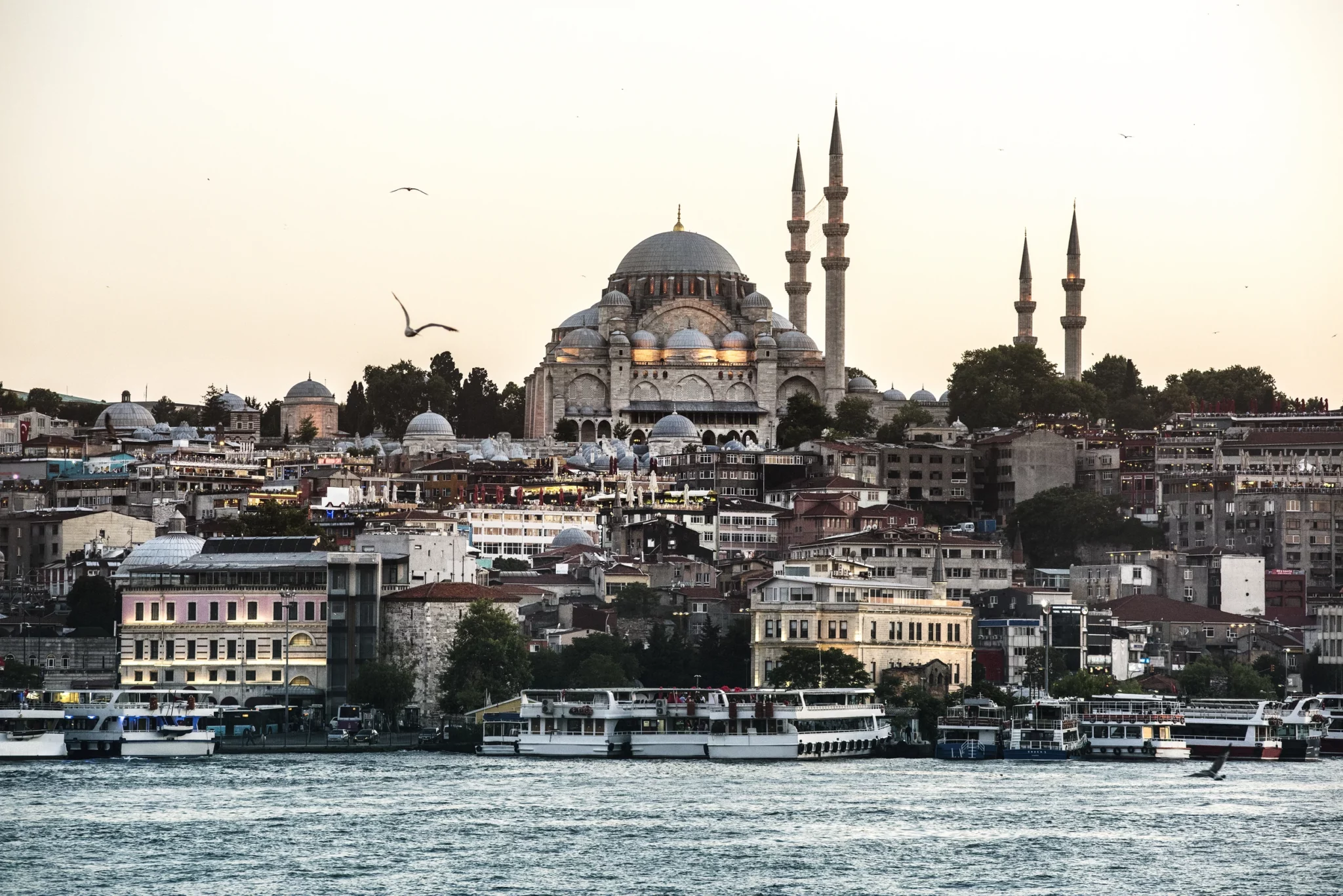
Istanbul
Istanbul, where East meets West, boasts a rich history, captivating culture, and stunning sights that leave a lasting impression on every visitor. Whether you’re drawn to its ancient wonders, vibrant bazaars, or delectable cuisine, Istanbul has something to offer everyone. Here’s an overview to help you plan your trip:
Immerse Yourself in History
- Hagia Sophia: This architectural marvel, once a church, mosque, and now a museum, showcases Byzantine and Ottoman influences. Its towering dome and intricate mosaics will amaze you.
- Topkapi Palace: Delve into the opulent world of Ottoman sultans at this grand palace, housing exquisite artefacts, sprawling gardens, and breathtaking views of the Bosphorus.
- Blue Mosque: Witness the grandeur of Islamic architecture at this iconic mosque, adorned with six minarets and a mesmerising interior decorated with blue tiles.
Wander Through Bustling Bazaars
- Grand Bazaar: Explore the labyrinthine alleys of this historical market, where you can bargain for carpets, spices, jewellery, and handcrafted souvenirs.
- Spice Bazaar: Immerse your senses in the vibrant aromas of exotic spices, dried fruits, and Turkish delight at this bustling market, a paradise for food lovers.
- Arasta Bazaar: Explore the charming atmosphere of this traditional covered market, where you can find unique antiques, ceramics, and textiles.
Indulge in Culinary Delights
- Turkish Mezze: Savor a variety of small dishes like hummus, dolma, and grilled vegetables, a perfect way to experience the diversity of Turkish cuisine.
- Kebabs: Relish the smoky flavours of grilled meat skewers, a staple of Turkish street food.
- Baklava: Treat yourself to this flaky pastry filled with nuts and drizzled with honey, a decadent end to any meal.
Beyond the Tourist Trail
- Bosphorus Cruise: Sail along the iconic strait separating Europe and Asia, offering stunning views of palaces, mosques, and historical landmarks.
- Galata Tower: This medieval tower offers panoramic views of the city and a unique perspective on Istanbul’s skyline.
- Hamam Experience: Immerse yourself in the traditional Turkish bath ritual, a relaxing and rejuvenating experience.
Tips for Travelers
- Best Time to Visit: Spring (April-May) and autumn (September-October) offer pleasant weather, while summer can be hot and crowded.
- Transportation: Istanbul has an efficient public transportation system with buses, trams, ferries, and taxis. Consider getting an Istanbulkart for convenient travel.
- Currency: The Turkish lira (TRY) is the local currency. ATMs are widely available, but carrying some cash is always helpful.
- Respectful Attire: Dress modestly when visiting religious sites, especially mosques.
- Bargaining: Bargaining is expected in bazaars, so don’t hesitate to negotiate prices.
Ankara
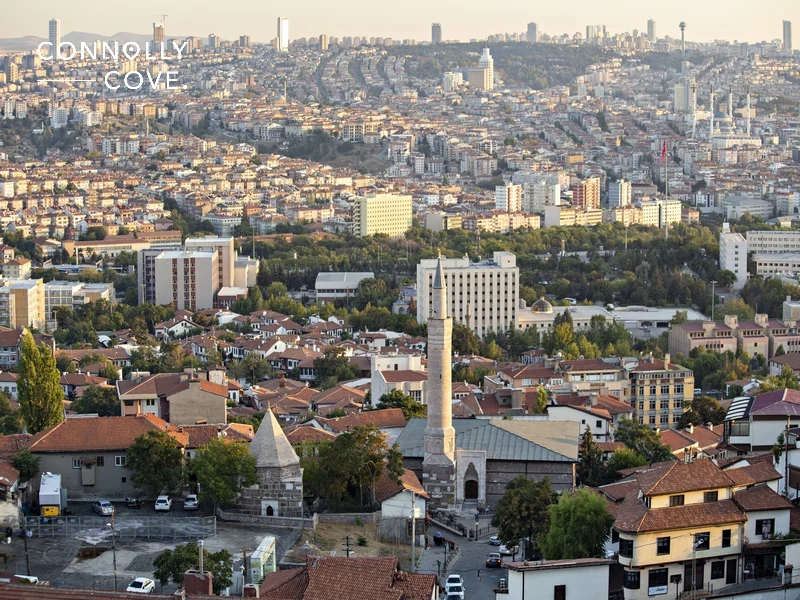
While Istanbul often steals the spotlight, Ankara, the capital of Turkey, offers a distinct and rewarding travel experience. Immerse yourself in history, delve into cultural treasures, and savour delectable cuisine as you explore this dynamic city. Here’s an overview to guide your journey:
Journey Through Time
- Ankara Castle: Climb the ramparts of this ancient citadel, initially built by the Romans, offering stunning panoramic city views. Explore its historical layers, from Byzantine fortifications to Ottoman additions.
- Museum of Anatolian Civilizations: Embark on a fascinating journey through Anatolian history at this renowned museum, housing artefacts from the Hittite, Phrygian, Roman, and Ottoman eras.
- Anıtkabir: Pay homage to Mustafa Kemal Atatürk, the founder of modern Turkey, at his grand mausoleum. Witness the guard ceremony’s changing and admire this landmark’s architectural significance.
Embrace Cultural Gems
- Rahmi M. Koç Museum: Explore an intriguing collection of industrial relics, vintage vehicles, and scientific instruments at this interactive museum, capturing the essence of human ingenuity.
- Ethnographic Museum: This museum’s exhibits showcase the rich tapestry of Turkish culture, including traditional costumes, handicrafts, and everyday objects from various regions.
- Çengelhan: Step back at this restored caravanserai, now a vibrant cultural centre hosting exhibitions, concerts, and traditional performances.
Indulge in Culinary Delights
- Beypazı: Savor succulent grilled meats and traditional meze dishes at this iconic restaurant, popular with locals and tourists alike.
- Ankara Tava: Experience the local speciality of pan-fried beef served with onions and peppers, offering a taste of traditional Ankara cuisine.
- Dondurma: Don’t miss out on trying Turkish ice cream, known for its unique texture and playful presentation.
Beyond the Usual
- Hamam Experience: Pamper yourself with a rejuvenating Turkish bath ritual at a historical hamam, immersing yourself in the local wellness tradition.
- Lake Eymir: Escape the city’s bustle and enjoy nature at this scenic lake, ideal for picnicking, boating, or simply enjoying the fresh air.
- Altınköy Open-Air Museum: Explore traditional Anatolian life at this museum, featuring restored village houses showcasing handicrafts, architecture, and rural living.
Tips for Travelers
- Best Time to Visit: Spring (April-May) and autumn (September-October) offer pleasant weather, while summer can be hot and crowded.
- Transportation: Ankara has a reliable public transportation system with buses, trams, and the metro. Consider getting an Ankarkart for convenient travel.
- Currency: The Turkish lira (TRY) is the local currency. ATMs are widely available, but carrying some cash is always helpful.
- Respectful Attire: Dress modestly when visiting religious sites.
- Bartering: Bargaining is less common in Ankara than in Istanbul bazaars, but it’s still possible in some shops and markets.
Izmir
Izmir, Turkey’s third-largest city and crown jewel of the Aegean coast, captivates visitors with its stunning beaches, vibrant culture, and rich history. Izmir offers something for every traveller, whether seeking seaside relaxation, historical exploration, or cultural immersion. Here’s an overview to guide your journey:
Immerse Yourself in History
- Ephesus: Explore the ruins of this ancient Greek city, once a major trade centre and home to the Temple of Artemis, one of the Seven Wonders of the Ancient World.
- Izmir Archaeological Museum: Delve into the region’s rich history with extensive collections of artefacts from Ephesus, Pergamon, and other ancient sites.
- Kizlaragasi Han: Step back at this restored caravanserai, now a bustling cultural centre housing art galleries, cafes, and shops.
Embrace Cultural Vibrancy
- Kordon Promenade: Stroll along the palm-lined waterfront amid stunning views of the Aegean Sea and enjoy the lively atmosphere of cafes and restaurants.
- Kemeralti Bazaar: Lose yourself in the labyrinthine alleys of this historic market, offering spices, textiles, handicrafts, and local delicacies.
- Saat Kulesi (Clock Tower): Admire the iconic landmark of Izmir, dating back to the Ottoman era, and enjoy panoramic views from its terrace.
Indulge in Culinary Delights
- Izmir Köfte: Savor these delicious meatballs, often served with rice and yoghurt, a staple of local cuisine.
- Lokma: Treat yourself to these fried dough balls drizzled with honey or syrup, a popular street food and dessert.
- Seafood: Feast on fresh seafood dishes like grilled fish, calamari, and mussels, a highlight of coastal cuisine.
Beyond the Usual
- Asansör: Take a historic elevator ride up the hillside for breathtaking panoramic views of the city and the Aegean Sea.
- Şirince Village: Experience traditional Turkish village life in this charming hamlet, known for its wine production and cobbled streets.
- Alaçatı: Discover the windsurfing paradise of Alaçatı, offering stunning beaches, a lively nightlife scene, and charming traditional stone houses.
Türkiye TourismTips for Travelers
- Best Time to Visit: Spring (April-May) and autumn (September-October) offer pleasant weather, while summer can be hot and crowded.
- Transportation: Izmir has a convenient public transportation system with buses, trams, and ferries. Consider getting an Izmirkart for easy travel.
- Currency: The Turkish lira (TRY) is the local currency. ATMs are widely available, but carrying some cash is always helpful.
- Respectful Attire: Dress modestly when visiting religious sites.
- Bartering: Bargaining is expected in bazaars and some shops, so don’t hesitate to negotiate prices.
Special Features of Turkish Tourism
Turkish tourism boasts several unique features that make it stand out globally. From its UNESCO World Heritage Sites to its thriving medical tourism industry, Türkiye offers visitors various attractions and experiences.
Additionally, government policies and regulations play a crucial role in shaping the country’s tourism sector, ensuring the safety and satisfaction of tourists throughout their stay.
Türkiye Tourism: UNESCO World Heritage Sites
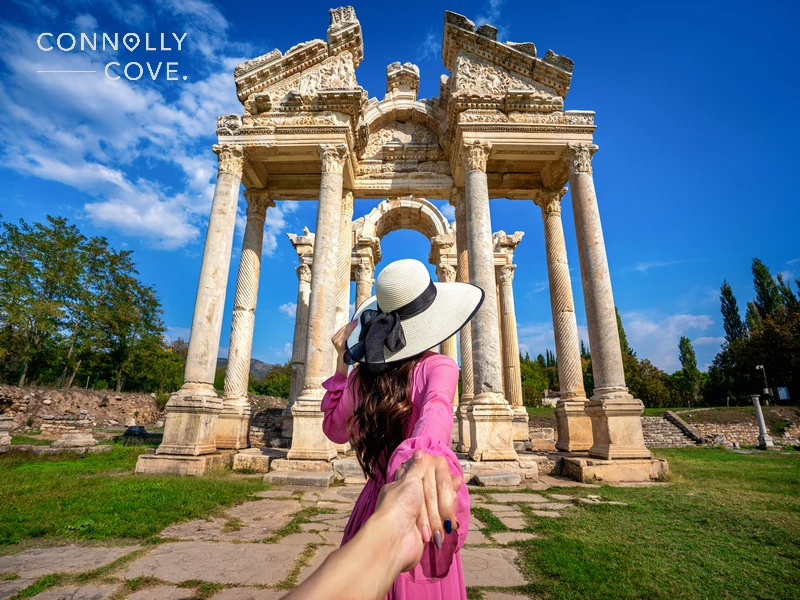
Türkiye Tourism boasts a rich and diverse history, evidenced by its 21 UNESCO World Heritage Sites. Spanning millennia and various civilisations, these sites offer a glimpse into the country’s cultural and archaeological treasures. Here are some of the most notable ones:
- Historic Areas of Istanbul: This site encompasses the iconic Hagia Sophia, the Blue Mosque, Topkapi Palace, and other landmarks that showcase the city’s Byzantine and Ottoman heritage.
- Göreme National Park and the Rock Sites of Cappadocia: This unique landscape features otherworldly rock formations carved into homes, churches, and monasteries by early Christians.
- Ephesus: Witness the grandeur of this ancient Greek city, once a major trade centre and home to the Temple of Artemis, one of the Seven Wonders of the Ancient World.
- Hierapolis-Pamukkale: Marvel at the natural wonder of Pamukkale’s travertine terraces, cascading down like cotton cliffs, and explore the ruins of the Greco-Roman city of Hierapolis.
- Archaeological Site of Troy: Unearth the legendary city of Troy, immortalised in Homer’s epic poems, and explore the various layers of settlements dating back to the Bronze Age.
- Aphrodisias: Immerse yourself in the Greco-Roman city of Aphrodisias, renowned for its stunning Temple of Aphrodite and well-preserved stadium and theatre.
- Archaeological Site of Ani: Journey back to the medieval Armenian city of Ani, once a significant Silk Road hub, and explore its magnificent churches, monasteries, and caravanserais.
- Bursa and Cumalıkızık: Discover the Ottoman heritage of Bursa, the former capital, and explore the charming village of Cumalıkızık, considered the birthplace of the Ottoman Empire.
- Nemrut Dağ: Ascend Mount Nemrut and be awestruck by the colossal statues of gods and kings from the Kingdom ofCommagene, offering stunning views of the surrounding landscape.
- City of Safranbolu: Step back to the Ottoman era in the well-preserved town of Safranbolu, known for its traditional timber-framed houses and historic inns.
Medical Türkiye Tourism Statistics
Türkiye has emerged as a major player in medical tourism, offering high-quality, affordable healthcare to patients worldwide. Here’s what you need to know:
Why Choose Türkiye for Medical Tourism?
- Affordability: Medical procedures in Türkiye often cost 50-70% less than in Western countries, making it an attractive option for cost-conscious patients.
- High-quality care: Many Turkish hospitals and clinics boast state-of-the-art technology and internationally trained medical professionals.
- Wide range of procedures: From cosmetic surgery and dental care to advanced treatments like organ transplants, Türkiye offers diverse medical services.
- Accessibility: Türkiye’s central location and visa-free access to many countries make it easy for international patients.
- Tourism potential: Combine your medical treatment with a relaxing vacation, exploring Türkiye’s rich culture and beautiful landscapes.
Popular Procedures in Türkiye
- Cosmetic surgery: Rhinoplasty, liposuction, hair transplants, breast augmentation, and more.
- Dental care: Dental implants, veneers, crowns, and other procedures.
- Eye surgery: LASIK, cataract surgery, and other vision correction procedures.
- Fertility treatments: IVF, ICSI, and other fertility options.
- Orthopaedic surgery: Joint replacements, arthroscopy, and other procedures.
- Organ transplants: Kidney transplants and other organ donation procedures.
Things to Consider
- Do your research: Choose reputable hospitals and clinics with qualified doctors and good patient reviews.
- Get travel insurance: Ensure adequate insurance coverage for your medical treatment and potential emergencies.
- Visa requirements: Check if you need a visa to enter Türkiye and the duration of your permitted stay.
- Language barrier: Consider hiring a translator or choosing a facility with English-speaking staff.
- Post-operative care: Discuss your follow-up care plan with your doctor before returning home.
Türkiye Tourism Government Policies and Regulations
The government of Türkiye has implemented various policies and regulations to support and promote Turkish tourism in the country. These measures aim to enhance visitor experiences, ensure safety and security, and improve tourism infrastructure.
For example, there are strict regulations in place to protect the country’s UNESCO World Heritage Sites, preserving their cultural and historical value for future generations. Additionally, the government has taken steps to promote medical tourism by offering high-quality healthcare services at competitive prices.
These initiatives have contributed to Türkiye’s reputation as a leading destination for medical procedures. Moreover, the government has prioritised sustainable practices in the tourism industry, encouraging businesses to adopt eco-friendly initiatives that minimise their environmental impact.
Recent Türkiye Tourism Statistics

In recent years, Türkiye has experienced an impressive growth in tourist arrivals. The country has seen a steady increase in international visitors, with record-breaking numbers year after year.
2023 Türkiye Tourism Statistics
- Record-breaking year: The Türkiye tourism industry experienced a phenomenal year in 2023, surpassing all previous records.
- 57.1 million visitors: This represents an 11.1% increase compared to 2022, signifying a strong post-pandemic recovery.
- Revenue surge: Turkish tourism revenue reached a staggering $54.3 billion, a significant increase from the previous year’s $46.48 billion.
- Increased diversification: While traditional markets like Germany and the UK remained important, diversification was evident with solid growth from Poland, Iran, and Bulgaria.
- Strong summer season: Despite challenges like earthquakes and geopolitical tensions, the Turkish tourism season gained momentum in June and continued strong throughout the summer.
2024 Türkiye Tourism Statistics
- Positive outlook: The Turkish government and industry experts are optimistic about 2024, aiming for further growth.
- Projected figures: The government expects 59.4 million visitors and $59.6 billion in revenue, representing further increases compared to 2023.
- Focus on year-round tourism: There’s a stronger push towards year-round Turkish tourism, moving beyond the traditional reliance on summer seasons.
- Challenges ahead: Global economic concerns and potential geopolitical developments could impact tourism numbers.
Sustainable Practices to Promote Turkish Tourism
Various practices can be implemented to promote sustainable Turkish tourism. Firstly, they encourage travellers to explore eco-friendly accommodations and activities such as staying in environmentally conscious hotels or participating in nature-based tours.
Secondly, it promotes responsible tourism by educating visitors about preserving cultural heritage sites and natural environments. Thirdly, supporting local communities through initiatives that provide economic opportunities for residents and encourage authentic cultural experiences for tourists.
Finally, they implemented measures to reduce waste and conserve resources within the tourism industry, such as using renewable energy sources and promoting recycling programs. These sustainable practices benefit the environment and contribute to the long-term success of the Türkiye tourism industry.
With its rich cultural heritage and stunning landscapes, Türkiye remains an enticing destination for travellers worldwide. As we look towards the future, implementing sustainable practices and supporting the Turkish tourism industry will be crucial in maintaining this positive momentum.

An Overview of Michigan Tourism Statistics: Visitor Spending, Growth, and Industry Impact
United States
28/04/2024

Top Things To Do in Hamburg: A Hamburger’s Guide!
Germany
27/04/2024

Take a Look at the Astounding Scenery of County Kerry
County Kerry
27/04/2024

Famous Haunted Houses in Egypt: Spooky Stories for Halloween
Destinations
27/04/2024

St. Paul’s Cathedral – London Attractions
England
27/04/2024