


Top 5 European Football Clubs & Their Cities
Updated On: November 17, 2023 by  Fatma Mohamed
The world of football is replete with legendary clubs that have not only captured the hearts of their fans but have also left an indelible mark on the cities they represent. In Europe, the continent where football is a passion and a way of life, there are five clubs that stand out not only for their on-field excellence but also for the deep-rooted connection they share with their respective cities.
From the bustling streets of Madrid to the historic docks of Liverpool, from the heart of Munich to the fashion capital of Milan, and from the industrial hub of Manchester, these clubs and cities are synonymous with the beautiful game.
In this exploration of the top 5 European football clubs and their cities, we delve into the unique relationship between these footballing giants and the urban landscapes that have given them life and identity. Beyond the goals and trophies, this is a story of culture, history, and the unwavering passion of fans.
Manchester City Football Club – Manchester, England
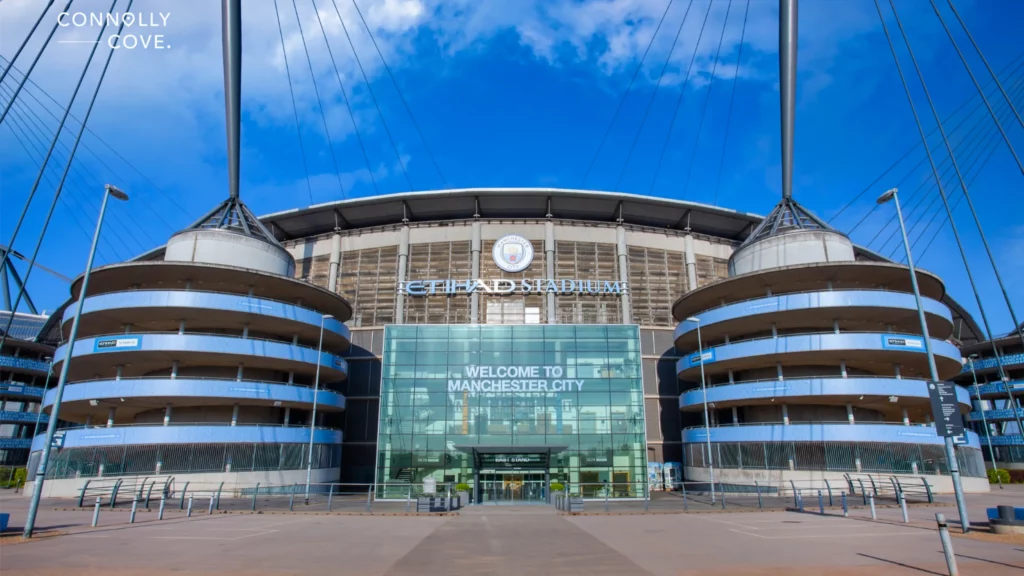
Manchester City Football Club, commonly known as Man City, is one of the most prominent football clubs not only in England but across the globe. Based in the vibrant city of Manchester, the club has a rich history that dates back to its foundation in 1880. The club’s iconic sky-blue jerseys have become synonymous with excellence on the football pitch. With a storied past, Manchester City has seen periods of both triumph and struggle, but in recent years, it has risen to become one of the dominant forces in English and European football.
The Etihad Stadium, located in the eastern part of Manchester, is the club’s home ground. This modern and state-of-the-art stadium has been witness to countless thrilling matches and memorable moments. Under the ownership of the Abu Dhabi United Group, Manchester City has experienced a remarkable transformation, investing in world-class talent and top-tier coaching staff. The club’s rise to the top of English football culminated in several Premier League titles, FA Cups, and EFL Cup victories.
Beyond the success on the pitch, Manchester City is known for its commitment to the local community. The club’s extensive community outreach programs, including initiatives related to youth development and social responsibility, have made it an integral part of Manchester’s cultural and social fabric. As a result, Man City is not just a football club; it’s a symbol of unity and pride for the people of Manchester, representing the city’s enduring spirit and love for the beautiful game.
What Else Can You Do in Manchester City?
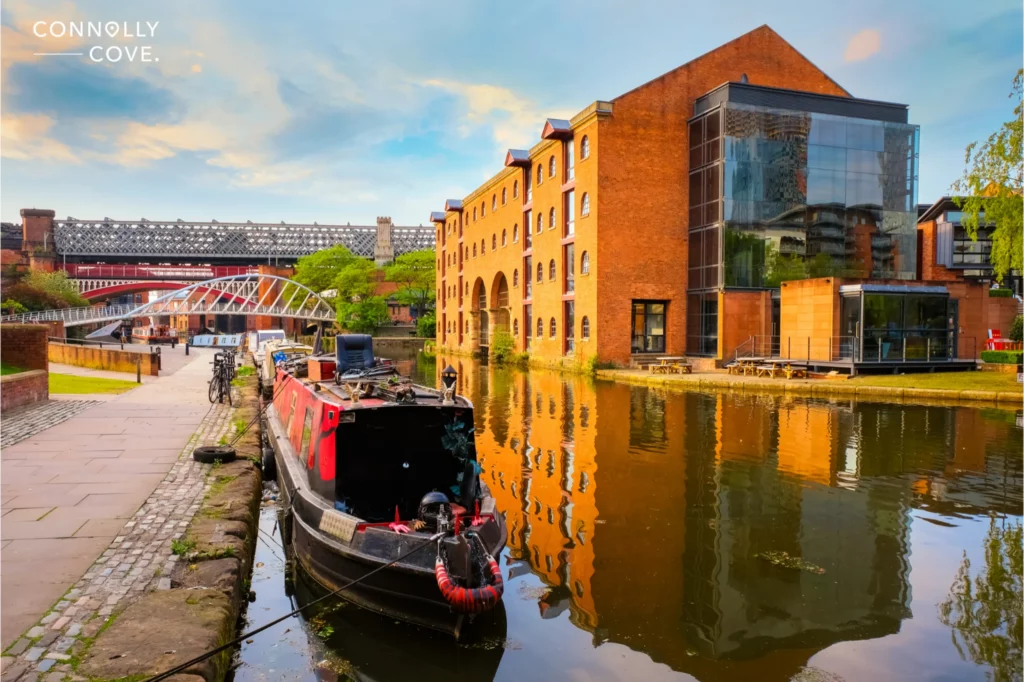
Manchester is a vibrant and culturally rich city in the United Kingdom with a plethora of attractions to offer visitors. One of its most iconic landmarks is the Manchester Cathedral, a stunning Gothic masterpiece that dates back to the 15th century. The city’s rich industrial heritage comes to life at the Science and Industry Museum, where you can explore the innovations that shaped Manchester’s past. Football enthusiasts can’t miss the National Football Museum, a shrine to the sport, celebrating its history and legends.
For art lovers, the Manchester Art Gallery showcases an impressive collection of European and Pre-Raphaelite paintings, while the Whitworth Art Gallery boasts contemporary art exhibitions in a stunning setting. Shoppers will find paradise in the bustling streets of the Northern Quarter, offering quirky boutiques, vintage shops, and independent cafes and bars. To unwind, take a stroll in Heaton Park, one of Europe’s largest municipal parks, or visit the peaceful Manchester Botanical Gardens. With its diverse range of attractions, Manchester ensures there’s something for everyone to enjoy in this dynamic city.
Real Madrid Football Club – Madrid, Spain
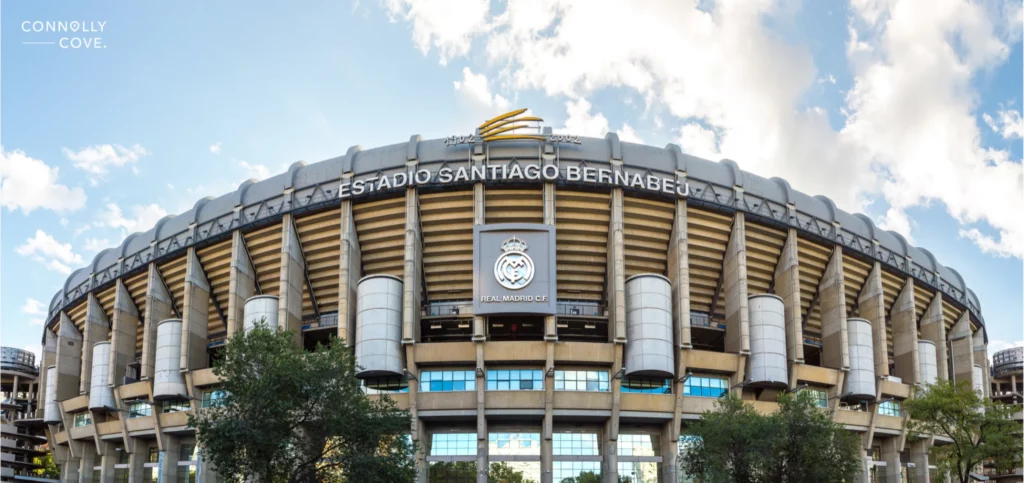
Real Madrid Football Club, based in the heart of Madrid, Spain, is one of the most prestigious and successful football clubs in the world. Founded in 1902, “Los Blancos,” as they are commonly known, have a rich history and a dedicated global fan base. The club’s iconic white jerseys have become synonymous with excellence and victory. Real Madrid has consistently competed at the highest level, winning numerous domestic and international titles, including a record number of UEFA Champions League trophies.
The Santiago Bernabéu Stadium, the club’s historic home ground, is a must-visit for football enthusiasts and tourists alike. Located in the Chamartín district, this colossal stadium has witnessed countless historic moments in football history. Visitors can take guided tours to explore the stadium and the museum and immerse themselves in the club’s storied past. Real Madrid’s history is filled with legendary players like Cristiano Ronaldo, Alfredo Di Stéfano, and Zinedine Zidane, contributing to their enduring legacy in the football world.
Beyond the football pitch, Madrid, the capital city of Spain, offers a wealth of cultural and historical attractions. Visitors can explore the magnificent Royal Palace, stroll through the beautiful Retiro Park, and admire the world-class art collections at the Prado Museum. The city’s lively neighbourhoods, bustling markets, and vibrant nightlife make it a destination that caters to a wide range of interests. With its unique blend of football fervour and cultural charm, a visit to Real Madrid and the city of Madrid is an unforgettable experience for sports enthusiasts and travellers alike.
What Else Can You Do in Madrid?
Madrid, the vibrant capital of Spain, offers a plethora of activities and attractions to suit every traveller’s interests. You can start your day by exploring the historic heart of the city wandering through the bustling streets of Puerta del Sol and Plaza Mayor. Art aficionados will find their paradise at world-renowned museums like the Prado, Reina Sofia, and Thyssen-Bornemisza, showcasing masterpieces by artists like Picasso, Velázquez, and Goya.
Don’t miss a visit to the sprawling Royal Palace and the stunning Retiro Park, perfect for leisurely strolls or rowing on its serene lake. Madrid’s culinary scene is a treat for foodies, with numerous tapas bars, markets, and Michelin-starred restaurants. At night, immerse yourself in the city’s vibrant nightlife, from traditional flamenco shows to trendy clubs and bars. Madrid truly has something for everyone, making it an unforgettable destination.
FC Bayern Munich – Munich, Germany
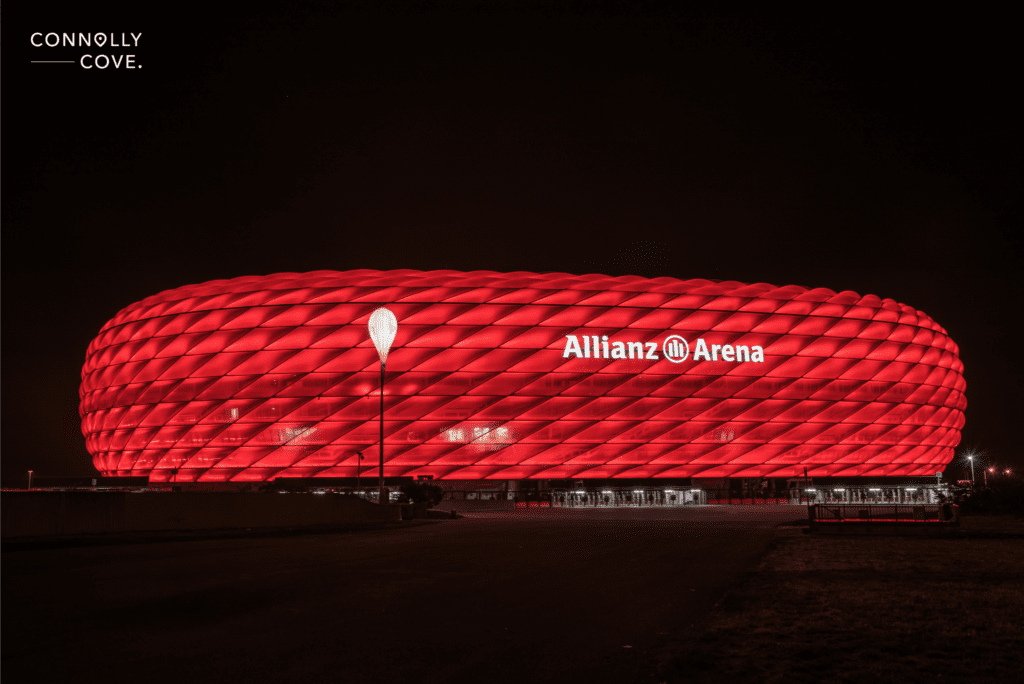
FC Bayern Munich, often referred to simply as Bayern Munich, stands as one of the most storied and successful football clubs in the world. Based in Munich, Germany, this club has a rich history that dates back to its formation in 1900. Bayern Munich is a powerhouse in German and European football, having won numerous domestic league titles and international trophies, including the UEFA Champions League. Their iconic home stadium, the Allianz Arena, is a symbol of the club’s success and a must-visit for football enthusiasts.
The club’s success has been built on a foundation of excellence both on and off the pitch. With a strong emphasis on developing homegrown talent and recruiting top-class players from around the world, Bayern Munich consistently competes at the highest level of European football. Over the years, legendary players like Franz Beckenbauer, Gerd Müller, and more recently, Thomas Müller and Robert Lewandowski have donned the famous red jersey, leaving an indelible mark on the club’s history.
In addition to their on-field accomplishments, FC Bayern Munich has a passionate fan base that stretches far beyond the borders of Germany. The club’s motto, “Mia san mia,” which translates to “We are who we are,” reflects the sense of identity and unity among its supporters. Visiting Munich to watch a Bayern Munich match is an unforgettable experience, as you witness the excitement and fervour of the fans firsthand, making it a must-see destination for football fans worldwide.
What Else Can You Do in Munich?
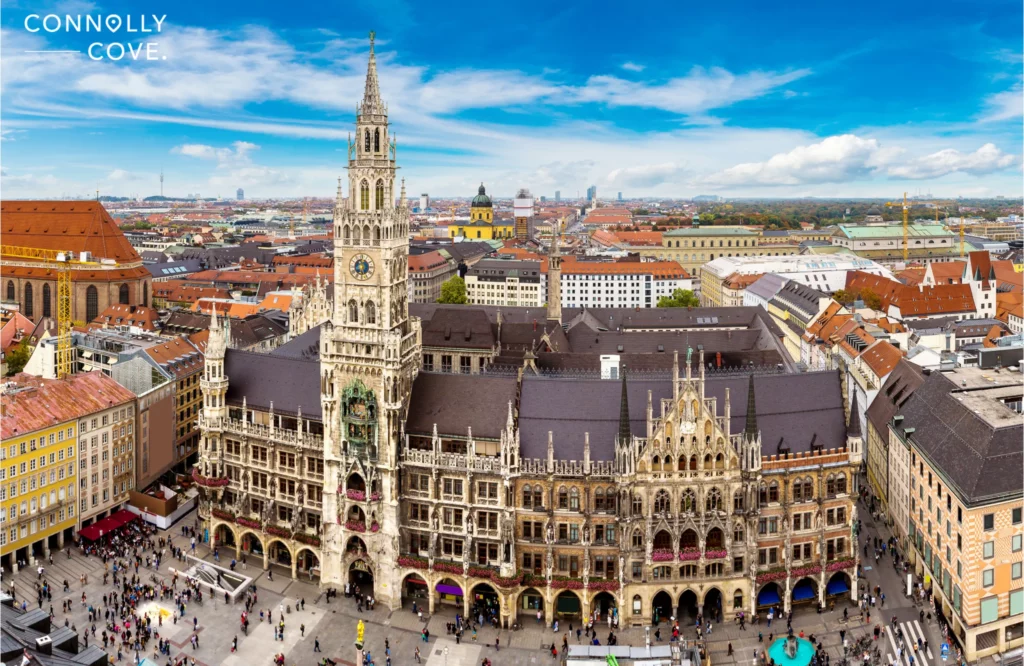
Munich, the vibrant capital of Bavaria in southern Germany, offers a delightful blend of rich history, cultural treasures, and modern attractions. Visitors can immerse themselves in the city’s heritage by exploring iconic landmarks like the Nymphenburg Palace, Marienplatz with its Glockenspiel, and the awe-inspiring Frauenkirche.
Munich is also renowned for its world-class museums, including the Alte Pinakothek, housing a vast collection of European art, and the BMW Museum for automobile enthusiasts. Beyond its cultural offerings, the city boasts lush parks such as the English Garden, where you can enjoy leisurely walks and even catch a glimpse of surfers riding the Eisbach River’s artificial wave.
To savour Bavarian cuisine and beer culture, head to traditional beer gardens like the Hofbräuhaus, and don’t forget to indulge in delicious pretzels, sausages, and schnitzels. Whether you’re interested in history or arts or simply savouring the laid-back Bavarian lifestyle, Munich offers an array of experiences for travellers to enjoy.
Inter Milan Football Club – Milan, Italy
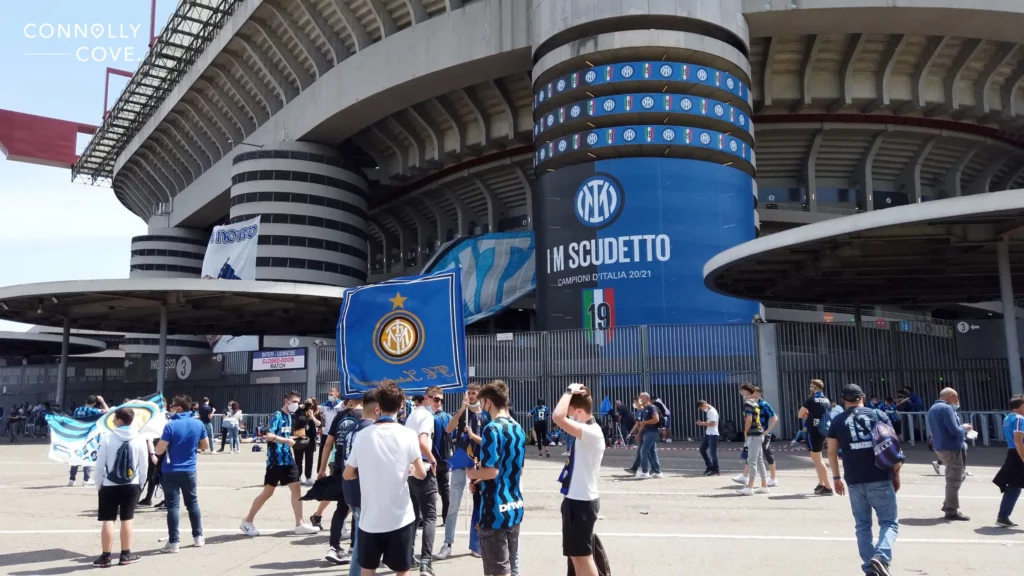
Inter Milan, officially known as FC Internazionale Milano, is one of Italy’s most storied football clubs, hailing from the dynamic city of Milan. Established in 1908, Inter Milan boasts a rich history and a passionate fan base. The club’s iconic blue and black striped jerseys, affectionately known as “Nerazzurri,” have become synonymous with success. Inter Milan has achieved remarkable domestic and international triumphs, with numerous Serie A titles and multiple UEFA Champions League victories. The team plays its home matches at the iconic San Siro Stadium, which it shares with its city rival, AC Milan, creating one of the most intense football rivalries in the world.
Milan, as the backdrop to Inter’s endeavours, offers visitors a blend of historical charm and contemporary allure. The city is renowned for its fashion and design, boasting high-end shopping districts like the Quadrilatero della Moda and Galleria Vittorio Emanuele II. Cultural enthusiasts can explore world-class museums and art galleries, including Leonardo da Vinci’s “The Last Supper” at the Convent of Santa Maria delle Grazie.
Milan’s impressive Gothic cathedral, the Duomo, and the opulent Sforza Castle are architectural marvels that highlight the city’s rich heritage. Additionally, Milan is celebrated for its vibrant culinary scene, where you can savour delectable Italian dishes and renowned Lombard wines. Overall, Milan provides a perfect backdrop for Inter Milan’s legacy and offers visitors an enticing mix of history, culture, and contemporary elegance.
What Else Can You Do in Milan, Italy?
Milan, Italy’s fashion and design capital, offers an array of captivating activities for visitors. Begin your exploration at the awe-inspiring Milan Cathedral or Duomo di Milano, where you can ascend to the rooftop for breathtaking panoramic views of the city. Art enthusiasts will appreciate a visit to the Convent of Santa Maria delle Grazie to witness Leonardo da Vinci’s masterpiece, “The Last Supper.” Milan is renowned for its high-end shopping, and you can indulge in luxury retail therapy at the Quadrilatero della Moda or explore the trendy boutiques in the Brera district.
The city also boasts an exciting culinary scene, with numerous trattorias and restaurants serving authentic Italian cuisine. Don’t miss the opportunity to savour risotto alla Milanese, a local speciality. For a taste of Milanese nightlife, explore the vibrant Navigli district, known for its picturesque canalside bars and live music venues. Milan seamlessly combines its rich history with modern sophistication, making it a must-visit destination for travellers.
Liverpool Football Club – Liverpool, England
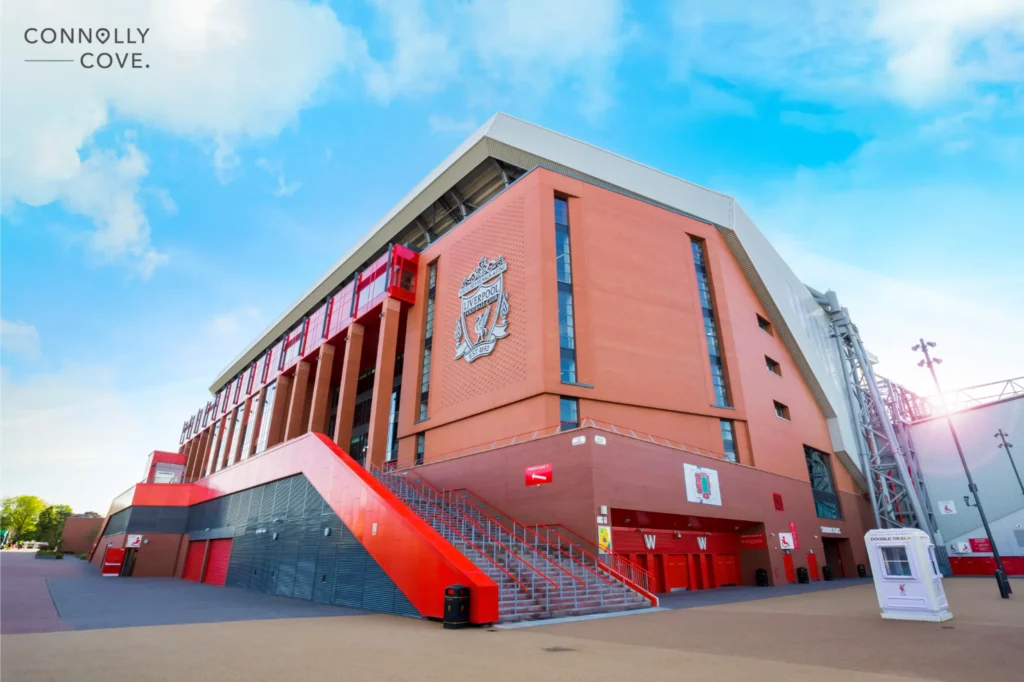
Liverpool Football Club, based in the city of Liverpool, England, is one of the most iconic and successful football clubs in the world. Founded in 1892, the club has a rich history and a passionate fan base that extends far beyond the city’s borders. Known as “The Reds,” Liverpool FC has a storied rivalry with Manchester United and Everton, creating intense and highly anticipated matches throughout the football calendar.
The club’s home ground, Anfield, is a historic stadium that has witnessed some of football’s most memorable moments. The famous “You’ll Never Walk Alone” anthem, sung by the passionate Liverpool fans before every home game, adds to the unique atmosphere at Anfield. Liverpool has a tradition of playing attractive, attacking football and has produced some of the sport’s greatest players, including Kenny Dalglish, Steven Gerrard, and Ian Rush. The club has won numerous league titles, domestic cups, and European trophies, including the prestigious UEFA Champions League, cementing its status as a football powerhouse.
Outside of football, Liverpool is a vibrant city with a rich cultural heritage. Visitors can explore The Beatles’ history, as the city is the hometown of the legendary band. The Albert Dock area offers a wealth of museums, galleries, and shops, making it a cultural hub for tourists. Liverpool’s maritime history is celebrated at the Merseyside Maritime Museum, while its two iconic cathedrals, Liverpool Cathedral and the Metropolitan Cathedral of Christ the King, showcase stunning architecture. With a lively nightlife scene, friendly locals, and a warm atmosphere, Liverpool is a city that has something to offer everyone.
What Else Can You Do in Liverpool?
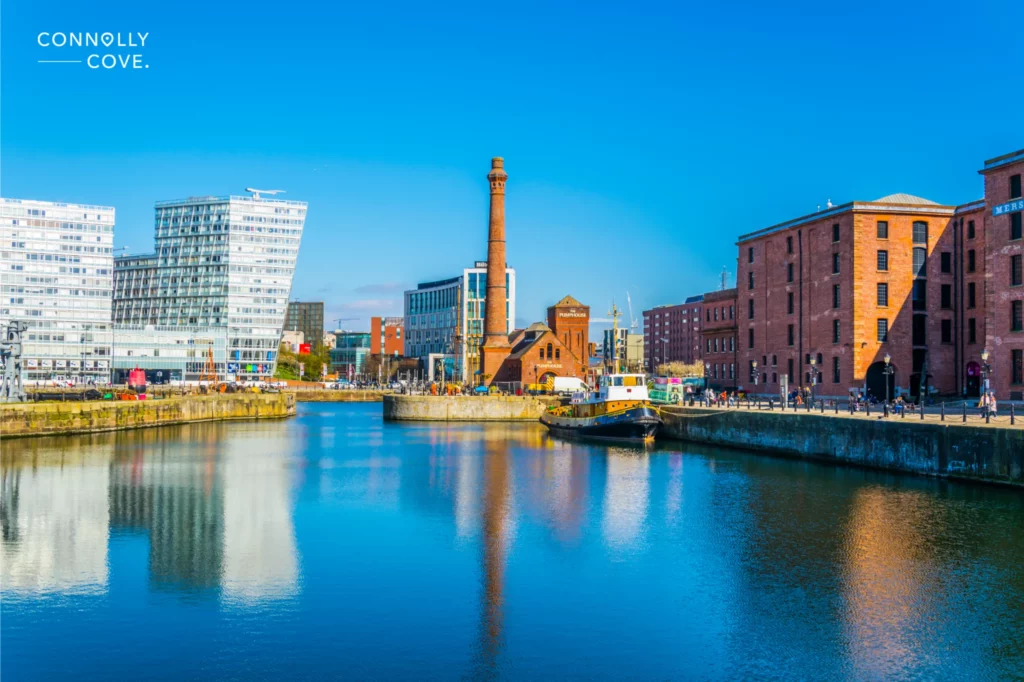
Liverpool, England, is a vibrant city teeming with cultural, historical, and entertainment options. One must-visit attraction is the iconic Albert Dock, home to various museums, galleries, shops, and restaurants. Here, you can explore the Tate Liverpool, Merseyside Maritime Museum, and the Beatles Story, offering insights into the city’s maritime heritage and the legendary music group.
Strolling along the waterfront and taking in the beautiful views of the river Mersey is a delightful way to spend your time. For those interested in history, a visit to The Cavern Club, where The Beatles began their musical journey, is a must. Moreover, Liverpool offers a bustling nightlife, a thriving music scene, and numerous parks and green spaces, making it a city that caters to a wide range of interests and tastes.
In conclusion, the top 5 European football clubs and their respective cities are a testament to the rich history, passionate fan bases, and vibrant football culture that exists on the continent. These clubs, from Real Madrid to Liverpool, Munich to Milan, and Manchester, have not only achieved remarkable success on the pitch but have also played pivotal roles in shaping the identity of their cities.

An Overview of Michigan Tourism Statistics: Visitor Spending, Growth, and Industry Impact
United States
28/04/2024
Top Things To Do in Hamburg: A Hamburger’s Guide!
Germany
27/04/2024

Take a Look at the Astounding Scenery of County Kerry
County Kerry
27/04/2024

Famous Haunted Houses in Egypt: Spooky Stories for Halloween
Destinations
27/04/2024
St. Paul’s Cathedral – London Attractions
England
27/04/2024