


10 Splendid Scottish Landmarks That Reveal Untold Tales
Updated On: February 07, 2024 by  Miranne Khaled
Scotland is a land brimming with breathtaking beauty and a rich tapestry of history, nestled amidst misty mountains, rugged coastlines, and enchanting lochs. This magnificent country stands apart from other European nations with its unique blend of captivating landscapes, vibrant culture, and ancient heritage.
From its charming cities and quaint villages to its dramatic highlands and pristine islands, Scotland offers a fascinating journey that leaves an impression on the hearts of all who visit. One must mention the iconic Scottish landmarks in order to speak of this splendid country. From the bustling streets of Edinburgh to the untamed wilderness of the Highlands and the enchanting islands that dot its shores, Scotland captivates with its diverse array of landmarks.
Scottish landmarks are steeped in history, and each one tells a story. As you explore these iconic landmarks, you embark on a wondrous journey that will leave you with an appreciation for the timeless beauty that defines this extraordinary land.
1. Edinburgh Castle
Edinburgh Castle stands as a timeless fortress that embraces the spirit of Scotland and majestically sits atop the iconic Castle Rock. This historic stronghold overlooks the enchanting city of Edinburgh and commands breathtaking panoramas of its stunning skyline and Scottish landmarks. It serves as a gateway to the country’s rich history, intriguing visitors from around the globe. Edinburgh Castle offers an unrivalled glimpse into Scotland’s extraordinary past, from exploring the ancient Crown Jewels to immersing yourself in the gripping tales of battles fought.
The castle offers an abundance of activities for all ages, including guided tours that bring history to life as you tread in the footsteps of royalty as you wander through its storied halls. Mesmerising military displays showcasing the unique Scottish traditions and the chance to witness the world-famous One O’clock Gun firing are also included.
Visiting this remarkable Scottish landmark is an experience sought after by travellers worldwide. People are drawn to its magnetic charm not only for its historical significance but also for the awe-inspiring views it affords. Its allure lies not only in the tangible artefacts and exhibits that showcase Scotland’s intriguing past but also in the intangible sense of wonder and pride it instils in each visitor, igniting a lifelong love for Scottish heritage.
2. Glenfinnan Viaduct
The enchanting Glenfinnan Viaduct is renowned as one of the most captivating Scottish landmarks that lie in the breathtaking Scottish Highlands. This iconic railway viaduct stands proudly amidst the picturesque Glenfinnan Glen, offering visitors a hypnotising sight that is hard to resist. With its arched structure beautifully reflecting in the still waters of Loch Shiel, this spot becomes an instant haven for nature enthusiasts, photographers, and Harry Potter fans alike.
Located in the village of Glenfinnan, just a short drive from Fort William, it impressively spans 1,000 feet, leaving onlookers in awe of its grandeur. Apart from its architectural marvel, the Glenfinnan Viaduct offers many activities that will make your visit truly unforgettable. Embark on a scenic nature walk through the surrounding glen, where emerald-green meadows, speckled with vibrant flora, stretch as far as the eye can see. For those seeking an adrenaline rush, hiking up the nearby Glenfinnan Monument provides a panoramic view of the viaduct and the shimmering expanse of Loch Shiel.
Don’t forget to be there for the famous Jacobite Steam Train, known for its appearance in the Harry Potter movies, as it majestically chugs across the viaduct, casting an ethereal aura over the already breathtaking landscape. Glenfinnan Viaduct entices travellers from around the world for its sheer beauty and unique charm. As the steam train passes over the viaduct, visitors are spellbound by the nostalgic atmosphere and magical setting, transporting them to another era.
3. Rosslyn Chapel
For those fortunate enough to explore Rosslyn Chapel, a plethora of activities await them. Rosslyn Chapel, nestled in the captivating Scottish countryside, is a true gem among the country’s landmarks. As enchanting as any of the renowned Scottish landmarks, Rosslyn Chapel boasts intricate stonework, breathtaking stained glass windows, and an aura of mystery that lures travellers from across the globe.
Immerse yourself in its rich history by embarking on a guided tour that unveils the secrets hidden within its walls. Marvel at the intricate details carved into every nook and cranny, or lose yourself in the ethereal beauty of the chapel’s stained glass windows. Whether you’re an architecture aficionado, a history enthusiast, or simply seeking solace in nature, Rosslyn Chapel offers an experience like no other Scottish landmark.
So why do people flock to Rosslyn Chapel? The answer lies in its mystical allure and the sense of wonder it evokes. Visitors are bewitched by the exquisite craftsmanship displayed in every corner, marvelling at the skill and devotion that went into its creation. The chapel’s hidden symbolism and connections to the Knights Templar only add to its enigma, attracting curious minds and history buffs alike.
4. Isle of Skye
The Isle of Skye is a captivating destination on Scotland’s west coast, with its stunning landscapes, rich history, and vibrant culture. Known as the Misty Isle, Skye boasts some of the most breathtaking scenery in the country. From towering mountains and dramatic cliffs to picturesque lochs and enchanting fairy pools, the island is a heaven for nature lovers. There are various activities and sights to explore on Skye.
The island is dotted with ancient castles, such as Dunvegan Castle, the oldest continuously inhabited castle in Scotland, which offers a fascinating glimpse into the island’s past. Additionally, Skye is one of the Scottish landmarks known for its vibrant Gaelic culture, where visitors can enjoy traditional music, dance, and storytelling.
Nature enthusiasts can embark on hikes along the iconic Cuillin mountain range, known for its challenging peaks and awe-inspiring vistas. The Fairy Glen, a whimsical landscape with cone-shaped hills and mysterious rock formations, is another must-visit spot. The island is also famous for its wildlife, and visitors may catch glimpses of seals, otters, eagles, and even whales along the coastline.
5. St. Giles’ Cathedral
St. Giles’ Cathedral, located on the historic Royal Mile in Edinburgh, Scotland, is one of the most iconic Scottish landmarks and a must-visit for anyone interested in history, architecture, and religious heritage. This magnificent Gothic masterpiece, also known as the High Kirk of Edinburgh, has stood as a symbol of faith and national pride since the 12th century.
One of the best things about St. Giles’ Cathedral is its stunning architecture and intricate design. Visitors can admire the famous Thistle Chapel, a small but exquisitely decorated space dedicated to the Order of the Thistle, one of Scotland’s highest chivalric orders. Guided tours provide a glimpse into history and showcase the significance of the cathedral, including its connection to the Scottish Reformation.
You can also attend services or simply take a moment for quiet contemplation in this serene and spiritual setting. The cathedral often hosts concerts and events, showcasing the beauty of its acoustics and adding to the vibrant cultural scene of Edinburgh. St. Giles’ Cathedral is a place of worship and a living testament to Scotland’s rich architectural heritage and a cherished symbol of national identity.
6. Eilean Donan Castle
One of the best things about Eilean Donan Castle is its stunning architecture and romantic ambience. The castle’s distinctive silhouette, with its turrets and towers reflected in the tranquil waters, is instantly recognisable and has graced countless postcards and films. Eilean Donan Castle, nestled on a small island where three lochs meet in the Scottish Highlands, is a true gem among Scottish landmarks.
This iconic castle is renowned for its picturesque setting and rich history, making it a must-visit destination for travellers. Surrounded by stunning mountain scenery, Eilean Donan Castle offers a captivating glimpse into Scotland’s medieval past. In addition to its architectural beauty, Eilean Donan Castle offers visitors a range of activities and experiences.
Guided tours provide insights into the castle’s fascinating history, including its role in the Jacobite uprising. Outdoor enthusiasts can explore the castle grounds, take a stroll along the shoreline, or enjoy a boat trip on the lochs. The castle also houses a gift shop and a café where you can relax and indulge in traditional Scottish treats.
7. Loch Ness
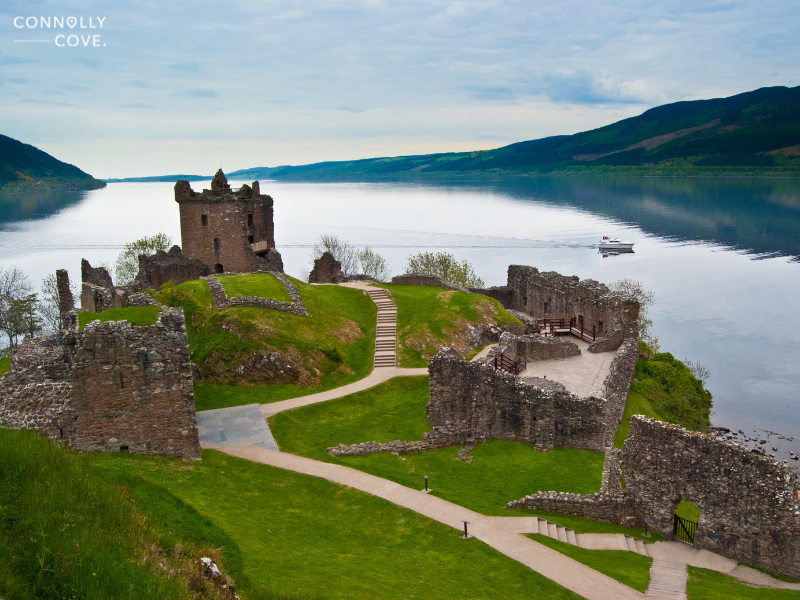
There is a high chance you have heard about Loch Ness and, of course, the mythical creature said to inhabit its depths, the infamous Loch Ness Monster, also known as Nessie. This vast, deep freshwater loch stretches for approximately 23 miles, making it the second-largest loch in Scotland. Loch Ness continues to captivate people from around the world, whether they come in search of Nessie or simply to enjoy this Scottish landmark’s stunning scenery and history.
One of the best things about Loch Ness is its breathtaking natural beauty. Surrounded by rolling hills and vast landscapes, this loch offers a serene atmosphere for relaxation and contemplation. You can take scenic boat tours to explore the loch and enjoy panoramic views of its picturesque surroundings. The area is also a paradise for outdoor enthusiasts, with hiking, cycling, and wildlife spotting opportunities.
Apart from its natural allure, Loch Ness offers a range of attractions and activities. Urquhart Castle, situated on the banks of the loch, is a historic ruin that provides a glimpse into Scotland’s turbulent past. Additionally, the Loch Ness Centre and Exhibition in Drumnadrochit offers an immersive experience delving into the Loch Ness Monster legend, providing insights into the various sightings and investigations that have taken place over the years.
8. Calton Hill
Calton Hill, situated in the heart of Edinburgh, is a prominent Scottish landmark that offers breathtaking views of the city and its surrounding areas. This iconic hill is a favourite spot among locals and visitors alike, known for its striking monuments, panoramic vistas, and cultural significance. One of the best things about Calton Hill is its collection of remarkable architectural features.
The hill is adorned with several noteworthy landmarks, including the iconic National Monument, inspired by the Parthenon in Athens, which stands as a memorial to Scottish soldiers and sailors who perished in the Napoleonic Wars. The Nelson Monument, a towering structure with a time ball, provides panoramic views from its viewing platform. The Dugald Stewart Monument, a striking circular structure dedicated to the Scottish philosopher, adds to the hill’s charm.
You can enjoy leisurely walks along its paths and take in the stunning vistas of Edinburgh’s Old Town, the New Town, and the Firth of Forth. The hill is ideal for photographers, offering unparalleled views of the city’s skyline. Additionally, Calton Hill is a popular location for numerous cultural events, adding to its vibrant atmosphere.
9. The Kelpies
The Kelpies are located in Falkirk. They are not only a testament to Scottish craftsmanship and engineering but also a symbol of the mythical water spirits known as kelpies in Celtic folklore. One of the best things about The Kelpies is their striking design and intricate detailing. The sculptures, made of shimmering stainless steel, capture the grace and power of horses in motion.
The Kelpies is one of the remarkable Scottish landmarks; it pays homage to the country’s rich folklore and industrial heritage. Standing at a towering 30 metres high, these colossal horse head sculptures are an awe-inspiring sight to behold. They are also beautifully illuminated at night, creating a magical atmosphere that adds to their allure.
Visitors can also enjoy the surrounding Helix Park, which provides a range of activities and attractions. The park features walking and cycling paths, a large play area for children, and even a splash pad for hot summer days. Whether you’re fascinated by Scottish folklore, interested in impressive sculptures, or simply seeking a place to relax and enjoy nature, The Kelpies and Helix Park offer a memorable experience in the heart of Scotland.
10. The Necropolis
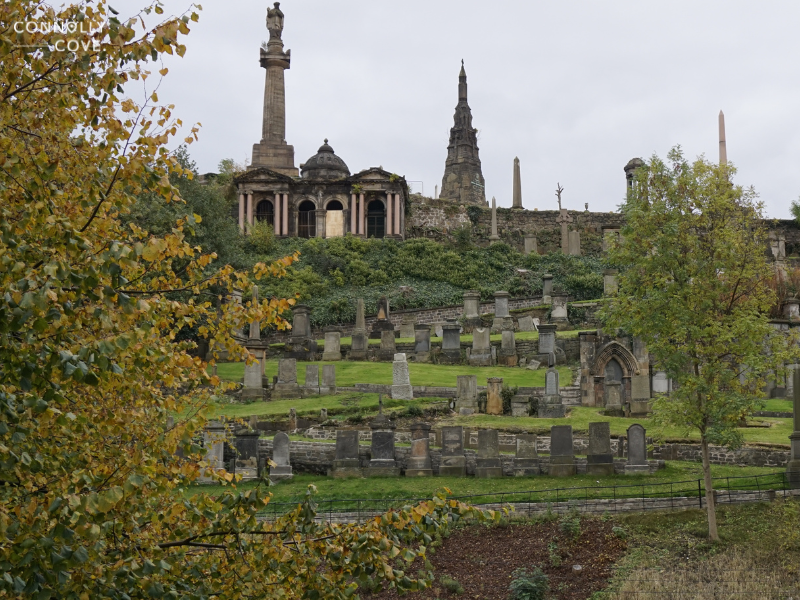
Glasgow is home to the famous attraction known as The Necropolis. This Victorian cemetery is captivating and offers a glimpse into Glasgow’s rich history and architectural heritage. The Necropolis is known for its stunning design, grand tombs, intricate sculptures, and winding pathways leading visitors through a maze of gravestones.
The Necropolis is among the unique and hauntingly beautiful Scottish landmarks. It embraces a cemetery, a peaceful haven from the bustling city below. The architecture of the tombs and monuments is awe-inspiring, showcasing the Victorian era’s ornate style. You can wander through the endless rows of graves, admiring the intricate stonework and paying respects to the individuals buried there.
While exploring The Necropolis, visitors can enjoy panoramic views of Glasgow’s skyline and the River Clyde. Guided tours are available to provide insights into the cemetery’s history and notable figures buried there. The Necropolis is a place of remembrance and a captivating outdoor museum that celebrates Glasgow’s past.
Lose yourself in the tapestry of iconic Scottish landmarks, where each landmark whispers a tale of Scotland’s rich history, inviting you on a captivating journey, etching memories of timeless beauty and igniting a deep appreciation for Scotland’s extraordinary spirit.

Aunt Sandra’s Delicious Candy Factory, Belfast
Northern Ireland
29/04/2024

A Guide to the Best Belfast Hotels
Travel & Hospitality Careers
29/04/2024

The Dying Gaul: Unraveling the Meaning and History of an Ancient Roman Masterpiece
History and Heritage
29/04/2024
Discover The Mystery of the Paviland Red Lady: Unearthing Its Secrets
Culture Exploration
29/04/2024

Downpatrick Town: Saint Patrick’s Final Resting Place
Northern Ireland
29/04/2024