


6 Outstanding Public and Holiday Parks in Wales

Updated On: February 07, 2024 by  Noha Basiouny
Navigating your way to ideal family-friendly public or holiday parks in Wales can feel slightly overwhelming, akin to hunting for that proverbial needle in a haystack. Yet, fear not! Wales just happens to be home to some of the world’s most enchanting caravan parks, just perfect spots for creating lasting family memories.
This blog post aims to unveil a select few of these top-rated public and holiday parks scattered across the captivating landscape of Wales, each brimming with unique features designed to sprinkle magic onto your vacation moments.
So, shall we set off on this exploratory journey? Let’s dive right in!
Why Choose Wales for Your Family Holiday
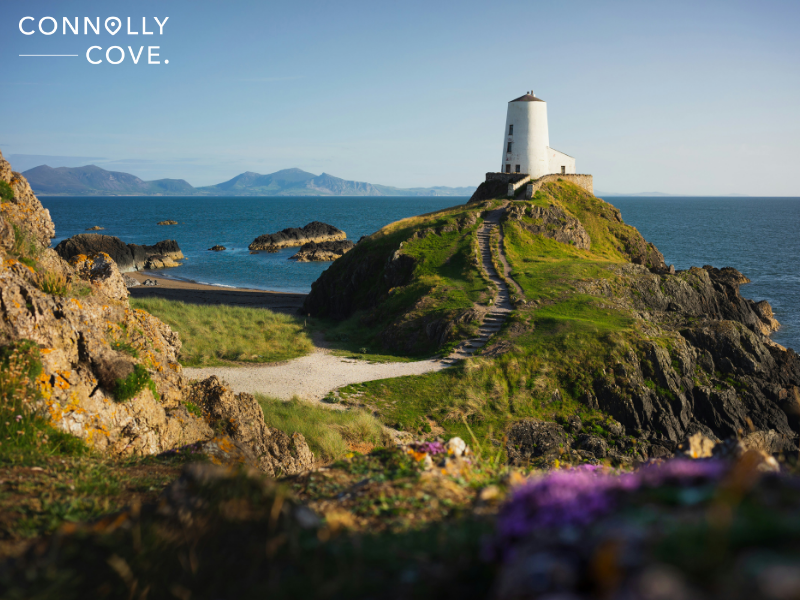
Wales is a beautiful and distinct country located in the west of the United Kingdom, with its very own Celtic language, Welsh (Cymraeg), which around 20% of the population speak. Every year, hundreds of thousands, if not even millions, of tourists flock to Wales to enjoy their vacations, and there seem to be many distinct factors that contribute to the country’s appeal.
For instance, Wales has a rich cultural heritage featuring traditional music, literature, and folklore. The country has produced notable poets like Dylan Thomas and has a strong tradition of male voice choirs and Eisteddfodau, cultural festivals celebrating music, literature, and performance. Wales is also known for its friendly and welcoming people. Visitors often highlight the warm hospitality and sense of community that characterise Welsh culture.
Speaking of tourist attractions, Wales is blessed with breathtaking landscapes, including rolling mountains, picturesque valleys, stunning beaches, and rugged coastlines that make it a haven for outdoor enthusiasts. When it comes to historic attractions, the country is also filled to the brim. In fact, Wales is often referred to as the “Land of Castles” due to its large number of medieval castles that highly contribute to its unique charm.
Also, historically, Wales played a significant role in the Industrial Revolution, particularly in coal mining and iron and steel production. The remnants of this industrial past, such as the Big Pit National Coal Museum, provide insight into the country’s history.
Add to that its major sport, rugby, where the Wales’ national team has shown excellence and attracted a strong and passionate following. The atmosphere during rugby matches, especially during the Six Nations Championship, is electric, reflecting the country’s love for the sport.
Public and Holiday Parks in Wales
All of these elements, and many more, contribute to the distinctiveness and appeal of Wales as a special and culturally rich part of the United Kingdom as well as a travel destination for those who want to have an unforgettable experience.
In the following sections, we are going to look specifically into six distinct public and holiday parks in Wales that cater to various preferences and needs and offer amazing family getaways. Yet, first, we need to clarify the difference between these two recreational areas.
National parks are designated areas of protected land whose primary focus is to preserve natural ecosystems and biodiversity and provide opportunities for outdoor recreation and education. They are typically characterised by unique and diverse landscapes, including mountains, forests, lakes, and wildlife habitats. Visitors to national parks can engage in activities such as hiking, camping, wildlife observation, and enjoying the natural scenery.
Holiday parks, on the other hand, are commercial or privately owned areas that cater to tourists and holidaymakers and can be located in coastal areas, countryside, or near popular tourist destinations. They offer a convenient environment for vacationers, with services like swimming pools, playgrounds, and organised activities in addition to a range of accommodations, such as caravan and camping sites, cabins, and lodges.
In the next sections, we are going to explore the three distinct national parks as well as three of the more than 300 holiday parks found in Wales that promise unforgettable breaks with friends and family.
1. Snowdonia National Park
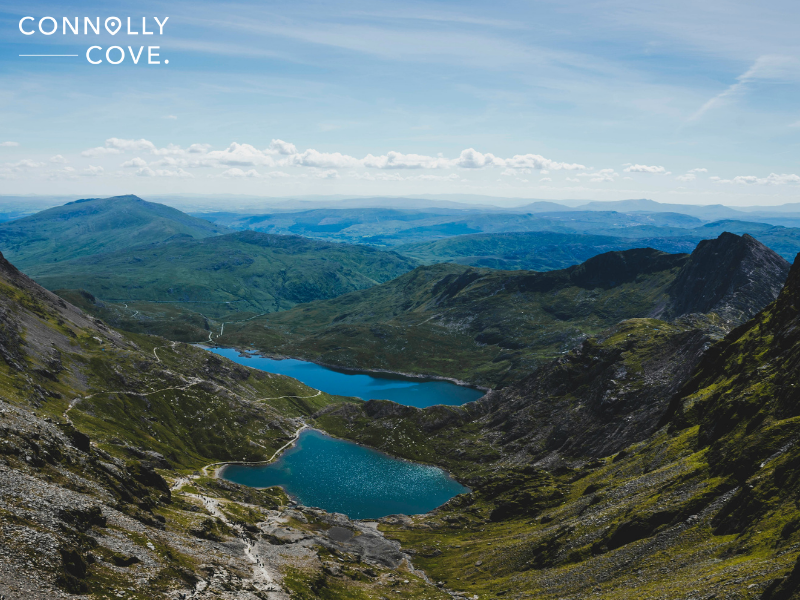
Situated in North Wales, Snowdonia National Park is a breathtaking and diverse landscape with an ecosystem that includes heathlands, woodlands, and grasslands, supporting a variety of wildlife.
Snowdonia stands at an elevation of 1,085 metres. It is characterised by its rugged mountains, including the iconic Mount Snowdonia—the highest peak in Wales and England. Climbing Snowdonia is a common activity, and there are multiple trails catering to different levels of hikers.
In addition, this national park encompasses glacial valleys, pristine lakes, and dense forests, offering a haven for outdoor enthusiasts with several opportunities for mountain biking, rock climbing, and water sports besides hiking. Visitors can explore traditional Welsh villages, historic sites, and cultural events. The Welsh language is also spoken in the region, adding to the cultural richness.
Interestingly, parts of Snowdonia have been designated as the Snowdonia Dark Sky Reserve, making it an excellent location for stargazing. The low light pollution in certain areas allows for clear views of the night sky.
So yes, this marvellous national park can provide visitors with an immersive experience of natural beauty, adventure, and cultural richness.
2. Brecon Beacons National Park
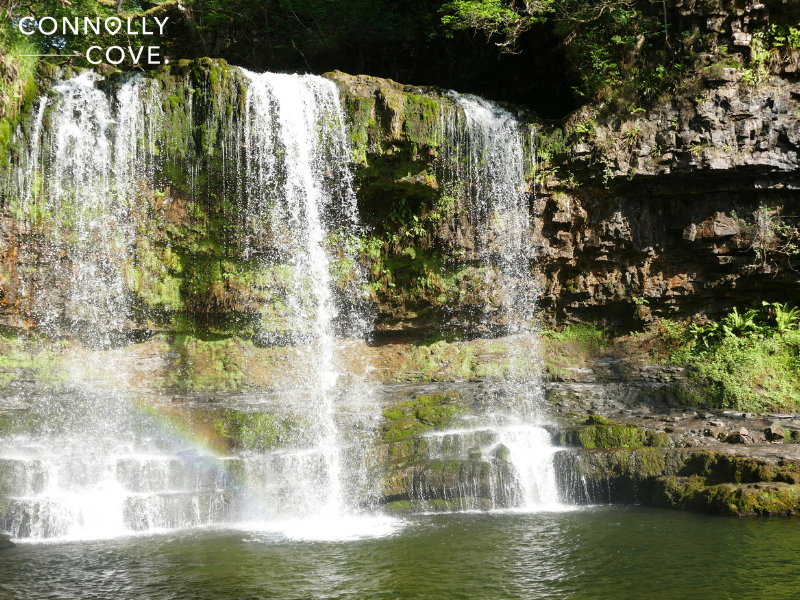
Brecon Beacons National Park is a captivating and diverse natural expanse located in South Wales. Renowned for its scenic beauty, the park encompasses rolling hills, verdant valleys, and distinctive limestone caves. The Brecon Beacons mountain range, with its highest peak, Pen y Fan, serves as a focal point for outdoor enthusiasts, offering a variety of hiking trails and panoramic views.
The park is home to several beautiful waterfalls, such as Sgwd Yr Eira and Henrhyd Falls. These cascades are set amidst lush greenery, providing picturesque settings for hikes and nature walks. Llangorse Lake, also incorporated within the park, is the largest natural lake in all of South Wales and is ideal for water activities such as kayaking, sailing, and fishing.
Like Snowdonia, Brecon Beacons National Park is also designated as an International Dark Sky Reserve, just perfect for stargazing.
Beyond its natural wonders, Brecon Beacons National Park features charming towns and historic sites, contributing to its unique blend of cultural heritage and outdoor adventure. The Tretower Court and Castle is a historic site that combines a medieval castle and a 16th-century manor house. Another castle found in the area, Carreg Cennen Castle, offers breathtaking views of the park’s surroundings.
3. Pembrokeshire Coast National Park
The Pembrokeshire Coast National Park is a captivating and diverse coastal reserve located in the southwestern part of Wales. Encompassing approximately 620 square kilometres, it is known for its stunning and varied landscapes along the Pembrokeshire coastline, including rugged cliffs, sandy beaches, and offshore islands. The Pembrokeshire Coast Path, a long-distance trail, allows visitors to explore the coastal beauty on foot.
Pembrokeshire is home to a rich variety of wildlife, including seabirds, seals, dolphins, and a range of marine life. Skomer Island, a protected nature reserve off the Pembrokeshire coast, is renowned for its puffins and other seabird colonies. This huge and diverse ecosystem offers a plethora of outdoor activities like hiking, birdwatching, kayaking, and coasteering. The diverse landscapes cater to both nature enthusiasts and adventure seekers.
4. Lyons Holiday Parks
Lyons Holiday Parks is a family-owned company that operates several holiday parks in North Wales. These parks offer a range of caravan and lodge accommodations, amenities, and facilities such as swimming pools, bars, restaurants, and entertainment venues for visitors looking to enjoy a holiday in the region. Some of the Lyons Holiday Parks include:
- Lyons Robin Hood: Located in Rhyl, this holiday park offers family-friendly facilities, including an indoor pool, children’s play areas, and entertainment.
- Lyons Winkups: Situated in Towyn, this park provides caravan and lodge accommodations, along with amenities like an arcade, sports facilities, and a club for entertainment.
- Lyons Lido Beach: Found in Prestatyn, this coastal holiday park offers direct beach access, an indoor pool, and entertainment for all ages.
- Lyons St. Mary’s Touring Park: This park caters to touring caravans and motorhomes, providing a quiet and scenic setting for those seeking a more traditional camping experience.
5. Vale Holiday Parks
Vale Holiday Parks is another family-run business operating a collection of 12 holiday parks across Wales and Cornwall in the United Kingdom. Founded in 1983, they have built a reputation for providing family-friendly getaways in scenic locations, often nestled amidst stunning coastlines, rolling hills, and national parks.
The parks are generally small to medium-sized, fostering a cosy and community-oriented atmosphere. They primarily offer static caravans for purchase or rental, but some locations also have chalets, lodges, and glamping tents to cater to diverse preferences and budgets.
Many of these Vale Holiday Parks boast various amenities like indoor swimming pools, playgrounds, amusement arcades, restaurants, and bars, keeping guests entertained throughout their stay. Some even have unique features like fishing lakes, adventure playgrounds, or entertainment venues, making them ideal for families seeking a fun-filled vacation.
Some examples of holiday parks operated by Vale Holiday Parks and located in various parts of Wales include:
- Clarach Bay Holiday Village
- Ocean Heights Leisure Park
- Gilfach Holiday Village
- Woodland Vale Holiday Park
- Grondre Holiday Park
- ParcFarm Holiday Park
6. Clarach Bay Holiday Village
Clarach Bay Holiday Village is operated by Vale Holiday Parks, a seaside park offering a wealth of entertainment and relaxation in one of Wales’ most stunning locations. It is situated near Aberystwyth on the west coast of Wales.
This holiday village typically offers a variety of accommodation options, including caravan and camping pitches, as well as static caravans and chalets. The accommodations suit different preferences and group sizes.
The park features stunning beachfront access, allowing visitors to enjoy walks along the shore or relax on the sandy beaches. Nature enthusiasts can explore the breathtaking countryside surrounding Clarach Bay Holiday Village or take part in outdoor activities such as hiking and birdwatching.
For those more interested in history and culture, nearby attractions like Aberystwyth Castle provide an opportunity to delve into Wales’ rich heritage. The village is also close to a number of local attractions, including Aberystwyth town centre, the Vale of Rheidol Railway, and the Wales Coastal Path.
With its pretty convenient location and range of offerings, this holiday park is sure to create unforgettable memories for all types of travellers during their time in Wales.
The diverse array of public and holiday parks in Wales offers a unique blend of relaxation and adventure as well as a splendid variety of experiences catering to all preferences. From the enchanting landscapes of Snowdonia National Park to the coastal allure of Clarach Bay Holiday Village, Wales boasts an abundance of natural beauty waiting to be explored.
So, whether you find solace in the serenity of a public park or embark on an adventure within a holiday park’s bounds, Wales welcomes all to partake in the beauty and warmth it graciously shares with those who venture into its heart.
Exploring the Isle of Man’s Rich History and Culture
Ireland
29/04/2024
Exploring The Town of Carrickfergus
County Antrim
29/04/2024
Commercial Court: The Dazzling Lights of Belfast
Northern Ireland
29/04/2024

How to Make a Killy Kiss Cocktail By Killyhevlin Hotel
Northern Ireland
28/04/2024

Middle East Travel Statistics from 2019 to Now
Middle East
28/04/2024