


Rostrevor County Down- A Great Place To Visit
Updated On: April 20, 2024 by  Ciaran Connolly
The Beautiful Rostrevor Northern Ireland
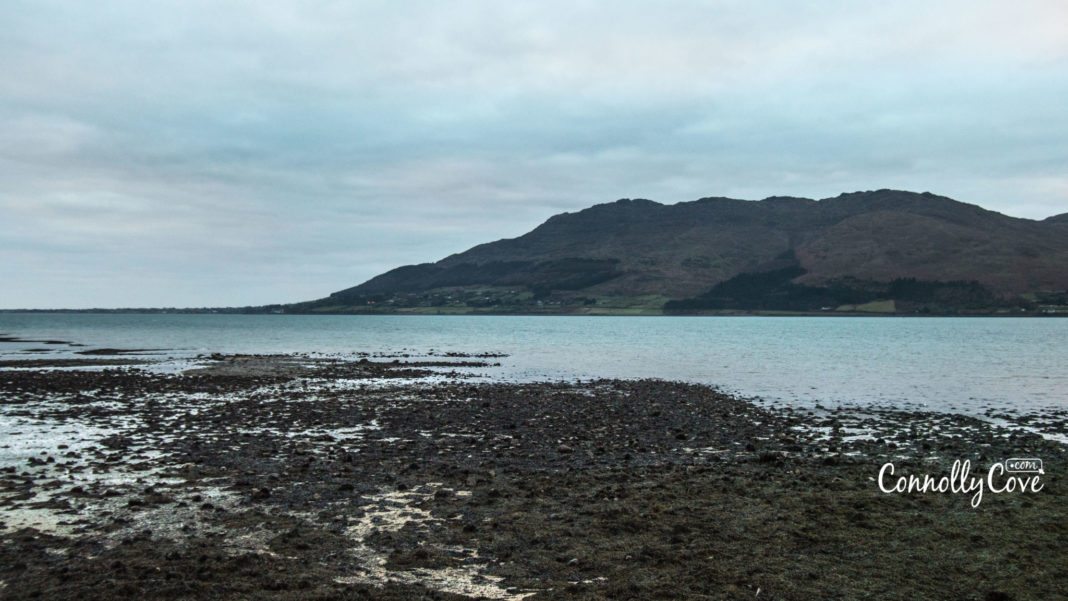
Rostrevor is as picturesque as you can get it in Northern Ireland. Nestled at the bottom of Slieve Martin on the shores of Carlingford Lough is the lively village with an abundance of history, myth and outdoor splendour to keep anyone busy!
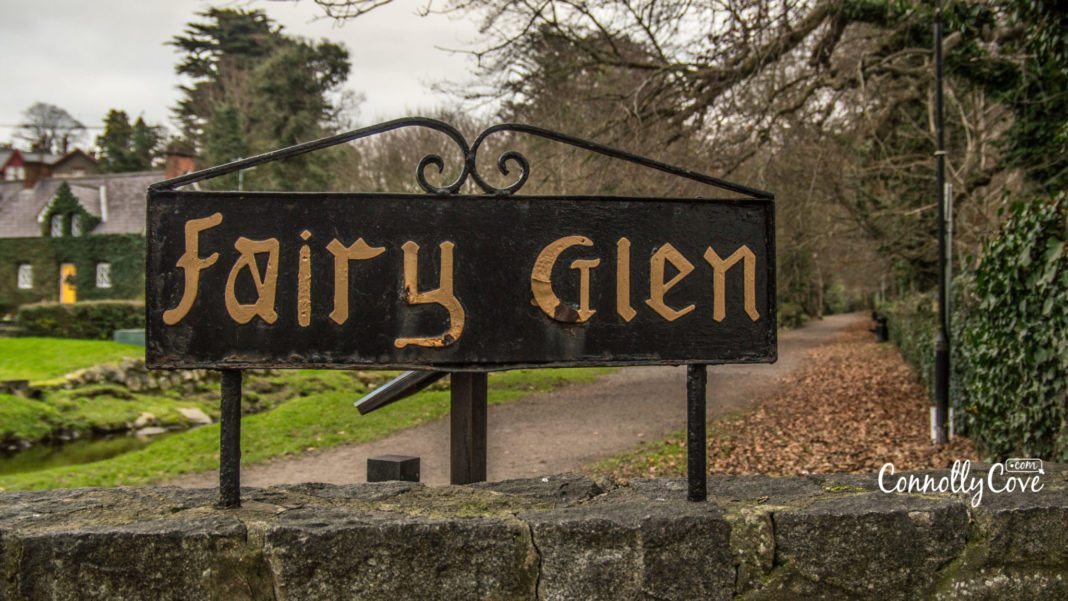
This place is also home to a beautiful Fairy Glen – a great walk for those big and small!
In this article you will find information on:
- CS Lewis Square
- Cloughmore Stone
- The Ross Monument
- The Fairy Glen
- Other landmarks and things to do in Rostrevor
- Places to get food in Rostrevor
A Classic Irish Setting
Where is Rostrevor?
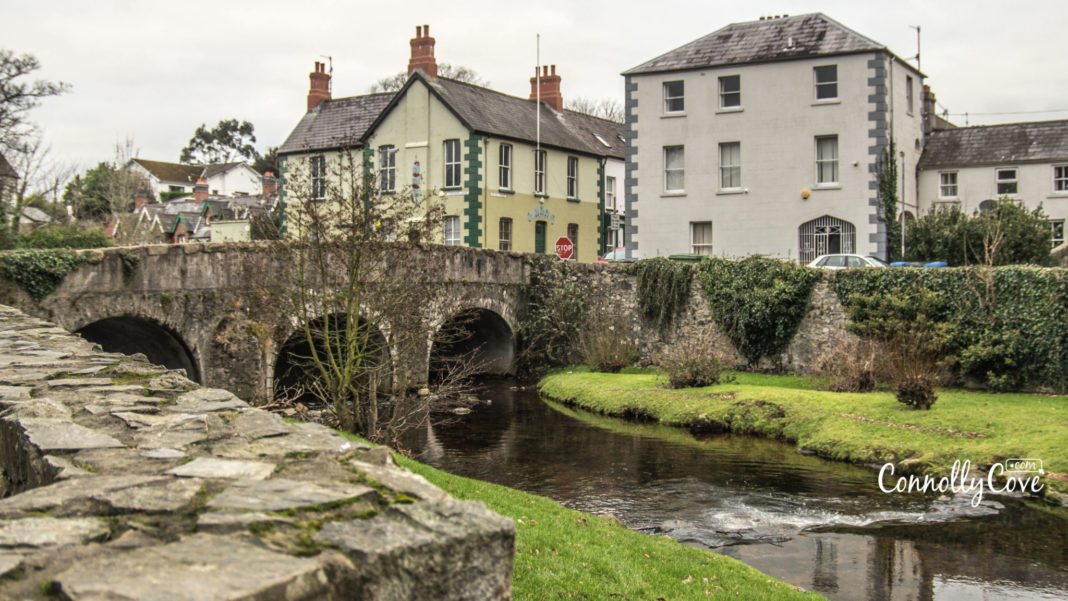
At the southern entrance to the Mourne Mountains and alongside the shores of Carlingford Lough lies the village of Rostrevor, a small quaint village in County Down, Northern Ireland. It is located between Newry & Kilkeel Lough, nine miles away from Newry. Kilbroney River runs through the village.
History of Rostrevor
The village dates back to 1612 when Sir Edward Trevor married Rose Ussher, the Archbishop of Armagh’s daughter, who is said to have had the village named after her. Earlier, in the sixteenth century, the village of Rostrevor was first known as Castle Rory or Castle Roe.
The name came in honour of Rory Magenniss, who built a fortress on the shores of Carlingford Lough. Beautiful walkways run through the Rostrevor Forest and Kilbroney Park. The village is famous for its mild weather and majestic scenery, which makes it a perfect destination for tourism, in addition to its spectacular forest park.
From the Fairy Glen – you can cross into Kilbroney Park and Forest –
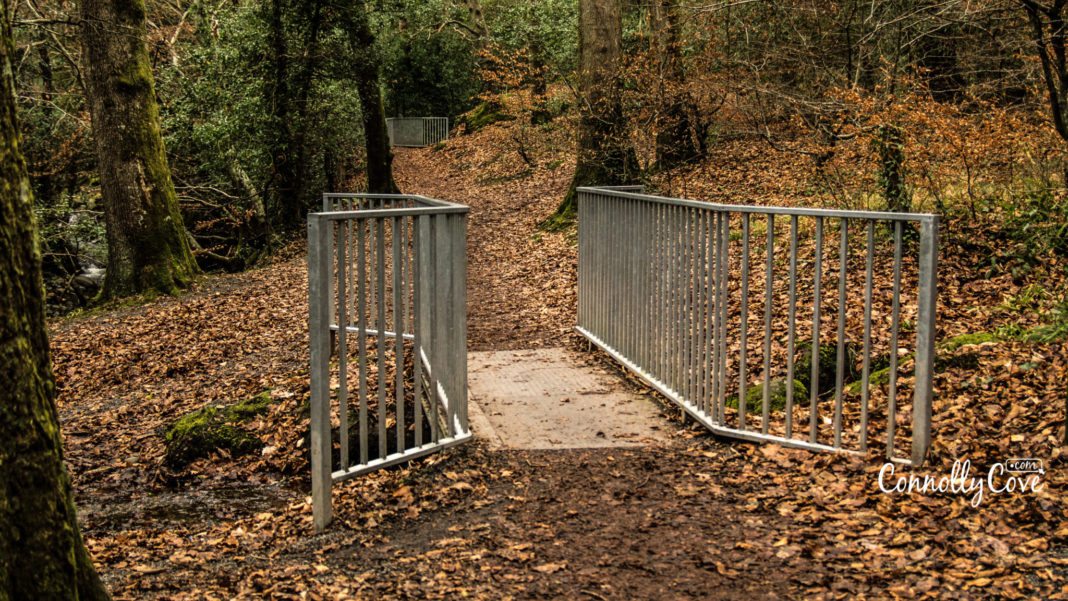
After a rest – onwards 🙂 Plenty of places to discover yet!
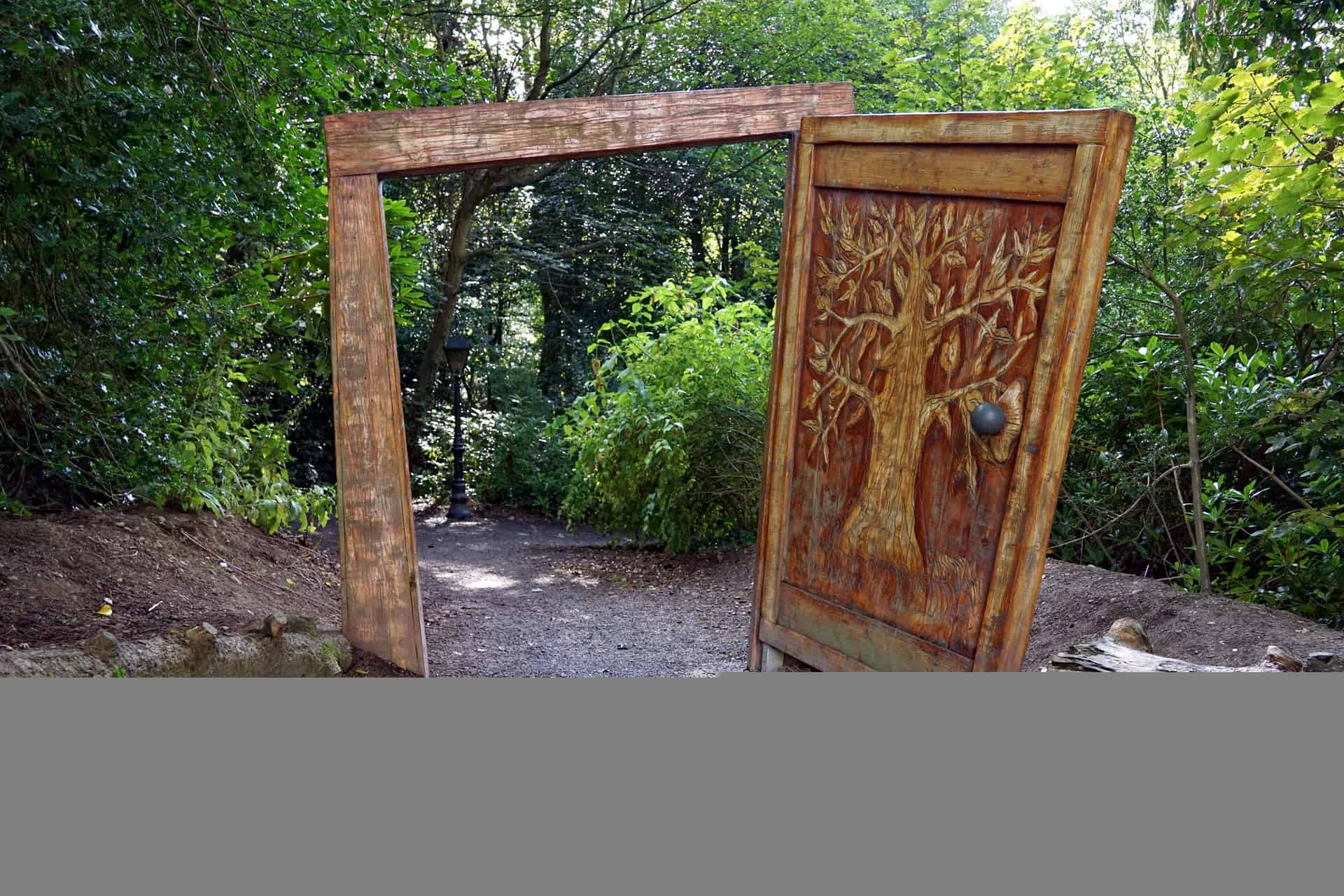
In Kilbroney Park, you will come across a CS Lewis Narnia Trail if you go to the front of the main building/cafe. Here you will find scenes from the most famous CS Lewis books. Of course, you need to travel through the wardrobe!
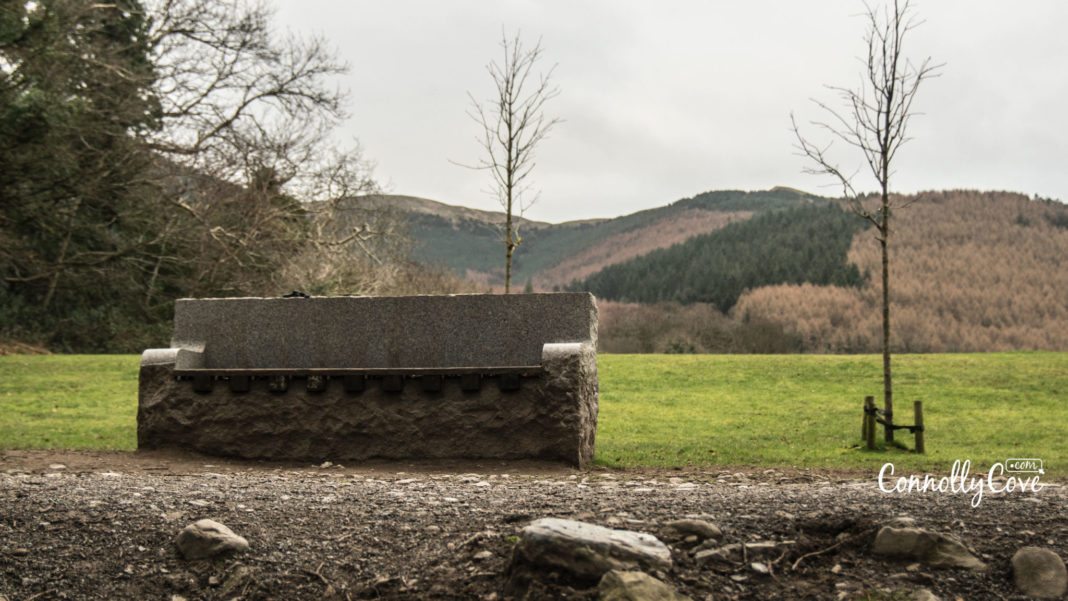
There is no doubt that some of the world’s greatest writers/storytellers come from the island of Ireland. Louis MacNeice, Samuel Beckett, Seamus Heaney, Brian Friel and C.S. Lewis are just a few. In Kilbroney Park you will come across the C.S. Lewis Narnia Trail if you go to the front of the main building/cafe. There you will find scenes from the most famous C.S. Lewis books. C.S. Lewis was greatly inspired by the Mourne Mountains, Northern Ireland.
C.S Lewis Square
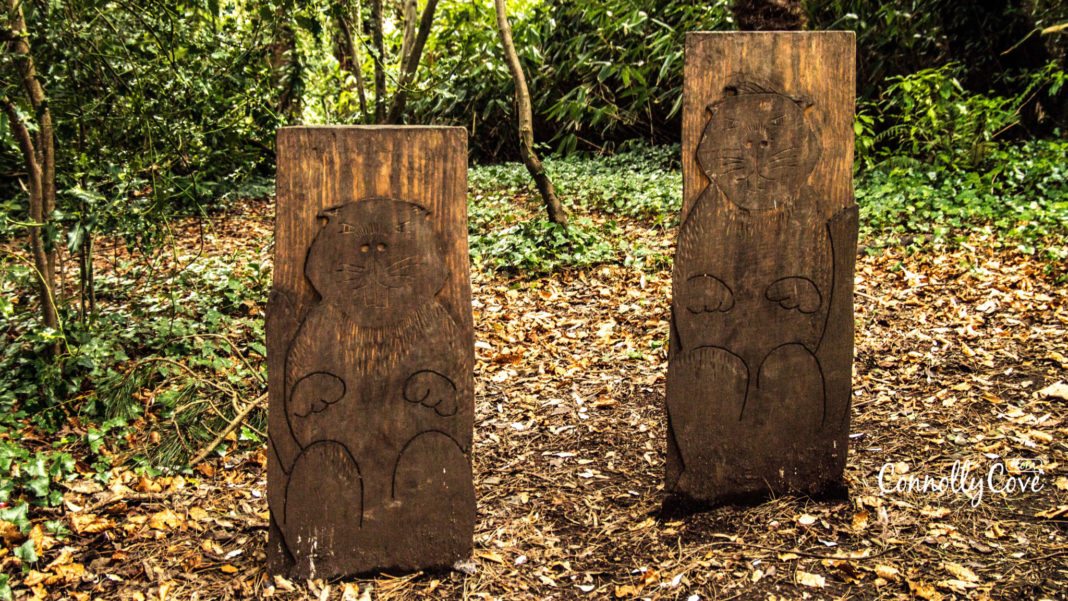
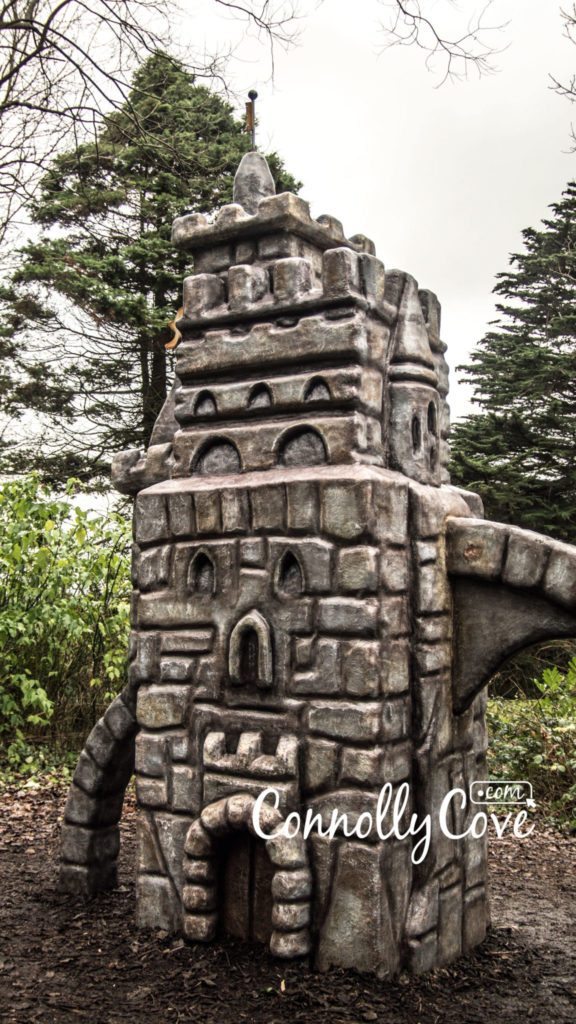
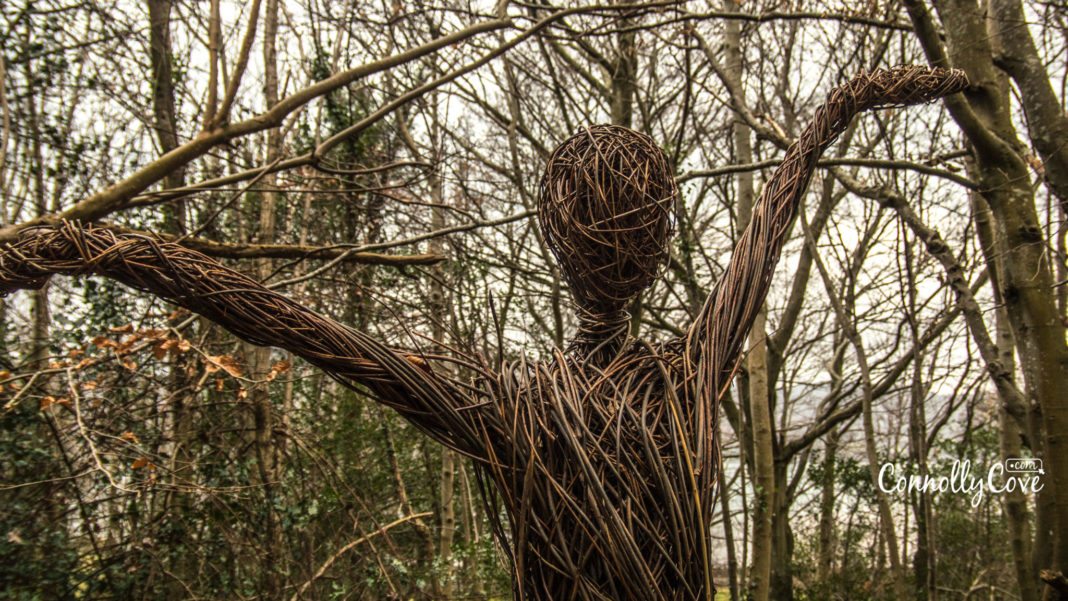
At C.S. Lewis Square are seven sculptures made by Maurice Harron, an Irish artist, each based on characters from Lewis’s books. Characters from The Lion, the Witch and the Wardrobe, published in 1950, include Aslan, Maugrim, Mr and Mrs Beaver, the Robin, the White Witch, the Stone Table and Mr Tumnus. Moving on through the wardrobe, you will find stations with themes from Lewis’s books: The Tree People, The Citadels, The Beavers’ House, the Witch’s Castle and more!.
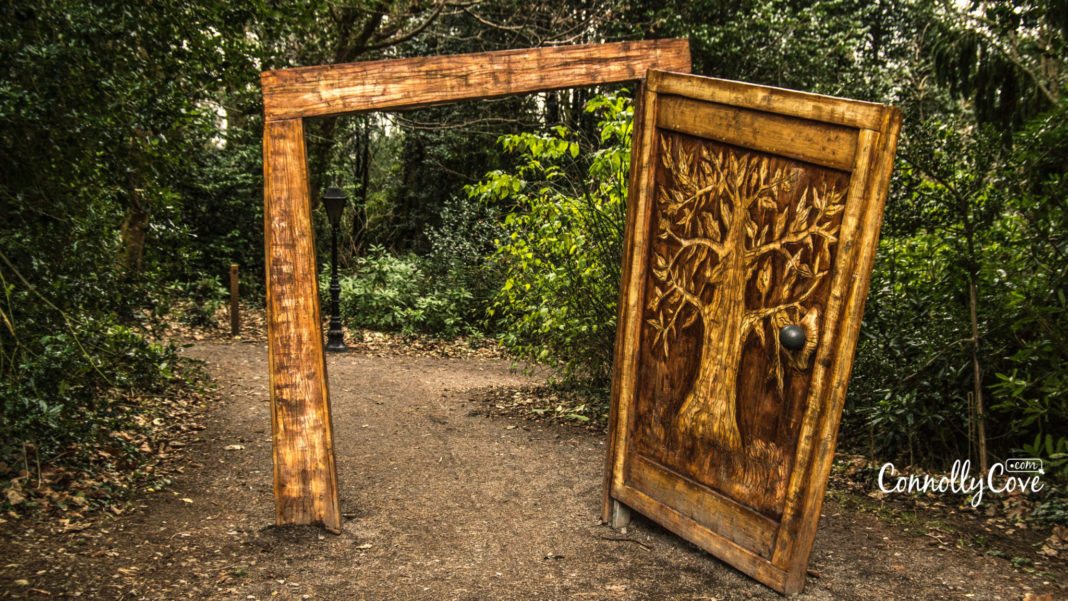
On reaching the lamppost, you need to decide….right, left or turn back!!
Seating fit for kings, maybe? Do you know what book this is from? A great place for a family photo!
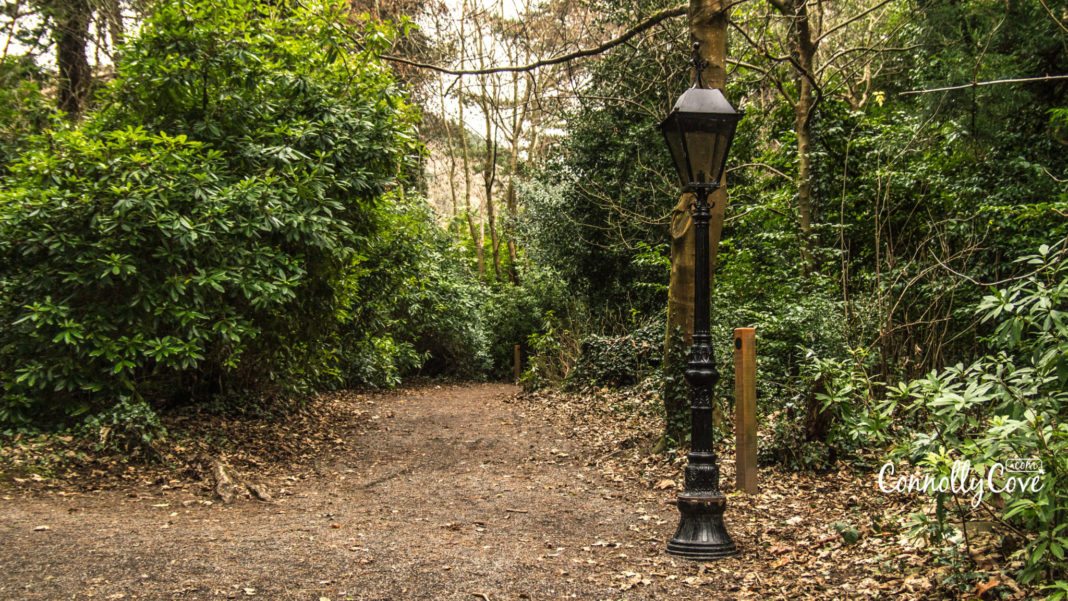
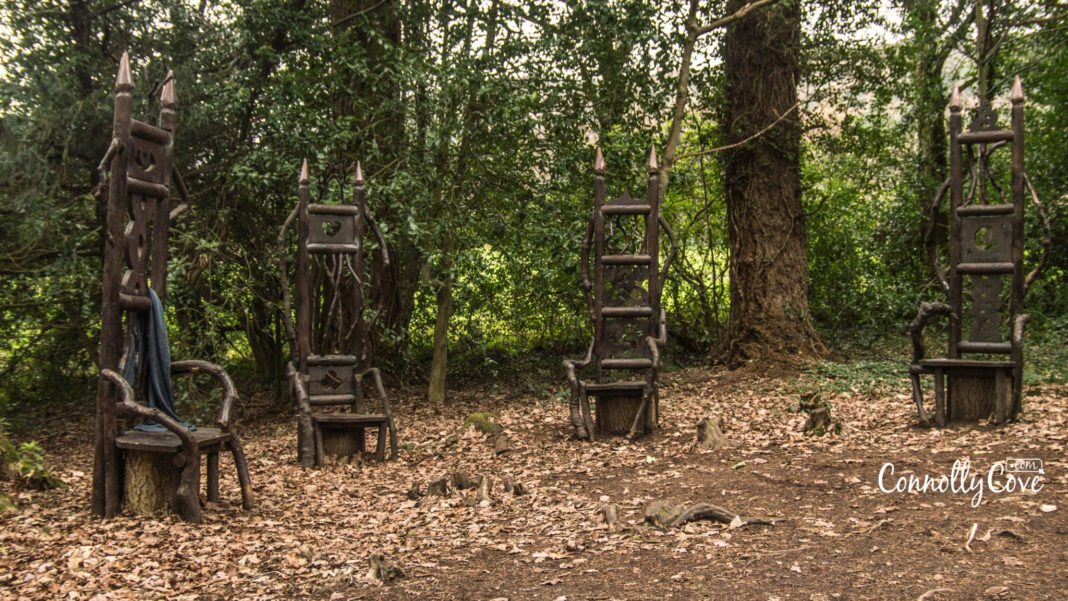
Looking carefully, you may find the famous Mr & Mrs Beaver – who are statues again!
Watch out for the Witch Witch’s Castle – Queen Jadis was here too!
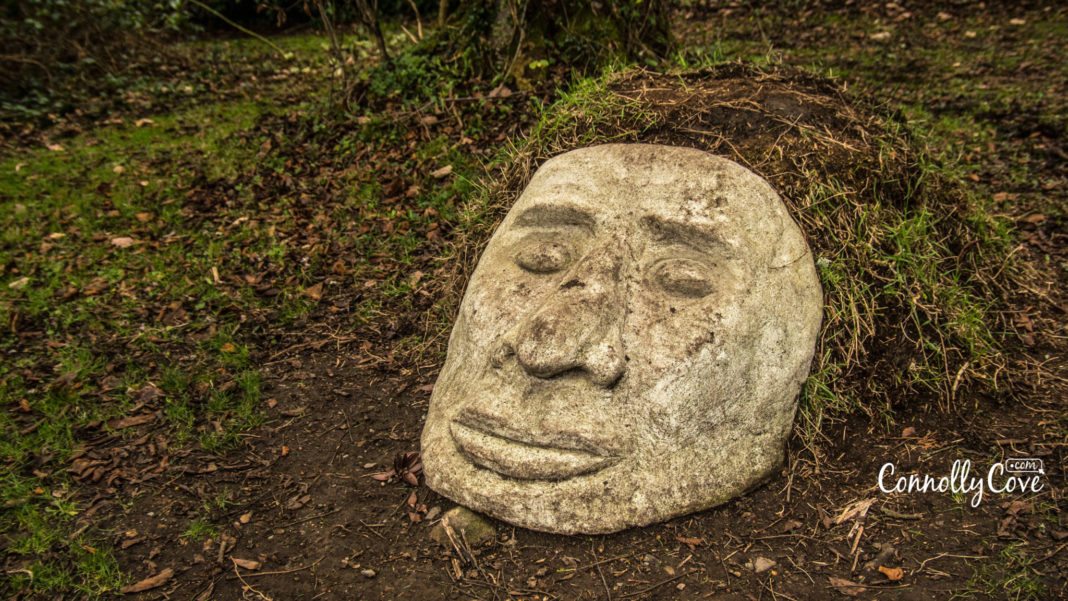
Friend or foe? Underland maybe?
or what about the Tree People?
Amazing work 🙂
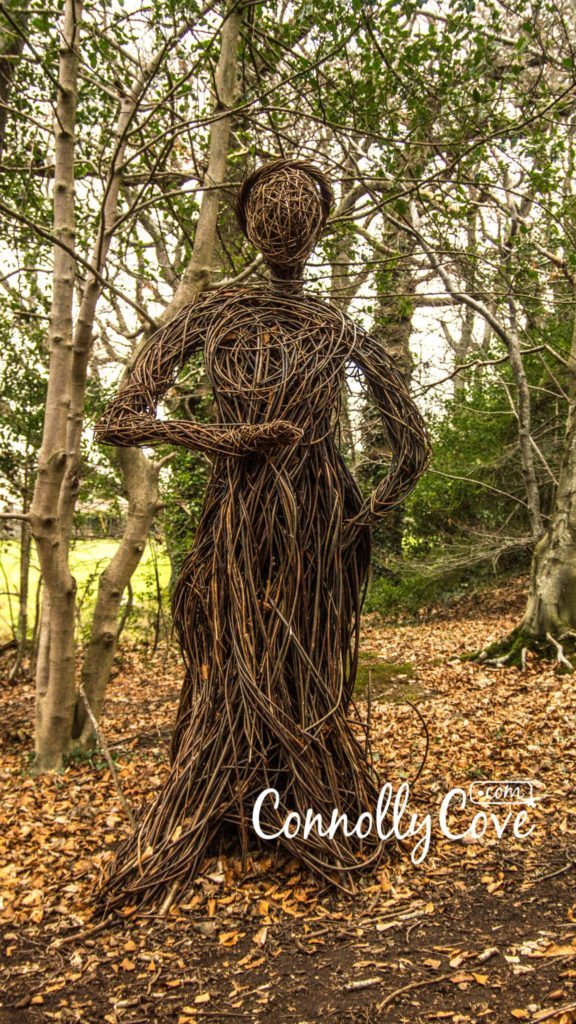
In Lewis’s essay, On Stories, he wrote, “I have seen landscapes, notably in the Mourne Mountains and southwards which under a particular light made me feel that at any moment a giant might raise his head over the next ridge”. Describing the Mournes in County Down as a magical, mesmerising place, Lewis also says, “I yearn to see County Down in the snow, one almost expects to see a march of dwarfs dashing past. How I long to break into a world where such things were true”. For him, these locations were of big inspiration for Narnia. He further says, “That part of Rostrevor which overlooks Carlingford Lough is my idea of Narnia”.
Wow! After getting lost with CS Lewis – it’s time to head back to the park – and do some walking ( or climbing! ) up the mountains…
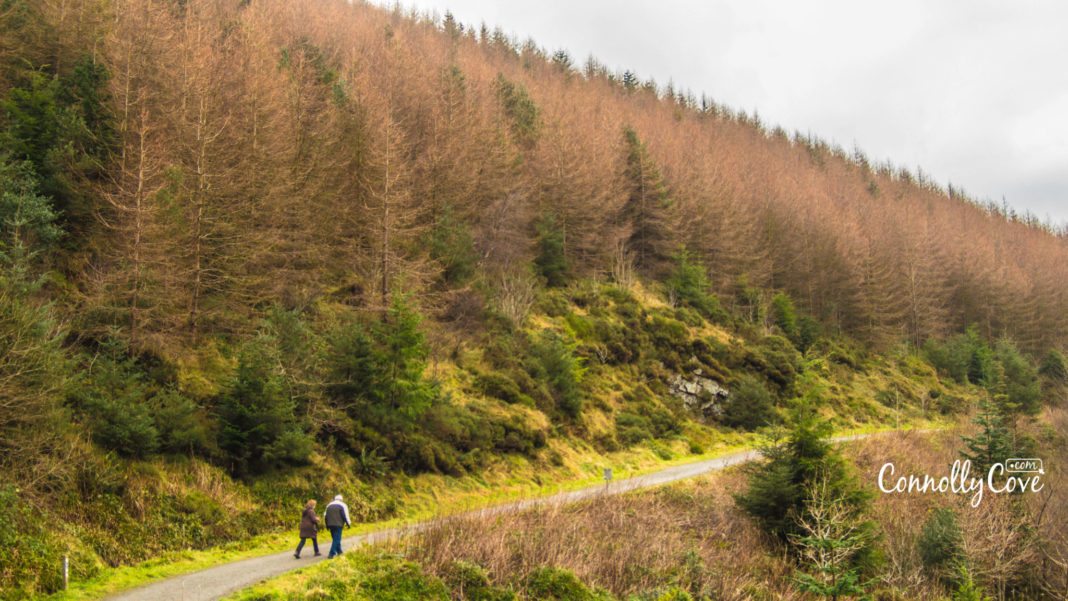
But it is worth it!
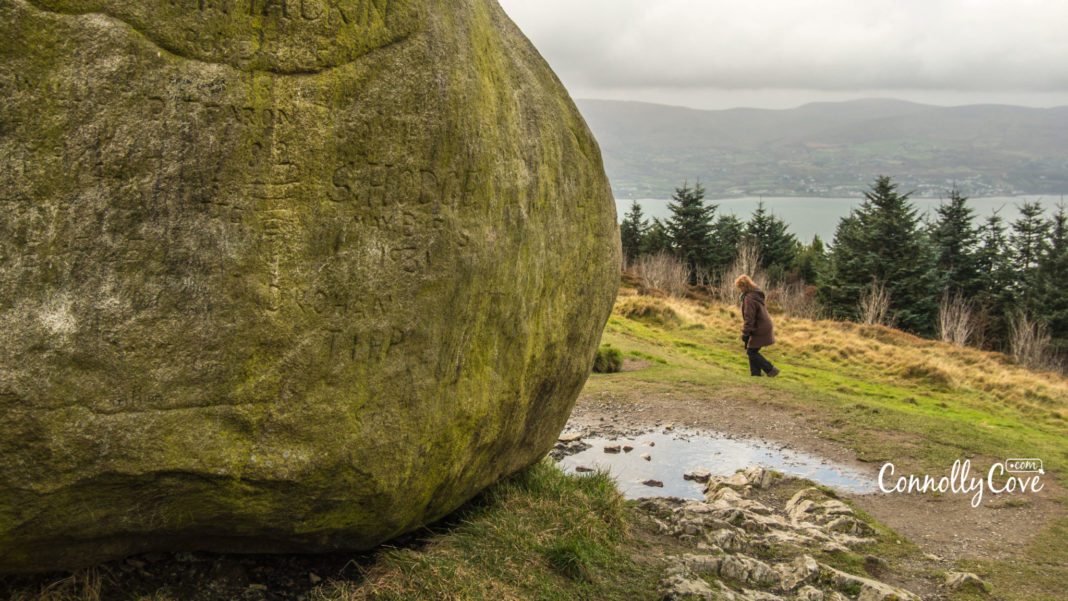
Amazing views of the Lough, Rostrevor, Warrenpoint and more!
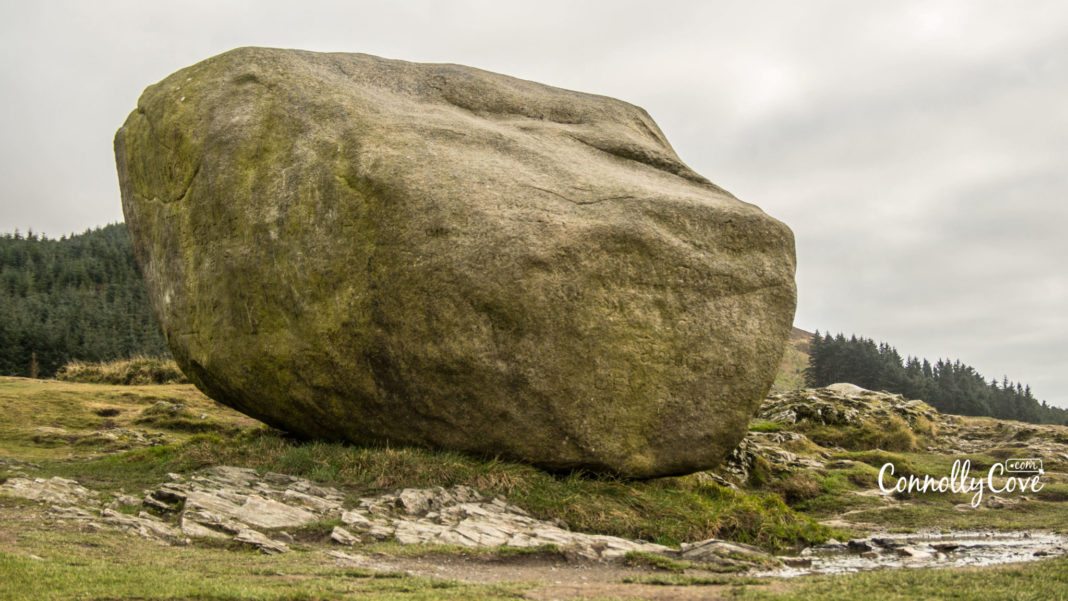
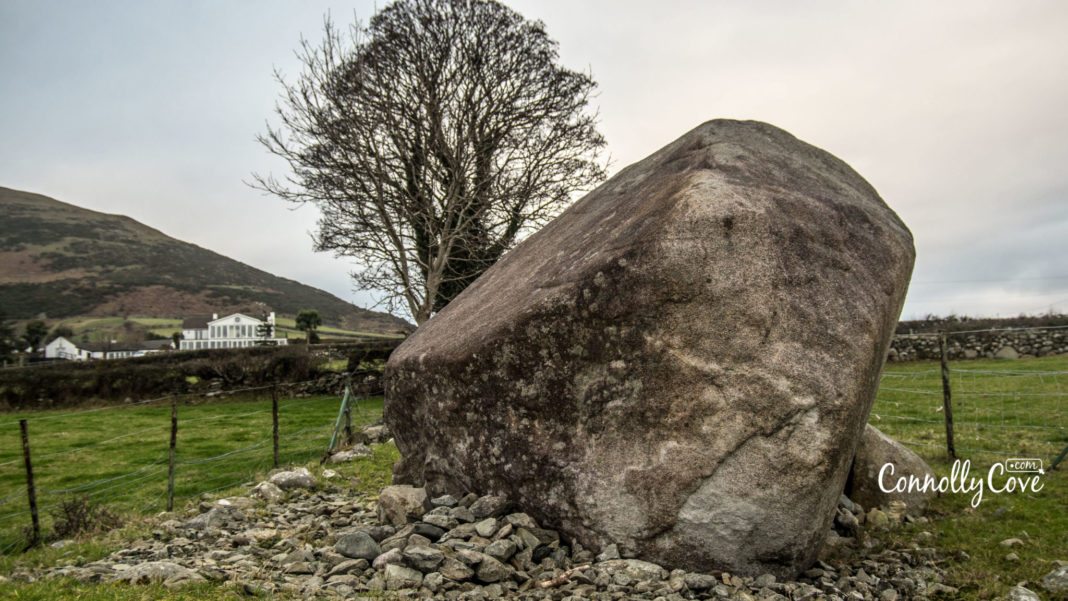
Throughout the village, we can find interesting historical sites with rich folklore, such as the Cloughmore (also known locally as the Big Stone), which is a huge erratic syenite boulder resting atop a hill a thousand feet high over Rostrevor village, County Down, Northern Ireland. Cloughmore originates from the Irish Chloch Mhór, meaning the enormous stone.
The huge boulder weighs 50 tons of mass. It varies in height from five to eight feet and has a circumference of thirty-eight feet. It overlooks the fields, forests and mountains of County Louth and County Armagh, as well as the waters of Carlingford Lough. It is believed that it was transported from Scotland, specifically an island in Strathclyde Narrows. It was probably dropped on the mountain slopes by a glacier thousands of years ago.
Legend of Finn Maccumhaill
Legend has it that the Cloughmore stone was thrown by a giant named Fionn MacCumhaill (anglicised to Finn McCool). Who were a mythical Irish warrior and son of Cumhaill, leader of the Fianna warriors who were a group of mercenaries. The tale says that once upon a time, Finn McCool hunted a wild boar across Slieve Foy Mountain in Carlingford and cooked it over the mouth of a volcano that erupted long before but still retained enough heat for cooking. He then went to sleep, and as he woke up, he saw another giant named Ruscaire at the Carlingford Lough below. Wearing a white shield and carrying a sword in one hand and a club in the other.
He challenged Giant McCool, who called himself the Giant of Summer, saying he was the cock of the North, the Giant of Snow and Ice, the enemy of the human race and that he was ready for a fight if Finn McCool wanted to. They both dared each other, which led to a battle. They drew their swords and fought day and night. As giant McCool was sleeping, on the third day, Ruscaire seized his chance, crossed the Lough and stole McCool’s sword. However, he did not kill him in his sleep, for he had some honour.
Finn McCool then woke up to find his sword had been stolen, which aroused his anger. He threw stones at Ruscaire, starting a battle of rock firing. The battle eventually ended with McCool throwing the Cloughmore stone, a 50-ton rock, with all his might at Ruscaire. It landed over him, ending his life. His crushed body lay beneath the stone, later on melted like ice. McCool, exhausted from the fight, laid down on top of the mountain and his feet in the Lough, and never woke up.
Over time his huge body turned into stone forming the top of the mountain. The outline of his body is still there up to this day, and you may be able to make out the silhouette of a giant on top of the mountain. This is just one of many interesting Irish legends that explain how our island was formed. You can read more in our article dedicated to the most famous Irish myths and legends!
The Ross Monument
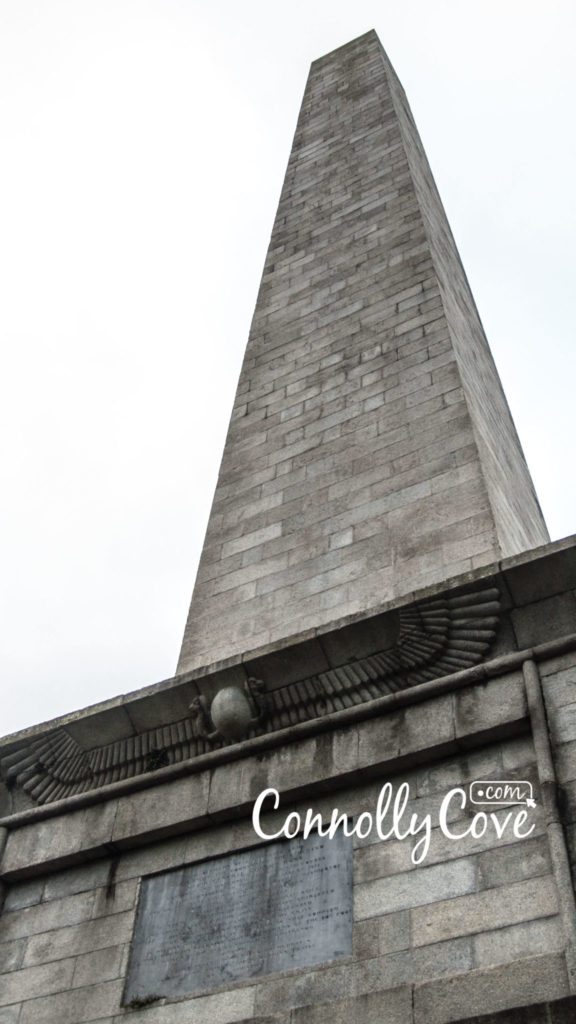
When you have enough of the heights – head down to the Lough shore, and you will find an impressive site called Ross Monument which also has a great story behind it. Ross monument is an obelisk in Rostrevor village, County Down. The monument is located in almost the same place where General Robert Ross, an Anglo-Irish officer, had planned to establish his retirement home after his safe return from his expedition to America in 1814.
Delving deep into the history of Rostrevor, General Robert Ross played a crucial role when the British forces won their first victory over Napoleon’s forces at the Battle of Maida in 1806. He also developed an amazing career during the Peninsular War in Europe. His death in Baltimore in 1814 inspired the lyrics of the Star-Spangled Banner, the national anthem of the United States of America.
Let’s take a look at what the inscription on the obelisk says:
OBELISK COMMEMORATES MAJ GEN ROBERT ROSS (1766–1814), KILLED AT NORTH POINT, BALTIMORE, USA, AND WAS ERECTED BY HIS FELLOW OFFICERS AND THE NOBILITY AND GENTRY OF COUNTY DOWN, ‘AS A TRIBUTE TO HIS PRIVATE WORTH AND A RECORD OF HIS MILITARY EXPLOITS’
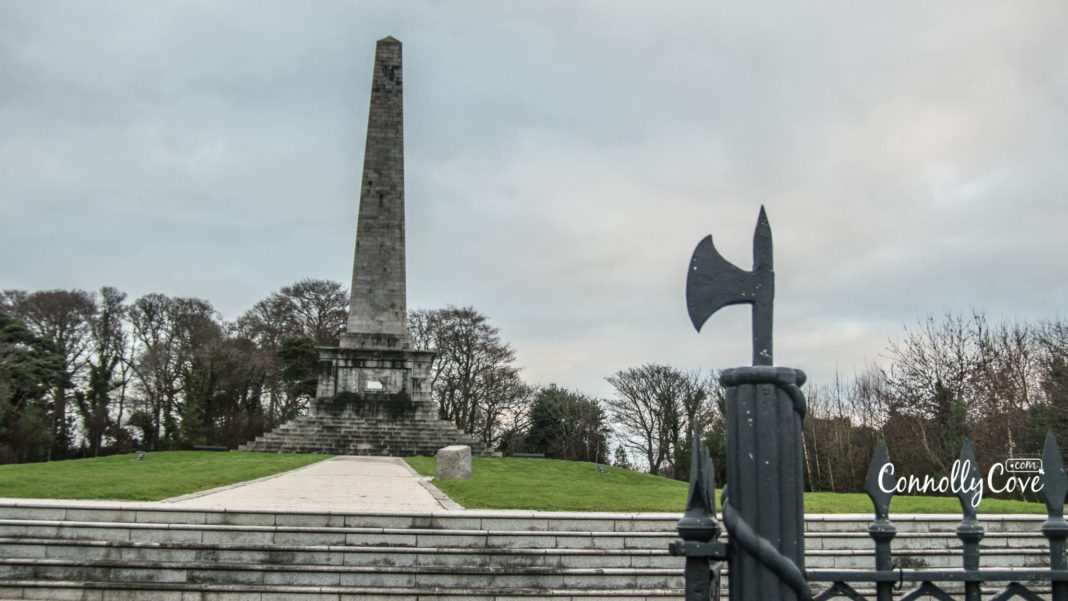
An imposing site.
Historical Sites Around the Area
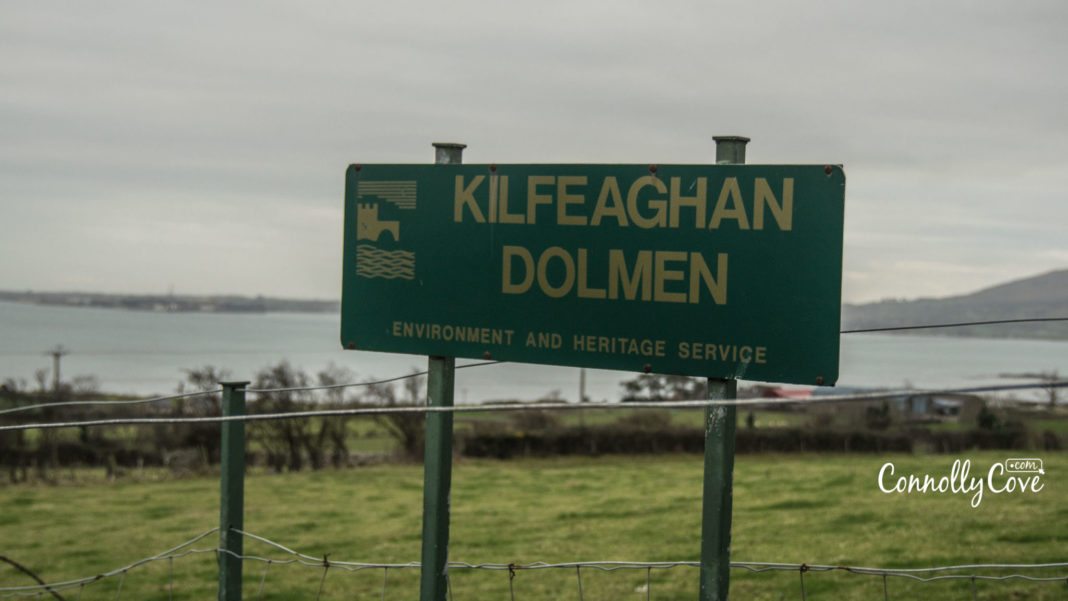
There are even more historical sites dotted around Rostrevor, such as Kilfeaghan Dolmen three miles away from Rostrevor on the Kilkeel road. Kilfeaghan Dolmen is a Neolithic portal tomb, around 4500 years old, situated on a farm overlooking Carlingford Lough, with a chamber covered with a huge capstone weighing about 35 tons and is 8.2 feet high. The capstone rests on two portal stones, partly sinking into the ground.
The whole structure rests on a massive cairn at least 49 feet long. The portal-dolmen is made of granite. Recent excavations in the area uncovered bone and pottery.If you still have time – there are even more historical sites dotted around Rostrevor – but I think it will take a few days to stay to see them all!
If you want to explore Ireland virtually, you can check out our favourite legendary Irish castles and the stories behind them!
Landmarks in Rostrevor
Among the beautiful landmarks in Rostrevor we visited is St Bronagh’s Church (Cillbhronaigh in Irish). It is situated in the Kilbroney Graveyard. It is a beautiful edifice with a lofty tower and pinnacles. The ruins of the old church are located on Hilltown road, about half a mile north-east of Rostrevor village, where a white bell from the 6th century and a stony cross known as Kilbroney Celtic High Cross, dating back to the 8th century were found in the adjacent chapel yard years ago.
St Bronagh’s Bell is now displayed at the local Catholic Church in the area. Folklore entails that prayers will be answered if you pray to Bronagh and ring the bell three times. Even though no written historical records of St Bronagh’s life survived, she set an excellent example of the faith and devotion of the Irish people. She was known as the Virgin of Glen-Seichis (the ancient name for the now-called parish of Kilbroney, which bore different denominations throughout history).
Back to the cross, it is 8.2 feet high, covered with fine, intricate, low-relief fretwork, more reminiscent of metal or manuscripts than stone. It dates back to the eighth century and is thought to mark St Bronagh’s grave. Another cross in the Kilbroney Graveyard is a small granite cross surrounded by shrubs.
The Hidden Bell of Bronagh
The Hidden Bell of Bronagh is one of the many interesting things found in Kilbroney, Rostrevor. After the decease of the convent, a bell could be heard ringing on stormy nights. A legend says that this ringing was a warning to seafarers on Carlingford Lough. It was also suggested that the ringing came from the old graveyard, whereas another tale attributed it to stories of fairies and banshees.
The bell was only discovered in 1839 when a big storm hit the countryside, causing extensive damage to buildings and trees, including an old tree in the Kilbroney Graveyard, which fell and a bell was found within its split trunk. The bell is said to have belonged to St Bronagh and was used to summon the nuns for prayers. We can find the bell now in the Catholic Church in Rostrevor.
On the site, there is also a healing well said to cure eye and throat diseases, as well as the grave of Giant Murphy, an 8 feet 1-inch tall giant who was the tallest in the world at his time.
More photos of our favourite place in Rostrevor – the Fairy Glen 🙂 Click on them on enlarge – hope you enjoy them!
Rostrevor witnessed the birth of several great figures besides Major General Robert Ross, including Sir Francis William Stronge, a senior British diplomat born to a distinguished Irish family in Balleskie and Mary McAleese, the former President of Ireland.
Not only are there many historically rich tourist sites to visit here, but also activities to engage in. Rostrevor is a haven for mountain bikers. The Rostrevor Mountain Bike Trails powered by Chain Reaction Cycles offer some challenging mountain biking on the shores of Carlingford Lough. Hikers will also love the many trails around Rostrevor, there are so many beautiful routes to choose from!
Restaurants in Rostrevor – Top 10 Restaurants Rostrevor
After a day of exploring everything that Rostrevor has to offer, you can sit back and relax with a delicious meal! Why not check out some of the following spots in Rostrevor and the surrounding area:
The Old Schoolhouse
Where: Church St, Rostrevor, Newry BT34 3BA
Opening Hours:
- Monday – 9am-5pm
- Tuesday – 9am-5pm
- Wednesday – 9am-5pm
- Thursday – 9am-5pm
- Friday – 9am-9pm
- Saturday – 9am-9pm
- Sunday — 9am-6pm
The Old Schoolhouse is a cosy café and bistro with six menus suitable for all occasions, catering for breakfast, lunch and Afternoon Tea. There is also the shack menu which offers a range of wood-fired pizzas, wings and fries, as well as the evening Bistro menu and Sunday lunch menu.

The Rostrevor Inn
Where: 33-35 Bridge Street, Rostrevor BT34 3BG
Opening Hours:
- Breakfast – 9 am-11 am, 7 days a week (seasonable)
- Lunch
- Thursday-Saturday 12.30 pm – 3 pm
- Dinner
- Wednesday-Saturday 5.30 pm – 9 pm
- Sunday’s
- All Day Service 12.30 pm – 8 pm
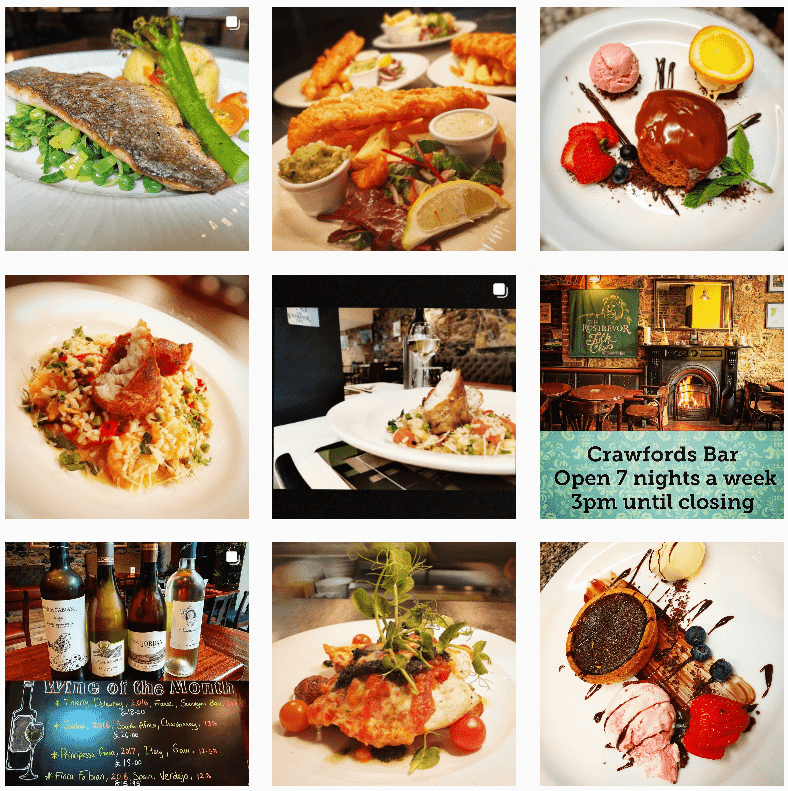
- Crawford’s Bar Opening Hours: 3 pm – Close daily
If you are looking for great food and somewhere to stay in Rostrevor, then the Rostrevor Inn may be perfect for you! The refurbished 18th-century building has been serving drinks since the mid-1800s. The Inn itself has a charming traditional Irish bar and a great bistro.
Its location is undefeated, nestled at the entrance to the Fairy Glen and Kilbroney Park, and the staff are more than happy to help you arrange activities during your stay! If you prefer to stay in the pub, live music, local craft gin/craft beer, and delicious food that is simple but beautifully cooked are sure to keep you entertained.
There is an emphasis on serving locally produced food as well as fresh seafood caught on the nearby shores.
The Church
Where: The Church, Cloughmore Road, Rostrevor, BT34 3EL
Opening Hours:
- Monday – 10 am – 5 pm
- Tuesday – Closed
- Wednesday – 10 am – 5 pm
- Thursday – 10 am – 5 pm
- Friday – 10 am – 8 pm
- Saturday – 10 am – 8 pm
- Sunday – 10 am – 6 pm
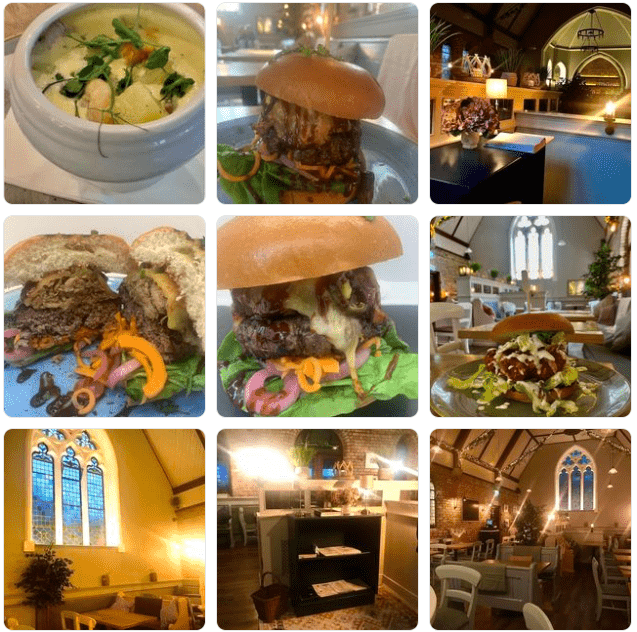
The Church is a family-run café and Bistro situated in Rostrevor. This is a unique experience as visitors will dine in a church-styled building complete with stained glass windows and a high ceiling.
Synge & Byrne
Where: Kilbroney Forest Park, 80 Shore Road, Rostrevor, BT34 3AA
Opening Hours:
- Monday – Sunday | 9 am – 5 pm
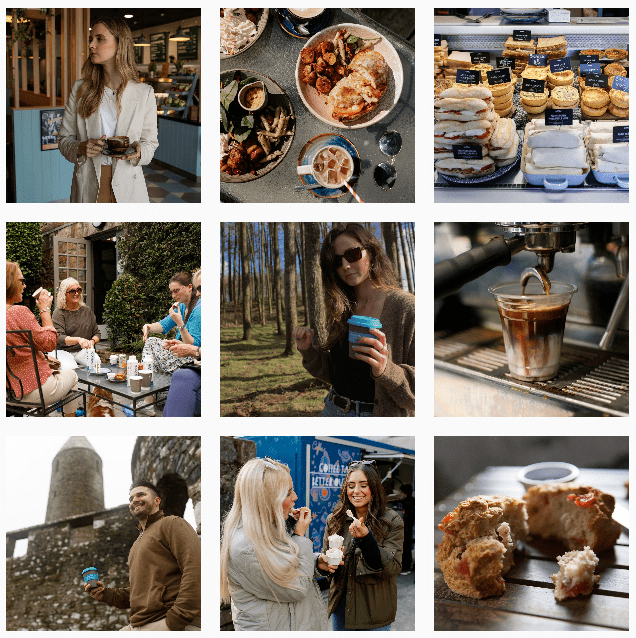
You may already be familiar with Synge and Byrne (they have many locations around the island of Ireland), but the Rostrevor branch is worth a visit if you are in the area. A family-run business by all accounts, Synge & Byrne strives to combine the best of modern coffee with traditional Irish food that can’t be topped, such as a fresh slice of warm soda bread.
The philosophy of cooking here is simple; real food with great flavour is the team’s mission. The menu revolves around honouring traditional recipes while enhancing them where possible by embracing the new and exotic. The team are also constantly moving towards a menu that is 80% wholefood plant-based, so if you are health conscious, this may be a good place to try out!
Cloughmór Inn
Where:
2 Bridge Street, Rostrevor, BT343BG
Opening Hours: Everyday 9 am – 5 pm
If you are looking for a nice beer garden, live music or a good spot to watch the game, CloughmórInn may be perfect for you!
Fulla Beans Coffee & Food Bar
Where: 1 Church Street, Warrenpoint BT34 3HN Northern Ireland
Opening Hours:
- Monday – 9 am – 3 pm
- Tuesday – 9 am – 3 pm
- Wednesday – 9 am – 3 pm
- Thursday – 9 am – 3 pm
- Friday – 9 am – 3 pm
- Saturday – 9 am – 3 pm
- Sunday – 10 am – 3 pm
Fulla Beans is a great place to stop in for a coffee during your cycle around the area. The family-run business offers everything from delicious and filling breakfasts, to healthy lunches and hearty soups as well as a hot food menu for those wishing to have an early dinner. Like many eateries in Rostrevor, all ingredients are fresh and locally sourced, even the Grade A coffee beans are locally roasted!
Cyclists and mountain bikers will be happy to know that there are plenty of railings outside, as well as coat/helmet racks, puncture repair kits and all of the best local information on trail areas!

Raymie’s Seafood Bar and Grill
Where:
4 Duke Street, Newry, BT343JE
- Monday CLOSED
- Tuesday CLOSED
- Wednesday 5 pm – 9 pm
- Thursday 5 pm – 9 pm
- Friday – Saturday 5 pm – 9.30 pm
- Sunday 12.30 pm – 8 pm (Sunday Lunch Menu Available until 4 pm)
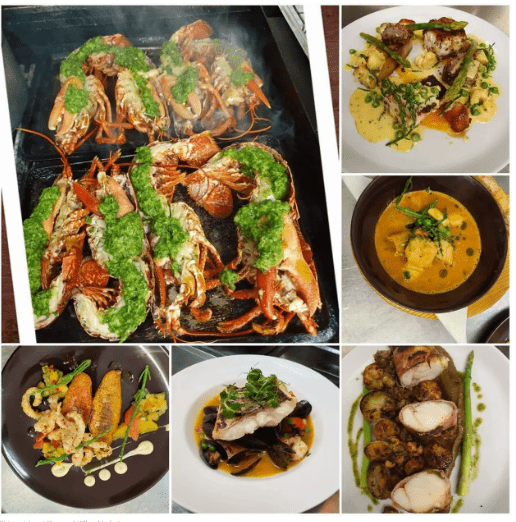
Fresh seafood dishes sourced from Kilkeel harbour is served at Raymies Seafood Bar and Grill. Located about 9.6 miles or just under a 20 minute drive, Raymies is worth a visit for those who love seafood. With amazing seafood specials, a range of 35 days dry aged steaks and delicious deserts, there is truly something for everyone to enjoy!
Leafy Greens & Co.
Where: 8 Mary Street, Newry, United Kingdom
Opening Hours:
- Monday – CLOSED
- Tuesday – 8 am – 5 pm
- Wednesday – CLOSED
- Thursday – 8 am – 5 pm
- Friday – 8 am -5 pm
- Saturday – 9 am – 5 pm
- Sunday – CLOSED
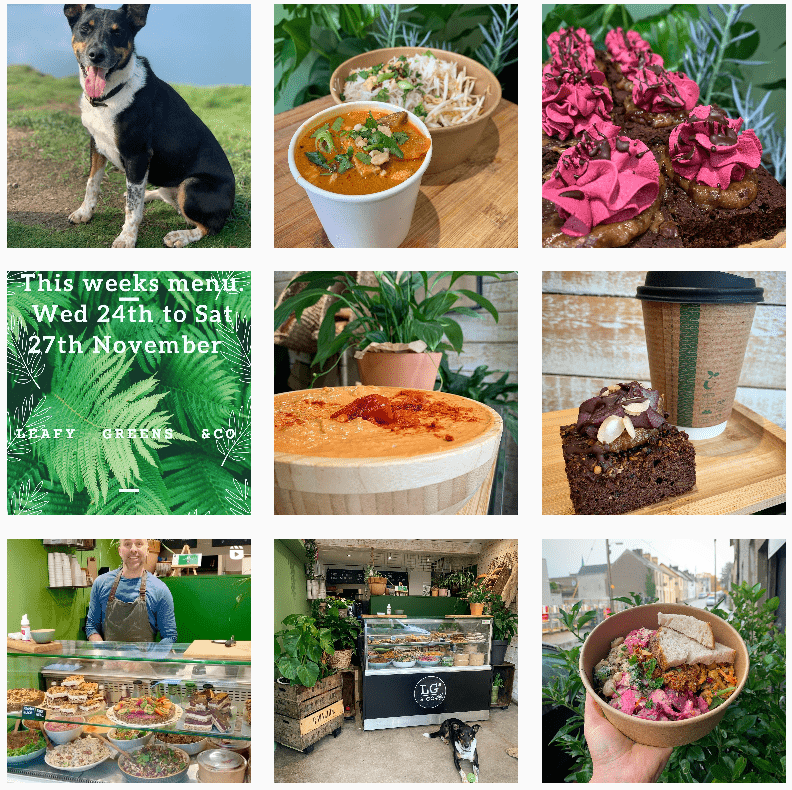
If you are looking for fresh, delicious plant-based food, Leafy Greens & Co. may be the best place to check out in the Rostrevor area. All food is 100% plant based, with gluten free and refined sugar free options! As the restaurant uses fresh produce, the menu changes weekly to make use of the best of in season produce. In general you can expect hearty soups, delicious salad combinations and tasty dinners including curries and burritos as well as filling rice bowls and creamy veg bakes.
Diamonds Restaurant
Where:
9-11 The Square, Warrenpoint
- Monday – 9 am – 7.30 pm
- Tuesday – 9 am – 7.30 pm
- Wednesday – 9 am – 7.30 pm
- Thursday – 9 am – 7.30 pm
- Friday – 9 am – 8.15 pm
- Saturday – 9 am – 9 pm
- Sunday – 9 am – 8.15 pm
A family style restaurant focusing on serving delicious food, Diamonds restaurant is one of the many eateries in the Rostrevor area to be awarded the TripAdvisor Traveller’s Choice Award! There is an extensive menu which should be able to suit specific dietary requirements.
The Kilbrony Bar and restaurant
Where: 31 Church Street, Rostrevor BT34 3BA
Bar and restaurant Opening Hours (kitchen may close earlier):
- Monday – 11.30 am – 12 am
- Tuesday – 4 pm – 12 am
- Wednesday – 4 pm – 12 am
- Thursday – 4 pm – 12 am
- Friday – 12.30 pm – 1 am
- Saturday – 11.30 am – 1 am
- Sunday – 11 am – 12 am
This family run bar & restaurant is the perfect place to enjoy home cooked meals with a few pints in a country pub atmosphere. There is even live music every Saturday night and Sunday afternoon!
Final Thoughts:
So have you been to Rostrevor? If not – why!!
Where have we missed from this list – please do let us know ( so we have an excuse to visit again! )
Also, don’t forget to check out our other blogs that might interest you related to this Rostrevor article: Rostrevor Fairy Glen| Glens of Antrim| The Gruffalo Trail| Narnia Trail| CS Lewis| CS Lewis Square|

The Ultimate Guide for London One Day Tours!
England
27/04/2024

Key Insights: Global Medical Tourism Statistics and Market Growth Analysis
Travel Statistics
26/04/2024
The Irish Mafia: A Closer Look at Organised Crime Syndicates
History and Heritage
26/04/2024

The Ultimate Guide to Eating Out in Ireland: Tips and Recommendations
Food and Cuisine
26/04/2024
Plan Your Perfect Trips to Northern Ireland: A Guide to the Best Tours and Vacation Packages!
Northern Ireland
26/04/2024