


A Night Owl’s Guide: 5 London Nightlife Haunts
Updated On: February 08, 2024 by  Yasmin Elwan
London, a city known for its rich history, cultural diversity, and iconic landmarks, also boasts a nightlife scene that pulses with energy and excitement after the sun sets. From chic cocktail bars to pulsating nightclubs and intimate live music venues, London offers something for every nocturnal adventurer.
In this blog post, we delve into the captivating world of London nightlife, exploring its evolution, diversity, and cultural significance. Join us as we embark on a journey to uncover the hidden gems and iconic hotspots that make London’s after-hours scene truly unforgettable.
Diversity in Venues
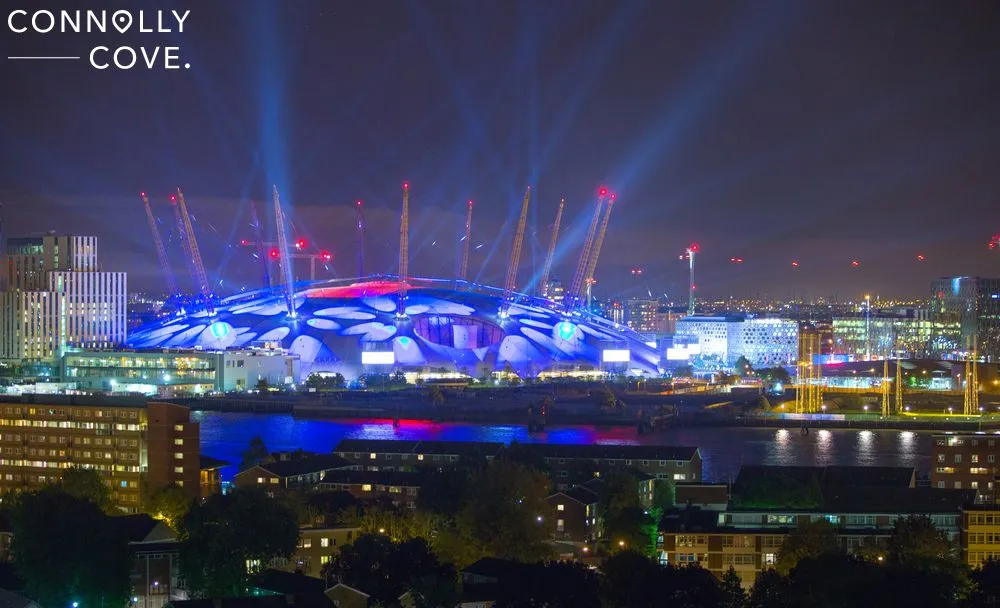
London’s nightlife scene is as diverse as the city itself, offering an array of venues to suit every taste and preference. Whether you’re in the mood for an intimate jazz club, a high-energy nightclub, or a cosy pub, London has it all. Here, we explore the different types of venues that contribute to the city’s vibrant after-hours culture:
Clubs and Bars
London boasts a thriving club scene, with venues catering to a wide range of musical tastes, from electronic dance music to hip-hop and R&B. Iconic clubs such as Fabric in Farringdon and Ministry of Sound in Southwark are renowned for their world-class DJs and state-of-the-art sound systems.
For those seeking a more laid-back atmosphere, the city is also home to a plethora of stylish cocktail bars and speakeasies. From classic establishments like The American Bar at The Savoy to trendy rooftop bars like Frank’s Café in Peckham, there’s no shortage of places to sip on expertly crafted cocktails and enjoy panoramic views of the city skyline.
Live Music Venues
London has a rich musical heritage, and this is reflected in its abundance of live music venues. From intimate jazz bars like Ronnie Scott’s in Soho to legendary rock venues like The Roundhouse in Camden, music lovers are spoiled for choice when it comes to catching a live performance.
In addition to traditional concert venues, London also boasts a vibrant busking scene, with talented musicians showcasing their skills on street corners and in subway stations across the city.
Theatres and Performance Spaces
London is world-renowned for its theatre scene, with West End productions drawing audiences from around the globe. From blockbuster musicals like “Les Misérables” and “The Phantom of the Opera” to cutting-edge dramas and comedies, there’s always something exciting happening on London’s stages.
In addition to traditional theatre productions, the city is also home to a variety of alternative performance spaces, including immersive theatre experiences, experimental art galleries, and pop-up performance venues.
Unique Nightlife Experiences
Beyond the traditional club and bar scene, London offers a wealth of unique nightlife experiences. From themed pop-up events and underground parties to immersive dining experiences and interactive cocktail classes, there’s always something new and exciting to discover in the city after dark.
Whether you’re exploring the hidden corners of East London’s warehouse districts or dancing the night away on a boat cruising down the Thames, London’s nightlife scene is full of surprises and delights for the adventurous spirit.
London Nightlife Hotspots
In addition to its diverse array of venues, London is also defined by its distinct nightlife districts, each offering its own unique atmosphere and experiences. From the glitz and glamour of the West End to the vibrant street culture of Shoreditch, these districts serve as epicentres of nocturnal activity, drawing in locals and visitors alike.
Soho
Soho, London, pulses with a nightlife energy unlike any other. It’s a chameleon, shedding its skin each evening to reveal a new persona. Step into its labyrinthine streets, and you’ll find hidden jazz bars where smoky vocals intertwine with clinking glasses, opulent cocktail dens dripping with chandeliers and laughter, and electrifying dance floors vibrating with basslines that thrum through your bones.
Dive into Decadence
Wander down cobbled alleys and stumble upon speakeasies disguised as vintage barbershops, their passwords whispered behind crimson curtains. Inside, bartenders in suspenders mix concoctions that would make Gatsby himself blush, each sip a journey through secret histories and forgotten stories.
Unleash Your Inner Rockstar
Soho’s music scene is a smorgasbord of genres. Belt out anthems in raucous karaoke bars, sway to soulful jazz standards in candlelit clubs or headbang to pulsating beats that echo through underground music havens. Let the rhythm guide your feet, and lose yourself in the electric atmosphere.
Where Bohemia Meets Buzz
Soho’s soul lies in its vibrant LGBTQ+ community. Drag queens rule the stage with dazzling wit and fierceness while inclusive dance floors welcome all to celebrate under the disco ball’s kaleidoscope glare. It’s a place where individuality reigns and self-expression takes centre stage.
Beyond the Buzz
But Soho’s magic extends beyond the bars and clubs. Late-night comedy shows tickle your funny bone, while hidden theatres showcase avant-garde performances that push boundaries and spark conversations. Grab a slice of steaming pizza from a corner shop, or savour gourmet delights at hidden restaurants tucked away in forgotten courtyards.
A Night You Won’t Forget
Soho’s nightlife is an intoxicating blend of history, music, and rebellion. It’s a place where laughter mingles with whispered secrets, and chance encounters blossom into lifelong memories. So step into the neon-drenched labyrinth, let the music guide you, and prepare for a night that will leave you wanting more. Just remember, what happens in Soho stays in Soho… at least until the next sunrise.
Shoreditch
Nestled in the heart of East London, Shoreditch has earned its reputation as one of the city’s most vibrant and eclectic neighbourhoods, boasting a nightlife scene that is as diverse as it is dynamic. From its gritty industrial past to its current status as a hub of creativity and innovation, Shoreditch has undergone a remarkable transformation in recent years, attracting artists, entrepreneurs, and nightlife enthusiasts from around the world.
At the heart of Shoreditch’s nightlife landscape lies its bustling streets, where historic warehouses and Victorian-era buildings have been transformed into hip bars, clubs, and pop-up venues. Here, you’ll find everything from underground speakeasies and rooftop bars to immersive dining experiences and cutting-edge cocktail lounges, each offering its own unique take on London’s after-hours culture.
Shoreditch’s Artistic Vibes
One of the defining features of Shoreditch’s nightlife scene is its emphasis on creativity and innovation. From street art installations adorning the walls to experimental performance spaces pushing the boundaries of traditional entertainment, Shoreditch is a playground for the adventurous spirit. Dive into the vibrant street culture, where impromptu street performances and late-night markets add an extra layer of excitement to the nocturnal experience.
For music lovers, Shoreditch offers a diverse array of live music venues catering to every taste and genre. Whether you’re into indie rock, electronic beats, or underground jazz, you’ll find plenty of options to satisfy your musical cravings. Catch a live performance at iconic venues like Cargo, The Old Blue Last, or Village Underground, where up-and-coming artists share the stage with established acts in intimate settings.
Shoreditch’s Culinary Carnival
But Shoreditch’s nightlife isn’t just about bars and clubs – it’s also a melting pot of culinary delights, with a thriving food scene that spans the globe. From trendy food markets serving up gourmet street food to Michelin-starred restaurants pushing the boundaries of gastronomy, Shoreditch offers a culinary journey like no other. Sample mouthwatering dishes from around the world, indulge in artisanal cocktails and immerse yourself in the vibrant energy of this dynamic neighbourhood.
Whether you’re a seasoned local or a curious visitor, Shoreditch offers an unforgettable nightlife experience that captures the essence of London’s creative spirit. Soak in the atmosphere, embrace the diversity, and let Shoreditch guide you on a journey through the sights, sounds, and flavours of one of London’s most iconic neighbourhoods after dark.
Camden Town
Nestled in the heart of North London lies Camden Town, a vibrant and eclectic neighbourhood renowned for its thriving nightlife scene. As the sun sets, Camden transforms into a bustling playground for music lovers, artists, and free spirits alike. From legendary live music venues to quirky bars and late-night markets, Camden offers an unforgettable nocturnal experience that captures the essence of London’s alternative culture.
At the heart of Camden’s nightlife is its iconic music scene, where historic venues like the Roundhouse and Electric Ballroom host electrifying performances by both emerging artists and established bands. Dive into the pulsating beats of indie rock, punk, and electronic music echoing through the streets as Camden’s live music venues come alive with energy and excitement.
But Camden’s nightlife isn’t just about the music – it’s also a celebration of art, creativity, and self-expression. Wander through the labyrinthine streets adorned with vibrant street art and graffiti, where every corner tells a story, and every alleyway hides a hidden gem. Immerse yourself in the bohemian atmosphere of Camden’s bars and pubs, where eclectic decor, quirky cocktails, and friendly locals create a welcoming haven for night owls and adventurers.
For those seeking a taste of the unconventional, Camden’s late-night markets offer a sensory feast of flavours from around the world. From sizzling street food stalls serving up mouthwatering dishes to vintage clothing shops and artisanal crafts, Camden’s markets are a treasure trove of delights waiting to be discovered after dark.
West End
Camden Town is a vibrant and eclectic neighbourhood in London that is known for its bohemian atmosphere and lively nightlife. The area is home to a variety of bars, clubs, and music venues that cater to a diverse crowd of locals and tourists alike.
One of the most popular nightlife destinations in Camden Town is the Electric Ballroom. This iconic venue has been around since the 1930s and has hosted some of the biggest names in music over the years. With three floors of music, each with its own DJ, the Electric Ballroom is the perfect place to dance the night away.
Another great spot for nightlife in Camden Town is Simmons Bar. Located right next to the Camden Town tube station, this bar is known for its quirky decor and fun atmosphere. With top-quality drinks and fabulous DJs, Simmons Bar is the perfect place to unwind after a long day of exploring the city.
If you’re looking for something a bit more rock and roll, check out The Underworld. This legendary venue has been around since the 1980s and has hosted some of the biggest names in rock and metal. With a capacity of 500 people, The Underworld is the perfect place to catch an intimate show with your favourite band.
Finally, if you’re looking for a unique nightlife experience in Camden Town, check out Duo London. This boutique venue is spread over two floors and boasts a stunning upstairs bar and restaurant that hosts a variety of creative events, including extravagant party brunches and immersive dinners. Venture downstairs to the basement nightclub for the very best in themed events and one-off specials.
Southbank
Southbank is a bustling neighbourhood in London that is known for its cultural richness and vibrant atmosphere. The area is home to a variety of bars, restaurants, and attractions that cater to a diverse crowd of locals and tourists alike.
If you’re looking for a fun night out in Southbank, there are plenty of options to choose from. Here are some of the most popular nightlife destinations in the area:
- Soho Zebrano: This cocktail bar is known for its quirky decor and fun atmosphere. They also offer cocktail classes.
- All Bar One Waterloo: This stylish city bar is perfect for catching up with friends or unwinding after work. They offer a great selection of food and drinks.
- Salsa – Soho: This lively Latin-themed bar is perfect for a night of dancing and partying. They also serve delicious tacos and sharing platters.
- Thirst Bars: This funky bar chain serves drinks alongside sushi dishes and snacks. They also have a DJ playing a host of tunes.
Tips for Nightlife Exploration
London’s nightlife scene is a vibrant tapestry woven with diverse districts, pulsating music, and unforgettable experiences. But before diving headfirst into the neon abyss, a touch of planning can ensure your night unfolds smoothly and safely. Here’s your guide to navigating the city’s after-dark adventures:
Planning Your Night Out
- Know Your Vibe: Are you craving an intimate cocktail bar, a high-energy club, or a live music haven? Research neighbourhoods and venues that align with your mood and preferences. Utilise websites like DesignMyNight or Time Out London for curated listings and reviews.
- Pick Your Poison (Responsibly): Establish your budget and drinking limits beforehand. Remember, London isn’t the cheapest city, so factor in drink prices and set realistic spending goals.
- Assemble Your Crew: Going out with friends can elevate the experience. However, respect individual preferences; not everyone enjoys the same vibe.
- Pre-book if Necessary: Popular venues, especially on weekends, often require reservations. Secure your spot in advance to avoid disappointment, especially for larger groups.
Transportation Options
- The Tube: London’s extensive Underground network operates until late at night (around 1:30 am on weekends), making it a convenient and affordable option. Plan your journey beforehand using apps like Citymapper to avoid confusion.
- Night Buses: These operate throughout the night, covering areas not serviced by the Tube. However, journey times might be longer, and safety concerns can arise in certain areas. Use your judgment and travel in groups if possible.
- Black Cabs: While comfortable and convenient, they are the most expensive option. Consider sharing with others to split the fare.
- Ride-hailing Apps: Uber and Lyft operate in London, offering another flexible option. Be mindful of surge pricing during peak hours.
Dress Code and Etiquette
- Dress for the Occasion: While London is generally relaxed, some venues have dress codes. Research beforehand to avoid entry denial. Upscale bars might require smarter attire, while clubs often favour a trendy or fashionable look.
- Respect the Space: Be mindful of noise levels, especially in residential areas. Avoid shouting, loud phone conversations, or blocking entryways.
- Tipping: Tipping is not mandatory in London but customary. A 10-15% tip for good service is appreciated.
- Queue Etiquette: Queues are a London staple. Respect your place, avoid queue-jumping, and be patient – everyone wants to get in eventually!
Safety Precautions
- Stay Together: Especially late at night, stick with your group and avoid wandering off alone, especially in unfamiliar areas.
- Be Mindful of Your Belongings: Keep valuables like wallets and phones secure, preferably in a close-fitting bag or hidden pocket.
- Pace Yourself: Drink responsibly and know your limits. Avoid overindulging and alternate alcoholic drinks with water or soft drinks.
- Trust Your Gut: If a situation feels uncomfortable or unsafe, leave immediately and don’t hesitate to ask for help from venue staff or security personnel.
- Plan Your Return: Decide on your transportation back home beforehand. Book taxis in advance if necessary, or ensure you know the last Tube or night bus timings.
By following these tips, you can navigate London’s vibrant nightlife scene with confidence, ensuring a safe, enjoyable, and unforgettable experience. Remember, the key is to plan, be responsible, and embrace the diverse offerings this incredible city has to offer!
Whether you find yourself lost in the neon-lit streets of Soho or the bustling markets of Camden, one thing remains constant: the allure of London’s nocturnal playground, inviting us to revel in its magic and embrace the endless possibilities of the night. As we reflect on the sights, sounds, and tastes of London after dark, let us carry with us the spirit of adventure and discovery that defines the city’s nightlife, always ready to embark on new nocturnal escapades in the ever-evolving metropolis.

Exploring The Town of Carrickfergus
County Antrim
29/04/2024
Commercial Court: The Dazzling Lights of Belfast
Northern Ireland
29/04/2024

How to Make a Killy Kiss Cocktail By Killyhevlin Hotel
Northern Ireland
28/04/2024

Middle East Travel Statistics from 2019 to Now
Middle East
28/04/2024

Exploring the Rich Heritage of Mining in Ireland
History and Heritage
28/04/2024