
The salt-tinged breeze that drifts across the golden sands of Omaha Beach carries with it the weight of history. Today, as peaceful waves lap against the shore, it’s almost impossible to imagine the chaos and courage that unfolded here on June 6, 1944. Yet this tranquil stretch of Normandy coastline stands as one of the most significant World War II landmarks in Europe—a place where the course of history changed forever.
At ConnollyCove, we’ve documented historical sites across Europe, but few places resonate with the same emotional power as Omaha Beach. Whether you’re planning a dedicated D-Day tour or incorporating this significant site into a broader French holiday, this comprehensive guide will help you experience Omaha Beach with the respect and understanding it deserves.
Table of Contents
Historical Significance: The Story of ‘Bloody Omaha’
Omaha Beach witnessed the deadliest fighting of D-Day, where American courage overcame devastating odds on June 6, 1944. Within hours, this golden stretch of Normandy sand became soaked with the sacrifice of young men who faced a wall of German fire. Their extraordinary bravery transformed certain defeat into a foothold that would ultimately lead to Europe’s liberation. Walking these shores today, it’s hard to imagine the chaos that unfolded here—a pivotal moment when history hung in the balance and ordinary soldiers accomplished the seemingly impossible.
The Atlantic Wall: German Defences at Omaha
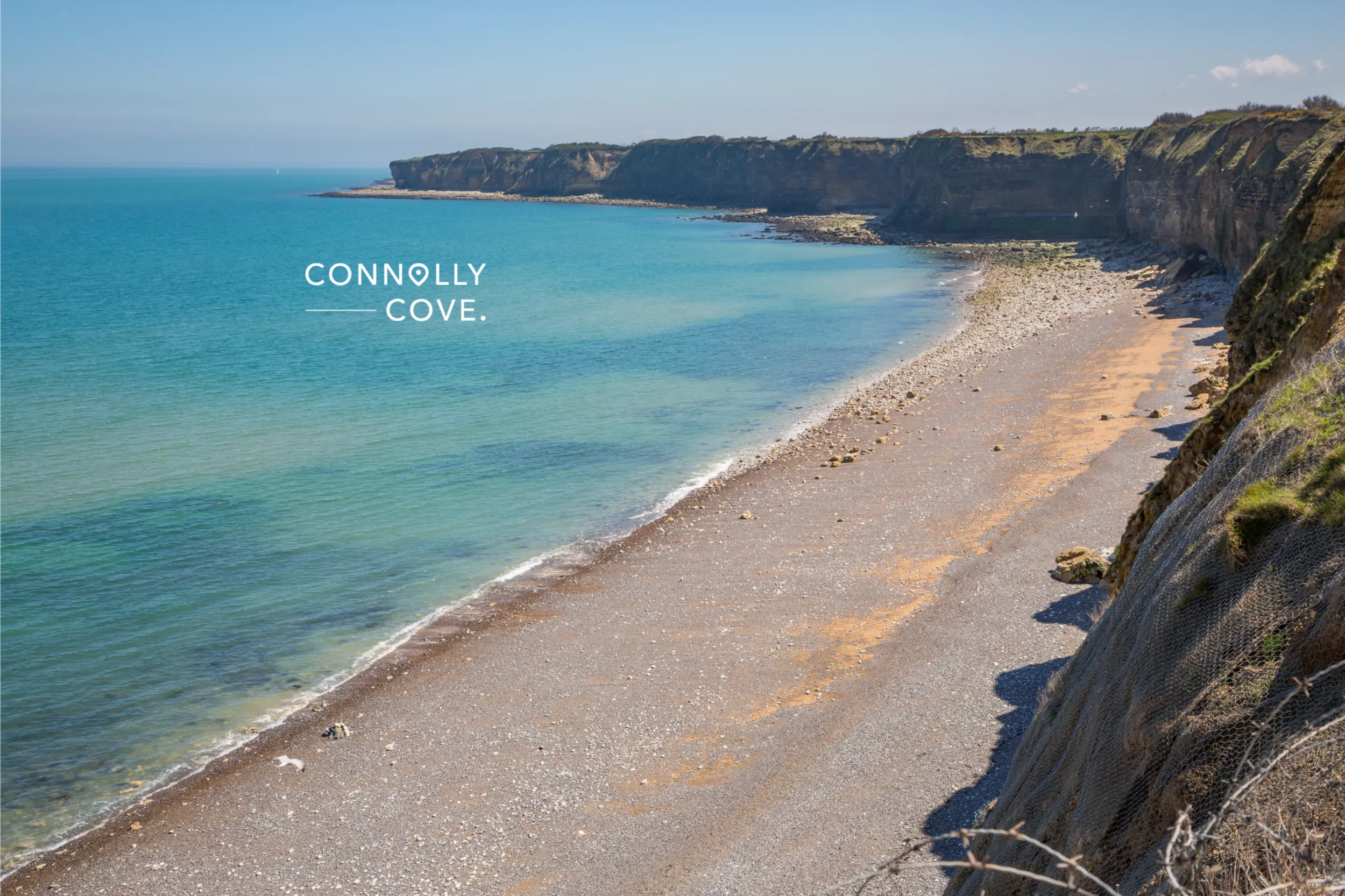
In early 1944, the Germans, anticipating an Allied invasion somewhere along the northern French coast, had fortified Omaha Beach as part of Hitler’s Atlantic Wall. The beach’s topography played perfectly into German defensive strategy. A crescent of sand approximately 7km long, backed by steep bluffs ranging from 30 to 50 metres high, created a natural amphitheatre of fire.
The German 352nd Infantry Division had established a network of concrete bunkers (Widerstandsnester or “resistance nests”), artillery positions, and machine gun emplacements along these bluffs. They had laid mines on the beach and placed obstacles in the water—’Belgian gates,’ tetrahedra, and hedgehogs—designed to rip out the bottoms of landing craft or force them to land at low tide, exposing troops to direct fire.
Unlike what Allied intelligence believed, the defenders were not low-quality static troops but experienced soldiers who had fought on the Eastern Front. This crucial intelligence failure would have devastating consequences.
The Landing: Operation Overlord Begins
At 06:30 on June 6, 1944, men of the U.S. 1st and 29th Infantry Divisions began landing on Omaha Beach. Almost immediately, the operation ran into severe difficulties:
- Naval bombardment had failed to neutralise German positions
- Amphibious DD tanks, meant to provide cover, mostly sank in the rough seas
- Strong currents pushed landing craft away from their intended zones
- The first waves faced the full force of German defences with minimal support
The result was devastating. Many soldiers were killed or wounded while still in their landing craft. Those who made it to the beach found themselves pinned down by intense machine gun and artillery fire, with minimal cover save for the seawall and natural shingle at the high-water mark.
“As our boat touched sand and the ramp went down, I became a visitor to hell,” recalled Sergeant Bob Slaughter of the 29th Infantry Division. This hellish scene would later earn Omaha its grim nickname: ‘Bloody Omaha.’
Turning the Tide: Individual Acts of Courage
Despite catastrophic casualties—over 2,000 American troops were killed, wounded, or missing—small groups of determined soldiers began making their way up the bluffs. Led by exceptional officers like Colonel George Taylor, who famously told his men, “Two kinds of people are staying on this beach: the dead and those who are going to die. Now let’s get the hell out of here,” they began infiltrating the German defences.
By mid-morning, U.S. destroyers had moved dangerously close to shore to provide direct fire support against German positions. By noon, the Americans had secured several paths off the beach, and by nightfall, they had established a tenuous foothold approximately 2km deep.
The victory had come at a terrible cost but had created the conditions for the eventual Allied triumph in Europe.
Essential Sites: Experiencing Omaha Beach Today
Standing on Omaha Beach today, you’re walking through living history where the peaceful shoreline belies its dramatic past. From the haunting “Les Braves” sculpture rising from the sand to the meticulously maintained American Cemetery overlooking the coast, each site tells a chapter of sacrifice and courage. These carefully preserved landmarks offer visitors a tangible connection to D-Day’s most challenging battle. Whether tracing the footsteps of soldiers at WN62 German strongpoint or reflecting among the 9,387 graves of the fallen, Omaha Beach’s memorials transform historical facts into profound personal experiences that resonate long after your visit.
The Beach Itself
The beach remains the centrepiece of any visit to Omaha. Walking along the same sand where thousands of young men fought and died creates a profound connection to history that no book or film can match. The wide, flat expanse looks deceptively peaceful today, making it all the more important to understand what happened here.
Several memorials dot the shoreline, most notably:
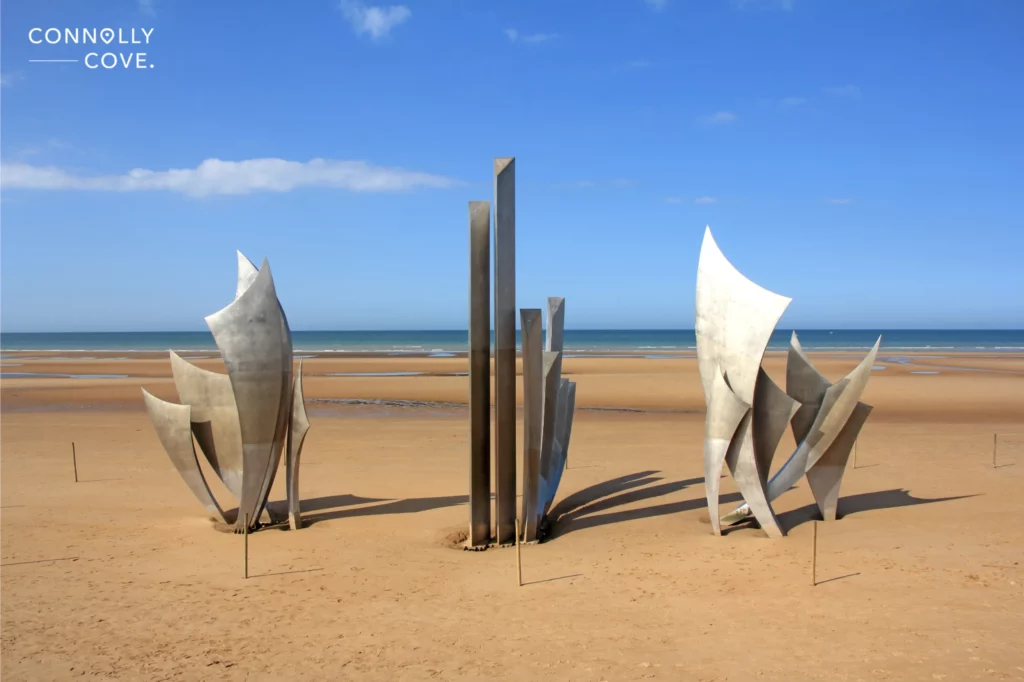
- Les Braves Sculpture: This striking stainless steel monument by Anilore Banon rises from the sand near Saint-Laurent-sur-Mer. Its three elements—”The Wings of Hope,” “Rise Freedom,” and “The Wings of Fraternity”—create a powerful tribute to the courage and sacrifice of the American soldiers.
- The 1st Infantry Division Monument: Located at the eastern end of the beach, this simple stone monument honours the “Big Red One,” which suffered heavy casualties during the landings.
Take time to simply stand on the beach and look up at the bluffs. The distance from the water’s edge to the German positions makes the accomplishment of the American troops all the more remarkable.
Normandy American Cemetery and Memorial
Perched on the bluffs overlooking the eastern end of Omaha Beach, the Normandy American Cemetery is perhaps the most moving site in the entire region. Here, 9,387 American military dead lie beneath immaculate rows of white marble crosses and Stars of David, most of whom lost their lives during the D-Day landings and subsequent operations.
Begin your visit at the excellent visitor centre, which provides crucial context through exhibits, photographs, and personal stories. Then proceed to the memorial area with its reflecting pool and semicircular colonnade. The bronze statue “Spirit of American Youth Rising from the Waves” captures the sacrifice of a generation.
As you walk among the graves, you’ll notice family members buried side by side, including the Niland brothers who inspired “Saving Private Ryan” and the Roosevelts (Brigadier General Theodore Roosevelt Jr. lies next to his brother Quentin, who died in World War I).
The cemetery is open daily from 9 a.m. to 5 p.m. (6 p.m. in summer). Entrance is free, but the experience is priceless.
Overlord Museum
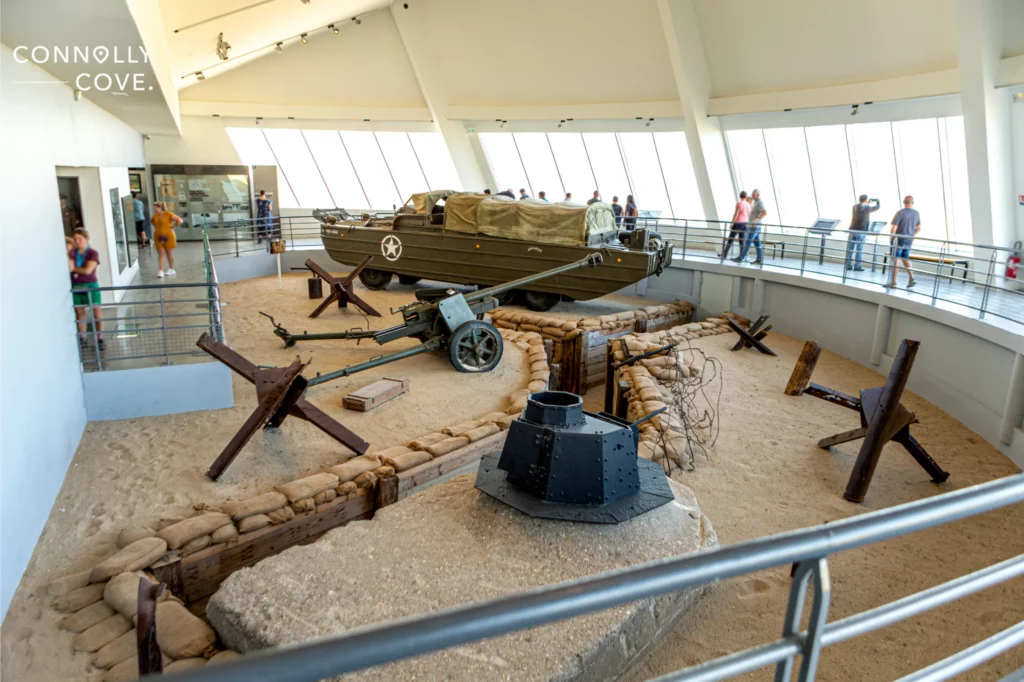
Located near the cemetery, the Overlord Museum houses an impressive collection of vehicles, uniforms, personal items, and weapons used during the Normandy campaign. Founded by Michel Leloup, who spent decades collecting artefacts, the museum provides a comprehensive overview of the military aspects of the battle.
The exhibits are well organised and informative, with both military equipment and personal effects that humanise the soldiers who fought here. The museum is particularly strong on armoured vehicles, including tanks, artillery pieces, and transport vehicles used by both Allied and German forces.
Omaha Beach Memorial Museum
Situated in Saint-Laurent-sur-Mer, this smaller museum focuses specifically on the events at Omaha Beach. Its collection includes weapons, uniforms, personal items, and vehicles, presented alongside detailed dioramas that help visitors visualise the landings.
What sets this museum apart is its more intimate scale and its focus on individual stories. The museum’s location in a former German communications bunker adds to the historical atmosphere.
WN62 German Strongpoint
Widerstandsnest 62 (WN62) was one of the most formidable German defensive positions on Omaha Beach. Located near Colleville-sur-Mer, it played a crucial role in the fierce resistance encountered by American troops.
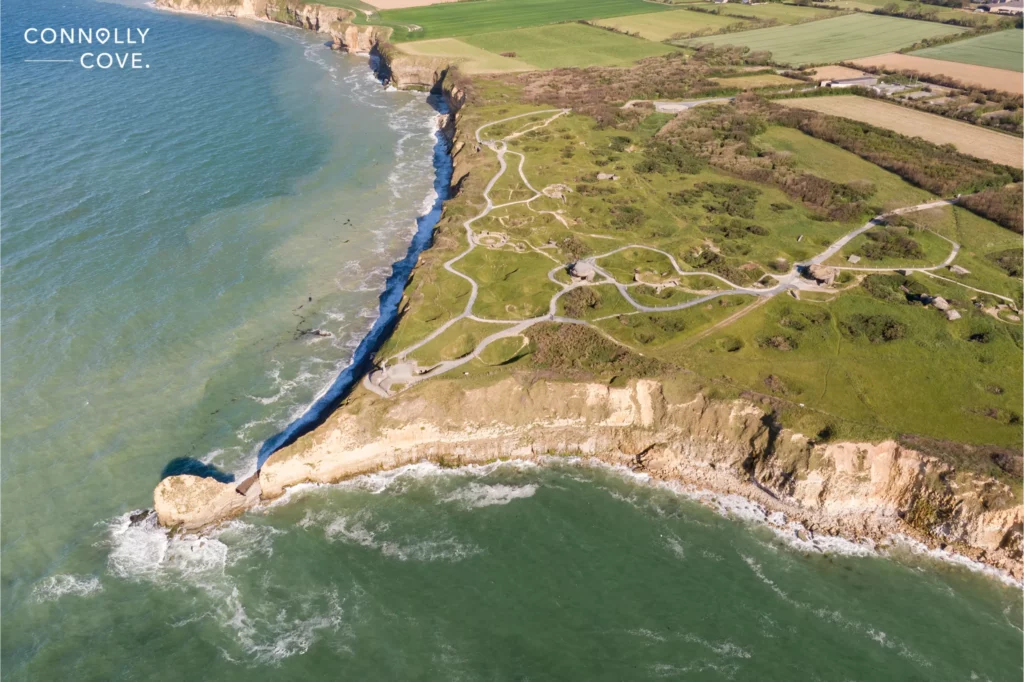
Today, you can explore the partially restored bunkers, trenches, and gun emplacements. Information panels explain the site’s significance and how it was eventually captured. This perspective from the defender’s position helps complete your understanding of the battle.
Nearby Exploration: Beyond Omaha Beach
Venture beyond Omaha Beach to discover Normandy’s rich tapestry of history and culture that complements your D-Day experience. The medieval splendour of Bayeux, miraculously spared from wartime destruction, houses the famous 11th-century tapestry depicting an earlier invasion that changed Europe’s course. Contrast this with Caen’s powerful Memorial Museum, offering a broader context to the World War II narrative, or visit La Cambe German Cemetery for a sobering reminder of war’s universal tragedy. No Normandy journey would be complete without experiencing Mont Saint-Michel’s breathtaking abbey rising dramatically from the sea—a testament to human achievement of a different kind. These nearby treasures transform your Omaha Beach visit into a comprehensive exploration of Normandy’s multilayered heritage.
La Cambe German Military Cemetery
While most visitors focus exclusively on Allied sites, a visit to La Cambe German Cemetery offers a different perspective on the human cost of war. Here, 21,222 German soldiers are buried, most beneath simple black crosses that lie flat on the ground—a stark contrast to the white markers standing tall at the American cemetery.
The central tumulus, topped with a basalt cross, marks a mass grave containing 296 unknown and 207 identified German soldiers. The adjacent Peace Garden and visitor centre emphasise reconciliation and the universal tragedy of war.
Bayeux: Historic Charm and the Famous Tapestry
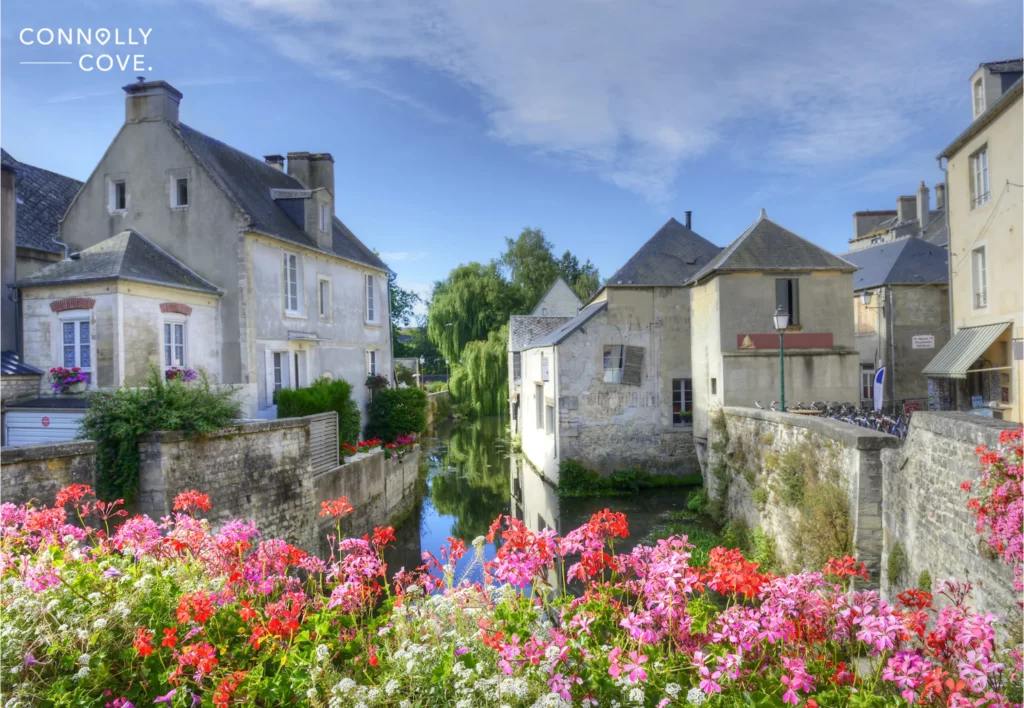
Just 10km from the coast, Bayeux offers a perfect base for exploring the D-Day beaches. Miraculously spared from wartime destruction, this medieval gem features narrow cobbled streets, half-timbered houses, and the magnificent Cathedral of Notre-Dame.
The town’s crown jewel is the 11th-century Bayeux Tapestry, a 70-meter-long embroidered cloth depicting William the Conqueror’s invasion of England in 1066—an earlier cross-Channel invasion that changed the course of history. The tapestry is housed in a dedicated museum with excellent audio guides.
Bayeux also hosts the Memorial Museum of the Battle of Normandy, which places the D-Day landings in the broader context of the summer 1944 campaign.
Caen: Rebirth from Destruction
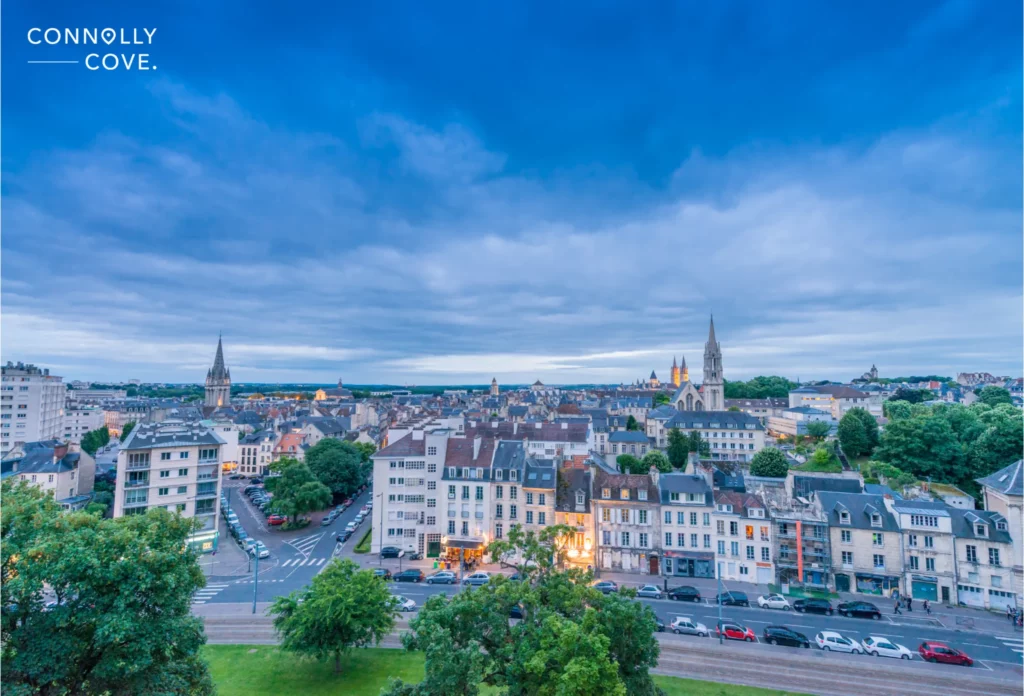
Unlike Bayeux, Caen suffered heavily during the Battle of Normandy, with over 75% of the city destroyed. Its reconstruction and resilience make it a living testament to the civilian experience of war.
The must-visit site here is the Memorial de Caen, one of Europe’s finest WWII museums. Unlike the more focused museums near the beaches, this institution examines the causes, conduct, and consequences of the conflict on a global scale. Plan to spend at least half a day exploring its thoughtful, comprehensive exhibits.
Despite wartime damage, several historical treasures survive, including the Abbaye aux Hommes (Men’s Abbey) and Abbaye aux Dames (Women’s Abbey), built by William the Conqueror and his wife Matilda of Flanders, respectively.
Mont Saint-Michel: A Medieval Marvel
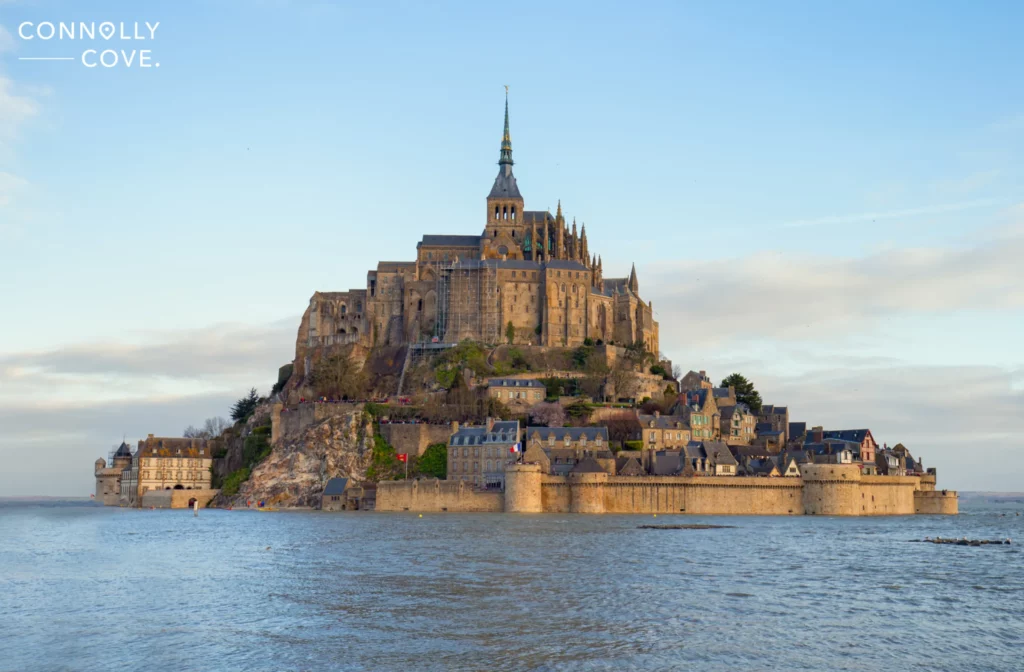
Although not directly connected to D-Day history, no visit to Normandy would be complete without experiencing the UNESCO World Heritage site of Mont Saint-Michel. This abbey-crowned tidal island, with its narrow winding streets and medieval architecture, seems to rise from the sea like something from a fairy tale.
The abbey itself represents a masterpiece of medieval architecture, while the surrounding bay features some of Europe’s most dramatic tides. If possible, visit early in the morning or in the evening to avoid the largest crowds.
Visitor Information: Planning Your Journey
Planning your Omaha Beach pilgrimage requires thoughtful preparation to honour this historic ground fully. UK and Irish visitors benefit from convenient ferry crossings to Cherbourg and Caen, placing you just a short drive from the landing beaches. Choose accommodations in charming Bayeux for its central location and medieval character, or stay closer to the coast in Port-en-Bessin for breathtaking Channel views.
The Norman countryside shines from April through October, though June offers special anniversary commemorations alongside larger crowds. Enhance your visit with digital resources like battlefield apps and audio guides that bring history to life as you walk these hallowed shores. Whether you’re a history enthusiast, photography buff, or family seeking educational experiences, Omaha Beach rewards visitors who arrive with both knowledge and reverence for what transpired here on that fateful June morning.
Getting to Normandy
For visitors from Ireland and the UK, Normandy is particularly accessible:
- By Ferry: Services run from Portsmouth, Poole, and Plymouth to Caen, Cherbourg, and Le Havre. Irish travellers can connect via the UK or take direct sailings from Dublin or Rosslare to Cherbourg with Irish Ferries or Stena Line.
- By Air: Fly to Paris and either rent a car (approximately 3 hours to the D-Day beaches) or connect to regional airports like Caen or Deauville.
- By Train: Take the Eurostar to Paris, then connect to regional services to Caen or Bayeux.
“Normandy offers Irish and UK visitors a profound historical connection that’s just a short journey away,” notes Ciaran Connolly, founder of ConnollyCove. “The accessibility of these beaches, where so many Irish, British, and American soldiers fought, makes it possible to visit these powerful sites even on a weekend trip.”
Where to Stay
The Normandy coast offers accommodation options for every budget:
Near Omaha Beach:
- Hôtel Mercure Omaha Beach: Offering spectacular views and an on-site golf course
- Château La Chenevière: A luxurious 18th-century château just minutes from the beach
In Bayeux:
- Hôtel Reine Mathilde: Charming accommodations in the medieval centre
- Hôtel Villa Lara: A boutique option offering premium comfort
Budget-Friendly Options:
- Domaine De L’hostreiere: Comfortable rooms with excellent value
- La Cremaillère: Just 5 minutes from Omaha Beach with reasonable rates
When to Visit
Normandy’s D-Day sites can be visited year-round, but each season offers different advantages:
- June: Anniversary events around June 6 provide special ceremonies and reenactments, but expect larger crowds.
- April-May and September-October: Ideal months with pleasant weather and fewer visitors.
- Winter: The quietest time, offering a more contemplative experience, though some smaller museums may have reduced hours.
Digital Resources for Your Visit
Before travelling to Omaha Beach, consider enhancing your experience with these digital resources:
- Virtual Tours: Several museums offer virtual previews that can help you plan which sites to prioritise
- Mobile Apps: Download the Battlefield Guide apps that provide GPS-enabled tours
- Audio Guides: Many sites offer downloadable audio guides in multiple languages
Photography Tips for Respectful Documentation
Photographing memorial sites requires both technical skill and sensitivity:
- Use early morning or late afternoon light for the most evocative images
- Include elements that provide scale and context
- Remember that these are places of remembrance—maintain appropriate behaviour
- For cemetery photography, be respectful of other visitors and never disturb tributes left at graves
Local Experiences: Beyond the Historical Sites
Normandy’s rich cultural tapestry extends far beyond its wartime heritage, offering visitors authentic encounters with local life. Sample the region’s renowned culinary treasures—creamy Camembert cheese, apple-infused Calvados brandy, and freshly harvested seafood that defines Norman cuisine. Wander through charming village markets where farmers proudly display generations-old recipes and crafts, or join locals at a rustic cider farm to witness traditional pressing methods unchanged for centuries.
The dramatic coastline that once witnessed history’s largest amphibious invasion now provides spectacular cliff walks and peaceful reflection spots where the rhythmic Atlantic waves create a natural memorial. By engaging with Normandy’s warm-hearted people, sampling their distinctive flavours, and embracing their unhurried way of life, you’ll discover that the region’s story continues to unfold well beyond the shadows of its monumental past.
Norman Cuisine
Normandy is famous for its rich, apple-based cuisine. Local specialities to try include:
- Calvados: Apple brandy unique to the region
- Camembert: The world-famous soft cheese originated here
- Seafood: Fresh from the Atlantic, especially oysters from nearby Utah Beach
- Tarte Normande: Apple tart made with calvados
The coastal villages near Omaha Beach offer excellent seafood restaurants, while inland farmhouses often serve traditional Norman fare.
Cultural Etiquette
When visiting sites of such historical significance, certain etiquette should be observed:
- Dress respectfully, particularly at cemeteries and memorials
- Keep voices down in commemorative areas
- Remember that for many visitors, these are not just historical sites but places where family members died
Creating Your Own Digital Memory
In today’s digital age, documenting your visit has never been easier:
- Create a travel blog or social media story about your journey
- Record video testimonials of your reflections
- Share respectful photography that captures the spirit of these historic sites
Final Thoughts: The Legacy of Omaha Beach
Omaha Beach represents both the darkest and brightest aspects of human nature—the destruction of war alongside extraordinary courage and sacrifice. A visit here is not merely tourism but a form of remembrance and education.
The veterans who stormed these beaches in 1944 are nearly all gone now, making the preservation of these sites and their stories more important than ever. By visiting with knowledge and respect, you become part of the chain of memory that ensures future generations understand what happened here.
As we at ConnollyCove have documented cultural and historical sites across Europe, we’ve found that places like Omaha Beach speak most powerfully when their stories are told with both historical accuracy and emotional truth. We hope this guide helps you experience this remarkable place in a way that honours its past while connecting it to our present and future.
Frequently Asked Questions
Visitors to Omaha Beach often ask these key questions before their journey. From ideal visit duration (allow at least 3-4 hours) to family suitability, transportation options, and accessibility concerns, these practical answers will enhance your experience. Discover whether guided tours offer better value than independent exploration, the best seasons to visit, and nearby dining options. These expert insights ensure your time at this powerful historical site balances meaningful reflection with practical convenience, whatever your travel needs or historical interest level.
How long should I spend at Omaha Beach?
For a meaningful experience, allocate at least 3-4 hours for Omaha Beach itself and the American Cemetery. A full day allows you to include museums and nearby sites.
Is Omaha Beach suitable for children?
Yes, with appropriate preparation. Many families visit successfully by discussing the historical significance beforehand and focusing on the educational aspects. The American Cemetery visitor centre has exhibits designed for younger visitors.
What’s the best way to tour the D-Day beaches?
You can explore independently by car, which offers the most flexibility, or join organised tours from Bayeux or Caen. For the most profound understanding, consider hiring a specialised guide who can provide detailed historical context.
Are there places to eat near Omaha Beach?
Several restaurants and cafés can be found in the villages of Saint-Laurent-sur-Mer and Colleville-sur-Mer near the beach. The American Cemetery has no food facilities, so plan accordingly.
How accessible are the sites for visitors with mobility challenges?
The American Cemetery and most museums are wheelchair accessible. The beach itself can be accessed at several points with parking nearby, though the sand may present challenges. Some German bunkers and defence installations involve steps or uneven terrain.