

Skip to content
Updated on: by Avatar image of authorEsraa Mahmoud

Named after the medieval kingdom of Lotharingia, the cabochon of northeastern France, Lorraine is full of gorgeous historic cities and stunning scenery that will sweep you off your feet. The 23,547 km2 region is home to some spectacular forests, rivers, lakes, rolling hills, and mineral springs.

Whether you are one of those who appreciate art and culture, history buffs, or those looking for a relaxing and soothing vacation, Lorraine has something for everyone. Making sure you have the best time while in the region, here are our top picks for the best things to do in the Lorraine region.

Top Places to Visit in Lorraine

Lorraine, a region in northeastern France, is a hidden gem brimming with historical sites, stunning landscapes, and charming towns. Here are some of the top places to visit in this enchanting region.

Lorraines Dearest Nancy!

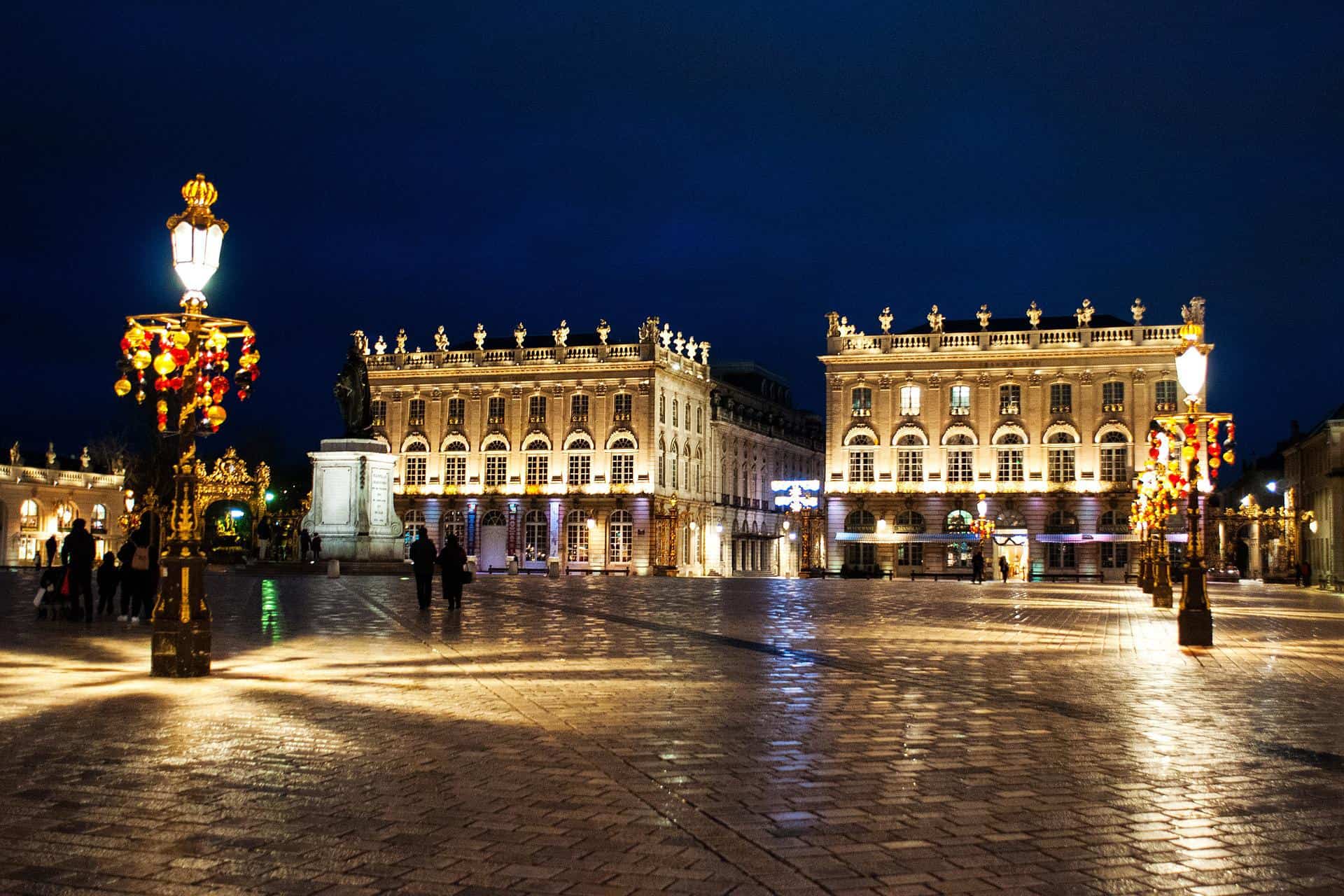
Stock Photography The city of Nancy in Lorraine 1

You may know someone with that name, but did you know that there is a whole city with that same name? Nancy is Lorraine’s capital, and it is a city steeped in history and adorned with architectural brilliance. While many may know someone with the name Nancy, few realise that this enchanting city bears the same name and is a testament to the region’s rich heritage.

The city is home to one of Europe’s most glorious squares, which is the Place Stanislas. This UNESCO-listed square, a triumph of urban design, was conceived by the talented architect Emmanuel Héré in the 1750s and stands as a testament to the grandeur of the era. It is a symphony of symmetry and elegance, a harmonious blend of open spaces and imposing buildings, a visual feast for any visitor.

At the heart of Place Stanislas lies the majestic statue of Stanisław Leszczyński, the Polish-born Duke of Lorraine, in whose honour the square was named. This central focal point adds a touch of historical intrigue to the square, a reminder of the city’s past and its connection to a wider world.

A ring of ornate buildings surrounds the statue, adding to the square’s captivating aesthetic. The Hôtel de Ville, a symbol of municipal authority, stands proudly on one side, its façade showcasing intricate details and architectural flourishes. Opposite it, the Opéra National de Lorraine, a grand structure reminiscent of a bygone era, draws visitors in with its promise of theatrical delights.

But it is not just the buildings that make Place Stanislas so captivating. The square’s open spaces, framed by elegant wrought-iron gates, create a sense of grandeur and openness, inviting visitors to stroll, relax, and simply soak in the atmosphere. These gates, crafted by the talented Jean Lamour, are a testament to the artistry of the era, each one a masterpiece of intricate design and craftsmanship.

Adding to the square’s charm are the graceful fountains that punctuate the space, each a unique work of art. The Fountains of Neptune and Amphitrite, sculpted by Guibal, are a harmonious blend of classical mythology and artistic skill, depicting the mythical figures in all their grandeur. Meanwhile, the Fountain of the Place d’Alliance, sculpted by Paul-Louis Cyfflé, is another captivating piece, showcasing the artistry and ingenuity of the era.

The Musée des Beaux-Arts

Stock Photography The Muse des BeauxArts in Lorraine 3

Beyond the captivating beauty of Place Stanislas, Nancy holds another treasure trove for art enthusiasts: the Musée des Beaux-Arts. This esteemed institution, one of the oldest museums in France, stands as a testament to the city’s cultural richness and its enduring appreciation for artistic excellence.

While the museum is not technically situated within the square itself, it occupies a prominent position in one of the pavilions surrounding Place Stanislas, making it a natural extension of the city’s artistic landscape.

Stepping into the Musée des Beaux-Arts is akin to embarking on a journey through time, a captivating exploration of European painting from the 14th to the 20th centuries. Within its walls, a symphony of colours and styles awaits, each artwork a unique story waiting to be unveiled.

The museum’s collection is a testament to the diverse artistic influences that have shaped Europe over the centuries. Visitors can delve into the intricacies of early Renaissance works, admire the vibrant palettes of Baroque masters, and marvel at the revolutionary styles of Impressionism and beyond.

A dedicated gallery is devoted to the work of Jean Prouvé, a renowned French designer and architect whose innovative approach to furniture and architecture continues to inspire. This gallery provides a unique glimpse into the legacy of this influential figure, showcasing his innovative designs and their enduring impact on the world of design.

While the specific artists mentioned in your initial information may not be present in the exact chronological order described, the Musée des Beaux-Arts certainly boasts an impressive collection of renowned European artists. Among its highlights are works by masters such as Perugino, Tintoretto, and Jan van Hemessen, representing the artistic excellence of the 14th to 17th centuries.

For those drawn to the drama and grandeur of Baroque art, the museum offers a captivating selection of works from the 17th and 18th centuries, including pieces by Rubens and Caravaggio. These masterpieces, with their vibrant colours, dramatic compositions, and emotive power, provide a glimpse into the artistic sensibilities of a bygone era.

Musée de l’École de Nancy

The Musée de l’École de Nancy, housed within a beautifully restored villa, offers visitors a journey into a world of artistic wonder, where exquisite craftsmanship and flowing lines create a symphony of visual delight.

Stepping into the museum is like stepping into a time capsule, a world of delicate floral motifs, sinuous curves, and iridescent colours, where the spirit of Art Nouveau comes alive. The museum’s setting itself contributes to the enchanting atmosphere. Outdoor fountains and meticulously maintained gardens add a touch of tranquillity and elegance, inviting visitors to linger and soak in the beauty of the surroundings.

Within the museum’s walls, a treasure trove of Art Nouveau masterpieces awaits, showcasing the movement’s vibrant spirit and its enduring influence. The collection, a testament to the artistry and ingenuity of the era, comprises stained-glass windows that shimmer with ethereal beauty, furniture crafted with exquisite detail, ceramic works that embody the movement’s love of nature, and glassware that captures the essence of light and colour.

The stained-glass windows, a highlight of the collection, are a testament to the skill and imagination of the era’s artisans. Each window, a vibrant tapestry of colour and light, tells a story, whether it be a whimsical depiction of flora and fauna or a more abstract exploration of form and colour. Sunlight streaming through these windows creates a dazzling display of colour and pattern, transforming the museum into a kaleidoscope of light and shadow.

The furniture on display showcases the movement’s penchant for organic shapes and flowing lines. Chairs, tables, and cabinets crafted from wood, metal, and other materials embody the movement’s ideal of form following function while simultaneously serving as works of art. The delicate curves, the intricate details, and the harmonious interplay of materials create pieces that are both aesthetically pleasing and functionally practical.

Metz: The Green City

You can’t visit the Lorraine region without visiting Green City, Metz. The city is located in northern France at the tripoint of France, Germany, and Luxembourg and is the current capital of the Lorraine region.

Thanks to its strategic location, the city brings a sweet cultural mixture from France, Germany, and Luxembourg. The city is bursting with amazing things to do and see.

First on the list is a visit to the Saint-Étienne de Metz cathedral. Known as la Lanterne du Bon Dieu” (The Lantern of God), the gothic Saint-Étienne de Metz cathedral is 6,500 square meters of unique stained-glass windows that will take your breath away.

The cathedral has one of the tallest naves in Europe and the third-tallest nave of cathedrals in France, reaching 42 meters high. The cathedral earned its nickname because of its stained-glass windows that allow the sunshine to illuminate the sanctuary.

Another major tourist attraction in the city of Metz is the Musée de La Cour d’Or. The museum is positioned inside the La Cour d’Or, which is a building named after the palace of Merovingian Kings.

The museum has three major collections: antiquities, medieval art, and fine art. The collections include several great works, like Gallo-Roman baths and the Eglise des Trinitaires, which is a nice Baroque church from 1720.

The antiquities collection features mosaics, statues, and everyday objects from the Gallo-Roman city of Divodurum. The medieval collection has religious art, Merovingian tombs, and medieval treasures from the 11th century.

Bar-le-Duc…Home of the Renaissance Festival

Bar-le-Duc is a town that exudes charm and history. Awarded the prestigious titles of “Ville d’Art et d’Histoire” (City of Art and History) and one of France’s “Most Beautiful Detours,” Bar-le-Duc beckons travellers seeking a captivating escape into the heart of French heritage.

This enchanting town offers a glimpse into the Renaissance era, with its well-preserved upper town, a labyrinth of ochre-coloured streets and impressive stone facades. Each cobblestone path and grand building whisper tales of a bygone era, inviting visitors to wander through time and appreciate the architectural elegance of a golden age.

The town’s upper town is a treasure trove of historical gems, each a testament to the artistic and architectural brilliance of the Renaissance period. Among the most notable landmarks is the Saint-Étienne Church, a majestic edifice that symbolises the town’s rich history and enduring faith.

Inside the church, visitors are greeted by a captivating work of art: “Le Transi,” a poignant sculpture by the renowned artist Ligier Richier. This masterpiece, depicting the transition from life to death, embodies the Renaissance’s fascination with human anatomy and the complexities of the human condition. The sculpture’s realism and emotional depth make it a highlight of any visit to Bar-le-Duc.

But Bar-le-Duc is not just about history; it also pulsates with vibrant cultural life. Each year, the town comes alive with the spirit of the Renaissance during its annual festival, a joyous celebration of music, theatre, and traditional crafts held in early July. The festival transforms the town into a vibrant tapestry of colour, sound, and entertainment.

Throughout the festival, the streets of Bar-le-Duc are filled with troubadours’ melodies, theatre companies’ vibrant costumes, and street entertainers’ captivating performances. The festival’s atmosphere is infectious, transporting visitors back to a time when life moved at a slower pace and artistry was celebrated in every corner of society.

Gérardmer: The Town for Sports

Gérardmer is not only a haven for water sports and winter activities; it also offers many opportunities for outdoor adventures throughout the year. The town is a perfect starting point for hikers and mountain bikers, with a network of trails that wind through the surrounding forests and mountains, offering stunning views and the chance to reconnect with nature.

Those seeking a gentler pace can enjoy leisurely walks around the lake, taking in the serenity of the surrounding landscape. Horseback riding is another popular activity, providing a unique perspective of the region’s beauty and the opportunity to explore the countryside more leisurely.

Beyond its outdoor pursuits, Gérardmer has a charming town centre with quaint shops, traditional restaurants, and a bustling atmosphere. The Casino de Gérardmer is a popular destination, offering a range of gaming options and a lively evening scene.

Gérardmer also has a rich cultural heritage, evident in its charming architecture, its local traditions, and its annual festivals. The town’s history is intertwined with the natural beauty of its surroundings, making it a destination that appeals to those seeking a blend of adventure, relaxation, and cultural exploration.

Vittel: A Place to Relax….

Vittel is a town steeped in history and renowned for its revitalising thermal waters. This charming destination has long been a haven for those seeking relaxation, rejuvenation, and a touch of elegance.

Vittel’s iconic spa, Les Thermes de Vittel, stands as a testament to the town’s long-standing reputation as a wellness destination. This world-class spa offers a range of treatments designed to pamper and revitalise, from traditional thermal hydrotherapy sessions to luxurious massages and beauty treatments.

The spa’s thermal waters, sourced from deep within the earth, are rich in minerals and have been celebrated for their therapeutic properties for centuries. While the exact origins of Vittel’s spa tradition are debated, it is generally accepted that the town’s thermal waters have been used for their healing properties since ancient times.

During the Belle Epoque era, Vittel experienced a resurgence in popularity as a spa destination, attracting visitors from across Europe seeking the restorative powers of its thermal waters. Elegant hotels and grand villas sprang up to accommodate the influx of visitors, adding to the town’s charm and grandeur.

Today, Les Thermes de Vittel offers a modern and luxurious setting for relaxation and rejuvenation. The spa’s facilities include thermal pools, saunas, steam rooms, and treatment rooms, all designed to promote well-being and restore balance to the body and mind.

The Vittel Museum, housed within a beautifully restored 18th-century building, offers a fascinating glimpse into the town’s history. It showcases its spa heritage, industrial past, and cultural legacy. Visitors can learn about the town’s origins, the development of its thermal waters, and the evolution of its spa facilities.

Verdun: A City of Remembrance

Verdun, a city in northeastern France, is synonymous with the First World War. It was here that one of the conflict’s bloodiest battles took place, leaving a lasting mark on the region. The city’s historical significance is palpable, and its memorials and museums offer visitors a poignant glimpse into the horrors and sacrifices of the Great War.

Fort Vaux is a historic fortress at the heart of Verdun that played a crucial role in the Battle of Verdun. German forces besieged the fort for nearly two months, and its defenders fought with incredible courage and determination. Today, Fort Vaux is a museum commemorating its defenders’ bravery. Visitors can explore the fort’s underground tunnels, barracks, and command posts and learn about the conditions faced by the soldiers who fought there.

Another must-visit site in Verdun is the Musée de la Guerre. This comprehensive museum tells the story of the First World War from the French and German perspectives. The museum’s exhibits include weapons, uniforms, and personal items of soldiers, as well as photographs and films that capture the brutality of the war. Visitors can also learn about the impact of the war on the civilian population and see firsthand the devastation that it caused.

Perhaps the most poignant memorial in Verdun is the Ossuary of Douaumont. This vast underground structure contains the remains of 130,000 soldiers who died in the Battle of Verdun. The ossuary is a solemn and moving place that reminds visitors of the immense human cost of the war. Visitors can walk through the ossuary and see the rows of coffins that contain the remains of the fallen soldiers.

Sarreguemines: A Pottery-Making Haven

Sarreguemines, a picturesque town nestled in the Lorraine region of France, is renowned for its long-standing tradition of pottery making. The town’s history with ceramics dates back to the 18th century when the renowned Sarreguemines pottery factory was established in 1760.

This factory quickly gained a reputation for producing high-quality ceramics that were admired throughout Europe. The artisans at Sarreguemines perfected their craft, creating exquisite pieces with intricate designs and vibrant colours. Their work showcased the region’s artistic talent and craftsmanship.

Today, visitors to Sarreguemines can delve into the town’s pottery heritage by exploring the Sarreguemines pottery factory museum. The museum offers a fascinating glimpse into the history of the factory, showcasing its evolution and the techniques used by its skilled artisans. Visitors can admire a collection of antique ceramics, learn about the production process, and even witness live pottery demonstrations.

Domrémy-la-Pucelle: A Shrine to Joan of Arc

Domrémy-la-Pucelle, a quaint village nestled in the Meuse Valley, is a pilgrimage site for many due to its deep connection with Joan of Arc. The village has carefully preserved its medieval character, ensuring visitors can step back in time and experience the atmosphere surrounding the Maid of Orléans during her youth.

Cobblestone streets wind their way through the village, leading to charming half-timbered houses that exude a sense of history. The tranquil ambience is perfect for reflection and contemplation. It is easy to imagine young Joan tending to her family’s sheep in these idyllic surroundings.

The Maison Natale de Jeanne d’Arc, the birthplace of Joan of Arc, is a must-visit for anyone interested in her life. The house has been meticulously restored to its original state and is filled with artefacts and exhibits that provide insight into Joan’s early years. Visitors can explore the rooms where she lived, learn about her family, and gain a deeper appreciation for the context in which she grew up.

Lorraine, a region rich in history, culture, and natural beauty, offers a diverse range of attractions for visitors. From the majestic Metz Cathedral to the charming streets of Nancy, there is something to appeal to everyone. Whether you are interested in exploring historic sites, indulging in delicious cuisine, or simply enjoying the peaceful countryside, Lorraine is a destination that will leave a lasting impression.

Leave a comment

Your email address will not be published. Required fields are marked *