


Beautiful Lisburn City, Northern Ireland – Just outside Belfast City
Updated On: April 20, 2024 by  Noha Nabil
Nestled amidst the rolling hills and verdant valleys of Northern Ireland lies a city steeped in history, brimming with charm, and overflowing with natural beauty – Lisburn. Often overshadowed by its larger neighbours, Belfast and Derry, Lisburn quietly captivates those who venture beyond the beaten path. With its picturesque landscapes, rich cultural heritage, and warm community spirit, Lisburn beckons travellers to uncover its hidden treasures and experience the essence of Northern Irish hospitality.
In this article, we embark on a journey of discovery through the enchanting streets of Lisburn, exploring its historic landmarks, vibrant cultural scene, and breathtaking landscapes. From the echoes of its industrial past to the tranquillity of its green spaces, Lisburn offers a wealth of experiences waiting to be savoured and memories waiting to be made. Join us as we delve into Lisburn‘s heart and uncover the secrets of this hidden gem in Northern Ireland.
A Glimpse into Lisburn’s History
The story of Lisburn dates back centuries, with evidence of human settlement tracing as far back as the Bronze Age. However, it wasn’t until the 17th century that the city emerged as a significant urban centre. Originally founded as a plantation town during the Plantation of Ulster, Lisburn grew rapidly thanks to its strategic location along major trade routes.
Throughout its history, the city has played a pivotal role in Northern Ireland’s economic and cultural development. The city’s linen industry, in particular, flourished during the 18th and 19th centuries, earning Lisburn a reputation as the “Linen Capital of the World.” Today, remnants of this industrious past can still be seen in the city’s architecture and heritage sites as a reminder of the city’s enduring legacy.
Exploring Lisburn’s Cultural Heritage
One of the most captivating aspects of the city is its rich cultural heritage, which is celebrated through various festivals, events, and attractions throughout the year. Visitors to Lisburn can immerse themselves in the city’s vibrant arts scene by visiting the Island Arts Centre, a hub for creative expression showcasing everything from visual arts exhibitions to live performances.
For history enthusiasts, a trip to the city wouldn’t be complete without exploring its many historic landmarks and museums. The Lisburn Museum offers fascinating insights into the city’s past, with exhibits highlighting its industrial heritage. At the same time, attractions like Lisburn Cathedral and Castle Gardens provide a glimpse into Lisburn’s architectural and religious history.
Natural Splendor and Outdoor Adventures
Beyond its urban charm, the city boasts abundant natural beauty waiting to be explored. The city’s lush green spaces, tranquil rivers, and scenic parks offer a peaceful retreat from the hustle and bustle of everyday life. Lagan Valley Regional Park, in particular, is a haven for nature lovers, with miles of walking and cycling trails winding through woodlands and meadows and along the banks of the River Lagan.
For those seeking more adventure, the city is ideally situated for outdoor pursuits such as fishing, kayaking, and horseback riding. The nearby Mourne Mountains provide a dramatic backdrop for hiking enthusiasts, offering breathtaking views and challenging trails for all skill levels.
Shopping and Dining
Lisburn’s bustling city centre is a shopper’s paradise, with diverse shops, boutiques, and markets offering everything from high-end fashion to locally crafted goods. Bow Street Mall and Lisburn Square are popular destinations for retail therapy, while Lisburn Market hosts a weekly market where visitors can sample delicious local produce and handmade crafts.
Regarding dining, the city boasts a vibrant culinary scene reflecting its rich cultural heritage. From traditional Irish pubs serving hearty pub grub to upscale restaurants offering gourmet cuisine, there’s something to satisfy every palate in the city. Local specialities include traditional Irish stew, fresh seafood, and mouthwatering desserts like an Irish apple tart.
Community Spirit and Warm Hospitality
What truly sets the city apart is its warm and welcoming community spirit. Whether chatting with locals at a bustling pub, exploring the city’s historic sites, or simply strolling through its charming streets, you’ll be greeted with genuine hospitality and a friendly smile at every turn. This sense of community makes the city feel like home, even those visiting for the first time.
Attractions in Lisburn City
The Irish Linen Centre and Museum
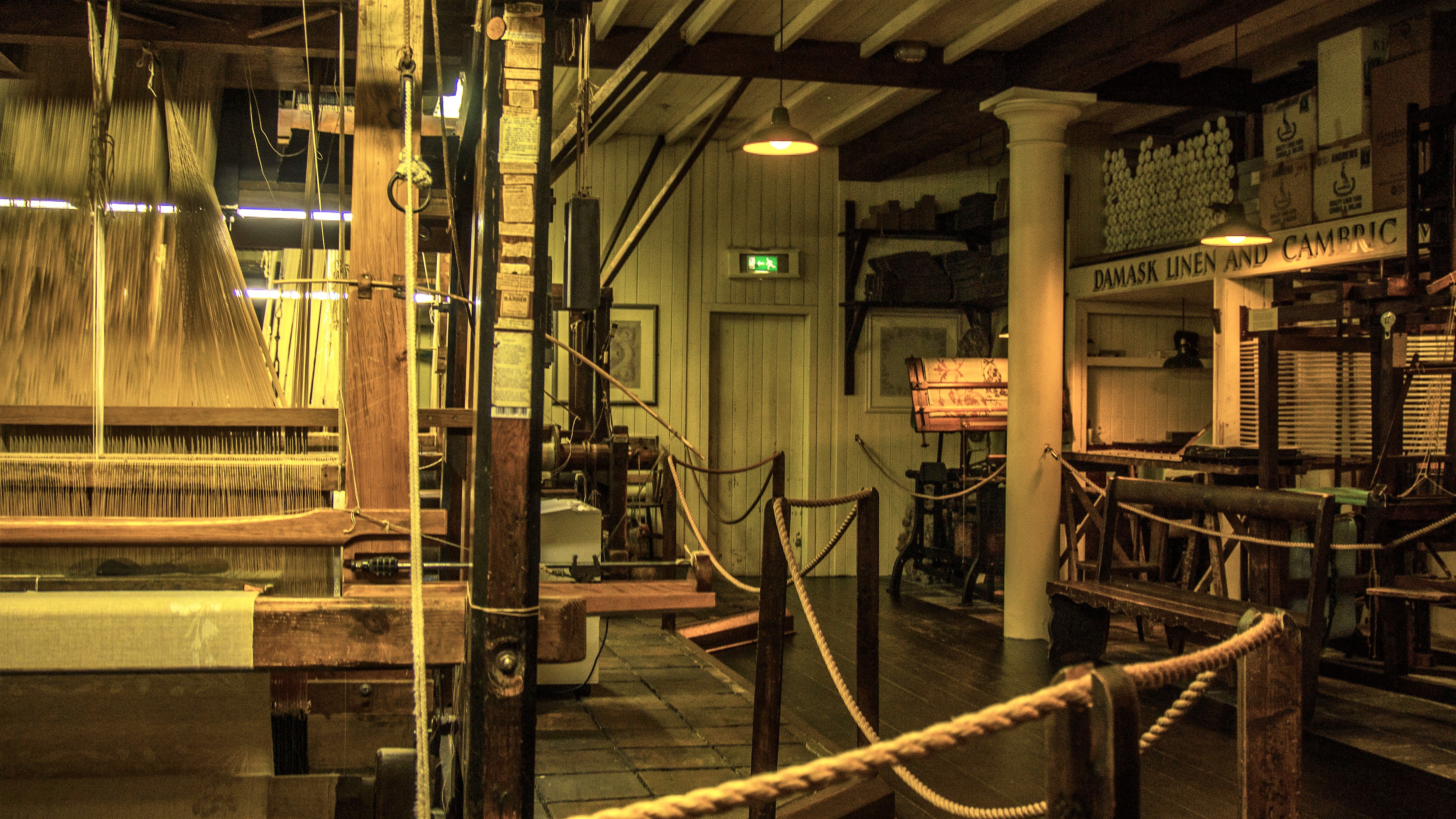
One of the city’s famous attractions is the Irish Linen Centre and Museum. The museum initially started as a local history museum focusing on Lisburn and Lagan Valley.
It was then integrated with the history of textiles in 1994 when the Irish linen centre opened. It differs from many other museums; you can see live demonstrations and exciting galleries around Irish linen and the area’s history.
There are also galleries held for local poets, writers, and personalities. So if you think visiting this museum will be boring, you will be pleasantly surprised as it has so many different things to offer visitors.
Lisburn Cathedral
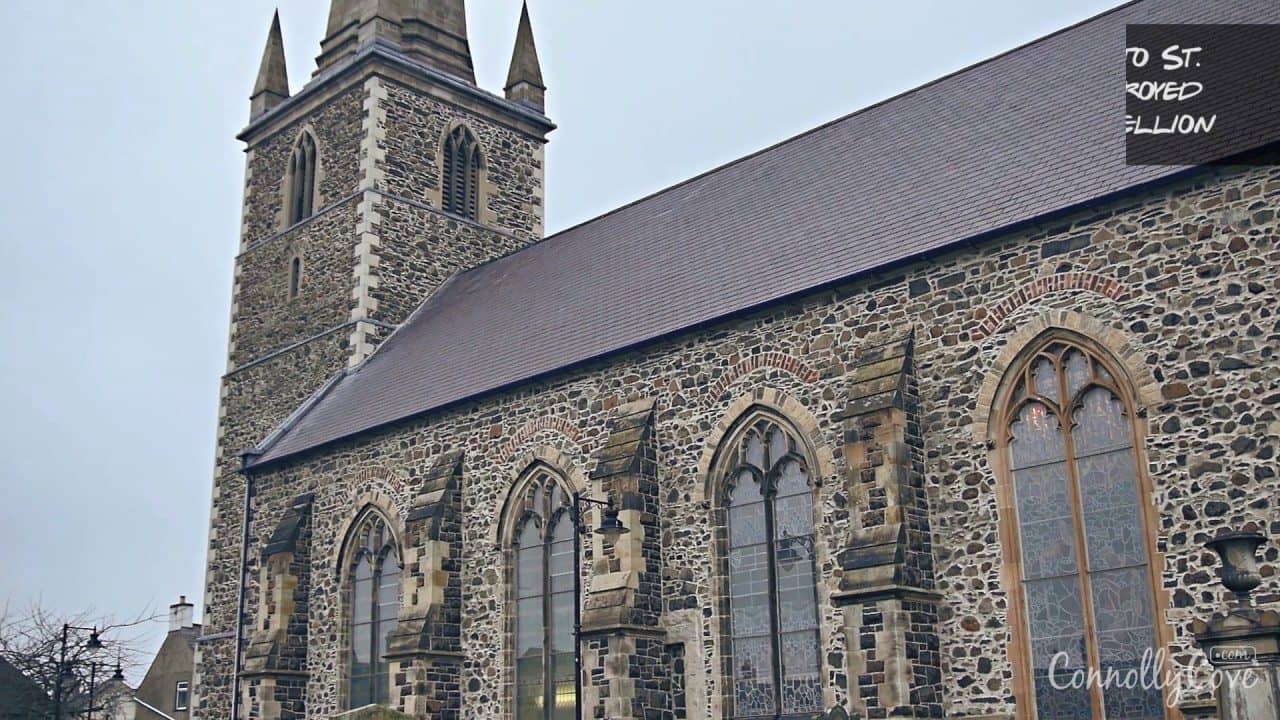
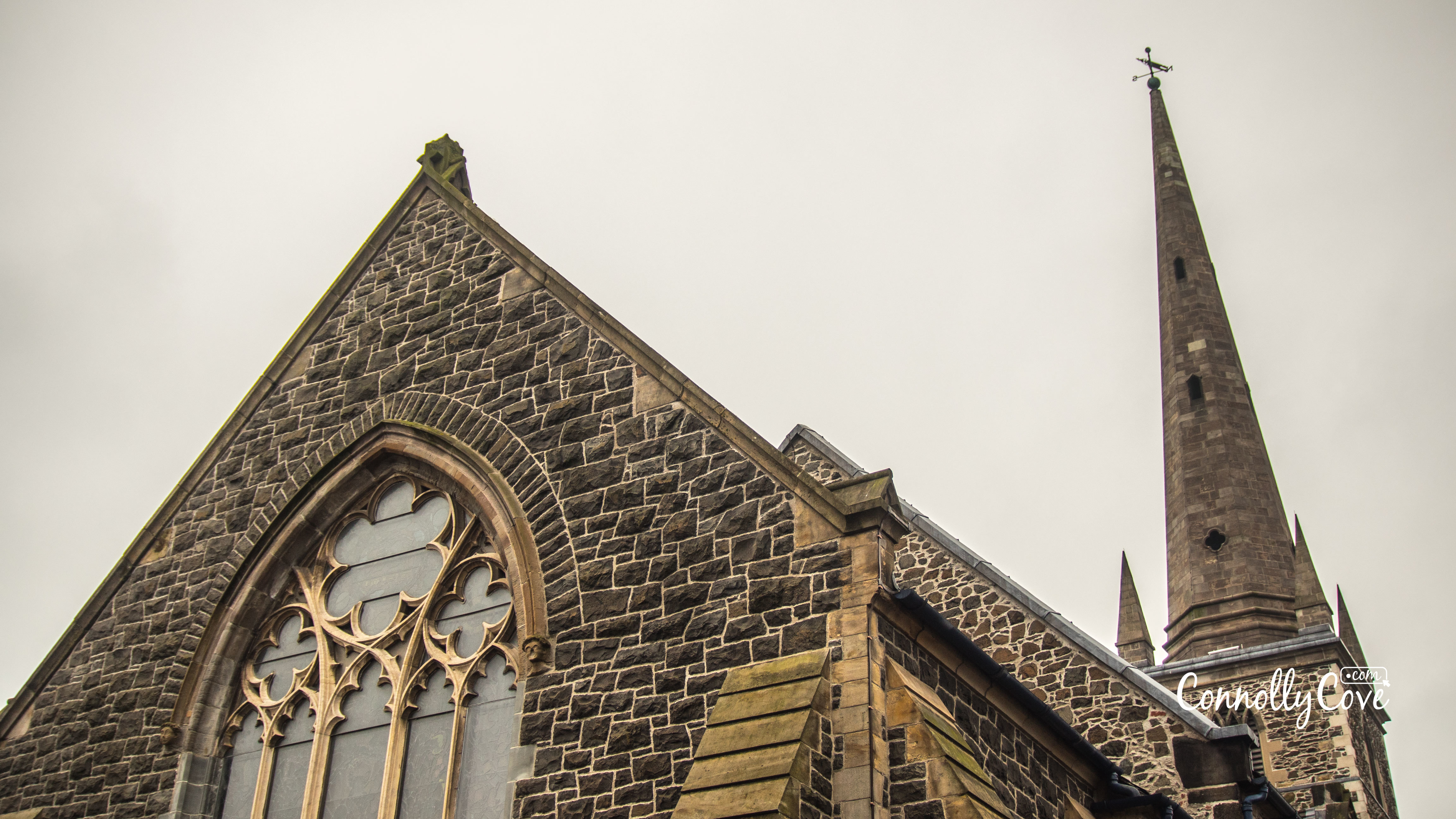
If you love history and stunning cathedrals, Christ Church Cathedral is the place you must visit in the city. The Christ Church Cathedral was first called and referred to as St. Thomas’s Church.
This church was previously burnt down, and the work you will find standing today commenced in 1708 after this incident. After the reconstruction that took place in 1662, St. Thomas was designated the cathedral church.
From that point, Christ Church Cathedral became one of the most important places to visit in Northern Ireland. It’s a great place to come if you want to find some quietness.
Lisburn Castle Gardens
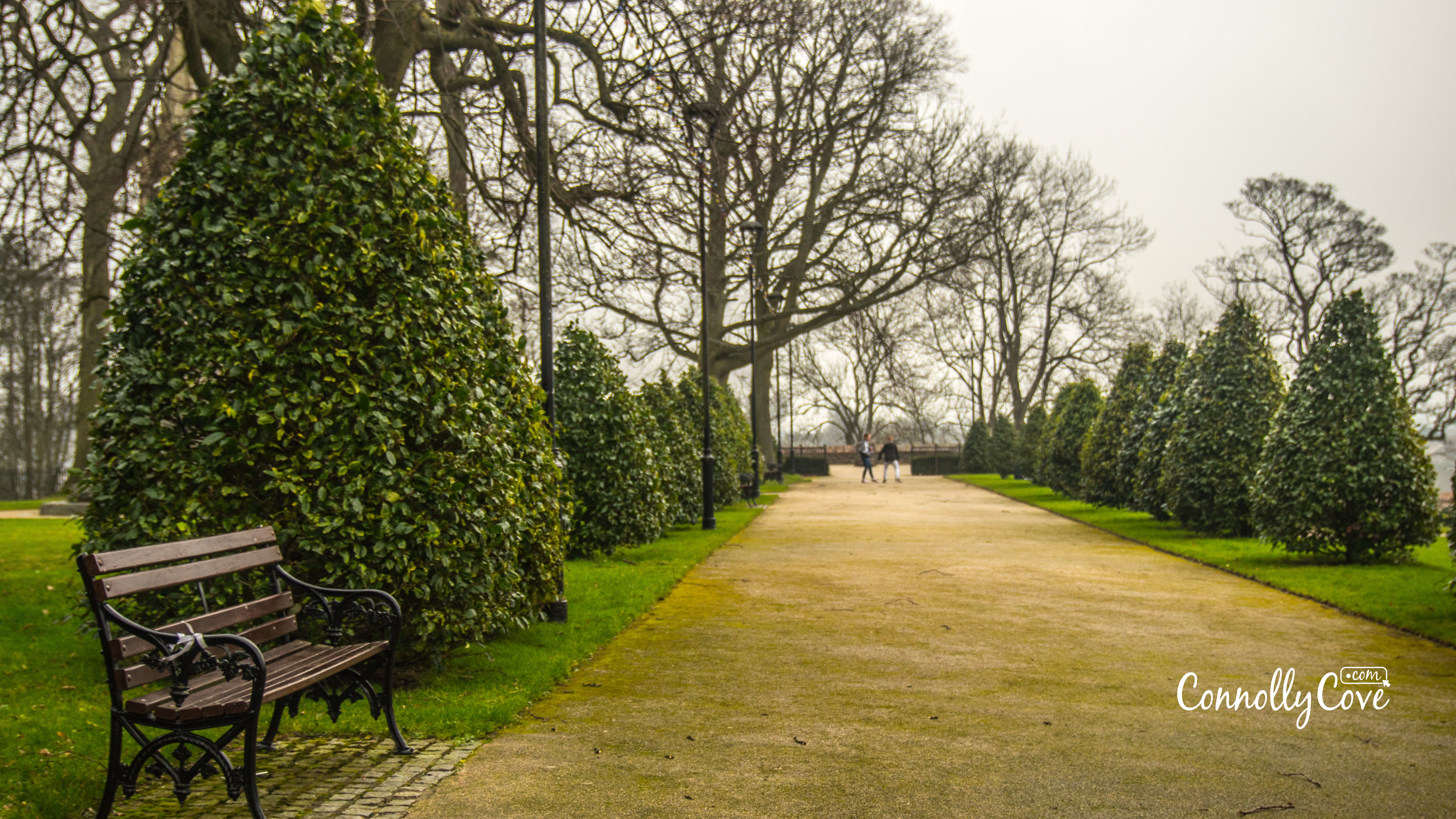
Lisburn Castle Gardens is one of the most visited and beautiful open spaces in the city. This is a great place to walk around and appreciate the natural beauty of your surroundings. Or you can explore the old statues around the gardens representing historic people from that past.
The upper section of the garden dates back to the Victorian times and has some historically significant features. Including a 1677 red sandstone gateway and the Wallace drinking fountain in honour of Lisburn Landlord Sir Richard Wallace in 1891.
Lisburn Market
Experience the hustle and bustle of a traditional market day at Lisburn Market. Held weekly in the city centre, the market offers a vibrant atmosphere where you can browse stalls selling everything from fresh produce and artisanal crafts to vintage treasures and antiques. It’s an excellent opportunity to support local businesses and soak up the authentic charm of the city.
Colin Glen Forest Park
Just a short drive from Lisburn lies Colin Glen Forest Park, a haven for outdoor adventurers. You can enjoy exhilarating activities such as ziplining, high ropes courses, and mountain biking trails here. The park also features beautiful woodland walks, picnic areas, and a charming, eco-friendly visitor centre.
Irish Linen Trail
Follow in the footsteps of Lisburn’s linen industry pioneers along the Irish Linen Trail. This self-guided walking tour takes you through the city’s historic streets, highlighting landmarks, monuments, and buildings associated with the linen trade. It’s a fascinating way to discover the city’s industrial heritage at your own pace.
Wallace Park
Another green space worth exploring in Lisburn is Wallace Park. This expansive parkland offers scenic walking trails, sports facilities, and a children’s playground. Wallace Park is an ideal retreat for nature lovers and outdoor enthusiasts with its mature trees, meandering river, and peaceful ambience.
Lisburn Leisureplex
For those seeking indoor entertainment, Lisburn Leisureplex is the place to be. This state-of-the-art leisure facility offers a range of activities for all ages, including swimming pools, a gym, a health suite, and an indoor play area for children. It’s the perfect destination for a fun-filled day out, whatever the weather.
Other Places to Check Out
Lisburn is also an excellent place for shopping. If that’s what you prefer, check out one of its famous shopping areas, Bow Street Mall.
It has a range of lovely shops and restaurants, where you can enjoy some time shopping and eating. Check out some fantastic art along the river that showcases work from locals and international artists.
Take a tour of Hilden Brewery and sample some of the finest beers. Or, if you are here during the week, head to Lisburn’s outdoor market. Every Tuesday morning the market is here where you can taste local food.
All in all, Lisburn is a lovely place to visit if you want to get away from the busier cities such as Belfast.
Conclusion
Lisburn is a city that effortlessly blends history, culture, and natural beauty to create a truly unforgettable experience. From its storied past to its vibrant present, the city offers something for everyone, whether you’re a history buff, a nature enthusiast, or simply seeking a charming destination to explore. So why not plan your visit to Lisburn today and discover the enchanting allure of this hidden gem in Northern Ireland?
Have you ever been to Lisburn City before? What did you enjoy? Or is it somewhere you would like to visit? We would love to know in the comments below!
Also, don’t forget to check out some of our other blogs that might interest you; Exploring Holywood Town | Exploring The Town of Carrickfergus | Explore Belfast City | Irish Linen Centre and Museum | Best Tourist Attractions in Northern Ireland

Key Insights: Global Medical Tourism Statistics and Market Growth Analysis
Travel Statistics
26/04/2024
The Irish Mafia: A Closer Look at Organised Crime Syndicates
History and Heritage
26/04/2024

The Ultimate Guide to Eating Out in Ireland: Tips and Recommendations
Food and Cuisine
26/04/2024
Plan Your Perfect Trips to Northern Ireland: A Guide to the Best Tours and Vacation Packages!
Northern Ireland
26/04/2024

Ultimate 7-Day Scotland Driving Itinerary: Explore Edinburgh, Skye, and More!
Scotland
26/04/2024