


Hunger Games: Ballad of Songbirds & Snakes Filming Locations

Updated On: April 20, 2024 by  Maha Yassin
Almost ten years after we saw Katniss Everdeen topple down the Capitol in an epic battle, we were invited to return to Panem, but this time, we’re returning to the 10th Annual Hunger Games! Sixty-four years before Katniss volunteered as tribute, another District 12 girl changed the life of Coriolanus Snow.
As the events unfold, we’re swept to lands known and unknown. From the rebel-destroyed Capitol to the first version of the arena to the poor District 12, we see these places with new and fresh eyes. So, where did the film’s crew go to reflect these locations? This is what we’re about to find out in this article!
So buckle up, young rebels and Capitol dwellers! We’re about to discover Panem’s filming locations!
The Plot of The Hunger Games: A Ballad of Songbirds & Snakes
In the glittering yet cruel Capitol of Panem, decades before Katniss Everdeen’s rebellion, we find a young and ambitious Coriolanus Snow desperately clinging to the remnants of his once-illustrious family. With the 10th Hunger Games on the horizon, a chance for redemption arrives – Coriolanus is chosen as a mentor.
His assigned tribute? Lucy Gray Baird is a fiery singer from the impoverished District 12. Unlike any tribute before her, Lucy Gray captivates the Capitol with her electrifying voice and audacious performances, blurring the lines between victim and victor.
Initially driven by self-interest, Coriolanus sees Lucy Gray’s potential for fame and fortune. He hones her theatrical flair and sharp wit, crafting a persona that ignites the Capitol’s morbid fascination. But as the Games progress, their alliance takes an unexpected turn.
Haunted by whispers of a dangerous rebellion brewing in the districts and tormented by his conscience, Coriolanus finds himself drawn to Lucy Gray’s unwavering spirit and defiant nature. He begins questioning the system he’s sworn to uphold, navigating a treacherous path between ambition and genuine connection.
Their bond is tested not only by the deadly Gamemakers, who unleash a series of brutal traps and psychological warfare, but also by the ever-present threat of betrayal within the Capitol itself.
Will Coriolanus and Lucy Gray defy the odds and emerge from the Games alive? Or will their rebellion ignite a spark that could forever alter the course of Panem’s history?
The Ballad of Songbirds & Snakes delves into the origins of The Hunger Games, offering a captivating glimpse into a world on the brink of revolution. It’s a story of love, loss, and the unwavering spirit of defiance in the face of oppression, leaving audiences questioning the price of power and the true meaning of survival.
Beyond the thrilling narrative, the film takes viewers on a visual journey through the decadent Capitol and the desolate District 12. From the opulent halls of the Academy to the claustrophobic confines of the Hunger Games arena, each location immerses us deeper into the contrasting realities of Panem.
So, prepare to be transported to a younger, equally brutal Panem. Grab your mockingjay pin and let The Ballad of Songbirds & Snakes captivate you with its tale of ambition, defiance, and the power of music in the face of tyranny.
Meet the Cast of The Hunger Games: A Ballad of Songbirds & Snakes
Bringing Suzanne Collins’ prequel novel to life on the big screen, the cast of The Ballad of Songbirds & Snakes delivers captivating performances that delve into the heart of Panem’s early days.
Tom Blyth takes on the complex role of a young Coriolanus Snow, portraying his ambition, desperation, and the seeds of the ruthless leader he becomes. His portrayal captures the internal struggle between personal gain and a flicker of sympathy for the rebellion’s cause.
Rachel Zegler shines as Lucy Gray Baird, the fiery District 12 tribute who electrifies the Capitol with her voice and defiant spirit. Zegler imbues the character with vulnerability and resilience, showcasing her transformation from a scared tribute to a cunning performer fighting for survival.
The supporting cast adds depth and intrigue to the film. Hunter Schafer portrays Coriolanus’s sharp-tongued cousin, Tigris, offering guidance and a touch of rebellion. Jason Schwartzman brings eccentric flair to the role of the first Hunger Games host, Lucretius “Lucky” Flickerman. Peter Dinklage delivers a chilling performance as the Academy’s Dean Casca Highbottom, and Viola Davis plays the slightly insane game maker, Dr Volumnia Gaul.
Together, the cast navigates the film’s emotional rollercoaster, weaving through themes of ambition, rebellion, and the power of human connection in the face of oppression. Their performances make The Ballad of Songbirds & Snakes a captivating journey into the origins of The Hunger Games, leaving audiences questioning the nature of power and the potential for change.
Welcome to Panem: The Filming Locations
Unlike the first The Hunger Games movies, in A Ballad of Songbirds & Snakes, the Capitol is not the glistening jewel we’re used to seeing. The film’s producers and set designers needed to reflect the city’s past grandeur and the rebellion’s effects on it. They needed awe-striking buildings with a dark history that could reflect both the luxury and the after-effects of destruction.
So where did they go? Germany, of course!
Berlin, Germany: The Glittering Capitol
Steeped in history and boasting majestic architecture, Berlin became the perfect canvas for the wealthy Capitol. Here’s a closer look at some key filming spots:
Altes Museum
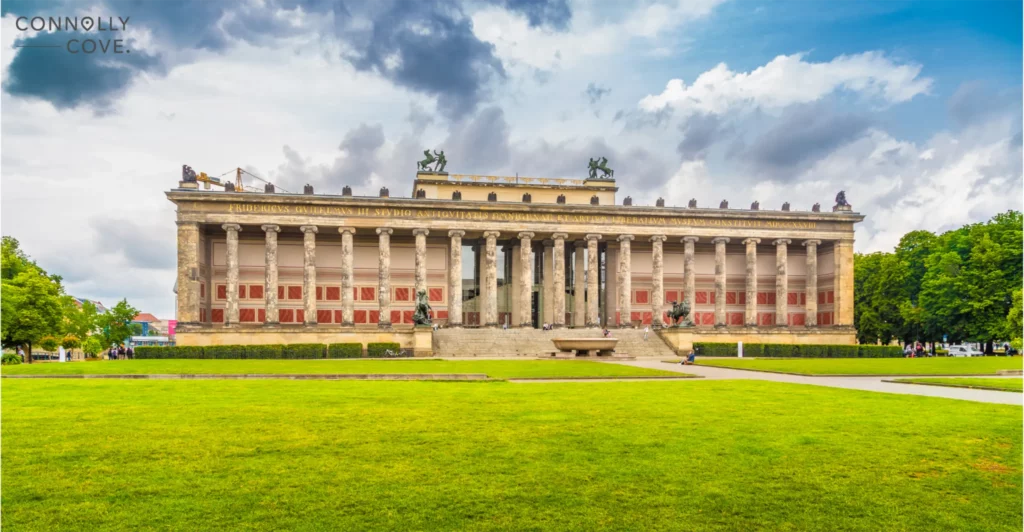
Address: Bodestraße 1-3, 10178 Berlin, Germany
Standing proudly on Museum Island, this neoclassical marvel transformed into the imposing Capitol building. Imagine Snow and Lucy Gray navigating its grand halls and stepping onto the balcony overlooking the bustling city below.
Der Bärensaal im Alten Stadthaus
Address: Klosterstraße 47, 10179 Berlin, Germany
Immerse yourself in the extravagance of Snow’s Academy training sessions held within the ornate Bear Hall of the old city hall. Picture intricate murals, gilded accents, and a sense of grandeur befitting the Capitol’s elite.
Strausberger Platz

Walk through this vibrant square, lined with historic buildings, and imagine it teeming with Capitol citizens decked in flamboyant attire. Picture vendors hawking their wares, carriages clattering on cobblestones, and the air buzzing with excitement for the upcoming Hunger Games.
Olympiastadion
Address: Olympischer Platz 3 14053 Berlin
Feel the electric atmosphere of the 10th Hunger Games as you step into the iconic Berlin Olympic Stadium. Picture thousands of spectators erupting in cheers, the glistening tributes battling within the arena, and the Capitol’s extravagant displays projected onto the massive screens.
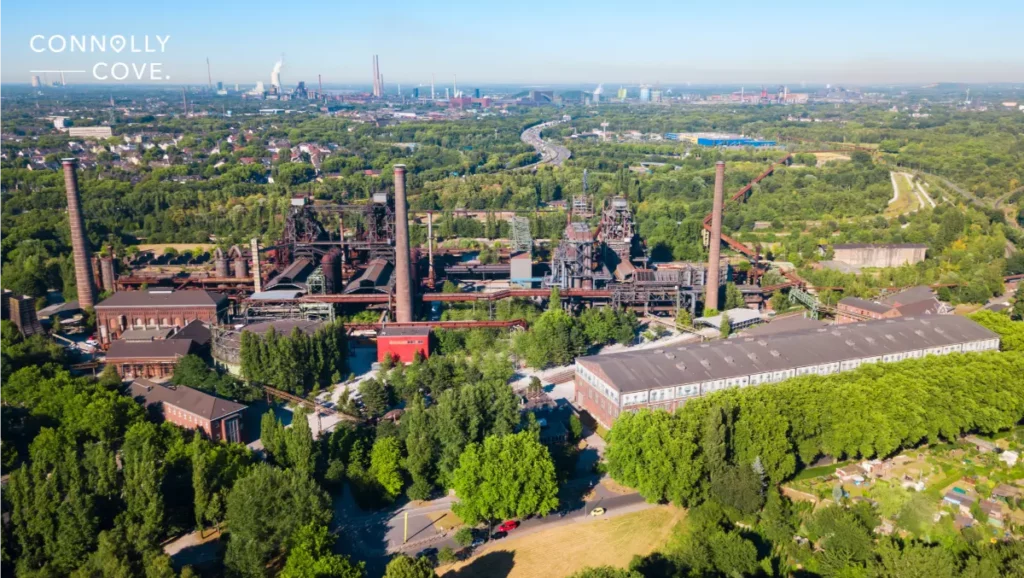
Landschaftspark Duisburg-Nord, Germany: The Bleak District 12
Contrasting the Capitol’s grandeur, Landschaftspark Duisburg-Nord, a former industrial park transformed into a nature reserve, provided the desolate backdrop for District 12. Feel the grit and poverty as you explore:
The Hob
Picture the ramshackle houses clinging to the hillsides, smoke billowing from chimneys, and children scavenging for scraps. Imagine the ever-present threat of the Peacekeepers and the harsh reality of life under Capitol oppression.
Coal Mines
Stand before the towering chimneys and abandoned mining structures, feeling the weight of a life spent toiling underground for the Capitol’s benefit. Imagine the darkness, the dust, and the ever-present danger of collapse.
Wrocław, Poland: The Arena’s Grandeur and District 12’s Beauty
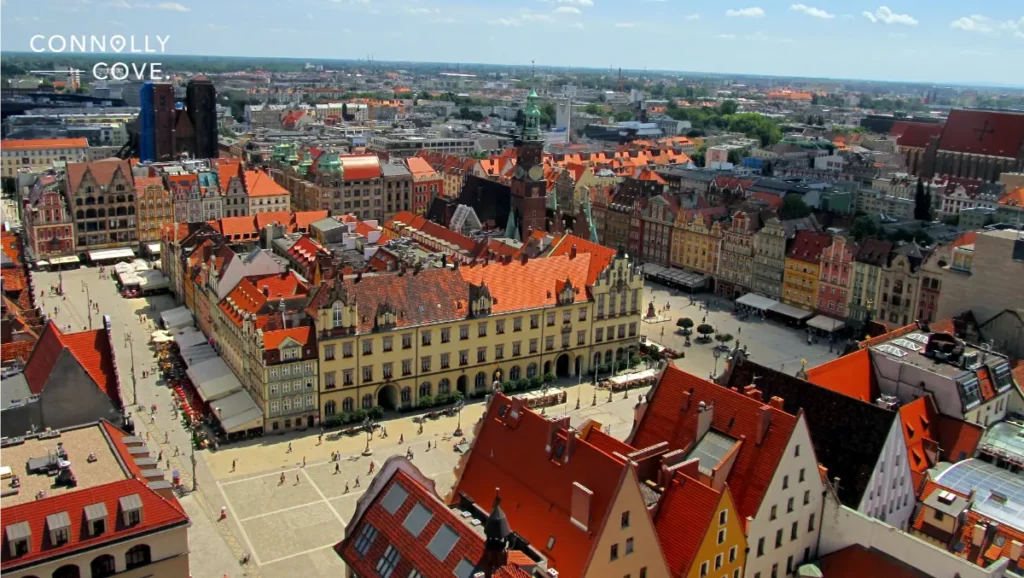
The Polish city of Wrocław offered both breathtaking beauty and imposing architecture for filming:
Centennial Hall
With its massive dome and intricate Art Nouveau details, this UNESCO World Heritage site transformed into the awe-inspiring 10th Hunger Games arena. Picture the tributes navigating its labyrinthine corridors, the deadly traps lurking within, and the Capitol’s technological marvels on display.
Boguszów-Gorce, Poland
Escape the harshness of District 12 and find solace in the picturesque lakes and meadows near this town. Imagine Lucy Gray and Snow hunting rabbits in these sun-dappled forests, a brief respite from the Games’ looming terror.
Visiting these filming locations allows you to step into The Ballad of Songbirds & Snakes, experiencing the contrasting realities of the Capitol and District 12 firsthand. So, pack your bags, prepare for a journey through Panem, and let these locations spark your imagination!
Tips for Making the Best Out of Your Filming Locations Visit
As a true Hunger Games fan, we expect nothing less of you wanting to visit each of these locations to bask in the feeling of being part of the movie. And because we care the most about your incredible trip, we prepared some tips for you! These tips will help you get the best experience and enjoy your visit.
Berlin, Germany

- Planning: Opt for off-peak seasons or weekdays to avoid crowds at popular sites like the Altes Museum and Olympiastadion. Berlin Welcome Card offers discounts on many attractions and public transportation.
- Travel & Navigation: Berlin boasts an excellent public transport system with U-Bahns, S-Bahns, and buses. If you enjoy cycling, renting a bike lets you explore hidden corners and soak in the atmosphere.
- Hidden Gems: Discover the charming Nikolaiviertel, Berlin’s oldest district, for a glimpse into medieval life. Mauerpark hosts a vibrant Sunday flea market where you can find unique souvenirs.
- Foodie Delights: Sample Currywurst, a Berlin staple, at Konnopke’s Imbiss. Indulge in traditional German fare at Zur letzten Instanz, the oldest restaurant in Berlin.
Landschaftspark Duisburg-Nord, Germany
- Accessibility: The park is easily accessible by train or car. Be prepared for walking, with comfortable shoes recommended. Guided tours offer insightful commentary on the history and transformation of the park.
- Activities: Rent a bike or rollerblades for an active exploration. Climb the Tiger & Turtle – Magic Mountain art installation for spectacular city views. Attend open-air concerts or festivals held in the park throughout the year.
- Industrial Heritage: Take a guided tour of the Landschaftspark Duisburg-Nord, exploring the area’s industrial past and marvelling at the repurposed blast furnaces and gasometers.
- Family Fun: Duisburg Zoo, located nearby, offers a day full of animal encounters and entertainment for all ages.
Wrocław, Poland
- Festivals & Events: Plan your trip around one of Wrocław’s vibrant festivals, like the International Festival of Four Cultures or Wratislavia Cantans, experiencing the city’s cultural spirit.
- Christmas Magic: Visit during the winter months to witness the enchanting Christmas markets, with twinkling lights, traditional crafts, and delicious treats.
- River Charm: Take a boat cruise on the Odra River, offering scenic views of the city’s architecture and bridges. Rent a kayak or paddleboard for a closer experience with the water.
- Local Delights: Savour traditional Polish pierogi and dumplings with various savoury fillings. Try Kłóbaski Wrocłavskie, local grilled sausages, for a quick and delicious meal.
General Tips
- Purchase tickets online: Avoid queues and secure your entrance to popular attractions by booking tickets in advance.
- Learn some basic phrases: Knowing a few German or Polish words greatly enhances your experience and interactions with locals.
- Pack for the weather: Each location has distinct weather patterns, so check forecasts and pack accordingly. Layers are always a good idea.
- Embrace the local culture: Immerse yourself in the local cuisine, customs, and events for a truly enriching experience.
- Respect the filming locations: Remember that these are public spaces with residents and businesses, so be mindful and respectful of their surroundings.
By following these tips and tailoring them to your preferences, you can create a memorable and personalised A Ballad of Songbirds & Snakes pilgrimage, stepping into the world of Panem and reliving the thrilling journey of the film!
From the opulent halls of Berlin’s Capitol to the stark realities of Duisburg-Nord’s District 12, your journey through The Ballad of Songbirds & Snakes’s filming locations offers a glimpse into Panem’s early days. You’ll walk where Snow navigated his ambitions, feel the weight of the Games in Wrocław’s awe-inspiring arena, and perhaps even hum a tune in your Mockingjay fashion. So pack your bags and head to Germany! May the odds be ever in your favour.
FAQs
How can I recreate Coriolanus Snow’s journey through the Capitol?
Start at the majestic Altes Museum, imagining Snow navigating its opulent halls. Walk through the vibrant Strausberger Platz, picturing the bustling life of Capitol citizens. Feel the electric atmosphere of the Olympiastadion, envisioning the 10th Hunger Games unfolding.
Can I truly step into the Hunger Games arena?
The magnificent Centennial Hall in Wrocław transformed into the awe-inspiring 10th Hunger Games arena. Marvel at its massive dome and intricate Art Nouveau details, imagining the tributes battling within its walls.
Where can I find peace and beauty like Lucy Gray in District 12?
Escape the harshness of the Games in the picturesque landscapes near Boguszów-Gorce, Poland. Imagine Lucy Gray and Snow hunting rabbits in these sun-dappled forests, a brief respite from the impending fight for survival.
When is the best time to visit?
Spring and summer offer pleasant weather for exploring both cities. Christmas markets in Wrocław draw festive crowds, but be prepared for higher prices and potential snow. Consider off-peak seasons or weekdays to avoid larger crowds at popular sites.
Are the filming locations open to the public?
Yes! Most locations like museums, parks, and public squares are accessible to the public. Some might require tickets or have specific opening hours, so be sure to check before your visit.

Exploring the Top Places to Visit In Canada for the Best Experience
Canada
14/05/2024

10 Amazing Coastal Swimming Spots in Ireland
Ireland
13/05/2024

9 Biggest Castles on Earth
Europe
13/05/2024

Discover the History and Legends of Kız Kulesi (Maiden’s Tower) in Istanbul!
Culture Exploration
13/05/2024

Discover the Best Irish Bands: A Guide to the Top Musical Groups of Ireland
Music and Arts
13/05/2024