


One Piece Live-Action Filming Locations You Can Visit IRL

Updated On: April 23, 2024 by  Nouran Ashraf
A rubbery boy with one big dream and a crew of misfits, each having their own ambitions and wishes, but they always got each other’s back—sounds familiar? If not, then you may want to consider surfacing to the real world and join us in following the Straw Hats’ journey.
Netflix’s One Piece live-action has been stirring a lot of fuss, from the very saucy TikTok edits of Buggy the Clown (played by Jeff Ward) to the emotional quotes and the creation of new One Piece fans.
The fictional world of One Piece shown in the manga and anime is so expansive and diverse. Hardcore One Piece fans have always wished they could just dive into this world with its four seas and many, many different islands.
As One Piece fans, when we heard about the live-action, we were, to be honest, scared that it might not live up to the manga and anime, but to our luck, the live-action was such a success. The world and islands shown in the live-action gave us an opportunity to connect with our favourite piece of fiction on a deeper level through the filming locations. So, if you are a true One Piece fan, do you want to get on the real Going Merry with us and venture through the filming locations of the One Piece live-action?
For Newbies: What Is One Piece?
One Piece is the best-selling manga and —probably— the most beloved piece of fiction by anime fans, written by the master Eiichiro Oda. With more-than-1000-episode anime, ongoing manga, many movies, and now a live-action version, this incredible work of fiction has become a cult classic, with millions of fans from all around the world.
What Is One Piece About?
One Piece is set in a fictional, unnamed world. It follows the adventures of Monkey D. Luffy and his Nakama —crewmates— to find the One Piece, the ultimate treasure left behind by the late Pirate King Gold Roger.
The future King of the Pirates (Luffy) gathers a group of misfits to become his crewmates. From a ship doctor, a cook, a navigator, and a swordsman to other real friends he meets along the way, Luffy is set to become the new King of the Pirates, and his story is still up and running to achieve that one dream. He and his crewmates travel through the Grand Line, “a treacherous stretch of the ocean with bigger islands, bigger cities, [and] bigger pirates,” as the crew’s navigator Nami explains in the live-action.
The Cast of One Piece Live-Action
The stellar cast of the One Piece Live-Action has done an incredible job of bringing the true essence of the characters to the screen, and they all did their own stunts! The dedication they harboured since the beginning of filming in 2022 has paid off with the kind of reception the live-action garnered since its release on 31 August.
Here is a breakdown of the main cast and their characters:
- Monkey D. Luffy, the captain of the Straw Hats, played by Iñaki Godoy.
- Roronoa Zoro, the first crewmate and the swordsman of the ship, played by Mackenyu Arata.
- Nami, the navigator of the Straw Hats (nicknamed the cat burglar), played by Emily Rudd.
- Usopp, the ship’s snipper and the soon-to-be great warrior of the sea, played by Jacob Romero Gibson
- Sanji, the ship’s cook, played by Taz Skylar.
Filming Locations and Inspirations
So, you are a One Piece fan who wants to experience the seafaring world the Straw Hats travelled through in the live-action, hopping from one island and one adventure to the other? The stellar production crew chose some of the most stunning locations to bring the Grand Line and the four seas to life, and we are here to venture through them. Even if you are not a One Piece fan, you should definitely have these destinations on your bucket list if you ever want to have a great adventure like no other.
Cape Town
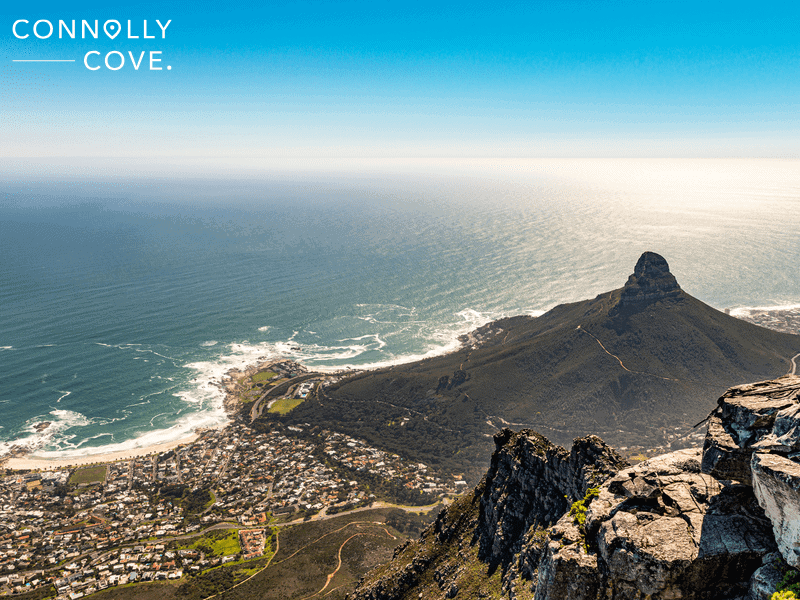
We are starting off with the destination that most of the live-action adaptation was shot in. Cape Town, South Africa, seemed like the perfect backdrop to bring Oda Sensei’s story to life. Luffy’s actor, Inaki Godoy, revealed in Tudum 2023 how hard the crew worked to recreate the sets needed for the series at Cape Town Film Studios. The production team worked on recreating some of the most iconic sets, including the beloved Going Merry ship and Baratie floating restaurant where Sanji worked for Zeff.
There’s a lot of very talented people (who worked on One Piece), but they also did some pirate shows before, so they already had ships and a lot of people that knew how to work in pirate-themed projects. So that’s why we were there. It was a very beautiful place. The weather is pretty nice. It gets a little bit windy, so with (Luffy’s) vest, it can get a bit chilly.
Iñaki Godoy, Tudum 2023
What to Do Around Cape Town
After seeing all the massive and incredible ships around the Cape Town film studios, it’s time to immerse yourself in the rich attractions, luscious greenery, and indulging activities around Cape Town.
When you are in Cape Town, it’s almost mandatory to visit Table Mountain. You can either take one of the many hiking routes and have some time to connect with nature, or you can take a cable car ride to the top for stunning views of the city.
If you are a true nature enthusiast, we recommend heading to Table Mountain National Park to explore all its riches. After that, indulge in some incredible flower species at the Kirstenbosch National Botanical Garden. Boulders Beach also offers an unforgettable experience for both adults and kids alike with its penguin colony.
Canary Islands
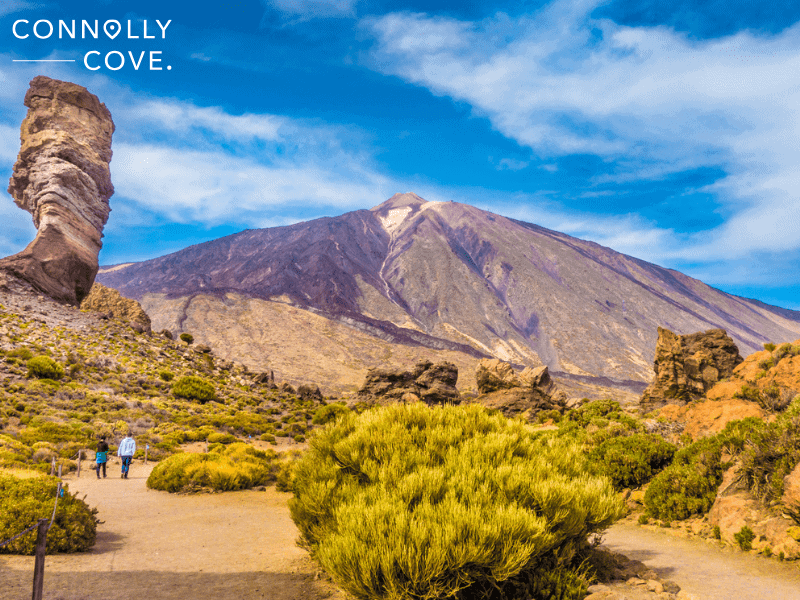
While it’s not clear which exact shots were filmed here, the Canary Islands, according to the Cinemaholic, had the perfect and most picturesque backdrop “to shoot multiple exterior sequences”.
What to Do Around the Canary Islands
The Canary Islands, a Spanish archipelago located off the northwest coast of Africa, offer a wide range of activities and attractions for visitors. Whether you’re interested in beautiful beaches, outdoor adventures, cultural experiences, or natural wonders, there’s something for everyone to enjoy.
The Islands are known for their stunning and picturesque beaches, so we recommend exploring a variety of sandy shores. The Playa de las Teresitas, in particular, is a great option to sunbathe and enjoy a dip in the waters.
Nature lovers, we haven’t forgotten you— many of the islands have volcanic terrain that’s just perfect for hiking, and if you want to see the world’s third-largest volcano, then you have come to the right place! Teide National Park in Tenerife houses the third-largest volcano that is sure to fascinate all its visitors and not just nature enthusiasts.
Quintana Roo, Mexico
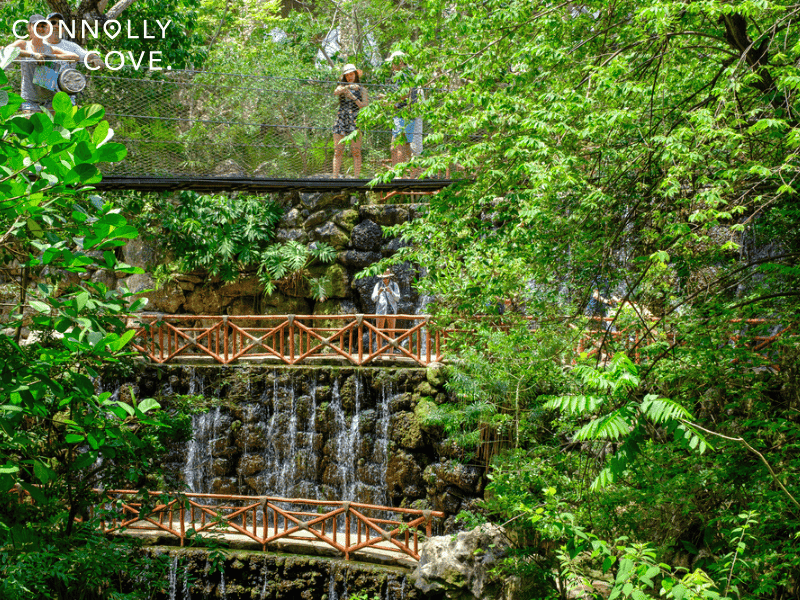
In addition to the previous gorgeous and whimsical filming locations, the production team chose Xcaret, Quintana Roo, Mexico, as the last of the exotic shooting locations to bring Monkey D. Luffy’s story to life. The Xcaret resort’s natural landscape provided a vibrant setting, perfectly aligning with the adventurous and fantastical world of One Piece.
What to do around Quintana Roo, Mexico
Quintana Roo, located on Mexico’s Yucatan Peninsula, is a diverse and vibrant destination that offers a wide array of activities for travellers. Its pristine beaches, such as those in Cancún, Playa del Carmen, and Tulum, provide opportunities for relaxation and swimming in the clear waters of the Caribbean Sea. For those interested in history, the region is home to ancient Mayan ruins like Tulum and Coba, as well as enchanting cenotes for snorkelling and diving. Adventurous travellers can swim with whale sharks near Isla Holbox and partake in water sports like scuba diving, kiteboarding, and paddleboarding.
Beyond its natural beauty and adventure, Quintana Roo offers cultural experiences through attractions like Xcaret theme park and Mayan cultural shows. Exploring the Sian Ka’an Biosphere Reserve showcases the region’s rich biodiversity while savouring Yucatecan cuisine and enjoying the vibrant nightlife in cities like Cancún and Playa del Carmen provide a taste of local culture. Whether you seek relaxation on the beach, immersion in Mayan heritage, or exciting water adventures, Quintana Roo is a captivating destination with something for every traveller to enjoy.
Italy
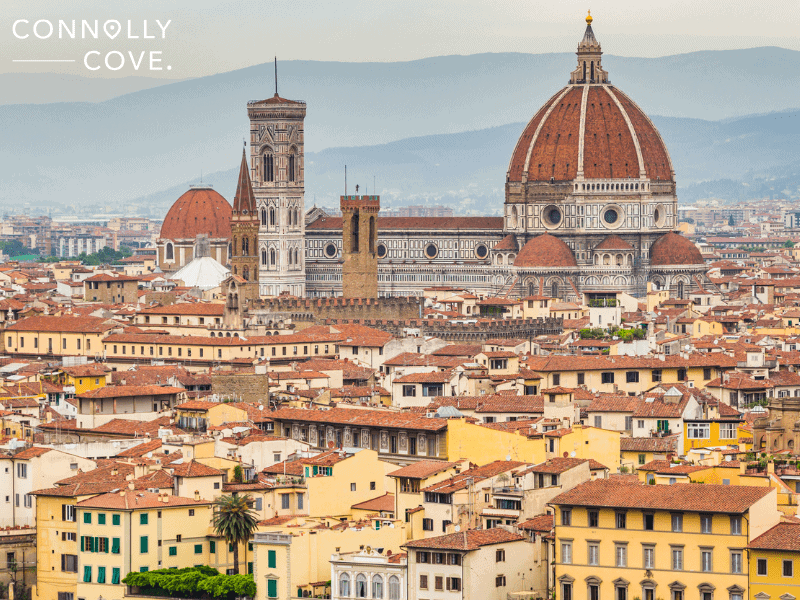
Lastly, the creators drew inspiration from the architectural and scenic designs of the picturesque landscapes of Italy. Various locations served as the core inspiration for the unique and whimsical world of One Piece to intertwine the fantasy with the real and resonate harder with the new fans.
For example, the execution scene of Gold Roger in the prologue, set in the fantastical Loguetown, showcases a sweeping view of a coastal town. This scene is believed to be inspired by the seafront of Sorrento in Campania, Italy. Notable landmarks such as the Imperial Hotel Tramontano and Villa Astor, set against the beautiful backdrop of the Bay of Naples, are featured in this wide shot.
But the inspirations don’t stop here. In the shot where the World Government building is shown, we couldn’t help but notice how influenced the building is by the gothic architectural styles prominent in Florence. Iconic structures like the Florence Cathedral and the Basilica of Santa Croce served as templates for the design of the World Government building, enriching the show’s architectural aesthetics with a touch of historical and cultural essence from Florence.
Shells Town, another locale in the One Piece universe, takes its inspiration from the seaside village of Positano, located on the Amalfi Coast in Italy. The quaint and charming characteristics of Positano are reflected in the design and atmosphere of Shells Town.
Are the Ships Real in the One Piece Live-Action?
Yes! All ships in the One Piece live-action are real and specially built for the adaptation. Unsurprisingly, Inaki Godoy, Luffy’s live-action actor, said that the Going Merry ship was his favourite set:
It’s the Straw Hats’ home, and I am the captain. So it’s the best ship ever.
Iñaki Godoy
In the world of One Piece, everything is unique. Exploring these locations showcases that the final product that we see on Netflix of the live adaptation really paid off, and even the master Oda himself was pleased with the outcome (and he is considered a perfectionist!). We couldn’t be happier that the production team didn’t rely solely on CGI and decided to give the fantastical world a real-life touch that sure resonated with fans.
Honestly, we can’t wait to see which location the creators will choose next for the Alabasta saga, which the filming for is set to get started once the WGA & SAG-AFTRA strike ends. If you are a true One Piece fan, deciding on your next travelling destination, choose one of these filming locations and live the pirate-y dream!
The Authenticity of East Ireland at Wexford County
County Wexford
05/05/2024

Must See Belfast: An Insider’s Guide to the Best of Belfast
Northern Ireland
05/05/2024

Florence Court: 18th Century House in County Fermanagh
County Fermanagh
05/05/2024

History’s Most Successful Female Pirate Queen: Zheng Yi Sao
History and Heritage
05/05/2024

Discover the Irish American Gangs: Their Rise and Notorious History
Culture Exploration
05/05/2024