


Discovering Ireland: An Ultimate Guide to Top 11 Castles in Antrim
Updated On: April 20, 2024 by  Ciaran Connolly
There are many historic castles to visit in County Antrim, Northern Ireland. Here at ConnollyCove, we have created this guide to all the castles in Antrim you need to see while visiting Northern Ireland.
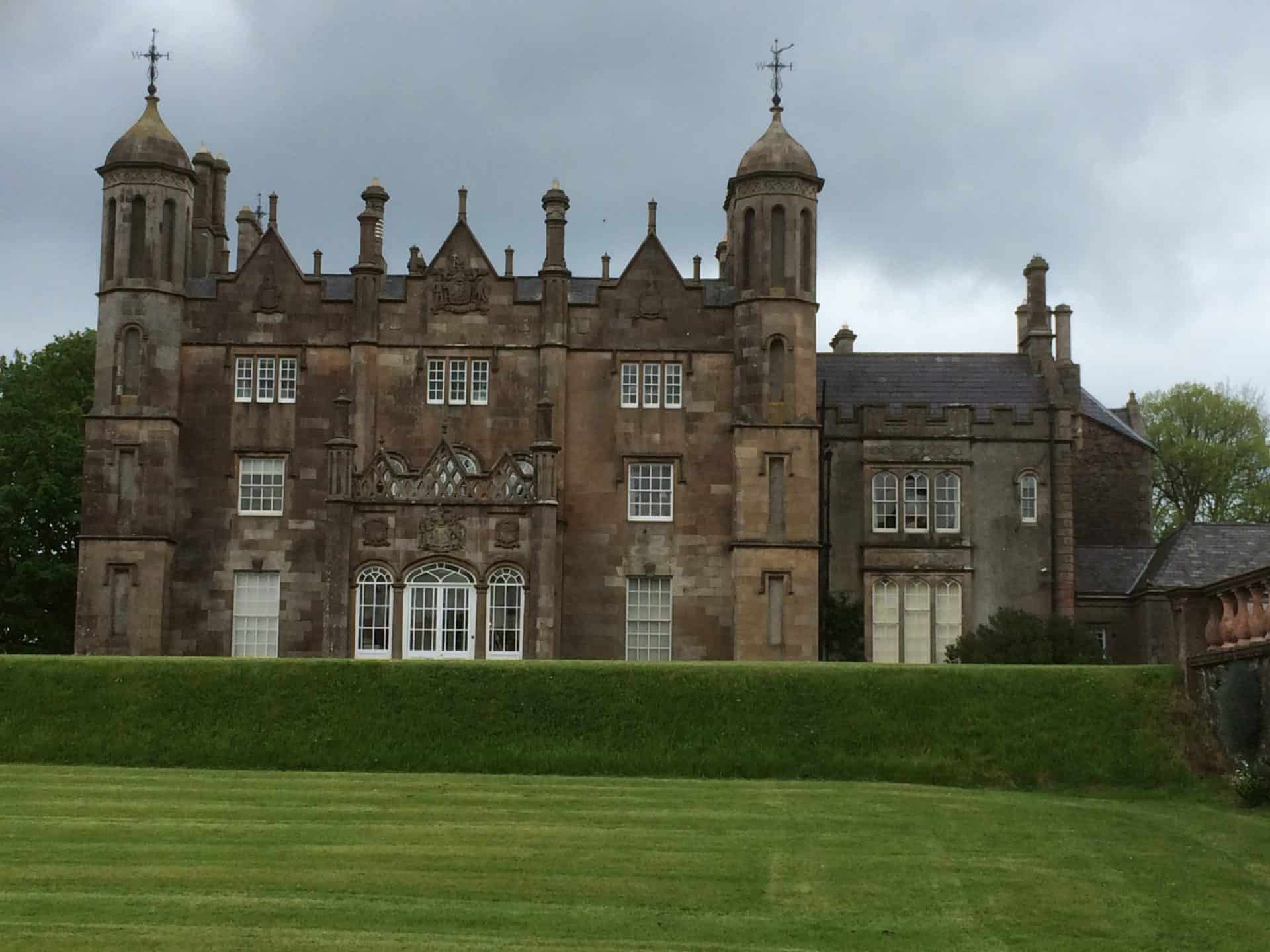
Glenarm Castle
Sourced: Flickr, Tracey Adams
Our first Castle in Antrim is the Glenarm Castle. This castle was used as a destination to film 5 Minutes of Heaven.
Location
This castle and gardens are located in Glenarm village, County Antrim, Northern Ireland. The village has a lot to offer visitors. From hiking routes to water sports. A perfect holiday location.
Background
This original castle has been in Glenarm since the 13th Century and was owned by John Bittet the Earl of Ulster. The old village courthouse still has some of the walls of the original castle.
The castle was later seized by the O’Donnells. They lived there until they built a new castle which is still there today. The present castle built-in 1636 by Sir Randal MacDonnell, 1st Earl of Antrim. It is still owned by this family.
Price and opening hours
The castle itself is only open on specific dates between specific times for guided tours only.
Open for public viewing between March and October. The Walled Garden is within the grounds of the castle. The prices for admission into the garden are £6 for adults, £3 for children aged 12-16 and free for young children.
Access to both the Castle Trail: for adults £7.50 (includes entrance to the garden, £2.50 for children aged 12-16 and free for young children.
Facilities
There is an annual Highland Games tournament in June. They hold the Dalriada festival, traditional Ulster-Scots cultural events, outdoor concerts and Summer Madness- Ireland’s biggest Christian festival.
The mushroom house has been converted into a tearoom and gift shop.
There are discounted rates for families, free WiFi, toilets, baby changing facilities, parking and guided tours available. It is also wheelchair friendly offering ramps and alternative routes.
Kinbane Castle
The name Kinbane means white head.
Not much of the castle remains. The whole surrounding area is a historical monument.
Location
This castle is located in Ballycastle, County Antrim, at the bottom of a cliff slope, it offers views of Rathlin Island and the Dunagregor Iron Age fort.
Background
Sourced: Flickr, Addam Hardy
This castle was built in 1547 by Colla MacDonnell. Later, in 1551 it was besieged by English
men under Lord Sir James Croft; and again in 1555, the castle was then destroyed by cannon fire. It was rebuilt and Colla MacDonnel died in the castle grounds in 1558.
There is a hollow below the castle which is known as Lag na Sassenach (Hollow of the English). It was named this as the English soldiers attempting to siege the castle during the 16th Century were surrounded and killed.
The castle was later given to the Owen Maclan Dubh MacAllister, 2nd Loup, Chief of the MacAlister Clan and was a reward for their loyalty to the MacDonnell Clan.
The Castle stayed in the MacAllister’s of Kenbane family until the 18th Century.
Price and opening hours
It is open to the public all year long with no charge.
Facilities
There are parking areas nearby, some which have a charge.
Hillsborough Castle
This castle is used as an official residence of the Secretary of State for Northern Ireland. It has also been used as a place of residence for many members of the British Royal family during their visits.
Location
This castle is located in Hillsborough.
Background
This castle was built in the 1770s, it is not technically a castle, but rather a Georgian Country House. It was built for the Hill family, who owned in until 1922. It was then sold to the British government.
Price and opening hours
Tours are open to the public between July and February. Each month differs in touring days. During December there are special Victorian Family Christmas Tours. Castle tour and garden access when buying at the gate cost: £10.50 for adults; £6.60 for children; £8.30 for concession, students and seniors. Buying tickets online are cheaper and there are discounts for family and group bookings.
Facilities
There are many services available for visitors such as: WiFi, male and female toilets, baby changing and card machines. They also allow dogs, provided you arrange it in advance.
Lissanoure Castle
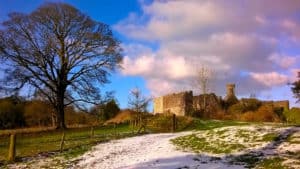
Sourced: Flickr, Trevor Lawrence
This castle has been used in filming, it has been a film spot for: BBC’s “Flog It” and “David Meade, Make Believe”, and UTV’s Lesser Spotted Ulster.
Location
Located in at the foot of the Glens of Antrim, surrounded by lakes, parkland, and woods, making it one of the most beautiful areas in Northern Ireland.
Background
This castle was built in 1770 by George Macartney, 1st Earl of Macartney. The current castle is situated on the site of a previous castle built by Sir Philip Savage in the 14th Century.
In 1847 a large portion of the castle was destroyed in an explosion. However, the courtyard remains, and since it has been renovated into function rooms available to hire.
Facilities
Wedding venue, Wheelchair adaptions, room hire, guide dogs welcome, parking and toilets.
Belfast Castle
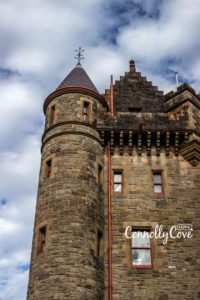
This castle has been claimed as one of Northern Ireland’s most famous landmarks
Location
This castle is located in the Cave Hill Country Park, overlooking both the lough and the city. Visitors will certainly be treated to some spectacular views.
Background
The first castle was built by the Normans in the late 12th Century in Belfast’s city centre, then later rebuilt from stone and timber by Sir Arthur Chichester, Baron of Belfast. 100 years later the castle was burned and destroyed.
Then in 1862, the third Marquis of Donegall built a new castle in his deer park on the side of Cave Hill. The designs were made by John Lanyon and were completed in 1870.
In 1884 the third Marquis of Donegall died and the castle was given to Lord Ashley, the Seventh Earl of Shaftsbury. It remained in the Shaftsbury family until it was given to the city of Belfast in 1934.
The castle was later refurbished in 1978.
Price and opening hours
It is open 7 days a week: Sunday and Monday it is open between 9 am and 6 pm. Tuesday to Saturday it is open from 9 am to 10:30 pm. There is no charge to enter and view the castle.
Facilities
Wedding venue, private tours, free parking, tea-room and restaurant, gift shop, toilets, and baby changing facilities.
Nearby there is also an adventure playground for children. A single admission costs £2.50 and includes a lot of playground activities for ages 3-14. There are also activities for older children including a space net and aerial runway. For large groups, booking in advance is advised.
For more information about the adventure playground, visit the Belfast Castle website.
Dunseverick Castle
This castle is one of five Great Royal Highways of ancient Ireland.
Location
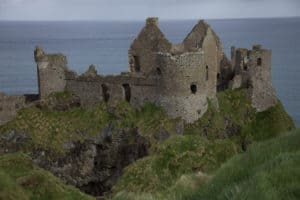
Sourced: Flickr, Gina Collecchia
This castle is located near both a village called Dunseverick and the Giant’s Causeway, in County Antrim.
Background
It is recorded that Saint Patrick, the Patron Saint of Ireland visited this castle in the 5th Century. While here he baptised a man named Oclán who later became Bishop of Ireland.
In the 6th Century AD, this castle was home to Fergus Mor MacErc or Fergus the Great. He was the King of Dalriada and his brother (Murtagh MacErc) was the High King of Ireland.
It was later home to the O’Cahan family from 1000 AD to 1320 AD and then regained it in the mid 16th Century. The last of this family who owned thus castle was Giolla Dubh Ó Catháin. He left the castle in 1657.
Finally, in 1642 the Castle was destroyed by General Robert Munro. Today, only the ruins of the gatelodge remain.
Facilities
There is a visitor centre at the Giant’s Causeway which contains toilets, a gift shop, and a tea room.
Shane’s Castle
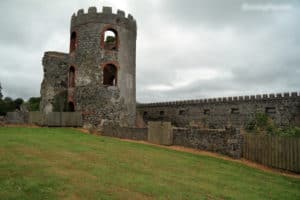
Sourced: Flickr, Sean O’Neill
Used many times while filming Game of Thrones.
Location
Thus ruined castle is located near Randalstown, in County Antrim. It was formerly called Edenduffcarrick. It is situated at Lough Neagh, along its north-east shores.
Background
This castle was originally built in 1354 by the Clandeboy O’Neill dynasty and was named Eden-duff-carrick. Later, Shane MacBrien O’Neill renamed it Shane’s Castle in 1722, and his vault has been preserved. For 1000 years, the house O’Neill were the kings of Ulster, all of Ulster belonged to them until Queen Elizabeth’s reign.
Facilities
They have 5 scooters and parking for the disabled. There is also a cafe and toilets nearby. Visitors can request a tour and afternoon tea which is served in the old railway cafe.
Olderfleet Castle
The name Olderfleet originated from the Viking name Ufried’s Fjord, the name for the Larne Lough. It is a four-story tower house.
Location
The remains of this tower house are situated on Curran Point, in Larne, County Antrim. It is close to Larne Harbour.
Background
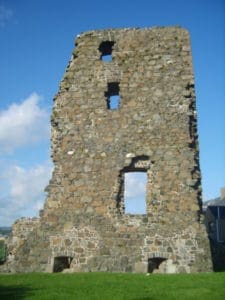
Sourced: Flickr, Garibaldi McFlurry
The original tower house is expected to have been built in 1250 by the Bissett family from Glenarm. They were of Scoto-Irish descend. However, the remains you can see today was built in the 16th Century and was named Coraine Castle before being named Curran Castle.
Later, in 1315, the Bissett family welcomed Edward Bruce and his 6000 person army to attempt to conquer Ireland. Then, in 1569 Queen Elizabeth seized the castle and named Sir Moyses Hill governor. Later, the castle was claimed by the MacDonnells and in 1598 it was destroyed.
The present ruins are estimated to have been built in 1612 and in 1621 and were given to Sir Arthur Chichester. It remained in his family until 1823. Later, in 1938 the castle was given to the state.
What remains is a part of the tower with pairs of gun loops in what seems to have been the basement. The remaining square shows one meter-thick walls, meaning it may have been built as a warehouse or watchtower.
Price and opening hours
You can visit the remains any time of the year, free of charge.
Facilities
There is parking nearby, some may charge.
Carrickfergus Castle
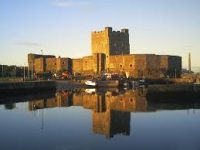
Sourced: Flickr, Danielle
The name Carrickfergus originated from the Irish Carraig Ḟergus or cairn of Fergus. The name Fergus means: strong man.
Location
This Norman castle is situated in Carrickfergus on the northern shore of Belfast Lough in County Antrim.
Background
The castle was built in 1177 by John de Courcy. It was used as his base when he overruled eastern Ulster. He ruled eastern Ulster as king until 1204, when he was overruled by the Norman adventurer High de Lacy. He added many new rooms onto the original including the inner ward and a bailey.
In 1210, King John ruled over the castle. The castle was finally completed in 1250 by King Henry III.
During the 16th and 17th Centuries, many improvements were made to the castle artillery. However, these improvements did not prevent attacks and the castle being claimed many times. In 1760, the castle was surrendered to the French invaders under the rule of Francois Thurot. They stole many treasures from both the castle and the town before leaving and being caught by the Royal Navy.
The castle was used to house prisoners for a while, then in 1797, the castle became a prison and was heavily defended during the Napoleonic Wars. Six guns of the original 22 remain.
During the First World War, the castle was used as a garrison and an artillery store then in the Second World War was used as an air-raid shelter.
Then, in 1928 the British Army gained ownership for preservation as an ancient monument. The banqueting hall has been fully restored and there are many exhibits showcasing medieval life.
Price and opening hours
The castle is open to the public between 9:30 am and 5 pm. Admission for adults is £5.50, for children between the ages of 4 and 16 is £3.50. Children under the age of 4 have free admission. Students and senior citizens received the £3.50 entry fee. There are also group booking discounts.
Facilities
There is a visitor centre which contains toilets, parking, and a gift shop.
Dunluce Castle
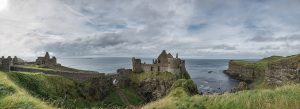
Location
This castle is situated on Dunluce Road in Bushmills, County Antrim
Background
Check out the history and legends behind this medieval castle at:
Dunluce Castle – Incredible Medieval Castle on Cliffs in County Antrim
Price and opening hours
This castle is open to the public daily between 9:30 am until 5 pm. Admission costs £5.50 for adults and £3.50 for children aged 4 to 16. Children under the age of 4 do not have an admission fee.
Facilities
There are group booking discounts and guided tours available. There is also a cafe, toilets, and parking available.
Antrim Castle Garden and Clotworthy House
Location
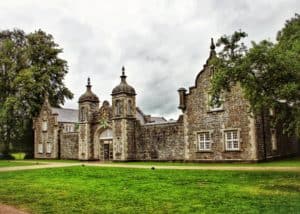
Sourced: Flickr, David Genney
This castle is located in Antrim on the banks of the Sixmilewater River.
Background
This Antrim castle was built in stages between 1613 and 1662. It was originally built by Sir Hugh Clothworthy. The castle was then rebuilt in 1813.
Later, it was destroyed in a fire in 1922. The fire started during a grand ball. All that remains in a raised grass platform, an Italian stair tower which was built in 1887 and a gatehouse which was built in 1818. The Castle Gardens are an amazing and popular tourist spot near the castle.
It is said that there is a young female ghost haunting the Castle Gardens. Ethel Gillian was rescued from the fire, however, later died from smoke inhalation.
Price and opening hours
Visiting this historic castle garden is free of charge. Clotworthy House is open Monday until Friday from 9:30 am. On Monday, Wednesday, Friday, and Sunday it closes at 5 pm, and on Tuesday and Thursday it closes at 9:30 am.
You can access the castle gardens at all times.
Facilities
There is a coffee shop on site. There is also WiFi, a gift shop, parking, and picnic areas.
Have you visited any of these castles in Antrim, Northern Ireland? Please share your experiences in the comments section below.
If you enjoyed this guide to all the castles in Antrim, feel free to check out more of our fantastic posts about places to visit in Ireland:
Irish Heritage | Around the World and Beyond | Discovering Ireland: Walk through History | Discover Ireland: The Glens of Antrim | Top Northern Ireland Attractions: Comprehensive Guide to Northern Ireland

A Walk in Ireland Guide: Best Trails, Routes, and Tips
Ireland
26/04/2024
An Ultimate Guide to 6 of the Finest Castle Tours in England
England
26/04/2024
Unveiling the Most Terrifying Haunted Tours in Scotland
Scotland
25/04/2024

7 Top Amusement Parks in England for an Unforgettable Adventure
England
25/04/2024

Miami Tourism Statistics: A Comprehensive Overview of Visitor Numbers and Revenue
Travel Statistics
25/04/2024