Well, why not check out the Irish Agricultural Museum? It offers one of the most detailed displays of farming life in Ireland and makes for a great day out for the whole family in Wexford. The museum and famine exhibition are housed in a former estate farm building where you’ll discover lots about Ireland’s past.
The Irish Agricultural Museum dates back to the 18th and middle of the 20th century and offers much to see and experience. Explore two floors of items, exhibitions, and galleries on display.
Table of Contents
The Johnstown Castle Estate: A Historical Backdrop
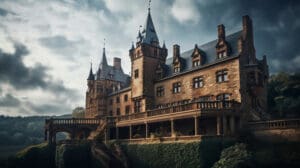
The Irish Agricultural Museum is housed within the Johnstown Castle Estate, steeped in history and natural beauty. The estate itself dates back to the early 12th century, established by the Anglo-Norman family of Esmonde. Over the centuries, the estate has seen various transformations, particularly in the 19th century when the Gothic Revival castle was constructed under the direction of the Grogan-Morgan family. The estate’s picturesque landscape, complete with ornamental gardens, lakes, and woodlands, provides a fitting backdrop for the museum, enriching the visitor experience with a blend of natural and historical elements.
Exhibits and Collections
The Irish Agricultural Museum boasts an extensive collection of artefacts, machinery, and exhibits that vividly illustrate the evolution of farming practices in Ireland. Each exhibit is thoughtfully curated to educate visitors about different aspects of agricultural life, from crop cultivation to livestock management, traditional crafts, and technological advancements.
The Great Famine Exhibition
One of the museum’s most poignant exhibits is the Great Famine Exhibition. This section provides an in-depth look at one of the most tragic periods in Irish history, the Great Famine of 1845-1852. Through a combination of artefacts, photographs, and personal accounts, the exhibit tells the harrowing story of how potato blight led to widespread starvation and emigration. The display includes original farm implements, household items, and evocative narratives that bring to life the suffering and resilience of the Irish people during this dark chapter.
Traditional Farming Tools and Machinery
The museum’s collection of traditional farming tools and machinery offers a fascinating glimpse into the ingenuity and resourcefulness of Irish farmers over the centuries. Visitors can explore various implements, from simple hand tools to more complex machinery that revolutionised farming practices. Highlights include horse-drawn ploughs, threshing machines, seed drills, and reaping hooks. These artefacts showcase the evolution of agricultural technology and highlight the hard labour and skill involved in traditional farming.
Rural Transport and Vehicles
Another captivating section of the museum is dedicated to rural transport and vehicles. This exhibit features a variety of horse-drawn carriages, carts, and early motorised vehicles that played a crucial role in rural life. The collection includes jaunting cars, traps, gigs, and a beautifully restored steam engine. These vehicles were essential for transporting goods, animals, and people across the countryside, and their presence in the museum offers a tangible connection to Ireland’s rural past.
The Dairy and Butter-Making Exhibition
Dairy farming has long been a cornerstone of Irish agriculture, and the museum’s dairy and butter-making exhibition pays homage to this vital industry. Visitors can learn about the traditional methods of butter production, from milking cows to churning butter. The exhibit features a variety of dairy equipment, including churns, butter moulds, and separators. Interactive displays allow visitors to try their hand at butter-making, providing a hands-on understanding of this age-old craft.
The Blacksmith’s Forge
The blacksmith’s forge is another highlight of the museum, illustrating the essential role blacksmiths played in rural communities. The forge features authentic tools and equipment blacksmiths use to create and repair farm implements, shoe horses, and produce household items. Demonstrations of blacksmithing techniques offer visitors a live glimpse into this skilled trade, emphasising its importance in agriculture.
Educational and Cultural Significance
The Irish Agricultural Museum is a repository of historical artefacts and an educational resource for visitors of all ages. Through exhibits and programmes, the museum aims to foster a deeper understanding of Ireland’s agricultural heritage and its impact on contemporary society.
Educational Programmes and Workshops
The museum offers a range of educational programmes and workshops designed to engage school groups, families, and adult learners. These programmes cover various aspects of agriculture, from historical farming practices to modern sustainability initiatives. Workshops on traditional crafts such as butter-making, blacksmithing, and weaving provide hands-on learning experiences that bring history to life. These educational initiatives are instrumental in preserving traditional skills and knowledge for future generations.
Research and Scholarship
In addition to its public exhibits, the museum supports research and scholarship in agricultural history. It collaborates with academic institutions, historians, and researchers to study and document Ireland’s farming past. The museum’s archives and collections serve as valuable resources for scholars seeking to understand Irish agriculture’s social, economic, and technological developments.
Cultural Events and Festivals
The Irish Agricultural Museum also hosts various cultural events and festivals annually, celebrating different aspects of rural life. These events include traditional music performances, craft fairs, and agricultural shows, which attract visitors from near and far. Such events provide entertainment and reinforce the cultural connections between Ireland’s past and present.
The Role of Agriculture in Irish Society
To fully appreciate the significance of the Irish Agricultural Museum, it is essential to understand the central role agriculture has played in Irish society. For centuries, farming has been the backbone of Ireland’s economy, shaping its landscapes, communities, and way of life.
Historical Overview
Agriculture in Ireland has a long and varied history, dating back to the Neolithic period when early settlers began cultivating the land. Over time, agricultural practices evolved, influenced by technological advancements, climatic changes, and social developments. The introduction of new crops, such as the potato in the 16th century, profoundly affected Irish farming and society. However, this dependency on the potato also made the population vulnerable, as evidenced by the catastrophic impact of the Great Famine.
Social and Economic Impact
Farming has traditionally been a way of life for a significant portion of the Irish population. Rural communities developed around agricultural activities, fostering a strong sense of community and mutual support. The farm sector has also been a significant employer, providing livelihoods for countless families. Despite the challenges of modernisation and globalisation, agriculture remains a vital part of Ireland’s economy, contributing to food security, export revenues, and rural development.
Cultural Significance
Beyond its economic importance, agriculture holds a special place in Irish culture. Farming traditions, folklore, and seasonal celebrations are deeply embedded in the national identity. Festivals such as the Harvest Festival and St. Brigid’s Day reflect the agricultural calendar and its influence on cultural practices. The Irish Agricultural Museum plays a crucial role in preserving and promoting these cultural connections, ensuring that future generations remain connected to their agricultural heritage.
Conservation and Sustainability
In addition to celebrating the past, the Irish Agricultural Museum actively promotes conservation and sustainability in modern agriculture. Through its exhibits and programmes, the museum encourages visitors to consider the environmental impact of farming practices and the importance of sustainable agriculture for future generations.
Sustainable Farming Practices
The museum highlights the principles of sustainable farming, showcasing methods that minimise environmental impact and promote biodiversity. Exhibits on organic farming, crop rotation, and soil conservation educate visitors about the benefits of sustainable agriculture. By promoting these practices, the museum contributes to a broader understanding of how farming can be productive and environmentally responsible.
Conservation of Agricultural Heritage
Preserving the tangible and intangible heritage of agriculture is a vital mission of the museum. This includes the conservation of historical artefacts and the documentation of traditional knowledge and practices. The museum’s efforts ensure that valuable aspects of Ireland’s agricultural heritage are not lost to time but are instead preserved and celebrated.
Visitor Experience
Visiting the Irish Agricultural Museum is a journey through time, offering a rich and engaging experience for all ages. The museum’s thoughtful layout, interactive exhibits, and beautiful surroundings create an inviting and educational environment.
Guided Tours and Interactive Displays
Guided tours are available for those who wish to delve deeper into the stories behind the exhibits. Knowledgeable guides provide context and insights, enhancing the visitor experience. Interactive displays and hands-on activities, such as butter-churning and blacksmithing, offer a more immersive experience, allowing visitors to engage directly with the history of Irish agriculture.
Gardens and Grounds
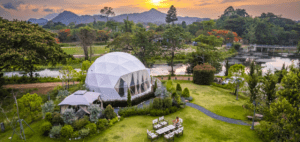
The Johnstown Castle Estate’s stunning gardens and serene lakes add to the museum’s charm. Visitors can explore the beautifully landscaped gardens, which feature a variety of plant species and offer a peaceful retreat. The estate’s grounds also provide opportunities for leisurely walks and picnics, giving the museum a well-rounded day out.
Visitor Facilities
The museum has a range of facilities to ensure a comfortable and enjoyable visit. These include a café offering refreshments and light meals, a gift shop with a selection of locally made products and souvenirs, and ample parking. Accessibility is a priority, with provisions made for visitors with mobility issues.
These are just a few things you can explore on a trip to the Irish Agricultural Museum. While here, you must explore the unmissable grounds surrounding the historical castle where the museum is housed.
There is so much to see while wandering around, from over 200 varieties of trees and shrubs to a beautiful lakeside, waterfalls, gothic towers and statues to appreciate.
Irish Agricultural Museum Opening Hours:
March to October:
- Monday – Friday: 9:00 am – 5:00 pm (9:00 am – 6:30 pm from June to Aug)
- Weekends & Bank Holidays: 11:00 am – 5:00 pm (11:00 am – 6:30 pm from June to Aug)
November to February:
- Monday – Friday: 9:00 am – 4:00 pm
- Weekends & Bank Holidays: 11:00 am – 4:00 pm
- Closed: 24-26 December. (Open 27 December – 1 January, 11:00 am – 4:00 pm, weather permitting)
Gardens – Opening Hours:
March to October:
- Monday – Friday: 9:00 am – 5:30 pm (9:00 am – 7:00 pm from June to Aug)
- Weekends & Bank Hols: 9:00 am – 5:30 pm (9:00 am – 7:00 pm from June to Aug)
November to February:
- Monday – Friday: 9:00 am – 4:30 pm
- Weekends & Bank Holidays: 9:00 am – 4:30 pm
- Closed: 25-26 December
Museum and Castle Gardens Admission Prices:
Museum
- Adult – €6
- OAP / Group – €5
- Child / Student – €4
- Family – €20
Gardens Only
- Adult – €3
- OAP / Group – €2
- Child / Student – €1
- Family – €8
Gardens & Museum
- Adult – €8
- OAP / Group – €6
- Child / Student – €4
- Family – €24
Conclusion
The Irish Agricultural Museum in County Wexford is a testament to Ireland’s rich agricultural heritage. The museum explores the nation’s farming past through extensive exhibits, educational programmes, and cultural events. Located within the historic Johnstown Castle Estate, the museum provides visitors a unique and enriching experience, connecting them to Irish agriculture’s history, culture, and future. Whether you are a history enthusiast, a student, or simply looking for an enjoyable day out, the Irish Agricultural Museum offers a journey through time that is both informative and inspiring.
Check out their website for more information and to plan your trip to the Irish Agricultural Museum.
Looking for more attractions to check out in County Wexford? Then check out these below:
Irish National Heritage Park | Worlds Oldest Operational Lighthouse | Loftus Hall, Ireland’s Most Haunted House |