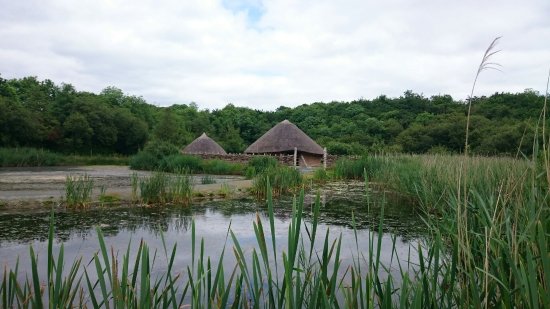


Located in the heart of County Wexford, the Irish National Heritage Park offers a unique opportunity to step back in time and immerse oneself in Ireland’s rich and diverse history. Spanning 35 acres, this open-air museum presents a vivid and engaging portrayal of Ireland from prehistoric to Norman times. Whether you are a history enthusiast, an archaeology buff, or a curious traveller, this park is an essential stop. This comprehensive guide will explore everything you need to know to make the most of your Irish National Heritage Park visit, including practical tips and insights to enhance your experience.
Keep reading to learn more about the Irish National Heritage Park, what it offers, when you can visit, and more.
Table of Contents
The Irish National Heritage Park – A Wexford Treasure
One is a one-of-a-kind place in Ireland where you’ll get to have a unique heritage experience and explore the compelling history and archaeology of Wexford through 40 acres of beautiful natural woodland. The Irish National Heritage Park is just outside Wexford Town, a significant part of Ireland’s famous Ancient East.
At this Wexford park, you can explore the reconstructions of some historic Irish sites through the woodland and trails and just immerse yourself in the picturesque location on offer. Through three unique heritage tours, you can discover Ireland from Pre-Historic Ireland, Early Christian Ireland, and the Age of Invasions—where you, the visitor, will walk through and explore traditional homes, monuments, villages, and buildings such as replicas of a Viking town, stone circles, a Norman castle, and much more.
The Story of the Irish National Heritage Park
The Wexford attraction opened in 1987 as an open-air museum exploring over 9,000 years of engaging Irish history. At the time, it offered something completely different in Ireland and Europe.
As time has passed, the Irish National Heritage Park has evolved and continues to offer visitors an exciting heritage experience through various activities, traditional skill courses, and workshops that take place annually.
One of the park’s most popular tours is its famous and much-loved character-led tour. Costumed guides take you through the park and bring to life the sights and sounds of Ireland’s historic Ancient East.
The attraction’s location also has its history to uncover. It was the home to the first Norman castle in Ireland and a defensive ditch built in 1169. Referred to as the ‘Fitzstephens Fort,’ visitors to the Irish National Heritage Park can still see the remains of this historic 800-year-old castle today.
Around 70,000 visitors visit the Irish National Heritage Park each year to explore its offerings and are genuinely captivated by the place.
There is so much on offer at this Wexford park, from the history you’ll get to discover to fun activities for the whole family to enjoy, such as archery, axe throwing, Viking shield making, and even checking out the birds of prey at the Falconry Centre.
You can also just enjoy the peaceful surroundings the place provides. You’ll come across many different animals and birds as well as natural habitats, and the ever-changing scenery and atmosphere through the seasons give you a great reason to come back for a second visit.
Practical Tips for Visiting the Irish National Heritage Park
To make the most of your visit to the Irish National Heritage Park, consider the following practical tips:
- Plan Your Visit Ahead of Time: The park is open year-round, but hours of operation may vary seasonally. Check the park’s website for information on opening hours, ticket prices, and special events.
- Wear Comfortable Clothing and Footwear: The park covers a large area, and visitors will spend significant time walking outdoors. Dress in layers to accommodate changing weather conditions, and wear sturdy, comfortable shoes.
- Allow Plenty of Time: To appreciate the park’s exhibits and participate in activities fully, plan to spend at least three to four hours at the park. A full-day visit is recommended for those who want to explore every detail.
- Take Advantage of Guided Tours: The park offers guided tours led by knowledgeable staff, providing deeper insights into the historical periods and exhibits. These tours can significantly enhance your understanding and enjoyment of the park.
- Participate in Hands-On Activities: The park features a variety of interactive demonstrations and workshops, such as pottery making, archery, and traditional crafts. These activities offer a fun and engaging way to experience history first-hand.
- Bring a Picnic: The park has picnic areas where visitors can enjoy a meal amidst the beautiful surroundings. Alternatively, the park’s café offers a selection of refreshments and light meals.
- Visit the Gift Shop: The park’s gift shop offers a range of souvenirs, including books, jewellery, and crafts inspired by Irish history. It’s a great place to find unique gifts and souvenirs for your visit.
- Accessibility: The park is committed to making its exhibits accessible to all visitors. Wheelchair-accessible paths are available, and the park provides mobility aids upon request. Contact the park in advance to discuss any specific accessibility needs.
- Educational Programmes: The park offers a range of educational programmes for schools and groups tailored to different age groups and academic levels. These programmes provide an in-depth exploration of Irish history and culture.
- Special Events: Throughout the year, the park hosts various special events, including historical reenactments, festivals, and themed workshops. Check the park’s events calendar to see if any special activities coincide with your visit.
Enhancing Your Experience
To truly enrich your visit to the Irish National Heritage Park, consider delving deeper into the exhibits’ historical context and cultural significance. Here are a few additional tips to enhance your experience:
- Read Up on Irish History: Familiarising yourself with the basics of Irish history before your visit can provide a valuable framework for understanding the park’s exhibits. Books, documentaries, and online resources can offer a helpful overview.
- Engage with Interpretive Displays: Interpretive panels and displays provide detailed information about the historical periods and exhibits throughout the park. Take the time to read these materials and reflect on the stories they tell.
- Ask Questions: The park’s staff and guides are knowledgeable and passionate about Irish history. Don’t hesitate to ask questions and engage in conversations to deepen your understanding.
- Capture Your Visit: Bring a camera to document your visit and capture the beauty of the park’s landscapes and exhibits. However, be mindful of other visitors and follow any guidelines regarding photography.
- Reflect on the Experience: After your visit, take some time to reflect on what you’ve learned and experienced. Consider how the park’s exhibits have deepened your appreciation for Irish history and culture.
Nearby Attractions
While the Irish National Heritage Park is a highlight of County Wexford, the surrounding area offers a wealth of additional attractions and activities. Consider extending your visit to explore these nearby sites:
- Wexford Town: Just a short drive from the park, Wexford Town boasts a charming blend of historical and modern attractions. Stroll through its medieval streets, visit the National Opera House, or explore the Wexford Wildfowl Reserve.
- Johnstown Castle and Gardens: Located just outside Wexford Town, Johnstown Castle is a stunning 19th-century castle set amidst beautiful gardens and lakes. The site also houses the Irish Agricultural Museum, offering further insights into Ireland’s rural history.
- Hook Lighthouse: Situated on the Hook Peninsula, Hook Lighthouse is one of the oldest operational lighthouses in the world. Visitors can tour the lighthouse, enjoy panoramic views of the coastline, and learn about maritime history.
- Tintern Abbey: This Cistercian abbey, founded in the 13th century, is located near the village of Saltmills. The site features well-preserved ruins, scenic walking trails, and a walled garden.
- Kilmore Quay: This picturesque fishing village is known for its thatched cottages, seafood restaurants, and boat trips to the Saltee Islands, a birdwatcher haven.
- Ferns Castle: In the village of Ferns, visitors can explore the remains of a 12th-century castle and learn about the region’s medieval history. The nearby St. Aidan’s Cathedral and High Crosses add to the historical appeal.
Opening Times and Admission Tickets
The Irish National Heritage Park’s restaurant and shop are open 362 days a year.
- May 1st – August 31st – 9:30 am – 6:30 pm (last admission 5 pm)
- September – April – 9:30 am – 5:30 pm (last admission 3 pm)
Prices:
- Adults: €14
- Family (including two adults and one child): €32
- Family (including two adults and up to three children under the age of 18 years old):€38
- Children four years and under are free to enter without charge
- Student: €12
- Senior Citizen:€12
Location:
Three miles from Wexford off of the Dublin (N11) Rosslare Road (N25).
OS SL924818
Conclusion
The Irish National Heritage Park in County Wexford is a must-visit destination for anyone interested in Ireland’s rich and varied history. Its meticulously crafted exhibits, interactive activities, and stunning natural setting make it a unique and educational experience for visitors of all ages. By planning, engaging with the exhibits, and taking advantage of the park’s many offerings, you can make the most of your visit and gain a deeper appreciation for Ireland’s cultural heritage.
Whether exploring the Mesolithic campsite, marvelling at the Neolithic farmstead, or stepping inside a Viking longhouse, the park offers a captivating journey through time. And with so many nearby attractions to explore, your County Wexford trip can be enriching and unforgettable.
Have you ever visited the Irish National Park in County Wexford? Let us know your experience in the comments below.
More blogs worth checking out:
World’s Oldest Operational Lighthouse: Hook Lighthouse | The Gobbins: Europe’s most Dramatic Cliff Path | Wicklows National Park | Arranmore Island: A True Irish Gem