


10 Exhilarating Things to Do in Messina, Italy
Updated On: February 23, 2024 by  Yasmin Elwan
Messina isn’t just a Sicilian city; it’s a siren song, luring you into the heart of the Mediterranean with whispers of ancient secrets and sun-drenched shores. Picture this: cobbled streets whispering tales of bygone eras, the air heavy with the scent of salty sea air and the sizzling promise of fresh seafood, and every corner a treasure chest overflowing with Sicily’s storied history. Amid these enchanting streets, discover a myriad of things to do in Messina, where every step becomes a journey through time.
Ready to trade your ordinary for extraordinary? Then join us as we unravel the magic of Messina, a place where time surrenders to the rhythm of the waves and invites you to sink your teeth into every delicious moment. It’s a treasure trove waiting to be explored, a sensory feast between sun-kissed shores and the warmth of ancient stones.
Exploring Messina: An Overview
Nestled on the northeastern tip of the enchanting island of Sicily, Messina stands as a gateway to the rich cultural tapestry and historical wonders of this Italian region. With a history dating back to ancient times and a vibrant modern charm, Messina beckons travellers with its unique blend of tradition and contemporary allure.
Location: Where East Meets West
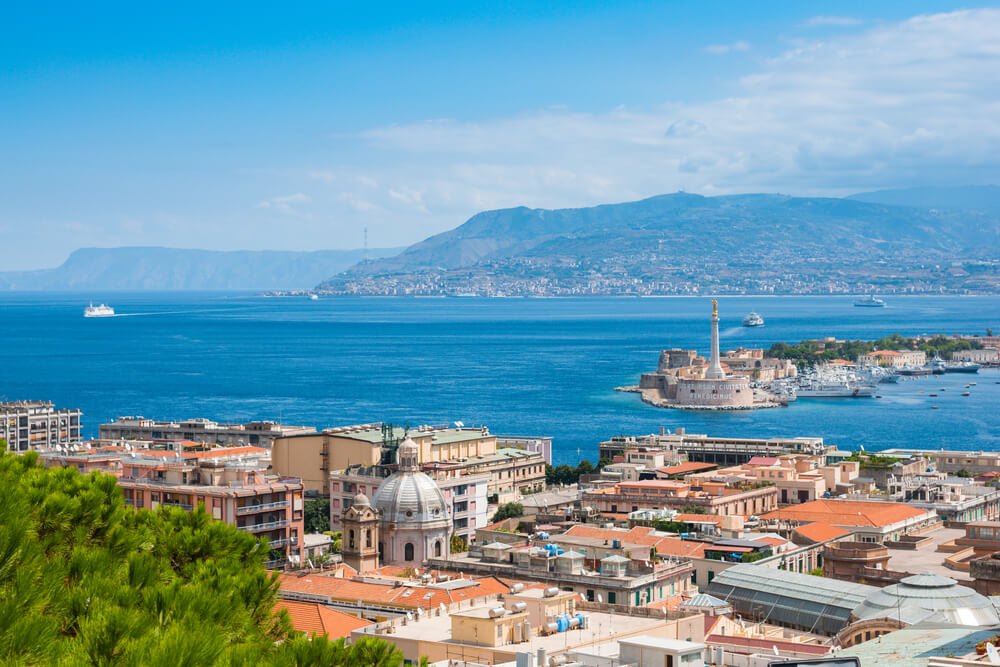
Messina is strategically positioned at the point where the Ionian Sea meets the Tyrrhenian Sea, providing breathtaking views of both the Italian mainland and the nearby shores of Calabria. Its location has not only shaped its history as a crucial port city but has also influenced its distinctive culture, influenced by a mix of Mediterranean and Italian traditions.
Getting to Messina
The nearest airport to the city is the Reggio Calabria Airport, located across the Strait of Messina in Calabria. From the airport, visitors can take a ferry or drive through the impressive Strait Bridge, connecting the two regions. Catania Fontanarossa Airport is another option, offering a wider range of international flights.
Messina is well-connected by train, with regular services from various cities in Italy. The train journey itself offers stunning coastal views, setting the tone for the beauty that awaits in Messina.
Ferries and hydrofoils connect Messina to the neighbouring Calabrian ports, providing a scenic maritime approach. This option is not only practical but also allows travellers to enjoy the panoramic views of the city as they approach its shores.
Best Time to Go: Seasonal Delights
The best time to visit Messina largely depends on individual preferences. The summer months (June to August) bring warm temperatures and a lively atmosphere, perfect for beachgoers and outdoor enthusiasts.
Spring (April to May) and fall (September to October) offer milder weather, making it an ideal time for exploring the city without the peak tourist crowds. Winter (November to February) may bring cooler temperatures, but the festive season showcases the city’s holiday charm, especially during Christmas and New Year.
Best Things to Do in Messina: Landmarks and Historical Sites
Embark on a journey through the annals of time as we delve into Messina’s storied past. Join us in tracing the footsteps of history, where every cobblestone and archway reveals the timeless elegance and significance of Messina’s landmarks and historical sites.
Messina Cathedral and the Bell Tower
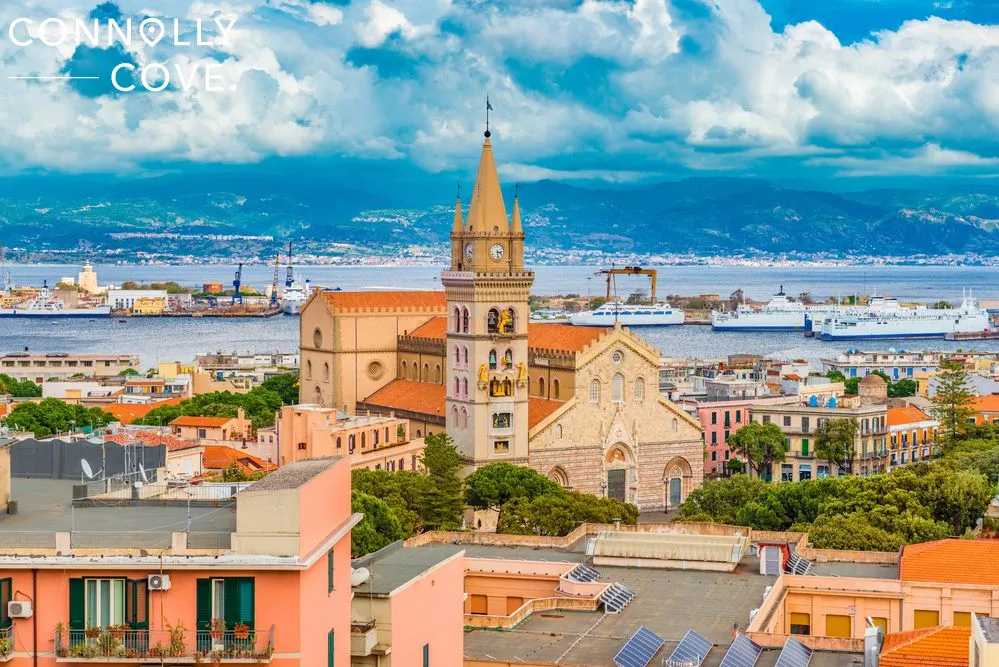
At the heart of this Sicilian city’s architectural prowess stands the magnificent Messina Cathedral, a timeless masterpiece boasting a harmonious blend of Norman, Gothic, and Renaissance styles. The iconic Bell Tower, an imposing structure adjacent to the cathedral, houses the mesmerising Astronomical Clock. As the clock springs to life each day, it orchestrates a captivating show, narrating the city’s celestial connection and historical significance.
Installed in 1933, the Astronomical Clock is a masterpiece of horology, blending intricate craftsmanship with celestial mechanics. Its mechanism orchestrates a daily show, revealing a fascinating dance of animated figures and rotating spheres. As the clock strikes noon, visitors are treated to a spectacle where allegorical representations come to life, symbolising the phases of life, death, and rebirth.
The Strait of Messina and the Strait Bridge
While not a traditional landmark, the Strait of Messina itself is a natural wonder that has shaped the city’s identity. Gaze upon this narrow passage separating Sicily from Calabria, and you’ll understand why it has been a strategic focal point throughout history. The ambitious Strait Bridge project, with its promise of connecting the two regions, adds a modern touch to this historically significant waterway.
Regional Archaeological Museum of Messina
For those seeking a deeper dive into Sicily’s rich history, the Regional Archaeological Museum is a trove of treasures. From artefacts dating back to ancient Greece to Roman sculptures and medieval artefacts, the museum offers a curated journey through the diverse epochs that have left their mark on Messina and its surroundings.
Church of the Santissima Annunziata dei Catalani
A lesser-known gem, the Church of the Santissima Annunziata dei Catalani, stands as a testament to Messina’s medieval charm. This 12th-century church showcases a unique blend of Arab-Norman architecture, adorned with intricate details and a serene courtyard.
Fountain of Orion
Adorning the heart of the city, the Fountain of Orion is a baroque masterpiece that pays homage to the mythological figure of Orion. Built in the 16th century, the fountain features an intricately carved statue of Orion surrounded by sea creatures, symbolising the city’s ties to the sea and its maritime history.
Forte del Santissimo Salvatore
Perched on a hill overlooking Messina, the Forte del Santissimo Salvatore offers panoramic views of the city and the surrounding coastline. This historic fortress, dating back to the 16th century, provides a glimpse into Messina’s defensive past and serves as a vantage point to appreciate the city’s layout and natural beauty.
Porta Grazia and Porta Garibaldi
Step back in time as you pass through the ancient city gates of Messina. Porta Grazia and Porta Garibaldi, two well-preserved entrances to the city, welcome visitors with their medieval charm. These gates stand as guardians, silently narrating the tales of centuries gone by.
As you explore these landmarks and historical sites, each stone and structure will reveal a layer of Messina’s rich tapestry, inviting you to connect with the city’s past and present in an unforgettable journey through time.
Culinary Delights of Messina
In Messina, every meal is a celebration of tradition, a journey through the ages reflected in the culinary artistry that graces the tables of this enchanting city. So, savour each bite, raise a glass to the Mediterranean breeze, and let the flavours of Messina weave a gastronomic tale that lingers in your memory long after the last forkful.
Sicilian Street Food Extravaganza
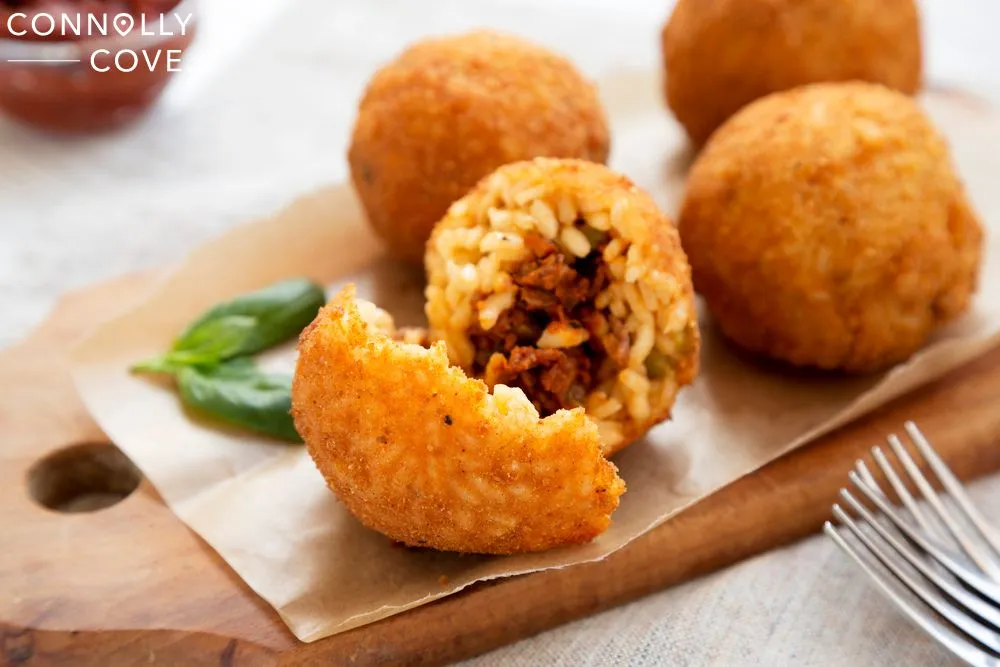
Begin your culinary adventure by immersing yourself in the bustling street food scene that graces Messina’s lively markets and squares. Arancini, golden-fried rice balls stuffed with savoury fillings like ragù and mozzarella, beckon with each crispy bite. Stroll through the streets and savour panelle, chickpea fritters, and vastedda, a savoury spleen sandwich, as vendors skillfully craft these flavorful delights before your eyes.
Seafood Symphony
Given Messina’s coastal location, the seafood offerings are a highlight of the local cuisine. Indulge in freshly caught swordfish, a regional speciality prepared in various delectable ways, from grilled to involtini. For an authentic maritime experience, explore trattorias and seafood markets that showcase the day’s catch, allowing you to savour the bounty of the Mediterranean.
Pasta Perfection
No culinary journey in Italy is complete without a celebration of pasta, and Messina doesn’t disappoint. Try Pasta ‘Ncasciata, a baked pasta dish featuring layers of eggplant, ragù, and ricotta. The city’s interpretation of Sicily’s iconic pasta alla norma, with eggplant, tomatoes, and ricotta salata, is a symphony of flavours that pays homage to the island’s agricultural abundance.
Sicilian Sweets and Treats
Cap off your culinary exploration with a visit to Messina’s pastry shops, where sweet indulgence takes centre stage. Cassata Siciliana, a ricotta-filled sponge cake adorned with marzipan and candied fruits, is a visual and flavorful delight. Cannoli, crisp pastry tubes filled with sweetened ricotta, and Frutta Martorana, marzipan fruits that resemble the real thing, showcase the Sicilian penchant for sweet sophistication.
Local Libations
Complement your culinary journey with regional libations. Sicilian wines, such as Nero d’Avola and Marsala, offer a perfect pairing for savoury dishes. Don’t forget to savour a glass of limoncello or the unique Alkermes liqueur, each reflecting the essence of Messina’s culinary traditions.
Farm-to-Table Experiences
For an authentic taste of Messina, venture beyond the city centre to agriturismi and local farms. Here, you can experience farm-to-table dining, indulging in dishes crafted from fresh, locally sourced ingredients while surrounded by the picturesque landscapes that define the Sicilian countryside.
Parks, Gardens, Museums, and Art Galleries
In the embrace of Messina’s enchanting landscapes lies a cultural oasis, where verdant parks seamlessly blend with art-laden galleries and museums. Explore the city’s diverse facets, from the serene beauty of its gardens to the intellectual richness housed within its museums and art galleries. Let this immersive experience unfold, inviting you to savour the artistic and natural wonders that define Messina.
Villa Mazzini
Begin your journey at Villa Mazzini, a haven where lush greenery and artistic expression intertwine. This historical park, adorned with statues and fountains, provides a tranquil escape from the urban bustle. Stroll through manicured gardens, admire classical sculptures, and find solace amid nature’s embrace—a perfect prelude to the cultural exploration that awaits.
Regional Archaeological Museum of Messina
Transition from the outdoor haven to the Regional Archaeological Museum, a repository of Sicily’s ancient past. Immerse yourself in artefacts spanning the Greek and Roman eras, marvel at intricate mosaics, and trace the evolution of civilisation through the millennia. This museum not only preserves history but narrates the stories of Sicily’s diverse cultural influences.
Orto Botanico “Pietro Castelli”
Continue your exploration at the Orto Botanico “Pietro Castelli,” Messina’s botanical jewel. Home to a diverse collection of plant species, this garden offers a sensory journey through fragrant blooms and exotic flora. Take a leisurely walk, learn about medicinal herbs, and appreciate the careful curation of nature’s wonders.
Palazzo Zanca
Continue your artistic voyage at Palazzo Zanca, where neoclassical architecture serves as a backdrop for cultural exploration. This historic building houses the Museo d’Arte Contemporanea di Messina, showcasing a compelling collection of contemporary art. Wander through galleries adorned with paintings and sculptures, absorbing the creativity that resonates within these hallowed walls.
Passeggiata a Mare
Conclude your cultural odyssey with a leisurely stroll along Passeggiata a Mare, a picturesque seafront promenade. Lined with palm trees and offering panoramic views of the Strait of Messina, this boulevard is both a botanical haven and a testament to the city’s maritime beauty. Enjoy the sea breeze, admire public art installations, and revel in the fusion of nature and creativity.
As we wrap up this journey, let’s raise a virtual toast to Messina—a city that doesn’t just tell stories but invites you to become a part of them. Take a mental picture of the views, the tastes, and the vibes because Messina isn’t just a destination; it’s an experience. Where in Italy will you go next? If you’re not sure yet, check out Connolly Cove’s Incredible Places To Visit In Italy.

Viking History: Insight into the Age of Phantom Travellers
History and Heritage
28/04/2024

The Symbolism and Meaning of the Dara Knot
Culture Exploration
28/04/2024

An Overview of Michigan Tourism Statistics: Visitor Spending, Growth, and Industry Impact
United States
28/04/2024

Top Things To Do in Hamburg: A Hamburger’s Guide!
Germany
27/04/2024

Take a Look at the Astounding Scenery of County Kerry
County Kerry
27/04/2024