


Parma: 5 Best Things To Do and Enjoy
Updated On: February 24, 2024 by  Fatma Mohamed
Parma, a charming city in the northern region of Italy, offers visitors a treasure trove of experiences. It is a hidden gem in the heart of the Emilia-Romagna region.
The city is known for its rich history, vibrant culture, and world-renowned gastronomy and offers a feast for the senses. In this guide, we will explore the top things to do in Parma, from marvelling at its stunning architectural landmarks to indulging in its culinary delights. Whether you’re an art enthusiast, a food connoisseur, or simply seeking a taste of authentic Italian life, the lovely city promises an unforgettable experience rich in tradition and flavour. Let’s journey through this picturesque city and discover all it offers.
Best Things to See and Do in Parma
Parma is known for its culinary delights, including Parmigiano-Reggiano cheese, prosciutto di Parma, and balsamic vinegar. It’s like heaven for food lovers and people who like to taste new dishes.
In addition to that, it also houses several historical and cultural attractions, including the 17th-century Teatro Farnese and the Galleria Nazionale di Parma. The city promises a perfect experience, as you can eat, explore, and have fun in one place.
1. Explore the Teatro Farnese
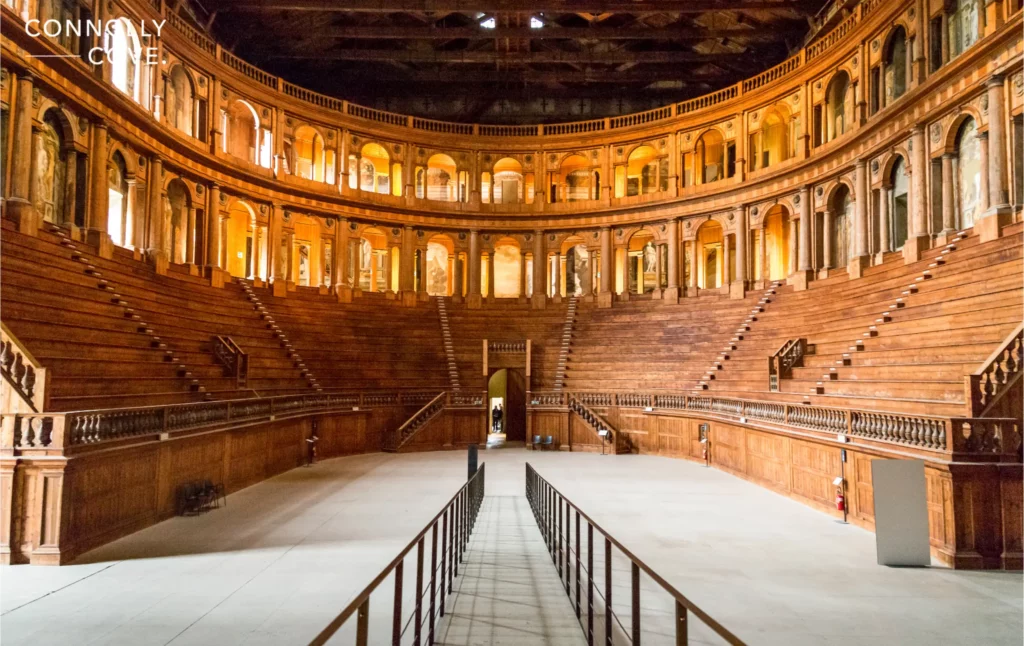
The Teatro Farnese is a 17th-century theatre in the Palazzo della Pilotta. It was built by Duke Ranuccio I Farnese and designed by architect Giovan Battista Aleotti. The theatre is one of Italy’s most important examples of Baroque architecture.
History
The Teatro Farnese was built between 1618 and 1628. It was commissioned by Duke Ranuccio I Farnese, who wanted to create a theatre that would be the most impressive in Europe. The theatre was inaugurated in 1628 with a “La Filli di Sciro” performance by Claudio Monteverdi.
Architecture and Decoration
The theatre is a magnificent wooden one with a U-shaped auditorium. The stage is located at one end of the arena. The orchestra is the area closest to the stage and is reserved for the Duke and his guests. The parterre is the area behind the orchestra and is open to the public. The Teatro Farnese is richly decorated with sculptures, paintings, and frescoes.
Performances
The Teatro Farnese was used for various performances, including operas, ballets, and plays. It was also used for courtly ceremonies, such as weddings and banquets.
The Teatro Farnese Today
The Teatro Farnese was almost destroyed by Allied bombing in 1944. However, it was rebuilt and reopened in 1962. Recently, the theatre welcomes people for tours and is also used for occasional performances.
The Teatro Farnese is a must-see for anyone visiting the Italian city. It is a beautiful and historic theatre that symbolises the Baroque architecture.
2. A Tour of the Galleria Nazionale (National Gallery)
The Galleria Nazionale, or the National Gallery in Parma, is a treasure trove of Italian art. It showcases an impressive collection of paintings, sculptures, and other artworks from the Middle Ages to the 19th century. Housed within the majestic Palazzo della Pilotta, a 16th-century palace complex, the gallery provides visitors a captivating journey through Italy’s rich artistic heritage.
History and Collections
The origins of the Galleria Nazionale can be traced back to the early 19th century. Over the years, the collection grew through acquisitions, donations, and the return of works to Naples.
Its collection is placed in the historical interiors of Palazzo della Pilotta. The Renaissance is represented by a vast timeline that spans various genres, including paintings, sculptures, etchings, and archaeological artefacts.
The Galleria Nazionale’s gathering is evidence of the artistic brilliance of Italy’s past. The gallery boasts masterpieces by renowned Italian artists.
Visiting the Galleria Nazionale
The Galleria Nazionale is open from Tuesday to Sunday, with extended hours during the summer months. Visitors can check the availability to buy tickets online or at the gallery’s entrance.
Guided tours are available in English and Italian, and audio guides are also available for rent. A visit to the Galleria Nazionale is essential to any trip to Parma—it would be a valuable tour worth your time.
3. Discovering the Delights of Parco Ducale
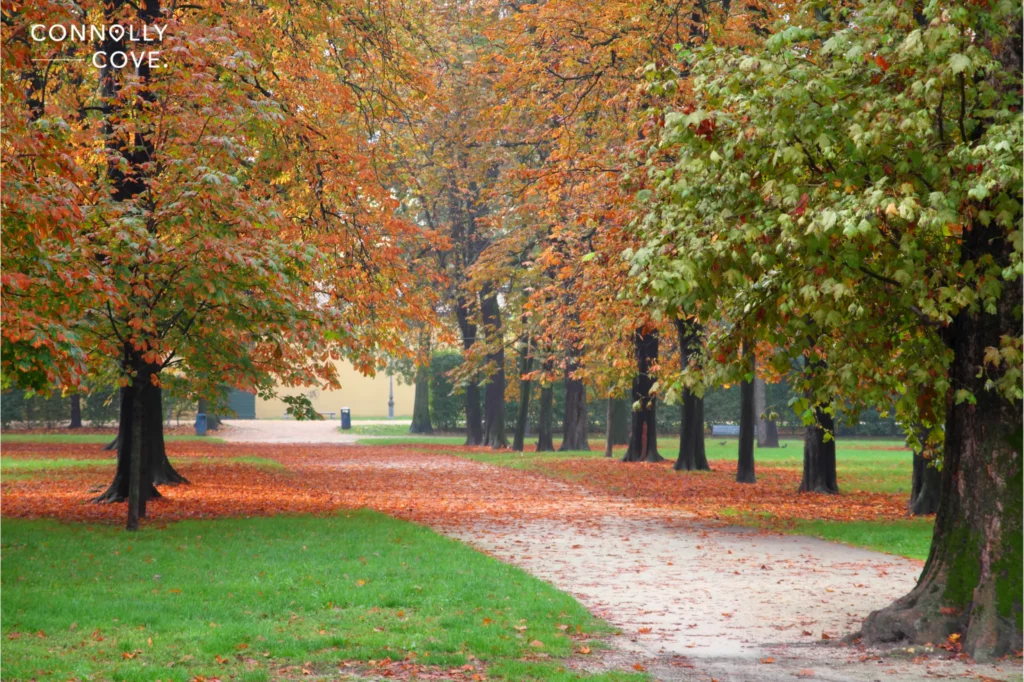
Parco Ducale, a verdant oasis that has enchanted visitors for centuries, is placed amidst the bustling Italian city. This sprawling park was once the private domain of the Dukes of Parma. It is now a beloved public space.
The site offers a tranquil escape from the urban clamour. With its manicured lawns, shady groves, and captivating sculptures, Parco Ducale beckons visitors to wander its paths, bask in the sun’s embrace and immerse themselves in the beauty of nature.
Exploring the Park’s Enchanting Landscape
Step through the imposing wrought-iron gates of Parco Ducale, and a world of tranquillity and natural beauty will greet you. Lush greenery unfolds before you, with towering trees providing shade and respite from the sun’s warmth.
The park’s centrepiece, the enchanting Lago Grande, provides a picturesque backdrop for leisurely boating and quiet contemplation.
Artistic Delights Amidst the Greenery
Parco Ducale is a haven for nature lovers and a showcase for artistic expression. Scattered throughout the park are sculptures, each adding a unique charm to the landscape.
4. Unique Adventure at Caseificio San Pier Damiani
Embark on a unique adventure at Caseificio San Pier Damiani, a renowned cheese factory in Parma, Italy’s heart. Immerse yourself in Parmigiano-Reggiano, a world-renowned cheese celebrated for its rich flavour, complex aroma, and exquisite texture.
It’s like a journey through the art of cheesemaking. At the beginning of your trip, start with a guided tour of the cheesemaking facility, where you will see the meticulous process that transforms fresh milk into the iconic wheels of Parmigiano-Reggiano. You can observe the traditional methods skilled cheesemakers employ, from carefully selecting milk to the intricate salting and ageing techniques.
Delve into the fascinating history and traditions surrounding Parmigiano-Reggiano, a cheese that has been meticulously crafted in the city for centuries. It is a delightful tasting session where you will savour the exquisite flavours of Parmigiano-Reggiano at different stages of its maturation. Experience the subtle nuances that develop over time, from the delicate sweetness of young cheese to the robust complexity of aged Parmigiano-Reggiano.
A different adventure awaits you at Caseificio San Pier Damiani to immerse yourself in the world of Parmigiano-Reggiano. This culinary masterpiece embodies the passion and expertise of Parma’s cheesemaking tradition.
5. Unforgettable Visit to Palazzo Della Pilotta
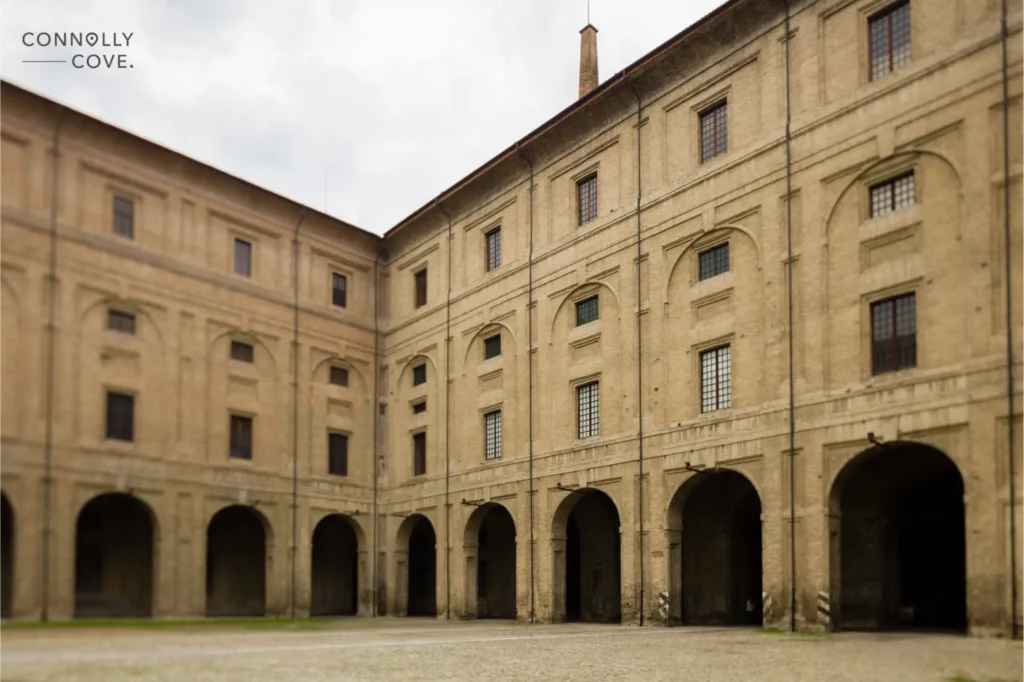
The Palazzo della Pilotta is a complex in the centre of the Italian city. The Farnese family built it in the 16th century and initially intended for it to be a centre of power and culture. It housed the Farnese family’s court, a library, an art gallery, and a theatre.
Palazzo della Pilotta
The palace is composed of several buildings, each with its unique purpose. The most prominent building is the Teatro Farnese, a Baroque theatre and one of Europe’s most important examples.
The palace also houses the Galleria Nazionale di Parma, an art gallery that houses art gatherings from the Middle Ages to the 19th century. The palace also houses the Biblioteca Palatina, a library with over 700,000 books and manuscripts. It’s the ideal place for the bookworms.
The Palazzo della Pilotta is a UNESCO World Heritage Site. It is one of the most important cultural and iconic landmarks in the beautiful destination.
Here Are Some Additional Facts About the Palazzo Della Pilotta:
- The palace is named after the pelota game, played in the courtyard by Spanish soldiers stationed in the Italian city.
- The Teatro Farnese was almost destroyed by Allied bombing in World War II, but it was rebuilt in the 1960s.
- The Galleria Nazionale houses the famous “Madonna with the Long Neck” by Parmigianino.
- The Biblioteca Palatina is one of the oldest public libraries in Italy.
Food and Drink
Parma is a food lovers’ paradise, renowned for its culinary delights and traditional dishes passed down through generations. Here’s a glimpse into the delectable world of food and drink in the impressive city:
- Parmigiano-Reggiano Cheese: The crown jewel of Parma’s cuisine, Parmigiano-Reggiano is a hard, granular cheese with a complex flavour and a crumbly texture. It’s typically 12 months old, and some wheels can be aged up to 36 months or more.
- Torta Fritta: This savoury fried bread is a staple in Italian cuisine. It’s made from simple dough, rolled thin and fried until golden brown. It’s often served with Parma ham and cheese for a hearty and delicious snack.
- Tortelli d’Erbetta: These savoury dumplings are filled with a mixture of ricotta, spinach, and nutmeg. They’re typically served with butter and grated Parmigiano-Reggiano cheese.
- Balsamic Vinegar of Modena: This dark, syrupy vinegar is stored in wooden barrels for up to 12 years or more. It has a complex flavour profile with sweetness, acidity, and wood notes.
- Gelato: No trip to Italy is complete without indulging in gelato. Parma offers a variety of gelato shops with traditional flavours like pistachio, stracciatella, and nocciola (hazelnut).
- Sfogliatelle: These flaky pastries are filled with a ricotta, custard, and candied fruit mixture. They’re often served warm and dusted with powdered sugar.
- Caffè: The city is known for its coffee culture, and there are numerous cafés scattered throughout the city. Enjoy a cappuccino or espresso at a local café and soak up the Italian atmosphere.
Tips for Visiting Parma
Before embarking on your journey to Parma, planning is essential. Consider the best time to visit, the duration of your stay, accommodation, and the must-see attractions that increase your enjoyment. Additionally, take note of the local events and festivals held in emblematic places like Piazza Garibaldi, which can add an extra adventure of cultural immersion to your experience.
Last Words
Parma is an incredible destination for all travellers. It can meet all needs and interests. Everyone will find something to enjoy, from food and nature lovers to history and culture buffs. If you are still thinking about your next trip, it’s Parma, without a doubt!
FAQs
Is Parma worth visiting?
Yes, the Italian city is worth visiting. It is a beautiful city with a rich history and culture, and it is home to some of the best food in Italy.
Is one day enough in Parma?
One day is enough to see Parma’s main sights and taste its food and culture.
What is Parma city famous for?
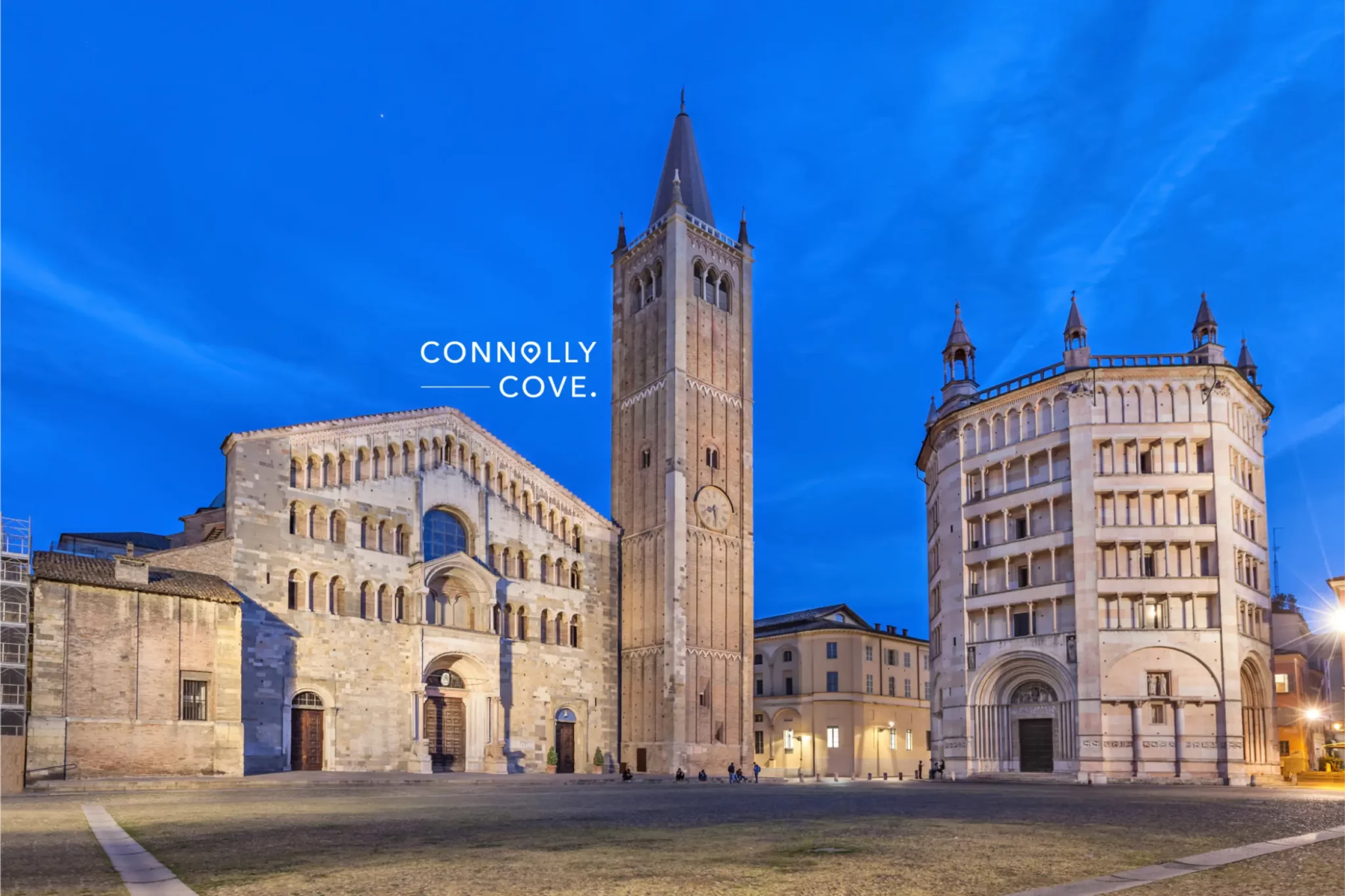
It is famous for its world-renowned products like Parmigiano-Reggiano cheese and prosciutto di Parma. The Italian city also has beautiful architecture, including the Romanesque Cathedral of Parma and the 16th-century Teatro Farnese. The lovely city is a UNESCO Creative City of Gastronomy, and its food scene is a must-try for any visitor.

Take a Look at the Astounding Scenery of County Kerry
County Kerry
27/04/2024

Famous Haunted Houses in Egypt: Spooky Stories for Halloween
Destinations
27/04/2024

St. Paul’s Cathedral – London Attractions
England
27/04/2024
Great Scotland Yard – London Attractions
England
27/04/2024

Bangor Town: The Colorful Open House Festival
Northern Ireland
27/04/2024