


Before Trilogy: Tracing Love Across Europe
Updated On: March 04, 2024 by  Aya Radwan
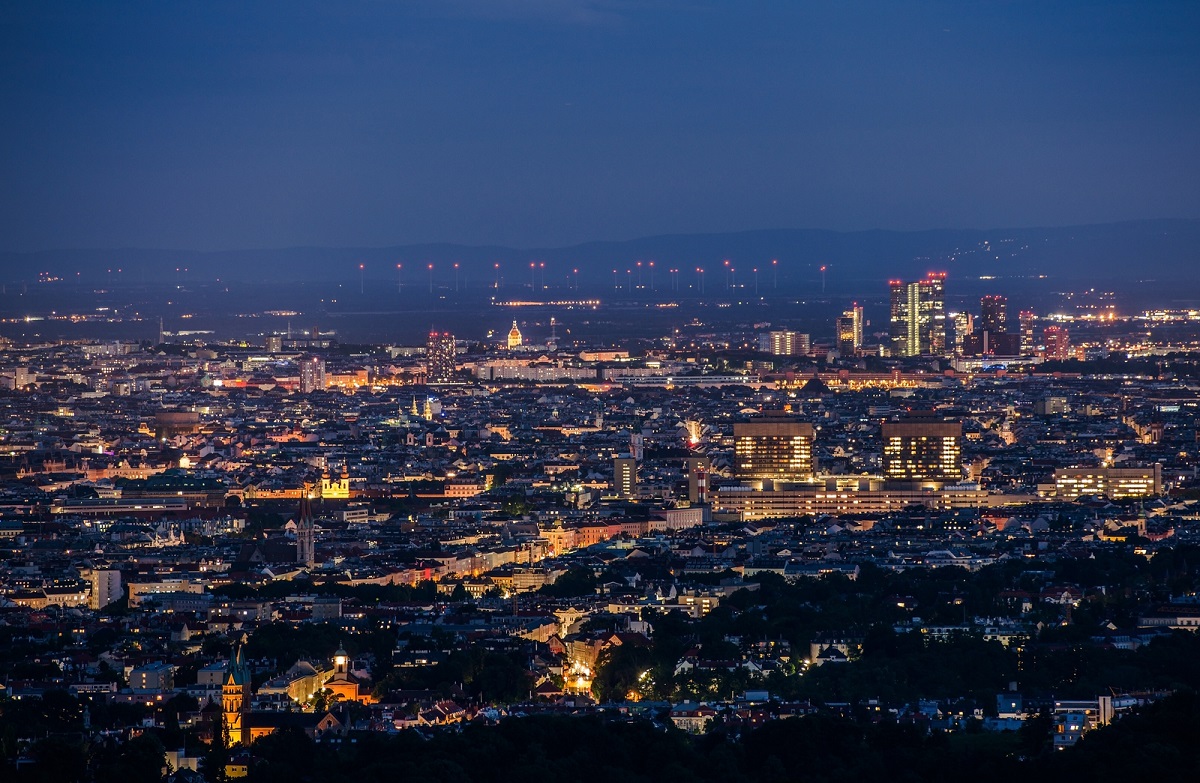
The Before Trilogy takes us on a captivating journey through Europe’s geographical and emotional landscapes. We explore the electric connection between two characters, Jesse and Céline, as they traverse Vienna in Before Sunrise, rekindle their bond in Paris during Before Sunset, and examine the complexities of long-term love amidst the rustic charm of Greece in Before Midnight. While part of a larger narrative arc, each film encapsulates a unique stage in the characters’ relationship, offering us a deeply personal look at their evolving interactions against the backdrop of three iconic European settings.
The Before Trilogy: Transcending Ordinary Romance Films
The film’s magic lies in the intricate interplay between the characters and the cities they inhabit, which almost become characters in their own right. As the Before Trilogy unfolds, we become intimately familiar with Vienna’s streets, Paris‘s allure, and the Peloponnese’s tranquillity, all seen through Jesse and Céline‘s experiences. The series transcends the ordinary romance genre, providing an insightful commentary on life, love, and the passage of time, all enhanced by keen attention to the design details and the emotionally resonant soundtracks.
Exploring the Allure of Vienna in Before Sunrise
The Before Trilogy begins with Before Sunrise. The first film is a cinematic journey that beautifully captures the essence of Vienna, taking us through iconic locations and weaving in the rich tapestry of cultural references and symbolism. Let’s explore the landmarks and nuances that make this city an integral character in the film.Iconic Locations in Vienna
Westbahnhof Station marks the beginning of Céline and Jesse’s fleeting romance. From here, they stroll through Vienna, allowing us glimpses of the city’s splendid architecture. Zollamtssteg Bridge is more than a crossing; it’s a path to the heart of the city’s charm.
We wander past Votivkirche, a stunning church that adds to the city’s historical aura. At Teuchtler Schallplattenhandlung und Antiquarität, a local record store located on Windmühlgasse, the couple revels in the simplicity of enjoying music together, a moment of shared intimacy among the rows of vinyl records.
Spots like Kleines Café and Café Sperl offer snapshots into the authentic Viennese coffee culture. They epitomise the atmospheric locales throughout Vienna, where Jesse and Céline’s conversation and connection deepen.
A ride on the Riesenrad, nestled in Prater Amusement Park, provides the couple a literal and metaphorical high point as they circle above the city while delving into life’s existential questions. These moments capture the adventurous spirit of Vienna.
Cultural References and Symbolism
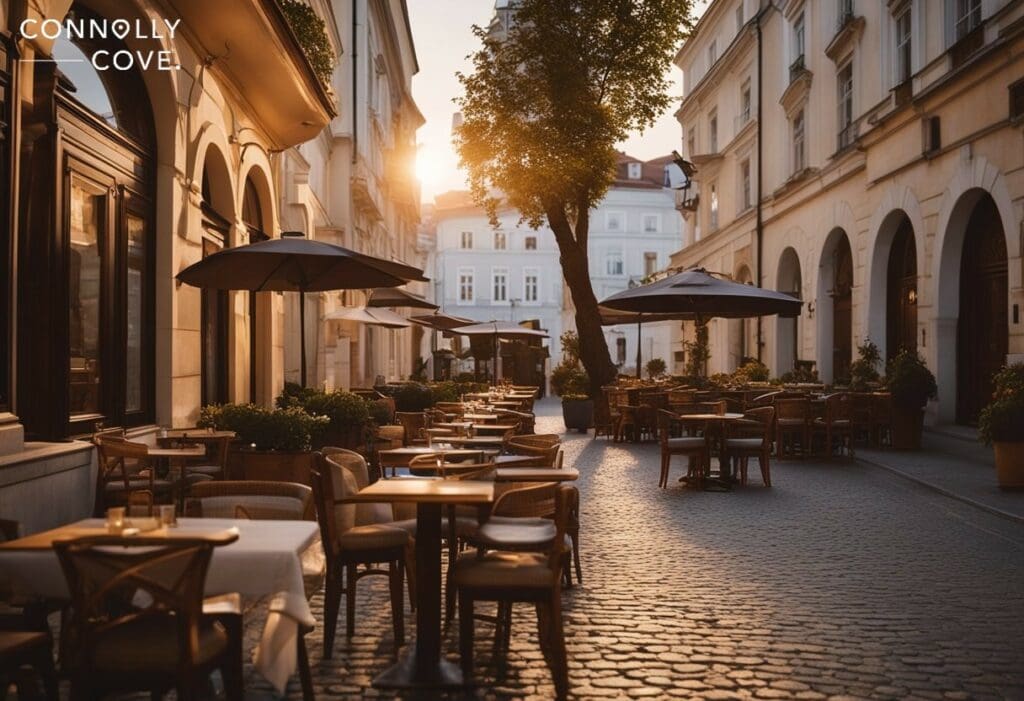
The film deftly uses Vienna’s landscape to mirror the evolving dynamics between the protagonists. Mölker Steig and Schreyvogelgasse represent the winding journey of discovery, both self and collective. Structures like the Otto Wagner Schützenhaus are examples of the Jugendstil architecture across Vienna, echoing the film’s fleeting beauty and impermanence themes.
Cultural landmarks like Albertina, home to one of the most important print rooms in the world, and the historic Maria am Gestade church layer the film with rich historical textures. The Friedhof der Namenlosen, a cemetery for the unidentified, speaks to the transient nature of Jesse and Céline’s connection. This theme is subtly yet powerfully present throughout their journey across Vienna.
Our virtual tour may not encompass all the locations cherished by fans, but the addresses, images, and perhaps clips from the film could provide more detail for those wishing to visit. Certain locations, like the iconic Spittelberg area, with its quaint streets and Biedermeier houses, remain largely unchanged.
As we recount every corner turned and every cobbled street walked by the pair, these locations remind us that, though the hours spent in Vienna were fleeting, the impressions left by the city are indelible. Whether still there or transformed over time, they serve as touchstones for the narrative flow of ‘Before Sunrise’ and our own experiences of the city.
The Evolution of Romance Across the Trilogy
The Before Trilogy captures the unfolding tale of Jesse and Céline through 18 years, from the first sparkle of attraction in Vienna to the complexities of long-term love in Greece.
Jesse and Céline’s Developing Relationship
In Before Sunrise, the first of the Before Trilogy, we meet Jesse and Céline in their youth as their connection ignites during a spontaneous night in Vienna. Their romance is raw, marked by a series of philosophical conversations that reveal their dreams and fears. As the movie progresses, we witness the intensity of young love, capable of turning a brief encounter into a lifetime’s memory.
Moving onto Before Sunset, the second of the Before Trilogy, Jesse and Céline rekindle their bond against the backdrop of Paris. Now in their thirties, the former flames confront what might have been as they navigate past decisions and current realities. The palm reader’s scene echoes the magic of their initial meeting, yet the weight of their separate lives encumbers them.
By the time we reach Before Midnight, the last of the Before Trilogy, set amidst the rustic charm of Greece, our couple has matured into their forties and are grappling with the pressures of age, parenthood, and unfulfilled aspirations. The romantic idealism of their first encounter has evolved into a dance of endurance and commitment, beautifully captured during the birth dance sequence.
Writing and Dialogue
Richard Linklater, Ethan Hawke, and Julie Delpy, who brought life to Jesse and Céline, have crafted the Before Trilogy, which is renowned for its authentic dialogue and profound screenplay. Each film functions as a window into the evolving dynamics of a relationship through meticulously crafted conversations that echo with audiences across the globe.
In Before Sunrise, the dialogue meanders through existential and romantic themes, allowing time to deceive us as we become absorbed in Jesse and Céline‘s developing connection. Before Sunset sharpens this dialogue, reflecting the characters’ growth and the intensifying urgency of rekindled passion. By the time we reach Before Midnight, the exchanges are layered with the intricacies of long-term companionship, where every word bears the marks of a shared history.
The Before Trilogy: The Charm of Paris in Before Sunset
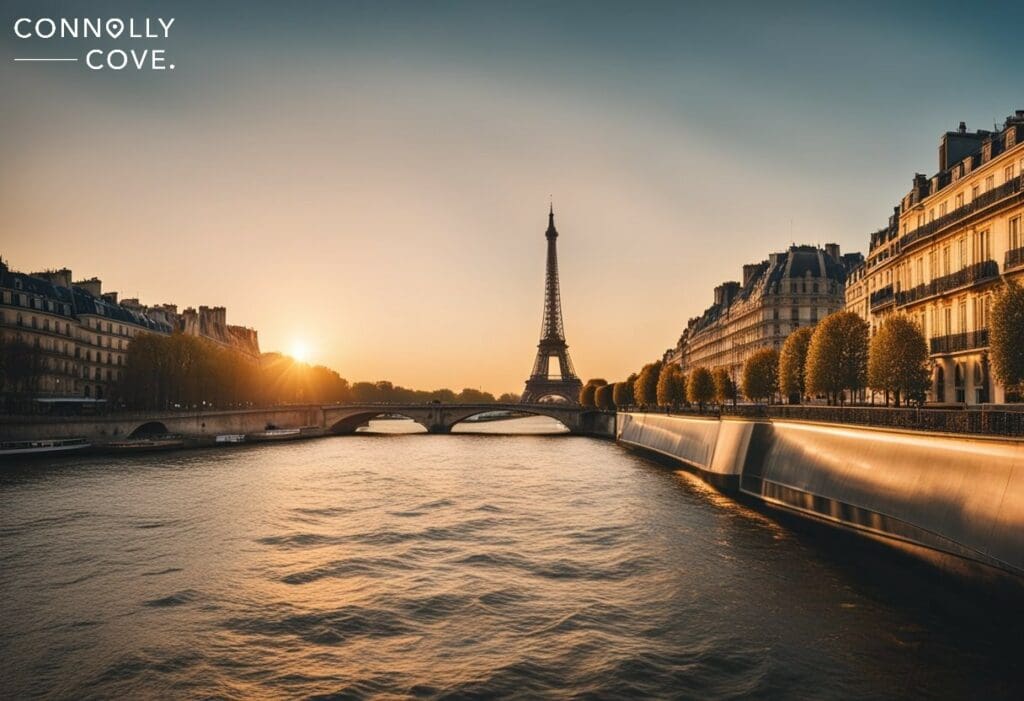
The second film of the Before Trilogy, Before Sunset, immerses us in the breathtaking cityscape of Paris, painting a romantic and cinematic backdrop for the reunion of Jesse and Céline. The sequel to Before Sunrise weaves a captivating narrative through its clever use of the City of Light’s enchanting locations.
Mesmerising Parisian Backdrops
With its timeless allure, Paris offers the perfect canvas for Before Sunset. As Jesse and Céline traverse this vibrant city, their story unfolds against a tapestry of iconic settings. The leisurely charm of the Seine’s banks, the cosy cafés, and the cobblestone streets capture the essence of Parisian romance.
Filming Locations in the Heart of France
Notably, the nostalgic stroll through Paris provides glimpses into familiar spaces like the Shakespeare and Company bookshop and the idyllic parks where our characters reflect on life and love. The film’s judicious choice of filming locations, such as Le Pure Café, where they share a bottle of wine, pulls us deeper into the ambience of Paris. For inquisitive minds, exploring these sites can offer a closer connection to the film’s narrative, turning a regular walk down Windmühlgasse into a poignant cinematic pilgrimage.
The Before Trilogy: A Mature Gaze at Greece in Before Midnight
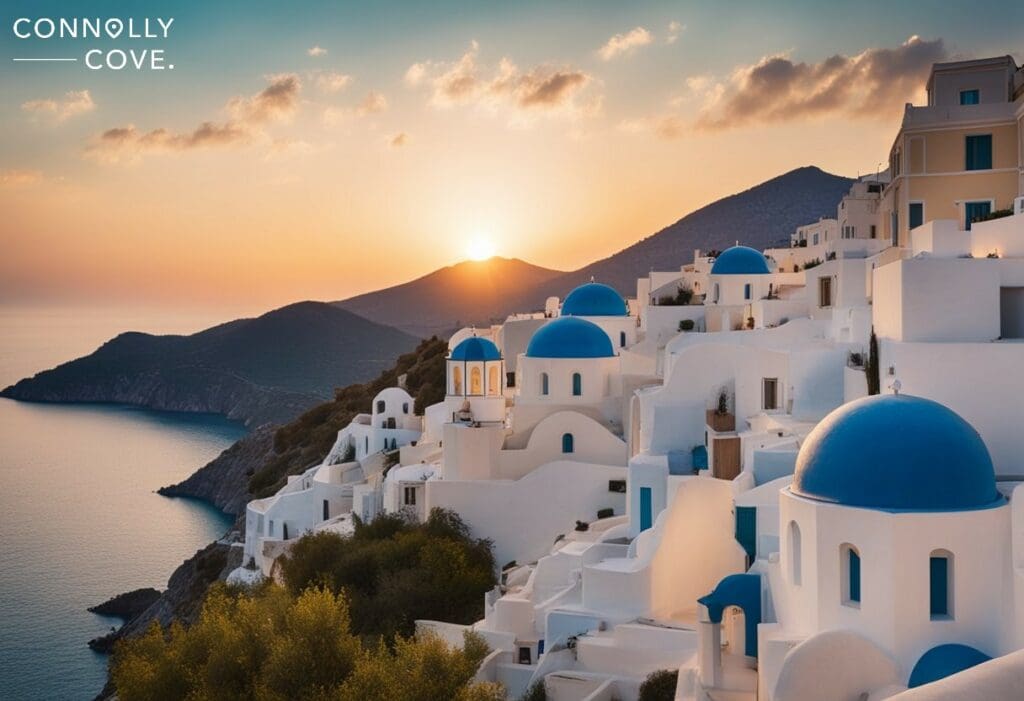
In the last film of the Before Trilogy, Before Midnight, Greece is a scenic setting and a character that mirrors the nuanced contemplations of the protagonists’ relationship.
Greece as a Reflective Backdrop
We find the rustic charm of Southern Peloponnese to be a pivotal setting in Before Midnight, providing breathtaking visuals and a metaphorical landscape against which the couple’s intimate exchanges unfold. The region’s historical ruins, such as Methoni Castle, embody the enduring yet fragile nature of love that the film explores. Before Midnight, the ending of the Before Trilogy, showcases locations in Greece that encapsulate the essence of reflection, from the tranquil streets of Kardamyli to the ruins that speak volumes about the passage of time.
The Sunset of the Before Trilogy
The concluding chapter, Before Midnight, presents a Greece that symbolises both the zenith of the day and the impending dusk of the couple’s relationship. Characters like Patrick offer more than local hospitality; they provide a canvas on which Jesse and Celine paint the latest shades of their life together. From wandering through the idyllic Platsa to introspective moments at the seaside in Pylos, the Greek setting delivers a serene yet potent environment for the Before Trilogy’s denouement.
Detailed Insight into Filming and Design of the Before Trilogy
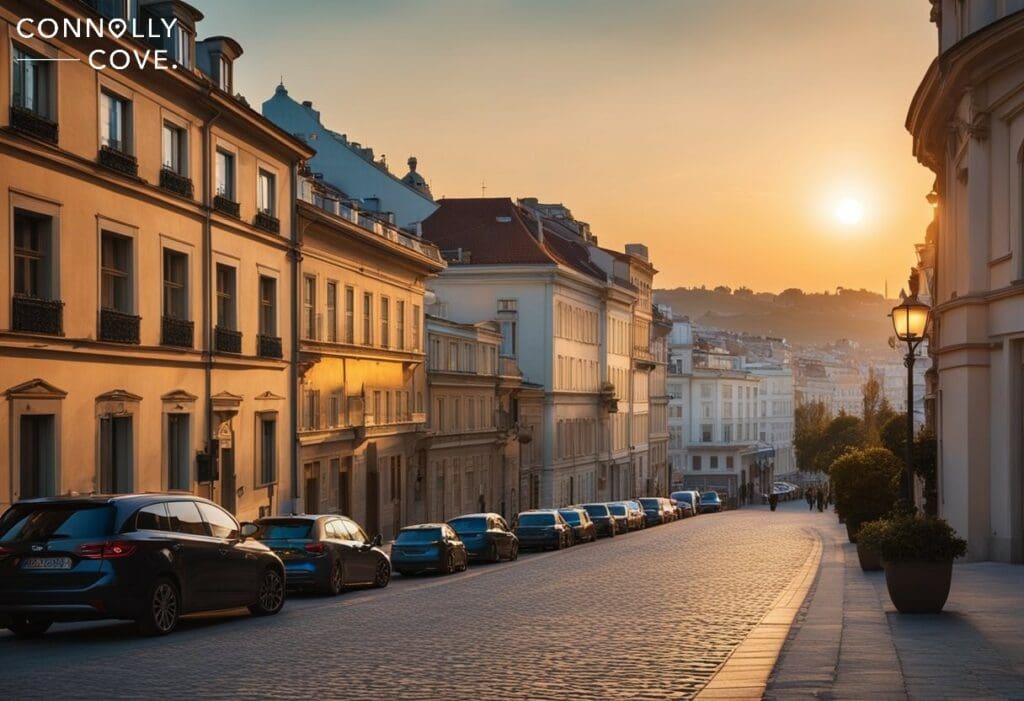
This exploration delves into the intricate filmmaking and thoughtful design process that established the Before Trilogy as a cornerstone in modern cinema.
Production Choices and Challenges
The Before Trilogy, conceptualised by Richard Linklater, with stories co-written by Kim Krizan and leading actors Ethan Hawke (Jesse) and Julie Delpy (Céline), is lauded for its naturalistic representation and profound narratives set against European backdrops. Each film’s design was meticulously crafted to reflect the evolution of the central characters and their relationship.
The choice of the Before Trilogy filming locations posed unique challenges. The team aimed to advance the story while showcasing the authentic beauty of European cities. For instance, the film Before Sunrise was set in Vienna, requiring the cast and crew to navigate the historic city’s streets with an unobtrusive presence, respecting its culture while capturing the unfolding romance. Our use of light and shadow aimed to complement Vienna’s classic architecture, enhancing the city’s role as a third character in the narrative.
Setting and Aesthetic
The setting for each of the Before Trilogy films was selected not just for its scenic value but also for its ability to personify the characters’ inner states. With its old-world charm and rich cultural tapestry, Vienna was a fitting backdrop for the exploratory and youthful first encounter in Before Sunrise. We aimed for an aesthetic that felt spontaneous and intimate, mirroring the unpredictability of a newfound connection.
The progression to Paris in Before Sunset and the Southern Peloponnese in Before Midnight reflected changes in the protagonists’ lives. The design elements incorporated into these settings—the labyrinthine streets of Paris or the rustic Greek landscapes—were chosen to parallel the complexities and maturity in Jesse and Céline’s relationship. Our design choices were intentional, and we wanted the settings to be evocative of the passage of time and the deepening of bonds.
Throughout the design process for the Before Trilogy, we maintained a commitment to authenticity in both the visual language of the films and the narrative’s emotional truth, ensuring that the story resonated with the audience on a deeper level.
Impact and Legacy of the Before Trilogy
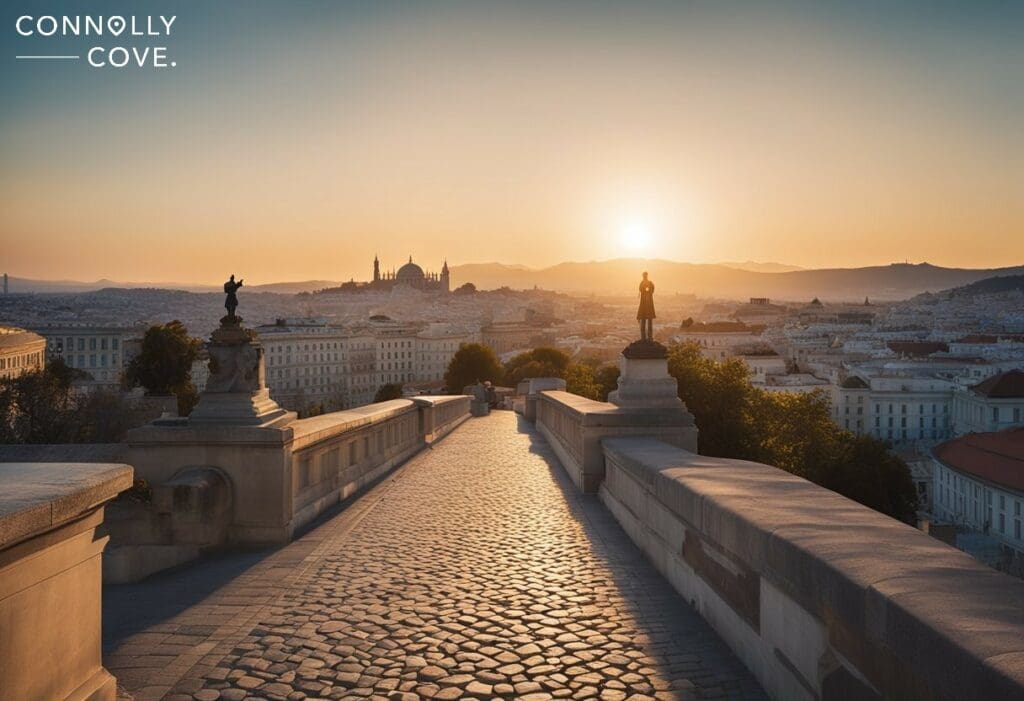
The Before Trilogy has left a lasting imprint on the cinematic landscape, revered for its raw portrayal of romance, engaging dialogues, and unprecedented real-time ageing of its characters.
Critical Reception and Influence
The Before Trilogy is a critical darling, commended for Richard Linklater’s innovative direction and the captivating performances by Ethan Hawke as Jesse and Julie Delpy as Celine. Critics have lauded the Before Trilogy’s honest dialogue and the palpable chemistry between the leads. The Before Trilogy began with Before Sunrise in Vienna, followed by the Paris-set Before Sunset, and concluded with Before Midnight in Greece. Each film received praise for its exploration of relationship dynamics and the complexities of love over time.
Reviews highlight the authentic evolution of Jesse and Celine‘s characters throughout the series. The Before Trilogy has also notably influenced independent filmmakers, showcasing how a film can deeply resonate with audiences through simple yet profound storytelling. The influence extends to how dialogue-driven films can be commercially viable while retaining artistic integrity.
Cultural and Cinematic Importance
Culturally, the Before Trilogy has carved out a niche as a touchstone for romantic dramas, setting a new standard for character development and temporal narrative structure. Films rarely capture the essence of Europe’s charm as eloquently as Linklater‘s Before Trilogy does, enticing audiences to experience the old-world allure of Vienna and the romantic vistas of Greece vicariously through Jesse and Celine‘s escapades.
Cinematically, Linklater‘s approach to filming—shooting in real-time intervals—has been deemed groundbreaking. It has prompted discussions about narrative chronology and the portrayal of the passage of time in cinema. These films are now integral studies in film schools and are dissected for their scriptwriting excellence and characterisation. The Before Trilogy is a pinnacle of collaborative filmmaking, with Hawke and Delpy contributing to the writing process, adding depth and authenticity to their roles.
Exploring the Series’ Timeless Themes
In the Before Trilogy, we follow the complex relationship between Jesse and Céline through decades of life, uncovering the nuanced interplay of love, time, and existence.
Love, Time, and Existence
The Before Trilogy examines the effects of time on the enduring love between Jesse and Céline. Beginning with Before Sunrise, the series introduces us to the fresh romance that blossoms during a chance encounter in Vienna, capturing the spontaneity of youth. The narrative progresses with Before Sunset, where the characters’ reunion in Paris, woven with real-time dialogue, delves into the contemplation of what-ifs and the bittersweet acknowledgement of ageing. By the time we reach Before Midnight, set in Greece, we witness a raw, more mature phase of love that questions the sustenance of connection in the face of evolving existence.
Character Growth and Realism
The progression of age and experience in Jesse and Céline‘s lives brings a powerful element of realism to the Before Trilogy. As they grapple with career choices, parenthood, and personal aspirations, their growth is marked by authentic, profound dialogue that resonates with audiences. In their journey, the films articulate the complexities of intimacy, capturing the essence of human experience through romance and personal evolution.
Characters Brought to Life
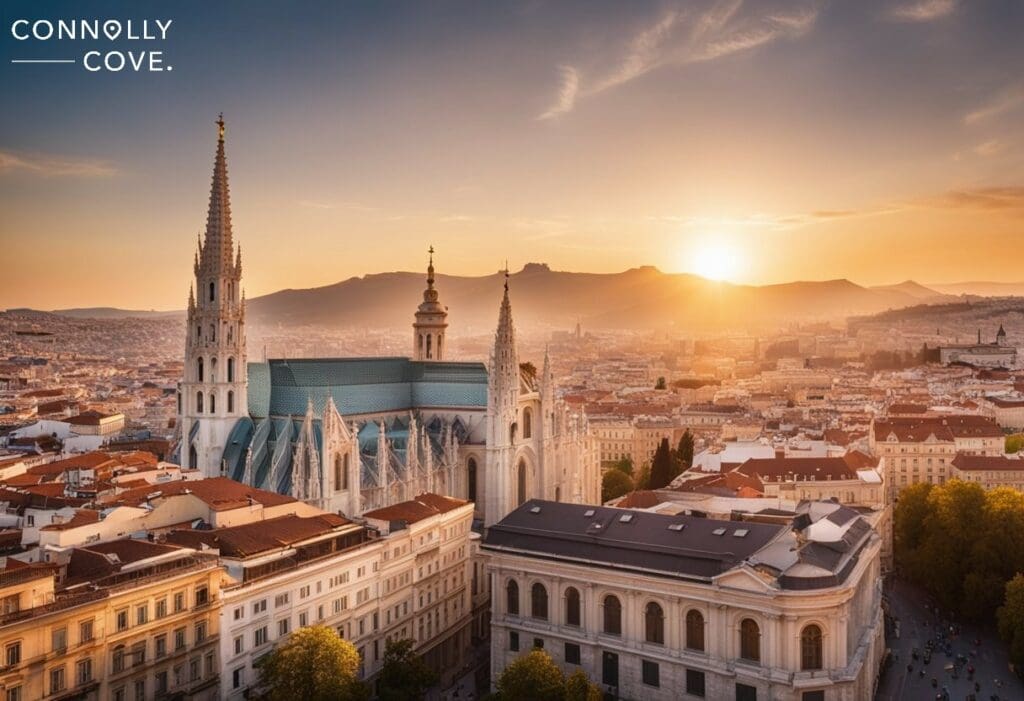
In the Before Trilogy, we encounter a tapestry of character depth and the natural evolution of human relationships, brought to life by perceptive performances and a collaborative screenplay.
Character Depth and Development
Jesse and Céline emerge as multidimensional characters, their psyches unfurling throughout the trilogy. Their initial encounter—unexpected and full of promise—sets the tone for a series of conversations that are at once sweeping and intimate. As we journey alongside them from the alleys of Vienna to the rustic landscapes of Greece, we witness a profound development: love in its various stages, mired by life’s intricate complexities. Richard Linklater’s direction ensures their progression feels both organic and inevitable.
Ethan Hawke’s Jesse is an American travelling through Europe whose transparency and romantic idealism are rendered with a nuanced performance. Embracing the fluidity of Linklater’s adaptive screenplay, Hawke brings a compelling authenticity to Jesse‘s journey from youth to middle age.
Julie Delpy’s Céline provides a spirited foil to Jesse; she’s passionate, introspective, and assertively independent. Delpy‘s grip on Céline’s character ensures an emotionally rich and resonant portrayal, reflecting the changing tides of life, love, and self-realisation.
Actor Insights and Performances
The sublime chemistry between Ethan Hawke and Julie Delpy underpins the trilogy’s strength. Their dialogue – often improvised – feels genuine, like eavesdropping on private moments of a real relationship. Their interactions are a testament to their skilful performances and the intimacy of Linklater’s screenplay, allowing for a rare authenticity that captivates us.
Behind the scenes, Hawke and Delpy‘s collaboration with Linklater goes beyond the typical actor-director dynamic. Their co-writing contributions to the screenplay imbue the dialogue with personal insights, ensuring that every phrase and pause communicates volumes about their characters’ inner worlds. This synergy fuels the emotional engine of these films, making each moment, from Before Sunrise in Vienna’s youthful optimism to Before Midnight in Greece’s mature reflection, a study in the art of performance.
The Role of Soundtrack and Score
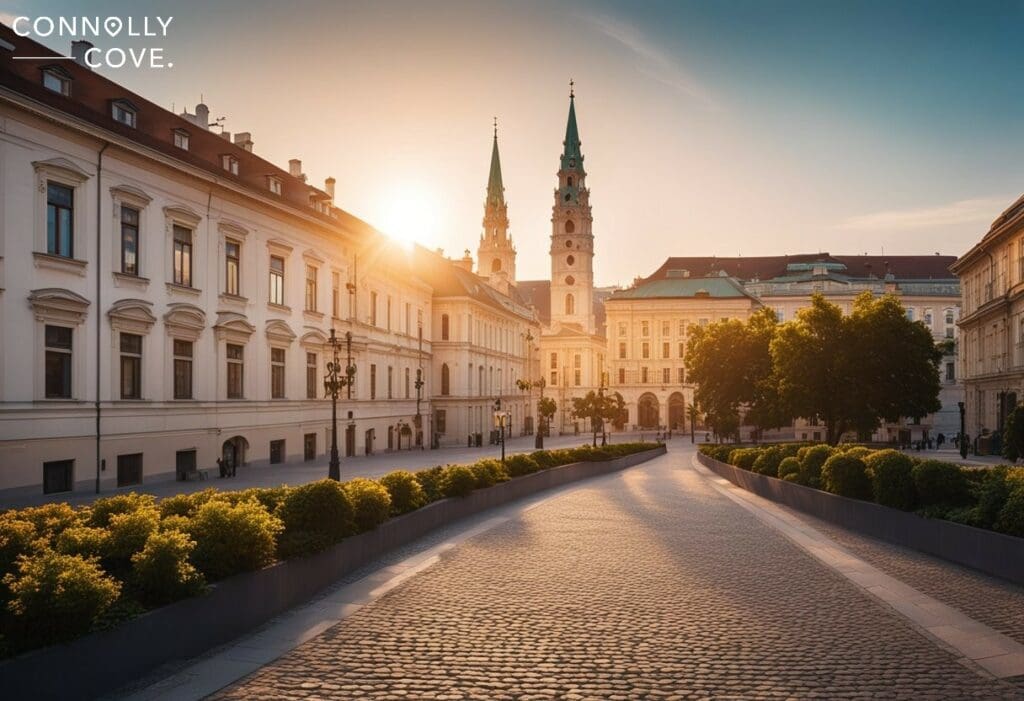
In the Before Trilogy, the soundtrack and score serve as vital narrative devices, shaping the emotional landscape of the films and guiding the audience through the characters’ journey.
Musical Narrative Cues
The soundtracks of Before Sunrise, Before Sunset, and Before Midnight are unspoken commentators within the narrative. In Before Sunrise, the music mirrors the idyllic and hopeful atmosphere of a fleeting night in Vienna, with tracks like ‘Come Here‘ by Kath Bloom accentuating the protagonists’ instant connection. Using street musicians and the sparing implementation of background music help ground the story in reality while allowing the characters’ dialogue to take centre stage.
Navigating through Before Sunset, we encounter a more introspective sound, reflective of the character’s growth and the passage of time since their first encounter. The Parisian setting is enhanced by including a more mature, guitar-based score interlaced with scenic backdrops and deep conversations.
Emotional Resonance of Music
As for the third film, Before Midnight, it offers a sound that complements the nuanced layers of a long-term relationship against the lush backdrop of Greece. The film uses its score sparingly, amplifying each emotional beat within the story. The music is meticulously chosen to mirror the couple’s internal states and the evolving dynamics of their relationship. The emotive potency of a scene is often fortified by the absence of music, conveying a sense of rawness and truth that aligns with the film’s more contemplative tone.
Across the Before Trilogy, the evolving soundtrack encapsulates the characters’ transitions through stages of romance, reconnection, and reflection, pleating an auditory tapestry that’s inseparable from the film’s essence.
Passionate Fandom and Public Engagement
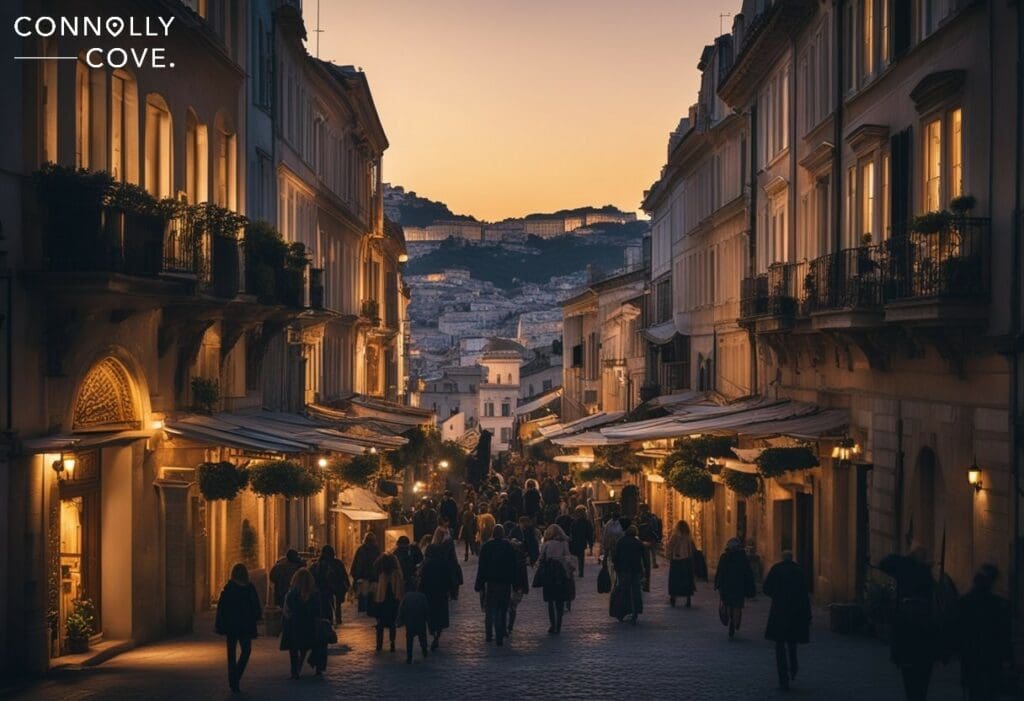
The Before Trilogy, which masterfully encapsulates romance across Vienna, Paris, and Greece, has garnered a passionate fandom that engages through various mediums. From dissecting themes of the films to physically tracing the journey of the beloved characters, Jesse and Céline, fans demonstrate exuberant engagement and adoration for the Before Trilogy‘s narrative.
Fan Theories and Discussions
Before Sunrise, Before Sunset, and Before Midnight have inspired many fan theories and discussions. Forums and social media platforms buzz with interpretations and debates about the relationship dynamics and the philosophical themes Jillian explored. Virtual discussions have been facilitated via Zoom calls, where fans dissect the characters’ growth from a chance meeting in Vienna to an intense, generational love in Greece. The Before Trilogy‘s natural dialogue often encourages viewers to reflect on their relationships and life choices, leading to profound online engagements.
Location Visits and Pilgrimages
The cities of Vienna, Paris, and Pylos have become pilgrimage sites for die-hard fans. Google Maps has been a digital guidebook, pinpointing iconic locales from the trilogy enthusiasts eagerly visit. Many have participated in themed tours in Vienna, where Jesse and Céline’s journey began, or sunset walks in Paris, reminiscent of their reunion in Before Sunset. In recent years, Greece, specifically Pylos’s rustic and picturesque area, saw fans retracing the couple’s steps in Before Midnight. These visits testify to the Before Trilogy‘s impact and the audience’s enduring engagement with the film’s locations.
Directions for Further Exploration
Exploring the filming locations of the Before Trilogy opens up a delightful journey across Europe, from the quaint streets of Vienna to the scenic backdrops of Greece. For aficionados of these films, retracing the steps of Jesse and Celine provides a tangible connection to their story.
Vienna
Start your adventure at Westbahnhof Station, the gateway to many key spots from Before Sunrise. Utilizing Google Maps, find the iconic Zollamtssteg Bridge, where the couple shares profound moments. Include a visit to Prater; the amusement park promises to be just as enchanting as seen through their eyes. If you fancy some music, stop by a local record store and relive the film’s soundtrack.
Paris
Moving to Before Sunset, wander through Parisian streets while you sip on a bottle of wine. You can plot key moments on Google Maps to create a personalised tour. Capture the essence of their reconnection by seeking out small, intimate cafes and hidden corners of the city.
Greece
Lastly, use Google Maps’ zoom and pin features to trace the couple’s steps through the Southern Peloponnese, as seen in Before Midnight. Dip into the same crystal waters and walk the same sun-dappled paths.
Listed below are must-visit locations:
- Vienna: Westbahnhof Station, Zollamtssteg Bridge, Prater.
| Location Type | Address |
|---|---|
| Station | Westbahnhof Station, Vienna |
| Bridge | Zollamtssteg, Vienna |
| Amusement Park | Prater, Vienna |
- Paris: Pin the quaint addresses from the film on your map, and allow each Parisian alley to tell its tale.
- Greece: Enrich your playlist with the sea sounds, the same backdrop to the trilogy’s most introspective dialogues.
We invite enthusiasts to chronicle these experiences, preserving the Before Trilogy memories while contributing to a respectful and sustainable exploration of culture and cinematic history.
Frequently Asked Questions
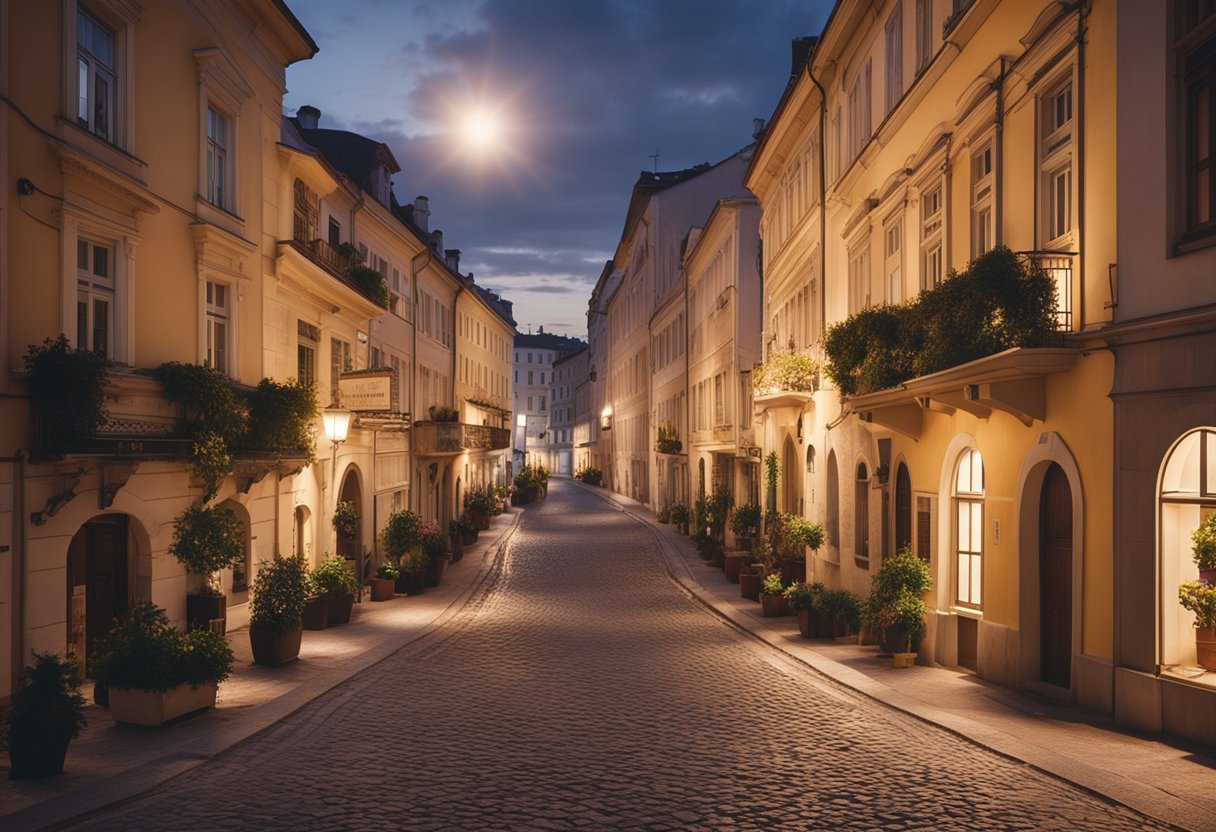
Several queries frequently arise when addressing the captivating journey through Europe in the Before Trilogy. Each film delivers its unique take on love and life, spurring various questions from audiences and cinephiles alike.
Is Before Sunrise available to watch on Netflix?
As of the latest update, Before Sunrise is unavailable to stream on Netflix. Availability may vary by region and time, so viewers might want to check their local Netflix listings for the most current information.
What was the budget for the film Before Sunset?
The budget for Before Sunset was modest, especially considering its acclaim. Details from reliable industry sources list the budget at approximately $2.7 million, demonstrating the film’s success in creating a powerful narrative with limited financial resources.
Are there plans for a fourth film in the Before Trilogy?
Discussions and interest have been expressed regarding a fourth film in the Before series, but no concrete plans have been officially announced. The creative team behind the franchise has hinted at the possibility, so fans remain hopeful for future developments.
Does Before Sunset serve as a sequel to Before Sunrise?
Yes, Before Sunset directly serves as a sequel to Before Sunrise. The second film revisits the characters Jesse and Céline nine years later, continuing to explore their relationship and the passage of time since their initial encounter in Vienna.
Can you view Before Midnight on Netflix?
Before Midnight, similar to the previous films, may or may not be available on Netflix, depending on your region and the platform’s current catalogue. To confirm if it’s available for streaming, it’s recommended to check the Netflix library pertinent to your location.
Is the narrative of the Before Trilogy concluded with a satisfying ending?
The Before Trilogy is often praised for its open-ended and realistic portrayal of relationships. Without revealing specifics that might spoil the experience, many find the ending of Before Midnight to be a fitting and true-to-life resolution for the characters, leaving viewers with much to ponder about the nature of love and commitment.

Kensington Palace – London Attractions
England
29/04/2024
Harry Potter Shop at Platform 9 3/4 – London Attractions
England
29/04/2024

Exploring the Isle of Man’s Rich History and Culture
Ireland
29/04/2024

Exploring The Town of Carrickfergus
County Antrim
29/04/2024
Commercial Court: The Dazzling Lights of Belfast
Northern Ireland
29/04/2024