
10 Top-Rated Tourist Attractions in Chile
Updated On: April 17, 2024 by  Eman Sameh
Chile, a land of diverse landscapes and rich cultural heritage, offers many attractions for travellers seeking unforgettable experiences. From the vibrant streets of Santiago to the mysterious Easter Island, Chile boasts an array of must-see places that cater to every type of traveller.
There are several attractions in Chile that should be at the top of your itinerary. Begin your journey by discovering the charm of Santiago, a bustling metropolis that seamlessly blends modernity with tradition. Here, you can explore the city’s vibrant culture, visit historical landmarks, and savour delectable Chilean cuisine. Let us take a tour of some of the famous places you don’t want to miss!
What Are the Must-See Attractions in Chile?
Take the time to venture into the exquisite beauty of Torres del Paine National Park, renowned for its breathtaking vistas, ancient forests, and diverse wildlife. Fancy skiing? Visit the iconic Valle Nevado ski resort. What about relaxing and enjoying some natural landscapes? Discover the mesmerising beauty of El Tatio and Mylodon. Indulge in an unforgettable adventure to Easter Island and behold the grandeur of ancient monuments.
1. Sky Costanera
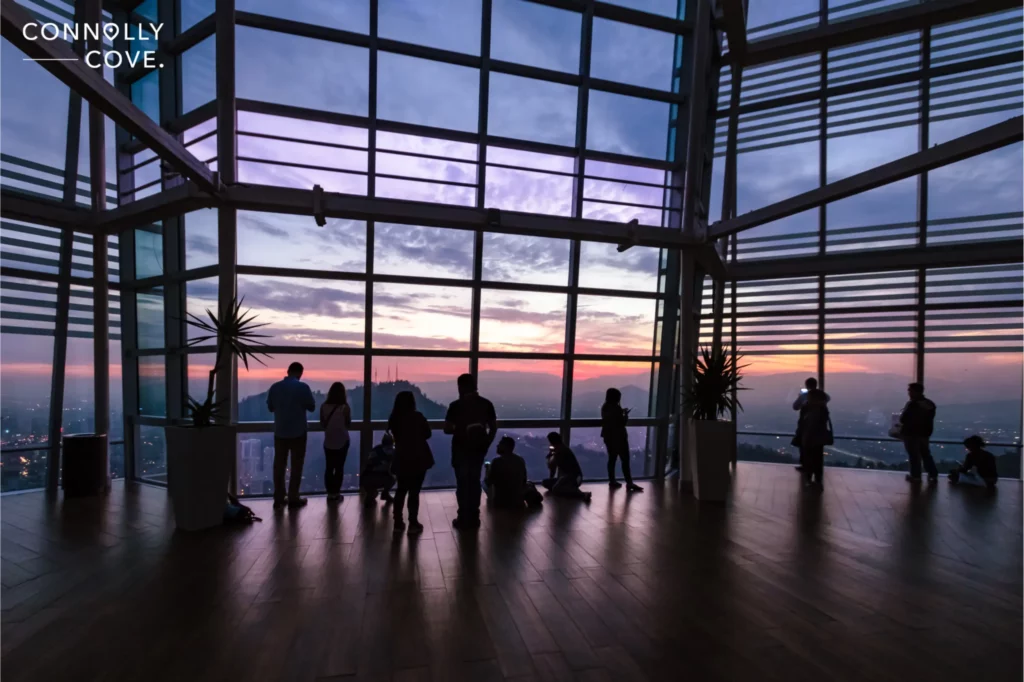
As Santiago will probably be your first place to head to, you can’t miss starting your tour by visiting Sky Costanera. It is the tallest building in Latin America, offering visitors amazing panoramic views of the city and the Andes mountains from its observation deck on the 61st floor.
The experience includes a multimedia exhibition on the history and culture of Chile, as well as a glass-bottomed outdoor terrace for those brave enough to look straight down at the city below. It’s a must-visit for anyone wanting to see Santiago from a whole new perspective.
2. Torres Del Paine National Park
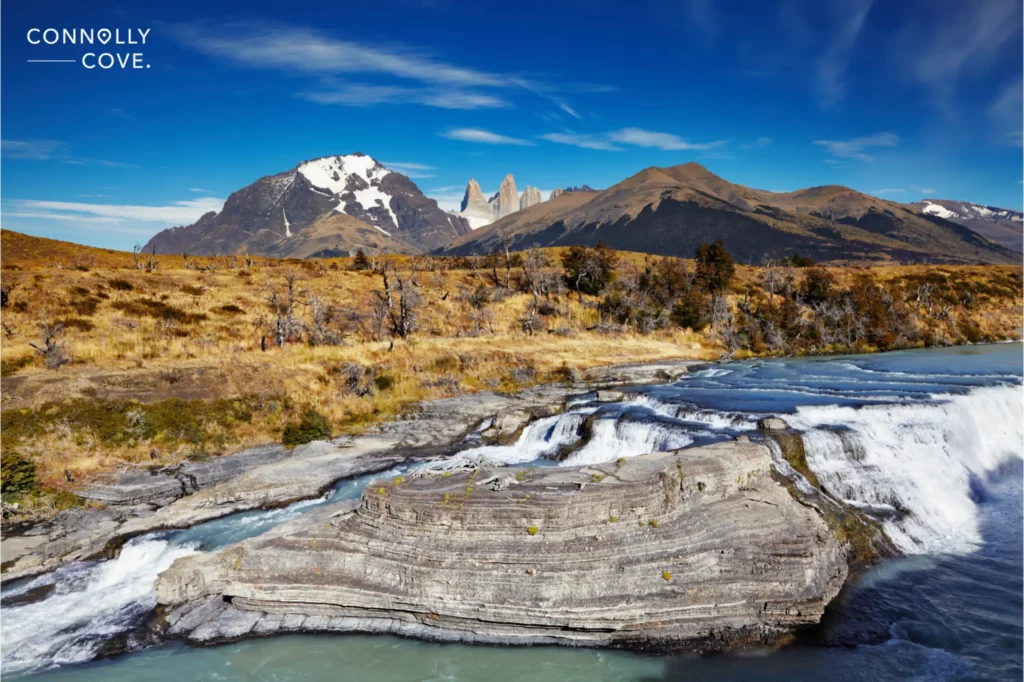
It is one of the top-visited destinations in Chile, a stunning natural reserve in the southern region of Chile, renowned for its breathtaking landscapes. There, you can gaze at towering granite peaks, turquoise lakes, and vast expanses of untouched wilderness.
Visitors to the park can enjoy wonderful outdoor activities, such as hiking, camping, and wildlife watching. The iconic “Torres del Paine” is the park’s most famous attraction, with their majestic spires rising high above the surrounding landscape. Additionally, the park includes a diverse array of flora and fauna, including guanacos, foxes, and the elusive puma.
3. Valle Nevado
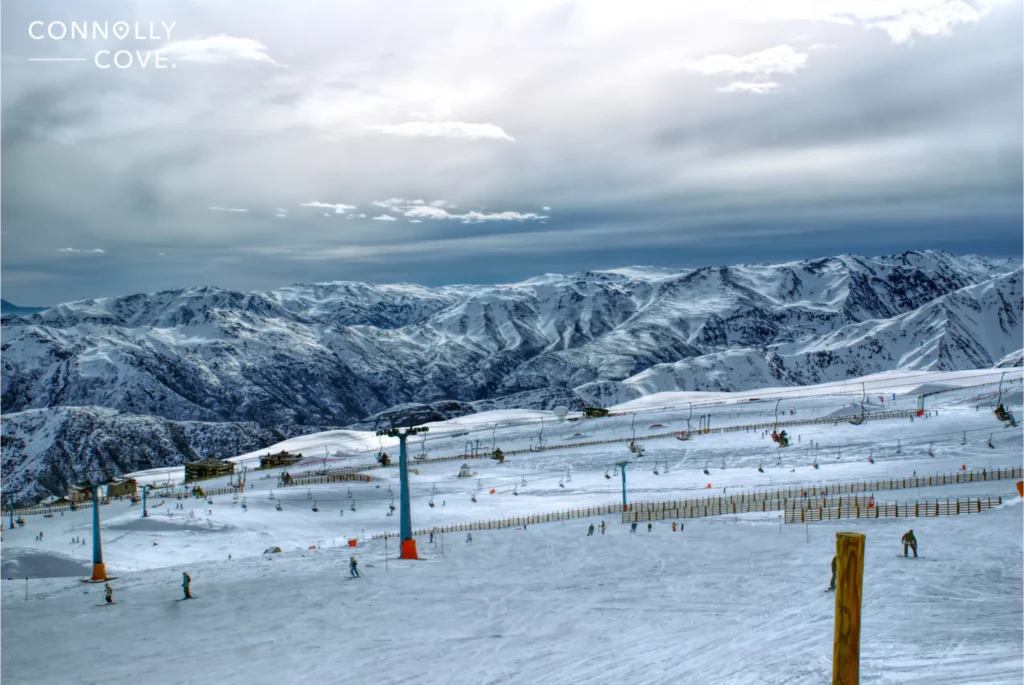
Valle Nevado is a popular ski resort in the Andes mountains of Chile, just 46 kilometres east of the capital city of Santiago. It is one of South America’s largest and most modern ski resorts, offering a variety of runs for skiers and snowboarders of all levels. The resort features a total of 45 runs, as well as a terrain park and off-piste areas for more experienced riders. Valle Nevado also boasts some of the best snow conditions in the region, with an average annual snowfall of around 7 meters.
In addition to skiing and snowboarding, Valle Nevado offers a range of other activities, including heli-skiing, snowshoeing, and snowcat tours. The resort also has fantastic restaurants, bars, and shops for visitors to enjoy after a day on the slopes. For those looking to relax and unwind, Valle Nevado has a spa and wellness centre where guests can enjoy some relaxing treatments and massages.
4. Museum of Memory and Human Rights
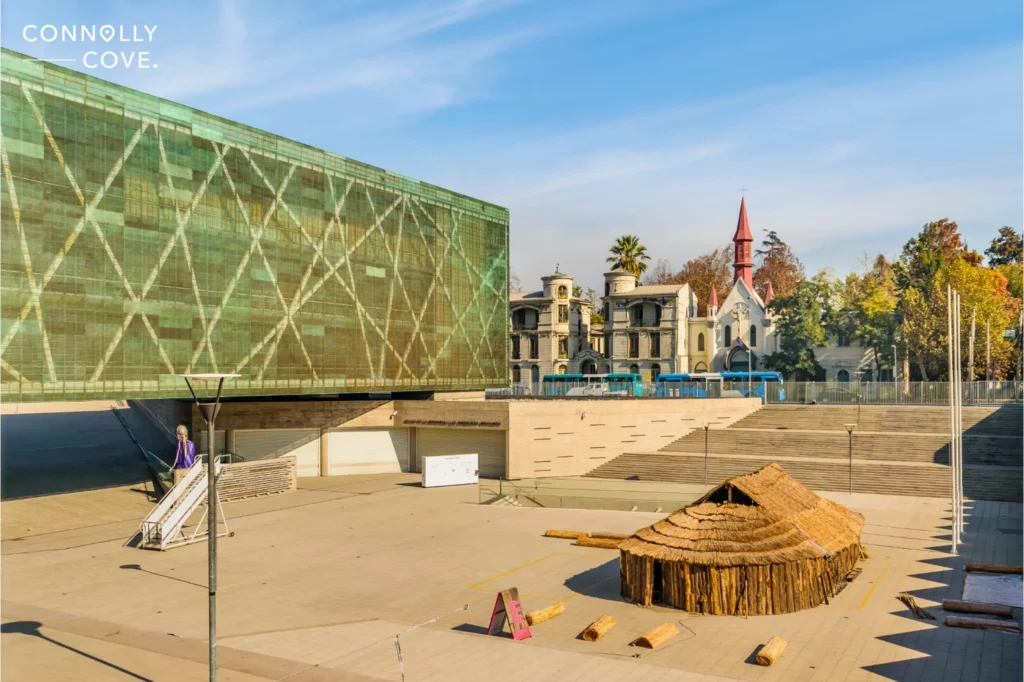
The Museum of Memory and Human Rights, situated in Santiago, Chile, is dedicated to the memory of the human rights violations that took place during the military dictatorship of Augusto Pinochet. Visitors can explore various exhibitions that document human rights abuses, including photographs, videos, personal testimonies, and artefacts.
The museum also provides educational programs, workshops on human rights issues, lectures, and discussions. The museum aims to create a space for reflection, remembrance, and dialogue about the importance of human rights and the consequences of their violation.
5. Easter Island
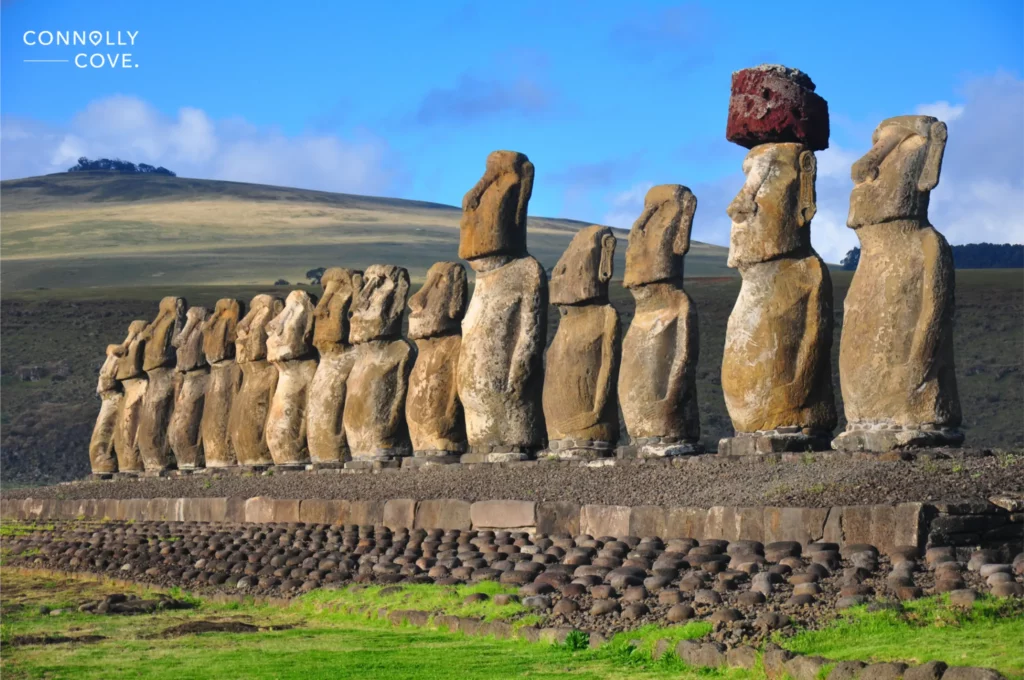
Where is Easter Island? Also called Rapa Nui, it is a Chilean territory in the southeastern Pacific Ocean. It is a remote volcanic island and one of the world’s most isolated inhabited islands. Easter Island is known for its iconic moai statues, which are large stone figures carved by the Rapa Nui people. These statues are scattered around the island and are a must-see for visitors.
Additionally, the island offers beautiful beaches, volcanic craters, and unique rock formations. Visitors can also explore the ancient stone houses and caves, as well as explore the incredible history and culture of the Rapa Nui people. Outdoor activities such as hiking, snorkelling, and scuba diving are also popular on the island.
6. El Tatio
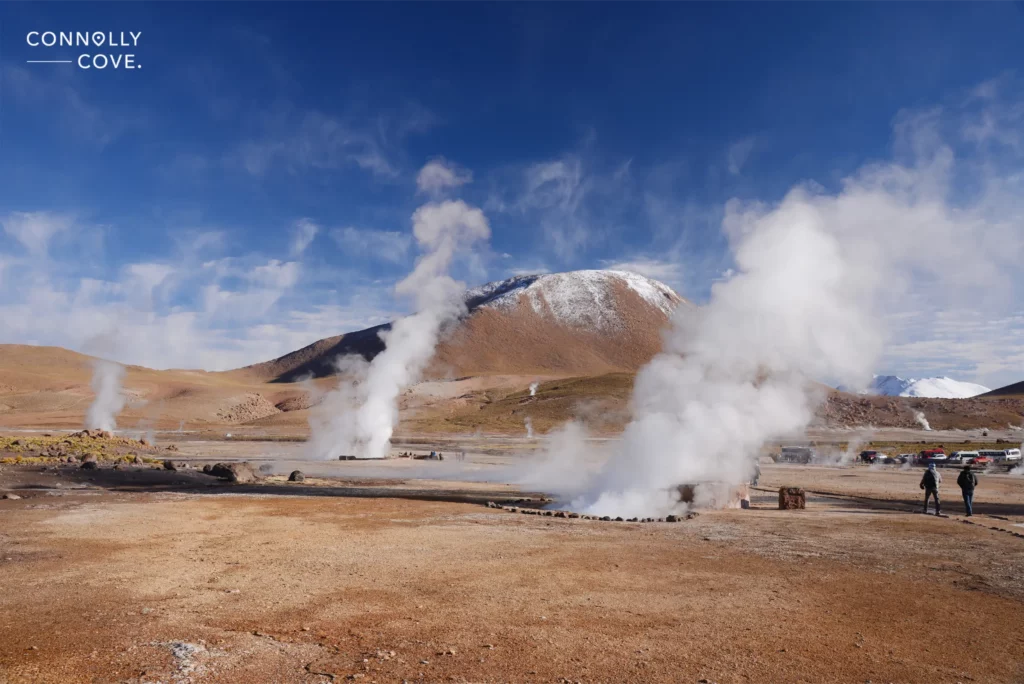
El Tatio is a famous geyser field in northern Chile’s Andes Mountains. It is the third-largest geyser field in the world and the largest in the southern hemisphere. Visitors to the field can witness the spectacular sight of over 80 geysers shooting hot water and steam into the air against the backdrop of the stunning Andean landscape. The best time to visit is in the early morning when the contrast between the cold morning air and the hot geysers is most striking.
In addition to the geysers, visitors can enjoy the surrounding natural beauty, including high-altitude wetlands, hot springs, and unique views of the surrounding mountains. While visiting El Tatio, it is essential to be mindful of the high altitude (over 4,000 meters above sea level) and the extreme temperatures, which can be very cold in the mornings and hot during the day. It is also important to be respectful of the fragile environment in El Tatio and follow all posted regulations to protect the geysers and their surrounding ecosystems.
7. Mylodon Cave Natural Monument
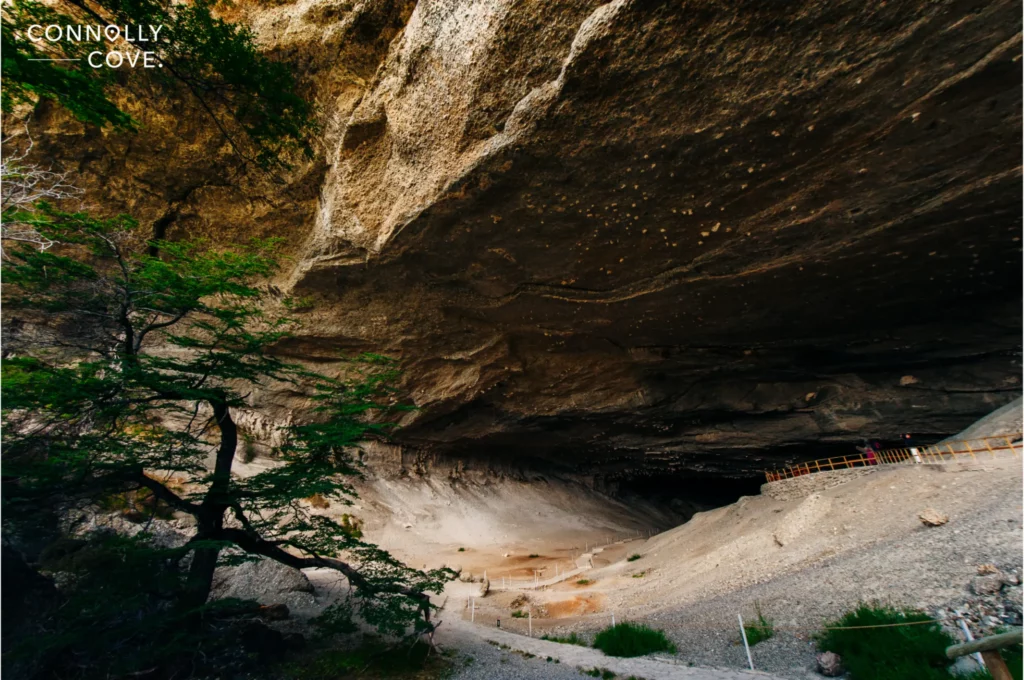
Mylodon Cave Natural Monument is a unique and fascinating natural wonder in the Magallanes Region of Chile. The cave is named after the extinct giant sloth, Mylodon, whose fossilized remains were discovered within the cave in the late 19th century.
The cave itself is a massive underground chamber, measuring 200 meters in length and 80 meters in width, and is a popular destination for tourists and nature enthusiasts. Visitors can explore the cave and discover the remains of the Mylodon, as well as other ancient fossils and rock formations.
In addition to the cave, the surrounding area is also home to stunning natural beauty, including lush forests, rugged mountains, and a variety of native wildlife. There are hiking trails and camping facilities available for those who want to immerse themselves fully in the region’s natural splendour.
8. San Alfonso Del Mar
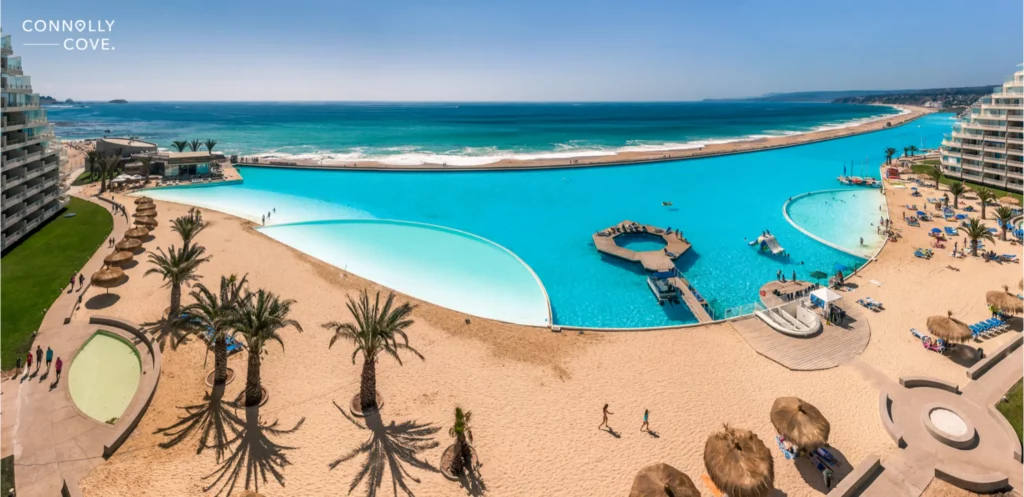
San Alfonso del Mar is a luxury resort located in Algarrobo, Chile. It is famous for its large Guinness Record swimming pool, which is the second largest in the world. The pool is filled with filtered ocean water and stretches over 1,000 yards in length, covering an area of 20 acres and reaching depths of up to 115 feet.
The resort itself features a beautiful beachfront location with breathtaking views of the Pacific Ocean and a number of amenities such as restaurants, bars, spa facilities, and various water sports activities. The architecture of the resort is inspired by the Mediterranean style, with white buildings and lush gardens creating a picturesque and relaxing atmosphere.
In addition to the impressive swimming pool, San Alfonso del Mar also offers access to the nearby Algarrobo beach, known for its crystal-clear waters and sandy shores. Visitors can enjoy fishing, sailing, and even scuba diving in the surrounding waters.
9. Araucano Park
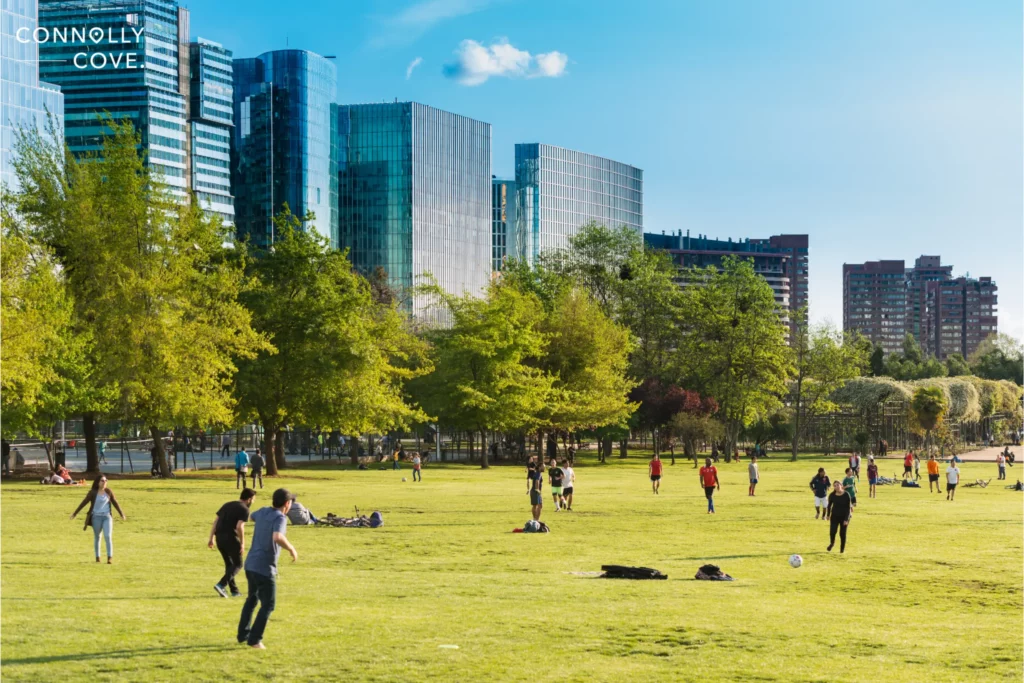
Araucano Park is a beautiful and popular public park located in the heart of Santiago, Chile. It is an ample green space filled with lush trees, walking paths, and open grass areas, perfect for picnics, sports, and leisurely strolls. The park is known for its stunning landscape design, which includes a wide variety of native Chilean plants and trees, as well as a tranquil lagoon. Visitors can also find playgrounds, exercise stations, and even a cultural centre within the park.
Araucano Park is a great place to escape the of the city and enjoy some peaceful nature. It’s also a popular spot for outdoor events, concerts, and festivals throughout the year. Whether you’re looking for a place to relax, exercise, or simply enjoy the beauty of nature, Araucano Park is definitely worth a visit. Its relaxing atmosphere and beautiful surroundings make it the perfect urban oasis for locals and tourists alike.
10. Marble Caves
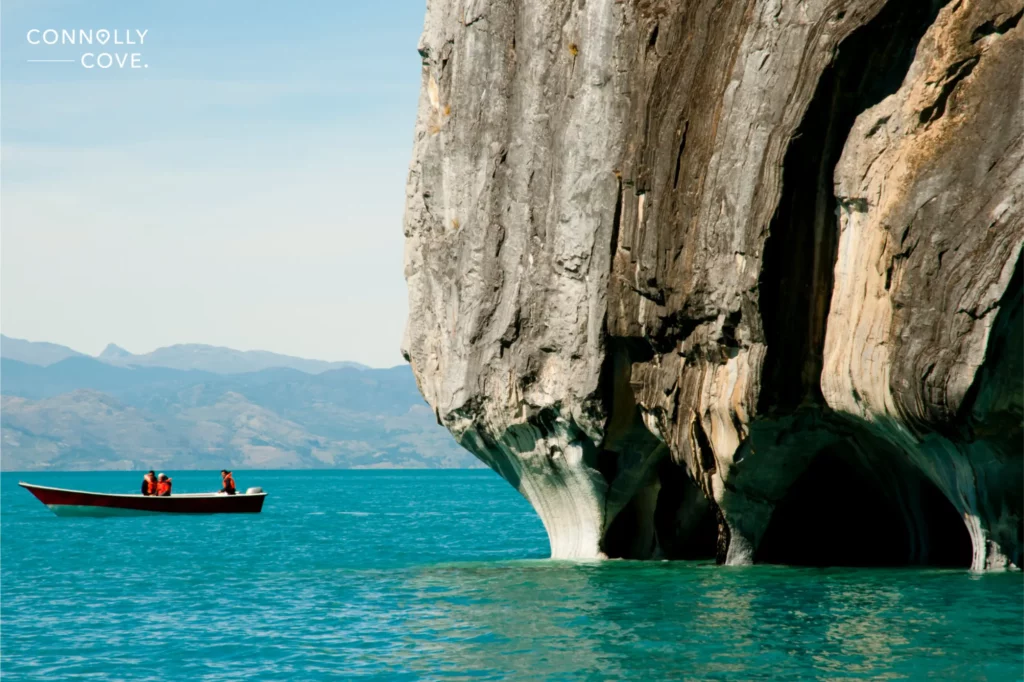
The marble caves, known as the Marble Cathedral, are located in the General Carrera Lake in Patagonia, Chile. These stunning caves have been formed by the erosion of the marble rock by the waters of the lake, creating a beautiful network of tunnels, columns, and intricate formations.
Visitors can explore the beauty of the caves by taking a boat tour, which allows them to witness the incredible blue and green hues of the water reflecting off the marble walls. The play of light and shadow creates a mesmerising effect, making the caves a popular destination for photographers and nature enthusiasts.
The best time to visit the marble caves is during the summer, when the weather is milder, and the lake is calmer, allowing for a smoother boat ride. The caves are also accessible from the town of Puerto Rio Tranquilo, where visitors can arrange tours to explore this natural wonder.
Within the cities of Chile, vibrant cultural scenes unfold, showcasing the country’s creative spirit through colourful murals and urban expressions. Immerse yourself in the top attractions in Chile with its natural wonders and experience the incredible beauty of the South American landscape. Take a dive and chill in one of the largest pools in the world or ski at a prestigious resort. We assure you that you will always remember your trip to Chile.
What are the top outdoor activities in Chile?
For outdoor enthusiasts, Chile presents a myriad of exhilarating activities to partake in. Embark on a trek through the stunning Lake District, where emerald lakes, dense forests, and looming volcanoes create a picturesque setting for hiking, cycling, and water sports, ensuring an unforgettable adventure in the heart of nature.
What natural wonders can be found in Chile?
For an otherworldly experience, set your sights on the Atacama Desert, where lunar-like terrain and stark beauty collide. This ethereal landscape, with its salt flats, geysers, and lunar valleys, offers a surreal adventure for intrepid travellers seeking unique encounters with nature.
What can I see in Lauca National Park?
Lauca National Park, situated in Northern Chile, is a hidden gem boasting stunning high-altitude landscapes, including shimmering lakes, snow-capped peaks, and abundant wildlife. This remote sanctuary offers an escape into pristine natural beauty.
Where can I see penguins in Chile?
In Punta Arenas and its surrounding areas, wildlife enthusiasts can get up close with the region’s diverse wildlife, including the iconic penguins, as they explore the region’s protected natural parks and pristine conservation areas.
How much does it cost to visit the marble caves in Chile?
There are two options: You can take a boat from Peurto Rio Tranquilo at about 15$ a person, or you can take a kayak at about 50$ a person.
How much does it cost to visit Easter Island?
This island is considered a very expensive attraction as it is highly detached from the mainland, around 3700 km away, and almost all the amenities there are shipped. You will need to pay for everything, including the national park itself, whose ticket costs around 60$.
How to get to Easter Island?
Most visits are through air flights from Arturo Merino Benítez International Airport in Santiago. The flight trip takes about 6 hours and costs nearly 1200$ in high seasons.
Discover The Mystery of the Paviland Red Lady: Unearthing Its Secrets
Culture Exploration
29/04/2024

Downpatrick Town: Saint Patrick’s Final Resting Place
Northern Ireland
29/04/2024

Breton Language: Safeguarding the Rhythmic Pulse of Brittany’s Celtic Heart
Culture Exploration
29/04/2024
The Enchanting Helen’s Bay Beach – Northern Ireland
Northern Ireland
29/04/2024

Discover The Mythical Valkyrie Horses: Steeds of Legend
Mythology and Folklore
28/04/2024