
Top 10 Things to Do in Beijing, China- Places, Activities, Where to Stay, Easy Tips
Updated On: November 09, 2023 by  Rahma Ali
So, how do you feel about China, specifically Beijing?
Massive industry, a powerful hub, the Great Wall of China, sophisticated high-rise skyscrapers, a distinct culture, traditional Chinese clothes, and perhaps coronavirus (no offence!)
Okay, many ideas are floating around this unique Asian country, but we’ve come to see Beijing with new eyes. This comprehensive guide will hit you with top things to do in Beijing and some of the most unusual sites and crucial advice and information you need to know before travelling to Beijing, as we will present you with some beautiful ideas.
But first, let’s address a popular question:
Is Beijing Worth Visiting?
That’s a good question.
One thing for sure is that there are so many wonderful and fun things to do in Beijing that you will need at least a week to enjoy them all, and eventually, you probably will not be able to uncover all these hot attractions. We can create an endless checklist of why Beijing is worth visiting, but we can successfully narrow it down to these points.
- Tons of spots are waiting for you to explore: It’s a massive city with lots of tourists and the most-visited attractions in the world, which will leave you a sense of surprise and overwhelmed. Beijing is home to the world-beating quality of everything; places, services, hotels, malls, museums, and more. Let’s say that in many cities, you’d be scraping the barrel trying to find genuinely worthwhile things to do, but that will never be the case in Beijing.
- A rich array of heritage: With its instantly recognizable monuments, The Great Wall, Beijing has a long history dating back to 800 years as the capital of China and 1045 BC, when it was founded to be the first empire in this region.
- Tightly packed as a cultural post: Many cultural and religious destinations in Beijing are rarely left off any itinerary for anyone fascinated by this giant nation. A walking tour through ancient narrow alleyways and hutongs of neighbourhoods will give you insight into its unique culture for a good reason.
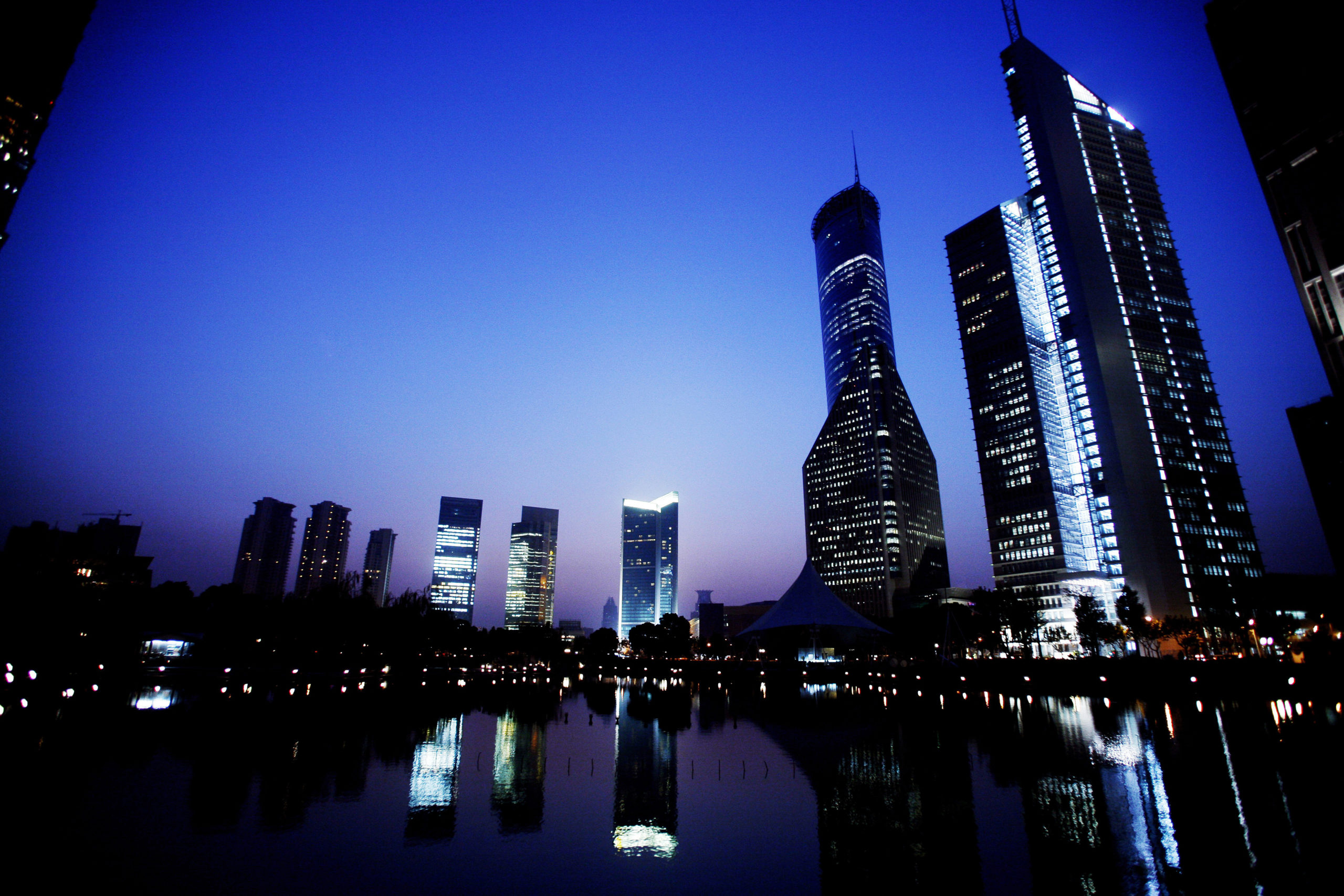
- Many chic boutiques for shopaholics: Plenty of picturesque shopping malls offer all you could imagine or not imagine. No wonder! You are in one of the biggest and most powerful industrial cities in the world. Malls here are designed to wow everyone with their magnificent structure embodied with cutting-edge technical features.
- A culinary tour around the local specialities: You absolutely have tasted Chinese food in your home town before, but trust me, you will find out that all cuisines you have tasted before were something else yet Chinese. Being in Beijing will give you special access to sample delicious dishes. And any foodie doesn’t want to miss this leisurely experience.
- Vibrant outdoor markets: Besides iconic malls, you can discover the artistic treasures of Beijing in the outdoor markets. It’s said that you can spend a decade to complete your shopping tour here and it will not be enough. You can find antiques, jewellery, bags, watches, teapots, leather handicrafts, Chinese cultural items, and many more.
- Combining ancient, modern, and future: In Beijing, you can feel that all aspects of human civilization have been brought together to formulate this impressive city. So, there will never be a shortage of ideas if you are searching for different experiences.
Simple Things You Need to Know Before Traveling to Beijing, China (Important Tips)
Regardless of where you are from, a trip to Beijing will be unlike any other holiday you have ever had. You will need to know some things before heading to China to withstand while discovering this cultural shack and enjoy your time here.
Here we have set this list of things to know before travelling to Beijing that you should not discount to make the most of your trip here and save it as a memorable holiday.

Let’s dive in.
- Staying in hutongs is a must
Beijing has a wide range of accommodation alternatives to suit all tastes and budgets. Still, we reckon that renting a home or room in one of Beijing’s hutongs will provide you with an insider view to learn more about this very distinct culture. However the city has plenty of places and things to do, and you will still have the time of your life in Beijing. These winding lanes will be your way to find a few recherché places, local cafés, tea houses, and shops. You will see millions of activities you can do at night; people-watching, strolling along the street, bringing your favourite drink from a nearby bar, attending a small party at a neighbour’s home, and so on.
- Download any translation app
We can’t compose a list like this without mentioning that it’s a good idea to know some sample words in Chinese like Xie Xie Ni(nin) (thank you), Zǎoshang hǎo (good morning), or even Nǐ hǎo (hi).
Locals will appreciate your effort to speak in their mother tongue. You will discover people who are eager to assist you in finding the best mode of transportation or recommend the best eateries in the area. What you will get after pronouncing their words will merit your efforts. And the best option is to download any translation app like Google to use it frequently when conversing, reading a menu, or checking any information on a historic site.
- The air pollution could be horrible
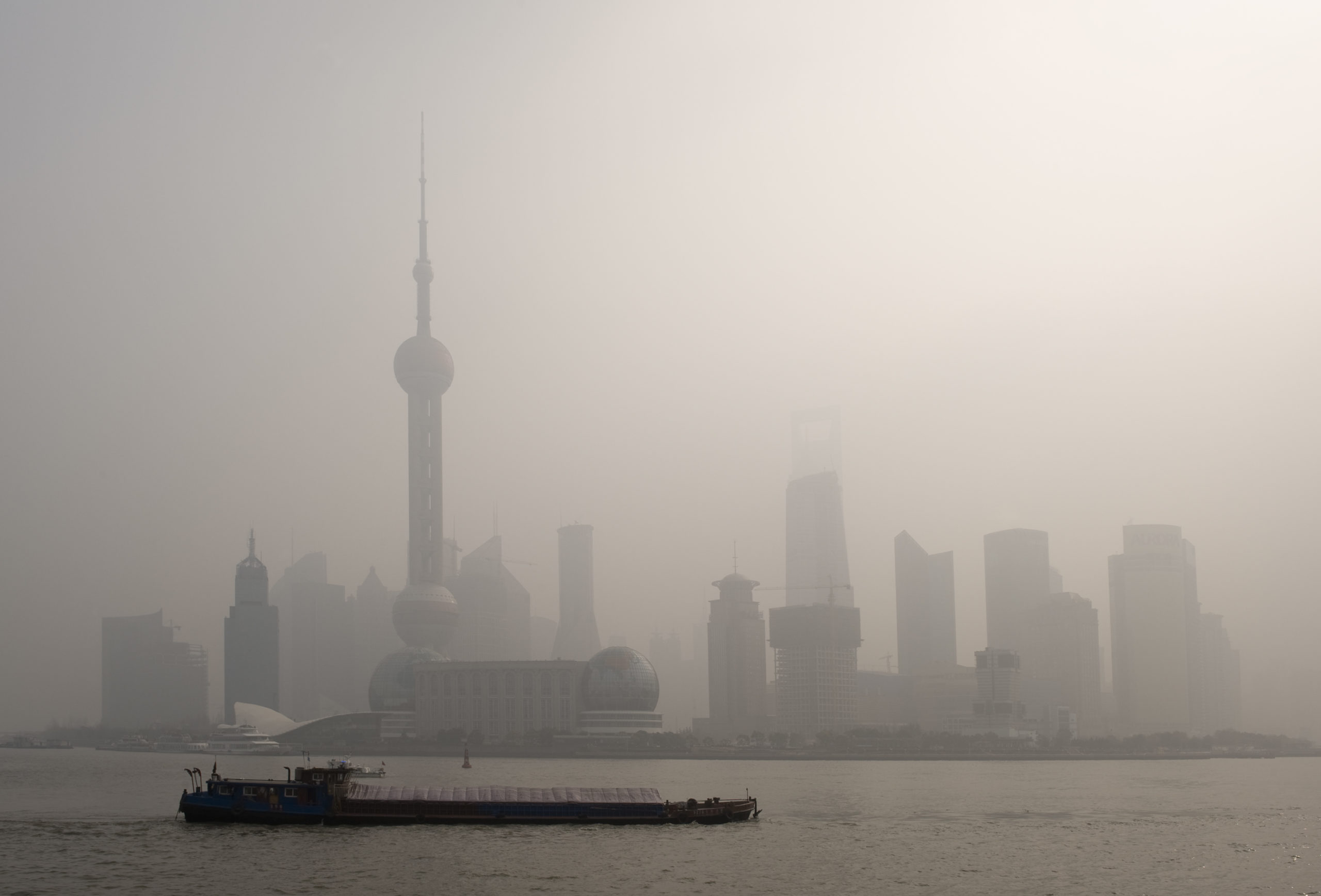
As Beijing is the heart of one of the most significant industrial countries globally, sometimes the air pollution here exceeds the acceptable limits, designed by the World Health Organisation, by nearly six times. That means you will be asked not to leave your home or open windows to not breathe in these toxic gases.
Although it is unlikely that every day would be this awful, be aware that you may find yourself in Beijing looking out a hotel window and witnessing so much haze that you are unable to see your surroundings. You will have no choice but to remain in your current location till this nightmare fades away gradually.
And don’t forget to bring good face masks with you, regardless of the coronavirus situation, it’s a lifestyle here. The government has taken a number of steps to minimize the industry’s negative influence, and things are much better now than they were a few years ago. But it’s still a matter of concern.
- Don’t use taxis or any ride-hailing app… public transport is great
Beijing boasts an excellent public transportation system that connects all of the city’s neighbourhoods and tourist destinations. You will not need to use any private rides here, and subway stations are located throughout the city, and it will set you back a few cents. In peak hours, most stations turn to be packed with more than 10 million people using it daily but -who cares- it’s part of your exciting experience here.
In addition, if you like bikes or have previously reserved lodging near must-see attractions, there are many paved trails and terrains to be a friendly-cycling environment in Beijing. The city houses more than 2.4 million bicycle rentals, and you can find them easily wherever you go. So, bring your favourite rental bike, and don’t miss any of the highlights of this sprawling city.

- Many teacup poodle puppies and not on a leash
Apart from the wealth of interesting locations to visit in Beijing, the first impression is that you will witness the cutest creature on the planet, teacup poodle pups, running around the streets without a leash. (Oh, my goodness! They’re just stunning!)
It seems that if you live in Beijing, you have to buy one and let them roam everywhere. And don’t bother them; they’re well-versed in the area. Not to mention that you need to control your desire to take puppies with you because they already have owners.
- You probably will need a VPN
Using certain websites like Google, Instagram, Facebook, or even YouTube?
Well, you will need a VPN in China. It’s a vital issue as you will need one or all of them. These websites are banned here, and you can no longer open any accounts without first installing a VPN on your phone. Set up a good one and check it to ensure it works properly.
- Many people wherever you go
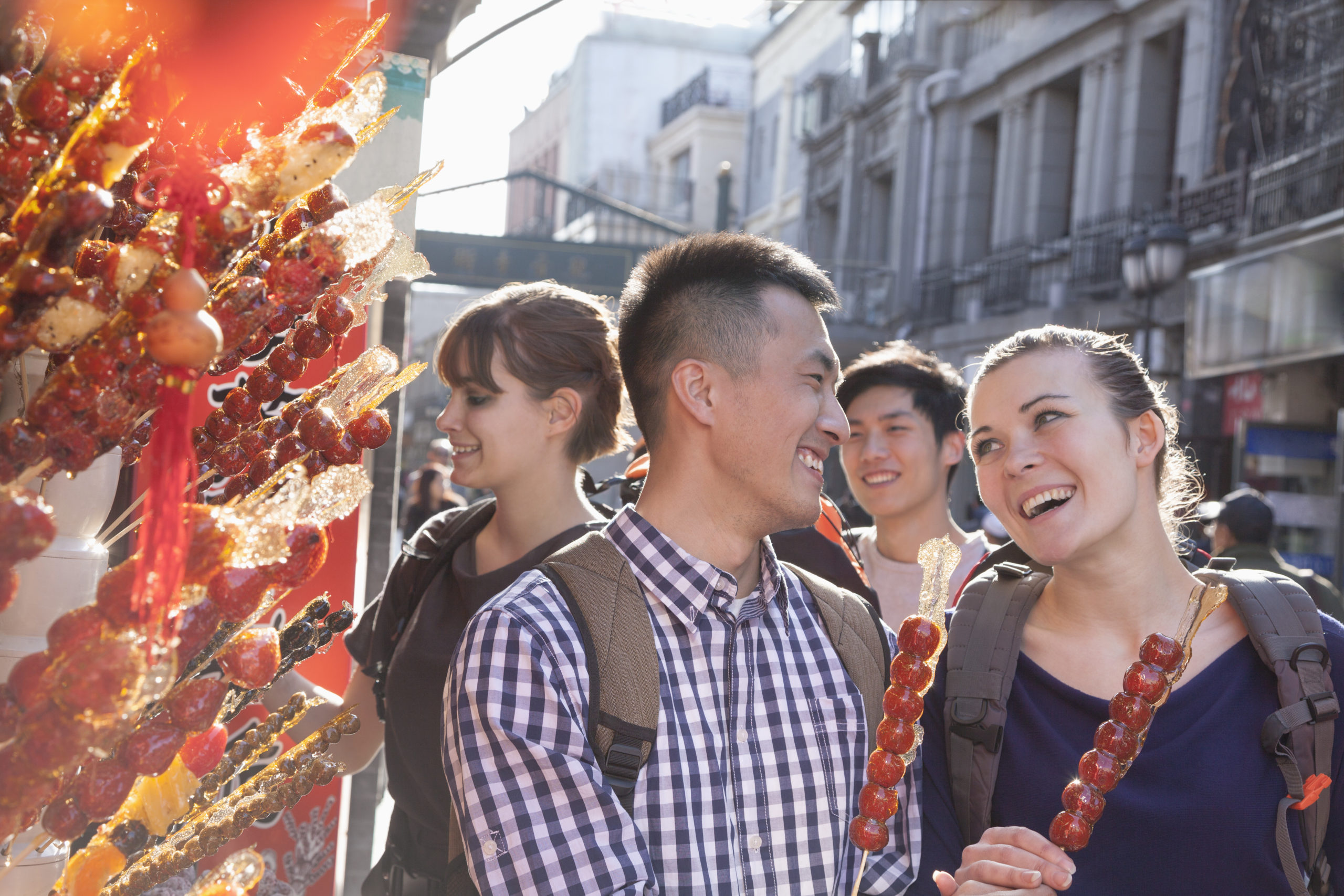
Beijing is one of the most overcrowded cities in the world. So, be prepared when you visit landmarks and museums, you will find millions of people around you. You could not even snap a good photo without being surrounded by people you never know sharing this moment with you. If you want to indulge in stylish shopping or dine on delicious gastronomy, it’s a good idea as well, but you can not escape from crowds.
Simply, no matter what you do, where you go, or when you plan to visit, you are going to have people all over the place.
Top Things to Do in Beijing, China
Be Awed By the Greatest Structure in the World: Mutianyu Great Wall
Location: Huairou District
How to get there: There are many different alternatives to get to the Great Wall: By train: take the railway and get off at Huairou Station, then take a cab or a bus to the attraction. By Bus: Take a shuttle bus from Beijing Qianmen Tourist Center directly to Mutianyu for $16, including the admission fee for the Great Wall.
Price: Around $4
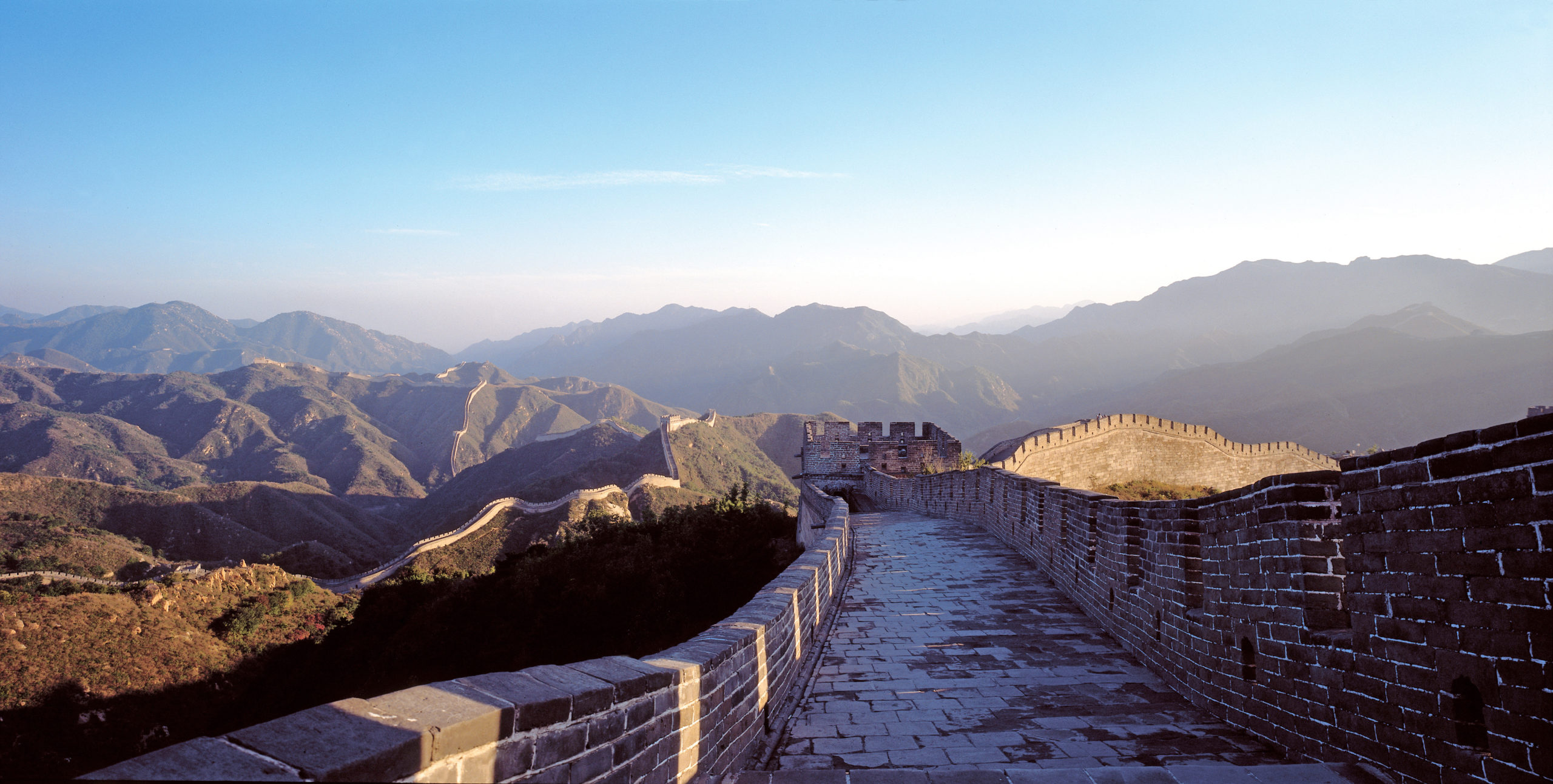
Here you will get tossed away by some conflicting and inexpressible feelings; tiring, icy cold, inspired, and surprised, especially if you decide to trek up to the wall to avoid hordes of tourists. But you know, the first thing you will say when reaching the summit will be “wow!” and you will forget all the ordeal you’ve endured.
It’s a masterpiece and epic monument that turned this area from a desert to a lush great park.
It’s one of the most dangerous trekking trips globally, but if you are a risk-taker, I know this information will entice you more to explore awe-inspiring and unrestored portions of the wall.
Why should you visit the Great Wall?
The Great Wall of China is over 2300 years old with a well-deserved reputation for being a fabulous attraction in the whole world. Attracting thousands of visitors every day, It’s one of the New Seven Wonders of the World.
This quirky wall is bound to amaze you as it’s like nothing you could ever imagine, and you will feel like you are on top of the world. From any point of view, it seems like an endless wall with endless towers observing all the way to the horizon.
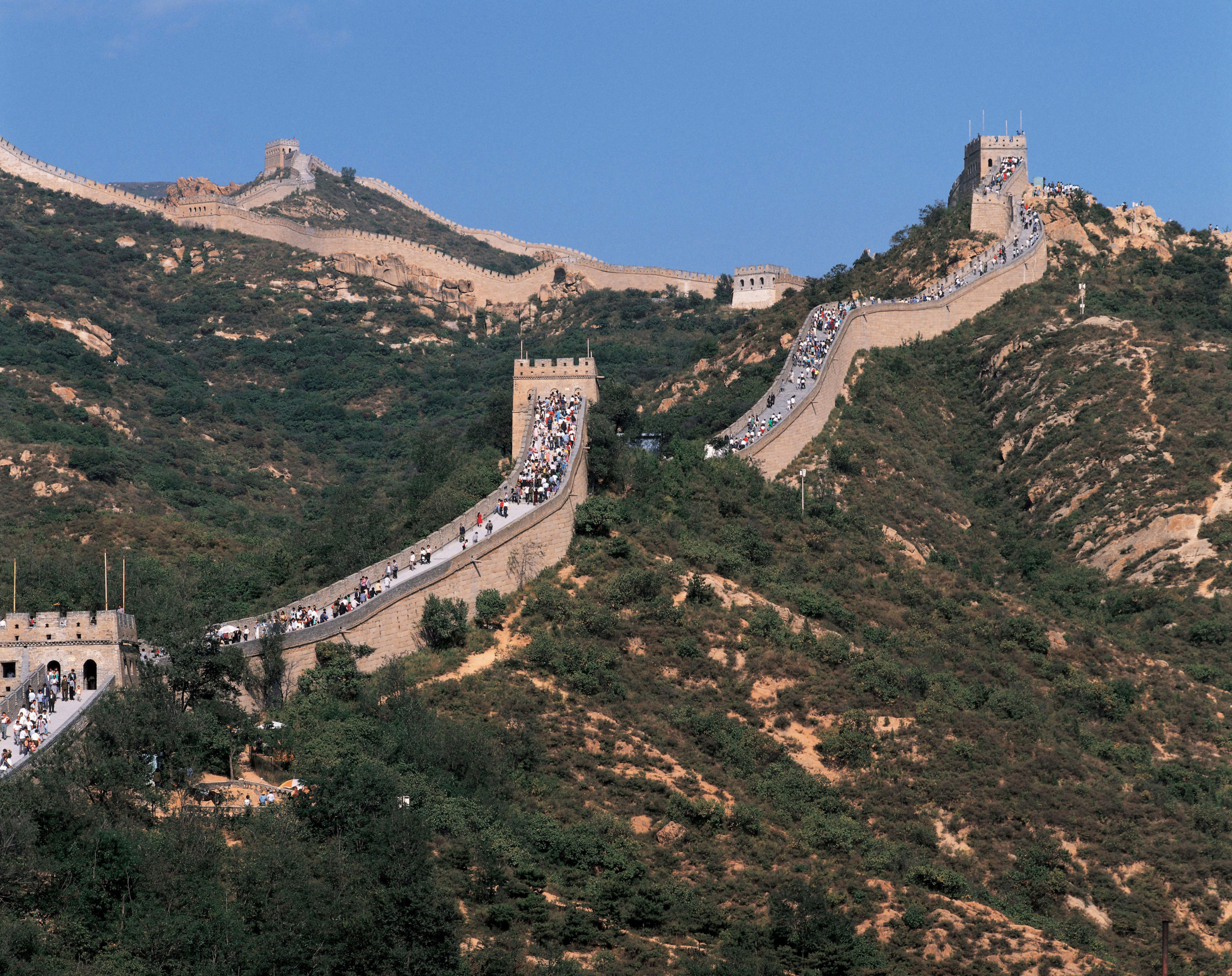
Things to do:
- Hiking among the world’s most magnificent man-made monuments will be one of the most unforgettable experiences of your life.
- Take a cable car and admire the beautiful views around the wall covered with large green spaces.
- Come here at night and enjoy the Simatai Great Wall, which is the only available part for an evening tour providing you with a romantic and panoramic view over Beijing.
- Shop in the small open-air market at the bottom of the wall to get some souvenirs.
- Take a break at the food court area, where you’ll find a variety of restaurants serving cuisines from around the world. Pick what you want.
Things not to do:
- Don’t get the hiking trail without a tour guide; it’s so tricky, and you will need someone with sufficient knowledge to lead you.
- Don’t go to the trekking position without putting on snake repellent. You could come across a lot during your climbing adventure.
- Don’t put on open-toed shoes even on summer days; you need to protect your leg from bugs and other insects
Pro tip: If you are searching for a great adventure, then go to the Great Wall Fresh, which is a family-run guest house that offers camping so you can wake up to a sunrise on the great wall and immerse yourself in this spectacular scenery.
Explore the Great Culture of Beijing: Lose Yourself in Hutongs
Location: Tiananmen Square
How to get there: Take the subway and get off at the Qianmen station.
Price: Free access
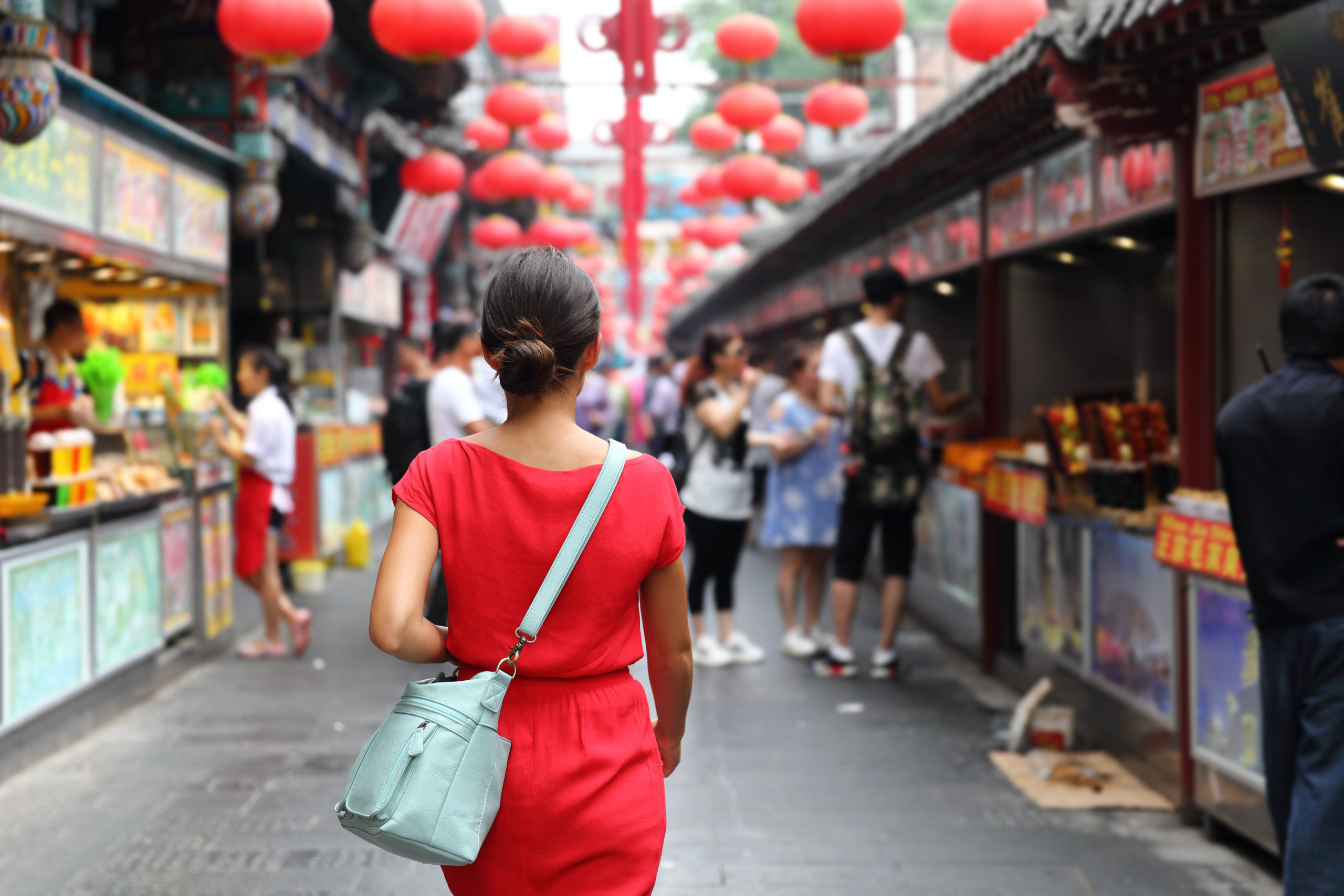
Hutongs are a special and traditional part of Chinese life which is always a great place for families, friends, and solo travellers. Beijing is a spread-out city overflowing with hidden beauties you will not find anywhere else except in these Hutongs.
Why should you visit Hutongs?
Beijing is known for its unique culture, and your only way to explore it is to let yourself loose in these never-ending mazes. There is no need to put off visiting these beautiful alleys, though, made from residential complexes and compounds all around Beijing. These hutongs came in all shapes and sizes, ranging from very wide to very narrow, and very old traditional ones to very stylish and modern, lined with famous coffee shops and restaurants.
But first, there is a variety of these hutongs, and you have to plan perfectly to figure out the best options you should include on your itinerary. So, we suggest you visit Dongxijiaomin Xiang, located in the east of Tiananmen Square, one of the most prominent spots in Beijing that have witnessed many important events over decades. And it’s the longest lane in Beijing, spanning 6.5 kilometres. Xiang is home to many beautiful buildings with a European flavour as many foreign embassies are spotted here and old churches.
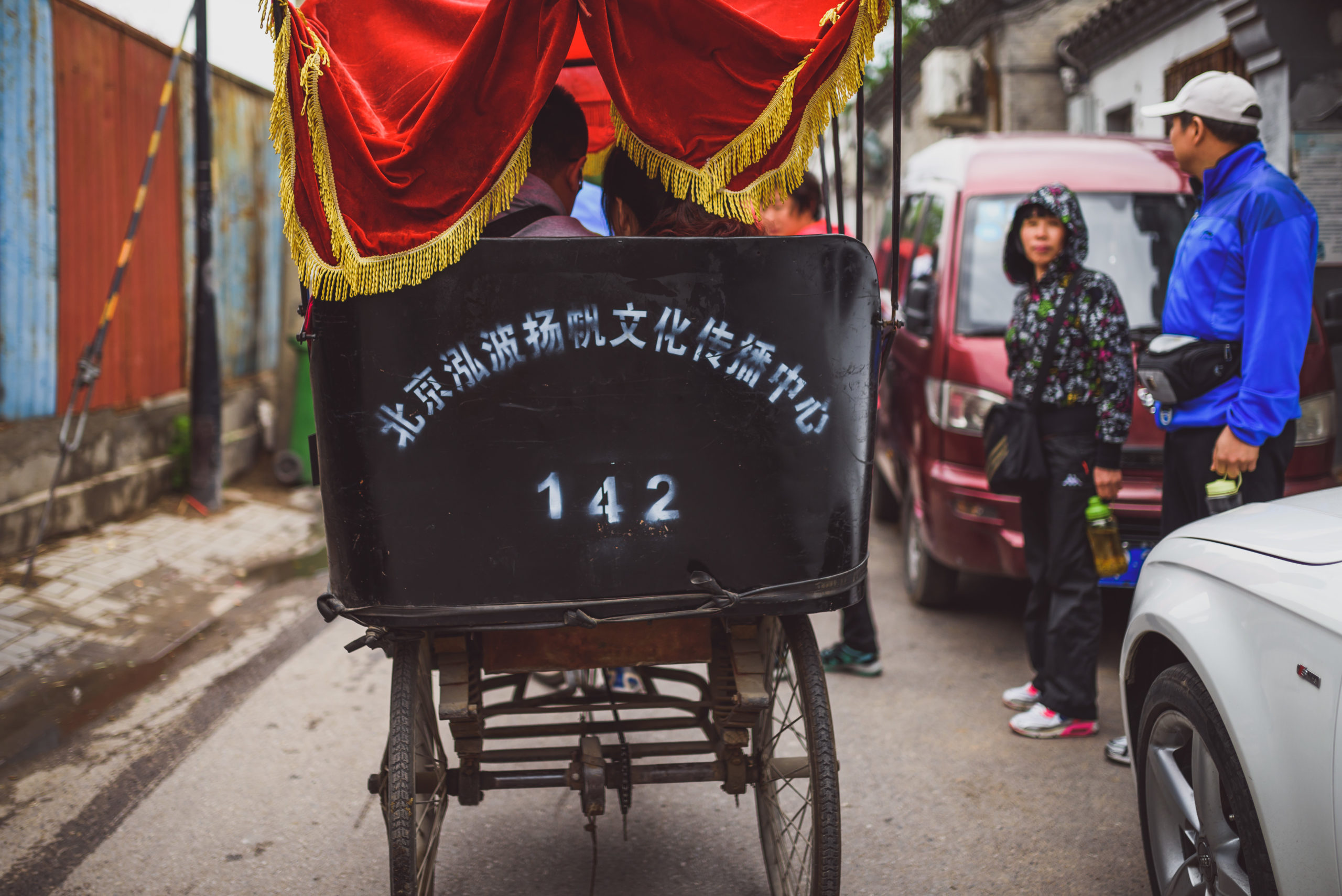
Things to do:
- Walking around the lanes and taking in this incredible experience of watching how traditional local life is happening where people chat, cook, do cycling, and so on.
- Paying attention to the small details adorned each home with something related to Chinese culture.
- Go shopping at the open markets and many boutiques at fantastic pocket-friendly places inside different hutongs like Nanluogu Xiang.
- If you feel tired in a sun-kissed city sample some sorts of mouth-watering meals in Chinese, Thai, Japanese, or even western options. Or have your coffee at one of the trendy eateries and coffee shops.
- Come here at night, a lively nightlife place to sit in bars or buy some traditional Chinese souvenirs or savour street food.
Things not to do:
- Don’t be deceived by tourist traps as many tourists are eager to discover this significant side of Chinese traditions; you will see some pushy salesmen who will try to persuade you to buy their items. Consider what you need to purchase, and don’t listen to those who unpleasantly ask you to check their wares.
- Don’t use public toilets in hutongs except if you have squatting skills and bring your toilet paper with you.
- Don’t be bothered when seeing people staring at you or taking your photograph. It’s kind of weird, but it’s sweet as well. They are glad to see foreigners with different cultures in their homes. So, take pleasure in it.
Pro tip: With all prior off-the-beaten-track recommendations, the best thing to identify other cultures is simply people. Beijingers are super cool and friendly, and they are open to learning from foreigners. Set a thief to catch a thief by shooting the breeze with locals, and you’ll learn a lot of intriguing things.
Retreat at One of the Historical Palaces: Relax at Summer Palace (Yiheyuan)
Location: No.19 Xinjian Gongmen Road, Haidian District
How to get there: 10 minutes’ walk from Beigongmen railway station
Price: Around $7
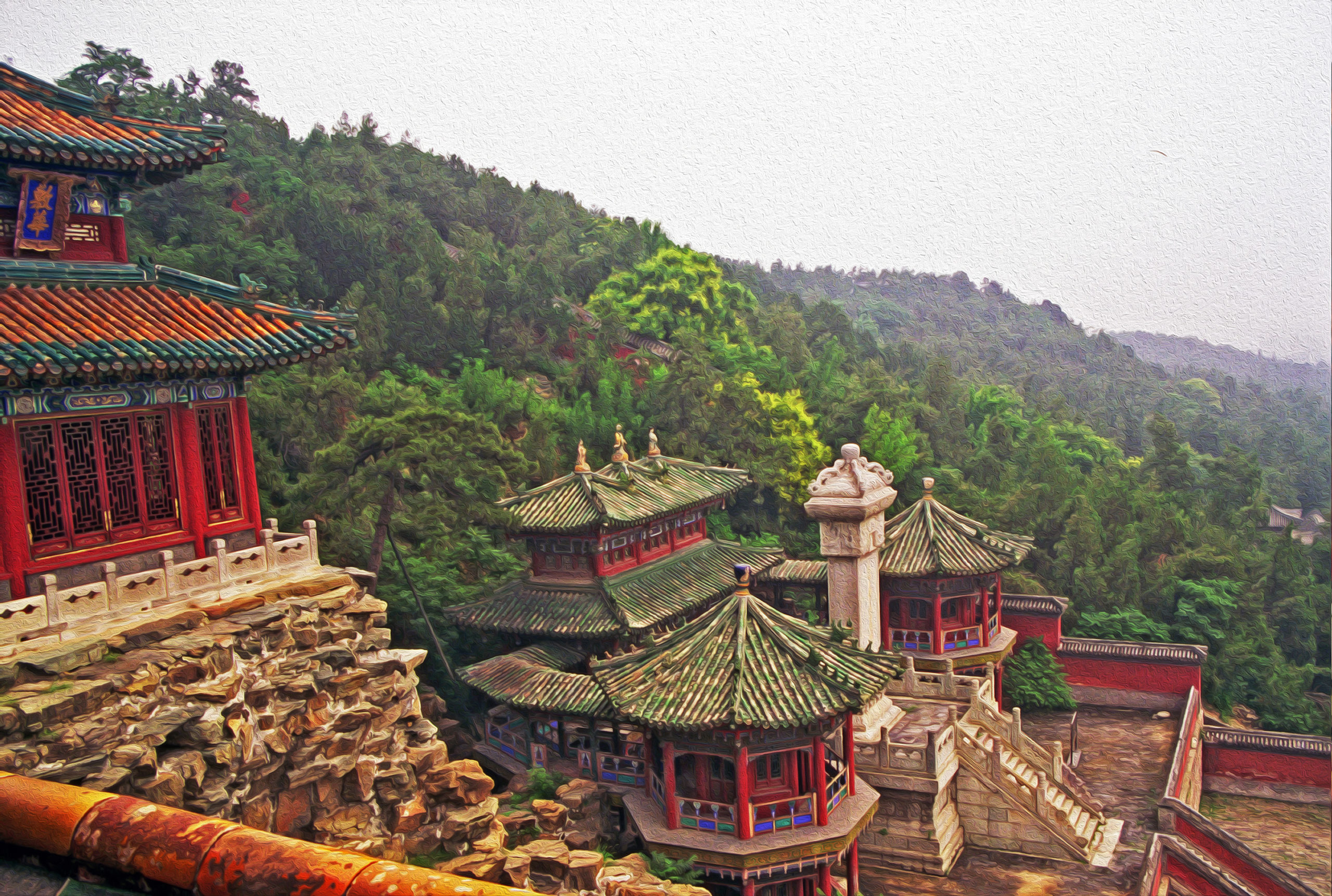
To put all must-visited places in Beijing on one list, you definitely need to check this splendid palace. The summer imperial palace hosts one of the most iconic structures in China, along with vast gardens where residents used to get lost between its hidden pathways.
Why should you visit the Summer Palace?
Generally speaking of the Summer Palace, this fantastic architecture testified to the glory of China. After exploring the Great Wall and spending an entire day observing the Beijingian life in hutongs, you can now put your energy into yours and head to this palace, created wisely to be a retreat centre in the heart of extensive gardens overlooking Kunming Lake.
Listed as UNESCO World Heritage Site, it was a former royal residence to the China emperors. The natural impact formulated this spot to be a delicate shade from the bustling and heat of the city, and that’s why it was called the Summer Palace.
And where the city’s rulers congregate is where the city’s art and valuable items can be located. That’s why your tour in any city can not be completed without exploring some royal and historic palaces. And that’s why we are here.
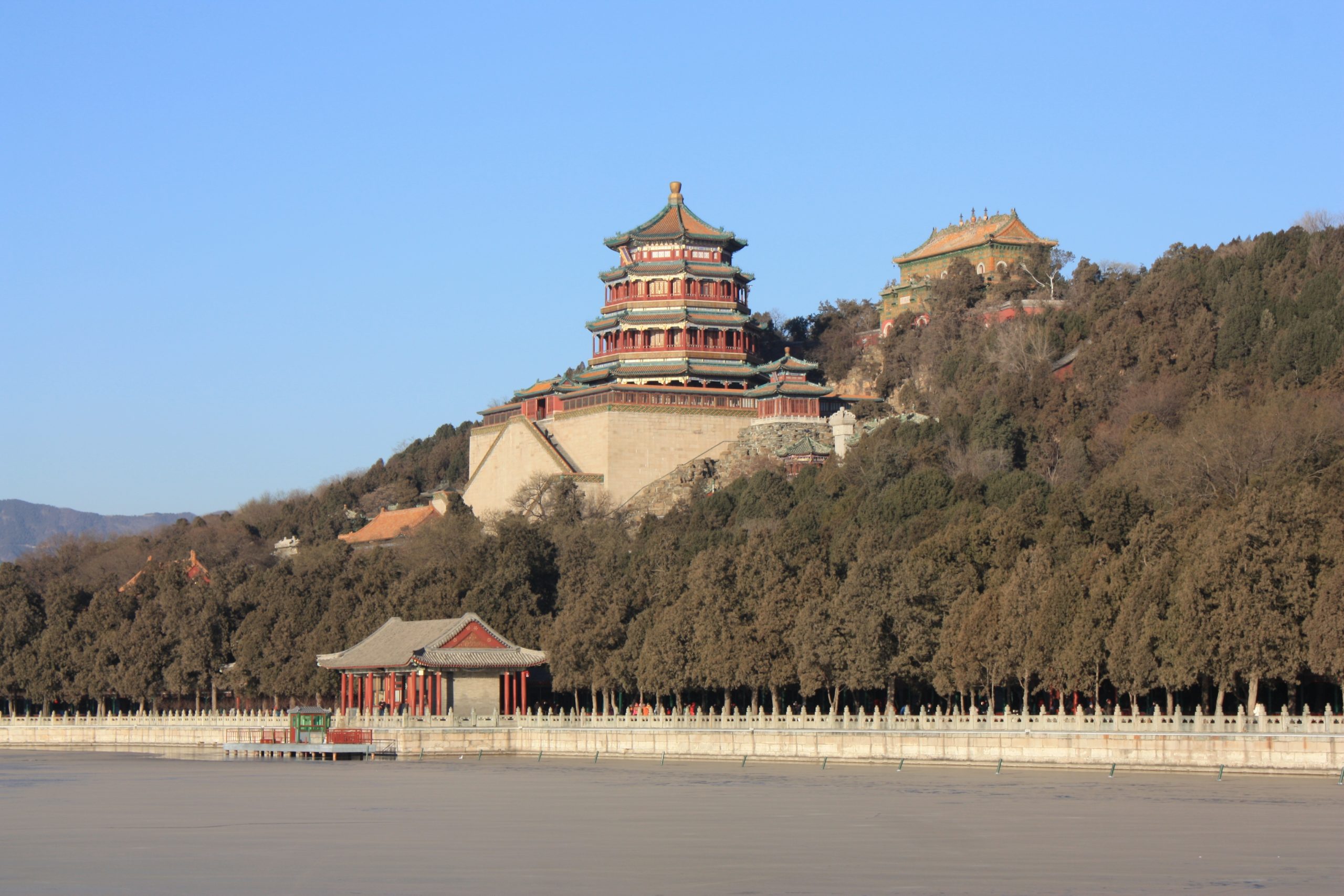
Built on a 60-meter hilltop, Longevity Hill, the palace offers a panoramic view of a large artificial lake stretching to three square kilometres.
Things to do:
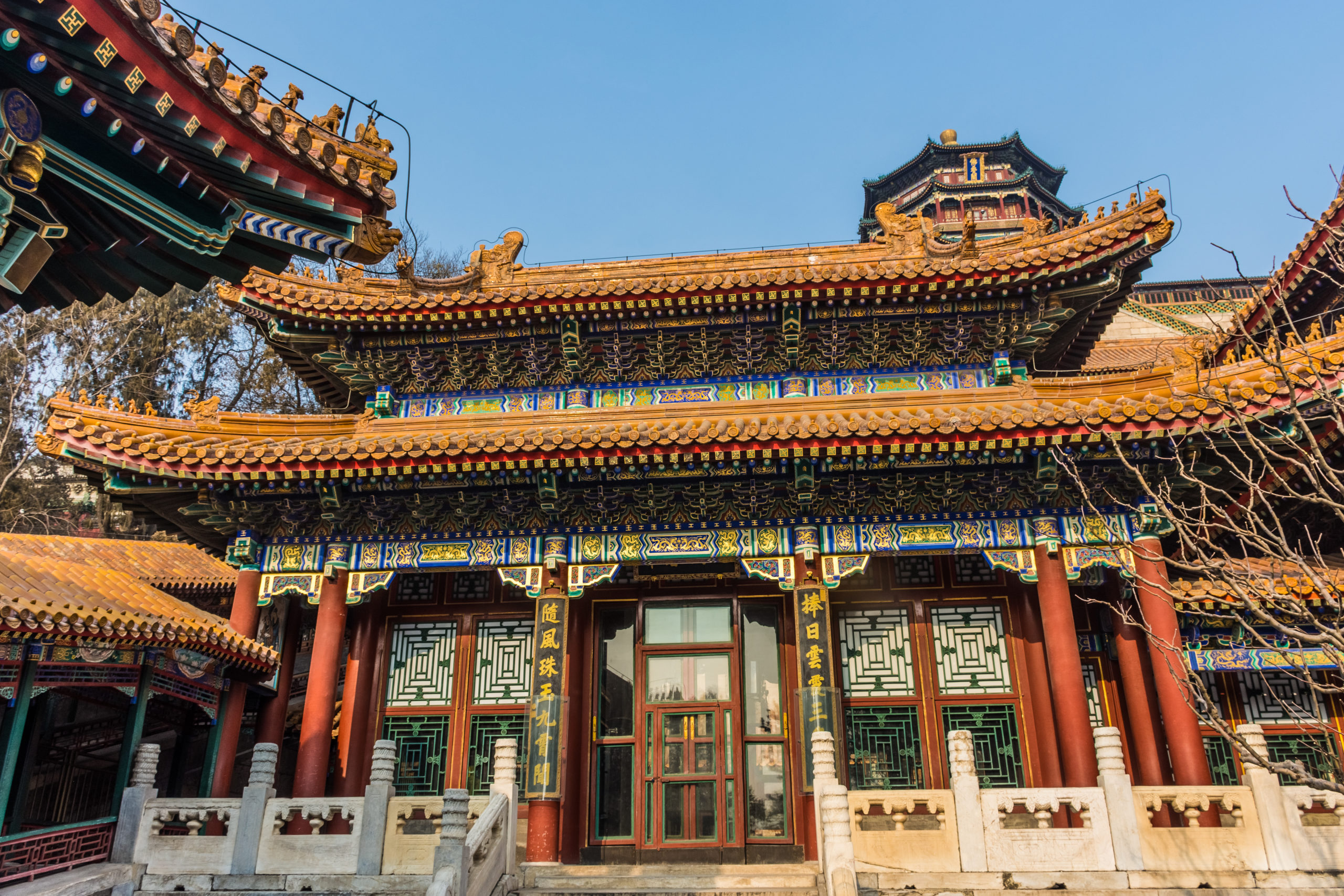
- Visit the Tower of Buddhist Incense, the most dominating feature standing on the top of the hill with its three-tiered structure and vibrantly coloured portions where the emperors meditated to pray and make pagan offerings to the gods to appreciate their love and devotion.
- Check out the Hall of Dispelling Clouds below the Buddhist building where the emperors received foreign dignitaries.
- Explore the Long Gallery, the awesome gallery on the banks of the lake offering beautiful vistas, and a pleasant walking tour through the outdoor corridor.
- Make time to have a look at pavilions strewn throughout the palace and explore decorated paintings with vivid colours.
- Visit the bizarre Marble Boat, created out of marble to be a hangout spot for royal families, and it absolutely can not sail anywhere.
Things not to do:
- Don’t worry about cash in Beijing. Digital payments are accepted everywhere but don’t forget to download any digital payment platforms like WeChat and use it as an e-wallet after linking it to your bank account.
- Don’t use private rides like taxis on holidays, especially for long distances. It will break the bank as it gets increasingly higher in response to greater demand.
- Don’t think that because you are waking up so early at 4:00 am, it means you will be the only one in the place. Actually, it doesn’t happen. People in Beijing are so active, and the popular culture here is to start the day very early, no matter how early a bird you are.
Pro tip: Don’t forget to check Suzhou Street, our favourite spot here, built to act like a “normal” street with shops for royal families like “normal” people. It will be excellent for photography, nevertheless, it has a strange story.
Walk Around the Most Significant Square in China: Tiananmen Square
Location: West Changan Street, Dongcheng District
How to get there: A 5-minute walk from Tian’anmen East bus stop
Price: Free access
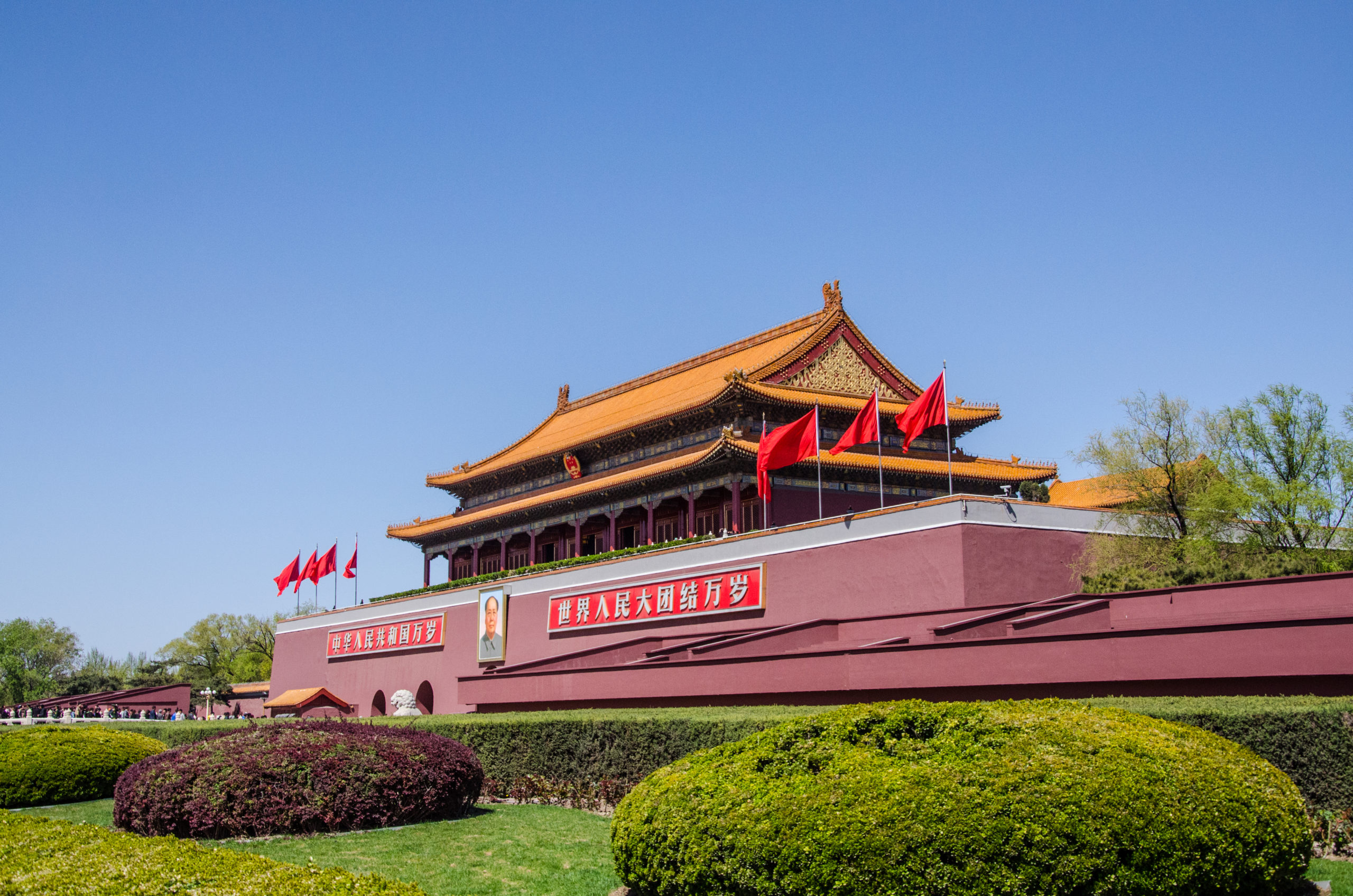
Prepare for the most popular and vital plaza in China, which sits high atop any bucket list for both locals and tourists. The square is a masterpiece considering its political influence and long history, with oodles of nearby hot attractions and large landscapes steeming from everywhere.
Why should you visit Tiananmen Square?
The largest public square in the world, Tiananmen Square is one of the most-visited places in China because of what it presents to Chinese people, and many tourist attractions are dotted around.
Located in the heart of Beijing, the square embraces many historical sights, such as the Forbidden City and the National Museum, with the Mausoleum of Mao Zedong as a focal point. It serves as a demonstration hall for Beijingers.
Not to mention the intimidating stories overshadowing the square travellers to China generally have on their minds; however, you can still have a walk through the hall and engage with a tour guide to learn more about the history of the place. Giving the square only a passing glance is a mistake because it is densely packed with prominent landmarks.
Tiananmen Square is open every day until 10 p.m., when the entire area is illuminated with colourful and ornate bulbs, making it a wonderful place to promenade with your family or friends and take beautiful photographs.
Things to do:
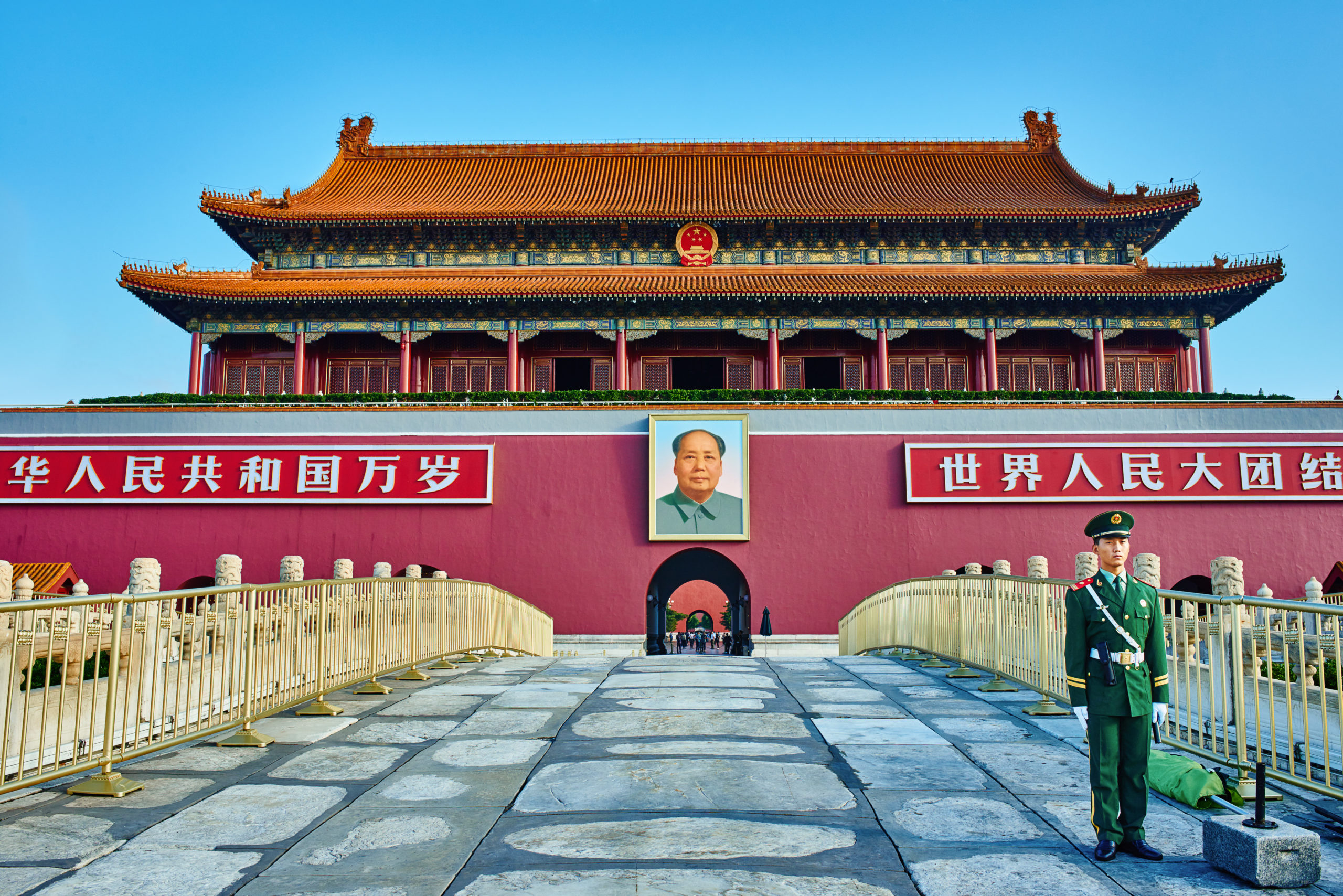
- Check this historic downtown as the most dominant square in China, lined with iconic buildings that symbolize the unique characteristics of China architecture.
- Visit Arrow Tower and listen to the tour guide’s explanation to know more about this impressive architecture.
- Snapping away at the magnificent Zhengyang Gate to record this memorable trip.
- Check out the Great Hall of the People, a legitimate public parliament, or a national congress. Unless there are no classes scheduled, you are free to enter.
- Go shopping in the stalls dotted the square for Chinese traditional items and souvenirs.
Things not to do:
- Don’t go there without your passport; you will not be able to get out of the metro station without showing any ID identification.
- Don’t assume that you can communicate easily with your English. Yes, most street signs are shown in English, but you could find some difficulties talking to people around you. Just be prepared for that and download a translation app.
- Don’t feel disgusted when you see people spitting in the streets. However, the government has now begun to levy fines against them; this is standard practice in this country, and you have to accept it.
Pro tip: Visitors won’t want to miss out on Chinese wine, and neither do you. It has a distinct flavour, especially when consumed at hutong bars.
Admire the Majestic of Chinese History: Forbidden City (the Palace Museum)
Location: No.4 Jingshanqian Street, Dongcheng District
How to get there: A 5-minute walk from Tiananmen East Station (Exit B) by taking subway line 1
Price: Around $8
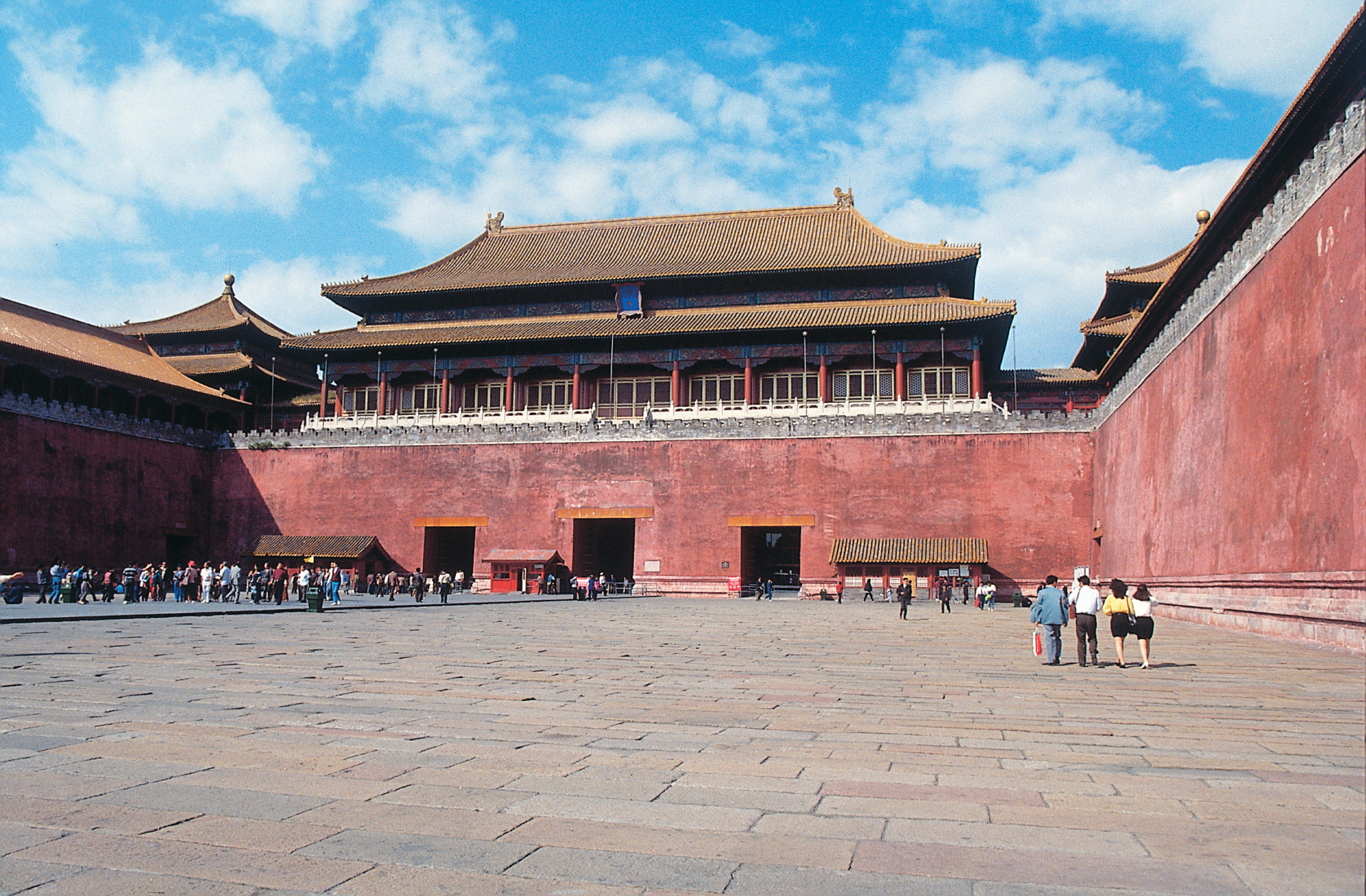
Situated on the northern edge of Tiananmen Square, this palace was home to many myths for more than 500 years, but it was not forbidden anymore. It’s the largest palace complex in the world, located under the shadow of an exciting history of the Chinese empire.
Why should you visit Forbidden City?
The magnificence of this palace always makes visitors wonder why they didn’t come here sooner. Maybe the Chinese community and lifestyle and even the direction of ruling party policies have changed. Perhaps many historic neighbourhoods were replaced by sophisticated skyscrapers and hulking grey beasts of modern structures, but this monumental structure has remained unchanged for hundreds of years.
Perched in the heart of Beijing, Forbidden City is an incredible spot to visit. Just like an infinite maze of gates and corners, the palace consists of more than 9,000 rooms and 980 separate buildings spanning 720 kilometres; it could take more than 3 hours to explore all its sections.
Not only that, but the palace is the most valuable piece of real estate in the world, with a price tag of more than $70 billion. Forbidden City was home to more than 24 different emperors, and it was out of the limit for the public for many thousands of years; even today, only 60% of the palace is open for visitors.
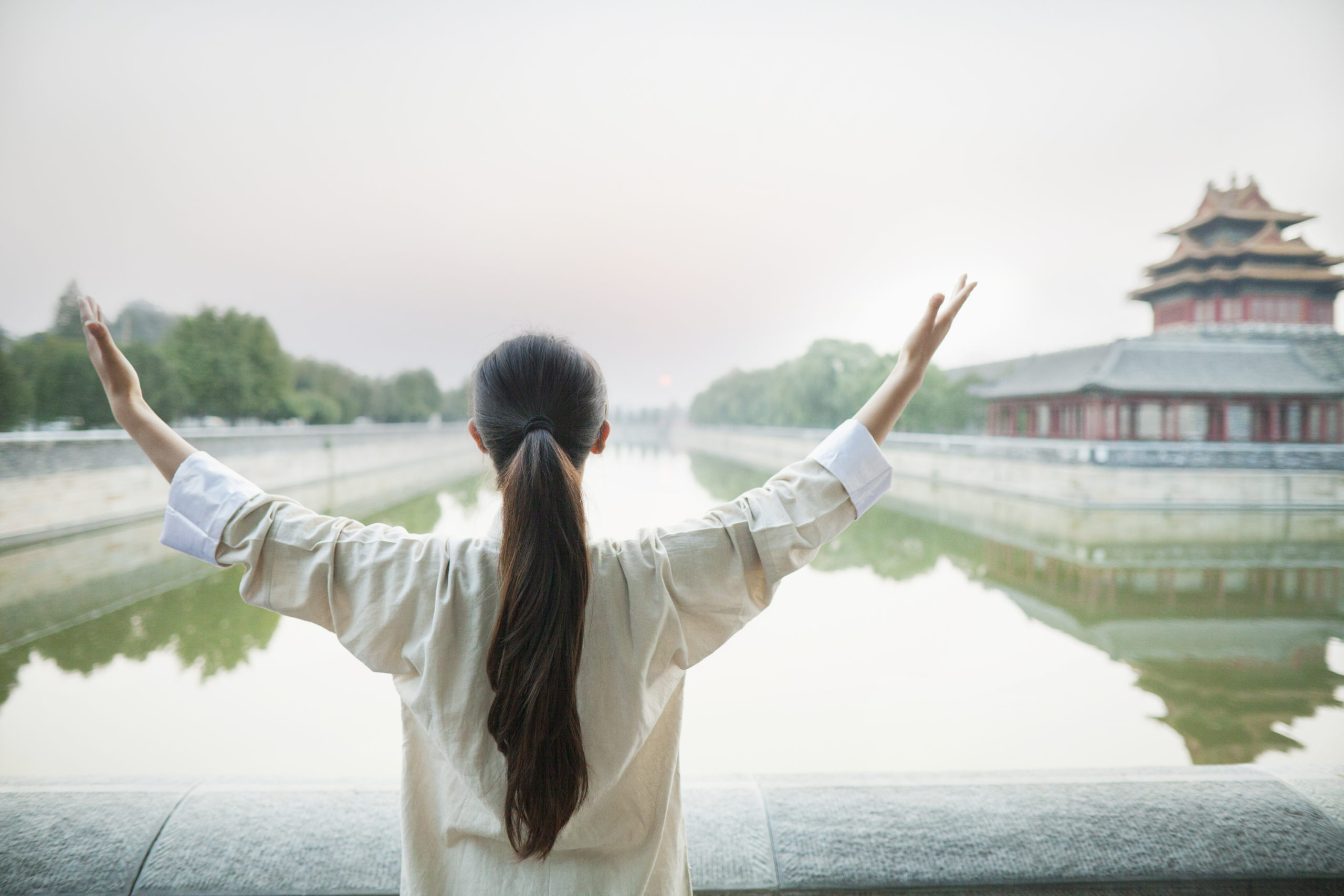
Things to do:
- Learn the history behind this vast palace and admire its ornately decorated colourful features, especially wooden parts, described by UNESCO as the world’s most extensive collection of surviving old wooden constructions.
- Enter the palace through the Meridian Gate and take a stroll along the palace’s attractive outside paths.
- Check the Hall of Supreme Harmony and the Hall of Preserving Harmony, both of which should be included in any Forbidden City visit. They’re similar, but they’re worth your attention.
- Please pay a visit to the Palace of Heavenly Purity, the Palace of Earthly Tranquility, and the Hall of Celestial and Terrestrial Union and enjoy their tranquil atmosphere.
- Explore some royal pieces like jewellery, clothes, and other fancy antiques in the Treasure Gallery, next to the Palace of Tranquil Longevity
Things not to do:
- Avoid visiting the Forbidden City during China’s golden week, which occurs in the first week of October. There will be a lot of locals there.
- Don’t ride in an illegal taxi. You will find drivers trying to catch your attention by yelling “taxi.” Simply ignore them and wait for a legitimate taxi.
- Don’t ever leave tips at any restaurant. It seems insulting in Chinese culture; just pay for your food or drinks and wait to make the change.
Pro tip: Tickets are just available online via the website, only for Chinese people, and the only choice for tourists is to book by a travel agent.
Roam Around the Heaven: Temple of Heaven
Location: Tiantan Road, Dongcheng District
How to get there: Take the subway line 5 and get off at Tiantan East Gate Station
Price: Around $8 (you can get there by the same ticket as Forbidden City)
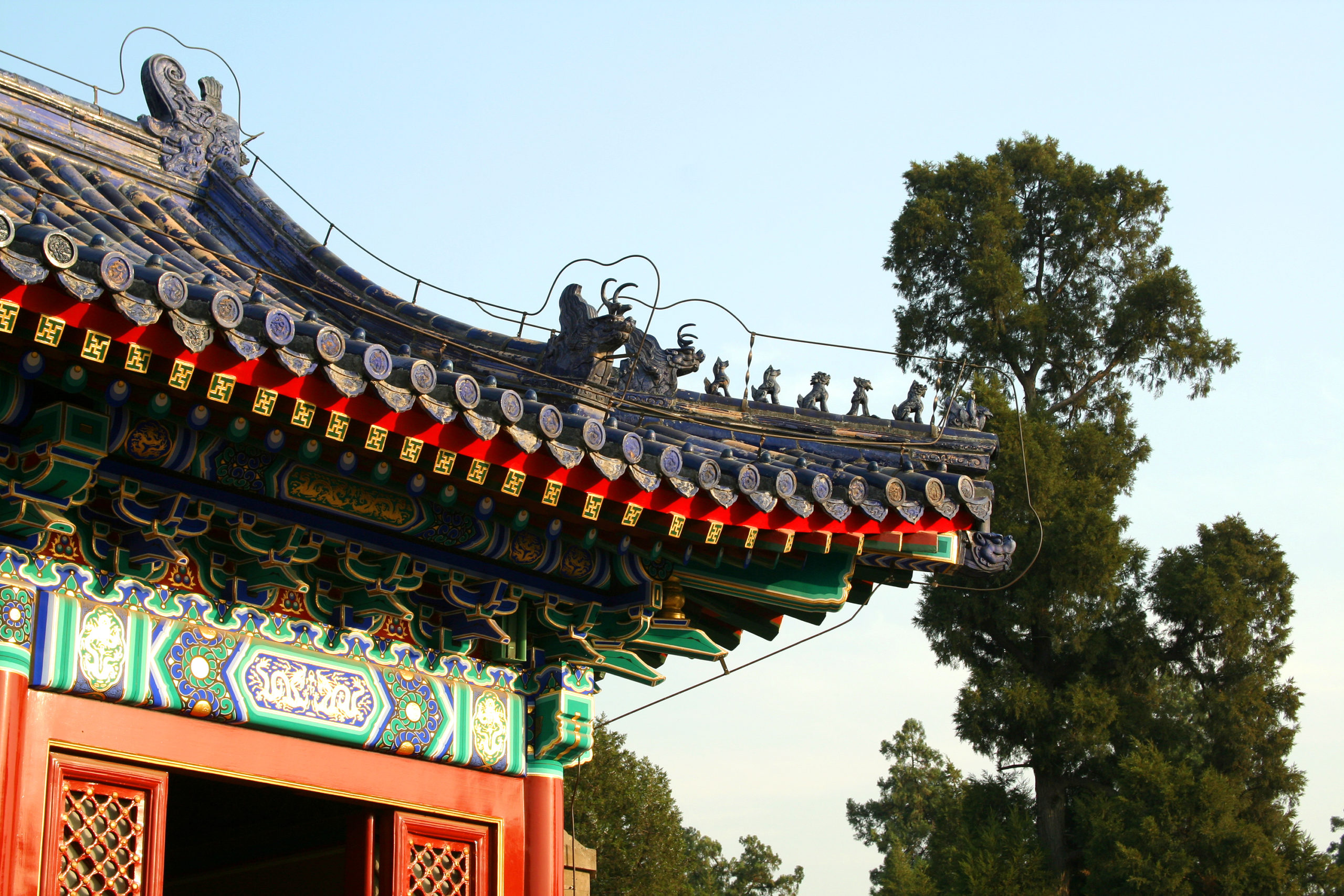
Being in Forbidden City means you don’t want to miss a heap of the best things to do in Beijing, the Temple of Heaven. After a long walk around Tiananmen Square, you need some spiritual guidance, and you will find it in the stunning temple.
Why should you visit the Temple of Heaven?
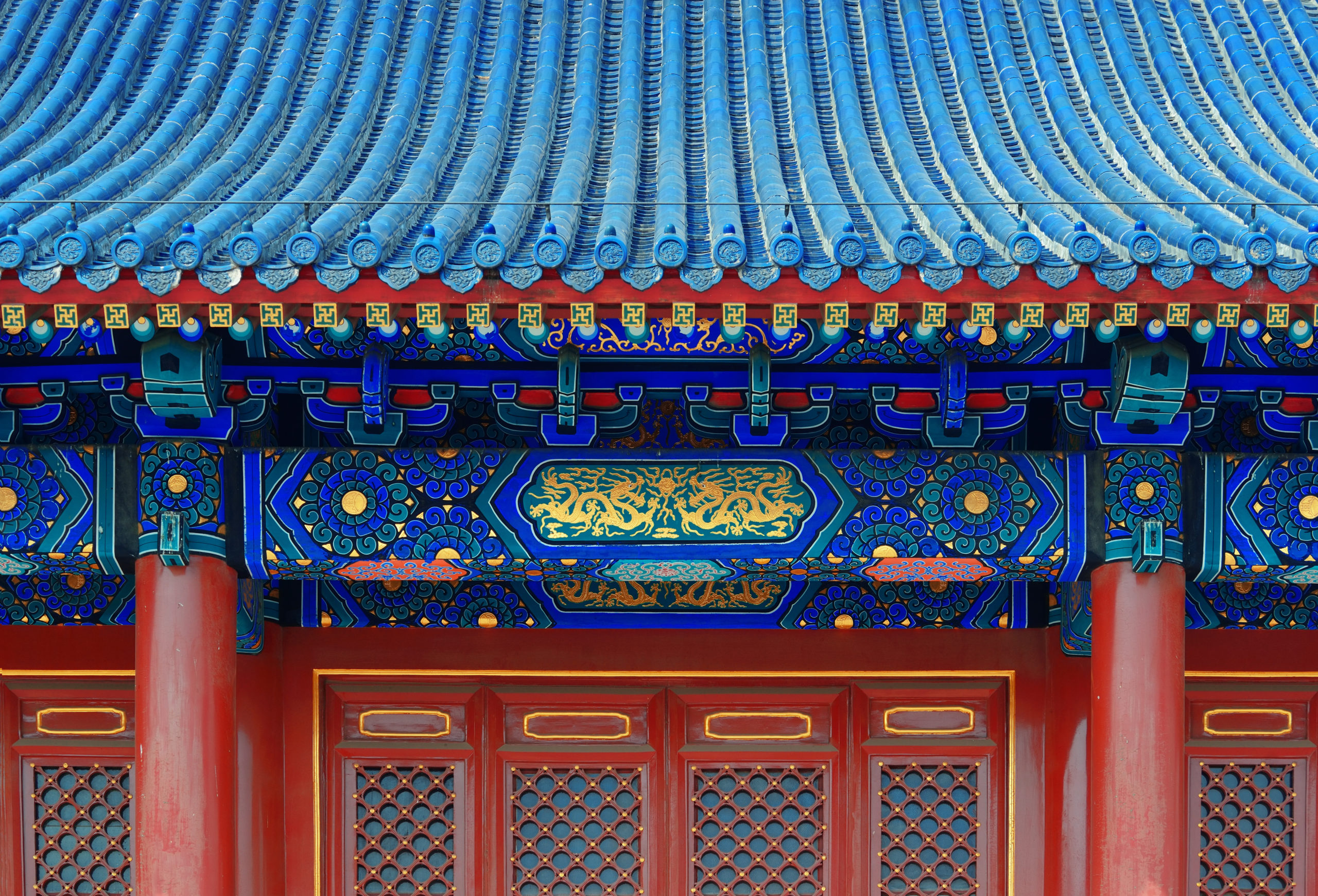
Located in the southeast of Beijing, the Temple of Heaven is an imperial complex that served as an essential religious hub with its iconic hall. People came together to pray for a prosperous harvest season. As soon as they enter the temple, this hall inspires everyone with its three-tiered spiral structure built from wooden and marble adorned with incredible carvings and blue tiles.
Dating back to the 15th century, the Temple of Heaven embraces two religious temples, an altar, and several portions, all used for religious purposes. To fill a long day to explore this place; heck, even a few days is not enough, if I’m honest.
Right south of the temple, make time to check the Imperial Vault of Heaven, similar to the main temple with more minor features. In addition, visit the cottage where the emperor came to make offerings to gods.
Things to do:
- Hire a guided tour to learn more about the temple’s history, and be sure that you wouldn’t miss out on any important spots.
- Stroll around the epic temple in the garden for some fresh air.
- Visitors usually combine their tour here to the Hong Kong market, located just across the street, offering many pearls items and products.
- Get a lot of instagrammable photos in every quarter of the site. Your social media accounts lack these lovely pics.
- Check the indoor passages of the Temple of Heaven, where you will see the Animal Killing Pavilion, Divine Kitchen, and Divine Warehouse.
Things not to do:
- Don’t go there without having an online ticket. You most likely went in a van and were unable to make it due to crowds.
- Don’t come here on National Day, October 1st, when folks from the countryside frequently come to see the public festivals hosted here.
- Don’t buy anything without trying a barter. In China, it is considered like sports, and everyone is prone to show off their skills.
Pro tip: After you have completed your tour inside the temple, get out from A1 or A2 exits. It will be a 20-30 minute walk to get the subway and remember to go south then east to be on the right track.
Plan a Trip for a Beautiful Picnic: Beihai Park
Location: No.1 Wenjin Street, Xicheng District
How to get there: Take subway line 6 and get off at Beihai North Station
Price: Around $5
Coming on the top priority of everyone visiting Beijing, Beihai Park is mainly made up of an enormous lake; cold in winter and so cool in summer, especially when boats are going out to sail across the lake. Spectacular view.
Why should you visit Beihai Park?
One of the oldest and most significant royal parks receiving thousands of visitors daily, Beihai Park comprises more than 69 hectares, including several historical buildings tracing back to the 11th century.
The park offers an excellent place for everyone searching for some peaceful ambience after a long day around the historic sites. Also, you can find many hiking trails, especially up to the iconic white dome providing you with a fascinating view of the city.
Stop for a while at the cosy pavilions symbolizing Buddhist beliefs like the White Dagoba, or take a walk around the largest bridge inside the park linking the Jade Flowery Islet to the rest of the park.
Have you heard before about the importance of dragons in China’s culture?
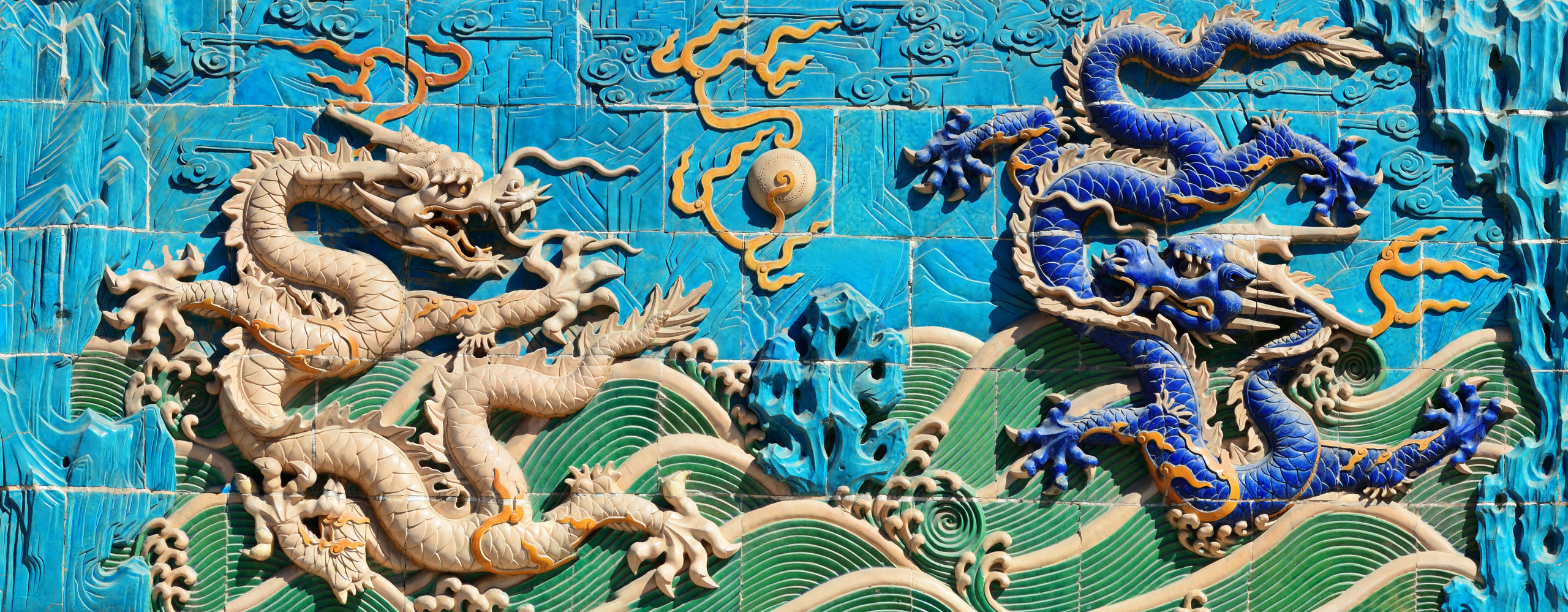
Not yet! Okay, you will clearly understand that now after visiting the Nine-Dragon Screen. It’s a richly decorated large wall with many symbols of Mandarin heritage.
That’s what makes Beihai Park place easily on the top of any bucket list.
Things to do:
- Check all the landmarks inside Beihai Park, ranging from temples, palaces, royal houses, and so on, highly recommended for family outings.
- Take a stroll through the park with its beautiful cobblestone passages and capture memorable shots.
- Grab your favourite book to read in this beautiful setting which offers authentic history and compelling nature.
- Jogging, running, or just walking along the lakeside while listening to your music. A perfect way to clear your mind.
- Take a lake boat tour around the park to discover all its untouched beauty.
Things not to do:
- Don’t dine at the park’s western restaurants. Unless you are very familiar with your destination, not all restaurants serve good food.
- Don’t ask for a cup of water in any place because you will find a cup of hot water behind you even on the hottest day. It’s customary here in China, and you have to be clear that you need cold water.
- Don’t even think of crossing streets without waiting for a group of Chinese people to do it together. The traffic here is insane, and make sure you are watching both directions all the time.
Pro tip: The tickets are released every seven days in advance. You have to book them online and then pick up your tickets at the service centre near the park’s south gate on the same day as the selected visiting date. People without online tickets are not allowed to enter.
Indulge Yourself in Spirituality: Lama Temple
Location: No.12 Yonghegong Street, Beixinqiao, Dongcheng District
How to get there: A 3-minute walk from Yonghegong Lama Temple subway station
Price: Around $4
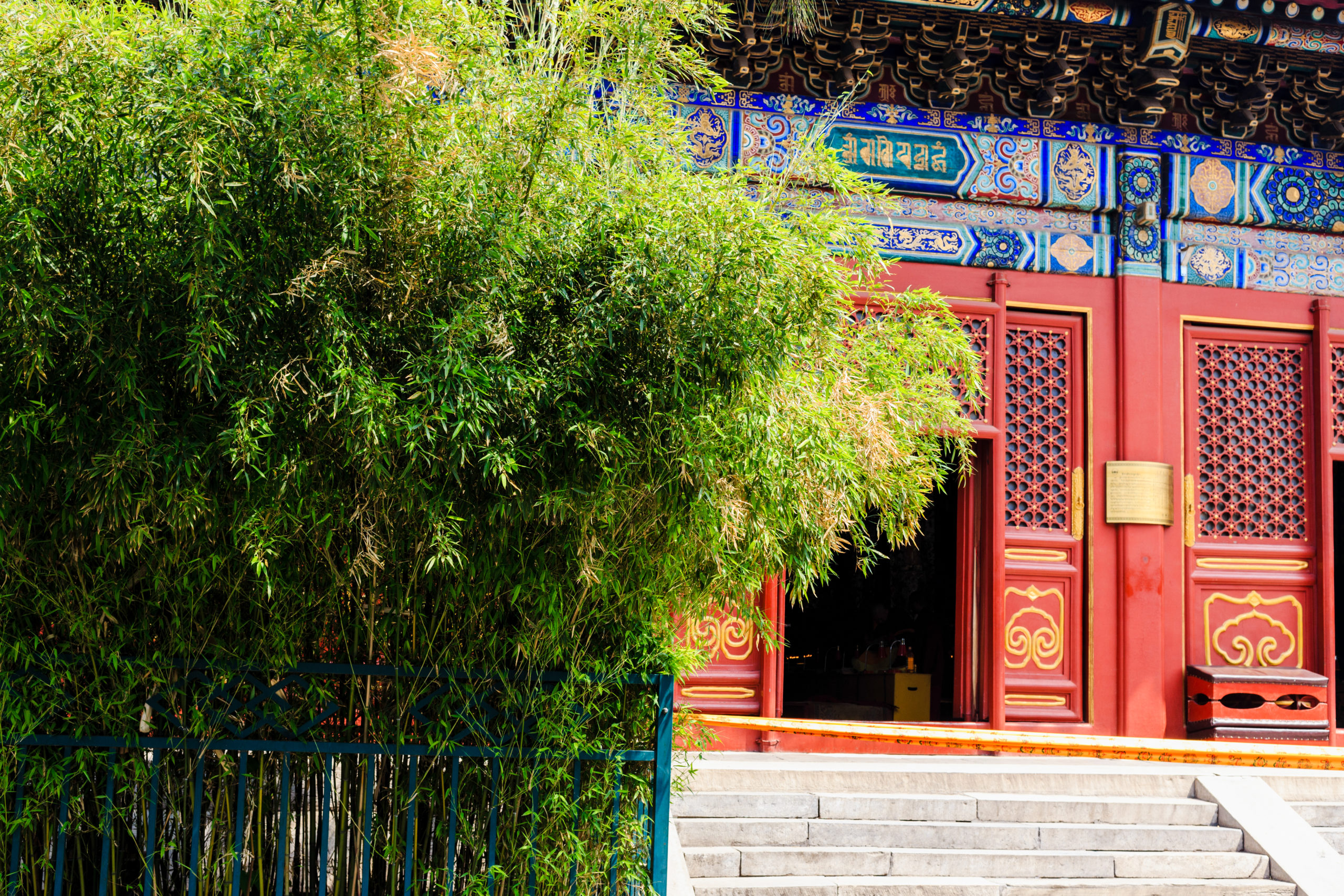
Reflecting the meanings of love, loyalty, mindfulness, and purity, the Lama Temple is the largest Buddhist one in Beijing, unifying monks, believers, and visitors in one place to free their fears and sufferings.
Why should you visit the Lama Temple?
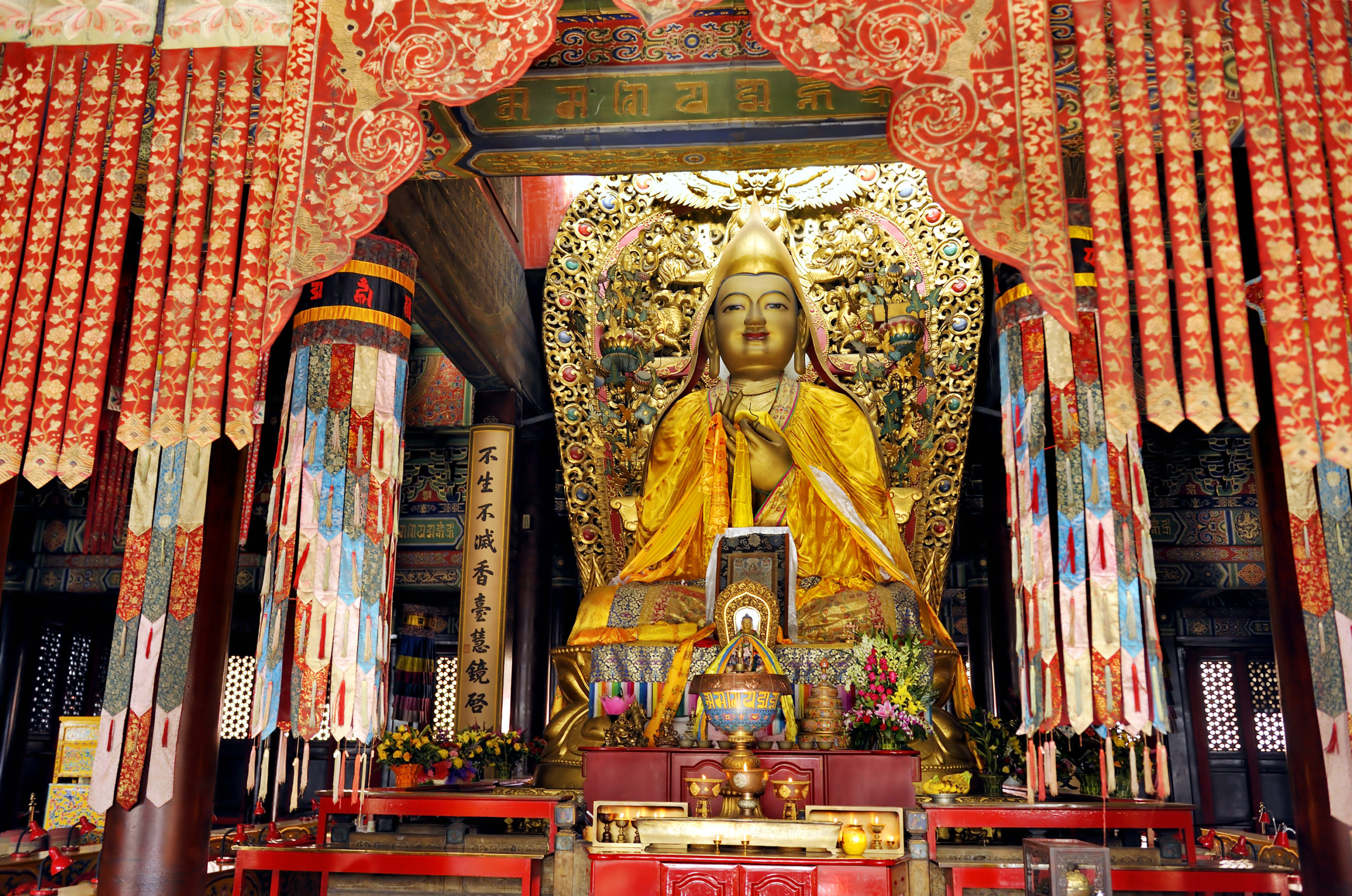
Being at a Buddhist temple means you have a chance to know more about yourself and how to quit worrying and whining. The Lama Temple has a unique design with its stunning golden tails and elegantly decorated façade. All its buildings were designed to inspire and impress everyone who wants to find peace inside themselves.
To add more spiritual energy, you will see smoke billowing out from historic incense burners running around worshipers who come here frequently to pray and do their own rituals because nothing in life is worth doing unless letting your soul shine even in the darkest of times.
The Lama Temple includes five main halls, and all of them are important for worshipers as you can see the flames coming out everywhere to allow people to pray in a very calm atmosphere. With that in mind, you will see that the temple is not just a historic spot you shouldn’t miss; it’s also a place where everyone wants to learn more about diverse cultures and let powerful positive energy sneak into your soul.
Things to do:
- Check all pavilions around the temple and marvel at its beautiful ornamentation.
- Traipse around the vast temple and choose a guided tour to explore more secrets about this place.
- Participate in some worshipping rites like burning a joss stick and letting your soul travel to places you have never been before.
- Check the wheels on the edge of the courtyards, which people are interested in touching with their palms to soak up their energy.
- Wandering around the vast landscapes before resuming your best trip ever in Beijing.
Things not to do:
- You don’t have to book your ticket in advance; however, be cautious about coming here as early as possible.
- Don’t take part in a burning incense ritual if you are sensitive to strong smells or have any respiratory problems.
- Don’t go to anyone who invites you to have a cup of tea. It’s kind of a popular scam here.
Pro tip: Make sure to put on comfy walking shoes as it will be a long walking tour, and you need to feel released while performing some religious ceremonies.
Don’t Miss Your Opportunity to Taste: Beijing Food
Location: Famous streets where you can find incredible food; Nanluoguxiang, Ghost Street, Wangfujing Snack Street, and Niujie Muslim Snack Street
How to get there: You can get wherever you want by the subway:
Nanluoguxiang: Guloudajie station
Ghost Street: Beixinqiao in line 5 or Dongzhimen in line 2
Wangfujing Snack Street: Wangfujing station
Niujie Muslim Snack Street: Take the public buses 5, 6, 10, 38, 48, 109, 626, and 717 and get off at Niujie station.
Price: Your meal could cost you less than $1, but it depends on your eating habit.
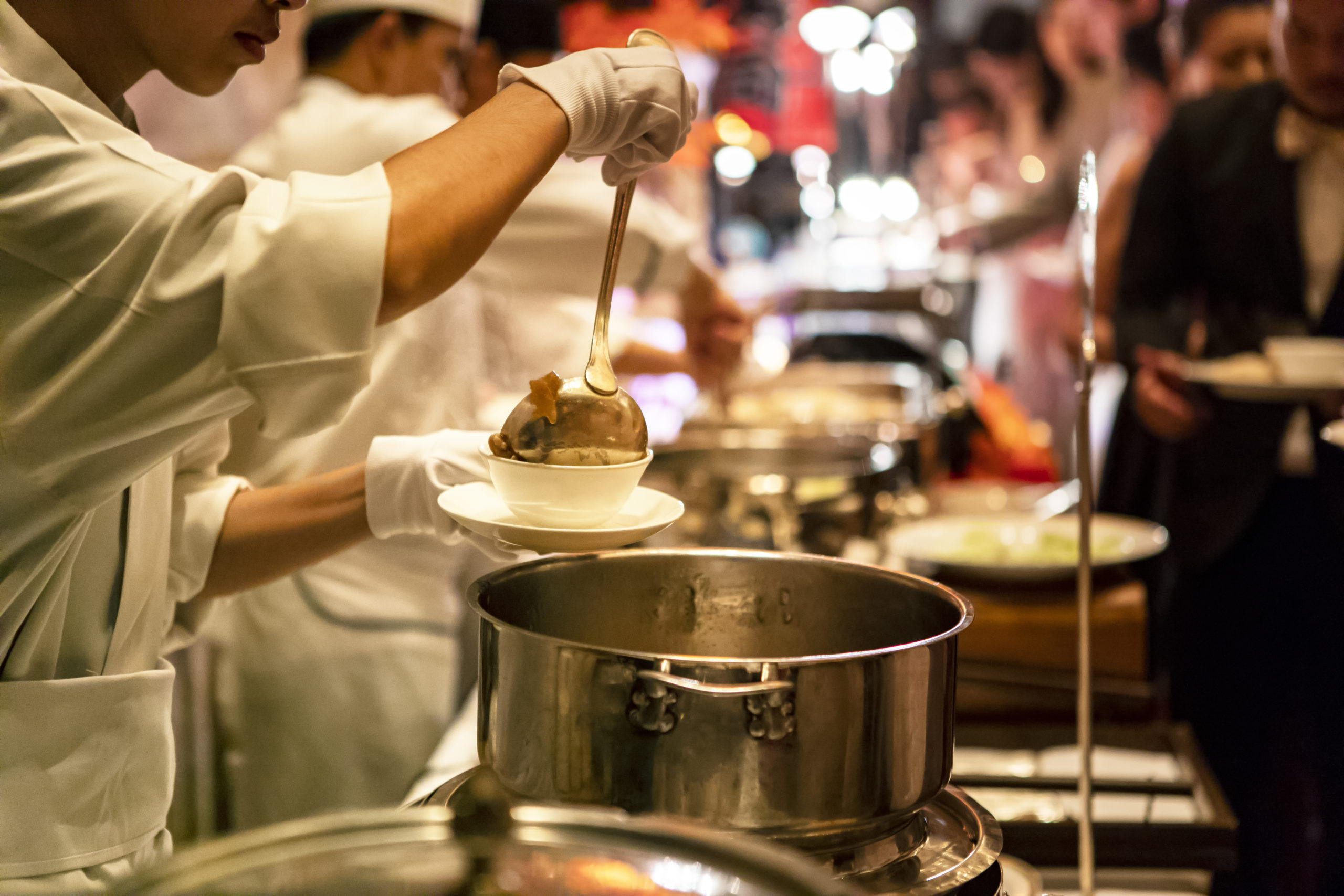
It’s not enough to take a look at historic places and roam around beautiful parks in Beijing. You need to explore something more profound if you want to dive into China’s culture, which will absolutely pique your curiosity.
Why should you try authentic Chinese food?
As it’s one of the most populated cities in China, Beijing has a reputation for being a city unto itself. And that’s because the city is all in one and when it comes to food, you will find a wide range that will leave you don’t know where you should start.
First and foremost, do not make any assumptions since you are about to experience something, unlike any other Chinese dish you have ever had. Street food and snacks in Beijing are trendy for locals and tourists; some date back long years, and others are new even to Chinese people.

Things to do:
- Try different snacks if you are a food hunter, such as fried dough rings, doornail pasties, and sugar-coated haws.
- If you go at night, be prepared for crowds as most of these streets turn out to be the busiest spots around the city.
- Going dip in the hutongs in a tuk-tuk to discover the hidden stunning local restaurants offering a variety of dishes.
- Hire a tour guide to let you know the stories behind every dish. It will be so much fun to explore culture through cuisines.
- Enhance your ability to use chopsticks while eating delicious noodles with a rich sauce.
Things not to do:
- If you are unfamiliar with exotic Chinese foods, such as deep-fried insects, avoid them. They are unlikely to be disgusted by your stomach, and you could end up spending the entire night in the bathroom.
- Don’t drink your beer at one of the posh restaurants or bars. You will buy a lot for nothing. Roam around the narrow lanes to find local pubs.
- Don’t ever consider trying fried scorpions tortured on sticks. I know I have mentioned before that there is no need to test such strange food, but this meal is just like hell.
Pro tip: Beijing today isn’t the Beijing of long ago, and it’s so extensive. Be prepared to print out the name of your hotel in Mandarin letters to display to the taxi driver or ask someone if you get lost. No taxi driver, no matter how well-known your hotel is, will know everything there is to know about the city.
Wander Around a Green Landscape: Jingshan Park
Location: No.44 Jingshanxi Street, Xicheng District
How to get there: Get out at the Shichahai Station, existing in Subway Line 8, then take a taxi to the park.
Price: Around $9
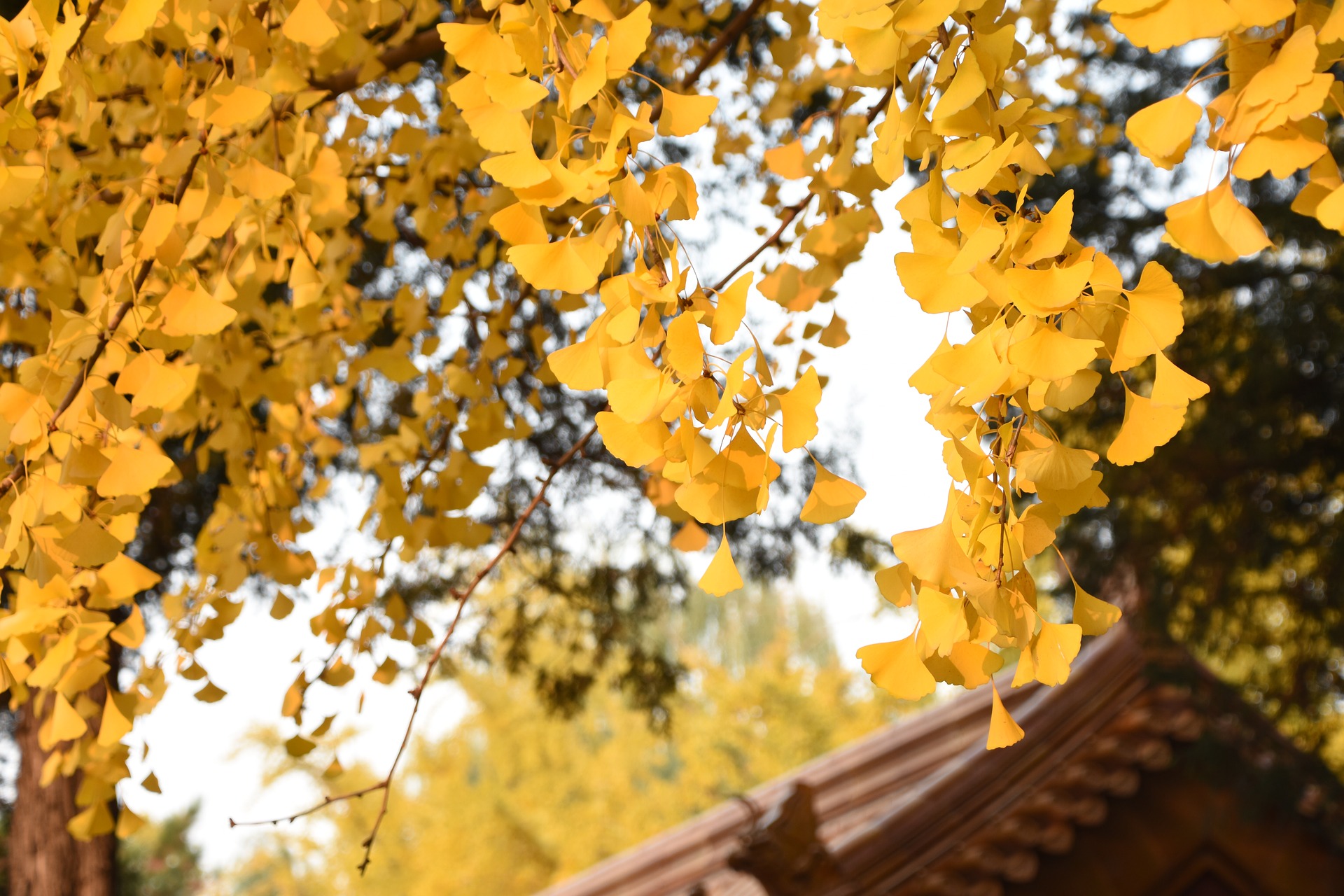
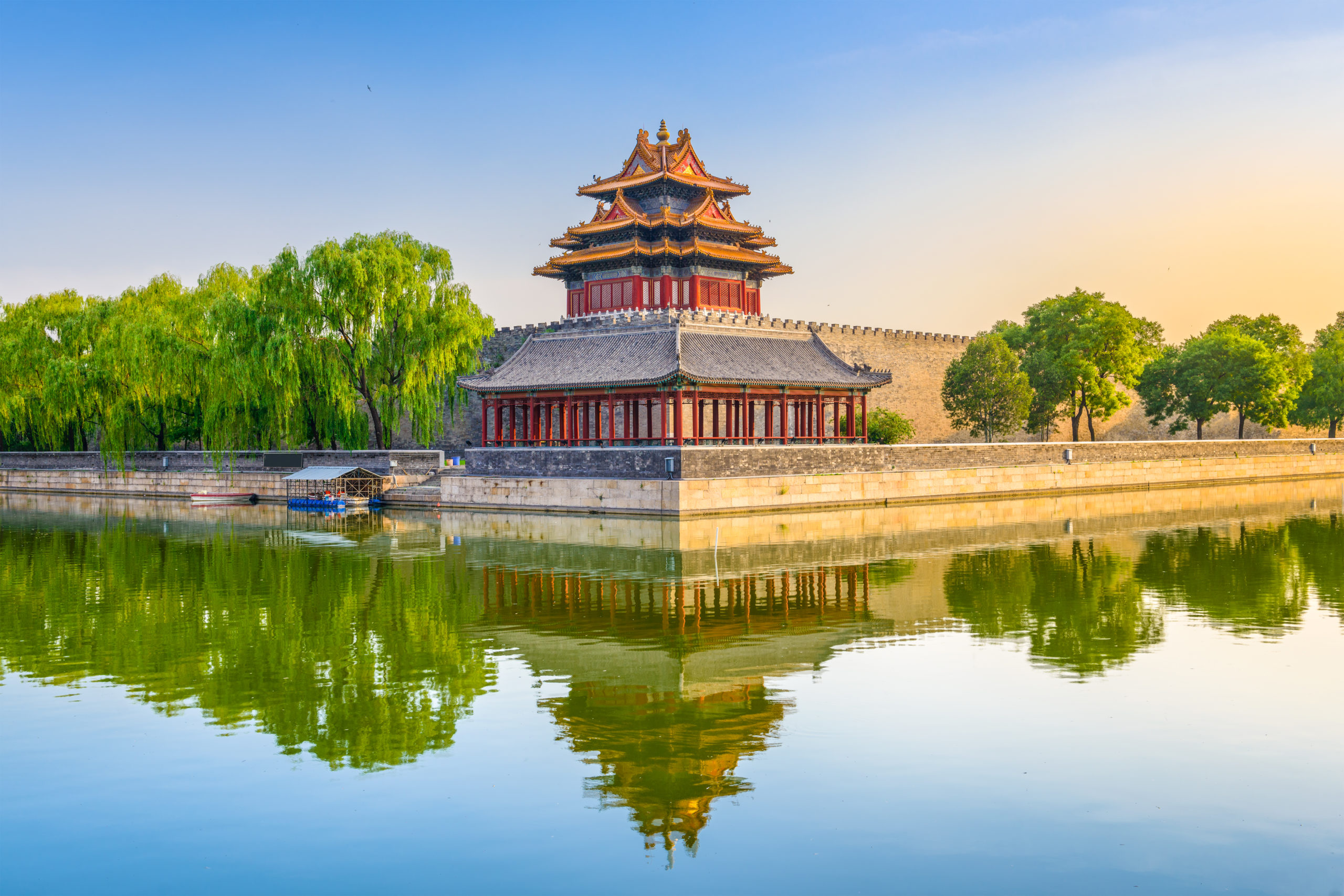
Located next to the Forbidden City, Jingshan Park is among the best things to do in Beijing which makes you feel very lived-in. The park offers the best view of the hot tourist attractions in the Chinese capital.
Why should you visit Jingshan Park?
This spot leads to charm and tranquillity as opposed to the advanced smart buildings of Beijing. Massive wild spaces cover the whole park, you will spend hours relaxing and strolling through calm passages. It’s a perfect place to keep away from the noise of more-visited cities in China.
Through your walking tour, you will find groups of people singing all over the park and local bands playing traditional musical instruments. Also, you can climb up one of the five artificial hilltops to take in a beautiful view of the Forbidden City.
And because Beijing is Beijing, and definitely so, all old-world knowledge and new-world energy peppered with nature and history, don’t forget to head to the tea room on the east side of the park. You will be at the highest point of the city making the sunset sight can not be missed.
We advise you to ask a local guide to help you discover the history brimming with every nook of the park which served as a strong fortress against the evil spirits, as people thought in the past.
Things to do:
- Make no mistake, Jingshan Park will take you on a short walking tour but make time to explore the zigzagging paths of the park.
- Climb to the top hills of the park to enjoy a breathtaking view over the Forbidden City.
- Snap away in every one of the park’s pores. You can capture amazing shots everywhere.
- Explore the temples inside the park oozing with history and interesting stories.
- A perfect place for people-watching as it’s a popular place for locals.
Things not to do:
- Not to go there without your passport. You will be unable to get the ticket without showing your passport.
- Don’t forget to make a booking call the day before coming to this park. Sometimes, things will turn out to be complicated in China. You just need to be ready for all scenarios.
- Don’t come here in the afternoon or on weekends, the park is always packed and you will most likely be unable to find a place in the drum tower to watch a 360-degree view of Beijing.
Pro tip: As Beijing is a city that lives and breathes in its streets, head to Jingshan Park before 9:00 a.m. to witness the morning routines of Chinese people including dancing, singing, jogging, or playing kick-shuttlecock, a very famous traditional activity in China.
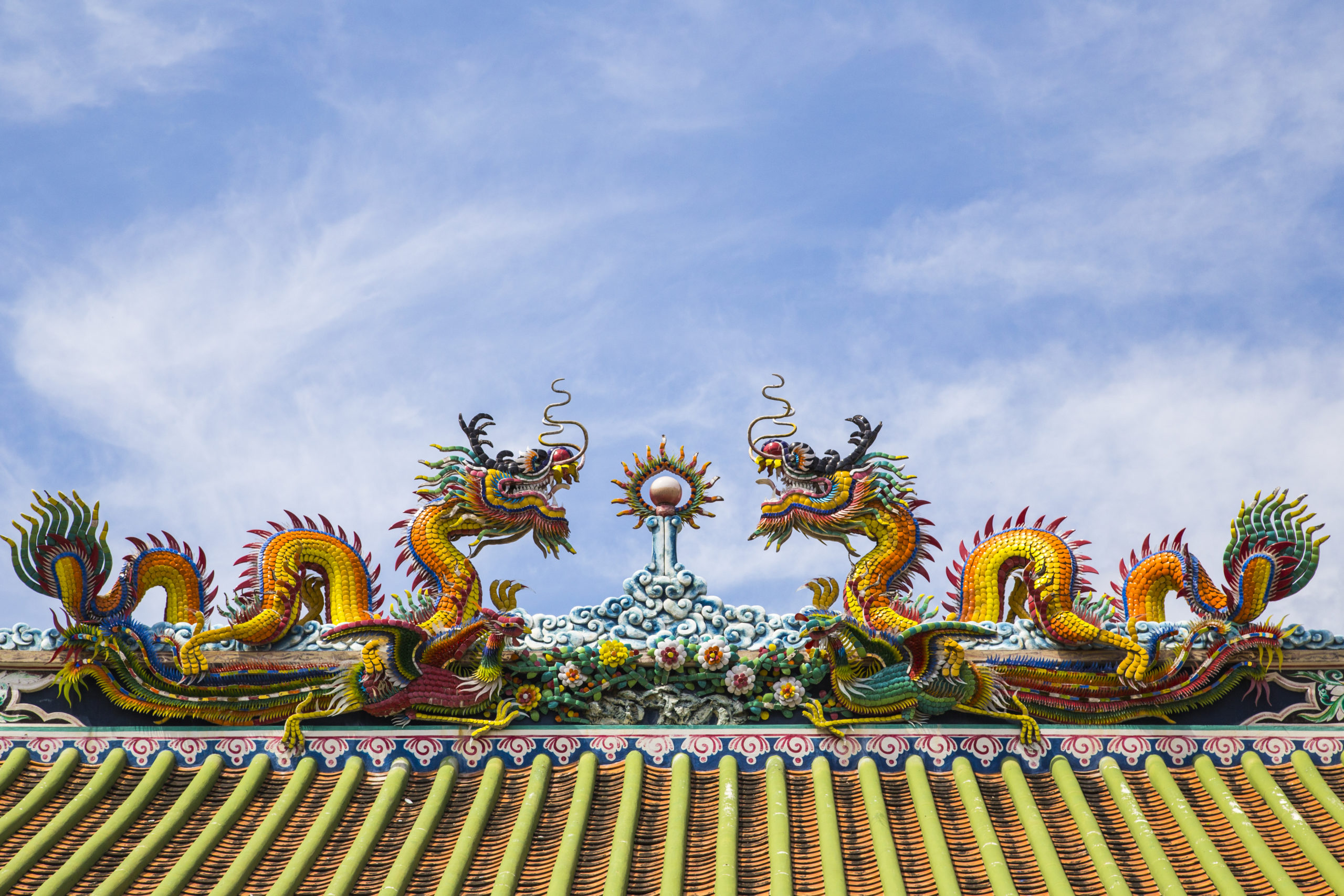
Where to Stay in Beijing?
The concept of travelling has evolved significantly over the last few years. It’s not about the country you will head to; it’s also about the type of accommodation. It would help if you felt comfy and laid-back at your lodging. At the same time, you want to stay close to places where you can feel and see the different aspects of culture, whether in its cobbled streets or local bars, restaurants, pizzerias, and galleries that dot neighbourhoods where residents live.
When you are reading about every area or district you could stay in; your travelling experience will be much better as you will be spending plenty of time frequenting the attractions around without having to worry about transportation or your budget.
Here we are going to review the best neighbourhoods to stay in Beijing for the best vacation ever.
Qianmen Street
Conventionally located in the Dongcheng district, The cherry on this particularly addictive cake is the background history of the place, the last remaining of Old Beijing. You will be so close to the most attractions in the city, like the Forbidden City, Tian’anmen Square, and other ancient streets, to find many boutiques, local markets, and so on. You will not get a stunning scene from your hotel window, but you will pay for the hot location, so the hotels here could be slightly expensive, but it’s a great deal to stay close to the city landmarks.
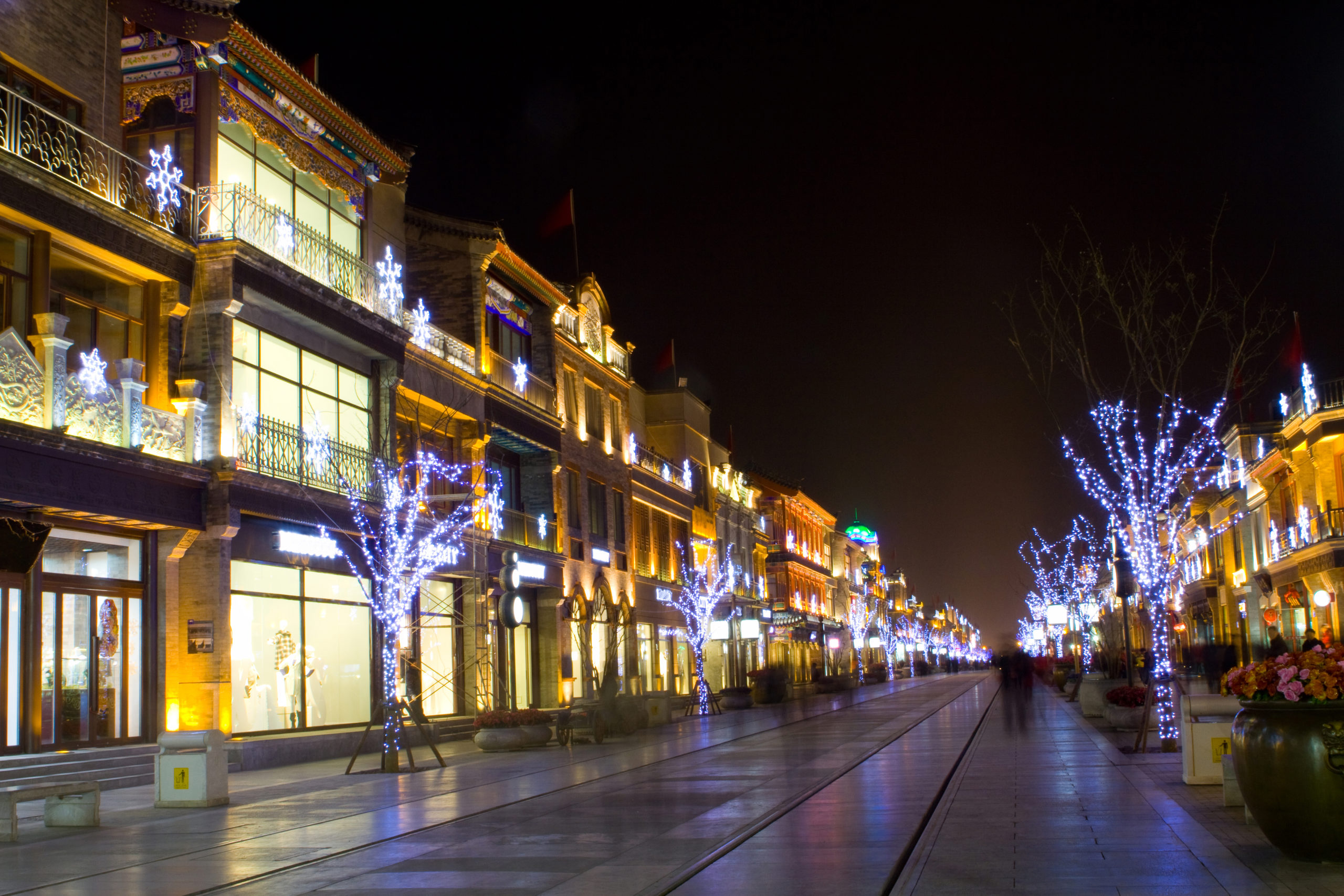
Best Hotels for families:
Holiday Inn Express Beijing Temple of Heaven (around $77 a night)
Capital Hotel Beijing (around $92 a night)
Best Hotels for couples:
New World Beijing Hotel (around $186 a night)
Beijing Hotel NUO (around $152 a night)
Best Hotels and Hostels for solo travellers:
Peking Station Hostel (around $12 a night)
Qianmen Hostel (around $50 a night)
Xicheng
The best option for travellers searching for modernity in China is to stay in Xicheng as it’s home to many public organizations and high-end hotels, plus it’s the political and commercial heart of Beijing. So you can find sophisticated shop centres oozing with all kinds of retail stores along with many restaurants and bars for all preferences. You are just a few minutes away from other tourist destinations like the Beijing zoo, Beihai Park, and the National Centre for the Performing Arts, offering an excellent place for hanging out in the morning.
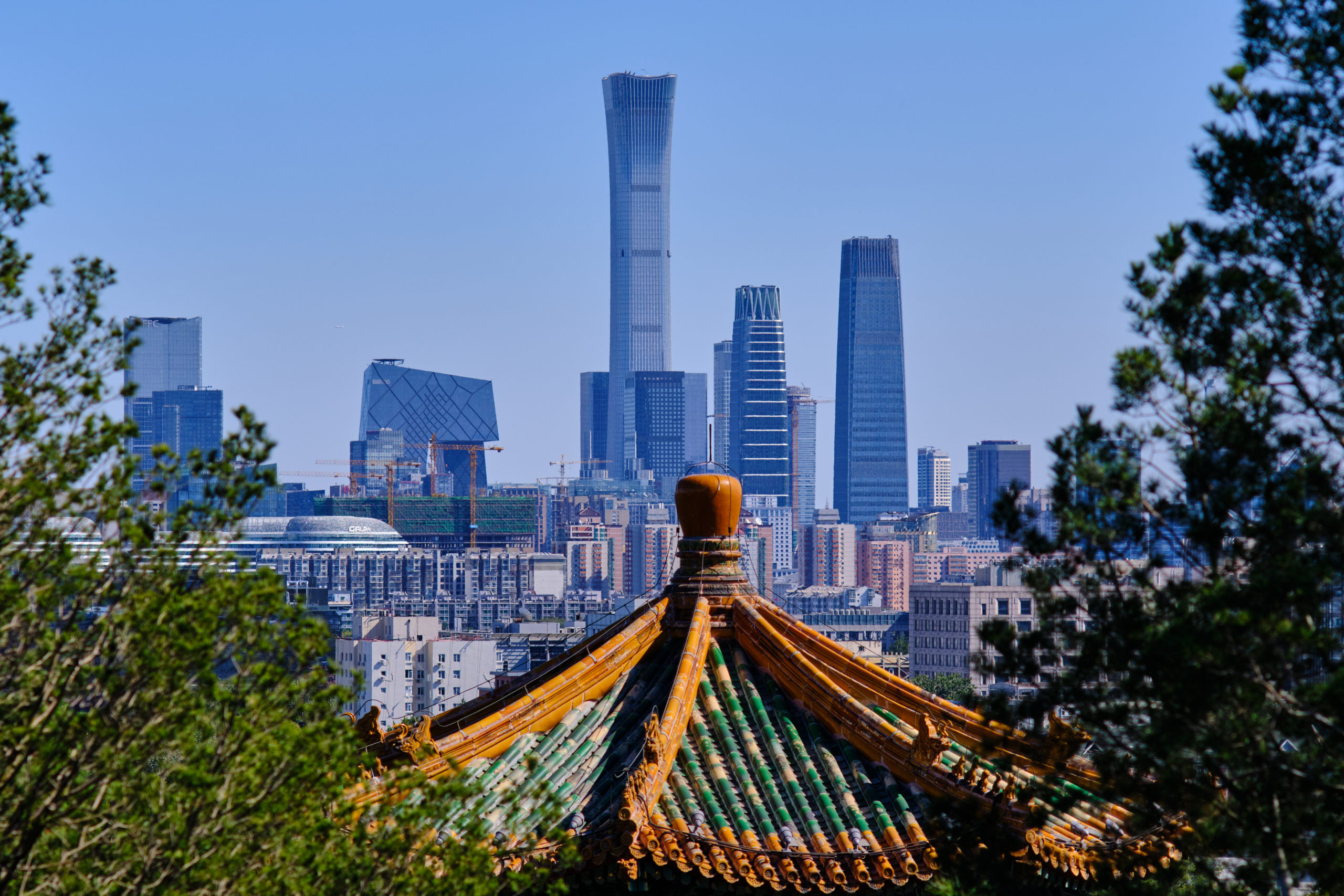
Best Hotels for families:
The Presidential Beijing (around $95 a night)
Kelly’s Courtyard Hotel (around $67 a night)
Best Hotels for couples:
The Ritz-Carlton Beijing, Financial Street (around $211 a night)
Layering Courtyard Hotel Qianmen (around $121 a night)
Best Hotels and Hostels for solo travellers:
Chinese Box Courtyard Hostel (around $17 a night)
Leo Hostel (around $28 a night)
Xinjiekou
One of the most popular neighbourhoods in Beijing for those who appreciate China’s ancient and timeless side, Xinjiekou is also famous for its local festivals and parties as there are plenty of shops for various musical instruments. Additionally, you can walk around its bright streets nestled in the three glittering artificial lakes. So whether you are a night owl or someone who prefers kicking your day with a perfect start, you will find something for you in Xinjiekou with a wide range of hotels and hostels.
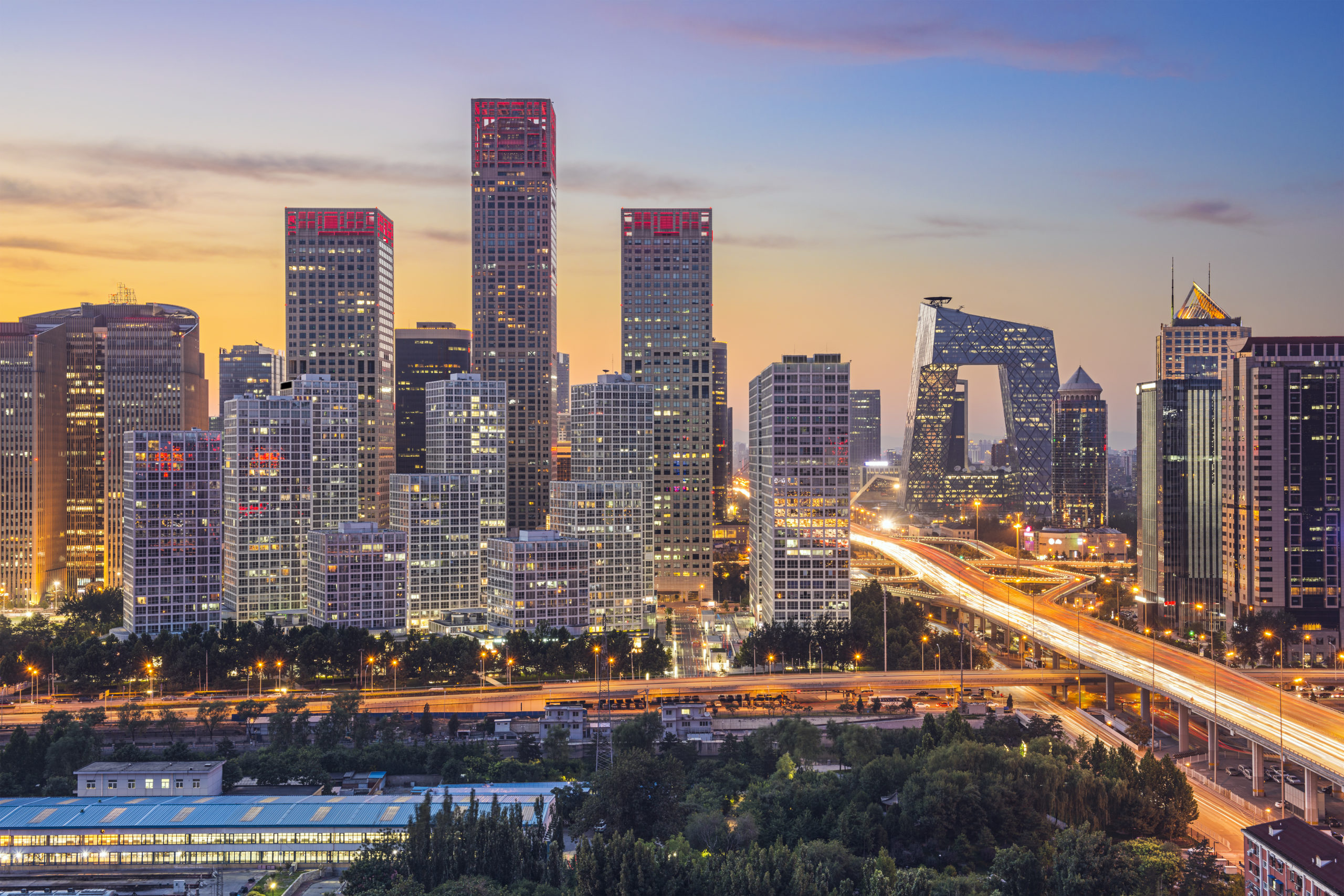
Best Hotels for families:
Sofu Hotel (Check for availability)
Shichahai Shadow Art Performance (around $68 a night)
Best Hotels for couples:
The Peninsula Beijing (367)
VUE Hotel Hou Hai, Beijing (around $107 a night)
Best Hotels and Hostels for solo travellers:
7 Days Inn (Beijing Tian’anmen) (around $43 a night)
Red Lantern Hostel (Check for availability)
Choose One of the Hutongs
The most distinctive characteristic of Chinese streets is staying at one of the hutongs. If you select this option, anticipate witnessing one of the best life adventures ever. It will bring the essence of China’s robust culture to see how people enrich their lives in daily routine. Hutongs house vintage markets, local restaurants and pubs, and narrow streets, encouraging tourists to mingle with the well-tuned sense of Chinese lifestyle. However, you have to choose hutongs adjacent to sightseeings like Xijiaomin Xiang and Tobacco Pouch Street.
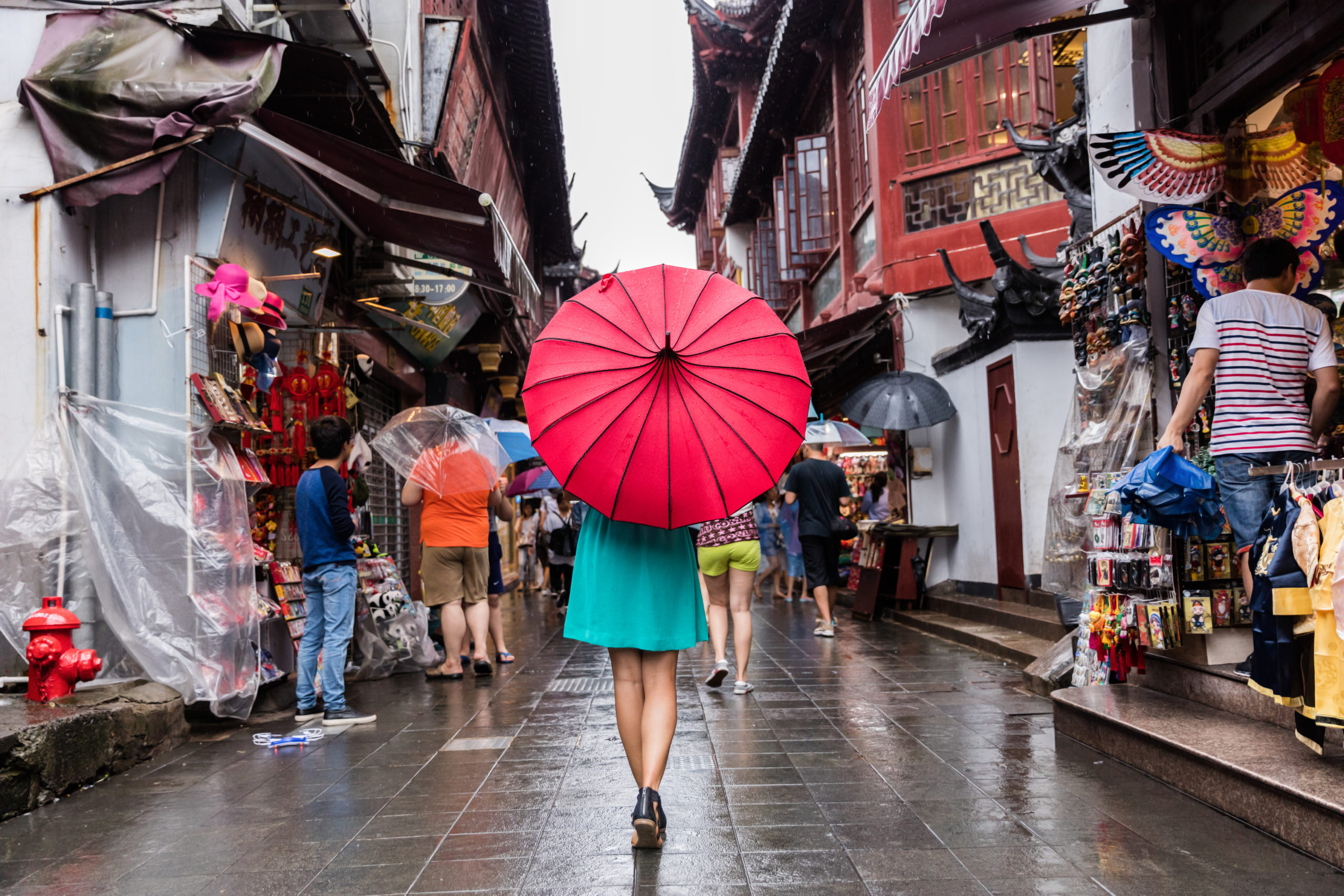
Best Hotels for families:
The Orchid Hotel – Old Town & Drum Tower (around $98 a night)
Jingshan Garden Hotel (around $83 a night)
Best Hotels for couples:
Beijing Downtown Travelotel (around $114 a night)
Beijing Rong Courtyard Boutique Hotel (around $89 a night)
Best Hotels and Hostels for solo travellers:
Peking Youth Hostel (around $47 a night)
Wada Hostel (Check for availability)
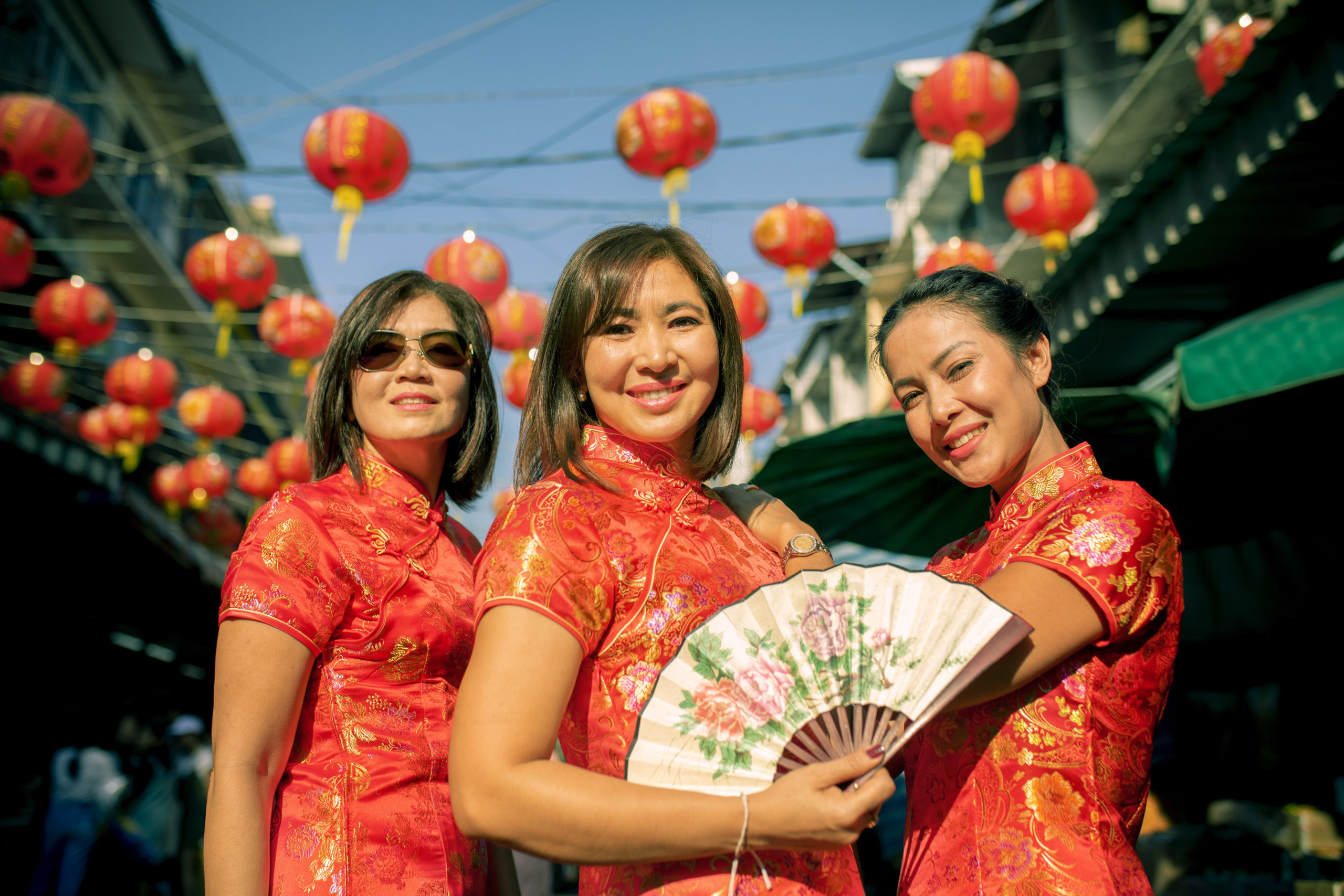
I hope you find in this guide what you are looking for for your next vacation in Beijing. Please don’t hesitate to share your last trip, whether in your hometown or overseas, using the hashtag #connollycove and tagging our social media pages. And find out more about how Connolly Cove selects the very best things to do all over the world on our travelling guide blog.

A Walk in Ireland Guide: Best Trails, Routes, and Tips
Ireland
26/04/2024

An Ultimate Guide to 6 of the Finest Castle Tours in England
England
26/04/2024

Unveiling the Most Terrifying Haunted Tours in Scotland
Scotland
25/04/2024

7 Top Amusement Parks in England for an Unforgettable Adventure
England
25/04/2024
Miami Tourism Statistics: A Comprehensive Overview of Visitor Numbers and Revenue
Travel Statistics
25/04/2024