
The Wonder Filming Locations: A Tale of Faith and Transformation
Updated On: April 22, 2024 by  Aya Radwan
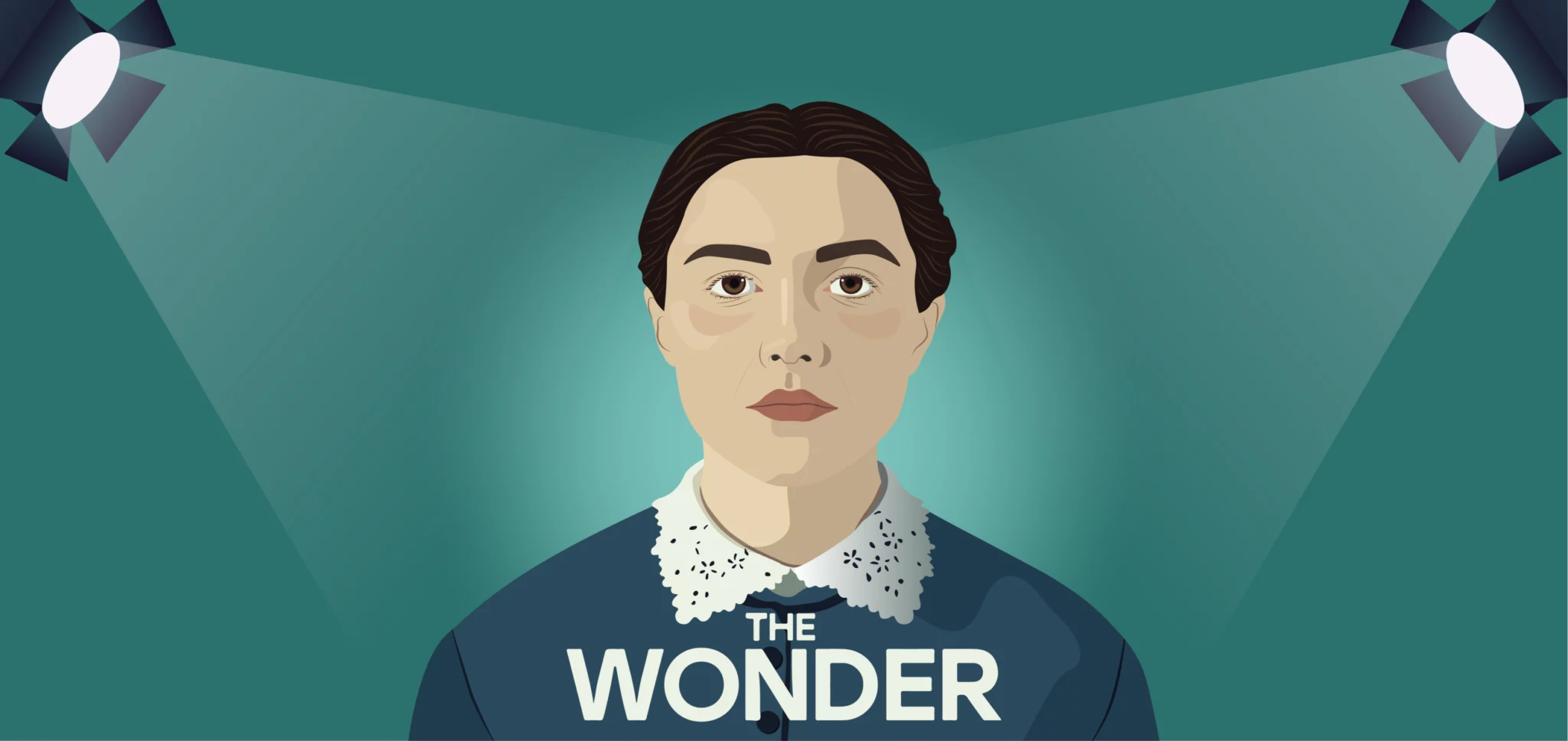
The Wonder, directed by Sebastián Lelio, is a historical psychological drama that takes viewers on a poignant journey to 19th-century rural Ireland. Ten years after the Great Famine, the film’s provoking narrative, brought to life by a talented cast including Florence Pugh and Kíla Lord Cassidy, centres on a young girl named Lib Wright sent to investigate the miraculous survival of another girl, Anna O’Donnell. As Lib delves into the mystery, she is confronted with her own beliefs and the power of faith.
Beyond its captivating storyline and stellar performances, The Wonder is notable for its breathtaking filming locations in Ireland. Each setting plays a vital role in the film’s narrative, contributing to the overall atmosphere and visual storytelling. In this article, we’ll explore The Wonder filming locations that served as the backdrop for this cinematic masterpiece.
Brief Overview of The Wonder 2022
Before we dive into this psychological drama’s filming locations, we give you a quick overview of the film’s plot, genre, talented actors and director, release date and how it was received.
The Wonder: Plot
After the horrifying Great Famine, communities are still sceptical towards the neighbouring English. However, the curious case of young Anna O’Donnell, who hadn’t allegedly eaten anything for months, caught the authorities’ attention. So, they decide to send Lib, an English nurse, who is met with scepticism and disapproval from the villagers in Anna’s rural Irish village.
Lib meets William Byrne, a local who lost his family during the famine and is working at the Daily Telegraph and reporting about Anna’s story. While the relationship between Lib and William grows, Lib’s observation of Anna puts her face to face with her own beliefs. Although Anna claims God feeds her through her mother, Lib forbids the family from touching Anna and attempts to dissuade her from her continuous fasting.
The events escalate, and soon, Anna’s life is in danger, but her family refuses to do anything. As Lib fights to save Anna’s life and release her from the ghosts of the past, she fights her heart’s discontent after her only child’s death. Will Lib be able to save Anna? And how will she and William save the little girl from the public?
The Wonder: Themes and Style
The film explores themes of religion, scepticism and the human spirit’s capacity for transformation. With stunning cinematography and powerful performances, The Wonder captivates audiences with its tale of faith, doubt and the potential for redemption.
- Faith and Doubt: The film explores the tension between faith and scepticism and the transformative power of belief.
- Human Connection: The Wonder delves into the complex relationships between characters, highlighting the impact of their interactions on their lives. Nearly every character in the film is hiding a secret, including Nurse Lib, whose attempt at saving Anna might be motivated by her inability to save her own child.
- Personal Redemption: The narrative follows Lib’s journey of self-discovery and redemption as she grapples with her own past and beliefs.
In addition to its historical drama elements, The Wonder 2022 also incorporates elements of magical realism, particularly in its portrayal of the miraculous claims surrounding Anna O’Donnell. This blend of historical reality and magical elements adds depth and complexity to the film, inviting viewers to question the boundaries between faith and reality.
The Wonder: The Actors
The film brings together a talented bunch of actors. We see Florence Pugh, famed for her role as Amy in Little Women and Yelena in Black Widow, as the leading female protagonist, a role she portrays masterfully. Alongside Pugh, we have another talented actress, little Kila Lord Cassidy, who plays fasting Anna and is known for her roles in The Doorman and Viewpoint.
Tom Burke, most notable for his role as Athos in the TV adaptation of The Musketeers and Dazzle Jennings in The Crown, plays William, a local journalist reporting on Anna’s story and develops feelings for Lib. The voice accompanying us throughout the film belongs to Niamh Algar, known for her role as Dana in Wrath of Man and Dinah in The Virtues. Algar plays Anna’s older sister, Kitty, and she narrates the story for us.
Through the lens of these characters, The Wonder 2022 explores themes of faith, doubt and human connection, delivering a thought-provoking and emotionally resonant cinematic experience.
The Wonder: Reception and Critical Acclaim
The Wonder 2022 has received generally good reviews from critics and websites such as Rotten Tomatoes. They all praised the actors’ performance, especially Pugh’s and Lelio’s direction, the film’s score and its combination of folk horror and elements of faith. Some of the criticised elements of the film included the screenplay. Overall, the film was celebrated for its compelling narrative, powerful performances and captivating visuals, solidifying its place as a standout film in the historical drama genre.
The Wonder Filming Locations in Ireland
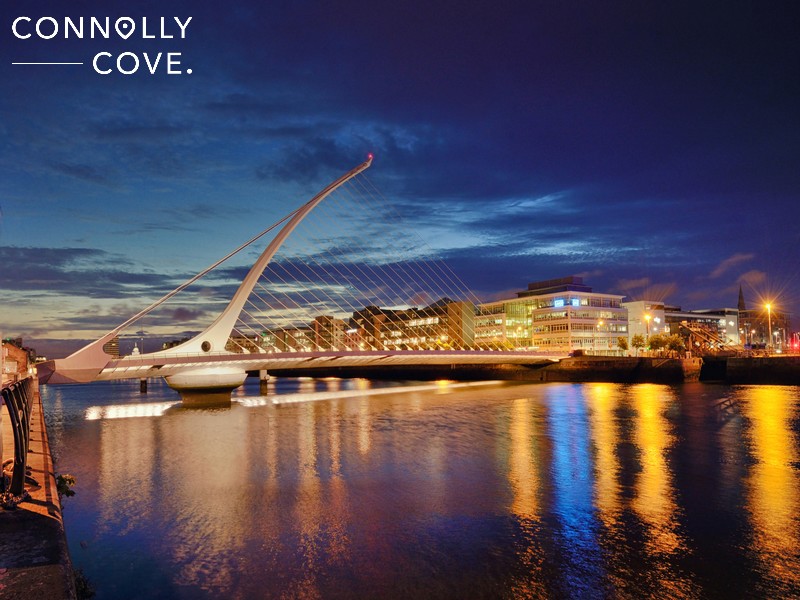
The Wonder was primarily filmed in Dublin and County Wicklow, with Hollywood Village being a notable area of focus. These locations were carefully selected to capture the essence of 19th-century rural Ireland and provide the backdrop for the film’s narrative.
Weston Airport, Dublin
Ireland’s capital city served as the primary filming location for several key scenes. The city’s historic architecture, cobbled streets and bustling markets provide a rich and vibrant backdrop. The production team built a special set at the Weston Airport, a general aviation airport in the city, that served as the set for nearly all indoor scenes in the film.
Redcross and Sally Gap, County Wicklow
County Wicklow’s enchanting rural beauty provided the ideal backdrop for the outdoor scenes in the film. In Redcross village, the production team transformed a local café into the establishment Lib stayed at during her time in the village while they built a complete manifestation of The O’Donnell’s house in Sally Gap. The team wanted to give the viewers a birds-eye view of Anna’s house, exploring where she lives and spends her time during her fasting.
Hollywood, County Wicklow
It has an equally distinctive sign over the hill with its name. County Wicklow’s Hollywood is much greener than California’s Hollywood, at least according to Pugh herself. The majority of the outdoor rural filming of The Wonder took place in and around the Irish village of Hollywood. Saint Kevin went from Hollywood to Glendalough, where he stayed for years and has his final resting place. County Wicklow’s Hollywood hosted several films like Michael Collins and King Arthur before The Wonder.
Places You Can Visit in Each of The Wonder 2022 Filming Locations
After we’ve briefly explored where The Wonder 2022 was filmed around Ireland, we can dive, in more detail, into other landmarks and attractions to visit in each of the filming locations. From Dublin’s magnificent architectural history, cobbled streets and cultural richness to the rolling, colourful hills of County Wicklow, we bring you some of the best landmarks to visit in each location.
Dublin
Ireland’s capital city is a vibrant metropolis that seamlessly blends its rich history with modern-day wonders. Dublin has something to offer every visitor, from its architectural landmarks and historic sites to its lively pubs and cultural attractions. Here are some must-visit and must-do things in Dublin.
Trinity College and the Book of Kells
Begin your Dublin adventure with a visit to Trinity College, the island’s oldest university. The campus is home to the stunning Old Library, which houses the world-famous Book of Kells, a beautifully detailed manuscript from the 9th century. Take a guided tour to learn about the history of the manuscript and marvel at its intricate details.
Dublin Castle
Located in the heart of the city, Dublin Castle is a mesmerising castle that originally dates back to the 13th century. However, the majority of its surviving buildings date back to the 19th century. Housing the seat of British rule in Ireland, the castle is home to some intricately decorated rooms, also known as the State Apartments, which now serve as venues for official government events. The castle has several tributes to St Patrick, including a hall under his name and a carving of his head on the Chapel Royal.
Guinness Storehouse
Located in the historic St James’s Gate Brewery, Guinness Storehouse offers a fascinating tour that takes you through the brewing process and the history of Ireland’s most famous beer. You can enjoy a warm coffee at the storehouse’s café on the first floor or head to one of its restaurants for a unique eating experience with a refreshing pint of true Irish beer.
This interesting The Wonder filming location has more attractions and activities than we can fit here. You can head to the National Museum of Ireland for a journey through the island’s history, Dublin Zoo to see and feed a wide variety of animals, St Patrick’s Cathedral to learn about Ireland’s patron saint and Kilmainham Gaol for a sobering look at Ireland’s history.
County Wicklow
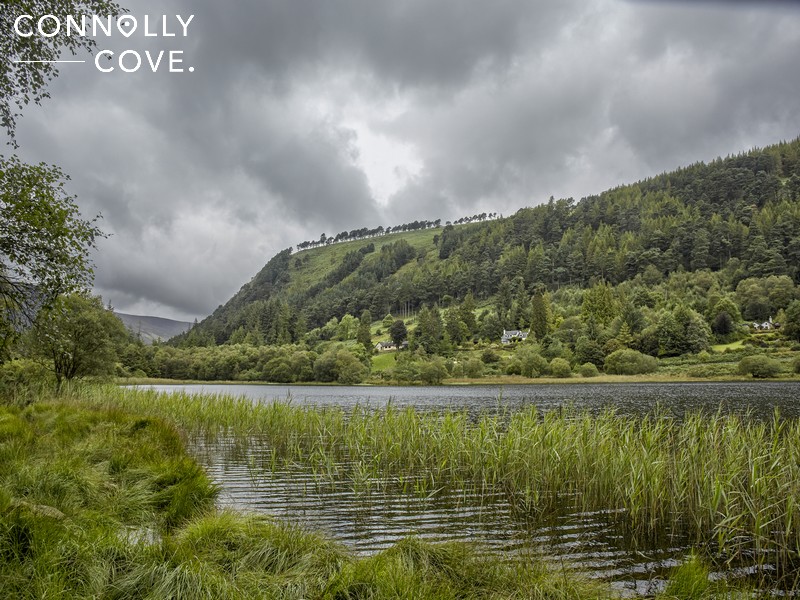
Also called the Garden of Ireland, County Wicklow is a picturesque region located just south of Dublin. Renowned for its stunning landscapes, historic landmarks and outdoor activities, County Wicklow is a must-visit destination if you’re planning an Irish getaway. Here are some landmarks to visit in the second filming location of the 2022 film, The Wonder.
Glendalough
Start your County Wicklow adventure with a visit to Glendalough, a breathtaking valley nestled in the Wicklow Mountains. This ancient monastic site, founded by St Kevin in the 6th century, features a round tower, a cathedral and several other historic buildings. Take a tranquil stroll along the picturesque walking trails, and visit the Glendalough Visitor Centre for more information about the site’s history and significance.
Powerscourt Estate
Explore the stunning Powerscourt Estate, home to one of Ireland’s most beautiful gardens. The estate’s formal gardens, waterfalls, and Japanese gardens are sights to behold. The grand 13th-century castle bears the modifications of 18th-century architecture. Today’s castle has several shops and restaurants where you can savour a delicious meal basking in nature’s beauty.
Wicklow Mountains National Park
Immerse yourself in County Wicklow’s natural beauty as you visit the Wicklow Mountains National Park. This magical wilderness area offers a variety of outdoor activities, including hiking, mountain biking and birdwatching. The Glendalough Valley is nearby, another wonderful spot to explore during your visit.
Our top suggestions for places to visit and things to do in County Wicklow might end here, but we recommend visiting the Wicklow Gaol, Bray Head and the Greenan Maze.
As the credits roll on The Wonder 2022, we cannot help but reflect on the profound impact of Ireland’s stunning landscapes on the film’s overall cinematic experience. The director skillfully utilised Ireland’s natural beauty to add a sense of awe and wonder, drawing views into the film’s world and immersing them in its rich tapestry of emotions and themes. The landscapes of rural Ireland provide the perfect backdrop for the film’s exploration of faith, doubt and human connection, enhancing the narrative’s depth and complexity.
A Guide to the Best Belfast Hotels
Travel & Hospitality Careers
29/04/2024
The Dying Gaul: Unraveling the Meaning and History of an Ancient Roman Masterpiece
History and Heritage
29/04/2024
Discover The Mystery of the Paviland Red Lady: Unearthing Its Secrets
Culture Exploration
29/04/2024
Downpatrick Town: Saint Patrick’s Final Resting Place
Northern Ireland
29/04/2024
Breton Language: Safeguarding the Rhythmic Pulse of Brittany’s Celtic Heart
Culture Exploration
29/04/2024