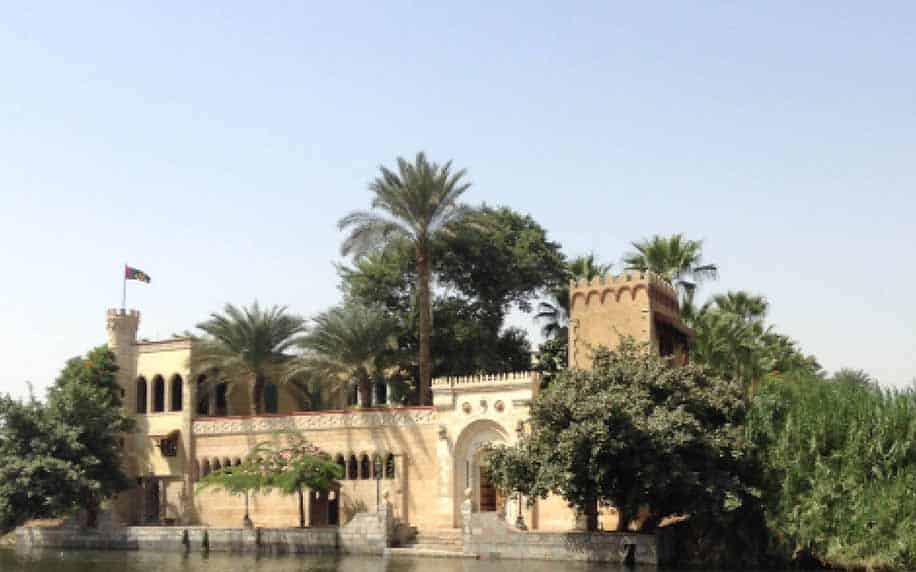
The city of Cairo hides countless architectural treasures beyond the typical tourist itinerary. Among these hidden gems is the Palace of Prince Naguib Hassan Abdallah, a modern masterpiece that pays homage to Egypt’s rich Mamluk heritage. Situated on the serene Dahab Island in the Nile River, this palace represents a remarkable blend of historical reverence and contemporary craftsmanship that captivates visitors and architecture enthusiasts alike.
Table of Contents
Historic Significance: The Last Mamluk Prince’s Legacy
The Palace of Prince Naguib Hassan Abdallah holds special historical significance as it connects to Egypt’s Mamluk past while existing as a contemporary creation. Prince Naguib, a descendant of Circassian and Mamluk royal families, created this architectural marvel as a personal residence and a tribute to his heritage.
The Mamluks ruled Egypt from 1250 to 1517 until the Ottoman conquest. They established a distinctive architectural style during their reign with intricate geometric patterns, elaborate domes, and ornate decorations. Their influence on Egyptian architecture remains evident in numerous historical mosques and palaces throughout Cairo and beyond.
Prince Naguib’s great-grandfather, Prince Hassan Sharkas Abdallah, served as a military general who fought against Napoleon Bonaparte during the French campaign in Egypt. This family history gives the palace added historical resonance, connecting it to pivotal moments in Egypt’s past.
“What makes this palace particularly fascinating is how it bridges Egypt’s architectural heritage with modern construction techniques,” notes Ciaran Connolly, Director at Connolly Cove. “The palace demonstrates how digital documentation and modern marketing can help preserve and promote historical architectural styles for future generations.”
Island Location: Dahab Island’s Golden Refuge
Nestled in the tranquil embrace of the Nile River, Dahab Island (meaning “Island of Gold”) offers an exclusive escape from Cairo’s urban chaos, just a short ferry ride from the mainland. This secluded paradise creates the perfect setting for Prince Naguib’s architectural masterpiece, providing visitors a rare opportunity to experience royal Egyptian heritage amid lush gardens and panoramic river views.
The Island of Gold
Dahab Island (whose name translates to “Island of Gold”) offers a peaceful retreat from Cairo’s bustling urban landscape. Located south of Roda Island and near Qorsaya Island in the Nile River, this little-known royal island provides the perfect setting for the prince’s vision of a secluded yet culturally significant residence.
The island’s relatively isolated position, accessible only by ferry, contributes to the palace’s mystique and exclusivity. This geographical separation from mainland Cairo creates a distinct atmosphere that aligns perfectly with Prince Naguib’s desire to build away from the city’s noise and congestion.
A Vision Realised
Prince Naguib’s journey to create his palace is as remarkable as the structure. Despite growing up abroad in France and Switzerland, he maintained a deep connection to his Egyptian heritage and always dreamed of returning to build his home there. In 1994, he purchased the land where the palace now stands, beginning a 15-year construction project he supervised.
Demonstrating extraordinary dedication to his vision, the prince lived under a tent on the island during construction. This hands-on approach allowed him to ensure every detail aligned with his concept of reviving Mamluk architectural traditions while creating a functional modern residence.
Architectural Features: Reviving Mamluk Excellence
Prince Naguib’s palace is a breathtaking revival of Mamluk architectural brilliance, showcasing intricate geometric patterns, hand-carved mashrabiyas, and stunning marble inlays crafted exclusively by Egyptian artisans. Every archway, mosaic, and ornate ceiling tells a story of cultural preservation, where 15 years of meticulous construction successfully bridges centuries-old design traditions with contemporary craftsmanship.
Egyptian Craftsmanship
A defining characteristic of the Palace of Prince Naguib Hassan Abdallah is its commitment to authentic Egyptian craftsmanship. The prince insisted that every element of the palace be created by Egyptian artisans using locally sourced materials and decorations. This decision supported local craftspeople and ensured the palace would genuinely express Egyptian cultural identity.
The palace exemplifies the revival of Islamic architecture through its:
- Intricate wooden mashrabiyas (latticed window screens)
- Geometric marble inlays
- Hand-painted ceiling decorations
- Traditional mosaic tilework
- Carved stone detailing
Historical Collection
Beyond its architectural significance, the palace houses an impressive collection of historical artefacts that enhance its cultural value. Visitors can view:
- Antiques from various Egyptian historical periods
- Family paintings and portraits
- Honorary medals and decorations
- Military memorabilia from Prince Hassan Sharkas Abdallah
- Period furniture and décor items
This combination of architectural beauty and historical artefacts makes the palace not just a building but a comprehensive cultural experience that provides insights into Egyptian royal history.
Visitor Experience: Modern Luxury with Historical Ambience
Prince Naguib’s palace guests are treated to an extraordinary blend of royal hospitality and historical immersion, enjoying sumptuous breakfasts on private Nile terraces and romantic felucca rides beneath starlit skies. The palace’s seamless integration of modern comforts with authentic Mamluk aesthetics creates an unparalleled overnight experience where visitors can live like Egyptian royalty, surrounded by centuries of artistic tradition.
Overnight Accommodations
What truly sets this palace apart from other historical sites is the opportunity for visitors to experience it as a residence rather than merely a museum. The palace now welcomes guests to stay in its spacious bedroom with an ensuite bath, providing a unique opportunity to live like royalty.
Guests enjoy:
- A stylish Egyptian breakfast is served each morning
- Private Nile terrace views
- Boat rides along the Nile on traditional feluccas
- Optional romantic dinner arrangements for couples
- Modern amenities, including Wi-Fi and contemporary appliances
Educational Value
The prince’s decision to open his home to the public has created a valuable educational resource. Architecture students from Egypt and abroad regularly visit the palace to study the successful revival of Islamic architectural elements in a contemporary context. These educational visits highlight how historical preservation can coexist with practical, modern living spaces.
Digital Preservation: Capturing Heritage Through Technology
Modern digital techniques are revolutionising how architectural treasures like Prince Naguib’s palace are preserved, with 3d scanning, virtual reality tours, and high-resolution photography creating permanent records of this cultural masterpiece for future generations. These cutting-edge preservation methods document the palace’s exquisite Mamluk details and democratise access to Egypt’s architectural heritage, allowing global audiences to experience its majesty without setting foot on Dahab Island.
Architectural Documentation
In today’s digital age, preserving architectural heritage goes beyond physical maintenance. The Palace of Prince Naguib Hassan Abdallah presents a perfect case study for how digital technologies can document and promote historical architectural styles.
Modern digital preservation techniques applicable to historical structures like this palace include:
- 3d scanning and modelling to create precise digital records
- High-resolution photography documenting architectural details
- Virtual reality experiences allow remote exploration
- Building Information Modelling (BIM) to map structural elements
- Digital archives preserving construction techniques and material information
At Connolly Cove, we recognise the importance of digital preservation for cultural heritage sites,” explains Ciaran Connolly. “Our web design and digital marketing expertise provide valuable tools for historical properties looking to document their significance and reach interested visitors worldwide.”
Online Visibility
The palace has embraced modern booking technologies to make itself accessible to interested visitors. Currently available through platforms like Airbnb, it demonstrates how historical properties can leverage digital platforms to connect with global audiences.
For historical properties considering similar approaches, developing a comprehensive digital strategy might include:
- A dedicated website with virtual tours
- Professional photography highlighting architectural features
- Content marketing shares the property’s historical significance
- Social media presence showcasing visitor experiences
- Digital booking systems for tours or accommodations
- Video production documenting the property’s story and features
Modern Applications: Learning from Historical Architecture
Prince Naguib’s palace brilliantly demonstrates how ancient Mamluk design principles offer sustainable solutions for contemporary architecture, with traditional mashrabiyas providing natural temperature regulation and innovative courtyard layouts creating cooling microclimates without modern air conditioning. Today’s architects and designers are increasingly studying this remarkable structure to extract timeless wisdom from Egyptian building traditions, incorporating strategic shading, natural ventilation, and locally-sourced materials into sustainable urban developments worldwide.
Sustainable Design Principles
The Palace of Prince Naguib Hassan Abdallah incorporates many traditional architectural elements that originally developed as responses to Egypt’s climate. These features offer valuable lessons for contemporary sustainable architecture:
- Mashrabiyas that provide privacy while allowing airflow
- Thick walls that regulate interior temperature
- Courtyards that create natural ventilation
- Water features that cool the surrounding spaces
- Strategic orientation to manage sunlight exposure
These traditional design elements demonstrate how historical architectural wisdom can inform modern sustainable building practices, offering environmental benefits while maintaining cultural connections.
Cultural Tourism Development
The palace represents an excellent model for developing cultural tourism destinations that balance preservation with accessibility. By opening a private residence with historical significance to visitors, the palace creates:
- Educational opportunities for students and researchers
- Unique experiences for cultural tourists
- Income streams to support ongoing preservation
- Opportunities to showcase local craftsmanship
- Connections between visitors and Egyptian heritage
Nearby Experiences: Expanding Your Egyptian Journey
After experiencing the Palace of Prince Naguib Hassan Abdallah, visitors can explore other significant sites that complement this architectural discovery:
- Muhammad Ali Palace in Shubra: Another remarkable example of Egyptian palatial architecture
- El Moez Street Mosques: A concentration of historical Islamic architecture
- Saladin Citadel and Muhammad Ali Mosque: Iconic examples of Islamic architecture with panoramic city views
- Nile River Cruises: Extended journeys exploring Egypt’s lifeline
- Old Cairo: Historical district with Coptic churches and Islamic monuments
Digital Documentation: Preserving Heritage Through Technology
Advanced photogrammetry and drone mapping transform how we preserve architectural wonders like Prince Naguib’s palace, creating immersive digital twins that capture every intricate carving and geometric pattern with submillimeter precision. These comprehensive digital archives safeguard Egypt’s cultural heritage against the passage of time and environmental threats, enabling architects, historians, and students worldwide to study authentic Mamluk design techniques through virtual exploration platforms that reveal details invisible to the naked eye.
The Role of Professional Photography
Architectural treasures like the Palace of Prince Naguib Hassan Abdallah greatly benefit from professional photography that captures their essence and intricate details. High-quality visual documentation serves multiple purposes:
- Creating historical records of architectural features
- Providing marketing materials for tourism promotion
- Enabling virtual exploration for remote audiences
- Supporting educational resources for architectural studies
- Contributing to cultural heritage preservation efforts
“Our video production team specialises in capturing architectural details that tell the story of historical buildings,” notes Ciaran Connolly. “Through careful lighting, composition, and perspective, we can highlight the craftsmanship and design elements that make places like Prince Naguib’s palace so extraordinary.”
Virtual Preservation Strategies
As digital technologies advance, opportunities for virtual preservation continue to expand. Comprehensive digital documentation strategies might include:
- Photogrammetry to create accurate 3d models
- Drone footage captures the overall context and setting
- Interactive websites allowing virtual exploration
- Augmented reality applications for on-site educational experiences
- Digital archives documenting renovation and restoration processes
These technologies preserve cultural heritage and make it accessible to global audiences who may never have the opportunity to visit in person.
FAQ: Palace of Prince Naguib Hassan Abdallah
Discover everything you need to know about experiencing Prince Naguib’s extraordinary Mamluk revival masterpiece, from booking exclusive overnight stays to arranging private Nile cruises directly to Dahab Island’s hidden shores. Below, we’ve answered the most common questions about this architectural gem, ensuring your visit to Egypt’s most exclusive palace becomes a seamless journey into royal heritage and contemporary luxury.
How can I visit the Palace of Prince Naguib Hassan Abdallah?
The palace is available for bookings through Airbnb for overnight stays. You can contact the palace management directly to inquire about available shorter visits or tour dates. As the palace is located on Dahab Island, you’ll need to arrange ferry transportation to access it.
Is the Palace of Prince Naguib Hassan Abdallah an ancient building?
Despite its traditional appearance, the palace is a modern construction completed after 2009. Prince Naguib spent 15 years building it as a revival of Mamluk architectural style, making it a contemporary homage to historical Egyptian architecture rather than an ancient structure.
What makes the Palace of Prince Naguib Hassan Abdallah architecturally significant?
The palace successfully revises Mamluk architectural traditions using modern construction techniques. Egyptian craftspeople built it entirely using local materials, preserving traditional construction methods while creating a functional contemporary residence.
Can I take photographs inside the Palace of Prince Naguib Hassan Abdallah?
Photography policies may vary, especially for educational or commercial purposes. It’s best to contact palace management directly when booking your visit. Architecture students and researchers studying Islamic architectural revival may be granted special photography permissions.
How does the Palace of Prince Naguib Hassan Abdallah compare to other Egyptian palaces?
Unlike many Egyptian palaces that are purely historical structures from past centuries, this palace represents a modern interpretation of traditional styles. It offers the unique experience of staying overnight in a contemporary building honouring historical architectural traditions.
Conclusion
The Palace of Prince Naguib Hassan Abdallah is a remarkable testament to the enduring influence of Egypt’s architectural heritage. Prince Naguib has created a personal residence and a living museum that preserves traditional craftsmanship and cultural identity by successfully reimagining Mamluk design principles in a contemporary context.
For visitors seeking experiences beyond Egypt’s well-known monuments, this hidden gem offers a unique opportunity to connect with the country’s architectural heritage in an intimate setting. The palace demonstrates how historical traditions can be honoured while embracing modern functionality and comfort.
As digital preservation techniques continue to advance, architectural treasures like this palace benefit from comprehensive documentation strategies that ensure their design principles and cultural significance reach global audiences. These remarkable structures can inspire appreciation for historical architecture worldwide through professional photography, virtual modelling, and engaging content creation.