

Skip to content
Updated on: by Avatar image of authorCiaran Connolly

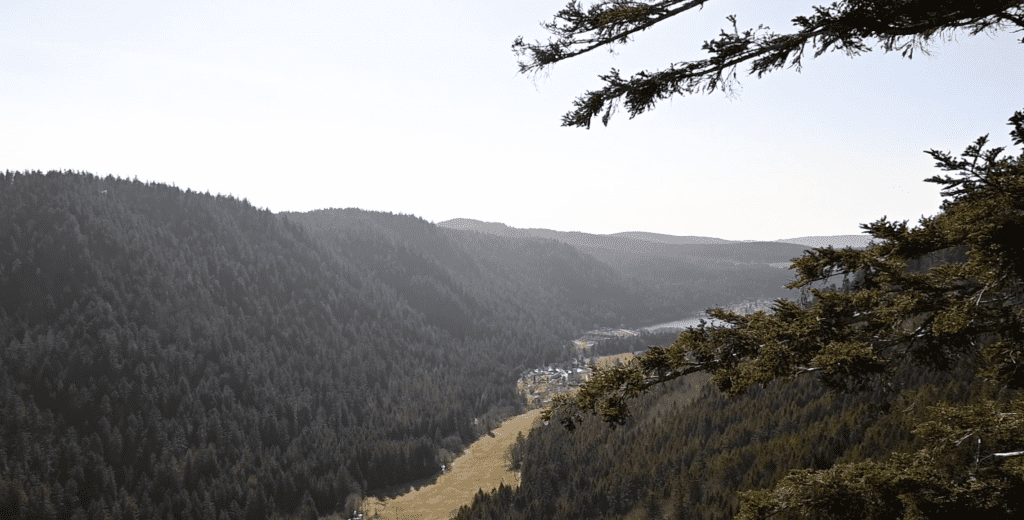
Tucked away amidst the Vosges Mountains’ rolling peaks and verdant forests lies the enchanting village of Xonrupt-Longemer, a hidden gem whispering tales of resilience and rejuvenation. Situated just a short distance from its more bustling neighbour, Gérardmer, Xonrupt-Longemer boasts a captivating history that is uniquely its own. This charming village, once a humble entity within Gérardmer’s municipal embrace, boldly carved its own path in 1919, embracing independence with a determination as steadfast as the granite peaks that define its picturesque landscape.

However, the story of Xonrupt-Longemer is not simply one of tranquil beauty. Like many villages nestled within the valleys of the Vosges, both peace and conflict have touched its history, its narrative interwoven with threads of hardship and recovery. From its fledgling beginnings as a newly independent village, home to a mere 809 souls, Xonrupt-Longemer embarked on a journey of transformation, its residents working tirelessly to showcase the allure of their pristine lake and breathtaking surroundings to the wider world.

Join us as we embark on a captivating exploration of Xonrupt-Longemer, delving into the captivating tapestry of its past. We’ll traverse the trials and triumphs that have shaped this remarkable village, from its early struggles for recognition to its unwavering resilience in the face of adversity. Uncover the unique blend of natural beauty and indomitable spirit that defines Xonrupt-Longemer, a testament to the enduring power of community and the unyielding allure of the Vosges Mountains.

Visiting Xonrupt-Longemer: The Vosges Oasis!

Xonrupt-Longemer, nestled in the heart of the Vosges region, offers a serene escape from the hustle and bustle of everyday life. Renowned for its stunning natural beauty, the area is a haven for outdoor enthusiasts and those seeking tranquillity.

Xonrupt-Longemer’s Lake: A Glacial Gem in the Vosges Mountains

The village of Xonrupt-Longemer, nestled in the heart of the Vosges Mountains, derives its name from two evocative elements: the river that flows through the valley and the shimmering expanse of water that graces its heart.

While the exact origins of “Xonrupt” remain shrouded in the mists of time, local lore suggests a connection to the wooden planks (“hhon” in the local dialect) once used to bridge the rushing waters of the Vologne River (“rupt”). “Longemer” leaves little to the imagination, translating aptly to “the long sea,” a fitting tribute to the lake’s elongated form.

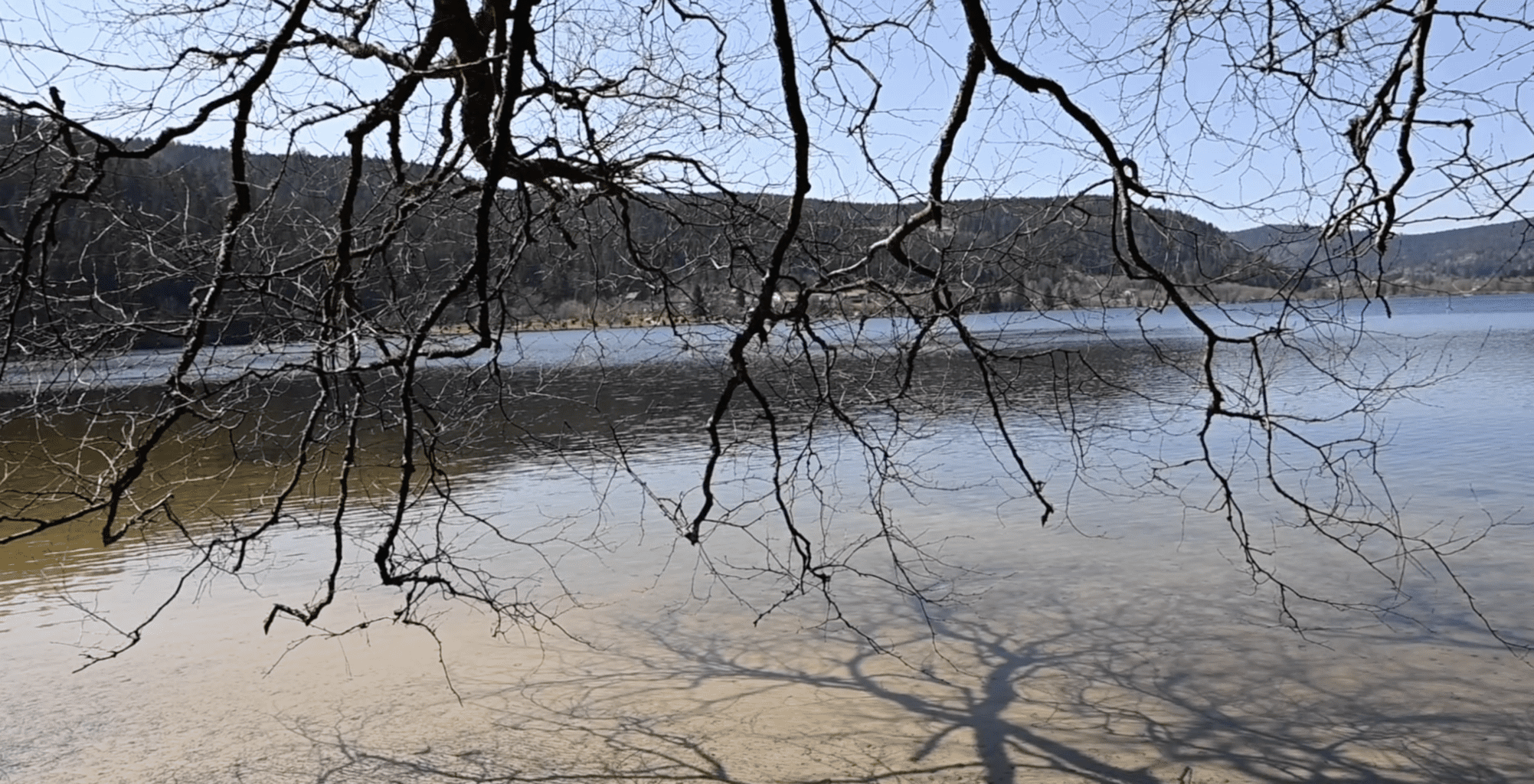
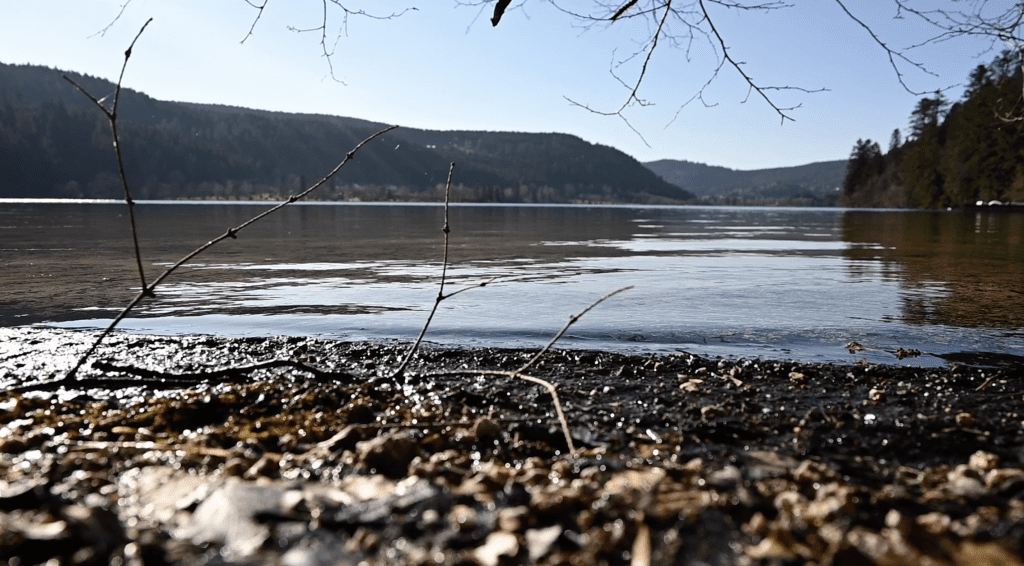
Stretching out like a glistening ribbon amidst forested slopes, Lake Longemer is a testament to the powerful forces that shaped the Vosges landscape millennia ago. This glacial lake, carved out by ancient ice flows, boasts an impressive scale, measuring approximately 1.95 kilometres in length and 550 metres in width. Its depths plunge to a chilly 34 metres, offering a glimpse into the mysterious world beneath its tranquil surface.

Lake Longemer is renowned as one of the most captivating bodies of water in the entire Vosges region. Its allure lies not only in its size and glacial origins but also in the harmonious balance it strikes between recreational activity and ecological preservation. While the lake attracts its fair share of visitors eager to experience its beauty, it has, thankfully, escaped the intense development that has impacted some of its counterparts.

The shores of Lake Longemer are fringed with lush forests, their verdant slopes reflected in the water’s mirror-like surface. Here, amidst towering pines and fragrant firs, a sense of tranquillity prevails. The air hums with the gentle sounds of nature: the whisper of wind through the trees, the chirping of birdsong, and the rhythmic lapping of waves against the shore. It’s a place where one can truly escape the hustle and bustle of everyday life, immersing oneself in the sights, sounds, and scents of the natural world.

Despite its tranquil atmosphere, Lake Longemer offers ample opportunities for recreation and adventure. Visitors can take to the water in paddle boats, their laughter echoing across the lake’s placid surface. Kayakers glide silently along the shoreline, their paddles dipping into the cool water, offering a unique perspective on the surrounding landscape. The more adventurous can even try their hand at windsurfing, harnessing the power of the wind to skim across the lake’s surface.

Beyond Longemer: Discovering the Enchanting Lac de Retournemer

Stock Photography Lac de Retournemer 3

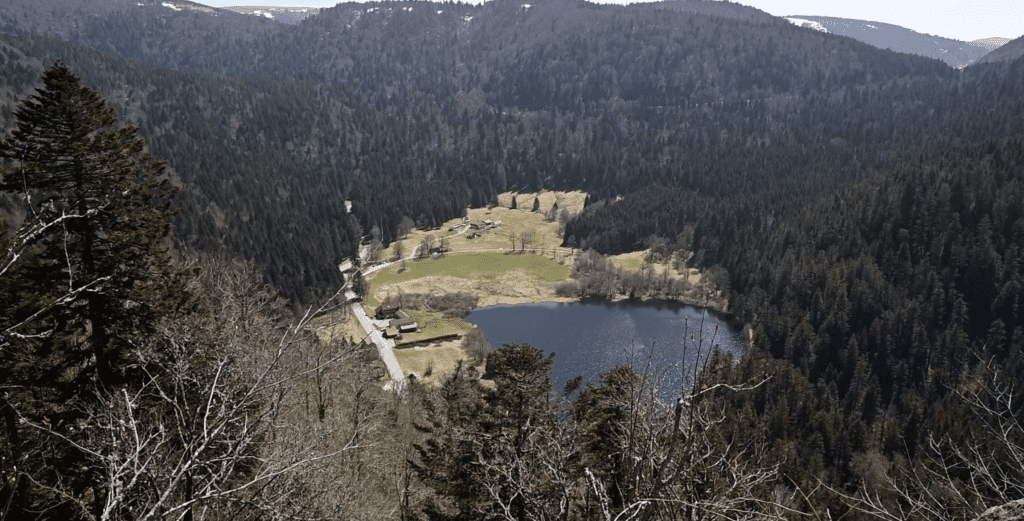
While Lake Longemer often steals the limelight in the Xonrupt-Longemer area, a quieter, equally captivating body of water lies nestled amidst the Vosges Mountains’ forested slopes: Lac de Retournemer. This picturesque lake, shrouded in an air of serenity and mystery, beckons travellers seeking solace and natural beauty. Its origins, however, are not as straightforward as its glacial neighbour, Longemer.

Unlike Longemer, carved out by the relentless advance and retreat of ancient glaciers, Retournemer Lake’s formation is a more nuanced affair. While the region’s glacial past undoubtedly played a role in shaping the landscape, the lake’s existence likely stems from a complex interplay of geological forces. Erosion, combined with the Vosges’ unique geological formations, may have contributed to the creation of this captivating basin, where crystal-clear waters now shimmer beneath the watchful gaze of towering peaks.

To correct the misconception, Lac de Retournemer is not a small lake. It stretches languidly for approximately 800 metres, its emerald-hued surface reflecting the sky and surrounding forests. At its widest point, the lake spans roughly 400 metres, offering ample space for tranquil contemplation. Beneath its serene facade, Retournemer harbours surprising depths, plunging to a maximum of 35 metres, a testament to the hidden dimensions of this seemingly placid body of water.

Located a comfortable distance from the village of Xonrupt-Longemer, Lac de Retournemer provides a peaceful retreat from the more frequented tourist trails. While it might be a bit of an overstatement to suggest a casual stroll between the two lakes, numerous well-maintained hiking paths weave their way through the verdant valleys and forested hillsides, connecting these two distinct bodies of water.

These trails offer breathtaking views of the surrounding landscape, showcasing the Vosges Mountains in all their untamed glory. As hikers traverse the winding paths, they are treated to a symphony of sounds: the gentle murmur of streams cascading down moss-covered rocks, the melodic calls of unseen birds hidden within the dense foliage, and the rustling of leaves beneath their feet.

Upon reaching Lac de Retournemer, hikers are rewarded with a vista of serene beauty. The lake’s tranquil surface, often undisturbed by the wind, reflects the surrounding forests and peaks like a giant, natural mirror. Its shores, fringed with a tapestry of trees, offer idyllic spots for picnics, quiet contemplation, or simply soaking in the beauty of the surroundings.

A Cascade Fit for an Emperor: The Legend of Charlemagne’s Waterfall

Venturing beyond the tranquil shores of Lac de Retournemer, the intrepid explorer is rewarded with the enchanting sight and sound of cascading water. Nestled within a verdant embrace of towering pines and moss-covered rocks, the Charlemagne Waterfall, a cascade named after a legendary emperor, adds a touch of majesty to the already captivating landscape of the Vosges Mountains.

A pleasant walk through the fragrant forest, approximately a kilometre from the lake’s edge, brings visitors to a clearing where the air hums with the symphony of rushing water. Here, the Charlemagne Waterfall takes centre stage, its cascading waters a testament to the relentless forces that have shaped this picturesque corner of France.

Local lore has long linked this natural wonder to the legendary Emperor Charlemagne, ruler of much of Western Europe in the 8th and 9th centuries. Legend has it that Charlemagne while traversing the Vosges Mountains on his way to Alsace, paused at this very spot to quench his thirst with the cool, refreshing waters cascading down the rocks.

Fed by a tributary of the La Vologne River, itself a vital artery coursing through the heart of the Vosges, the Charlemagne Waterfall plunges approximately 20 metres through a series of rocky tiers. The water doesn’t simply plummet in a single, dramatic drop; rather, it cascades playfully from one rocky outcrop to the next, creating a mesmerising spectacle of movement and sound.

Throughout the year, the Charlemagne Waterfall captivates visitors with its ever-changing beauty. During the summer months, the cascade provides a welcome respite from the heat, its cool mists offering a refreshing embrace. The surrounding forest, lush and verdant, teems with life, creating a symphony of sounds that blend harmoniously with the rushing water.

As autumn paints the Vosges landscape in vibrant hues of gold, crimson, and russet, the Charlemagne Waterfall takes on a new, ethereal beauty. The surrounding trees, their leaves ablaze with colour, provide a breathtaking backdrop for the cascading waters. The air, crisp and cool, carries the scent of decaying leaves and damp earth, a reminder that nature’s cycle continues, even as the days grow shorter.

Winter transforms the Charlemagne Waterfall into a magical spectacle, as freezing temperatures encase the cascading waters in a shimmering curtain of ice. The once fluid strands of water become frozen sculptures, their intricate formations resembling crystal chandeliers suspended from the rock face. The surrounding trees stripped bare of their leaves, stand like silent sentinels, their branches dusted with snow. The air, crisp and invigorating, crackles with the sound of crunching ice beneathfoot.

The Pont des Fées: Where Legend Meets History in the Vosges Mountains

Stock Photography The Pont des Fes 2

Nestled amidst the verdant embrace of the Vosges Mountains, where the waters of the Vologne River flow between the charming towns of Gérardmer and Xonrupt-Longemer, lies a structure steeped in both legend and history: the Pont des Fées, or Fairies Bridge. This picturesque bridge, crafted from sturdy stone, evokes a sense of timelessness, whispering tales of mythical beings and wartime daring.

While its current incarnation dates back to 1782, replacing what was likely an earlier structure at this strategic crossing, the Pont des Fées has woven itself into local folklore, acquiring an aura of enchantment that transcends its relatively recent construction. As with many places steeped in history, separating fact from fantasy can be a delightful pursuit, allowing the imagination to dance alongside historical analysis.

The most enchanting tale associated with the bridge involves, unsurprisingly, fairies. Legend has it that a powerful fairy who resided in a magnificent palace at the nearby Saut des Cuves waterfalls hosted lavish gatherings. Worn from their travels, Knights would be lured to these enchanting soirees, only to be tricked into drinking a potion that robbed them of their will.

Under the fairy’s spell, these hapless souls spent their nights toiling tirelessly, stone by stone, until the bridge spanning the Vologne River emerged from the mists of the valley. As dawn broke, the spell would lift, leaving the knights with no memory of their labour but a newfound appreciation for the perils of accepting enchanted beverages from beguiling fairies.

A more grounded explanation for the bridge’s whimsical name lies in the region’s linguistic history. “Fie” or “fée,” the local term for spruce trees, bear a striking resemblance to the French word for “fairy.” Given the abundance of spruce forests in the Vosges Mountains, it’s plausible that the bridge, perhaps constructed using timber from these very trees, earned its name through this linguistic connection.

Whatever the origin of its name, the Pont des Fées has played a tangible role in shaping local history, serving as a vital crossing point for travellers, traders, and even armies over the centuries. Its strategic location, linking the communities of Gérardmer and Xonrupt-Longemer, made it a focal point for both commerce and communication, facilitating the flow of goods, ideas, and people through the heart of the Vosges Mountains.

The bridge’s strategic significance was brought into sharp focus during the tumultuous days of World War II. In November 1944, as the tide of war turned against the occupying forces, the Pont des Fées served as a vital lifeline for the advancing French First Army.

With other bridges across the Vologne River destroyed by retreating German troops, the sturdy stone arches of the Pont des Fées provided a crucial passage for light armoured vehicles, enabling the French forces to press their advance and liberate the region from Nazi control.

Today, the Pont des Fées stands as a testament to the enduring power of both legend and history. Its weathered stones whisper tales of fairies and knights, of wartime daring and the enduring spirit of the Vosges people.

A Botanical Oasis in the Clouds: The Jardin d’Altitude du Haut Chitelet

Stock Photography altitude du Haut Chitelet 3

High in the Vosges Mountains, where the air is crisp, and the views stretch as far as the eye can see, lies a testament to the resilience and beauty of mountain flora: the Jardin d’Altitude du Haut Chitelet (Haut Chitelet’s Altitude Garden). Located near Xonrupt-Longemer, this botanical sanctuary offers visitors a unique opportunity to experience the diversity of plant life adapted to thrive in challenging alpine environments.

Founded in 1899, the garden boasts a history as rich and layered as the mountainous terrain it calls home. Over the decades, the garden’s purpose evolved, gradually transitioning from a forestry resource to a renowned botanical collection showcasing the remarkable adaptability of plants from mountainous regions worldwide.

Spanning several hectares, the Jardin d’Altitude du Haut Chitelet is a tapestry of carefully curated microclimates and habitats designed to mimic the natural environments where these specialised plants thrive. Visitors can wander through meticulously labelled collections, each dedicated to a specific region or ecological niche.

One moment, they might find themselves amidst a vibrant display of alpine flowers, their delicate petals painted in hues of violet, azure, and gold, a testament to nature’s artistry amidst the harsh conditions. A few steps further along the winding paths, the landscape transforms, transporting visitors to a cool, damp grotto, home to ferns and mosses that carpet the forest floor, their delicate fronds unfurling in the dappled sunlight.

The garden’s collection boasts an impressive array of over 2,500 plant species, each carefully chosen for its ability to withstand the challenges of high-altitude living: intense sunlight, dramatic temperature swings, strong winds, and short growing seasons. Representing not only the rich botanical heritage of the French and European massifs but also showcasing species from the far-flung peaks of North America and Asia, the garden offers a global perspective on the remarkable adaptability of plant life.

A stroll through the Jardin d’Altitude du Haut Chitelet is a journey of discovery, an opportunity to marvel at nature’s ingenuity in the face of adversity. Visitors can learn about the unique adaptations that allow these plants to thrive in such challenging environments: the waxy coatings on leaves that prevent water loss, the compact growth forms that withstand strong winds, and the intricate root systems that anchor them to rocky slopes.

While the garden underwent significant renovations in 1965, a project spearheaded by two passionate young horticulturists, one French and one German, its commitment to conservation and education has remained a constant throughout its history. Today, the garden serves as a vital resource for researchers studying alpine ecosystems, providing invaluable insights into the effects of climate change and human activity on these fragile environments.

The garden typically welcomes visitors from mid-June to the end of September, allowing ample time to experience its beauty throughout the summer months. However, it’s always best to check the official website or local tourist information for the most up-to-date opening hours and any special events.

Xonrupt-Longemer offers a tranquil escape from the demands of modern life. With its pristine lake, lush forests, and charming villages, this unspoiled corner of the Vosges region invites visitors to unwind and reconnect with nature. Whether seeking relaxation, adventure, or cultural immersion, this enchanting destination has something to offer everyone.

Leave a comment

Your email address will not be published. Required fields are marked *