


The Notebook: Unveiling The Romantic Charm of South Carolina
Updated On: March 16, 2024 by  Maha Yassin
Embraced by the captivating allure of South Carolina, The Notebook stands as a remarkable testament to romantic storytelling. This treasured film, adapted from Nicholas Sparks’ novel, is deeply woven into the fabric of the state’s charm and history. It intricately portrays the intense love story of Allie and Noah, a romance that invites viewers to a heartfelt journey across picturesque landscapes and historic backdrops. South Carolina’s sweeping coastal beauty and lush, verdant expanses provide the perfect setting for their timeless tale.
A meander through South Carolina’s environs resembles stepping into the scenes enthralling The Notebook fans. Each location resonates with the movie’s spirit, from the dreamy avenues of Charleston with its antebellum charm to the enchanting natural vistas of the Lowcountry. The stunning plantations, the rustic streets of historic towns, and the serene waters all echo the poignant narrative that unfolded in these spaces—a narrative that continues to beckon those seeking to experience the romance of Allie and Noah’s world
The Essence of The Notebook
In this exploration, we delve into the heart of The Notebook and examine Nicholas Sparks’s mastery in crafting this beloved romantic tale.
The Story’s Heart
The Notebook is a romantic story that captivates us with its portrait of enduring love. The plot centres on the lives of Noah Calhoun and Allie Hamilton, whose summer romance forever alters their futures. Set against the backdrop of 1940s South Carolina, their love story becomes a touchstone for all who believe in the power of love to transcend life’s greatest challenges.
Nicholas Sparks and His Craft
Nicholas Sparks is renowned for his ability to weave deeply emotional narratives that resonate with readers worldwide. His novel, The Notebook, is a testament to his skill in creating rich, evocative landscapes alongside compelling characters that feel both real and relatable. We recognise his craft as central to bringing this moving love story to life, leaving a lasting impact on romantic fiction.
Iconic Filming Locations
In the romantic tapestry of The Notebook, South Carolina provides the backdrop for a story that captures hearts. The state’s rich history and picturesque landscapes have given the film its timeless charm, with several locations serving as memorable pieces of cinematic history.
Boone Hall Plantation

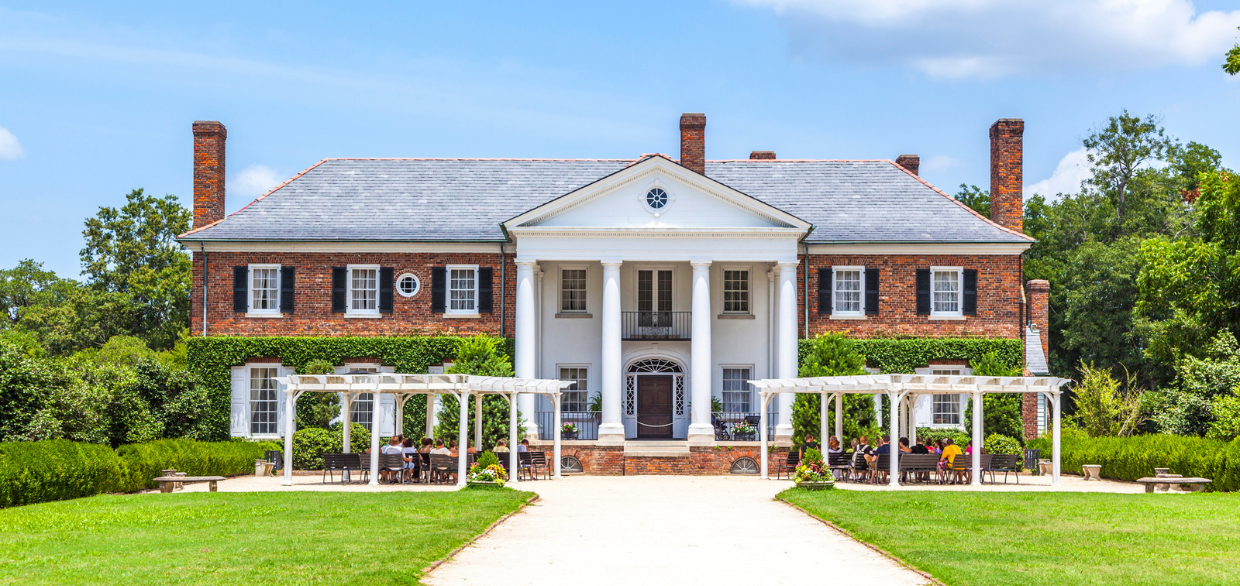
Boone Hall Plantation is a testament to the Deep South’s history and has seen its fair share of screen time in The Notebook. The plantation’s Avenue of Oaks, a spectacular approach lined with towering, moss-draped Southern live oak trees, provided the setting for Allie’s summer home. Its historical significance and breathtaking scenery make it an iconic location for film enthusiasts.
American Theater
Next on our cinematic journey is the American Theater, where one of the film’s classic scenes — the romantic dance sequence between Allie and Noah — was beautifully brought to life. Located on Charleston’s King Street, the American Theater remains a symbol of the vintage charm and romance epitomised by the film.
William Aiken House
Lastly, the William Aiken House’s role as a key filming location cannot be understated. This historic site was used for intimate scenes that showcased its architecture and allure. Its inclusion in The Notebook has made it a sought-after destination for those wishing to relive the movie’s most touching moments.
These locations collectively contribute to the film’s allure, inviting fans to enter a world where Allie and Noah’s romance is almost palpable. Boone Hall, the American Theater, and the William Aiken House aren’t just filming locations; they’re storied places that invite visitors to immerse themselves in the charm of The Notebook‘s South Carolina.
Charleston’s Charm

Charleston is characterised by its blend of history, culture, and Southern hospitality, exemplified by its vibrant King Street, the Historic Charleston Hotel’s grandeur, and the Calhoun Mansion’s architectural marvel.
King Street Shopping
On King Street, we find a shopper’s paradise lined with boutiques and galleries showcasing Charleston’s arts and fashion scene. From antiques to modern apparel, King Street is the heart of retail in the city, offering an array of choices for every taste.
Historic Charleston Hotel
The Historic Charleston Hotel, a beacon of elegance and comfort, stands as a testament to Charleston’s rich history. It invites guests to reside in luxury, embracing the city’s charm with its graceful accommodations and impeccable Southern service.
Calhoun Mansion
At the Calhoun Mansion, we feel transported to the opulent Gilded Age of Charleston. This grand and gilded circa-1876 private mansion near the Battery, with its stunning interiors used in the film, offers insights into the city’s affluent past.
Natural Beauty of South Carolina
South Carolina’s landscapes enthral with their untouched splendour and raw charm. From the serenity of its botanical wonders to the profound stillness of its marshes, this southern haven is a testament to nature’s artistry.
Cypress Gardens
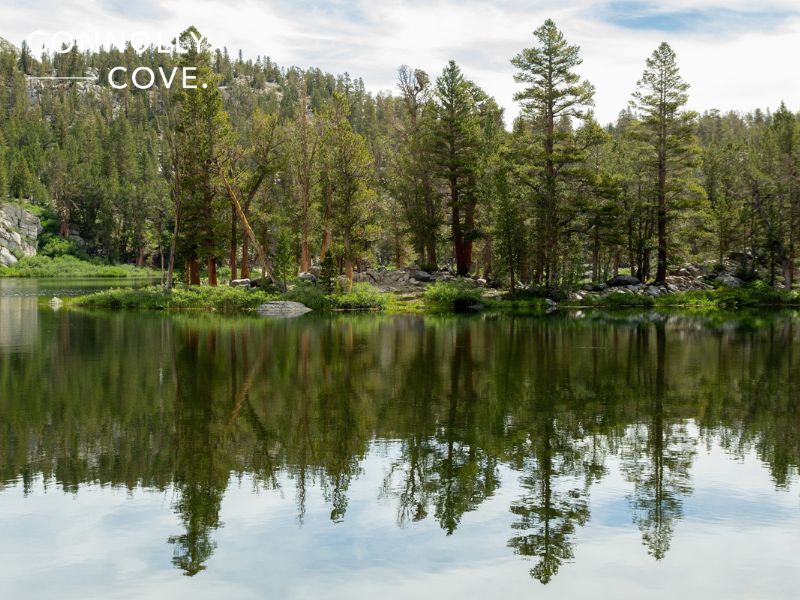
Cypress Gardens is our respite, a place where the dance of reflections on the water whispers of a tranquil beauty. We meander along the boat trails, gently parting the mirrored waters ensconced by towering cypress trees. Graceful and timeless, these gardens invite us to seek solace in the lap of nature.
Lowcountry Marshes
The Lowcountry Marshes flaunt an unassuming majesty that captures our hearts. We’re spectators to an intricate natural tapestry woven with Spartina grass, where the tide’s ebb and flow orchestrate a living landscape. South Carolina’s beauty is seen and felt through the briny air on our skin and the rich earth beneath our feet.
Avenue of the Oaks
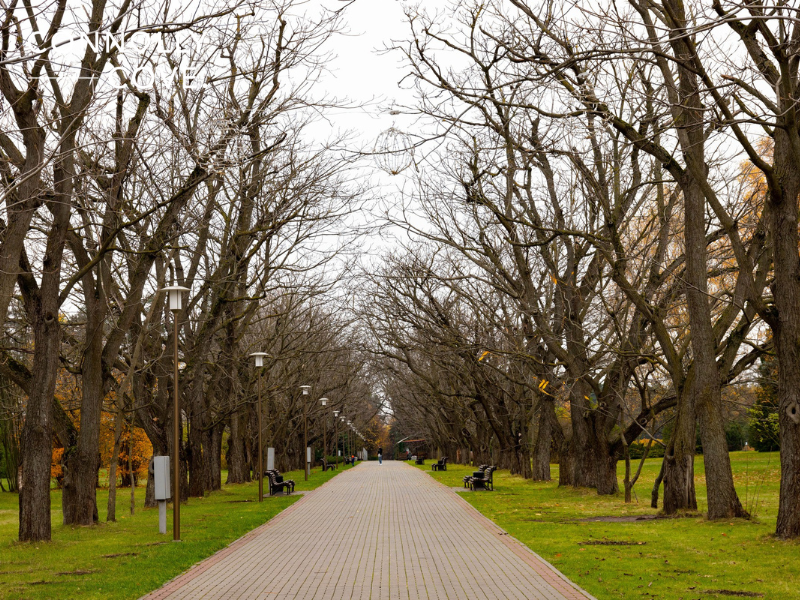
Our journey through South Carolina is incomplete without the Avenue of the Oaks. A natural arcade created by gnarled branches reaching skyward, the oaks stand sentinel – strong and wise. Each bend in the avenue reveals a new canvas, painted with luscious green hues that boldly claim the heritage of the south.
Discovering Mount Pleasant
As we explore Mount Pleasant, South Carolina, we are greeted by various captivating historical sites and picturesque waterfronts. This coastal town, just minutes from Charleston, offers visitors a mix of Southern charm and rich heritage, making it a key part of the region’s romantic allure.
Shem Creek
Nestled in the heart of Mount Pleasant, Shem Creek is a local favourite for fresh seafood and vibrant sunsets. Enjoy a meal at one of the waterfront restaurants or simply walk along the boardwalk. The creek is a hot spot for dining and kayaking and a living nucleus of a thriving fishing industry.
Patriots Point
Steeped in history, Patriots Point is home to the impressive Patriots Point Naval & Maritime Museum. Visitors can board the historic USS Yorktown, a World War II aircraft carrier. The scenic park area is a short walk from the museum, offering panoramic views of Charleston Harbor.
The Magic of Monck Corner
In the heart of South Carolina, Moncks Corner serves as a charming portal to the past, a place where natural beauty and history come together in a captivating blend.
Mepkin Abbey
Mepkin Abbey is a site of spiritual solace and a historical gem. Once belonging to the famous American publisher Henry Luce, the abbey is now home to a community of Trappist monks who have embraced peace and reflection amidst the vast gardens and age-old oaks.
Berkeley County Museum
Berkeley County Museum stands as a custodian of local heritage. Here, exhibits meticulously narrate the area’s history, from Native American artefacts to the Revolutionary War stories that shaped this region.
Moncks Corner is perhaps most widely recognised for Cypress Gardens, a sublime nature preserve. This tranquil site famously provided the backdrop for the iconic film The Notebook, portraying a timeless tableau of rowboats gliding among swans on the serene waters. Visitors to Cypress Gardens can immerse themselves in the essence of romance that frames Moncks Corner as a special destination.
Moncks Corner, more than just a town, embraces South Carolina’s serene landscapes and deep-seated history. We invite you to explore and experience the magic yourself.
Savannah’s Historic Appeal
Savannah, Georgia, envelops visitors with exceptional historic charm and well-preserved heritage. Strolling through its streets, one can’t help but be transported back to an era that underpins much of America’s cultural and historical identity.
Savannah’s Riverfront
Savannah’s riverfront is a bustling cobblestoned promenade rich in history. Elegantly restored cotton warehouses host various shops, galleries, and eateries here. Directly facing the Savannah River, this area was a hub for global cotton trade in the 19th century. River Street, now a picturesque thoroughfare, is lined with benches and street lamps, offering perfect vantage points for watching boats glide past along the river.
Forsyth Park

Forsyth Park, a sprawling 30-acre green space in the heart of Savannah, is a testament to the city’s thoughtful preservation and appreciation for communal areas. Dotted with grand fountains, memorials, and walking paths, this park is a favourite among locals and visitors alike. Its iconic Fountain at Forsyth Park, dating back to the 1850s, is a spectacular display of ornate design and a frequent subject in the snapshots of travellers seeking to capture the essence of Savannah’s historic appeal.
Exploring New Bern’s Role
New Bern, a picturesque town in North Carolina, captures the essence of Nicholas Sparks’ vivid storytelling. Our journey unfolds here through historic locations and romantic landscapes intertwined with Sparks’ narratives.
Tryon Palace
Tryon Palace, once the colonial capital of North Carolina, plays a pivotal role in Nicholas Sparks’ tales. With its opulent Georgian architecture and restored period features, the palace offers a glimpse into the settings that might inspire Sparks’ poignant love stories.
New Bern Tours
Embarking on a New Bern tour, we follow in the footsteps of the characters from The Notebook. Sparks’ depictions of New Bern’s charming streets and quaint lifestyle come to life as we meander through the city, painting a literary map of timeless and romantic moments.
The Notebook on Screen
In exploring The Notebook, a poignant romance that has captured hearts worldwide, we focus on its memorable portrayal on screen. Our insight delves into the nuances of the cast and characters, along with a special emphasis on the chemistry between Ryan Gosling and Rachel McAdams that provided the film with its emotional core.
Cast and Characters
The Notebook boasts a stellar ensemble that brings to life the characters of Nicholas Sparks’ eponymous novel. Starring Ryan Gosling as the passionate Noah Calhoun and Rachel McAdams as the strong-willed Allie Hamilton, their love story becomes an epic tale of romance set against the backdrop of 1940s South Carolina. Gosling and McAdams are supported by an accomplished supporting cast, including James Garner and Gena Rowlands, who portray the older counterparts of the couple, encapsulating the enduring nature of love.
Ryan Gosling and Rachel McAdams
The performances of Ryan Gosling and Rachel McAdams in The Notebook are often celebrated for their authenticity and depth. Gosling’s portrayal of Noah is intense and tender, crafting a character that resonates with audiences as a symbol of undying love and dedication. Meanwhile, McAdams’ Allie is the perfect foil, her vibrancy and resolve to breathe life into this timeless love story. Their on-screen dynamics translated into one of modern cinema’s most beloved romantic pairings, making ‘The Notebook’ a standout movie in both careers.
In The Notebook, Allie’s journey is central to the narrative, taking her from the comfort of her summer home in South Carolina to the life-altering experiences that follow.
Allie’s Summer Home
Allie’s life in the summer home represents her family’s affluence and societal expectations in the 1940s. Our exploration in Seabrook, South Carolina, uncovers the summer residence as a pivotal setting where Allie spends her days, initially bound by the strict decorum imposed by her parents. However, the idyllic setting becomes the backdrop for a profound transformation as Allie encounters a world markedly different from her own, full of raw emotion and genuine affection. The charming town itself frames her emotional and social awakening.
Double Date Turns Fateful
On what might seem just another evening, a double date turns fateful for Allie, marking the beginning of an unforgettable romance with Noah. This is where Allie’s conventional path diverges, guided by her heart into a whirlwind summer love that defies her parents’ expectations. An emotional turning point challenges her perspective and crafts her future choices. The date, shrouded in the simple act of social interaction, plays a crucial role in Allie’s coming of age, ultimately leading her to reassess what she truly desires out of life. The encounter, catalysing their deep connection, is portrayed as an intimate moment that paves the way for the intense, transformative experiences yet to come.
Real Estate in The Notebook
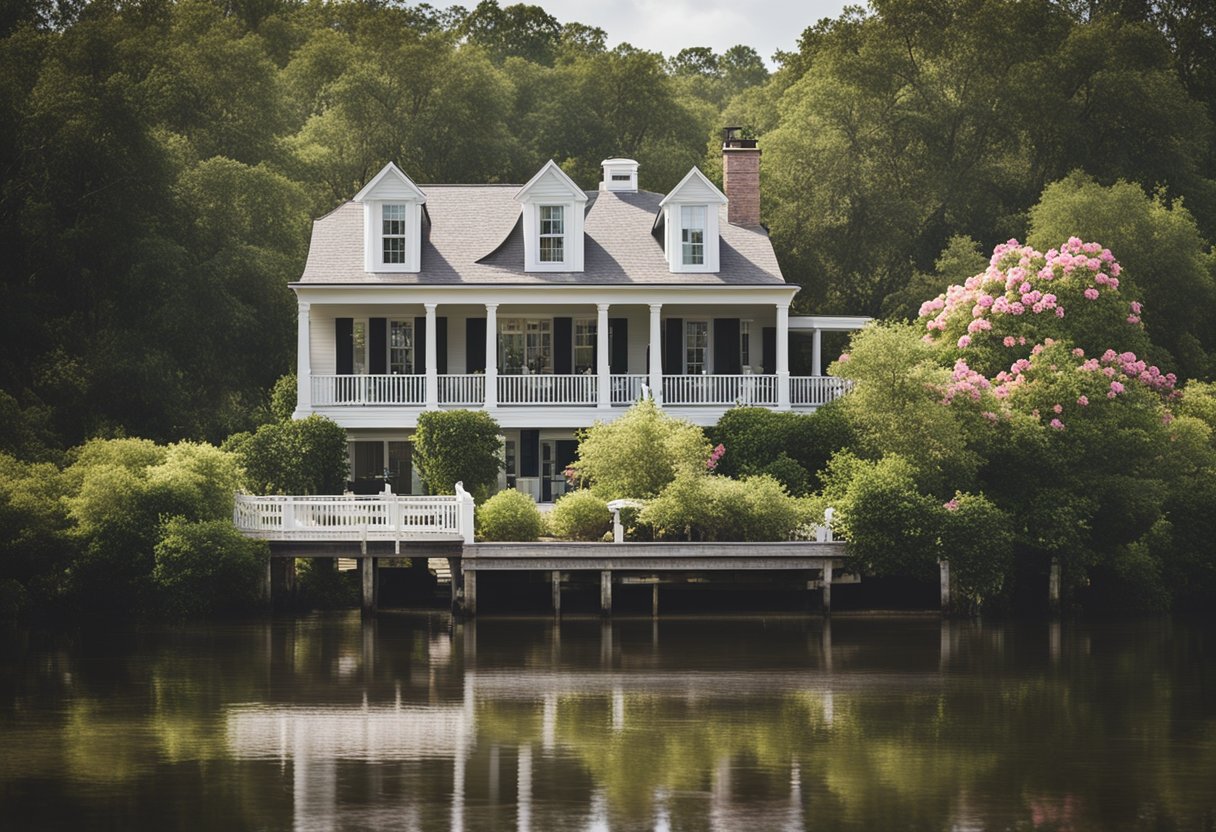
In the film adaptation of Nicholas Sparks’ novel, The Notebook, two properties feature prominently as backdrops to the poignant love story: the Hamilton family’s opulent summer home and the historic house Noah painstakingly restores. These homes serve as critical settings for the narrative and spotlight the charm and heritage of South Carolina real estate.
The Hamilton Family Summer Home
The Hamilton family summer home, a grandiose setting in The Notebook, symbolises wealth and tradition in the narrative. It’s a stately, privately-owned property in Seabrook, South Carolina. Although the story is on the idyllic North Carolina coast, the summer home scenes were filmed at the Boone Hall Plantation. With its sweeping avenue of oaks, this majestic antebellum estate is one of the state’s most treasured landmarks, attracting countless visitors yearly.
Restoring Historic Homes
The film also touches upon the emotional significance of restoring historic homes. Noah’s dedication to reviving a dilapidated mansion manifests his determination and love. The restoration revolves around the fictional character’s transformation of the Williams Mansion, which captures the essence of South Carolinian pride in historic preservation. The actual site, located at Martins Point Plantation on Wadmalaw Island, represents a testament to the enduring allure of the region’s architectural heritage. This project mirrors our reverence for safeguarding the physical narratives that compose our communal identity.
As one of the most popular romance films of all time, The Notebook has captured the hearts of film lovers all across the globe. To have a long-lasting love like Noah and Allie’s is the dream of everyone who grew up watching and rewatching this masterpiece. Until that happens for you, you can satisfy your love for romance by visiting all the gorgeous filming locations of The Notebook and getting a taste of the magic!

Downpatrick Town: Saint Patrick’s Final Resting Place
Northern Ireland
29/04/2024

Breton Language: Safeguarding the Rhythmic Pulse of Brittany’s Celtic Heart
Culture Exploration
29/04/2024

The Enchanting Helen’s Bay Beach – Northern Ireland
Northern Ireland
29/04/2024

Discover The Mythical Valkyrie Horses: Steeds of Legend
Mythology and Folklore
28/04/2024

Exploring the Concept of Anam Cara: A Celtic Perspective on Soul Friendship
Culture Exploration
29/04/2024