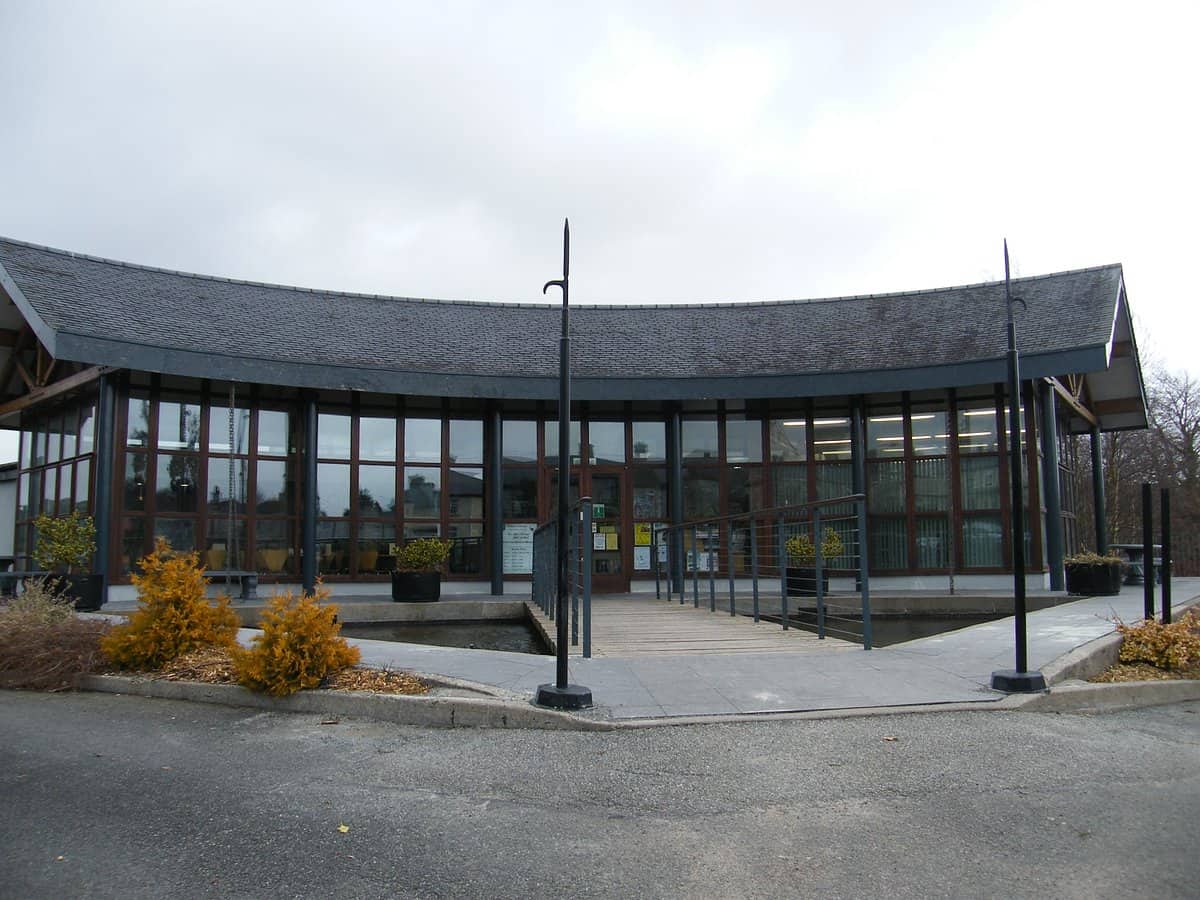

The National 1798 Rebellion Centre in County Wexford is a museum dedicated to the 1798 rebellion in Ireland. The uprising lasted only four weeks and was based on the French Revolution of the same period. (1789 – 1799)
Enniscorthy was the home of the final major battle of the rebellion. This was the Battle of Vinegar Hill in June 1798, although the Rebellion lasted until the final months of 1798.
Table of Contents
Historical Context of the 1798 Rebellion
To understand the significance of the National 1798 Rebellion Centre, one must delve into the historical context of the 1798 Rebellion itself. The late 18th century was a period of immense political and social upheaval across Europe. Inspired by the American War of Independence (1775-1783) and the French Revolution (1789-1799), the ideals of liberty, equality, and fraternity permeated Irish society.
In Ireland, these revolutionary ideals found a voice in the Society of United Irishmen, a republican organisation founded in 1791 by Theobald Wolfe Tone, Thomas Russell, and others. Initially advocating for parliamentary reform and religious equality, the United Irishmen soon adopted a more radical agenda, calling for complete Irish independence from Britain.
The socio-political climate in Ireland at the time was fraught with tension. The Protestant Ascendancy, a minority ruling class, held power and wealth, while the Catholic majority faced systemic discrimination and disenfranchisement. The Penal Laws, a series of oppressive measures against Catholics, exacerbated this inequality and fuelled widespread discontent.
The Outbreak of the Rebellion
The rebellion was triggered by a combination of factors, including a harsh British response to dissent, economic hardship, and the influence of revolutionary France. In 1796, an attempted French invasion aimed at supporting the United Irishmen failed due to bad weather. However, it heightened British paranoia and led to a crackdown on suspected rebels.
By 1798, the United Irishmen had amassed significant support across Ireland, particularly in the counties of Wexford, Wicklow, and Antrim. The rebellion began in May 1798, with a series of uprisings and battles that saw Irish rebels clash with British forces and loyalist militias.
County Wexford quickly became a focal point of the rebellion. Led by figures such as Father John Murphy, Bagenal Harvey, and Edward Roche, the Wexford rebels initially experienced notable successes, capturing towns and winning battles, including the famous victory at the Battle of Oulart Hill.
The National 1798 Rebellion Centre: A Tribute to Heroism and Sacrifice
Opened in 1998 to mark the bicentenary of the rebellion, the National 1798 Rebellion Centre serves as a comprehensive educational resource and a memorial to those who fought and died during the uprising. The centre’s mission is to preserve the memory of the rebellion and educate visitors about its causes, events, and lasting legacy.
Interactive Exhibits and Multimedia Displays
One of the standout features of the National 1798 Rebellion Centre is its use of interactive exhibits and multimedia displays to create an engaging and immersive experience for visitors. Upon entering the centre, visitors are greeted with a life-sized holographic display of General Lake, the British commander, proclaiming the rebels. This sets the stage for a journey through the turbulent events of 1798.
The centre’s exhibits are meticulously curated to provide a chronological narrative of the rebellion. Artefacts from the period, including weapons, uniforms, and personal items of the rebels, offer tangible connections to the past. These items, combined with detailed information panels and interactive screens, allow visitors to understand the daily lives, struggles, and motivations of those involved in the rebellion.
The Vinegar Hill Experience
A highlight of the National 1798 Rebellion Centre is the Vinegar Hill Experience. Vinegar Hill, located just outside Enniscorthy, was the site of one of the most significant battles of the rebellion. On 21 June 1798, a large force of rebels made their last stand against the British army. Despite their valiant efforts, the rebels were ultimately defeated, marking a turning point in the rebellion.
The Vinegar Hill Experience recreates the battle using state-of-the-art technology. Visitors are transported back in time through 3D visuals, sound effects, and narration. This immersive experience provides a visceral sense of the chaos and bravery that characterised the battle, offering a poignant tribute to those who fought and fell on Vinegar Hill.
Educational Programmes and Workshops
The National 1798 Rebellion Centre strongly emphasizes education, offering a range of programmes and workshops for school groups, history enthusiasts, and researchers. These programmes are designed to cater to different age groups and levels of knowledge, ensuring that everyone, from young students to seasoned historians, can benefit from the centre’s resources.
Workshops often include guided tours, interactive sessions with historical experts, and hands-on activities such as replica weapon handling and historical reenactments. These educational initiatives aim to foster a deeper appreciation of the 1798 Rebellion and its significance in broader Irish and global history.
Preserving the Legacy of the 1798 Rebellion
The 1798 Rebellion’s legacy is multifaceted, encompassing its immediate impact on Irish society, its influence on subsequent movements for Irish independence, and its place in the country’s collective memory. The National 1798 Rebellion Centre is crucial in preserving and promoting this legacy.
Immediate Impact and Aftermath
In the immediate aftermath of the rebellion, British forces brutally cracked down on Ireland. Thousands of rebels and suspected sympathisers were executed or transported to penal colonies. The uprising also led to the passing of the Act of Union in 1800, which dissolved the Irish Parliament and integrated Ireland into the United Kingdom of Great Britain and Ireland. This act was intended to prevent further uprisings by increasing British control over Irish affairs.
Despite its failure to achieve immediate independence, the 1798 Rebellion profoundly impacted Irish society. It exposed the deep-seated grievances of the Irish people and highlighted the need for political and social reform. The rebellion also planted the seeds of republicanism in Ireland, a legacy that would inspire future generations of Irish nationalists.
Influence on Subsequent Independence Movements
The 1798 Rebellion served as a precursor to later movements for Irish independence, most notably the Young Irelander Rebellion of 1848, the Fenian Rising of 1867, and the Easter Rising of 1916. These uprisings drew inspiration from the United Irishmen and their vision of an independent, republican Ireland.
The ideals of the 1798 Rebellion also found expression in the Irish War of Independence (1919-1921) and the subsequent establishment of the Irish Free State in 1922. Leaders such as Michael Collins and Éamon de Valera often cited the rebellion as a formative influence on their revolutionary efforts.
Commemoration and Cultural Memory
The National 1798 Rebellion Centre is instrumental in ensuring that the rebellion’s memory remains alive in contemporary Ireland. The centre fosters a sense of historical continuity and national pride through its exhibits, educational programmes, and commemorative events.
Commemorative events, such as the annual Vinegar Hill commemoration, draw visitors across Ireland and beyond. These events feature historical reenactments, lectures, and cultural performances, creating a vibrant and inclusive atmosphere that honours the sacrifices of the past while celebrating the resilience of the Irish spirit.
Visit the National 1798 Rebellion Centre
For those planning to visit the National 1798 Rebellion Centre, Enniscorthy offers a rich tapestry of historical and cultural attractions. Located in the heart of County Wexford, Enniscorthy is steeped in history and provides a picturesque setting for exploring Ireland’s past.
Practical Information
The National 1798 Rebellion Centre is open year-round, varying hours depending on the season. For the most up-to-date information on opening times, ticket prices, and special events, check the centre’s official website. Group tours can be arranged in advance, and the centre is fully accessible to visitors with disabilities.
Exploring Enniscorthy and Beyond
While in Enniscorthy, visitors can also explore other historical sites related to the 1798 Rebellion. Vinegar Hill is a must-visit, offering panoramic views of the surrounding countryside and a tangible connection to the past. The Enniscorthy Castle, a Norman stronghold with a history dating back to the 12th century, provides additional historical context and houses a museum with exhibits on local history.
Further afield, County Wexford boasts a wealth of attractions, including the Irish National Heritage Park, the Dunbrody Famine Ship, and the beautiful beaches of the Wexford coastline. These sites, combined with the National 1798 Rebellion Centre, make County Wexford a compelling destination for history enthusiasts and tourists alike.
Opening Times
- Monday to Friday – 9:30 am – 5:00 pm
- Saturday to Sunday – From 12:00 pm to 5:00 pm.
- Bank Holidays – Closed until the Summer Season
Prices
- Adult – €6
- Seniors & Students – €5
- Family* – €15
(*A family ticket is for two adults and up to three children)
Visitors can also visit Vinegar Hill for free. There is also an integrated ticket that visitors can buy. This grants them access to the National 1798 Rebellion Centre and Enniscorthy Castle.
Integrated Ticket Prices
- Admission to Vinegar Hill Battlefield is FREE.
(*A family ticket is for two adults and up to three children)
Facilities Available
- Wheelchair Friendly.
- Lift available.
- Toilets Available.
- Disabled Toilet.
- Parking Including Disabled.
- Baby Changing Facilities.
- Service Animals Welcome.
- WiFi.
- Picnic Area.
- Tea/Coffee Facilities.
Conclusion
The National 1798 Rebellion Centre in County Wexford is a testament to Ireland’s enduring quest for freedom and justice. Through its immersive exhibits, educational programmes, and commemorative events, the centre honours the memory of those who fought and died in the 1798 Rebellion. It also serves as a vital resource for understanding the broader context of Irish history and the ongoing struggle for national identity and sovereignty.
The centre offers visitors a unique opportunity to step back in time and experience the tumultuous events of 1798 firsthand. It is a place of reflection, learning, and inspiration, reminding us of the sacrifices made in the name of freedom and the enduring power of the human spirit. As such, the National 1798 Rebellion Centre is not just a museum but a living monument to Ireland’s past and a beacon for its future.
Have you ever visited The National 1798 Rebellion Centre? Let us know your experience in the comments below.
More Interesting Blogs: Irish Linen Centre and Museum | Dead Centre Tours, History of the Troubles | Island Arts Centre | Navan Centre and Fort | Irish National Heritage Park